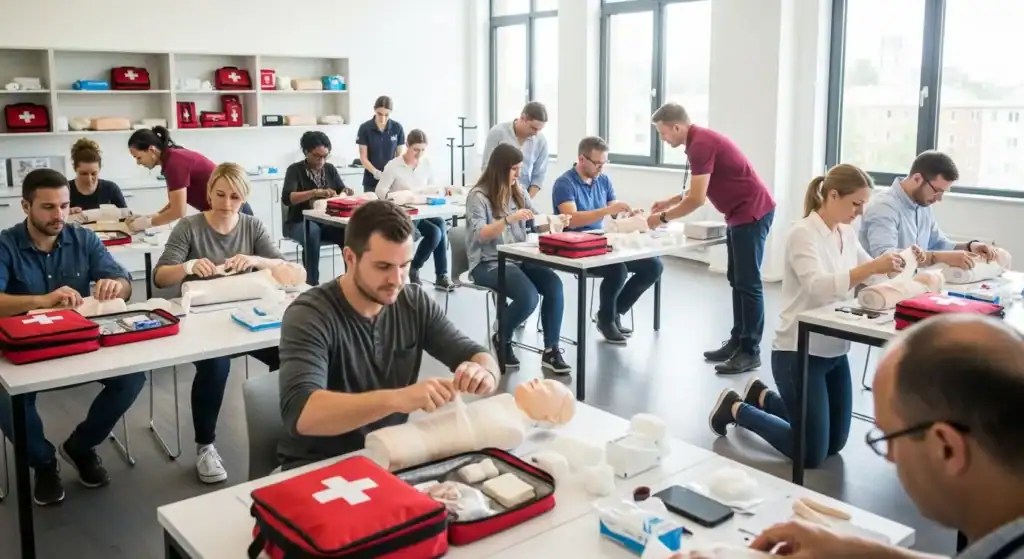
A first aid certification proves you have the practical skills to respond to common injuries and medical emergencies. Whether you need it for work, school, or personal confidence, a first aid certification equips you with knowledge that can genuinely save a life. According to the American Heart Association, more than 350,000 out-of-hospital cardiac arrests occur in the United States each year, and immediate bystander response dramatically improves survival. This guide from Response Ready covers exactly what a first aid course includes, the major certification providers, workplace requirements, how to choose between online and in-person training, and what it all costs.
What Does a First Aid Certification Cover?
A first aid certification teaches you how to assess an emergency scene, prioritize injuries, and deliver immediate care until professional medical help arrives. Most accredited first aid courses follow a standardized curriculum that includes the following core topics.
Core Skills You Will Learn
- Scene assessment and personal safety: How to evaluate a situation before approaching, including checking for hazards and calling 911.
- Bleeding control: Direct pressure, wound packing, and proper tourniquet application for severe hemorrhaging.
- Burn treatment: Identifying burn severity (first, second, and third degree) and providing appropriate cooling and coverage.
- Fracture and sprain management: Immobilization techniques and how to recognize when a bone may be broken.
- Choking response: The Heimlich maneuver (abdominal thrusts) for adults, children, and infants.
- Allergic reactions: Recognizing anaphylaxis symptoms and assisting with epinephrine auto-injectors.
- Environmental emergencies: Heat stroke, hypothermia, poisoning, and insect stings.
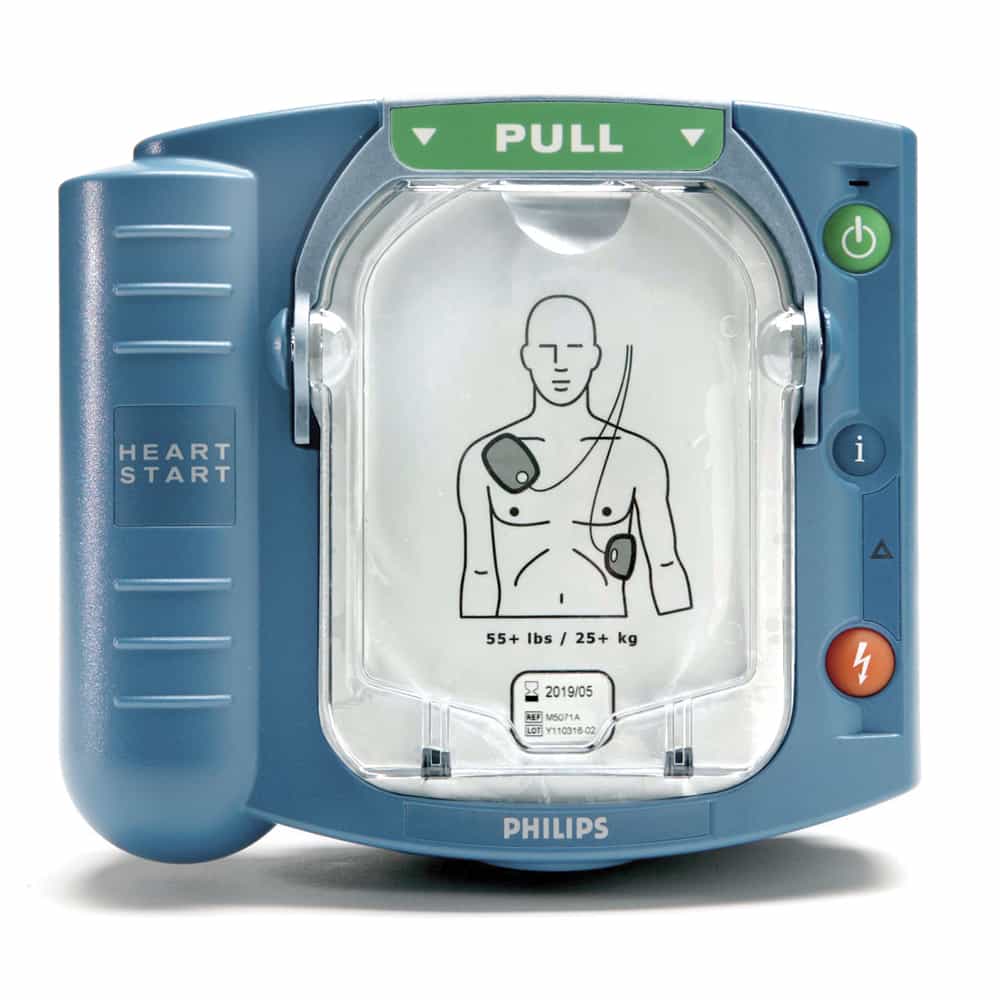
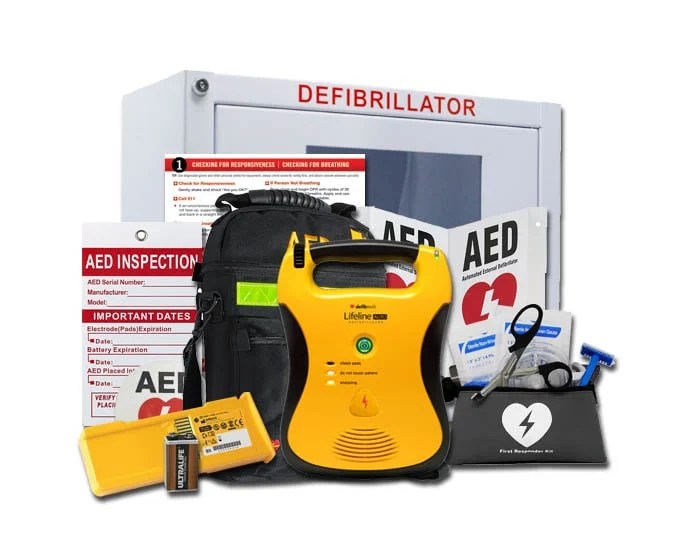
- CPR basics: Many first aid courses bundle cardiopulmonary resuscitation (CPR) and AED training into the certification.
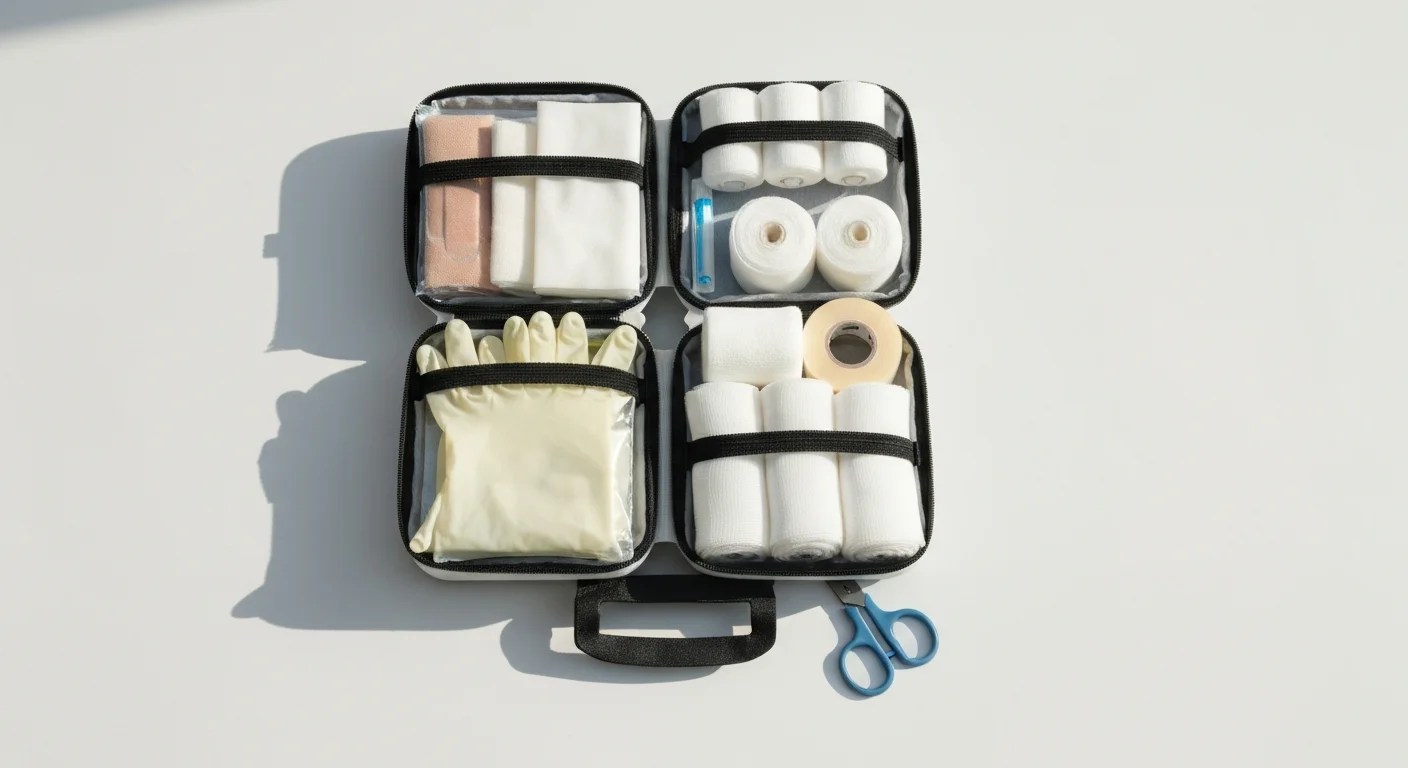
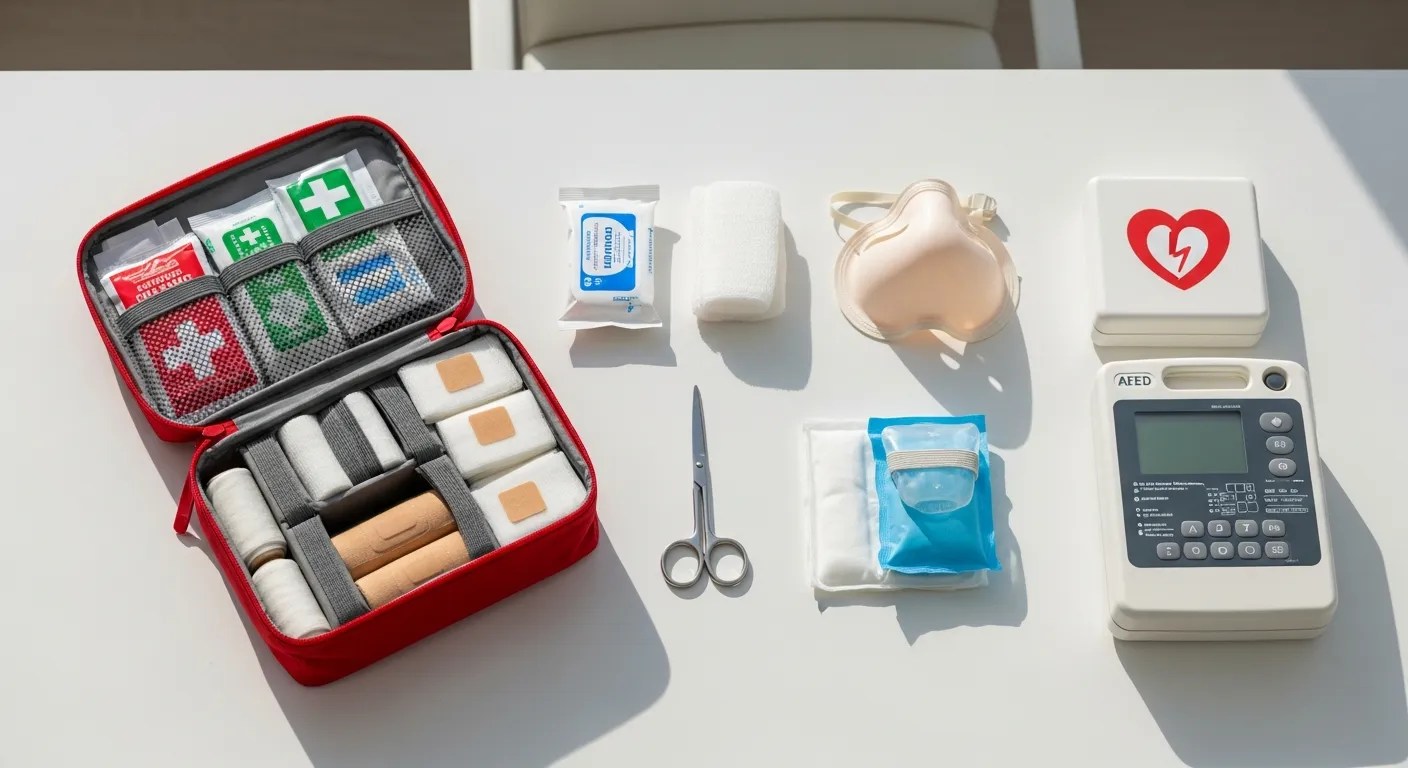
Most programs also cover how to use a basic first aid kit, including bandages, gauze, adhesive tape, antiseptic wipes, and cold packs. The goal is practical competence, not theoretical knowledge.
Who Are the Major First Aid Certification Providers?
Several nationally recognized organizations offer first aid certification programs in the United States. Each provider follows evidence-based guidelines, but they differ in delivery format, pricing, and bundled skills. Here is a comparison of the most common providers.
| Provider | Certification Validity | Format Options | Includes CPR/AED |
|---|---|---|---|
| American Heart Association (AHA) | 2 years | In-person, blended | Yes (Heartsaver series) |
| American Red Cross | 2 years | In-person, blended, online | Yes (bundled courses) |
| National Safety Council (NSC) | 2 years | In-person, blended | Yes |
| ASHI / MEDIC First Aid | 2 years | In-person, blended | Yes |
| EMS Safety Services | 2 years | In-person, blended, online | Yes |
American Heart Association (AHA)
The AHA’s Heartsaver First Aid CPR AED course is widely regarded as the gold standard for non-healthcare professionals. The training combines first aid fundamentals with CPR and automated external defibrillator (AED) instruction. AHA certifications are accepted by virtually all employers and regulatory bodies in the United States. Courses typically run 4 to 6 hours for the in-person format.
American Red Cross
The American Red Cross offers flexible first aid certification options, including a popular blended learning format that combines an online module with a shorter in-person skills session. This is a strong option for busy professionals who want to complete theory work at their own pace. Red Cross certifications are valid for two years and are recognized nationwide.
OSHA’s Role in First Aid Training
OSHA does not issue first aid certifications directly. Instead, OSHA regulation 29 CFR 1910.151 requires that employers provide first aid supplies and, in many cases, trained first aid providers when a workplace is not in close proximity to a medical facility. OSHA accepts certifications from AHA, Red Cross, NSC, and other accredited providers. For a detailed breakdown of what OSHA expects, see our guide on OSHA first aid kit requirements.
Why Does First Aid Certification Matter?
First aid certification matters because emergencies do not send advance notice. A certified first responder at the scene can stabilize a victim, prevent an injury from worsening, and provide critical care during the minutes before paramedics arrive. Those minutes are often the difference between full recovery and permanent harm.
Workplace Safety and Legal Compliance
Many states mandate that certain workplaces have at least one certified first aid responder on staff during operating hours. Industries with elevated risk, including construction, manufacturing, and oil and gas, face stricter requirements under OSHA and state-level regulations. Maintaining current certifications helps employers avoid fines and, more importantly, ensures workers can respond to injuries on the job.
Personal and Community Preparedness
First aid certification is not just a professional credential. Parents, coaches, teachers, church leaders, and community volunteers all benefit from knowing how to respond to choking, allergic reactions, bleeding, and other common emergencies. Response Ready’s training programs are designed for people at every skill level, from complete beginners to experienced first responders looking to recertify.
How Do You Choose Between Online and In-Person First Aid Courses?
The right format depends on your schedule, learning style, and how your employer or school recognizes the certification. Both online and in-person first aid courses have clear strengths and limitations.
In-Person First Aid Courses
In-person courses provide hands-on practice with bandaging, splinting, CPR compression technique, and AED operation. An instructor observes your skills in real time and provides immediate feedback. This format is required by many employers, particularly in healthcare, construction, and education. Typical in-person courses run 4 to 8 hours and include a written or practical exam at the end.
Online and Blended First Aid Courses
Fully online first aid courses let you complete the curriculum from home on your own schedule. However, they cannot test hands-on skills like CPR or wound management. That is why blended courses, which pair an online theory module with a shorter in-person skills verification session, have become the most popular option. The American Red Cross blended learning program is a well-regarded example.
Which Format Should You Pick?
- Choose in-person if your employer requires hands-on verification, you are a visual/kinesthetic learner, or you want to practice with real equipment.
- Choose blended if you have a tight schedule but still need a certification that includes a skills check.
- Choose online-only if you need a quick refresher or awareness-level training that does not require employer-specific compliance.
How Much Does First Aid Certification Cost?
First aid certification costs vary based on the provider, format, and whether CPR/AED training is bundled. Here is a general breakdown of what to expect in 2026.
| Course Type | Typical Price Range | Duration |
|---|---|---|
| First Aid only | $30 to $75 | 2 to 4 hours |
| First Aid + CPR/AED (in-person) | $60 to $120 | 4 to 8 hours |
| First Aid + CPR/AED (blended) | $50 to $100 | 2 to 3 hours online + 1 to 2 hours in-person |
| Online-only (awareness level) | $20 to $50 | 1 to 3 hours |
| Group/workplace training (per person) | $40 to $90 | 4 to 8 hours |
Many employers cover the full cost of first aid certification for their staff. If you are paying out of pocket, the investment is modest compared to the value of being prepared. Contact Response Ready for group training rates and scheduling.
What Are the Steps to Get First Aid Certified?
Getting your first aid certification is a straightforward process. Follow these five steps to go from registration to certified responder.
- Choose a provider. Select an accredited organization like the AHA, American Red Cross, or National Safety Council based on your needs and your employer’s requirements.
- Pick your format. Decide whether in-person, blended, or online-only training works best for your schedule and compliance needs.
- Register and complete the course. Most courses can be booked online. In-person and blended sessions are offered at training centers, community colleges, and on-site at workplaces.
- Pass the assessment. You will complete a written quiz and, for in-person and blended courses, a hands-on skills demonstration.
- Receive your certification card. Digital certifications are typically issued immediately. Physical cards may take a few days. Most certifications are valid for two years.
How Often Do You Need to Renew Your First Aid Certification?
Most first aid certifications from AHA, Red Cross, and other major providers expire after two years. Renewal is not automatic; you need to complete a recertification course before your current card expires. Recertification courses are shorter than the original program, typically 2 to 4 hours, and focus on skills refreshers and any updated guidelines. For a detailed guide on certification timelines, see our article on CPR AED certification.
Letting your certification lapse means you may need to retake the full course. If your employer requires current certification, an expired card can also put your job compliance at risk.
What Should You Look for in a First Aid Kit?
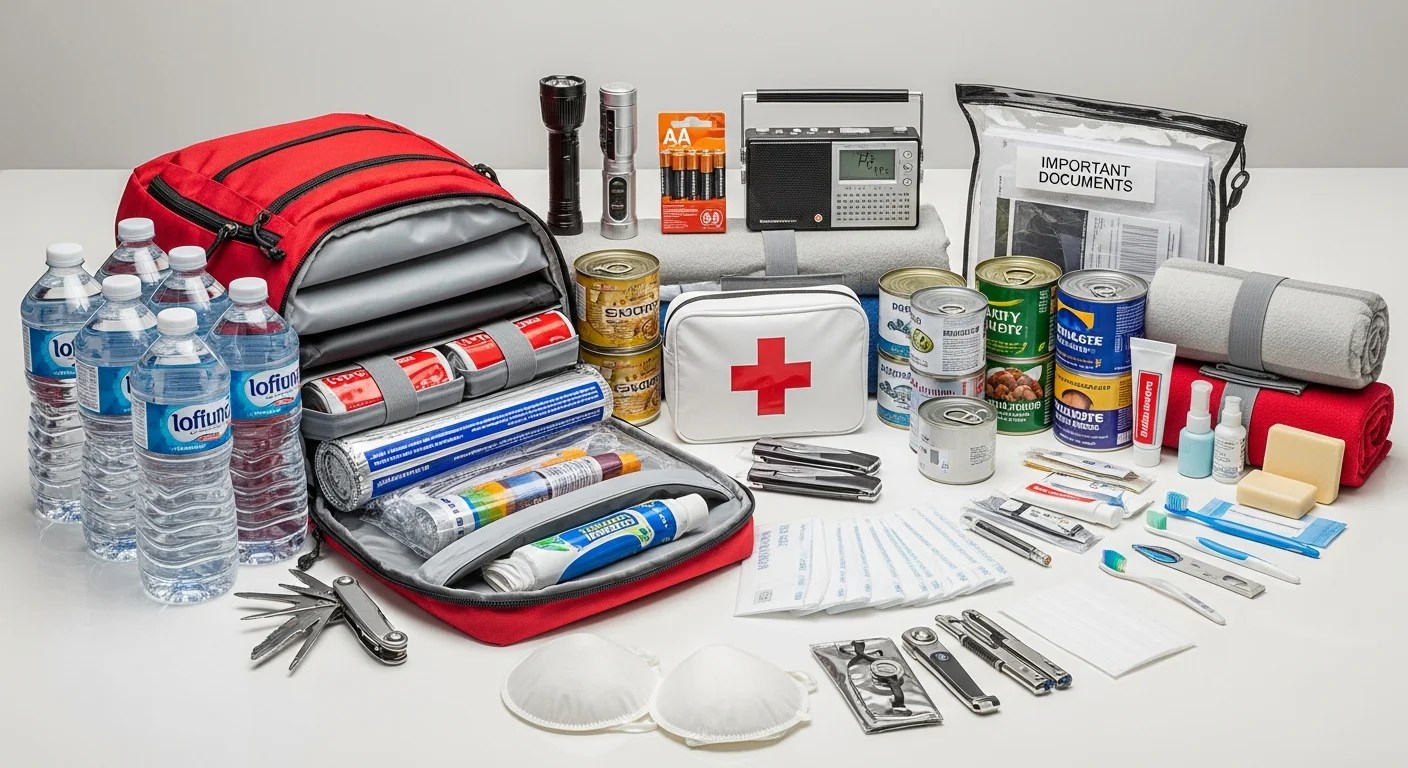
A first aid certification teaches you how to use the supplies in a first aid kit, but you need to make sure you actually have one available. Response Ready carries ANSI-compliant first aid kits stocked with bandages, gauze, antiseptic, burn dressings, cold packs, and other essentials. For workplaces, OSHA recommends kits that meet ANSI Z308.1 standards and are inspected monthly to ensure nothing is expired or missing.
Pairing your certification with a properly stocked kit means you have both the skills and the tools to respond effectively. Consider adding a bleeding control kit for higher-risk environments like construction sites, schools, and public venues.
Frequently Asked Questions
How long does it take to get first aid certified?
Most first aid courses take 2 to 8 hours to complete, depending on whether you choose an online, blended, or in-person format. Blended learning programs split the time between self-paced online study and a shorter in-person skills session. A standalone first aid course without CPR/AED training can be completed in as little as 2 hours.
Is first aid certification the same as CPR certification?
No. First aid certification covers a broad range of injury and illness responses, including bleeding control, burns, fractures, and allergic reactions. CPR certification focuses specifically on cardiopulmonary resuscitation and, in many cases, AED use. However, many providers bundle both into a single course, such as the AHA Heartsaver First Aid CPR AED program.
Do you need first aid certification to use an AED?
No. AEDs are designed to be used by anyone, with or without training. The device provides voice prompts that guide the user through each step. However, formal training builds confidence and speed, which matter in a real emergency. Response Ready carries AED training devices for organizations that want to practice before a real event.
Can you get first aid certified entirely online?
You can complete awareness-level first aid training online, but most employer-recognized certifications require a hands-on skills component. Blended learning programs combine online coursework with a brief in-person session, giving you the flexibility of online learning with the credibility of a hands-on evaluation.
Does OSHA require first aid certification for all employees?
OSHA does not require every employee to be first aid certified. However, under 29 CFR 1910.151, employers must ensure that employees have access to first aid treatment. If a workplace is not in close proximity to a hospital or clinic, the employer must have personnel trained in first aid available on each shift.
What is the difference between first aid certification and first aid training?
First aid training refers to any educational program that teaches emergency response skills. First aid certification specifically means you completed an accredited course and passed an assessment, earning a credential recognized by employers, schools, and regulatory agencies. Certification carries a defined validity period, typically two years.