- Published
- June 16, 2026
Your Complete Guide to Workplace CPR Training


What does a truly safe workplace feel like? It’s more than just having a first aid kit in the breakroom. It’s a place where people know they can count on each other in an emergency. This is the culture that workplace CPR training helps create. When you empower your team with life-saving skills, you’re fostering a shared sense of responsibility and connection. It sends a powerful message that you are invested in their well-being, both as employees and as people. This article will show you how to build a program that does more than teach a skill—it builds a stronger, more supportive, and prepared team from the ground up.
Key Takeaways
- Treat CPR training as a cultural pillar, not a compliance task: A certified program empowers your team with life-saving skills, builds confidence, and shows a genuine commitment to everyone’s well-being.
- Select a training program that fits your workflow: Whether you choose in-person, online, or blended learning, prioritize a certified provider that includes hands-on practice to ensure your team builds real, practical skills.
- Create a sustainable program for lasting readiness: Keep skills sharp by scheduling training during work hours, integrating it into your overall safety plan, and setting up a system for regular recertification.
What Is Workplace CPR Training?
Workplace CPR training is a program designed to teach employees how to respond effectively during life-threatening emergencies, particularly sudden cardiac arrest. It goes beyond a simple safety briefing; it’s hands-on education that gives your team the skills and confidence to act when every second counts. This training covers how to perform cardiopulmonary resuscitation (CPR), use an automated external defibrillator (AED), and often includes basic first aid for situations like choking or severe bleeding.
At its core, providing CPR & AED training is about equipping your people with life-saving skills and meeting the standards that keep everyone safe. An emergency can happen in any setting, from a corporate office with a workplace AED program to a construction site, and having trained responders on-site can dramatically improve the outcome. While some organizations hesitate due to perceived costs or scheduling challenges, a well-structured program makes preparedness accessible. It transforms bystanders into confident first responders, creating a safer environment for your entire team and any visitors to your facility.
Common Emergencies That Require CPR
While we all hope an emergency never happens, being prepared is key. Sudden cardiac arrest is one of the most critical events where CPR is needed, and it can happen to anyone, anywhere, without warning. Other workplace incidents that might require CPR or related first aid skills include severe allergic reactions, choking, electrical shock, or major trauma. Having team members who can immediately recognize the signs of an emergency and begin chest compressions or use an AED can bridge the crucial gap between the incident and the arrival of professional medical help. This immediate action is often the deciding factor in a person’s survival.
Understanding Legal & Compliance Needs
For many businesses, CPR training isn’t just a good idea—it’s a requirement. Regulatory bodies like the Occupational Safety and Health Administration (OSHA) have standards that mandate first aid and CPR readiness, especially for industries where employees are far from a hospital or clinic. Staying compliant doesn’t just help you avoid fines; it’s a fundamental part of protecting your employees and your business. Even if your industry doesn’t have a specific mandate, demonstrating a commitment to safety can reduce liability risks. An established training and compliance program, like an AED Total Solution, shows you’ve taken proactive steps to ensure your workplace is prepared for a medical emergency.
Why Is Workplace CPR Training So Important?
Implementing a CPR training program is one of the most impactful decisions you can make for your organization. It moves beyond a simple compliance checkbox and becomes a core part of your company’s commitment to safety. When your team is trained to respond to a cardiac emergency, you’re not just protecting your employees; you’re building a more resilient and supportive workplace.
The benefits are immediate and far-reaching. You empower your team with the confidence to act decisively during a crisis, which can dramatically shorten emergency response times when every second is critical. From a business perspective, investing in training can also reduce liability and may even lower insurance costs. Most importantly, it fosters a powerful culture of preparedness, where everyone feels safer and more connected, knowing they can count on each other when it matters most. It’s a proactive step that transforms your entire team into a network of potential lifesavers.
Improve Employee Safety and Confidence
Knowing what to do in a crisis is empowering. When employees go through certified CPR and AED training, they gain the skills to handle a life-threatening emergency, which replaces fear and uncertainty with confidence. This training assures your team that their safety is a priority and that they work in an environment where people are prepared to help one another. This sense of security can improve morale and shows that you, as an employer, are invested in their well-being beyond their daily job responsibilities. An employee who feels capable and supported is a more engaged and present member of the team.
Shorten Emergency Response Times
When sudden cardiac arrest occurs, the clock starts ticking immediately. Paramedics can take several minutes to arrive, and during that time, the chance of survival decreases significantly. The single most important factor in improving outcomes is immediate intervention. Having trained responders on-site means that chest compressions and defibrillation can begin long before professional help gets there. This swift action is crucial for maintaining blood flow to the brain and vital organs. Effective training bridges the gap between the incident and the arrival of EMS, drastically improving the odds of survival from sudden cardiac arrest.
Reduce Liability and Insurance Costs
From a practical standpoint, a comprehensive CPR program is a smart business decision. Adhering to workplace safety standards isn’t just about following the rules; it’s about actively protecting your organization. By providing proper training, you demonstrate a commitment to employee safety, which can significantly reduce your liability in the event of a medical emergency. Many insurance carriers recognize this proactive approach to risk management and may offer lower premiums to businesses with trained staff and on-site emergency equipment like AEDs. It’s an investment that protects your people and your bottom line.
Create a Culture of Preparedness
CPR training does more than teach a skill—it builds a mindset. When your team learns how to respond to an emergency together, it fosters a shared sense of responsibility and teamwork. This creates a culture of preparedness where looking out for one another becomes second nature. Pairing CPR training with a documented emergency action plan gives your team both the skills and the structured procedures they need. This proactive environment extends beyond cardiac arrest; it encourages greater awareness of overall safety and makes people more likely to act in any emergency. Having trained responders and accessible supplies like well-stocked first aid kits sends a clear message: we are all in this together, and we are ready to help.
What Are My CPR Training Options?
Once you’ve decided to bring CPR training to your workplace, the next step is figuring out how you’ll do it. The good news is that there are several flexible formats available, so you can find one that fits your team’s schedule, budget, and learning style. The most important thing is choosing a program that gets your team officially certified and makes them feel confident enough to act in an emergency.
Different training models work for different organizations. A fully remote team might have different needs than a team that works together in a single office. Some people learn best with hands-on guidance, while others prefer the flexibility of learning at their own pace. Let’s walk through the most common CPR & AED training formats so you can find the perfect match for your company.
In-Person Classes
In-person classes are the traditional way to learn CPR, and for good reason. In this setting, an instructor guides your team through every step, providing real-time feedback as you practice on mannequins. This hands-on approach is perfect for people who learn best by doing. It allows participants to ask questions as they come up and get immediate clarification. The American Heart Association emphasizes that this format helps build the muscle memory and confidence needed to perform high-quality CPR. If you want a dynamic, interactive experience where your team can practice together, in-person training is an excellent choice.
Online Certification Courses
If your team has a packed schedule or works from different locations, fully online certification courses offer incredible flexibility. Team members can complete the training modules at their own pace, fitting the lessons in whenever it’s most convenient. These courses cover all the essential knowledge, from recognizing an emergency to understanding the steps of CPR and AED use. Reputable programs like the National CPR Foundation provide comprehensive online training for CPR, First Aid, and more. Just be sure to check if your industry’s regulations require a hands-on skills assessment, as some roles need that in-person component for full compliance.
Blended (Online + In-Person) Programs
Blended programs offer the best of both worlds. With this model, your team completes the classroom portion of the course online, learning the theory and procedures at their own convenience. Afterward, they attend a shorter, in-person session with a certified instructor to practice their hands-on skills. This approach is efficient, cutting down on time away from work while still ensuring everyone gets the critical practice needed to perform CPR and use an AED correctly. It’s a popular and effective option that combines the flexibility of digital learning with the confidence that comes from hands-on practice.
On-Site Corporate Training
For the ultimate convenience, you can bring the training directly to your workplace. With on-site corporate training, a certified instructor comes to your facility to teach your team in a familiar environment. This minimizes disruption to your workday and allows the trainer to tailor scenarios to your specific workplace. Another great option is to have one of your own staff members become a certified instructor through a provider like HSI. This “train-the-trainer” approach empowers you to build a sustainable safety culture from within, making it easier to certify new hires and keep your entire team’s skills fresh.
How to Choose the Right CPR Training Provider
Once you’ve decided to bring CPR training to your workplace, the next step is finding the right partner. Not all programs are created equal, and your choice will directly impact how confident and capable your team feels in an emergency. A great provider does more than just check a box; they empower your employees with skills that can save a life. Think of it as an investment in your team’s safety and peace of mind. Let’s walk through the key things to look for to ensure you’re getting high-quality, effective training.
Check for Official Certification and Accreditation
This is the most important first step. You need a provider whose certifications are recognized nationally by organizations like the American Heart Association (AHA) or the American Red Cross. This ensures the course content is based on the latest science and guidelines. Official certification is also crucial for meeting regulatory requirements. As one industry resource notes, “CPR training compliance involves adhering to laws and standards that mandate businesses to equip their employees with life-saving skills.” When you choose a provider like Response Ready that offers certified CPR and AED training, you can be confident your team is learning the correct, life-saving techniques.
Verify Instructor Qualifications
The person leading the training can make or break the experience. A great instructor is not only certified and knowledgeable but also engaging and patient. They should be able to answer questions clearly, adapt to different learning styles, and create a comfortable environment where employees feel confident practicing hands-on skills. Don’t hesitate to ask about an instructor’s background, their experience teaching in a corporate setting, and their approach to making the material stick. A passionate and experienced teacher will turn a mandatory training session into an empowering team-building experience that everyone values.
Review the Course Curriculum
A modern CPR course should be comprehensive and engaging. Look over the curriculum to see what’s included. Does it cover adult, child, and infant CPR? Does it include training on how to use an Automated External Defibrillator (AED)? The best programs also incorporate practical, hands-on practice with manikins. Technology is also playing a bigger role in making CPR education more engaging, with tools like smart manikins that provide real-time feedback. The curriculum should feel relevant to your workplace, preparing your team for scenarios they might actually face.
Read Reviews and Check Their Reputation
Before you commit, do a little digging to see what past clients have to say. Look for testimonials on the provider’s website, check online reviews, or ask for references from other businesses they’ve trained. A reputable provider will have a track record of success and positive feedback. Good training organizations often seek out employee feedback to continuously improve their programs. Hearing from others who have gone through the training can give you valuable insight into the quality of the instruction, the course materials, and the overall experience, helping you make a confident choice.
How Much Does Workplace CPR Training Cost?
Let’s talk about the budget. The cost of CPR training is a practical concern for any organization, and the price can vary quite a bit. But instead of viewing it as just another expense, think of it as an investment in your team’s safety and confidence. When you break down the factors that influence the price, you can find a solution that fits your budget and meets your safety goals.
Understanding Pricing Factors
The final cost of workplace CPR training isn’t a one-size-fits-all number. Several key factors will influence your quote. The type of course you choose plays a big role; in-person classes with hands-on instruction typically cost more than online-only or blended formats. The level of certification also matters—a comprehensive course covering CPR, AED use, and First Aid will be priced differently than a basic CPR class. Finally, the provider you select and the number of employees you need to certify will affect the total cost. Understanding these variables will help you compare different CPR & AED training options and find the right fit.
Ask About Group and Bulk Pricing
One of the easiest ways to make training more affordable is to train your team together. Most providers offer significant discounts for groups, making it much more cost-effective to certify everyone at once rather than sending individuals to separate classes. Arranging for on-site corporate training is also a smart move. It not only saves money but also minimizes disruption by bringing the instructor directly to your workplace, cutting out travel time for your employees. This approach makes training more convenient and encourages higher participation, ensuring more of your team is ready to respond in an emergency.
Calculating Your Return on Investment (ROI)
While it’s easy to focus on the upfront cost, the true value of CPR training is measured in the safety and well-being of your team. The investment is minimal compared to the potential costs of a workplace emergency, which can include liability issues, lost productivity, and a decline in morale. A well-trained team creates a powerful culture of preparedness, where employees feel safer and more confident. Many businesses also see tangible benefits, like lower insurance premiums. Ultimately, providing life-saving equipment and the training to use it is about more than just meeting a requirement—it’s a commitment to protecting your people.
What Should a Good CPR Program Include?
Not all CPR programs are created equal. A truly effective training course goes beyond the basics to build real confidence and competence. When you’re evaluating options, look for a comprehensive curriculum that covers the essential pillars of emergency response. The goal isn’t just to check a box for compliance; it’s to empower your team with skills that can genuinely save a life. A quality program will feel practical, relevant, and engaging, ensuring the lessons stick long after the class is over. The best courses combine knowledge with hands-on practice, preparing your team to act decisively when it matters most. From practicing on mannequins to learning how to use an AED, each component should work together to create a well-rounded and capable team of first responders. This holistic approach ensures that no matter what the emergency is, someone is ready to step in and make a difference.
Hands-On Mannequin Practice
Watching a video or reading a manual can’t replace the experience of performing chest compressions. Hands-on practice with mannequins is essential for building the muscle memory and confidence needed to perform CPR correctly under pressure. This practical experience allows participants to get a feel for the right depth and pace of compressions, practice rescue breaths, and run through the entire sequence of steps in a controlled environment. A good training session provides ample time for every person to practice until they feel comfortable and receive feedback from the instructor. This is where theory turns into a life-saving skill, ensuring your team is prepared to act effectively in a real emergency instead of freezing up.
AED (Automated External Defibrillator) Training
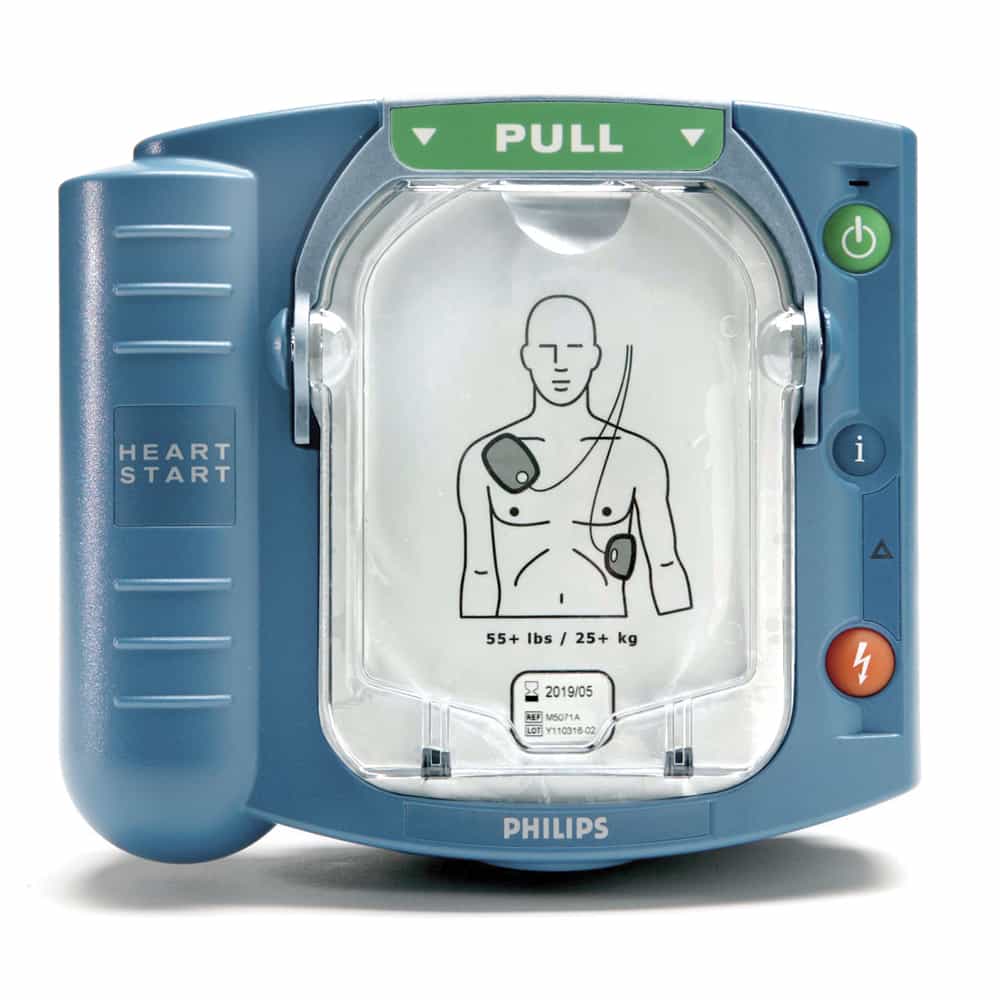
In cases of sudden cardiac arrest, CPR alone isn’t always enough. The chances of survival increase dramatically when CPR is combined with the use of an Automated External Defibrillator (AED). That’s why comprehensive CPR & AED training is the gold standard for workplace safety. A quality program will teach your team how to recognize when an AED is needed, how to operate different models, and how to integrate its use seamlessly with CPR. Since modern AEDs for sale are designed for lay responders with clear voice prompts, this training removes any fear or hesitation, empowering anyone on your team to use the device confidently and correctly. If you are also setting up a defibrillator program alongside your CPR training, our complete workplace AED program guide covers everything from OSHA recommendations to device selection.
Workplace-Specific Scenarios
To make training as relevant as possible, a good program should incorporate scenarios your employees might actually encounter. The potential emergencies in a corporate office are very different from those on a manufacturing floor or in a school. By role-playing situations specific to your environment, the training becomes more engaging and memorable. This tailored approach helps your team think critically about how to respond within their own workspace, considering factors like facility layout, available equipment, and team communication. It transforms abstract lessons into a concrete emergency response plan they can immediately put into practice, making them feel more prepared for the unexpected.
First Aid and Emergency Recognition Basics
A cardiac arrest is just one type of medical emergency. A truly comprehensive program will also cover the fundamentals of first aid and how to recognize the signs of a crisis. This includes learning to identify symptoms of a stroke or heart attack, manage severe bleeding, and respond to choking. Knowing how to assess a situation and provide initial care before professional help arrives is a critical skill that can prevent a situation from getting worse. Equipping your team with a broad set of emergency response skills and accessible first aid kits creates a more resilient and prepared workplace, ready to handle a wider range of incidents with confidence.
Overcoming Common Implementation Hurdles
Getting a workplace CPR program off the ground can feel like a big project, but don’t let a few common roadblocks stop you. With a little planning, you can easily work through challenges related to budget, scheduling, and team engagement. Thinking through these hurdles ahead of time ensures your program starts strong and stays effective, creating a safer environment for everyone. The key is to find flexible solutions that fit your company’s unique needs.
Solving Budget and Scheduling Conflicts
Worried about costs and time? You have options. Many organizations assume CPR training is expensive and disruptive, but it doesn’t have to be. Look for providers that offer group discounts to make certification more affordable for your whole team. To handle scheduling conflicts, consider on-site corporate training, where an instructor comes to your workplace. This minimizes travel time and allows you to train everyone at once. Blended learning programs, which combine online coursework with a brief in-person skills session, are another great way to give employees the flexibility to learn on their own schedule.
Addressing Low Employee Engagement
Getting your team excited about training is crucial for success. If participation is low, try framing the program as an investment in them and their well-being, not just a corporate requirement. You can create a recognition program to celebrate employees who get certified, which helps build morale and encourages others to sign up. It also helps to track participation so you can see where you might need to offer more encouragement. Making the training feel relevant with workplace-specific scenarios shows your team that these are skills they could genuinely use to help a colleague.
Clearing Up Common CPR Misconceptions
Some of the biggest hurdles are mental ones. People often think CPR is too complicated for the average person to learn or that they won’t remember what to do in an emergency. The truth is, modern CPR is designed for everyone, focusing on simple, effective steps that are easy to recall under pressure. Another common fear is legal liability, but Good Samaritan laws in most places protect people who act in good faith to help. A good CPR and AED training course will address these concerns directly, building the confidence your team needs to act decisively.
Adapting for Remote and Hybrid Teams
With more people working from home, keeping everyone trained presents a new challenge. The good news is that safety training has adapted. Blended learning is a perfect fit for distributed teams. Employees can complete the educational portion online at their own pace, from anywhere. Then, you can bring them together for a single, efficient in-person session to practice the hands-on skills with a certified instructor. This approach not only ensures everyone receives consistent, high-quality training but can also serve as a valuable team-building opportunity when remote colleagues get together.
How to Encourage Your Team to Participate
You can have the best CPR program in the world, but it won’t be effective if your team isn’t on board. Getting employees to participate is often less about mandates and more about motivation. When you frame CPR training as a valuable skill that protects colleagues, family, and the community, it transforms from a workplace obligation into a personal asset. The key is to remove barriers and create a positive, supportive environment where learning to save a life feels empowering, not inconvenient.
Building this kind of enthusiasm starts with clear communication and thoughtful planning. It’s about showing your team that you value their time and are invested in their well-being. By making the training accessible, highlighting its importance, and celebrating participation, you can foster a genuine culture of preparedness. The following strategies will help you get your team excited and ready to learn skills that truly matter.
Offer Convenient Scheduling Options
One of the biggest hurdles to employee participation is scheduling. Asking team members to come in on a weekend or stay late is a tough sell. The most effective approach is to schedule training during regular work hours. This sends a clear message that you consider this training a vital part of their job, not an extra burden. Look for periods of lower operational activity to minimize disruption. Offering on-site group training also removes the hassle of travel, making it incredibly convenient for everyone to attend. When you respect your team’s time, they are far more likely to engage with the material and appreciate the opportunity.
Launch an Internal Awareness Campaign
Don’t let the training day be the first time your employees hear about the program. Build anticipation and understanding with a simple internal awareness campaign. Use emails, breakroom posters, and short announcements in team meetings to explain why CPR training is so important. Share statistics about sudden cardiac arrest and highlight how quick action can save a life. You can also feature stories or testimonials about the impact of CPR. Clearly communicate the logistics—when and where the training will be—and frame it as a positive, team-building experience. This helps build a sense of shared purpose and gets everyone on the same page before the training even begins.
Provide Incentives and Recognition
A little appreciation goes a long way. While the skill of saving a life is its own reward, small incentives can make the experience more enjoyable and encourage participation. Consider providing lunch on the training day or offering a small gift card to a local coffee shop. You can also focus on recognition, which can be just as powerful. Acknowledge everyone who completes the course in a company-wide email or newsletter. Some companies create “Safety Champion” certificates or add a special designation to employees’ email signatures. These simple gestures show your team that you value their commitment to creating a safer workplace for everyone.
Keep the Training Accessible and Engaging
No one wants to sit through a dry, boring lecture. The best way to ensure your team gets the most out of the training is to make it interactive and engaging. Choose a training provider known for dynamic, hands-on instruction. A great instructor can make all the difference, turning complex medical concepts into easy-to-understand actions. When employees get to practice on mannequins, ask questions, and work through realistic scenarios, they not only retain more information but also build the confidence to act in a real emergency. Engaging group training sessions create a comfortable learning environment where everyone feels empowered to participate.
How to Set Up and Maintain Your CPR Program
A one-time CPR class is a great start, but building a lasting culture of preparedness requires a structured program. A well-maintained CPR program ensures your team’s skills stay sharp and that everyone knows exactly what to do when an emergency strikes. It transforms training from a single event into an ongoing commitment to safety. The key is to make it sustainable, integrated, and engaging for everyone involved. Here’s how you can build a program that not only meets compliance standards but also gives your team the confidence to act decisively when it matters most.
Create a Sustainable Training Schedule
To make your CPR program effective, you need people to actually show up. The best way to do that is by making training as convenient as possible. Instead of asking employees to come in on a weekend, schedule sessions during regular work hours. You could offer a few different time slots during a less busy week or a period of lower operational activity to accommodate various roles and shifts. By removing the barrier of personal time commitment, you’ll see much better participation and appreciation. Planning ahead with flexible CPR & AED training options shows your team you value both their time and their safety.
Integrate CPR with Your Existing Safety Plan
Your CPR training program shouldn’t exist in a vacuum. It works best when it’s woven into your company’s overall emergency preparedness and safety plan. Think of it as one piece of a larger puzzle that includes fire drills, evacuation plans, and knowing where emergency supplies are located. When you present CPR training as a core component of your safety culture, it gains more significance. This approach also helps streamline your efforts, ensuring that all your safety protocols work together seamlessly. Make sure your team knows where to find essential supplies, like fully stocked first aid kits, as part of their training.
Schedule Regular Refreshers and Recertification
CPR skills are not like riding a bike; they can fade over time if not practiced. Official certification typically lasts for two years, so it’s crucial to establish a system for tracking who needs a refresher and when. Set calendar reminders and schedule recertification courses well in advance. These sessions are also a great opportunity to review the latest CPR guidelines and get employee feedback on the program. Regular practice keeps skills sharp and ensures your team is always ready. It’s also a good time to check the expiration dates on your AED pads and other life-saving equipment.
Establish an Emergency Response Team
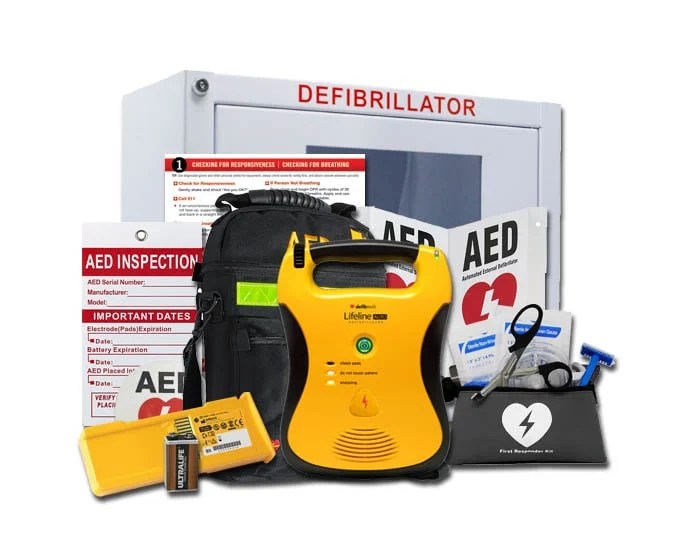
While it’s ideal for everyone to be trained, having a designated emergency response team can make a huge difference. This is a core group of trained and willing volunteers who can step up to lead during a crisis. They can direct others, begin CPR, operate the AED, and communicate with emergency services when they arrive. This team acts as your workplace’s first line of defense, creating a more organized and effective response. You can equip this team with one of our complete AED packages so they have everything they need to act confidently and quickly in an emergency.
Ready to take action? View CPR training options at Response Ready.
Related Articles
- How to equip your team, building a successful in house AED training program
- CPR for All Ages | Expert Guidance & Certification — Response Ready
- CPR Training and Certification | Learn CPR & Save Lives — Response Ready
- CPR AHA, First Aid, and AED Training | Response Ready
Frequently Asked Questions
How often do my employees need to get recertified? Most official CPR certifications are valid for two years. It’s a great idea to schedule refresher courses well before the current ones expire to keep your program compliant and your team’s skills sharp. Regular practice is what builds the confidence and muscle memory needed to respond effectively in a real emergency, so staying on top of recertification is key.
Is online-only CPR training enough to meet workplace safety requirements? While fully online courses offer great flexibility, many regulatory bodies like OSHA require a hands-on skills assessment for full workplace compliance. This is why blended programs are such a popular and effective option. Your team can cover the educational material online at their own pace and then attend a short, in-person session to practice their skills with an instructor. This approach gives you the best of both worlds.
What if an employee is hesitant to perform CPR for fear of legal trouble? This is a very common and understandable concern. Fortunately, all 50 states have Good Samaritan laws that protect people who act in good faith to help someone in an emergency. A quality training provider will address these legal protections directly, which helps ease anxiety. The training itself is also the best tool for overcoming hesitation, as it replaces fear with the confidence to act.
Do we really need an AED if our staff is trained in CPR? Yes, having both is the gold standard for preparing for a sudden cardiac arrest. CPR is crucial for keeping oxygenated blood flowing to the brain and vital organs, but an AED is the only tool that can correct an electrical problem in the heart. When used together, they give a person the best possible chance of survival. Think of them as a team: CPR buys critical time, and the AED can deliver the life-saving shock.
How many employees should we get certified? There isn’t a single magic number, as the ideal amount depends on your company’s size, layout, and specific risks. A good rule of thumb is to have enough trained responders to ensure someone is always available on every shift and in every distinct area of your facility. Some organizations train everyone to build a deep culture of safety, while others create a dedicated emergency response team. The goal is to make sure a quick response is always possible.
Disclaimer for information purposes only:
The information provided on this website is intended for general educational and informational purposes only. It is not medical advice and should not be used as a substitute for professional diagnosis, treatment, or care. Always consult a qualified healthcare or medical professional regarding any health-related questions or concerns.
While we strive to ensure the information shared is accurate and up to date, no guarantees are made regarding completeness, accuracy, or applicability to any individual situation. Use of this content is at the reader’s sole discretion and risk.
This website is part of the Response Ready family of emergency preparedness and training resources, including CPR & first aid training and compliance services, AED sales and program support, AED program management software, and medical oversight solutions provided through our affiliated platforms:
• CPR1.com
• AEDLeader.com
• AEDTotalSolution.com
• MDSIMedical.com
By accessing or using this website, you agree to release, indemnify, and hold harmless the website owners, authors, contributors, and affiliated entities from any claims, losses, damages, or liabilities arising from the use or reliance on the information presented.