What Is a 72-Hour Emergency Kit?
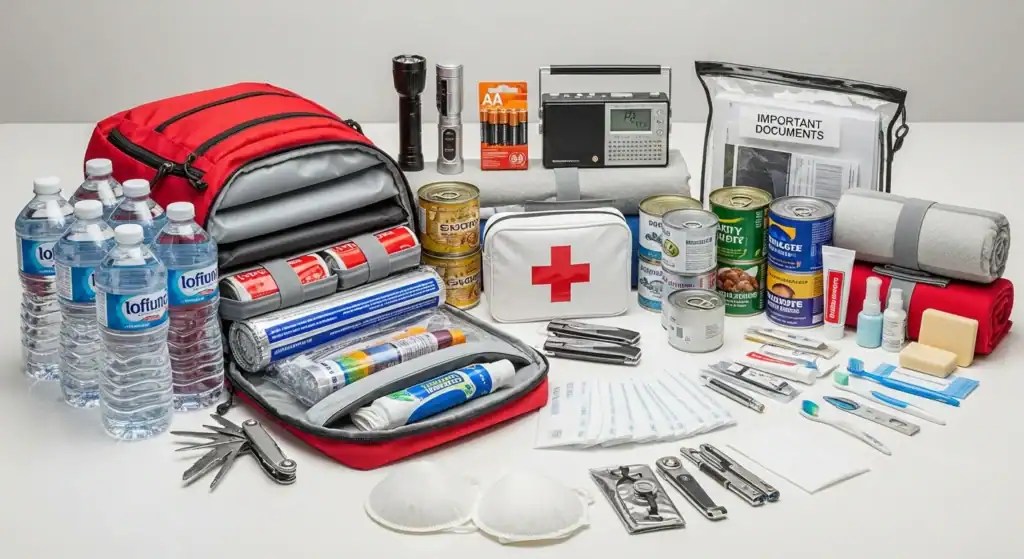
A 72-hour emergency kit is a portable collection of essential supplies designed to sustain one person for three full days after a disaster strikes. Emergency management agencies, including FEMA and the American Red Cross, recommend that every household maintain a survival kit because professional help may take 72 hours or longer to reach affected areas during large-scale events like hurricanes, earthquakes, wildfires, or widespread power outages.
Browse Response Ready’s complete line of emergency preparedness kits to find pre-built 72-hour kits and disaster supplies for your home, office, or vehicle.
Response Ready builds every emergency kit around real-world scenarios, drawing on years of experience equipping families, schools, and organizations across the United States. Whether you call it a go bag, a bug-out bag, or simply an emergency kit, the goal is the same: give yourself and your family the supplies needed to stay safe, hydrated, fed, and informed until normal services resume.
The checklist below covers everything that belongs in a 72-hour emergency kit for individuals, families, and vehicles, organized by category so you can build or upgrade your survival kit with confidence.
How Much Water and Food Should a 72-Hour Survival Kit Include?
Water and food are the foundation of every 72-hour emergency kit. Without clean drinking water, dehydration can set in within hours during high-stress situations, especially in hot climates or when physical exertion is required during an evacuation.
Water
- One gallon per person per day for drinking and basic sanitation (three gallons total per person for 72 hours)
- Store water in commercially sealed containers or FDA-approved water pouches
- Include a portable water filter or purification tablets as a backup
- Replace stored water every six months
Food
- Non-perishable, calorie-dense foods that require no cooking or refrigeration
- Energy bars, granola bars, and trail mix
- Canned goods (tuna, beans, soup) with a manual can opener
- Peanut butter, crackers, and dried fruit
- Ready-to-eat meals (MREs) for maximum convenience
- Aim for at least 2,000 calories per person per day
Store food in airtight, waterproof containers and check expiration dates every six months. Rotate items into your regular pantry before they expire so nothing goes to waste.
What First Aid Supplies Belong in an Emergency Kit?
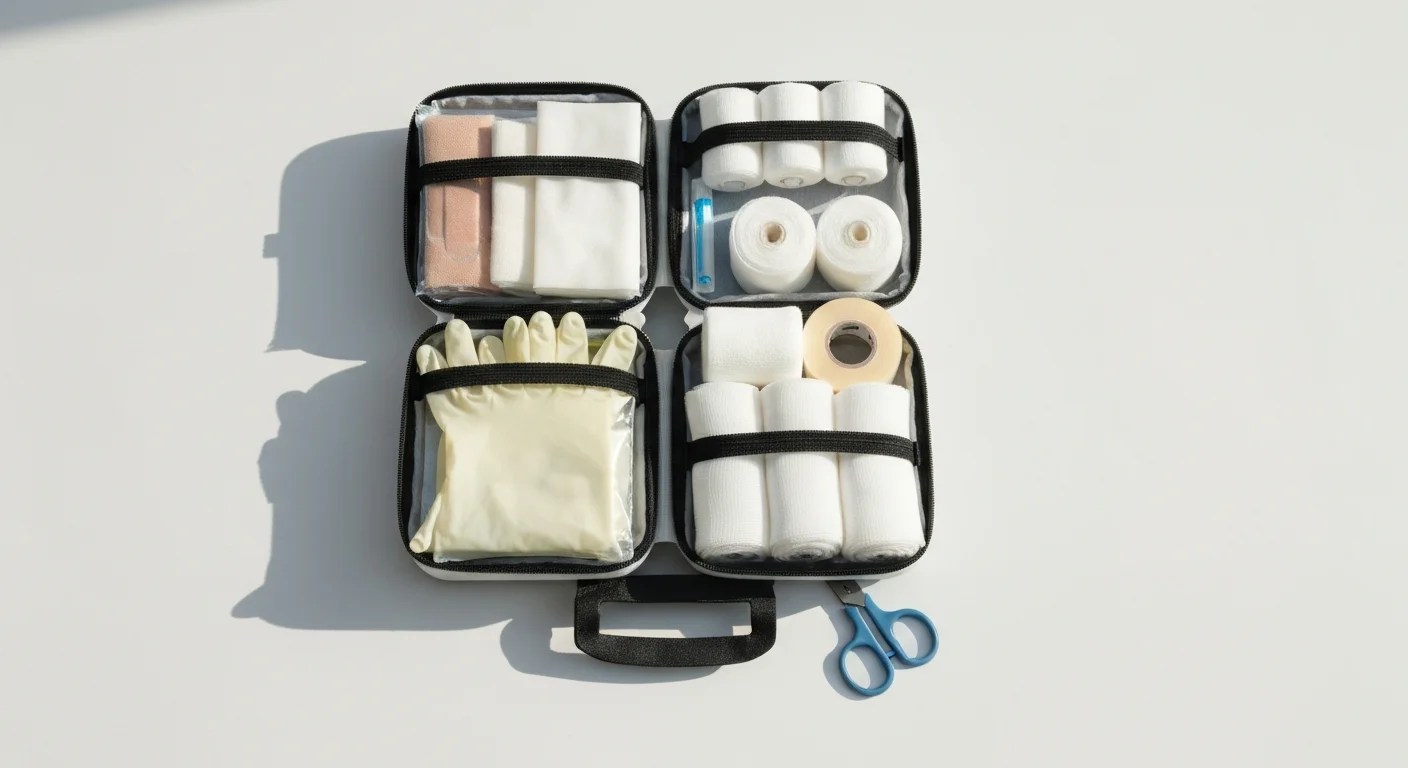
A well-stocked first aid kit is one of the most critical components of any survival kit. During a disaster, emergency rooms may be overwhelmed or inaccessible, making basic medical self-sufficiency essential for the first 72 hours.
- Adhesive bandages (assorted sizes)
- Sterile gauze pads and rolls
- Medical tape and elastic bandages
- Antiseptic wipes and antibiotic ointment
- Nitrile gloves (multiple pairs)
- Tweezers, scissors, and a thermometer
- Pain relievers (ibuprofen, acetaminophen)
- Anti-diarrheal medication and antacids
- Prescription medications (at least a 7-day supply, rotated regularly)
- An emergency blanket (Mylar) for treating shock
- CPR pocket mask
Response Ready carries pre-assembled first aid kits in sizes ranging from personal pouches to workplace-grade cabinets. Choose a kit that matches the number of people in your household.

What Tools and Safety Gear Does a Go Bag Need?
A go bag should include tools and safety gear that help you navigate, communicate, and protect yourself when infrastructure fails. Power outages, downed trees, broken glass, and debris are common after disasters, so the right tools can make the difference between being stuck and staying mobile. If power outages are a primary concern in your area, pair your 72-hour kit with a dedicated power outage emergency plan that covers communication, safety procedures, and medical device backup.
Lighting and Communication
- LED flashlight (hand-crank or battery-powered) with extra batteries
- Battery-powered or hand-crank weather radio (NOAA capable) for official emergency alerts
- Portable battery pack for charging phones and devices
- Whistle for signaling rescuers (audible over long distances without requiring batteries)
Tools and Protection
- Multi-tool or Swiss Army knife
- Duct tape (small roll) for quick repairs to shelters, bags, and gear
- Work gloves (leather or heavy-duty) for handling debris safely
- N95 dust masks (at least two per person) for smoke, ash, and airborne particles
- Safety goggles for eye protection during cleanup
- Fire extinguisher (small, portable, ABC-rated)
- Waterproof matches or a reliable lighter
- Rope or paracord (25-50 feet)
- Wrench or pliers for shutting off gas and water utilities
Invest in quality tools that will function reliably under stress. A cheap flashlight that fails during an evacuation is worse than no flashlight at all. Test every item before placing it in your go bag and replace batteries at least once a year.
Which Documents and Personal Items Should You Pack?
Critical documents are easy to overlook when assembling a 72-hour emergency kit, but losing identification, insurance records, or medical information during a disaster can create weeks of additional hardship during recovery.
- Copies of photo IDs (driver’s license, passport) for every family member
- Insurance policies (health, home, auto, flood)
- Bank account and credit card information
- Medical records, prescription lists, and vaccination records
- Emergency contact list (printed, not just on your phone)
- Copies of your family emergency plan with meeting locations
- Cash in small bills (ATMs and card readers may be offline)
- Spare house and car keys
Store all documents in a waterproof, fireproof pouch or bag. Consider keeping digital copies on a password-protected USB drive as well.
What Hygiene and Sanitation Essentials Should an Emergency Kit Contain?
Maintaining basic hygiene during a disaster helps prevent illness and infection, especially when water service and sewage systems are disrupted. Pack these sanitation items in a sealed, waterproof bag inside your emergency kit.
- Hand sanitizer and antibacterial soap
- Moist towelettes and baby wipes
- Toothbrush and toothpaste
- Toilet paper and garbage bags with ties
- Feminine hygiene products
- Diapers and baby formula (if applicable)
- Plastic bucket with a tight lid (for a makeshift toilet)
- Household bleach (unscented, for water purification: 8 drops per gallon)
What Shelter and Clothing Should You Include in a Survival Kit?
Exposure to extreme temperatures, rain, and wind is a serious risk during any disaster. Even in mild climates, nighttime temperatures can drop significantly, and wet clothing accelerates heat loss. Every survival kit should include basic shelter and clothing items that protect against the elements.
- Emergency Mylar blankets (at least two per person) that reflect body heat and fold to pocket size
- Lightweight rain poncho or waterproof jacket
- A compact tarp or plastic sheeting (for ground cover or improvised shelter)
- One full change of clothing per person, including underwear and socks
- Sturdy, closed-toe shoes (even if you normally wear sandals, pack shoes that can handle broken glass and debris)
- Warm layers such as a fleece jacket, knit hat, and gloves, regardless of the season
How Should You Customize a 72-Hour Kit for Families?
A one-size-fits-all emergency kit does not work for families. Children, elderly family members, individuals with disabilities, and pets all have unique needs that a standard survival kit cannot address without customization.
For Infants and Young Children
- Formula, bottles, and baby food
- Diapers, wipes, and diaper rash cream
- A favorite toy or comfort item to reduce stress
- Extra clothing in the next size up
- Child-safe medications (fever reducer, electrolyte solution)
For Elderly Family Members
- Extended prescription medication supply (14 days if possible)
- Hearing aid batteries and spare eyeglasses
- Mobility aids or lightweight walking stick
- Medical alert information card
- Comfort items like a lightweight blanket or pillow
For Pets
- Three-day supply of food and water
- Collapsible bowls
- Leash, harness, and carrier
- Vaccination and medical records
- Current photo of each pet for identification
- Waste bags or litter
Label each family member’s kit clearly and review the contents together so everyone knows what to grab and where to find it.
What Should a Vehicle Emergency Kit Include?
A vehicle emergency kit serves double duty: it helps during roadside breakdowns and provides a portable survival kit if you need to evacuate quickly. Keep a separate go bag in your car at all times, especially if you live in a disaster-prone region.
- All items from the individual 72-hour kit checklist above
- Jumper cables or a portable jump starter
- Tire repair kit and portable air compressor
- Reflective warning triangles or road flares
- Tow strap
- Ice scraper and small shovel (for winter climates)
- Extra blankets, warm clothing, and rain poncho
- Paper maps of your region (GPS may not work)
- Spare phone charger (car adapter and portable battery pack)
- Small fire extinguisher
Check your vehicle emergency kit seasonally. Replace expired food and water, swap clothing for the current season, and test batteries and electronics.
Shop Pre-Built Emergency Kits — Response Ready offers ready-to-go disaster preparedness kits with everything on this checklist. Free shipping on orders over $99. Call 858-665-2025.
Complete 72-Hour Emergency Kit Checklist at a Glance
Use this quick-reference table to verify your survival kit has everything it needs. Print it out and check items off as you pack.
| Category | Essential Items | Quantity (Per Person) |
|---|---|---|
| Water | Sealed water containers, purification tablets | 3 gallons |
| Food | Non-perishable food, can opener, utensils | 6,000+ calories (3 days) |
| First Aid | First aid kit, prescriptions, CPR mask | 1 kit + personal meds |
| Tools | Flashlight, radio, multi-tool, whistle | 1 set |
| Documents | IDs, insurance, contacts, cash | 1 waterproof pouch |
| Hygiene | Sanitizer, wipes, toilet paper, soap | 3-day supply |
| Shelter | Emergency blankets, rain poncho, tarp | 1 set |
| Clothing | Change of clothes, sturdy shoes, warm layers | 1 set |
| Communication | Charged phone, battery pack, paper contact list | 1 set |
Shop pre-built emergency preparedness kits from Response Ready and save yourself the time of sourcing each item individually. Every kit ships with free shipping on orders over $99 and a 30-day money-back guarantee.
How Often Should You Update Your Emergency Kit?
Building an emergency kit is only the first step. An outdated survival kit with expired food, dead batteries, and medications past their use date is unreliable when you need it most. Response Ready recommends reviewing and refreshing your 72-hour emergency kit at least twice a year.
- Every six months: Check expiration dates on food, water, and medications. Test flashlights and radios. Replace batteries.
- Seasonally: Swap clothing for the current weather. Add sunscreen in summer, extra blankets in winter.
- After every use: Replenish any items you consumed during an emergency or drill.
- When family needs change: New baby, new pet, new medication, or a family member with evolving medical needs.
Set a calendar reminder for the first day of spring and the first day of fall. These two checks keep your go bag current year-round.
Get Your Emergency Kit Started Today — Browse first aid kits, bleeding control kits, and complete disaster preparedness packages from Response Ready. 30-day money-back guarantee. Call 858-665-2025.
Frequently Asked Questions About 72-Hour Emergency Kits
How much does a 72-hour emergency kit cost?
A basic 72-hour emergency kit can be assembled for $50 to $150 per person if you source individual items. Pre-built kits from Response Ready start at a similar range and include professionally selected, quality-tested supplies that meet FEMA and Red Cross guidelines. The convenience of a pre-built kit saves hours of shopping and ensures nothing critical is forgotten.
What is the difference between a go bag and a 72-hour kit?
A go bag (also called a bug-out bag) is typically a single backpack designed for quick evacuation, while a 72-hour emergency kit may include multiple containers with supplies for sheltering in place. Both aim to sustain you for 72 hours, but a go bag prioritizes portability and weight.
Can I buy a pre-made survival kit instead of building one?
Yes. Response Ready offers pre-assembled emergency preparedness kits designed for individuals, families, and organizations. Pre-made kits are built by emergency preparedness professionals and include supplies that meet recommended guidelines. You can customize any kit by adding personal items like medications, documents, and clothing.
Where should I store my emergency kit?
Store your 72-hour emergency kit in a cool, dry location that is easy to access quickly. Good options include a hall closet near the front door, the garage near your vehicle, or a dedicated shelf in a home office. Avoid attics (heat damages supplies) and basements in flood-prone areas. Keep a second kit in your vehicle.
Do I need a separate kit for each family member?
Ideally, yes. Each adult should have their own go bag with personal items, medications, clothing, and a share of communal supplies like water and food. Children can carry a smaller bag with comfort items and snacks. Distributing weight across multiple bags makes evacuation faster and easier.
What items do most people forget to pack?
The most commonly forgotten items in a 72-hour emergency kit include cash in small bills, copies of important documents, a manual can opener, prescription medications, pet supplies, comfort items for children, and a paper map of the local area. A printed emergency contact list is also frequently overlooked because people rely on their phones.