- Published
- June 16, 2026
OSHA First Aid Kit Requirements: A General Industry Guide


What exactly needs to go in our first aid kit? Do we need a Class A or a Class B? How often should we be checking our supplies? If you’ve asked yourself these questions, you’re not alone. workplace safety. Alongside first aid kits, many states also require AEDs in businesses such as gyms, schools, and healthcare facilities rules can bring up a lot of uncertainty, but getting it right is crucial for your team. This guide provides direct answers to your most common questions about first aid preparedness. We will clarify the official OSHA first aid kit requirements general industry, helping you assess your specific needs, choose the right supplies, and maintain your kits so you’re always compliant and ready to respond effectively. For a complete overview of federal and state-level standards, see our AED requirements compliance guide.
Key Takeaways
- Assess your unique risks first: OSHA provides a foundation, but your specific workplace hazards determine the supplies you truly need. A careful assessment is the best way to decide between a Class A kit for an office or a Class B kit for a factory.
- Make maintenance a consistent habit: A first aid kit is only useful if it’s ready for an emergency. Schedule monthly inspections to restock used items, replace anything that has expired, and confirm every kit is easy to find and access.
- Training empowers your team to act: The right supplies are just one part of the equation. A complete safety program also includes a written emergency action plan that documents how your team will respond. Ensuring your team knows where the kits are and feels confident responding is critical, so consider offering practical training in first aid, CPR, and AED use.
What Are OSHA’s First Aid Kit Requirements?
Understanding OSHA’s rules for first aid doesn’t have to be complicated. At its core, the goal is simple: to ensure that every employee has access to prompt and effective medical attention in an emergency. This means having the right supplies and people ready to act when an injury occurs. Let’s break down exactly what OSHA expects from you as an employer and clear up some common points of confusion along the way.
The Basics of OSHA Rule 1910.151
The foundation of OSHA’s first aid guidelines is standard 1910.151, which covers medical services and first aid. This rule states that employers must ensure the ready availability of medical personnel for advice and consultation on matters of plant health. It also requires that in the absence of a nearby infirmary, clinic, or hospital for treating injured employees, a person or persons shall be adequately trained to render first aid. The standard makes it clear that adequate first aid supplies must be readily available for your team. This rule applies to all general industry workplaces, making it a fundamental part of your safety plan.
Your Responsibilities as an Employer
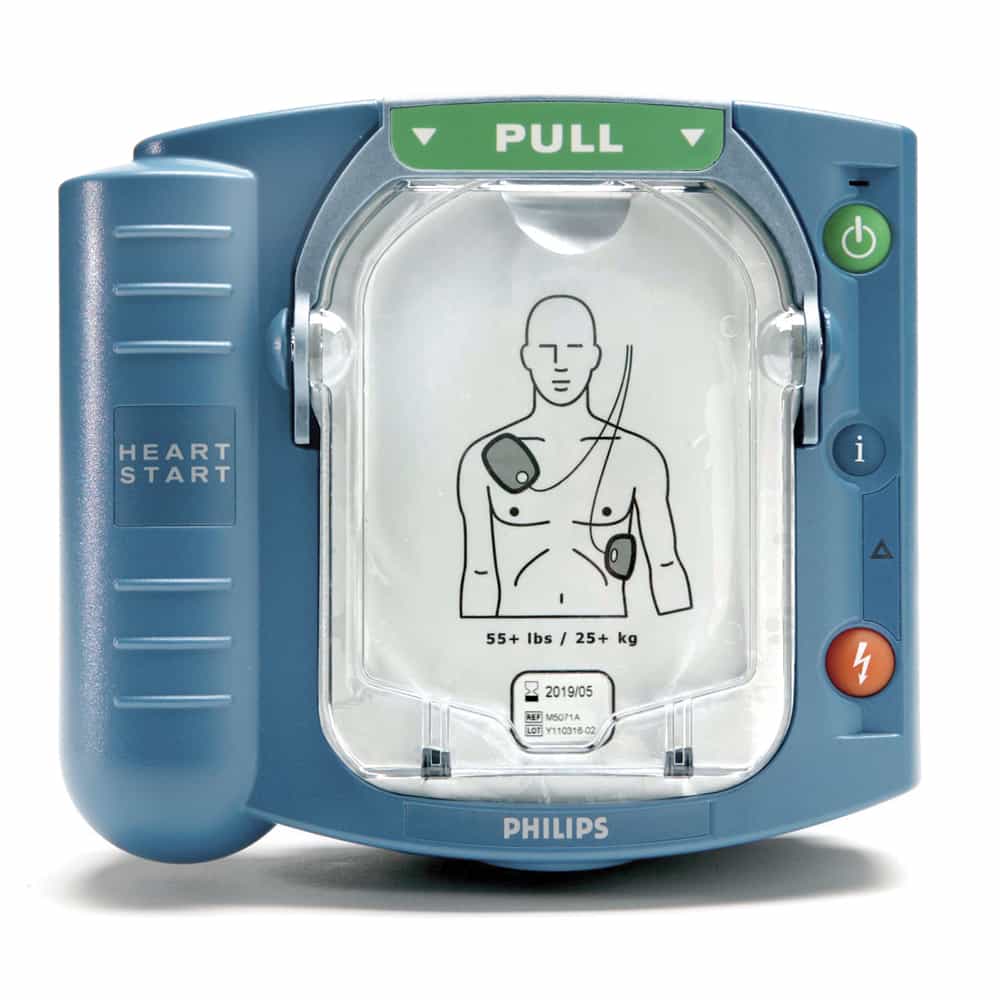
So, what does this rule mean for you in practice? First, you need to evaluate your proximity to emergency medical services. If your workplace isn’t within a few minutes of a medical facility, you are required to have trained first aid providers on-site during every shift. This ensures that an injured employee receives immediate care while professional help is on the way. Having the right supplies is only half the battle; having team members who are confident and capable of using them is just as critical. Investing in practical CPR and AED training for your staff is one of the best ways to meet this requirement and build a safer work environment for everyone.
When Is a First Aid Kit Required?
The short answer is that if you have employees, you need a first aid kit. OSHA requires that first aid supplies be readily available in every workplace. However, the regulation is intentionally flexible about the specific contents of the kit. That’s because the supplies you need must be appropriate for the potential hazards your employees face. For example, an office environment has very different risks than a manufacturing plant or a commercial kitchen. You are responsible for assessing these potential hazards and ensuring your
Clearing Up Common Compliance Myths
Let’s clear the air on a few common misunderstandings. First, OSHA does not approve, certify, or sell any specific brand of first aid kit. While they don’t mandate a specific checklist, they do recommend the ANSI/ISEA Z308.1 standard as a helpful guideline for the minimum contents of a workplace first aid kit. Second, compliance is not a “set it and forget it” task. One of the most common compliance mistakes is failing to keep a kit properly stocked. A first aid kit is only useful if the supplies are there when you need them. This means you must regularly inspect your kits, replace any items that have been used, and check for expired products.
What Goes Inside an OSHA-Compliant First Aid Kit?
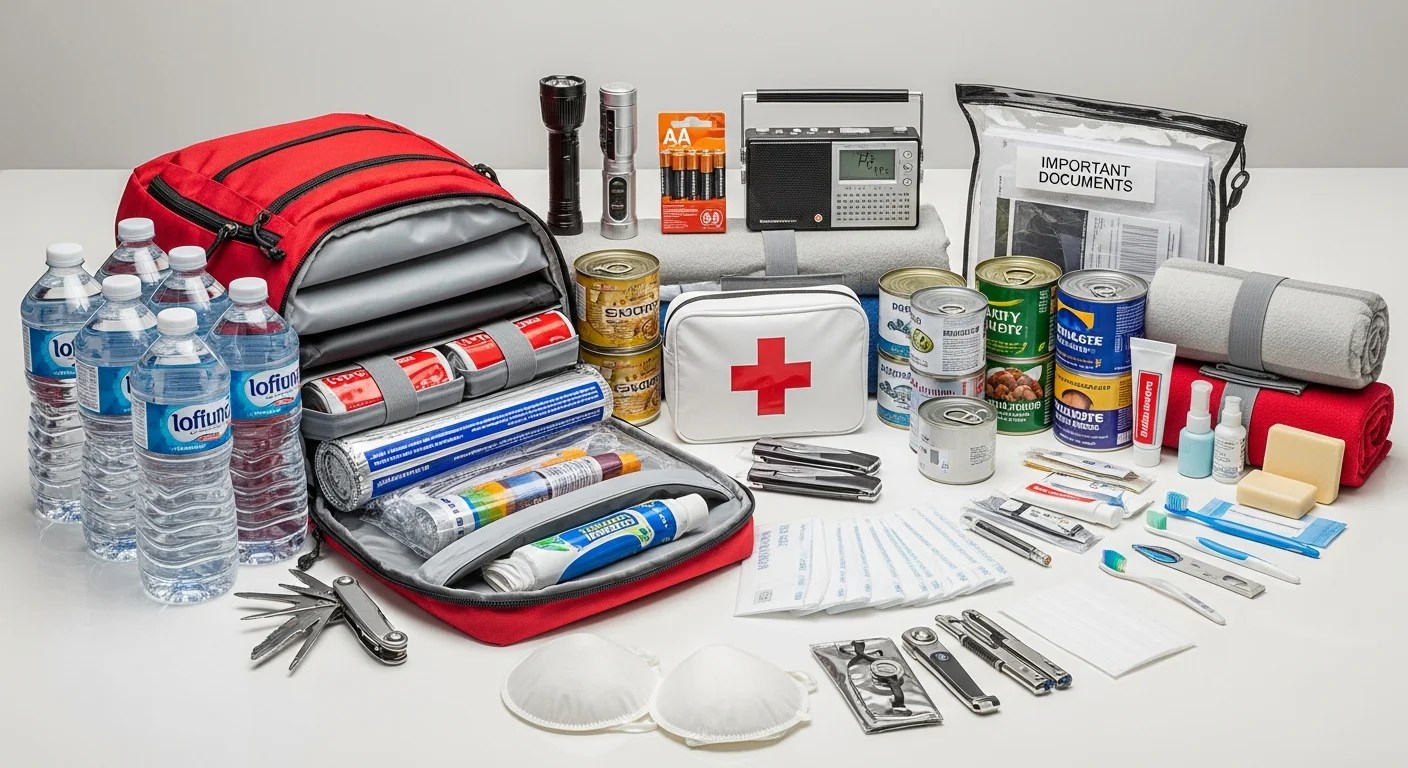
Knowing what to put in your first aid kit can feel like a guessing game, but OSHA provides clear guidelines to get you started. The goal is to have the right tools on hand to manage common workplace injuries until professional help arrives. A well-stocked kit is a cornerstone of a safe workplace, giving your team the resources and confidence they need to respond effectively in an emergency. Let’s break down exactly what you need to include to meet and exceed those standards.
Your Essential Supplies Checklist
OSHA’s mandatory appendix for logging operations gives us a great baseline for what any small worksite should have. Think of this as your foundational checklist. Your kit should include items for treating cuts, scrapes, sprains, and more serious wounds.
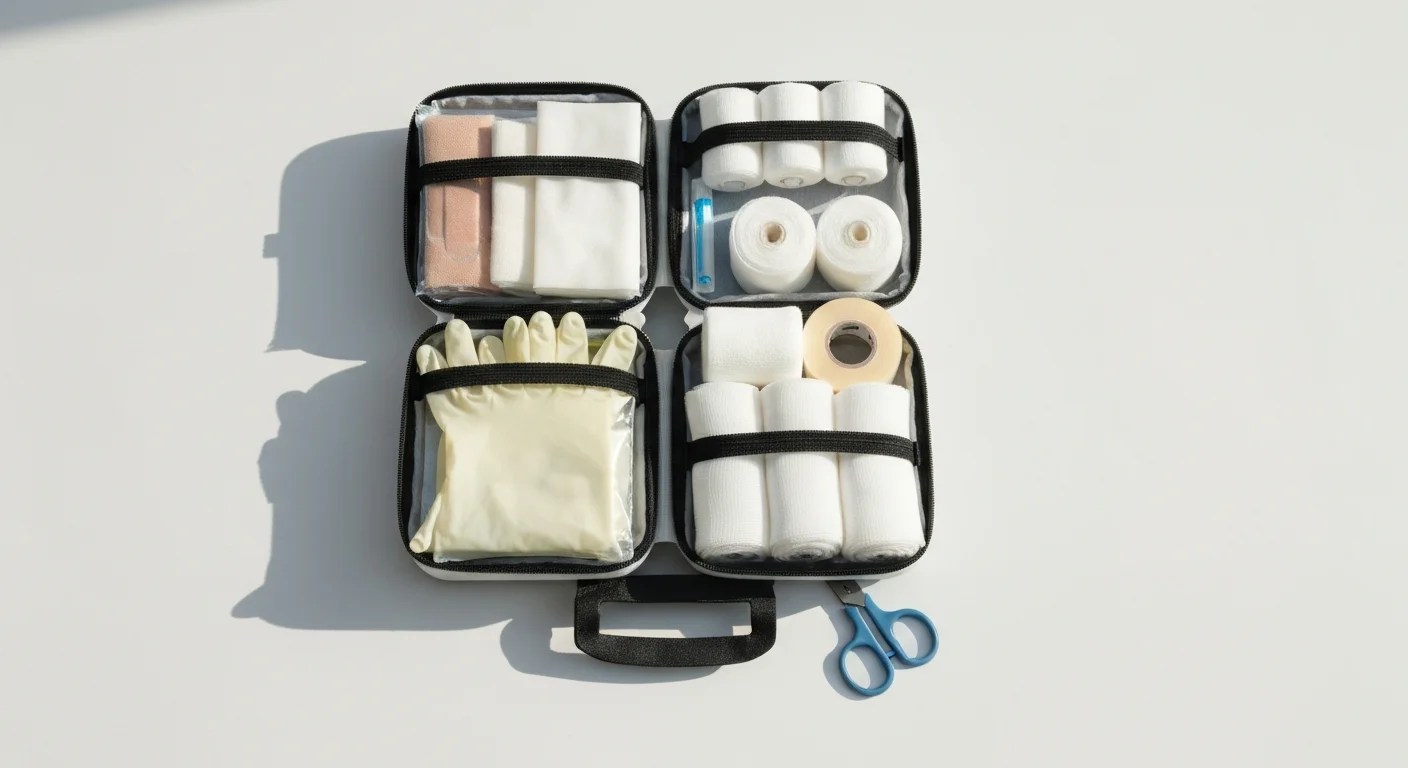
According to OSHA’s guidelines, a basic kit should contain:
- Gauze pads (4×4 inches and 8×10 inches)
- A box of adhesive bandages
- Gauze roller bandage (at least 2 inches wide)
- Triangular bandages
- Wound cleaning wipes
- Scissors and tweezers
- Adhesive tape
- Latex gloves
- Resuscitation equipment, like a CPR mask
- Elastic wraps and a splint
- A blanket
This list covers the essentials for addressing the most frequent types of workplace injuries.
Class A vs. Class B Kits: What’s the Difference?
OSHA categorizes first aid kits into two types: Class A and Class B. The one you need depends on your work environment’s risk level.
Class A kits are designed for common injuries in low-risk settings like offices or retail shops. They contain a solid assortment of supplies for minor cuts, scrapes, and burns.
Class B kits are for higher-risk workplaces, such as construction sites, warehouses, or factories, where the potential for serious injury is greater. These kits include everything in a Class A kit but in larger quantities. They also add critical items for severe injuries, like a tourniquet and a splint. Choosing the right class is a key step in ensuring your first aid kits are truly prepared for your workplace hazards.
Including the Right Personal Protective Equipment (PPE)
First aid isn’t just about treating the injured person; it’s also about protecting the responder. If your employees might come into contact with blood or other potentially infectious materials, you must provide them with personal protective equipment (PPE). This is non-negotiable for safety and compliance.
According to OSHA’s recommendations, your kit should include protective gear like medical-grade gloves, face shields, masks, and eye protection. Including PPE ensures that the person providing aid can do so safely, without putting themselves at risk. It’s a simple addition that makes a world of difference in an emergency.
Customizing Your Kit for Specific Workplace Hazards
The standard OSHA list is a starting point, not the final word. The smartest thing you can do is customize your kit based on the specific hazards present in your workplace. Take a look at your company’s injury and illness logs to see what kinds of incidents happen most often.
Do your employees frequently handle chemicals? You might need to add an eyewash station or specific flushing solutions. Is there a risk of severe bleeding? A bleeding control kit with a tourniquet is a must-have. Regularly assessing your environment and tailoring your supplies ensures your kit is practical and effective for the real-world risks your team faces every day.
Explore Our OSHA-Compliant First Aid Kits
Putting together a compliant first aid kit from scratch can be time-consuming. A simpler approach is to start with a pre-stocked, OSHA-compliant kit and then add any custom items your workplace needs. This saves you time and ensures you have a reliable foundation to build upon.
Remember, a well-stocked kit is only useful if your team knows where it is and feels comfortable using its contents. At Response Ready, we offer a range of OSHA-compliant first aid kits designed for different work environments. We can help you find the right solution so you can focus on what matters most: keeping your team safe and prepared.
How to Assess Your Workplace’s First Aid Needs
Creating a safe workplace goes beyond simply buying a first aid kit and mounting it on the wall. To be truly prepared, you need to understand the specific risks your employees face every day. A thoughtful assessment ensures your kits are stocked with the right supplies and that your team is ready to act confidently when an emergency happens. This process doesn’t have to be complicated. By following a few practical steps, you can build a first aid plan that fits your unique environment and keeps your team protected.
Start with a Workplace Hazard Assessment
The first step is to take a clear-eyed look at your work environment. A workplace hazard assessment involves walking through your facility and identifying any potential dangers. Think about the specific tasks your employees perform. In an office, this might include ergonomic strains or paper cuts. In a restaurant kitchen, the risks are more likely to be burns and deep cuts. For a manufacturing plant, you might be concerned with chemical exposure or injuries from heavy machinery. Documenting these potential hazards will give you a realistic picture of the types of injuries that could occur, which directly informs what supplies you’ll need.
Review Past Injury Logs (OSHA 300 & 301)
Your workplace’s history can offer valuable clues for future preparedness. If your company maintains OSHA 300 and 301 logs, these records are an excellent resource. They detail past workplace injuries and illnesses, showing you exactly what has happened before. Look for patterns. Are minor cuts a frequent occurrence? Have there been several sprains in a particular department? This data helps you move from guessing what you need to knowing what you need. By understanding the most common incidents, you can make sure your first aid kits are stocked with the supplies your team is most likely to use.
Choose the Right Kit Class and Quantity
Once you know your workplace’s risks, you can select the right type of kit. OSHA categorizes first aid kits into two types: Class A and Class B. Class A kits are designed for common workplace injuries like minor cuts, scrapes, and sprains, making them suitable for office environments or smaller retail shops. Class B kits contain a broader range and quantity of supplies to handle more serious injuries, which is ideal for higher-risk environments like construction sites, warehouses, and factories. You’ll also need to determine how many kits you need. A good rule of thumb is to have enough kits to ensure no employee is more than a few minutes away from one.
Decide Where to Place Your Kits
A well-stocked first aid kit is useless if no one can find it in an emergency. OSHA requires kits to be “readily accessible,” which means they should be in a central, visible location that everyone knows about. Good spots often include break rooms, kitchens, or main hallways. Avoid locking the cabinets they are stored in, as this can cause dangerous delays. If your workplace is large or has multiple floors, you should have a kit in each distinct area. For environments with specific hazards, like a commercial kitchen or a workshop, place a kit nearby. The goal is simple: make it as easy as possible for someone to grab the supplies they need the moment an injury occurs.
Evaluate Your Team’s Training Needs
Having the right supplies is critical, but so is knowing how to use them. A first aid kit is most effective when your team feels confident and prepared to respond. Consider who on your staff should receive formal training, starting with a first aid certification. You might designate a few employees per shift to become certified responders or offer basic training to everyone. Courses in CPR and AED use are especially valuable, as they equip your team with life-saving skills that extend beyond minor cuts and scrapes. When people are trained, they are less likely to panic and more likely to provide effective care until professional help arrives, creating a safer environment for everyone.
How to Maintain Your First Aid Kits
Setting up your first aid kits is an important first step, but the real work is in the upkeep. A poorly maintained kit can fail you when you need it most. Consistent maintenance ensures your supplies are sterile, complete, and ready for any situation. By creating a simple routine for inspections, restocking, and training, you can be confident that your workplace is prepared.
Your Monthly Inspection Checklist
Think of your first aid kit like a fire extinguisher; it needs to be ready the moment you need it. A quick monthly check ensures everything is in its place and fully stocked. During your inspection, confirm the kit is easy to find and access, with no boxes or equipment blocking it. Open it up and check that all supplies are present and organized. Look for any damaged or expired items that need replacing. This is also a great time to make sure the kit’s location is clearly marked with a sign. A well-maintained first aid kit is a cornerstone of a safe workplace.
Restocking Used or Expired Supplies
One of the most common compliance issues is failing to restock a kit after an incident. Make it a rule to replace any used items immediately. It helps to keep a simple checklist inside the kit; whoever uses a supply can just mark it down for reordering. Don’t forget about expiration dates. Sterile items like bandages, wipes, and ointments lose their effectiveness over time. During your monthly check, pull out anything that’s expired or close to expiring and replace it. A fully stocked kit means you’re always prepared for the next emergency, big or small.
The Importance of Good Record-Keeping
Keeping a simple log of first aid incidents is a smart move. It not only helps you track supply usage for restocking but also provides valuable insight into workplace safety. Your log should note the date, time, nature of the injury, and what supplies were used. Reviewing this log helps you spot patterns, like frequent cuts in a specific area, which might point to a hazard you can fix. This documentation is also helpful for staying aligned with OSHA’s record-keeping standards. It’s less about paperwork and more about creating a proactive safety culture where you learn from every incident.
Training Your Team on Kit Location and Use
A state-of-the-art first aid kit does no good if your team can’t find it or feels hesitant to use it. Make sure every employee knows the exact location of all kits during their onboarding and through regular reminders in team meetings. Clear signage is also essential. Beyond location, empower your team with the confidence to act. While extensive medical knowledge isn’t required to use a basic kit, providing formal CPR and AED training can equip your staff with life-saving skills and the composure to handle emergencies effectively. When people feel prepared, they are more likely to step up and help.
How to Ensure Long-Term OSHA Compliance
Meeting OSHA standards isn’t a one-and-done task. It’s an ongoing commitment to safety that protects your team and your business. As your workplace evolves, so will your first aid needs. Staying compliant means keeping a pulse on your environment, staying informed about rule changes, and having a solid maintenance plan. Think of it as a continuous cycle of assessment and improvement. By building these practices into your regular operations, you can create a safety culture that goes beyond just checking a box. This approach not only ensures you meet legal requirements but also builds confidence and readiness throughout your entire organization, making sure everyone is prepared to act when it matters most.
Reassess Your Workplace Needs Regularly
Your business isn’t static, and your safety plan shouldn’t be either. Have you hired more people, introduced new machinery, or changed your floor plan? Each of these shifts can introduce new hazards and change your first aid requirements. Set a recurring date on your calendar, perhaps quarterly or semi-annually, to walk through your hazard assessment again. A well-stocked first aid kit is only effective if your team knows where it is and how to use it. Regular reassessments are the perfect time to confirm that kit locations are still logical and that everyone, including new hires, knows where to find them.
Stay Updated on Regulation Changes
Safety standards and regulations can change over time. While OSHA provides the foundational rules, it often points to other standards for guidance. For example, OSHA suggests using the ANSI Z308.1 standard as a guide for the minimum contents of a workplace first aid kit. Staying aware of updates to these related standards is key to maintaining compliance. You can subscribe to OSHA newsletters or follow reputable safety publications to stay informed. Making this a part of your routine ensures your safety program never becomes outdated and that your kits always contain the recommended supplies for handling common workplace injuries.
Check for State-Specific Requirements
While federal OSHA sets the national standard, more than 20 states operate under their own OSHA-approved state plans. These state plans must be at least as effective as the federal program, but they can also include stricter or more specific requirements. For example, some states might have different rules about what supplies must be included in a first aid kit or require written approval of your kit’s contents. It’s crucial to identify whether you operate in a state with its own plan and to understand its specific rules. A quick search for your state’s labor department website is a great place to start.
Partner with an Emergency Preparedness Expert
You don’t have to manage compliance alone. Working with an emergency preparedness expert can simplify the entire process and give you peace of mind. A knowledgeable partner can help you conduct a thorough risk assessment, determine the right type and number of first aid kits for your specific industry, and even manage your supplies. At Response Ready, we offer comprehensive solutions like our AED Total Solution program, which includes training, maintenance, and compliance management. This kind of partnership ensures your safety program is not only compliant but also practical and effective for your unique workplace.
Avoid These Common Compliance Pitfalls
A few common missteps can easily lead to a compliance issue. One of the most frequent mistakes is simply failing to restock first aid kits after an incident. An empty box of bandages or a used-up tube of antibiotic ointment can render a kit useless in the next emergency. Another pitfall is misunderstanding recordkeeping obligations. Providing first aid for a minor cut doesn’t typically require an official OSHA record, but if that treatment involves something more, like prescription medication, it could become a recordable incident. Regularly inspecting and restocking your first aid supplies and understanding the treatment threshold can help you avoid these simple but significant errors.
Related Articles
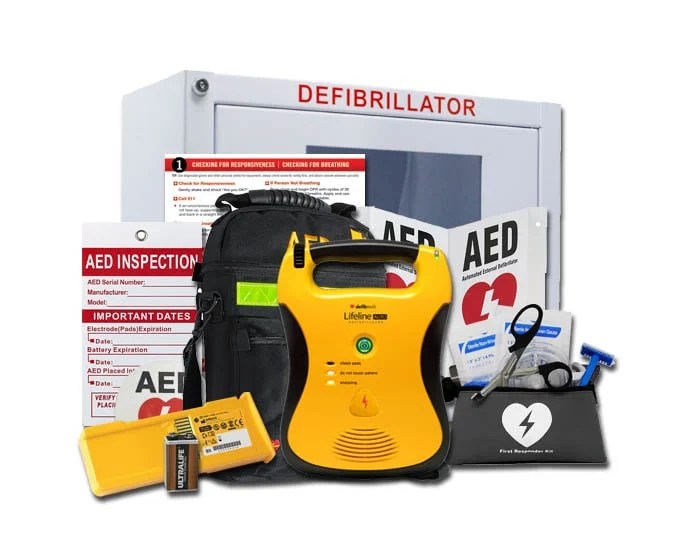
- Why next to the AED a comprehensive first responder kit matters
- Waterproof 16 Unit ANSI A First Aid Kit | Durable & Compliant — Response Ready
- Buy 36 Unit ANSI A+ First Aid Kit – Compact & Fully Stocked — Response Ready
- First Aid Cabinets for Workplaces | Durable & Wall-Mounted — Response Ready
- Buy First Aid Kits Online | Trusted Medical & Safety Supplies — Response Ready
Frequently Asked Questions
Does OSHA approve or certify specific first aid kits? No, OSHA does not endorse, approve, or certify any particular brand or type of first aid kit. Instead, they provide the guidelines that employers must follow. They point to the ANSI/ISEA Z308.1 standard as a great starting point for what your kit should contain. The responsibility falls on you to assess your workplace and ensure the kit you choose is properly stocked for the potential hazards your team might face.
What’s the difference between a Class A and a Class B kit? The main difference comes down to the level of risk in your workplace. Class A kits are designed for lower-risk environments, like offices or small retail stores, and contain supplies for common minor injuries. Class B kits are intended for higher-risk workplaces, such as construction sites or manufacturing facilities. They include a larger quantity of supplies and additional items, like a tourniquet and splint, to handle more serious injuries.
How many first aid kits do I actually need for my workplace? There isn’t a strict number, but OSHA’s rule is that supplies must be “readily accessible.” A practical guideline is to make sure no employee is more than a few minutes away from a kit. If your workplace has multiple floors, separate buildings, or specific high-hazard areas like a commercial kitchen, each of those zones should have its own dedicated kit. The goal is quick access when time is critical.
Can I include over-the-counter medications like aspirin or ibuprofen in my kit? This is a common question, and it’s a bit of a gray area. While OSHA doesn’t prohibit it, providing medication can introduce potential complications. The safest approach is to stick to first aid supplies for treating injuries. If you decide to include pain relievers, they must be in single-dose, tamper-evident packaging. Many businesses choose to avoid them altogether to prevent any issues.
What’s the most common mistake businesses make with their first aid kits? By far, the most frequent mistake is neglect. A company will purchase a compliant kit, mount it on the wall, and then forget about it. Over time, supplies get used and are not replaced, or items pass their expiration dates. A first aid kit is only effective if it’s complete and ready to use. Creating a simple monthly inspection and restocking schedule is the best way to ensure your kit is always prepared.
Disclaimer for information purposes only:
The information provided on this website is intended for general educational and informational purposes only. It is not medical advice and should not be used as a substitute for professional diagnosis, treatment, or care. Always consult a qualified healthcare or medical professional regarding any health-related questions or concerns.
While we strive to ensure the information shared is accurate and up to date, no guarantees are made regarding completeness, accuracy, or applicability to any individual situation. Use of this content is at the reader’s sole discretion and risk.
This website is part of the Response Ready family of emergency preparedness and training resources, including CPR & first aid training and compliance services, AED sales and program support, AED program management software, and medical oversight solutions provided through our affiliated platforms:
• CPR1.com
• AEDLeader.com
• AEDTotalSolution.com
• MDSIMedical.com
By accessing or using this website, you agree to release, indemnify, and hold harmless the website owners, authors, contributors, and affiliated entities from any claims, losses, damages, or liabilities arising from the use or reliance on the information presented.