Many people put off emergency planning because it feels too complicated or intimidating. But a great plan isn’t about preparing for every possible scenario; it’s about creating a simple, flexible framework that works for your family. It’s your playbook for staying connected, getting to safety, and having the right supplies on hand. This guide demystifies the process and shows you how to build a plan that empowers you to act decisively. We’ll start with a straightforward family disaster plan checklist that breaks everything down into small, achievable tasks, helping you turn anxiety about the “what-ifs” into confidence in your readiness.
Key Takeaways
- Prioritize your strategy, not just your supplies: An emergency kit is crucial, but your family’s safety depends on a clear plan that defines how you will communicate, where you will meet, and which evacuation routes you will use.
- Customize your plan for your unique family: A generic checklist won’t cover everything. An effective plan considers the specific needs of children, older adults, pets, and any family members with medical conditions or disabilities.
- Make preparedness an ongoing habit: A plan only works if it’s current and practiced. Run drills with your family and schedule regular reviews to update contact information, refresh supplies, and adapt to your family’s changing needs.
Get certified in CPR
Adult & Pediatric First Aid/CPR/AED — Blended Learning
Self-paced online + in-person skills check. 2-year certification.
CPR, AED & First Aid Certification
Instructor-led on-site. Practice on real manikins and AED trainers.
What Is a Family Disaster Plan (and Why You Need One)
A family disaster plan is your family’s shared playbook for what to do when an emergency strikes. Think of it as a simple, clear guide that everyone in your household understands, from the youngest to the oldest. It’s more than just a box of supplies; it’s a strategy that covers how you’ll communicate if you’re separated, where you’ll meet up, and what steps you’ll take to stay safe. Emergencies are stressful and chaotic, and making critical decisions in the moment is tough. A plan removes the guesswork.
Creating a family disaster plan is one of the most important things you can do to protect the people you love. It turns anxiety about the “what-ifs” into confidence and a clear sense of direction. When everyone knows their role and what to expect, you can work together as a team. This guide will walk you through building a plan that fits your family’s unique needs, ensuring you have the tools and knowledge to handle unexpected challenges with calm and control.
Why Planning Ahead Matters
Disasters don’t wait for a convenient time to happen. They can occur when your family is scattered across town, with kids at school, and adults at work or running errands. This is precisely why planning ahead is so critical. Without a plan, you’re left trying to figure out how to contact each other and get to safety in the middle of a crisis, when communication lines might be down and roads could be blocked.
A solid plan ensures everyone is on the same page. It answers crucial questions before you’re forced to ask them: Who do we call if we can’t reach each other? Where is our safe meeting spot? What’s our evacuation route? Thinking through these scenarios beforehand helps you prepare your family to act quickly and decisively, reducing confusion and fear when every second matters.
Stay Calm and Confident with a Plan
The biggest benefit of having a family disaster plan is the confidence it gives you. In an emergency, panic is the enemy. It can cloud your judgment and make it difficult to think clearly. A well-rehearsed plan acts as your anchor, providing a set of logical, predetermined steps to follow. Instead of feeling helpless, you’ll feel empowered to take action and protect your family.
This sense of readiness extends to your emergency supplies. Knowing you have a kit with food, water, and first aid essentials means you won’t be scrambling to find what you need during a stressful event. You’ve already done the hard work. This preparation allows you to focus on what’s most important: keeping your loved ones safe and calm until the situation improves.
Common Myths That Stop Families from Preparing
Many families put off creating a disaster plan because of a few common misconceptions. One of the biggest is the “it won’t happen to me” mindset. But emergencies, from natural disasters to power outages, can happen anywhere. Another myth is that you can just rely on first responders. While emergency services are vital, they can be overwhelmed during a large-scale event, and it might take time for help to arrive.
Some people also believe that preparedness is extreme or only for “survivalists.” In reality, it’s just a practical part of responsible modern life, like having smoke detectors in your home. Debunking these myths is the first step. A family plan isn’t about fearing the worst; it’s about being ready for the unexpected so you can handle it with confidence.
Key Parts of a Family Disaster Plan
A solid disaster plan is more than just a box of supplies. It’s a clear, simple strategy that covers how your family will connect, where you’ll go, and what you’ll need. Breaking it down into these four key areas makes the process feel manageable and ensures you’ve covered your bases. Let’s walk through each one.
Create Your Communication Plan
When an emergency strikes, your family might not be together. A communication plan ensures you know how to reach each other and regroup. Start by creating a list of key contacts and give a physical copy to every family member. Include an out-of-state contact; it’s often easier to make long-distance calls than local ones during a regional disaster. Decide on your primary communication methods, like texting or social media check-ins, since phone lines can get jammed. Make sure everyone, including kids, knows who to call and how to get in touch if they can’t reach you directly. This simple step can bring so much peace of mind when it matters most.
Map Out Evacuation Routes
Knowing how to get out of your home safely is critical. Grab a piece of paper and sketch a floor plan of your house, marking at least two exits from every room. Walk through these routes with your family so everyone knows the plan by heart. Next, think bigger. What are the primary and secondary routes out of your neighborhood? Check local maps for different options in case your usual path is blocked. Talk about what to do if an evacuation is ordered while you’re separated at work, school, or running errands. Having these routes planned ahead of time removes the guesswork during a stressful situation, allowing you to move quickly and confidently.
Designate Safe Meeting Spots
If you have to evacuate, you’ll need a designated place to find each other. It’s smart to pick two different locations. The first should be a spot close to home for emergencies like a fire, such as a specific tree across the street or a neighbor’s front porch. Make it an unmistakable landmark. Your second meeting spot should be farther away, outside your neighborhood, in case you can’t return to the area. This could be a local library, a community center, or a relative’s house. The key is to choose specific, well-known locations that everyone can get to. Confirm these spots with your family so there’s no confusion when you need to connect.
Gather Your Important Documents
In the rush to evacuate, you don’t want to be scrambling for essential paperwork. Gather copies of your family’s important documents ahead of time. This includes birth certificates, passports, social security cards, insurance policies, and property deeds. Store these copies in a waterproof and fireproof container. For extra security, create digital backups by scanning your documents and saving them to a password-protected cloud service or an encrypted USB drive. You can keep this drive with your other essential supplies in a first aid kit or go-bag. Taking a few minutes to organize these files now will save you a massive headache later.
Build Your Emergency Supply Kit
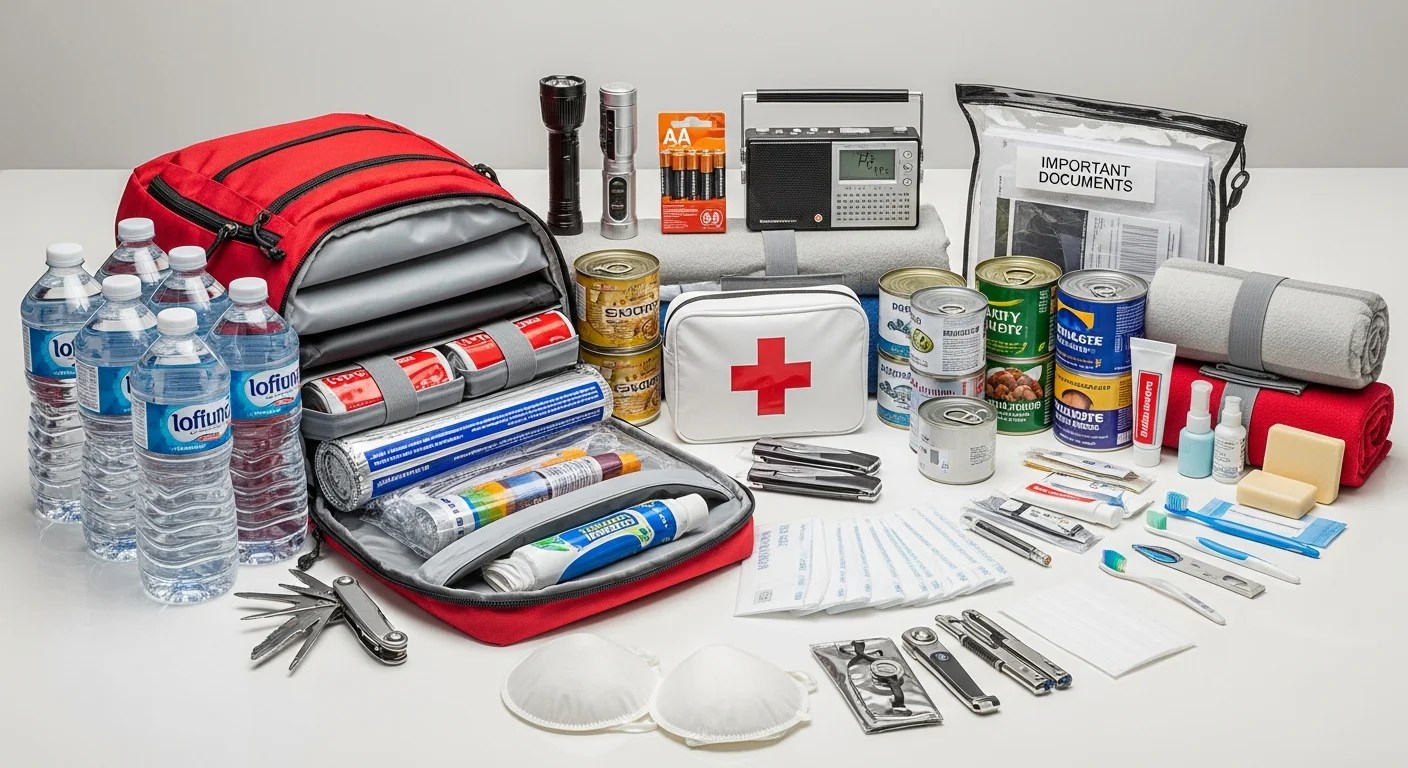
Your family disaster plan is your roadmap, and your emergency supply kit is the vehicle that will get you through. When a crisis hits, you may need to be self-sufficient for several days, meaning you’ll only have what’s on hand to rely on. Building a kit gives you tangible resources to stay safe, comfortable, and healthy when outside help isn’t available. The goal is to have enough food, water, and supplies to last each person in your household for at least 72 hours, but a week or more is even better.
Think of your kit in a few key categories: food and water, first aid, tools and safety gear, and sanitation. You can store everything in a few large, easy-to-carry containers like duffel bags or plastic bins. Keep them in a cool, dark place that’s easy to get to, like a closet, basement, or garage. Having these items gathered and ready to go provides incredible peace of mind, knowing you have the essentials covered no matter what happens.
If you live in a seismically active area like California or the Pacific Northwest, our earthquake preparedness kit checklist includes region-specific guidance for building a kit tailored to earthquake hazards.
Stock Up on Food and Water
Water is the most critical item in your kit. Plan for at least one gallon of water per person, per day, for both drinking and sanitation. Store commercially bottled water if you can, as it’s the safest and most reliable option. For food, focus on non-perishable items that your family will actually eat. Canned meats, fruits, and vegetables, along with protein bars, dried fruit, and peanut butter are all great choices. Remember to pack foods that don’t require cooking, refrigeration, or much water to prepare. And don’t forget to throw in a manual can opener, utensils, and paper plates. If you have infants or pets, be sure to pack their specific food and supplies too.
Assemble First Aid and Medical Items
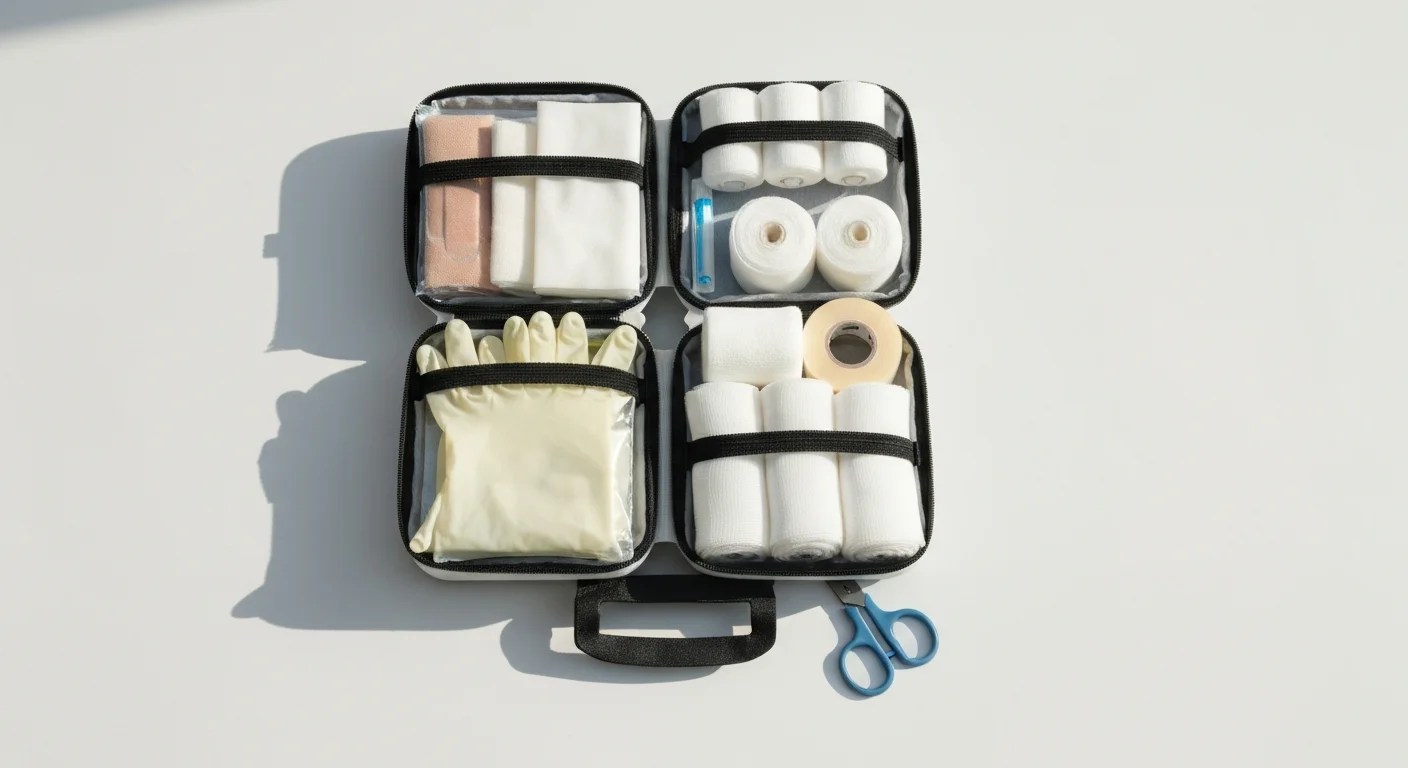
When an emergency occurs, minor injuries can happen, and access to medical care might be limited. A well-stocked first aid kit is non-negotiable. You can purchase comprehensive first aid kits or build your own with essentials like sterile gloves, bandages in various sizes, antiseptic wipes, antibiotic ointment, and pain relievers. Include any personal medical supplies your family needs, such as prescription medications (a week’s supply is ideal), eyeglasses, or contact lens solution. It’s a good practice to check your kit every six months to replace any expired items and ensure everything is ready when you need it most.
Include Essential Tools and Safety Gear
Beyond food and first aid, your kit needs tools to help you stay informed and safe. A battery-powered or hand-crank radio is essential for listening to official updates when the power is out. Pack a flashlight with extra batteries for each family member, as well as a whistle to signal for help. A multi-tool or a wrench can be used to turn off utilities if necessary. It’s also wise to include some cash in small bills, since ATMs and credit card machines may not be working. For personal safety, consider adding dust masks to filter contaminated air and plastic sheeting with duct tape to seal windows or doors.
Pack Hygiene and Sanitation Supplies
Staying clean can help prevent the spread of illness and provide a sense of normalcy during a stressful time. Your kit should include basic hygiene items to keep your family healthy. Pack moist towelettes, garbage bags with plastic ties for personal sanitation, and hand sanitizer. Don’t forget everyday essentials like soap, toothbrushes, and toothpaste. You should also include any necessary feminine supplies and personal hygiene products. Having these items on hand ensures you can maintain your health and comfort even when your normal routines are disrupted.
Tailor Your Plan to Your Family’s Needs
A generic checklist is a great starting point, but the most effective disaster plan is one that’s built around your family’s specific circumstances. Every household is different, and your plan should reflect the unique needs of each person (and pet) under your roof. Taking the time to customize your approach ensures that everyone, from the youngest child to the oldest grandparent, feels safe and accounted for. This isn’t about creating more work; it’s about making your plan work for you when you need it most.
Thinking through these individual needs ahead of time is what transforms a basic plan into a reliable, actionable strategy. Consider who in your family might need extra help during an evacuation, what medical supplies are non-negotiable, and how you’ll care for your furry friends. This level of detail helps remove uncertainty and gives you the confidence to act decisively when it matters most. By personalizing your plan, you’re not just preparing for a disaster; you’re creating a safety net that truly supports every member of your family. It’s the difference between having a map and having a personalized route that gets everyone to safety with their essential needs met.
Plan for Your Kids
Talking to children about emergencies can feel tricky, but including them in the process is one of the best ways to prepare them. Frame the conversation in a calm, reassuring way, much like a fire drill at school. Explain in simple, age-appropriate terms why it’s important to have a plan for events like severe weather or power outages. You can even turn it into a game by having them help pack their own small go-bag with a favorite book, a comforting stuffed animal, and a flashlight. Giving them a role helps them feel in control and less afraid.
Support Older Adults
If you have older relatives living with you or nearby, your plan should include their specific needs. Consider any mobility challenges they may have and how that impacts your evacuation routes. Make a list of their medications, dosages, and doctor contact information, and be sure to have at least a week’s supply on hand. It’s also a good idea to create a small support network with trusted neighbors who can check on them if you’re unable to reach them immediately. Planning for their unique health and safety requirements is a critical step in keeping them secure.
Don’t Forget Your Pets
Your pets are family, and they rely on you entirely for their safety during an emergency. Since most public shelters do not allow animals, you need a plan specifically for them. Start by researching pet-friendly hotels or boarding facilities outside your immediate area, and talk to friends or relatives who might be able to house your pets temporarily. Pack a dedicated pet emergency kit with food, water, medications, a leash, and a carrier. Make sure your pets are microchipped and wearing collars with up-to-date ID tags to help you reunite if you get separated.
Account for Medical Needs and Disabilities
For family members with disabilities or chronic medical conditions, a standard emergency plan may not be enough. Your preparations should address their unique care requirements. This includes packing extra medical supplies, such as hearing aid batteries, prescription medications, or glucose monitoring strips. If anyone relies on power-dependent medical equipment, figure out a backup power source now. It’s also helpful to create a detailed information sheet for each person that outlines their diagnosis, medications, and allergies. The CDC offers a helpful guide for
Prepare Your Home for an Emergency
Your home is your command center during an emergency, so it’s important to make sure it’s as safe as possible. Taking a few proactive steps can make a huge difference in how well your home weathers a crisis and protects your family. Here’s how to get your space ready for the unexpected.
Secure Your Home for Natural Disasters
Small enhancements to your property can help you stay better prepared for severe weather. Start by securing heavy furniture and appliances to the walls to prevent them from tipping over. Routinely test your smoke and carbon monoxide detectors, and make sure everyone knows their sound. It’s also a good idea to learn how to protect your property by shutting off your home’s main water, gas, and electricity supplies in case you need to do so quickly.
Get Ready for Power Outages
Power outages can happen anytime, so it’s smart to be ready. Keep flashlights, lanterns, and extra batteries in an easily accessible place. A hand-crank radio can keep you informed, and a portable power bank will help you keep your phone charged. Post a list of emergency contacts on your fridge and teach your children how and when to call 911. Having a well-stocked disaster preparedness kit ensures you have essentials like light, food, and water on hand when the lights go out.
Protect Your Home While You’re Away
An emergency can strike when you’re at work, running errands, or on vacation. To prepare for this, keep a go-bag of essential supplies in your car so you’re ready to leave at a moment’s notice. Give a trusted neighbor a spare key and your emergency contact information. If you have to evacuate, this person can check on your home or pets if it’s safe. This simple step provides peace of mind, knowing your home is looked after even when you can’t get back.
Identify a Safe Room or Shelter Space
Designate the safest places in your home for different emergencies. For a tornado, this might be a basement or an interior room on the lowest floor with no windows. During other events, it could be a room where you can seal the windows and doors. It’s also important to pick a safe meeting spot right outside your home for sudden emergencies, like a fire, and another spot outside your neighborhood in case you can’t return home. This ensures everyone knows where to go to reconnect.

RECOMMENDED
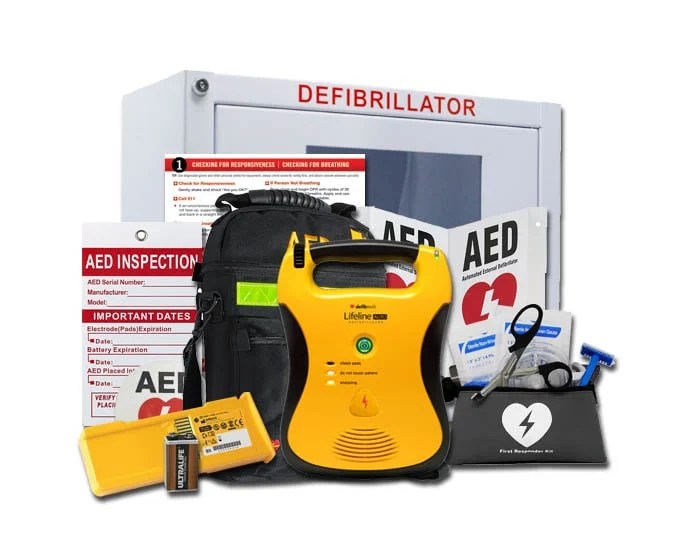
HeartSine Samaritan 350P AED Package
Compact, fully-automatic AED designed for first-time responders. Pads, battery, carry case and wall sign included.
Store Your Plan and Supplies for Easy Access
You’ve created a solid plan and gathered your supplies, which is a huge step. Now, let’s make sure you can find everything when you need it most. Where you store your plan and kits is just as important as what’s in them. In an emergency, you won’t have time to search the house. A little organization now ensures you can act quickly and confidently later. Let’s cover the best ways to store your plan, create portable kits, and back up your important documents so you’re ready for anything.
Find the Right Storage Spots
Your main emergency kit should be stored in a central, easy-to-reach location that everyone in the family knows. Think of a hall closet, a dedicated shelf in the garage, or a spot in the basement that stays cool and dry. Avoid places with extreme temperature swings, like an attic. To protect your items from water damage or pests, pack smaller things in airtight plastic bags before placing them in one or two larger containers. Easy-to-carry bins or durable duffel bags work perfectly. The goal is to grab everything quickly without having to hunt for it. Make sure your disaster preparedness kits are clearly labeled and unobstructed.
Keep Multiple Copies of Your Plan
A single copy of your emergency plan isn’t enough; it could easily get lost or damaged in a crisis. The best approach is to have several copies in different places. Keep a printed copy with your main supply kit so your plan and provisions are together. Store another copy in the glove compartment of each car, alongside emergency contacts and local maps. It’s also a great idea to email a digital copy to a trusted friend or family member who lives out of state. This creates a reliable backup you can access even if you can’t get home. Having your plan in multiple locations means you can refer to it no matter where you are when an emergency strikes.
Create Grab-and-Go Kits
While your main kit is designed for sheltering at home, you also need smaller, portable kits you can grab if you need to evacuate quickly. These are often called “grab-and-go” bags or “72-hour kits.” Each family member should have one, tailored to their needs. Pack essentials like water, non-perishable food, a flashlight, medications, and a change of clothes. Keep these kits somewhere you can access them on your way out the door, like a front hall closet. It’s also smart to keep a dedicated kit in your car. A compact first aid kit is a perfect foundation for your vehicle’s grab-and-go bag, ensuring you’re prepared even when you’re away from home. Need help deciding what goes in each bag? Our bug out bag checklist for 2026 walks you through every category.
Use Digital Backups for Key Documents
Your family’s important documents, like birth certificates, passports, insurance policies, and deeds, are irreplaceable. Start by gathering the originals or copies and storing them in a waterproof, fire-resistant container. For an extra layer of security, create digital backups. You can scan your documents and save them to a password-protected cloud storage service or an encrypted USB flash drive. Store the flash drive in a safe deposit box or with your out-of-state contact. Having digital copies ensures you can access vital information from anywhere with an internet connection, which can be critical for recovery efforts after a disaster. This simple step can save you a massive headache later on.
Overcome Common Planning Hurdles
Thinking about emergencies can feel overwhelming, and it’s easy to get stuck before you even start. Many families face similar roadblocks, from feeling anxious about potential disasters to worrying about the cost and complexity of getting prepared. The good news is that these hurdles are completely normal and manageable. By breaking the process down into smaller, more approachable steps, you can move past these challenges and create a plan that gives you confidence and peace of mind. Let’s walk through how to tackle some of the most common obstacles one by one.
Move Past the Fear of “What If”
It’s natural to feel anxious when thinking about worst-case scenarios. But the goal of planning isn’t to dwell on fear; it’s to build confidence so you can handle whatever comes your way. Instead of letting your imagination run wild with endless “what ifs,” focus on what you can control. A great first step is to learn about the specific risks in your area. Are you in a region prone to hurricanes, wildfires, or winter storms? Understanding the most likely events helps you channel your energy into creating a practical and relevant plan. This simple shift in focus turns anxiety into actionable preparation and empowers you to protect your family effectively.
Prepare on a Budget
You don’t need to spend a fortune to be prepared. Many of the most important steps are free, like creating a communication plan or mapping out evacuation routes. When it comes to supplies, start small and build your kit over time. You can add a few items to your grocery list each week, like extra canned goods, bottled water, or batteries. Look for sales on essentials and remember that even small improvements can make a big difference. A well-stocked first aid kit and a few gallons of water are a fantastic start. Preparedness is a journey, not a one-time purchase, so focus on steady progress rather than immediate perfection.
Get Everyone on the Same Page
A disaster plan is a team effort, and every family member should know their role. Set aside time for a family meeting to talk about why a plan is important. Explain potential dangers in an age-appropriate way that informs without frightening younger children. This is the perfect time to decide on meeting spots, assign responsibilities (like grabbing the pet carrier or the go-bag), and make sure everyone has important contact information. When the whole family is involved in the process, they are more likely to remember the plan and feel confident in their ability to act during an emergency. This shared understanding builds resilience for everyone.
Keep Your Plan Simple and Actionable
When an emergency hits, stress levels are high, and you won’t have time to read a complicated manual. The best plans are simple, clear, and easy to remember. Focus on the most critical information: who to call, where to go, and what to grab. Create a one-page summary of your plan that you can post on the fridge. Make wallet-sized cards for each family member with key phone numbers and your designated meeting places. The goal is to have a straightforward guide that anyone in your family can follow, even if you’re separated and communication is down. Using a simple template can help you cover the basics without getting bogged down in unnecessary details.
Practice and Update Your Plan Regularly
Creating a family disaster plan is a huge first step, but it’s not a one-and-done task. Think of your plan as a living document that needs to grow and change with your family. The real goal is to make your emergency procedures feel like second nature, so if a crisis ever happens, you can act confidently instead of panicking. Regular practice builds muscle memory for everyone, from your youngest child to your oldest relative. It helps turn a list of instructions on paper into a clear, automatic response.
Life is always changing. Kids get new cell phones, you might change jobs, or a new neighbor becomes your out-of-state contact. Your plan needs to reflect these updates to be effective. By setting aside time to review and practice, you also get the chance to spot any weaknesses. Maybe an evacuation route is now blocked by construction, or you realize your emergency kit is missing something crucial. Treating your plan as an ongoing process ensures it remains a reliable tool that truly protects your family. This commitment to maintenance is what transforms a good plan into a great one.
Run Drills with Your Family
Practicing your plan is the best way to make sure everyone knows exactly what to do when it counts. You don’t need to make it intense or scary. Start simple by walking through your home’s evacuation routes together. Point out the two exits from each room and follow the path to your designated outdoor meeting spot. You can also practice specific skills, like how to “drop, cover, and hold on” during an earthquake or how to use a fire extinguisher. Running these drills helps everyone, especially kids, remember the plan under pressure and gives you a chance to see what works and what doesn’t in a low-stress setting.
Review and Refresh Your Kits
Your emergency kits are only useful if their contents are ready to go. It’s a good idea to check your supplies at least once a year. A great way to remember is to tie it to an annual event, like a birthday or daylight saving time. Go through your first aid kits and check the expiration dates on medications, ointments, and sterile wipes. Make sure your food and water supplies haven’t expired and that the batteries in your flashlights and radios still work. This is also a good time to reassess your family’s needs. Do you need to add diapers, formula, or different sizes of clothing for growing children? A quick annual checkup keeps your kits effective.
Update Key Information Annually
The details in your plan are just as important as your supplies. Information can become outdated quickly, so schedule an annual review of all your key documents and contact lists. Sit down and confirm that everyone’s phone numbers, work or school addresses, and medical information are current. Check your list of emergency contacts to ensure their details haven’t changed. This is also the perfect time to review your insurance policies and make sure digital copies of important documents, like birth certificates and passports, are saved securely and are easy to access. Keeping this information fresh ensures your communication plan will work when you need it most.
Make Preparedness Fun for Kids
Getting your kids involved in emergency planning can feel tricky, but framing it as a game or a special activity helps remove the fear. Instead of a formal drill, you could have a “preparedness scavenger hunt” where they find the emergency supplies in your home. Let them help you check the dates on the snacks in your go-bags and pick out new ones to replace the old. The Ready Kids program has great ideas for activities that teach children about safety in an engaging way. When kids feel like they are part of the team, they feel more empowered and less anxious about emergencies.
Avoid These Common Planning Mistakes
Creating a family disaster plan is a huge step toward feeling secure and in control. But a plan is only as good as its execution. Even the most detailed binder of information won’t help if it’s collecting dust on a shelf. To make sure your plan actually works when you need it most, it’s important to sidestep a few common missteps that can trip families up. By avoiding these mistakes, you can turn your plan from a simple document into a living, breathing strategy that everyone in your household understands and can follow with confidence.
Mistake #1: Not Involving Everyone
A plan created by one person for everyone else is likely to fail. True preparedness is a team sport, and every member of your household is on the team. Sit down together and talk about why a plan is important. For younger kids, you can frame the conversation around safety without causing fear. Explain the basics of what to do in case of a fire or severe weather, and give them small, age-appropriate jobs, like being in charge of grabbing the pet’s leash or a favorite comfort item. When everyone has a role and understands the “why” behind the plan, they are far more likely to remember what to do when it counts.
Mistake #2: Forgetting to Practice
A plan you’ve never practiced is just a theory. You wouldn’t expect to know what to do during a fire alarm without a drill, and the same logic applies here. Practicing your plan is what builds muscle memory and helps everyone stay calm under pressure. At least twice a year, walk your evacuation routes, test your out-of-state contact, and review where your emergency supplies are stored. You can even make a game out of it, like seeing who can get to the designated meeting spot first. Regular practice also includes keeping skills sharp, so consider getting certified with hands-on CPR & AED training to build real-world confidence.
Mistake #3: Overlooking Specific Needs
A generic checklist is a great starting point, but a truly effective plan is tailored to your family’s unique situation. Think through the details. How will you communicate if cell service is down? What about specific medical needs, like prescription medications, glasses, or hearing aids? If you have an infant, your kit will look very different from a family with teenagers. Don’t forget to include your pets in the plan, with food, water, and medication set aside for them. Documenting these specific needs ensures that no one’s critical requirements are forgotten in a stressful moment. Having the right first aid kits customized for your family is a perfect example of this.
Mistake #4: Letting Your Plan Get Stale
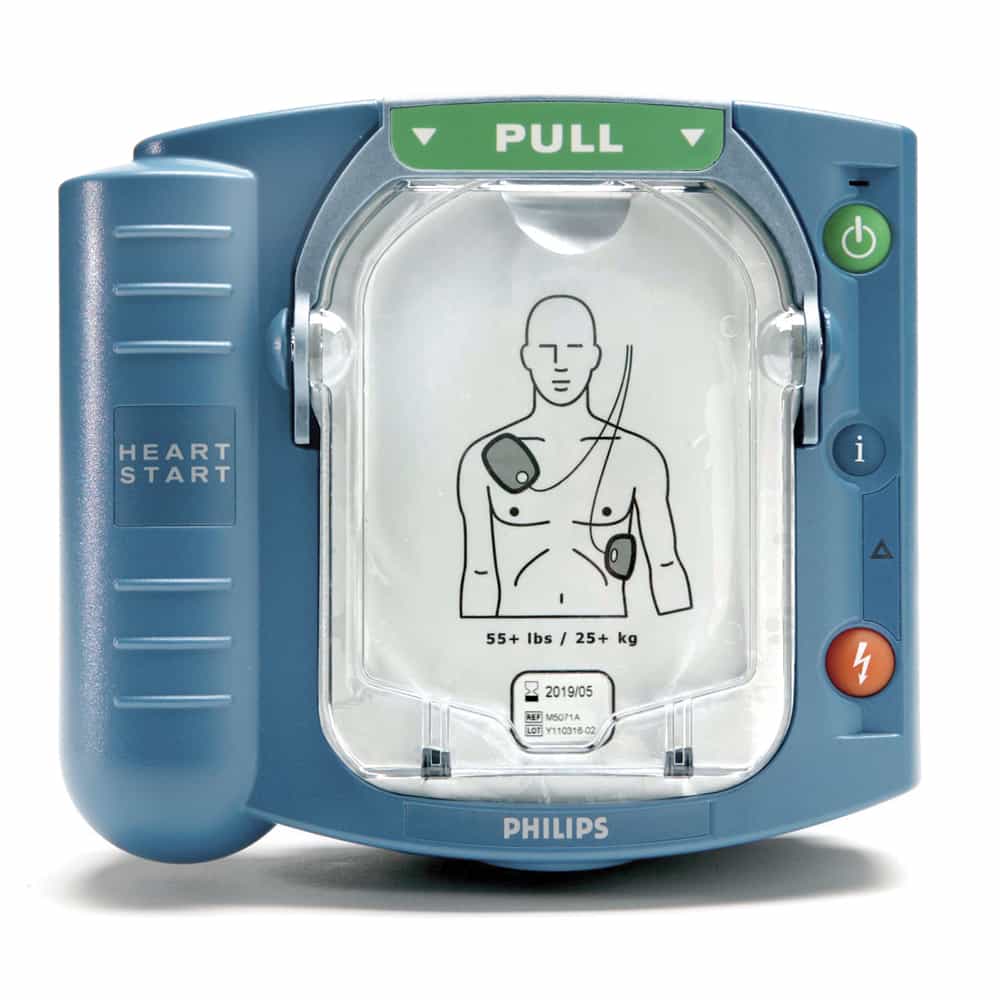
Preparedness isn’t a one-and-done task; it’s an ongoing habit. A plan made a year ago might already be out of date. People move, phone numbers change, and kids grow, changing their needs. Set a recurring reminder on your calendar, perhaps every six months, to review your entire plan. During this review, check the expiration dates on food, water, and medical supplies. It’s especially important to check the status of items like AED batteries and pads, which have a limited shelf life. Use this time to update contact information, refresh important documents, and adjust your supply kits to match your family’s current needs.
Find Tools to Help You Stay Prepared
Creating a family disaster plan doesn’t have to be an overwhelming task you tackle from scratch. Plenty of excellent resources are available to guide you through the process, making it simpler to build a plan that truly works for your family. Think of these tools as your support system, helping you move from worrying about “what if” to confidently knowing “what to do.” From digital apps that keep your plan in your pocket to hands-on training that builds real-world skills, these resources help you cover all your bases. They can turn preparedness from a daunting task into a manageable, and even empowering, project. By using them, you can ensure your communication strategy is solid, your evacuation routes are clear, and your emergency kits are properly stocked. It’s all about taking small, actionable steps, and these tools are designed to help you do just that. When you have a clear framework to follow, you can focus on what matters most: making sure your loved ones are safe and prepared for anything. Below, we’ll explore four key types of tools that can make a huge difference in your family’s readiness, from simple checklists that get you organized to the essential gear that will see you through a crisis.
Use Planning Templates and Checklists
Sometimes, the hardest part of planning is just getting started. Templates and checklists provide a clear roadmap, so you don’t miss any critical steps. These guides walk you through the essentials, like how you’ll contact each other, where you’ll go to find a safe place, and what to do in different emergency scenarios. Using a pre-made template ensures you think through every detail, from listing emergency contacts to planning for your pets. You can find helpful, fillable forms on government websites like Ready.gov, which allow you to type in your information, save it, and print copies for everyone in the family. It’s a simple way to get organized and create a solid foundation for your plan.
Try Preparedness Apps
For a plan that’s always with you, consider using a preparedness app on your smartphone. These apps can store your entire emergency plan, including contact information, meeting locations, and copies of important documents, right in your pocket. Many apps also offer features like emergency alerts for your area, interactive checklists for your supply kits, and step-by-step first aid guides. The FEMA app, for example, provides real-time weather alerts and helps you locate nearby emergency shelters. Having this information accessible digitally means you can act quickly and confidently, even if you’re away from home when a disaster strikes and can’t access your printed plan.
Look for Community Training
Reading about what to do in an emergency is one thing, but practicing those skills is what builds real confidence. Look for local training opportunities where you and your family can learn life-saving skills. Courses in CPR and AED use or basic first aid can empower you to respond effectively in a medical emergency while you wait for help to arrive. Many communities also offer programs that teach residents how to prepare for specific local risks, like wildfires or hurricanes. This kind of hands-on training is a great way to make preparedness a family activity and ensure everyone, including older kids, knows how to stay safe and help others.
Invest in Reliable Emergency Gear
Your plan is only as good as the supplies you have to support it. Having reliable, high-quality emergency gear is essential for keeping your family safe and comfortable. Your emergency kit should be stocked with the basics, including non-perishable food, water, a flashlight, a weather radio, and extra batteries. A well-stocked first aid kit is also non-negotiable for handling minor injuries and medical issues when professional help isn’t immediately available. When you invest in your gear, you’re investing in your family’s well-being. Make sure your supplies are organized, easy to access, and checked regularly so they’re ready to go when you need them most.
Related Articles
- The Ultimate Hurricane Preparation Checklist
- Power Outage Emergency Response Plan PDF [Free Template]
- Your Emergency Kit Checklist: 20 Must-Have Items
- The Ultimate Earthquake Emergency Kit List

Not sure which AED or training fits your needs?
A Response Ready product expert walks you through it — no obligation.
Frequently Asked Questions
This all seems overwhelming. What’s the single most important first step? Don’t try to do everything at once. The best place to start is with your communication plan because it costs nothing and provides immediate peace of mind. Just sit down with your family for 15 minutes to choose an out-of-state contact and decide on two meeting spots (one near your home, one farther away). Getting this simple part done builds momentum and makes the rest of the process feel much more manageable.
How can I talk to my kids about emergencies without making them anxious? The key is to frame the conversation around safety and empowerment, not fear. Compare it to things they already know, like looking both ways before crossing the street or practicing fire drills at school. Give them a specific, simple job, like being in charge of the flashlight or packing a comfort item in their go-bag. When kids have a role, they feel helpful and in control, which helps replace anxiety with confidence.
What’s the real difference between a home emergency kit and a grab-and-go bag? Think of it this way: your home kit is for sheltering in place, while your grab-and-go bag is for evacuating quickly. The home kit is larger and contains enough supplies, like food, water, and sanitation items, for your family to be self-sufficient for at least three days. A grab-and-go bag is a smaller, portable version for each family member, containing just the essentials you’d need if you had to leave your house in a hurry.
Is it better to buy a pre-made emergency kit or build one myself? There’s no single right answer; it depends on your preference. A pre-made kit is a fantastic starting point because it’s convenient and ensures you have a solid foundation of essential supplies right away. Building your own kit allows you to customize it completely to your family’s specific needs, like including certain medications, baby supplies, or specific non-perishable foods. A great approach is to do both: start with a comprehensive pre-made kit and then add your own personal items.
How often should I actually update my family’s disaster plan? You should review and update your plan at least once a year. A great way to remember is to tie it to a memorable date, like New Year’s Day or the weekend you change your clocks for daylight saving time. During your review, check the expiration dates on food, water, and medical supplies, update all contact information, and make sure the plan still fits your family’s needs, especially if you’ve moved or your children have gotten older.