- Published
- March 25, 2026
The Ultimate Earthquake Emergency Kit List

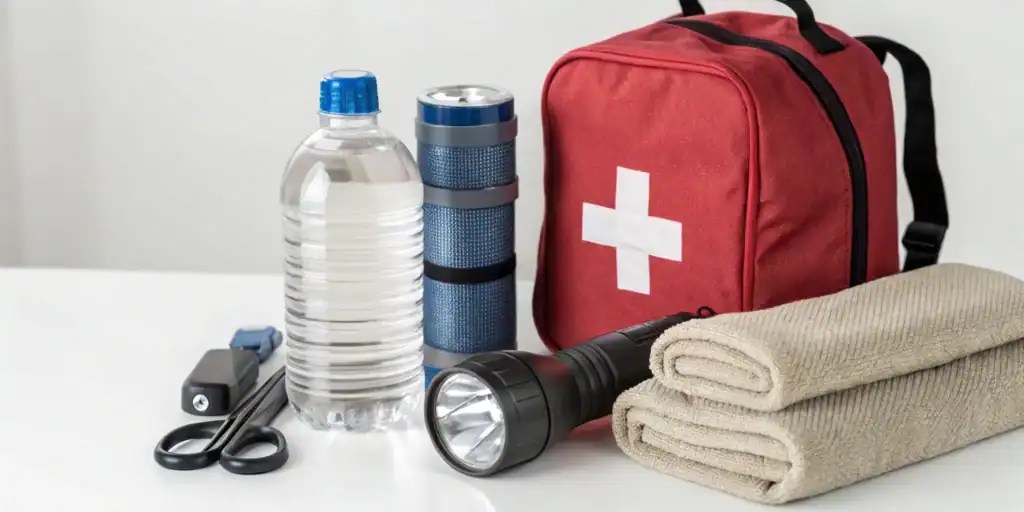
You already know you need an earthquake kit. But a truly effective kit is more than just a box of canned goods and a flashlight. It’s a personalized resource that accounts for your family’s unique needs, from prescription medications for seniors to comfort items for children. It’s also a system that requires smart storage for quick access and regular maintenance to ensure everything works when you need it most. This guide goes beyond the basics to cover the crucial details that are often overlooked. We’ll help you refine your earthquake emergency kit list so it becomes a dependable lifeline you can count on in a crisis.
Key Takeaways
- Plan for Self-Sufficiency, Not Immediate Rescue: An earthquake kit is your plan for the first 72 hours, providing the food, water, and tools you need to stay safe and in control when emergency services can’t reach you right away.
- A Complete Kit Covers More Than First Aid: Go beyond the basics by packing supplies tailored to every family member—including pets—and adding safety tools, hygiene items, and copies of essential documents.
- Treat Your Kit as a Living Resource: Preparedness is an ongoing process, not a one-time task. Schedule regular check-ins to refresh expired supplies, test equipment, and update items as your family’s needs evolve.
For a printable, category-by-category guide you can check off as you build, see our earthquake emergency kit checklist.
What Is an Earthquake Kit (and Why Is It So Important)?
An earthquake kit is a collection of essential supplies your household will need to survive safely in the aftermath of a quake. Think of it as your family’s self-sufficiency pack for when basic services are unavailable. When you can’t rely on running water, electricity, or even immediate help from first responders, this kit becomes your lifeline. It’s not about expecting the worst; it’s about having the confidence to handle a serious situation calmly and effectively.
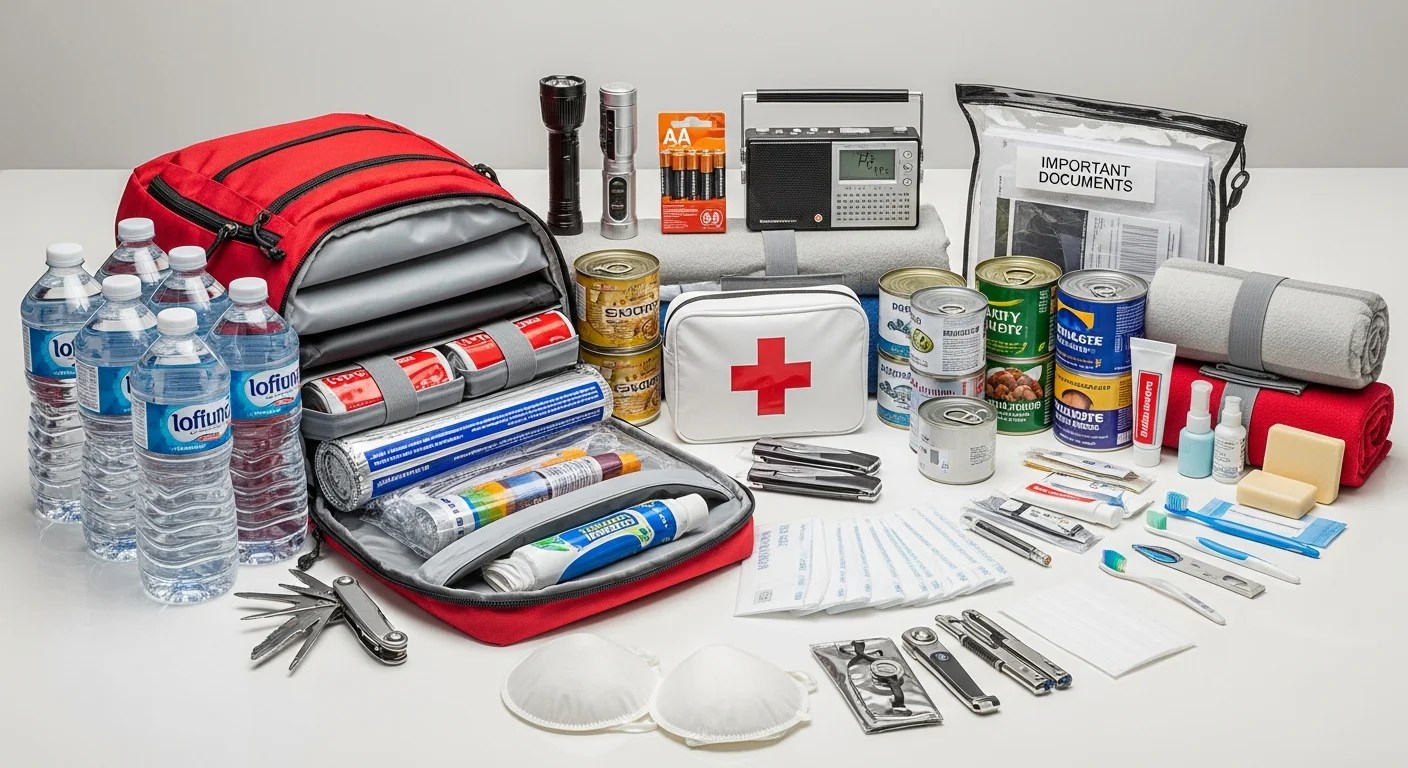
At its core, a good kit should contain enough supplies to last each person for at least three to seven days. This includes basics like water, non-perishable food, a flashlight, a hand-crank radio, and a well-stocked first-aid kit. It also includes personal items like medications, copies of important documents, and sanitation supplies. Assembling these items ahead of time is one of the most critical steps you can take toward emergency preparedness. Instead of scrambling for resources when a disaster strikes, you’ll have everything you need organized and ready to go, giving you and your family invaluable peace of mind.
Why You Can’t Always Wait for Help
After a major earthquake, the reality is that you will likely be on your own for several days. Emergency services will be stretched thin, and infrastructure can be severely damaged. According to Ready.gov, being prepared means having your own food, water, and other supplies to last until help can arrive. Roads may be impassable, electricity and cell service can be knocked out, and access to clean water might be cut off.
Relying on immediate assistance isn’t a practical plan. First responders will be focused on the most critical incidents, and it could take hours or even days for them to reach you. Having an emergency kit means you aren’t waiting helplessly. You have the resources to take care of your family’s immediate needs—from treating minor injuries to staying hydrated and fed—without depending on outside help. This self-reliance is crucial in the first 72 hours following a disaster.
How a Kit Gives You Control in a Crisis
Panic is often a reaction to feeling powerless. An earthquake kit helps counter that by giving you a sense of control in a chaotic and unpredictable situation. Knowing you have the necessary supplies on hand allows you to focus on what matters most: keeping your family safe. Instead of worrying about where your next meal will come from or how you’ll see in the dark, you can turn your attention to assessing your home for damage and comforting your loved ones.
A kit is more than just a box of supplies; it’s a key part of your family’s overall safety plan. It works alongside your knowledge of what to do during a quake—like practicing “Drop, Cover, and Hold On”—and your plan for communicating with family members if you get separated. Having these elements in place transforms your response from reactive to proactive. It empowers you to act decisively, reduces stress, and provides a foundation of stability when everything around you feels uncertain.
Stock Your Kit with Food and Water
After a major earthquake, you might be without power or running water for days or even weeks. Having a dedicated supply of food and water is one of the most important steps you can take to keep your family safe and comfortable. While you can find these essentials in many disaster preparedness kits, it’s smart to supplement them with items tailored to your family’s needs. Think about what you’ll need to stay hydrated, nourished, and healthy when grocery stores are closed and utilities are down.
How Much Water to Store (The 1-Gallon Rule)
When it comes to water, the golden rule is to store one gallon per person, per day. The U.S. Geological Survey recommends having at least a two-week supply on hand. This amount covers drinking needs as well as basic hygiene and sanitation. Remember to account for everyone in your household, including pets. If you live in a hot climate or have family members who are pregnant or ill, you may want to store even more. Commercially bottled water is the safest and most reliable option, so stock up and store it in a cool, dark place.
Choose the Right Non-Perishable Foods
Your emergency food supply should be filled with non-perishable items that require little to no cooking, water, or refrigeration. Focus on familiar foods that your family will actually eat to help keep morale up during a stressful time. According to Ready.gov, great options include ready-to-eat canned meats, fruits, and vegetables; protein or fruit bars; dry cereal and granola; peanut butter; and dried fruit. Don’t forget to pack a manual can opener and disposable utensils. Having a stock of familiar comfort foods can also make a big difference in your family’s well-being.
Plan for Special Dietary Needs
A one-size-fits-all approach doesn’t work when it comes to emergency preparedness. When you build a kit, it’s essential to think about the unique needs of every person in your household. This includes packing supplies for infants, like formula, diapers, and wipes. If you have pets, make sure you have extra food and water for them, too. For older adults or family members with specific health conditions, pack any necessary dietary supplements, prescription medications, and medical supplies. Taking the time to customize your kit ensures everyone is cared for properly.
Gather Your Safety and Repair Tools
After an earthquake, your immediate surroundings can be hazardous. Fallen objects, broken glass, and damaged utility lines are common dangers. Having the right tools on hand allows you to assess your environment, make simple repairs, and stay safe while you wait for the situation to stabilize. Think of this part of your kit as your personal toolbox for managing your home and protecting your family when professional help might be delayed.
These items aren’t just for major repairs; they’re for immediate safety. A reliable flashlight helps you avoid tripping hazards in the dark, while a simple wrench can stop a dangerous gas leak. Packing these tools gives you the ability to take control of your space and address small problems before they become bigger ones. It’s about having the resources to be self-sufficient and secure in the critical hours and days following a disaster.
Pack for Light and Communication
When the power goes out, darkness can make a disorienting situation feel much worse. Your first priority should be reliable lighting. Pack at least one flashlight with extra batteries for every member of your household. Hand-crank flashlights are also an excellent option since they don’t rely on batteries. To stay informed, include a battery-powered or hand-crank NOAA Weather Radio to receive official alerts and updates when cell service and internet are down. Finally, add a whistle to your kit—it’s a simple but powerful tool for signaling for help if you become trapped.
Include Tools for Utilities and Repairs
Earthquakes can damage the utility lines connected to your home, creating risks like gas leaks or water damage. Your kit should include a wrench or a pair of multi-purpose pliers that you can use to turn off your home’s main water and gas valves. It’s crucial to learn where these valves are and how to shut them off before an emergency happens. You should only turn off your gas if you smell gas or hear a hissing sound, as a professional will be needed to turn it back on safely.
Add Personal Safety and Protective Gear
Protecting yourself from physical harm is essential when moving through a damaged area. Your kit should contain a pair of sturdy, closed-toe shoes for each family member to protect against broken glass and debris. Heavy-duty work gloves are also a must-have for handling sharp or splintered objects safely. To stay warm if your heating is out, pack emergency Mylar space blankets or sleeping bags. Most importantly, you’ll need a well-stocked first aid kit to treat cuts, scrapes, and other common injuries that can occur during and after an earthquake.
Assemble Your First Aid and Hygiene Supplies
When an earthquake strikes, the immediate aftermath can leave you without the basic services we often take for granted. Emergency responders may be overwhelmed, roads can be blocked, and utilities like running water might be shut off for days. This is why having your own first aid and hygiene supplies is so crucial. It’s not just about being prepared for a major injury; it’s about handling the small things that can quickly become big problems. A minor cut can get infected without proper cleaning and bandaging. A lack of sanitation can lead to illness spreading through your household. Preparing these items ahead of time is about self-reliance and protecting your family’s health when outside help isn’t available. It gives you the tools to stay safe, clean, and comfortable, which can make a world of difference for your physical and mental well-being during a stressful period. Think of this part of your kit as your personal wellness station, designed to keep everyone healthy and provide a sense of normalcy when everything else feels chaotic. It’s one of the most empowering steps you can take in your preparedness journey.
What to Include in Your First Aid Kit
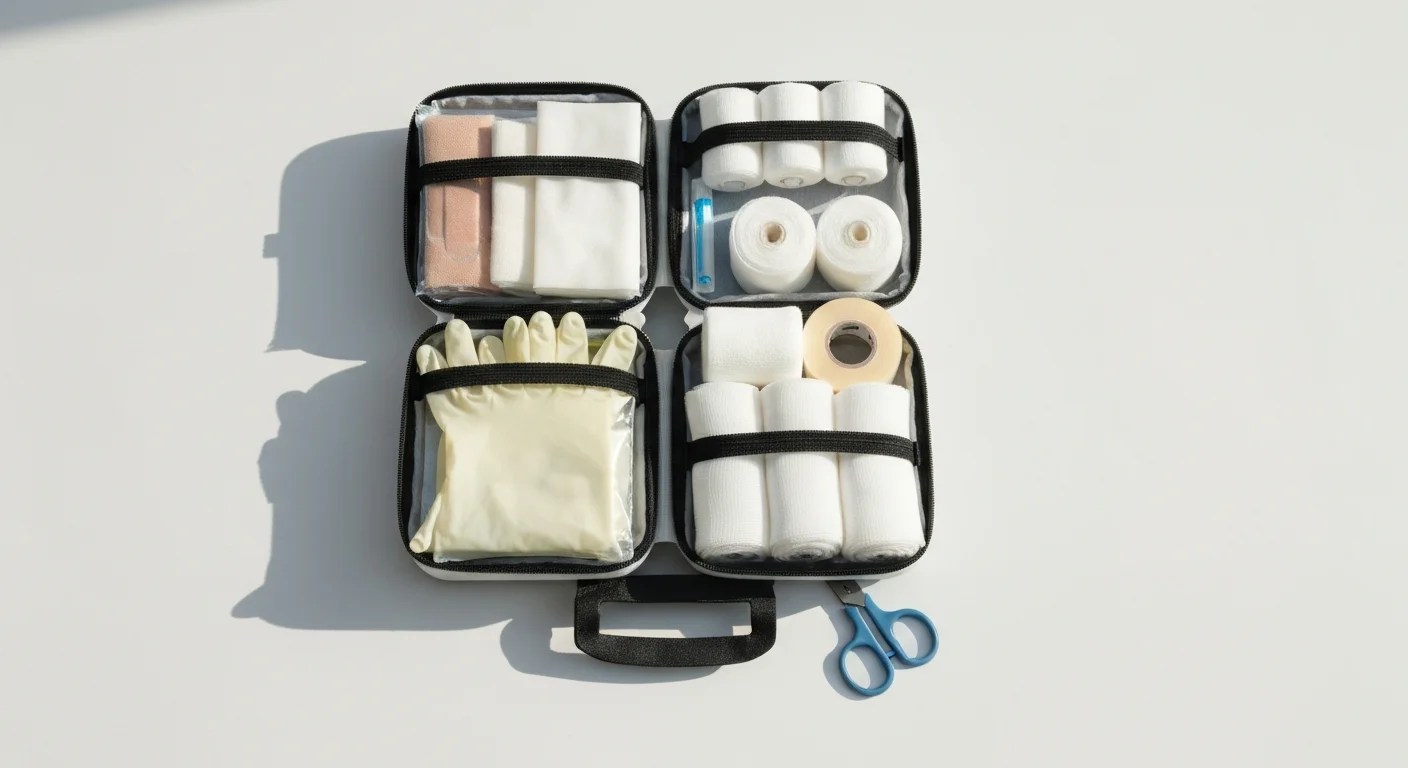
A well-stocked first aid kit is your go-to for handling the scrapes, sprains, and other common injuries that can happen during and after an earthquake. You can build your own, but starting with one of the comprehensive first aid kits available today ensures you have all the essentials covered from the start. Make sure yours includes a variety of bandages, sterile gauze pads, adhesive tape, antiseptic wipes, and scissors for cutting tape or clothing. It’s also smart to have pain relievers, allergy medication like antihistamines, and burn cream. One of the most useful items is a simple first aid handbook that can guide you through treating different injuries if you’re feeling unsure. Having everything organized in one place means you won’t be scrambling when you need to act fast.
Don’t Forget Medications and Medical Devices
Your daily medications are one of the most critical and personal parts of your emergency kit. If you or a family member relies on prescription drugs, pack at least a seven-day supply. It’s a good idea to keep a waterproof copy of your prescriptions, dosages, and any allergies in the kit as well. Beyond prescriptions, include over-the-counter medicines you frequently use, such as pain relievers, anti-diarrhea medication, and antacids. Don’t forget other medical necessities like extra eyeglasses, contact lenses and solution, or hearing aid batteries. The goal is to maintain your health without interruption, even if you can’t get to a pharmacy. You can find a detailed checklist of what to include on the Ready.gov website.
Pack for Sanitation and Personal Hygiene
Staying clean is essential for your health and morale during an emergency. When the plumbing isn’t working, you’ll need a backup plan. Your kit should include items for personal sanitation, such as moist towelettes, hand sanitizer, and soap. Also, pack garbage bags and plastic ties to properly dispose of waste and keep your living area clean and hygienic. Don’t forget the basics that provide comfort, like toilet paper, toothbrushes, toothpaste, and any feminine hygiene supplies you might need. Having these items on hand helps prevent the spread of germs and provides a sense of normalcy in a chaotic situation. It’s a simple step that makes a huge difference in your comfort and well-being while you’re weathering the aftermath of a disaster.
Secure Your Documents and Personal Items
Beyond the immediate needs of food, water, and first aid, your emergency kit should also help you handle the aftermath of a disaster. When the shaking stops, you’ll need to prove your identity, contact loved ones, and access funds. Power outages and damaged infrastructure can make digital records and payment systems useless. Preparing these items now ensures you have what you need to start the recovery process and maintain a sense of stability during a chaotic time. Think of this part of your kit as your first step toward getting back on your feet.
Copy Important Paperwork and IDs
If you’re forced to evacuate, you might not have time to grab your wallet or find important files. Having copies of your essential documents stored in your kit is a critical step for recovery. Make photocopies of birth certificates, passports, driver’s licenses, social security cards, insurance policies, and property titles. It’s also a good idea to have digital copies saved on a password-protected USB drive. Store all your physical copies in a waterproof and fireproof bag to protect them from damage. Having this essential paperwork ready will make it much easier to file insurance claims, apply for assistance, and re-establish your identity after a disaster.
Keep Cash and Key Contacts on Hand
After an earthquake, you can’t count on technology working. Power outages can easily knock out ATMs, credit card readers, and cell towers, leaving you without access to your money or digital contacts. That’s why your kit should include cash, preferably in small bills, to pay for essentials like fuel, food, or lodging. You should also have a physical list of key contacts and important phone numbers, including family members, your doctor, and your insurance agent. Don’t rely on your phone’s contact list, as the battery could die. A simple, laminated piece of paper with this information can be a lifesaver when you need to reconnect with loved ones.
Pack a Few Comfort Items
Surviving a disaster is as much a mental challenge as it is a physical one. The stress and uncertainty can take a toll, especially on children. Packing a few small comfort items can make a huge difference in managing anxiety and passing the time while you wait for help or information. For kids, this could be a favorite stuffed animal, a coloring book, or a simple game. For adults, a book, a deck of cards, or a journal can provide a much-needed distraction. These items may seem like luxuries, but they play a vital role in maintaining morale and a sense of normalcy during a difficult and frightening experience.
Customize Your Kit for Every Family Member
A standard emergency kit is a great starting point, but your family isn’t standard—it’s unique. True preparedness means tailoring your supplies to meet the specific needs of every person and pet in your household. A one-size-fits-all approach can leave the most vulnerable members of your family without critical items they rely on daily. Taking the time to think through each person’s individual requirements will make a significant difference in their comfort and safety during a crisis.
When you customize your kit, you’re planning for real-life scenarios. What does your baby need if you can’t get to a store? What about your grandfather’s daily medication or your dog’s anxiety vest? These aren’t afterthoughts; they are essentials. By packing specific supplies for infants, children, seniors, individuals with disabilities, and pets, you create a comprehensive plan that accounts for everyone. This level of detail turns a generic box of supplies into a personalized lifeline, giving you the confidence that you’re ready for whatever comes your way.
What to Pack for Babies and Children
When you have little ones, their needs are your top priority. An emergency kit should reflect that with supplies dedicated just to them. Beyond the basics, think about what you use every single day. Ready.gov recommends you “add extra items based on your family’s specific needs,” which for infants and toddlers includes crucial baby supplies like formula, bottles, diapers, and wipes. Don’t forget rash cream and any necessary medications. For older children, pack a few small games, books, or a favorite comfort item. These can provide a much-needed sense of normalcy and distraction during a stressful time.
Plan for Seniors and Individuals with Disabilities
It’s essential to account for the unique needs of older adults or family members with disabilities. This means going beyond a standard first aid kit to include items that support their health and well-being. Think about packing at least a week’s supply of all prescription medications, along with a list of dosages and the prescribing doctor. You should also include spare eyeglasses, hearing aid batteries, or any specialized medical equipment they rely on, such as glucose monitoring supplies. Considering your family’s unique needs ensures everyone has what they require to stay safe and healthy when normal routines are disrupted.
Prepare an Emergency Kit for Your Pets
Your pets are part of the family, and they count on you to keep them safe during an emergency. Their kit should have everything they need to be comfortable and secure for several days. The Earthquake Authority reminds us, “Don’t forget supplies for your pets, including food, water, medications, and a plan for their care.” Pack a bag with their food, a portable water bowl, and any daily medications. It’s also a good idea to include a sturdy leash or carrier, a favorite toy for comfort, and copies of their vaccination records. Including these items is a critical step when you make an earthquake emergency kit for your whole family.
Avoid These Common Kit-Building Mistakes
Building an emergency kit is a huge step toward feeling secure and in control. But as with any project, a few common missteps can happen along the way. The good news is that they’re all easy to fix. Thinking through these potential pitfalls now ensures your kit will be a reliable source of support when you need it most. Let’s walk through a few of the most frequent mistakes so you can prepare with confidence.
Mistake #1: Not Storing Enough Food and Water
It’s easy to underestimate just how much food and water you’ll need to get through a few days without power or running water. One of the biggest mistakes people make is simply not packing enough. The standard recommendation is to store at least one gallon of water per person, per day, for both drinking and sanitation. For food, focus on familiar, nonperishable items that your family will actually eat and that don’t require cooking or refrigeration. Think canned goods, dried fruit, and protein bars. Having an adequate supply means you won’t have to worry about basic needs while you handle everything else.
Mistake #2: Forgetting to Check Equipment and Medications
An emergency kit isn’t something you can just pack once and forget about. Batteries die, food expires, and medications run out. A flashlight with dead batteries or an expired prescription can make a tough situation even more stressful. Get into the habit of reviewing your kit every six months. Swap out old food and water, test your electronics, and check the expiration dates on everything in your first aid kits. This simple maintenance routine is the key to making sure your supplies are ready to go the moment an emergency strikes. It’s a small time investment that pays off in reliability.
Mistake #3: Creating a One-Size-Fits-All Kit That’s Hard to Access
Every household is unique, and your emergency kit should reflect that. A generic checklist is a great starting point, but it won’t account for your family’s specific needs, like prescription medications, baby formula, or pet food. It’s also wise to think beyond a single, large container stored in the garage. What if you need to evacuate quickly? Consider creating multiple kits: a comprehensive one for sheltering at home and smaller, portable “Go-Bags” for your car and workplace. By organizing your supplies into different kits, you ensure you have what you need, no matter where you are when an earthquake hits.
Store Your Kit for Quick and Easy Access
You’ve put in the work to assemble the perfect earthquake kit, but that’s only half the job. Where you store your supplies is just as important as what’s inside. If you can’t get to your kit when you need it most, it won’t do you any good. The key is to make your supplies accessible enough to grab in a moment’s notice, even if it’s dark or you’re in a hurry.
Think about the most likely scenarios following an earthquake. You might need to evacuate your home quickly, or you might be sheltering in place without power. Your storage strategy should account for both possibilities. By placing your kits in logical, easy-to-reach locations, you’re setting yourself up for a confident and effective response. Let’s walk through how to store your supplies so they’re always ready when you are.
How Much to Store: The 3-Day Guideline
A good rule of thumb is to have at least three days’ (72 hours) worth of supplies for every person in your household. Why three days? In a major disaster, it can take time for first responders and relief workers to reach everyone. Having a 72-hour kit ensures you can be self-sufficient during that critical initial period. This means enough food, water, medication, and other essentials to get by until help is available or services are restored. Think of it as a bridge that gets you and your family safely through the immediate aftermath of a crisis.
Where to Keep Your Emergency Kit
Store your main disaster preparedness kit in a place that’s both cool, dark, and—most importantly—easy to get to. A hall closet, the garage near an exit, or a sturdy container under a bed are all great options. The goal is to have it in a designated spot that everyone in the family knows about, so you can grab it and go without thinking. To protect your supplies from water damage, pack items in airtight plastic bags before placing them in an easy-to-carry duffel bag or plastic bin. This keeps everything organized, dry, and ready for a quick departure.
Why You Might Need More Than One Kit
An earthquake can strike at any time, and you won’t always be at home when it does. That’s why it’s smart to have multiple kits. Keep your comprehensive 72-hour kit at home, but also prepare smaller, more portable kits for your car and your workplace. Your car kit might include extra blankets, jumper cables, and a compact first aid kit. Your work kit could be a simple backpack with walking shoes, a water bottle, and some non-perishable snacks to help you get home safely. Having these satellite kits ensures you’re prepared no matter where you are.
Keep Your Emergency Kit Ready to Go
Building your earthquake kit is a huge step toward being prepared, but it’s not a one-and-done task. An emergency kit is a living resource that needs a little attention to stay effective. Over time, food expires, batteries lose their charge, and your family’s needs change. A well-maintained kit ensures that when you reach for it in a crisis, everything inside is safe, effective, and ready to use. This ongoing process is what transforms a simple collection of items into a dependable lifeline.
Think of it like a fire drill—it’s the practice and maintenance that builds real confidence. Setting aside a little time once or twice a year to review your supplies is one of the most important parts of your preparedness plan. It’s a simple habit that turns your kit from a box of supplies into a reliable source of security. By checking expiration dates, updating personal items, and testing your equipment, you can be sure your kit will be there for you when it counts. This isn’t about adding another chore to your list; it’s about maintaining peace of mind so you can act decisively when you need to.
Set a Schedule to Check Expiration Dates
Many items in your kit have a shelf life, including food, water, medications, and even batteries. The easiest way to stay on top of this is to set a recurring reminder on your calendar—say, every six months. When the reminder pops up, take a few minutes to go through your supplies. Check the dates on all canned goods, energy bars, and other food items. It’s also a good time to inspect your stored water to make sure the containers are still sound. While you’re at it, look through your first aid kits for expired ointments or medications and replace them as needed.
Update Your Kit as Your Family’s Needs Change
Your family isn’t static, and your emergency kit shouldn’t be either. Life changes like having a baby, adopting a pet, or starting a new prescription medication all require updates to your kit. As children grow, you’ll need to swap out clothing sizes, add different comfort items, or adjust food supplies. This is also a great time to review your important documents. Have you changed insurance providers? Do you need to add a new birth certificate to your waterproof folder? Taking stock of what’s new in your life helps you customize your kit so it truly serves everyone in your household, including pets.
Test Your Equipment and Replace Batteries
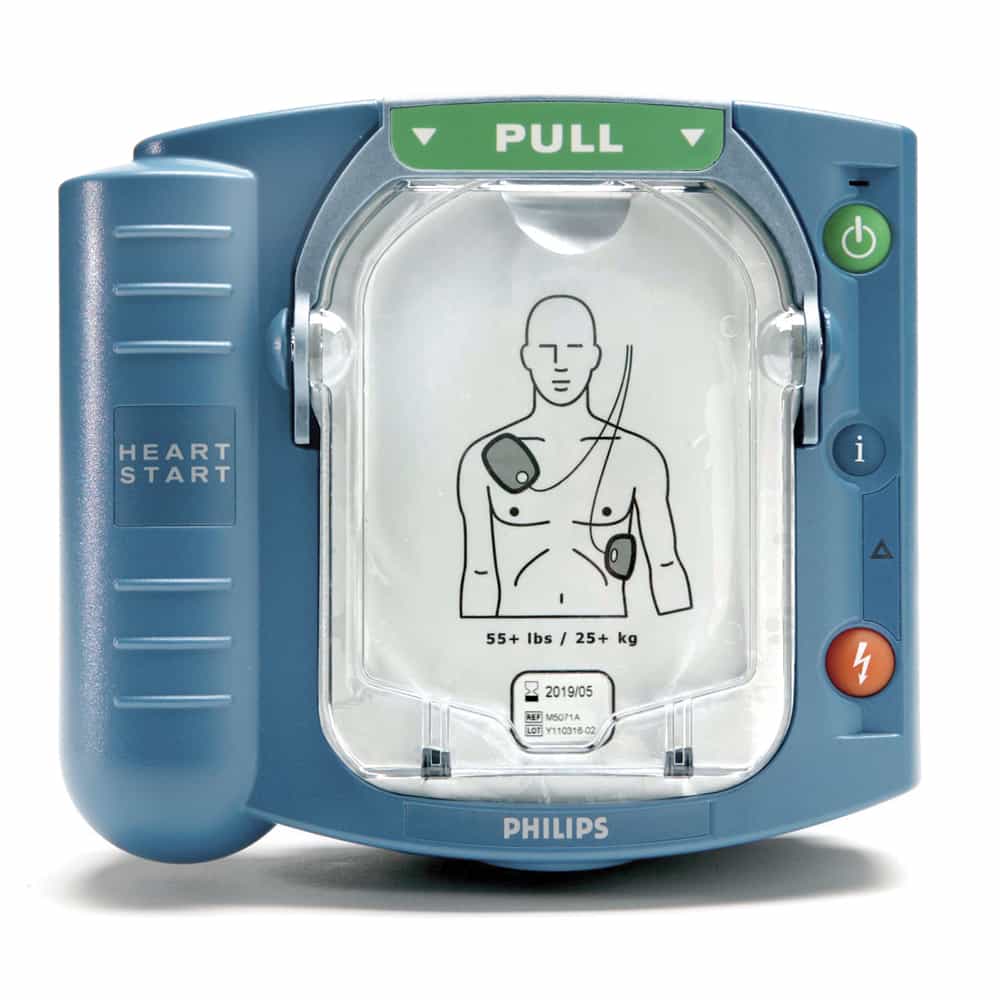
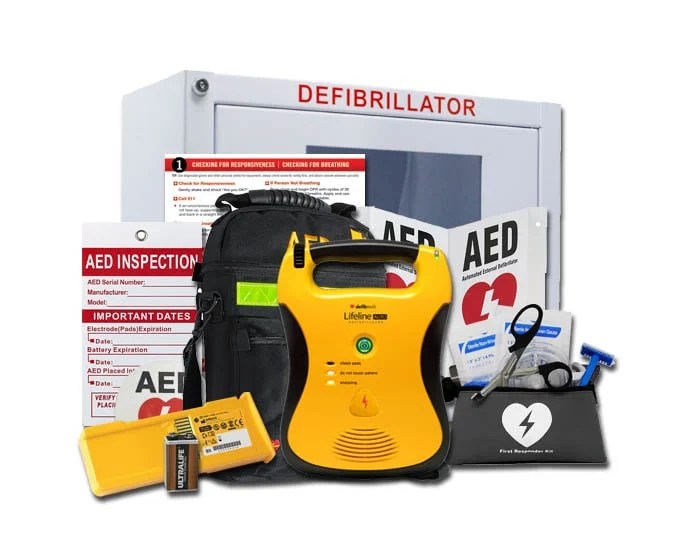
The last thing you want in a power outage is a flashlight that won’t turn on. During your regular kit check-in, take a moment to test all your battery-operated equipment. Turn on your flashlights, weather radio, and any other devices to make sure they’re in working order. It’s a good practice to replace the batteries every year, regardless of whether they still have power. You can move the old ones to less critical devices in your home, like TV remotes. For essential medical devices, make sure you have fresh, dedicated AED batteries and other necessary power sources packed and ready to go. This simple step ensures your tools will work when you need them most.
How to Build a Kit Without Breaking the Bank
Getting prepared doesn’t have to be a huge, one-time expense. You can build a comprehensive earthquake kit without draining your savings by being strategic. The key is to start small, build over time, and know when a pre-made kit might be the smarter choice. This approach makes preparedness feel manageable and achievable, no matter your budget. Instead of getting overwhelmed by a long list of supplies, focus on taking one step at a time. By breaking the process down, you can create a reliable kit that gives you confidence without causing financial stress. Let’s walk through a few simple ways to get it done.
Start with the Most Important Items
Before you buy anything, shop your own home. You likely already have some of the essentials. Your first goal is to gather the absolute must-haves: water (at least one gallon per person, per day), non-perishable food for three days, a flashlight with extra batteries, and a well-stocked first aid kit. These are the items that will make the biggest difference in the immediate aftermath of an earthquake. Once you have them, place them in an easy-to-carry container like a duffel bag or a plastic bin. Don’t worry about having the perfect setup right away; just focus on covering these critical bases first.
Build Your Kit Gradually Over Time
Think of building your kit as a marathon, not a sprint. You can assemble a fantastic kit by adding just one or two items every time you go to the grocery store. One week, grab an extra can of soup or a box of granola bars. The next, pick up a pack of batteries or some hygiene supplies. This method spreads the cost out and turns a big project into a simple habit. As you go, remember to build a kit that fits your family’s specific needs, including supplies for pets, babies, or seniors. Set a recurring reminder on your phone to check expiration dates on food, water, and medications every six months to keep your kit fresh and ready.
When to Consider a Pre-Made Kit
Building a kit yourself is a great way to customize it, but sometimes starting with a pre-made kit is the best move. If you feel overwhelmed by checklists or simply want the peace of mind that comes from having everything covered from the start, a pre-made kit is an excellent solution. These kits are designed by experts to include all the essentials, saving you time and ensuring you don’t miss anything critical. They are also a great option for workplaces, schools, or community centers that need standardized, reliable disaster preparedness kits for their teams. It’s a simple, effective way to get prepared quickly.
Related Articles
- Emergency Preparedness Kits for Home, Travel & Evacuation — Response Ready
- Power Outage Emergency Response Plan PDF [Free Template]
- The Ultimate Hurricane Preparation Checklist
Frequently Asked Questions
Is it better to buy a pre-made kit or build my own? Honestly, there’s no wrong answer here—it’s about what works best for you. Building your own kit is a great way to customize it perfectly for your family’s specific needs and spread the cost out over time. However, if you’re feeling overwhelmed by checklists or just want to get it done quickly, a pre-made kit is an excellent choice. They’re assembled by experts, so you can feel confident that all the critical bases are covered from day one.
I feel overwhelmed. What are the absolute first things I should get for my kit? Don’t let perfection be the enemy of getting started. If you’re feeling overwhelmed, just focus on the four most critical items first. Get enough water for three days (one gallon per person, per day), some non-perishable food your family will actually eat, a reliable flashlight with extra batteries, and a good first aid kit. Once you have those four things together in a bag, you’ve already made a huge step toward being prepared. You can always add to it from there.
How often should I really be updating my kit? The easiest way to remember is to tie it to a habit you already have. A great rule of thumb is to check your kit twice a year, like when you change your clocks for daylight saving time. This is the perfect time to swap out any food or water nearing its expiration date, replace the batteries in your flashlight and radio, and update any personal medications or documents. A quick check-in every six months ensures everything is fresh and ready to go.
I live in a small apartment. Where can I possibly store all this stuff? Living in a smaller space just requires a bit of creativity. You don’t need one giant bin. Try breaking your kit into smaller, more manageable modules. A flat, rolling container with water and food can slide right under your bed. A backpack with your “Go-Bag” essentials—like documents, a flashlight, and a first aid kit—can live in your coat closet. The key is to keep your supplies in a place you can get to easily, even if it’s dark.
Should I have a separate kit in my car? Yes, absolutely. An earthquake can happen while you’re at work or running errands, and you might not be able to get home right away. Your car kit is your bridge to getting back safely. It doesn’t have to be as extensive as your home kit, but it should include comfortable walking shoes, a warm blanket, extra water and snacks, a phone charger or power bank, and a small first aid kit.
Disclaimer for information purposes only:
The information provided on this website is intended for general educational and informational purposes only. It is not medical advice and should not be used as a substitute for professional diagnosis, treatment, or care. Always consult a qualified healthcare or medical professional regarding any health-related questions or concerns.
While we strive to ensure the information shared is accurate and up to date, no guarantees are made regarding completeness, accuracy, or applicability to any individual situation. Use of this content is at the reader’s sole discretion and risk.
This website is part of the Response Ready family of emergency preparedness and training resources, including CPR & first aid training and compliance services, AED sales and program support, AED program management software, and medical oversight solutions provided through our affiliated platforms:
• CPR1.com
• AEDLeader.com
• AEDTotalSolution.com
• MDSIMedical.com
By accessing or using this website, you agree to release, indemnify, and hold harmless the website owners, authors, contributors, and affiliated entities from any claims, losses, damages, or liabilities arising from the use or reliance on the information presented.