- Published
- June 16, 2026
The Ultimate Hurricane Preparation Checklist


When people think about hurricane prep, their minds often go straight to bottled water, batteries, and canned goods. While those supplies are absolutely critical, they are only one piece of a much larger puzzle. A truly effective plan also includes knowing your evacuation route, securing important documents, preparing your home to withstand high winds, and having a communication strategy for your family. This guide goes beyond the basics to provide a complete hurricane preparation checklist and action plan, ensuring you’ve covered all your bases for keeping your family and property safe through the storm and its aftermath.
Key Takeaways
- Pair your emergency kit with a practiced family plan: Stocking up on essentials like water, food, and first aid supplies is the first step. The second is ensuring everyone in your family knows exactly what to do, where to go, and how to stay in touch when a storm hits.
- Secure your home, but know when to evacuate: While fortifying windows and clearing your yard can protect your property, your safety is the top priority. Know your evacuation zone and always follow official orders to leave—your home can be repaired, but you can’t be.
- Treat preparedness as a year-round habit: Avoid the last-minute rush by making readiness a normal part of your routine. Regularly check your supplies, update your contact lists, and review your plan so you can act with confidence, not panic, when a storm is on its way.
Build Your Hurricane Preparedness Checklist
When a hurricane is on the horizon, the last thing you want to do is scramble for supplies. Having a well-stocked emergency kit ready to go is one of the most important steps you can take to keep your family safe and reduce stress. Think of this as your go-to resource for the essentials you’ll need to get through the storm and its aftermath, especially since emergency services may be delayed. A good plan isn’t about expecting the worst; it’s about having the confidence to handle whatever comes your way.
For a detailed breakdown of every supply organized by category, see our hurricane preparedness kit checklist with sections for medical, water, food, communication, shelter, and document supplies.
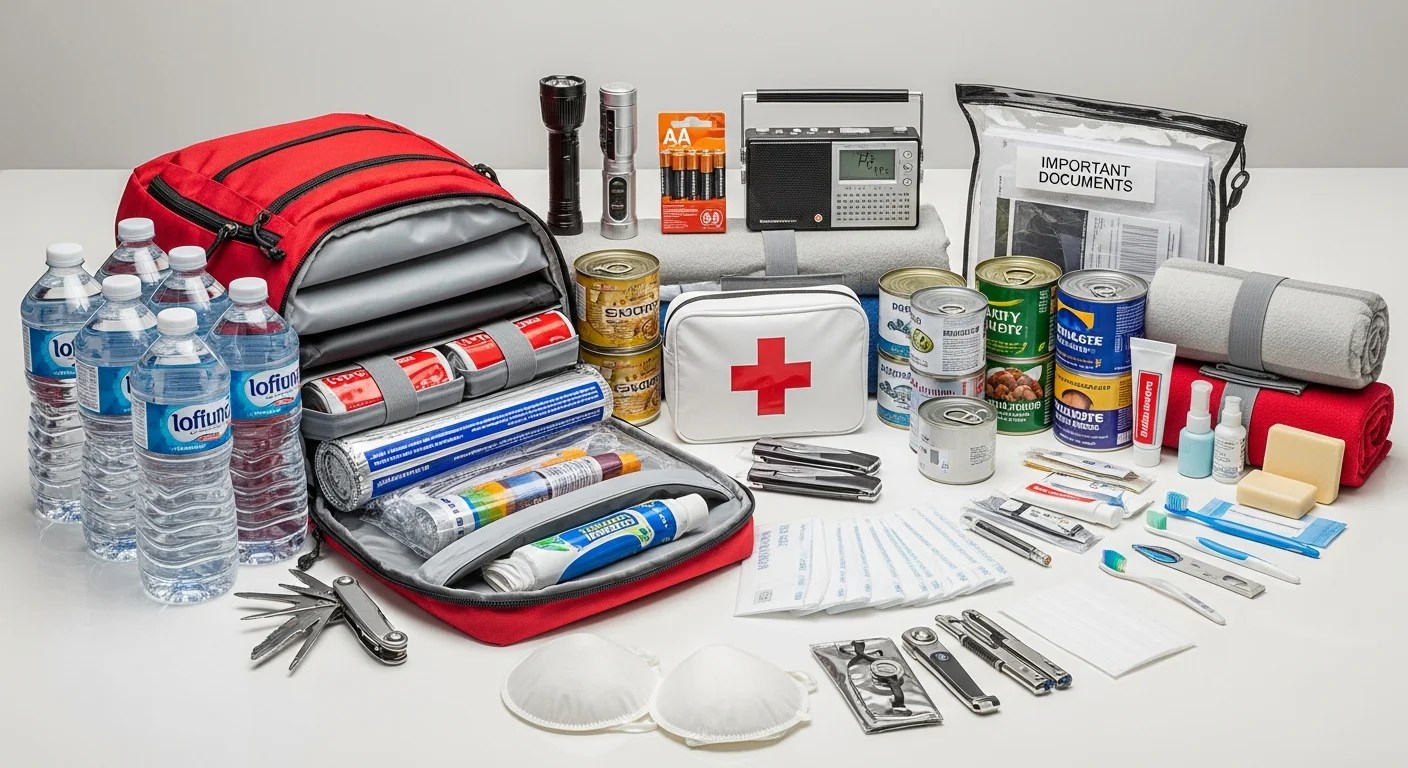
Your kit should be built around the core needs of survival and comfort: water and food, essential tools, first aid, important documents, and communication methods. We’ll break down exactly what you need in each category. Store your supplies together in a designated spot that’s easy to access, like a closet, garage, or large plastic bins. It’s also a great idea to have a smaller, portable version—often called a “go-bag”—for each family member in case you need to evacuate quickly.
Stock Up on Water and Non-Perishable Food
During a power outage, your fridge and tap water may be out of commission. Your goal should be to have at least one gallon of water per person (and pet) per day, for a minimum of three to seven days. For food, focus on non-perishable items that don’t require cooking or refrigeration. Think protein bars, canned meats and fish, dried fruit, peanut butter, and crackers. If you’re stocking canned goods, be sure to pack a manual can opener. It’s also wise to have some disposable plates, cups, and utensils on hand. Check your food and water supplies every six months to rotate out any items nearing their expiration date.
Gather Your Emergency Tools and Gear
Having the right tools can make a huge difference in your safety and comfort during and after a storm. Start with the basics: a flashlight for every family member and plenty of extra batteries. A battery-powered or hand-crank NOAA weather radio is also essential for receiving official storm updates when the power and internet are down. Other key items for your basic disaster supplies kit include a whistle to signal for help, a multi-tool, duct tape, and plastic sheeting. Before storm season begins, take a moment to test all your battery-operated equipment to make sure it’s in working order.
Assemble Your First Aid and Medical Kit
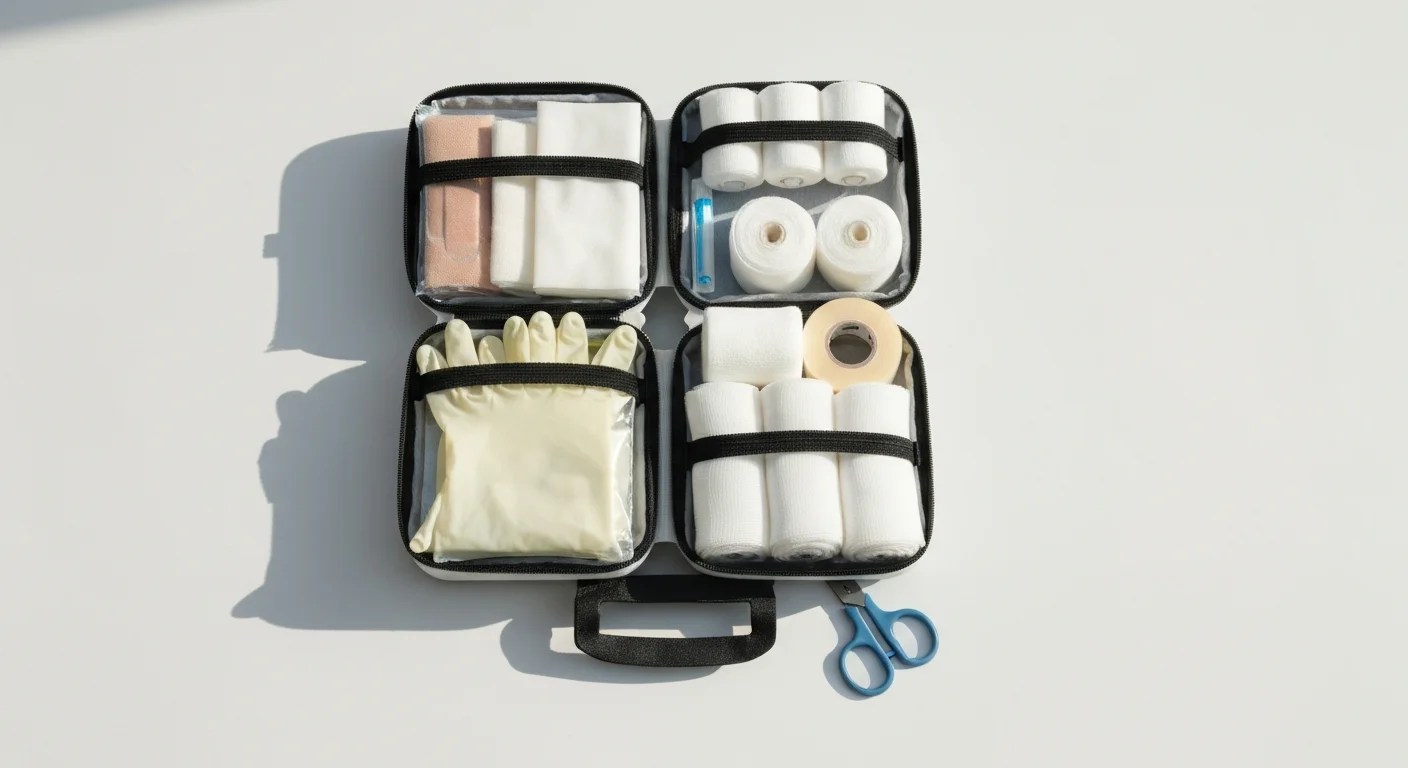
Minor injuries can happen during a storm, and access to medical help might be limited. A well-stocked first aid kit is a non-negotiable part of your hurricane prep. Your kit should include sterile bandages in various sizes, antiseptic wipes, antibiotic ointment, gauze pads, medical tape, and pain relievers. Beyond the basics, be sure to personalize it with a seven-day supply of any prescription medications for your family members, along with copies of the prescriptions. Don’t forget to add other necessities like glasses or contact lenses, hearing aids with extra batteries, and any over-the-counter medicines you use regularly.
Secure Important Documents and Cash
If you have to evacuate or your home sustains damage, you’ll need access to your most important paperwork. Gather original documents like birth certificates, passports, social security cards, insurance policies, and property deeds. Store them in a waterproof and fireproof container or a portable safe that you can grab quickly. It’s also a smart idea to scan these documents and save them to a password-protected USB drive or a secure cloud service. Finally, withdraw cash, including small bills. Power outages can render ATMs and credit card machines useless, so having cash on hand is crucial for buying essentials.
Plan Your Communication Methods
Staying informed and in touch with loved ones is a top priority during a hurricane. Your primary source for official updates will be your NOAA weather radio. For your personal devices, make sure you have portable power banks or solar chargers to keep your cell phones running. Before the storm hits, write down a list of emergency contacts and important phone numbers on a physical piece of paper. This simple step ensures you can still reach out for help or connect with family even if your phone’s battery dies and you can’t access your digital contacts.
Don’t Forget These Essentials
Beyond the major categories, there are several smaller items that can greatly improve your comfort and safety. Pack a change of clothes for everyone, including sturdy, closed-toe shoes and rain gear like ponchos or jackets. Personal hygiene is also important, so include items like toilet paper, moist towelettes, soap, and garbage bags. If you have infants, be sure to pack diapers, wipes, and formula. And don’t forget about your mental well-being—including books, cards, or games can help pass the time and keep spirits up, especially for children.
Create Your Family’s Hurricane Plan
Having the right supplies is crucial, but a well-thought-out plan is what turns preparedness into confident action. When a storm is approaching, stress levels are high, and it’s easy to forget important steps. A family hurricane plan ensures everyone knows what to do, where to go, and how to stay in touch, which is key to getting through the storm safely and with less anxiety. It’s your roadmap for staying connected and coordinated when it matters most.
Set Up Communication and Meeting Points
When a hurricane hits, cell towers can get overloaded or damaged, making it difficult to reach loved ones. That’s why your first step is to make a family emergency plan for communication. Create a paper list of important phone numbers and designate an out-of-state friend or relative as your central contact. It’s often easier to make a long-distance call than a local one during a disaster.
Next, decide on two meeting spots. The first should be right outside your home in case of a sudden emergency, like a fire. The second should be a familiar landmark outside your neighborhood—like a library or community center—in case you can’t return home or get separated during an evacuation.
Assign Roles and Responsibilities
To avoid last-minute chaos, give everyone in the family a specific job. When everyone knows their role, you can prepare your home and family much more efficiently. For example, one person can be in charge of gathering the emergency kits and important documents. Another can be responsible for securing outdoor furniture and boarding up windows. You can also assign someone to manage pet supplies or check on elderly neighbors.
Even kids can help with age-appropriate tasks, like gathering their favorite toys or packing their own small go-bag. This not only helps get things done faster but also gives children a sense of control and purpose during a stressful time.
Include Pets and Accommodate Special Needs
Your plan needs to account for every member of your family, including pets and those with unique needs. Most public shelters do not accept pets, so you’ll need to research pet-friendly shelters or arrange a safe place for them with friends or family outside the evacuation zone. Pack a separate emergency kit for your pets with food, water, medication, a leash, and copies of their vaccination records.
For family members with medical conditions, disabilities, or other special needs, be sure to pack extra medication, medical supplies, and any necessary equipment like hearing aid batteries or oxygen tanks. Keep a list of their medical information and doctor’s contacts handy.
Practice Your Plan Together
A plan on paper is a good start, but practicing it is what builds confidence and muscle memory. At least twice a year, walk through your hurricane plan with your entire family. Review your evacuation routes, check your emergency kits for expired items, and talk through each person’s responsibilities. This is the perfect time to identify any gaps or issues you might have overlooked.
Practicing your plan helps ensure that when a real hurricane is on its way, everyone can act quickly and calmly. According to FEMA, it’s important to practice your emergency plan so that everyone knows exactly what to do without hesitation, reducing confusion and fear when every second counts.
Get Your Home Hurricane-Ready
When a hurricane is on the horizon, your home is your primary shelter. Taking steps to fortify it isn’t about expecting the worst; it’s about creating a secure space where your family can safely ride out the storm. Preparing your property involves more than just boarding up windows. It means securing the entire perimeter, from the doors to the backyard, and making sure your financial safety nets are in place, too.
Think of your house as your first line of defense. High winds and heavy rain can test its strength, so a little prep work goes a long way. By securing potential weak points and clearing away hazards, you significantly reduce the risk of damage. This process also includes reviewing important documents like your insurance policy to ensure you’re covered before you ever need to file a claim. Let’s walk through the essential steps to get your home ready, so you can face the storm with confidence.
Secure Your Windows and Doors
Your home’s windows and doors are the most vulnerable points during a hurricane. High winds can shatter glass, and the resulting pressure change inside your home can cause significant structural damage, including lifting the roof. The best way to protect these openings is with permanent storm shutters. If you don’t have them, you can cover windows and glass doors with 5/8-inch plywood, cut to fit and securely anchored to the house. Securing these entry points is one of the most critical steps you can take, as it helps prevent wind and water from getting inside and causing chaos.
Clear Your Yard and Protect Utilities
High winds can turn everyday objects into dangerous projectiles. Before a storm arrives, walk through your yard and secure anything that could be picked up by the wind. This includes patio furniture, grills, potted plants, trash cans, and children’s toys. Move them into a garage or shed if possible. It’s also a good idea to trim any dead or weak branches from trees that could fall on your home. Don’t forget to protect outdoor utilities like your AC unit, which can be shielded with a cover or plywood to protect it from flying debris. The CDC offers a great guide for preparing for hurricanes that covers these steps in more detail.
Review Insurance and Document Valuables
Financial preparedness is just as important as physical preparedness. Well before hurricane season begins, pull out your homeowner’s or renter’s insurance policy and review your coverage. Make sure you understand your deductible and confirm whether you have adequate protection for wind and flood damage, as flood insurance is often a separate policy. To make any potential claims process smoother, walk through your home with your smartphone and take a video of your belongings. This creates a simple visual record of your valuables and the condition of your property before the storm hits.
Avoid These Common Home Prep Mistakes
In the rush to prepare, it’s easy to rely on myths or make simple oversights. One of the most common mistakes is putting tape on windows. Tape does not prevent glass from breaking; it can actually create larger, more dangerous shards if the window shatters. Another mistake is underestimating the storm’s potential with an “it won’t happen to me” mindset. Every storm is different, and being prepared is always the smartest choice. Taking shortcuts or ignoring official advice can lead to serious damage, so stick to proven methods and avoid these common hurricane prep mistakes.
Know When to Prepare and When to Evacuate
Knowing when to shelter in place and when to leave is one of the most critical parts of any hurricane plan. The decision can be stressful, but understanding the factors ahead of time helps you act with clarity and confidence when it matters most. It’s not about making a last-minute guess; it’s about following a clear, predetermined strategy based on official guidance.
Follow a Pre-Season Prep Timeline
The best time to get ready for a hurricane is long before one is heading your way. Hurricane season officially starts on June 1, so use the spring months to get your plan and supplies in order. Waiting until a storm is named creates a rush for essentials like water, batteries, and fuel, leading to empty shelves and long lines. Instead, take a calm, methodical approach. Check the expiration dates on your food, water, and medical supplies. Test your flashlights and generator, and review your family’s communication plan. A little preparation now prevents a lot of stress later. You can find a great hurricane preparedness guide from the National Weather Service to help you stay on track.
Know Your Evacuation Zone and Routes
It’s critical to know if your home is in a designated evacuation zone. These are areas most at risk for storm surge and flooding, and local officials will issue evacuation orders based on these zones. You can find your zone by checking your local or state emergency management agency’s website. Don’t stop there—plan your evacuation routes. Identify at least two different ways to get to your safe destination, keeping in mind that major roads will be congested. It’s a great idea to have a physical map in your car, since cell service and GPS can be unreliable during a major storm. Knowing your zone and your routes ahead of time means you can act quickly and confidently when an order is given.
Debunking Dangerous Evacuation Myths
Two common hurricane myths can put you and your family in serious danger. The first is thinking you can “wait and see” before evacuating. When officials issue an evacuation order, it’s based on expert forecasts. Waiting until the storm gets bad is often too late—roads become gridlocked or flooded, and high winds make driving unsafe. The second myth is that taping your windows prevents them from breaking. This is false. Tape does nothing to strengthen the glass against hurricane-force winds and flying debris. In fact, it can cause the glass to break into larger, more dangerous shards. Instead, you should protect your windows with proper storm shutters or plywood. A well-stocked first aid kit is essential for handling injuries from broken glass or other hazards.
How to Make the Call to Evacuate
When an evacuation order is issued for your area, the decision is simple: you go. Local authorities have the most accurate information about the storm’s path and potential impact, so always follow their guidance. This is the time to put your plan into action. Grab your emergency go-bags, secure your home as best you can, and leave promptly. Only take what you truly need to avoid weighing yourself down. Before you leave, let your out-of-state emergency contact know your plan, including your route and destination. This simple call ensures someone knows you’re safe. Having your disaster preparedness kits packed and ready by the door will make this process smooth and fast, helping you get on the road safely.
Stay Prepared All Year Round
Hurricane season has a start and end date, but being prepared is a year-round mindset. Instead of scrambling when a storm is on the horizon, you can build habits that make readiness a natural part of your routine. This approach reduces stress and ensures you and your family are truly ready for anything, not just a hurricane. Our emergency preparedness kit checklist for 2026 covers all disaster types in one comprehensive guide. By taking small, consistent steps throughout the year, you can maintain your supplies, update your plans, and keep your skills sharp. This way, when a watch or warning is issued, you can focus on securing your home and family instead of starting from scratch.
Use Emergency Apps and Alerts
Staying informed is your first line of defense. Make sure you have a reliable way to get emergency alerts, like the FEMA app or a NOAA Weather Radio. It’s also smart to understand what these alerts mean. The National Weather Service issues both “watches” and “warnings,” and knowing the difference helps you take the right action. A hurricane watch means conditions are possible, giving you time to prepare. A hurricane warning means conditions are expected, and it’s time to finish your preparations and follow evacuation orders if issued. Understanding this language lets you respond quickly and appropriately when every minute counts.
Save Key Emergency Contacts
When the power goes out, you can’t rely on your phone’s contact list or cloud-based documents. That’s why having a physical, waterproof copy of important phone numbers is a must. Create a list that includes local emergency services (police, fire), your utility companies, your doctor, and your insurance agent. Also, add the numbers for out-of-state family members or friends who can act as a central point of contact. Keep this list in your emergency kit, your car, and your wallet. Having these key contacts written down ensures you can reach the people you need, even when technology fails.
Invest in Quality Gear and Training
The gear you rely on during an emergency needs to work without question. Throughout the year, take time to test your equipment. Check your flashlights and replace the batteries, run your generator to make sure it’s in good working order, and inspect your storm shutters. Your first aid kit should be well-stocked and ready for common injuries. Beyond just having the right supplies, having the right skills is critical. Knowing how to use everything in your kit, and having training in CPR and basic first aid, gives you the confidence to handle medical issues when professional help might be delayed.
Keep Your Plan and Supplies Updated
Your emergency plan and kit aren’t meant to be created once and then forgotten in a closet. Life changes, and your plan should change with it. Set a reminder on your calendar—maybe every six months—to review your supplies and your family’s plan. Check expiration dates on food, water, and medications, and swap them out as needed. Does your kit still meet your family’s needs? Have you added a new pet or does a family member have a new medical condition? By regularly updating your kit, you can be sure it’s always ready to go. Storing it in an accessible place, like a hall closet or garage, ensures you can grab it quickly when you need it most.
Related Articles
- Hurricane Emergency Kit – The Complete Preparation Guide for Storm Season
- Emergency Preparedness Kits for Home, Travel & Evacuation — Response Ready
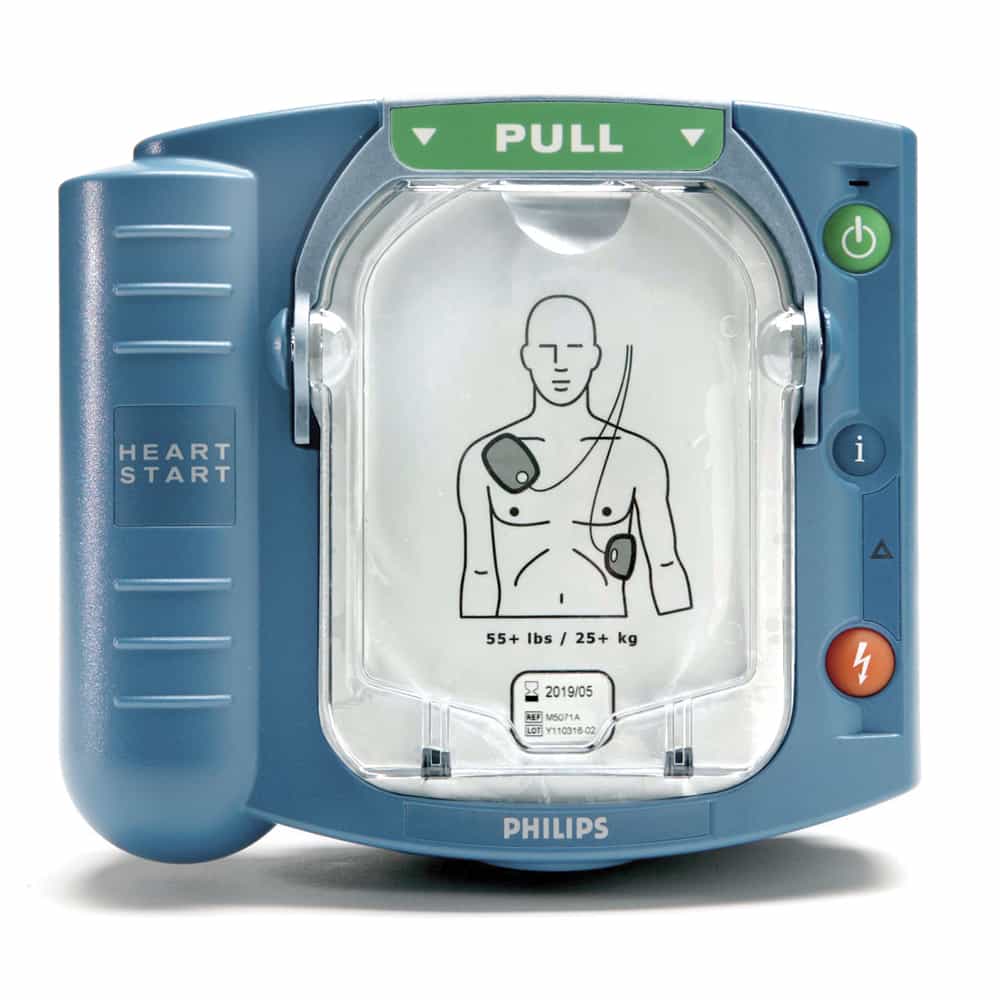
- The complete AED readiness checklist for you
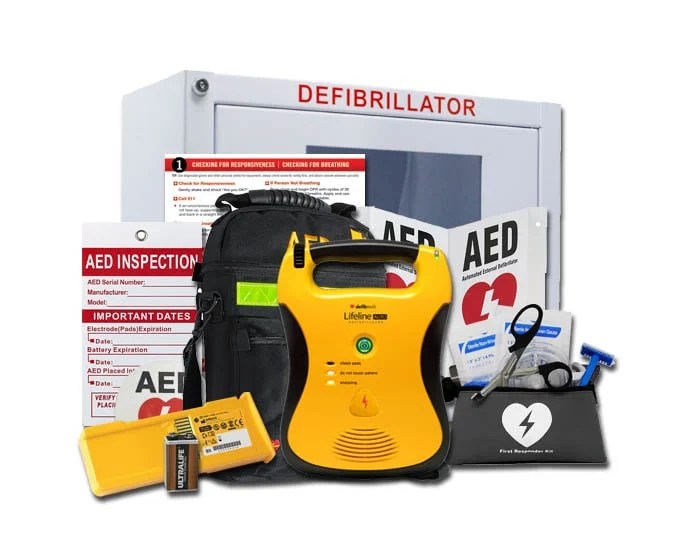
- Your essential checklist for a complete AED station
Frequently Asked Questions
How much food and water do I really need to store? A good rule of thumb is to have at least one gallon of water per person, per day, for a minimum of three to seven days. The same seven-day supply goal applies to non-perishable food. This might seem like a lot, but it’s important to remember that after a major storm, power and water services could be out for a week or even longer. Having your own supply means you can stay safely in your home without worrying about empty store shelves or waiting for relief services to arrive.
What’s the difference between a hurricane watch and a warning? Think of it this way: a hurricane watch means it’s time to get ready. This is your signal to finalize your preparations, check your emergency kit, and review your family’s plan. A hurricane warning means it’s time to act. When a warning is issued, dangerous conditions are expected in your area. You should finish securing your home immediately and be ready to evacuate if local officials give the order.
How can I tailor my emergency kit for my kids or elderly parents? Personalizing your kit is key. For young children, be sure to pack formula, diapers, and any necessary medications. It’s also a great idea to include a few favorite books, small games, or a comfort item to help them feel secure. For elderly family members, pack at least a week’s supply of all prescription medications, extra batteries for hearing aids or other medical devices, and copies of their important medical records and doctor’s contact information.
If an evacuation order is issued, is it really that important to leave? Yes, absolutely. When officials issue an evacuation order, it’s based on professional forecasts for life-threatening conditions like storm surge, which is the number one cause of hurricane-related fatalities. Your home, no matter how well-prepared, may not be able to withstand the force of the water. Following evacuation orders is the surest way to keep your family safe.
Besides supplies, what is the most important thing to have ready? Your family’s plan is just as critical as your physical supplies. Knowing exactly how you’ll communicate, where you’ll meet, and who is responsible for each task eliminates confusion and panic when stress is high. Make sure everyone has a paper copy of important phone numbers and that you’ve designated an out-of-state contact. A well-practiced plan is what turns your supplies into a confident and effective response.
Disclaimer for information purposes only:
The information provided on this website is intended for general educational and informational purposes only. It is not medical advice and should not be used as a substitute for professional diagnosis, treatment, or care. Always consult a qualified healthcare or medical professional regarding any health-related questions or concerns.
While we strive to ensure the information shared is accurate and up to date, no guarantees are made regarding completeness, accuracy, or applicability to any individual situation. Use of this content is at the reader’s sole discretion and risk.
This website is part of the Response Ready family of emergency preparedness and training resources, including CPR & first aid training and compliance services, AED sales and program support, AED program management software, and medical oversight solutions provided through our affiliated platforms:
• CPR1.com
• AEDLeader.com
• AEDTotalSolution.com
• MDSIMedical.com
By accessing or using this website, you agree to release, indemnify, and hold harmless the website owners, authors, contributors, and affiliated entities from any claims, losses, damages, or liabilities arising from the use or reliance on the information presented.