What Is a Defibrillator Machine?
A defibrillator machine is a medical device that delivers a controlled electrical shock to restore a normal heart rhythm during sudden cardiac arrest. When cardiac arrest strikes, the heart’s electrical system malfunctions, causing it to quiver chaotically instead of pumping blood. Without treatment within minutes, the outcome is fatal. A defibrillator machine reads the heart’s rhythm through electrode pads placed on the chest and delivers a shock only when it detects a dangerous pattern like ventricular fibrillation or pulseless ventricular tachycardia.
The most common type of defibrillator machine used outside hospitals is the automated external defibrillator, or AED. Unlike manual defibrillators operated by paramedics and emergency physicians, an AED device is built for use by anyone regardless of medical training. The machine handles the rhythm analysis automatically and provides step-by-step voice instructions that walk you through the entire process.
More than 356,000 out-of-hospital cardiac arrests happen in the United States each year, according to the American Heart Association. When a heart defibrillator is used within the first three to five minutes, survival rates can reach 70% or higher. That gap between collapse and paramedic arrival is exactly where an automatic defibrillator makes the difference between life and death.
Browse AED defibrillator machines from all six FDA-approved manufacturers at Response Ready.
How an Automatic Defibrillator Works: Step by Step
Understanding how a defibrillator machine operates removes the intimidation factor. Every AED follows the same basic sequence, and the device does most of the work for you.
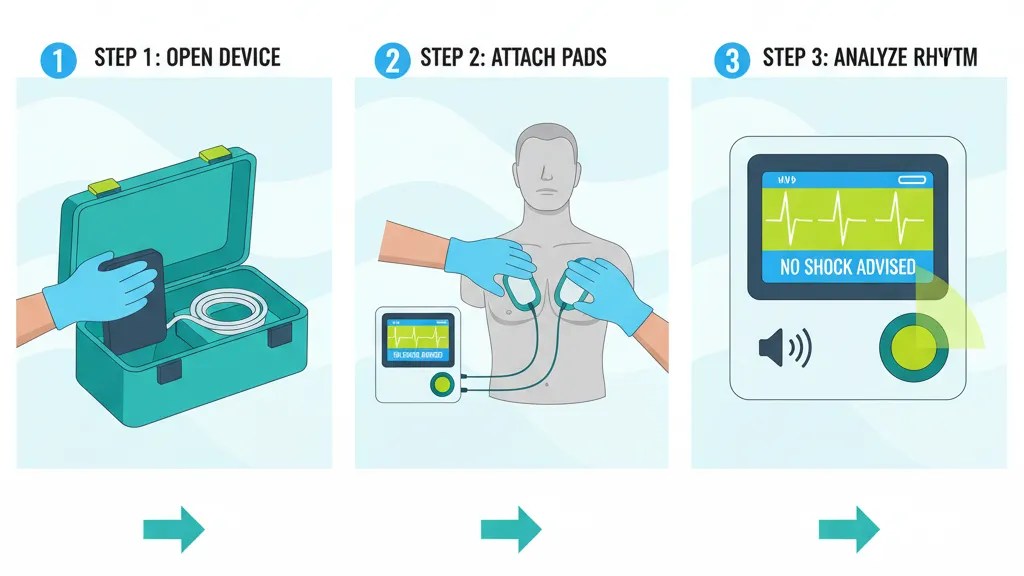
Step 1: Power On and Preparation
When you open or power on an automatic defibrillator, it immediately begins providing voice prompts. Most modern AED devices activate the moment you lift the lid. The machine instructs you to expose the person’s chest and apply the electrode pads.
Step 2: Electrode Pad Placement
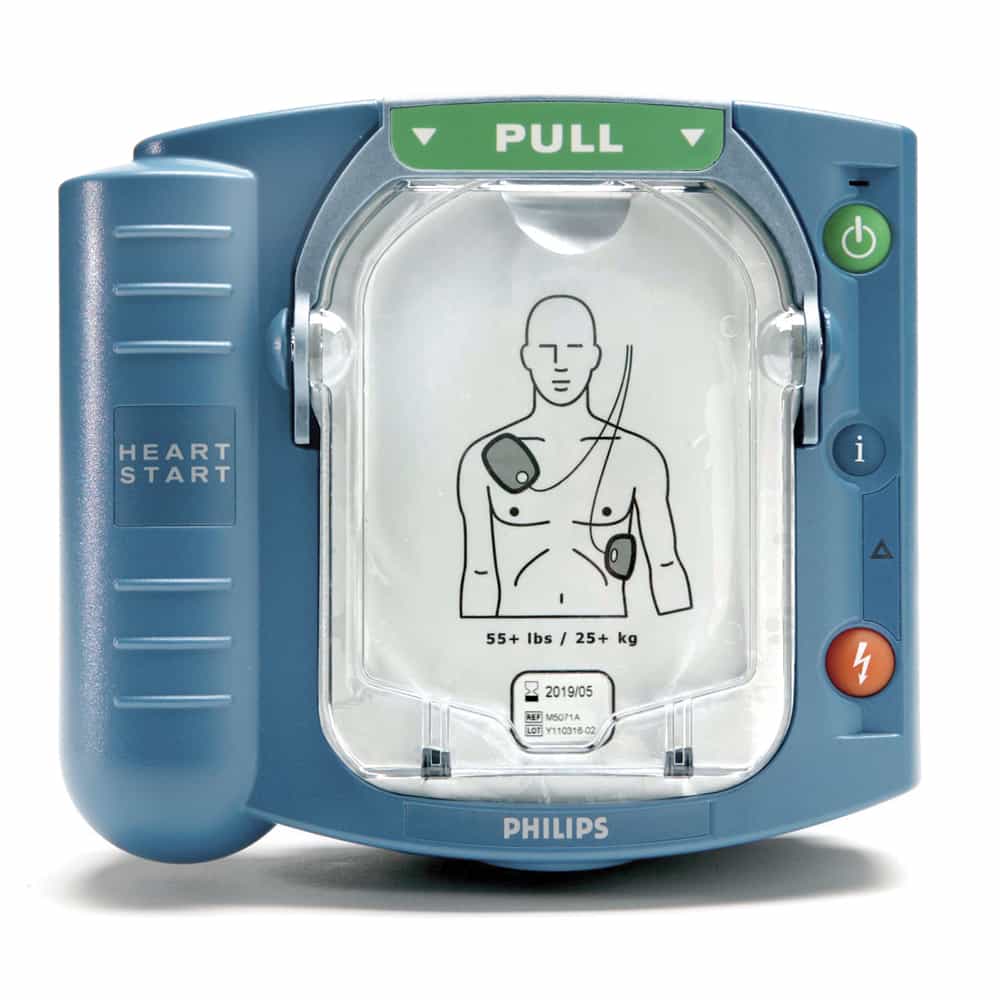
Each AED comes with pre-connected adhesive electrode pads. Diagrams printed directly on the pads show you where to place them: one on the upper right chest below the collarbone, and one on the lower left side below the armpit. These pads serve two purposes. They allow the defibrillator machine to read the heart’s electrical activity, and they deliver the shock if one is needed.
Step 3: Heart Rhythm Analysis
Once the pads are in place, the AED device analyzes the heart rhythm automatically. This is a critical safety feature of every automatic defibrillator. The machine uses an algorithm to determine whether the heart is in a shockable rhythm. If the rhythm is not shockable, the device will not allow a shock to be delivered. You cannot accidentally shock someone who does not need it.
Step 4: Shock Delivery and CPR Guidance
If the AED detects a shockable rhythm, it either delivers the shock automatically (fully automatic models) or instructs you to press a clearly marked shock button (semi-automatic models). The voice prompts tell everyone to stand clear before the shock. After the shock, the device guides you to begin or resume CPR and continues monitoring the heart rhythm at timed intervals.
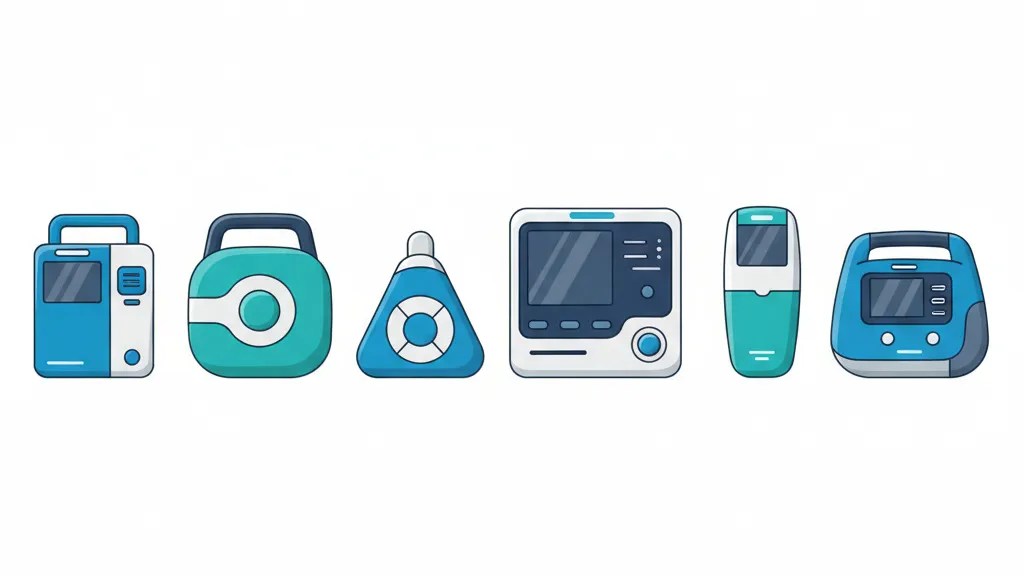
Types of Defibrillator Machines: Choosing the Right One
Not all defibrillators are the same. The type you need depends on your environment, the people you need to protect, and how the device will be maintained.
Fully Automatic AEDs
A fully automatic defibrillator analyzes the rhythm and delivers the shock without requiring the user to press a button. This design eliminates hesitation during high-stress emergencies. Fully automatic AEDs are ideal for locations where untrained bystanders are most likely to respond, such as schools, churches, and community centers. HeartSine and certain ZOLL models offer fully automatic options.
Semi-Automatic AEDs
A semi-automatic defibrillator performs the rhythm analysis but requires the user to press a button to deliver the shock. This gives trained responders a moment of control and is the most widely used AED type in workplaces and public venues. Philips, Cardiac Science, and Defibtech are popular semi-automatic choices.
AEDs with Real-Time CPR Feedback
Some advanced defibrillator machines include real-time CPR coaching. These devices use sensors to measure chest compression depth and rate, then provide voice or visual guidance to improve compression quality. The ZOLL AED 3 and Stryker LIFEPAK CR2 are known for this technology. For organizations serious about maximizing survival outcomes, CPR feedback can significantly improve rescue quality.
Compare the top-rated AED models side by side in our complete buyer’s guide.
Key Features to Evaluate When Buying a Defibrillator Machine
Choosing the right heart defibrillator involves evaluating several practical factors. The best AED device for your situation balances ease of use, reliability, and total cost of ownership.
Voice Prompts and Ease of Use
Every second matters during cardiac arrest. Look for a defibrillator machine with clear voice instructions, visual indicators, and intuitive pad placement diagrams. If your location serves non-English speakers, multilingual voice prompts can be critical.
Durability and Environment Rating
AEDs placed outdoors, in industrial settings, or in humid environments need a higher IP (Ingress Protection) rating. An IP55 rating or higher indicates the device can handle dust and water exposure. Standard indoor environments can use devices with a lower rating.
Pediatric Capability
Schools, daycare centers, and family homes need an AED that can treat children. Some defibrillator machines use separate pediatric pads that reduce energy output, while others have a built-in pediatric mode switch. If children are present in your environment, this feature is non-negotiable.
Battery Life and Maintenance
AED batteries typically last two to five years in standby mode. Electrode pads also carry expiration dates. Low-maintenance defibrillators with long battery life and daily self-testing features reduce the ongoing management burden. Understanding AED battery life and replacement costs helps you plan your total investment.
Total Cost of Ownership
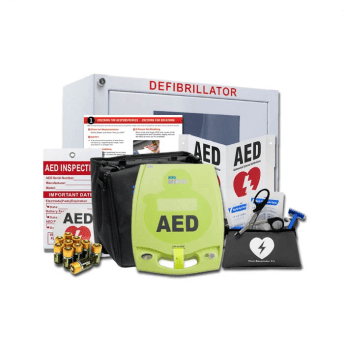
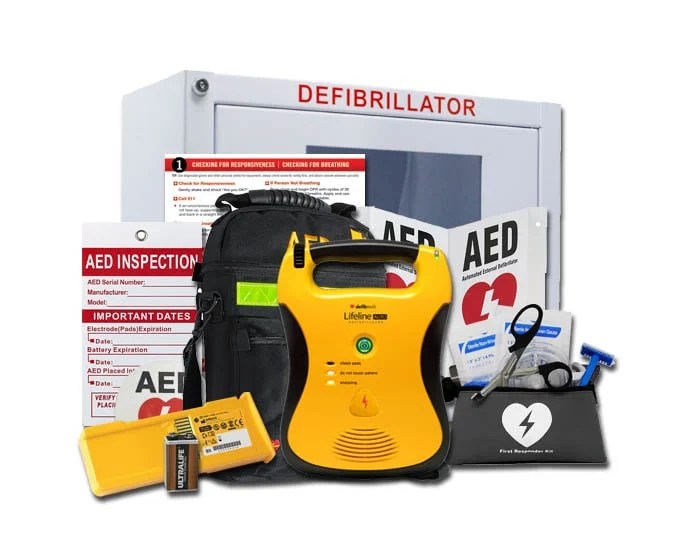
The purchase price is only part of the equation. Factor in replacement pads, batteries, carrying cases, wall cabinets, and signage. AED value packages that bundle accessories typically save 15-25% compared to buying components separately. Response Ready carries complete AED packages from all six FDA-approved manufacturers.
All Six FDA-Approved AED Brands at a Glance
Response Ready is the only distributor that carries defibrillators from every FDA-approved AED manufacturer in the United States. Here is what each brand brings to the table:
- Philips: The HeartStart line is one of the most recognized AED families worldwide. Known for intuitive design and widespread deployment in schools and offices.
- ZOLL: Stands out for real-time CPR feedback technology. The ZOLL AED 3 coaches rescuers through compressions to improve CPR quality during the rescue.
- HeartSine: Compact, lightweight defibrillators with an integrated Pad-Pak design that combines pads and battery into one cartridge for simplified maintenance.
- Stryker/LIFEPAK: Professional-grade reliability trusted by EMS agencies. The LIFEPAK CR2 offers Wi-Fi connectivity and automatic self-testing.
- Cardiac Science: The Powerheart G5 features dual-language capability and Rescue Ready technology with daily self-tests covering pads, battery, and internal circuitry.
- Defibtech: The Lifeline series is known for a straightforward two-button interface and competitive pricing. A strong choice for organizations deploying multiple units across facilities.
For a detailed head-to-head comparison, read our complete AED brand comparison.
Where Defibrillator Machines Are Required by Law
AED requirements vary by state, but the trend is clear: more locations are being mandated to have defibrillators on-site. Currently, at least 16 states require AEDs in schools, and more than 20 states mandate them in fitness centers and gyms. Many states also require them in government buildings, large commercial properties, and public venues.
Even where not legally required, placing a heart defibrillator in a high-traffic area is a recognized best practice that reduces liability and saves lives. Review your state’s AED requirements to determine whether your organization needs to comply with specific regulations.
Who Needs a Defibrillator Machine?
Sudden cardiac arrest does not discriminate by age, fitness level, or health history. It can happen to anyone, anywhere, at any time. That reality makes defibrillator machines relevant far beyond hospitals and ambulances. If people gather at your location, an AED device should be part of your safety plan.
Schools and Universities
Student athletes face a heightened risk of sudden cardiac arrest during intense physical activity. AEDs placed in gyms, athletic fields, and main hallways give coaches, teachers, and staff the ability to respond within seconds. Many states already mandate defibrillator machines in K-12 schools, and that number is growing. AED solutions designed for schools typically include pediatric pads and wall-mounted cabinets with clear signage.
Workplaces and Corporate Offices
OSHA recommends that employers provide AED access as part of their first aid program, particularly in workplaces where emergency response times may exceed five minutes. A heart defibrillator in the office break room, lobby, or near the elevator bank can make the difference when a coworker collapses. Choosing an AED for your office involves balancing ease of use, maintenance requirements, and the physical layout of the space.
Fitness Centers and Gyms
The combination of intense exertion and undiagnosed heart conditions makes gyms one of the highest-risk environments for sudden cardiac arrest outside the home. More than 20 states require defibrillators in fitness facilities. An automatic defibrillator with CPR feedback technology is an especially strong fit for gyms, where staff trained in basic life support can make full use of real-time coaching prompts.
Churches, Community Centers, and Public Venues
Congregations with aging populations, community centers hosting large events, and public venues like airports and stadiums all benefit from accessible AED devices. The key factor is response time. If your building is large enough that it takes more than two minutes to walk from one end to the other, consider placing multiple defibrillator machines to ensure rapid access from any location.
Homes and Rural Properties
Families with a history of heart disease, individuals living in rural areas where ambulance response times exceed 10 minutes, and households with elderly members are strong candidates for a home AED. Home AED options are available at multiple price points, and many come with simplified interfaces designed for single-rescuer use.
Regardless of the setting, the American Heart Association recommends that every AED program include three components: the device itself, regular maintenance to ensure the defibrillator machine stays rescue-ready, and training for the people most likely to use it. AED rental programs provide a flexible entry point for organizations evaluating their needs before committing to a purchase.
Shop FDA-approved defibrillator machines with free shipping on orders over $99 at Response Ready.
Frequently Asked Questions
How much does a defibrillator machine cost?
AED defibrillator machines typically range from $1,400 to $2,900 depending on the brand, model, and included accessories. Value packages that bundle the AED with a cabinet, signage, and a first responder kit offer the best overall value. Response Ready carries options from all six FDA-approved manufacturers to fit different needs.
Can anyone use an AED device without training?
Yes. Automated external defibrillators are designed for use by bystanders with no medical background. The device provides voice instructions for every step and will only deliver a shock when it detects a shockable heart rhythm. While training is not required, CPR and AED certification builds confidence and improves response time during real emergencies.
What is the difference between a fully automatic and semi-automatic AED?
A fully automatic AED delivers the shock on its own after detecting a shockable rhythm. A semi-automatic AED requires the user to press a button to deliver the shock. Both types analyze the heart rhythm automatically and are safe for bystander use.
How often do AED batteries and pads need to be replaced?
Most AED batteries last two to five years in standby mode. Electrode pads typically expire every two to three years. Modern defibrillators perform daily self-tests that alert you when replacement is needed. Response Ready stocks replacement batteries and electrode pads for all six brands.
Do I need a prescription to buy a defibrillator?
Most AED models sold for public access use in the United States do not require a prescription. The FDA has approved several over-the-counter AED devices that individuals and organizations can purchase directly.
Where should I place an AED in my building?
Place defibrillator machines in high-traffic, accessible locations where they can be reached within a one to two minute walk from any point in the building. Common placements include main lobbies, break rooms, fitness areas, and near stairwells. A clearly visible AED wall cabinet with signage ensures the device can be found quickly during an emergency.