- Published
- June 18, 2026
Where to Buy an AED for Home Use: A Simple Guide


When you think about home safety, smoke detectors and first-aid kits probably come to mind. But here’s a fact that might surprise you: most sudden cardiac arrests happen at home. In those critical moments, the time it takes for paramedics to arrive can make all the difference. An Automated External Defibrillator (AED) is a simple, life-saving device that empowers you to act immediately, giving a loved one the best possible chance of survival. Deciding to get one is the first step. The next is figuring out the practical details, which is why this guide will walk you through everything you need to know, including the crucial question of where to buy an AED for home use to ensure you get a reliable, FDA-approved device.
Key Takeaways
- Select an AED designed for anyone to use: Modern devices guide you with clear voice instructions, and the buying process is simple, as reputable suppliers handle any prescription requirements for you.
- Keep your device ready with simple maintenance: A quick monthly visual check and tracking expiration dates for pads and batteries ensure your AED is functional when every second counts.
- Prepare your family with a clear action plan: Make sure everyone knows where the AED is stored, understands their role in an emergency, and considers taking a CPR and AED course to build confidence.
What Is an AED and Why Should You Have One at Home?
Let’s start with the basics. An AED, or Automated External Defibrillator, is a portable, life-saving device designed to help someone experiencing sudden cardiac arrest (SCA). It works by analyzing the heart’s electrical rhythm and, if it detects a life-threatening arrhythmia, delivering a controlled electric shock to restore a normal heartbeat. Think of it as a smart, simple tool that can make all the difference while you wait for emergency medical services to arrive.
You’ve probably seen these devices in airports, gyms, and offices, but their most important location might just be your own home. When an emergency strikes, every second is critical. Having an AED within reach means you can respond immediately, giving a loved one the best possible chance of survival. It’s a powerful piece of equipment that empowers you to protect the people who matter most. Preparing for the unexpected isn’t about fear; it’s about having the confidence to act when it counts. This single piece of equipment can turn a feeling of helplessness into one of empowerment, giving you a tangible way to protect your family.
How an AED Can Save a Life
Here’s a fact that might surprise you: most cardiac arrests happen at home. When SCA occurs, the heart stops beating effectively, and blood flow to the brain and other vital organs ceases. The chance of survival decreases significantly for every minute that passes without intervention. While calling 911 is the first crucial step, the wait for paramedics can feel like an eternity.
Having an AED at home bridges that critical time gap. By delivering a shock within the first few minutes of an arrest, you can dramatically increase the chance of survival. An AED is the only definitive treatment for the most common cause of SCA, and having one on hand means you’re not just a bystander—you’re a first responder for your family.
Gain Confidence for Your Family’s Safety
The idea of using a medical device during a high-stress emergency can feel intimidating, but modern AEDs are designed specifically for people without medical training. They are incredibly user-friendly. Once you open the device and turn it on, a calm, clear voice provides simple, step-by-step instructions to guide you through the entire process, from applying the electrode pads to delivering a shock.
The device analyzes the heart rhythm itself and will only advise a shock if it’s medically necessary, which removes any guesswork. Knowing you have this tool ready and waiting provides incredible peace of mind. To feel even more prepared, you can complete a simple CPR and AED training course with your family, turning uncertainty into confident action.
Do You Need a Prescription to Buy a Home AED?
This is one of the most common questions people ask, and the answer can feel a bit confusing. Technically, the FDA classifies most Automated External Defibrillators (AEDs) as Class III medical devices, which means they require a prescription or medical oversight for purchase. But don’t let that stop you. The process is much simpler than it sounds, and there’s one specific device designed to make it incredibly easy for anyone to buy.
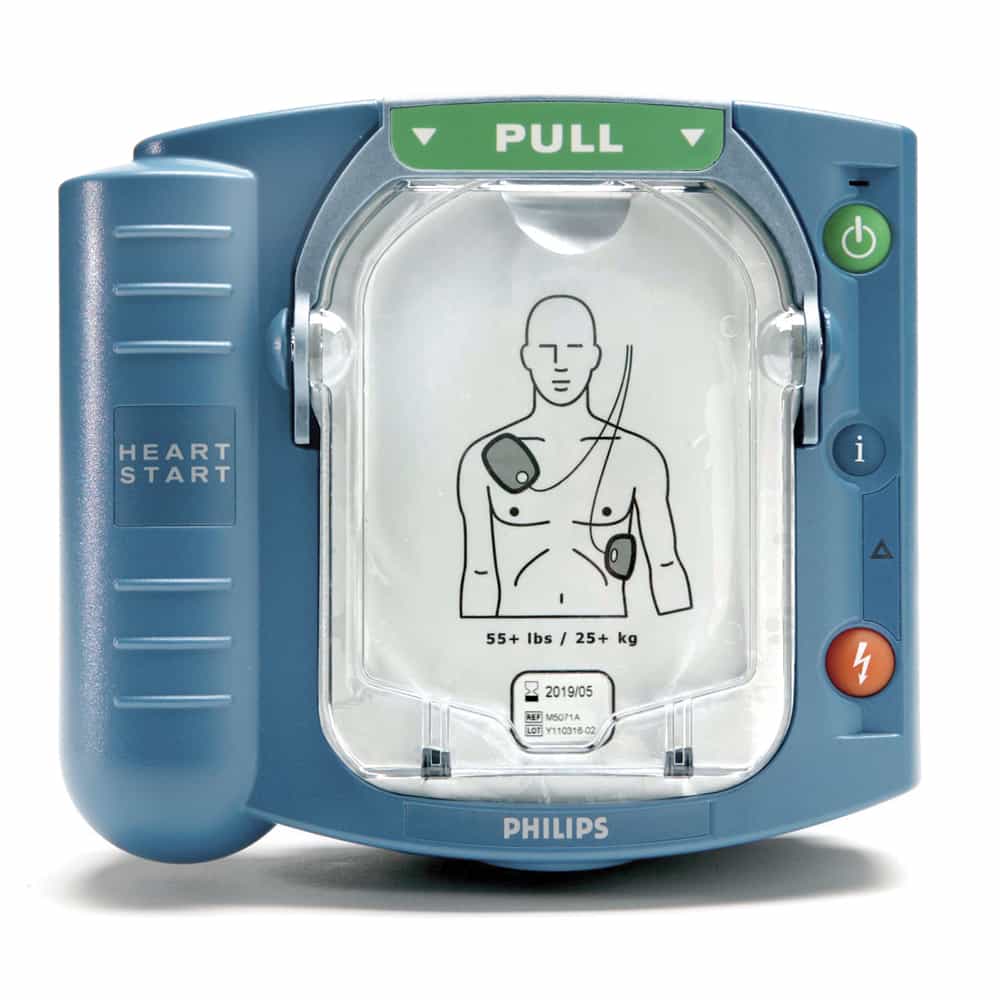
The Philips HeartStart OnSite is the only AED approved by the FDA for over-the-counter purchase, meaning you can buy one for your home without a doctor’s prescription. This makes it a popular and straightforward choice for families who want to be prepared. For all other AED models, a prescription is required. However, reputable suppliers handle this for you. When you purchase from a specialized provider like Response Ready, the prescription is typically included as part of the package, so you don’t have to worry about getting one from your doctor. We manage the paperwork to ensure everything is compliant, making the process seamless.
Finding an AED You Can Buy Today
Once you’re ready to buy, you’ll find that the best place to purchase a home AED is from a specialized online retailer. While you might see them on general marketplaces, a dedicated supplier provides the expertise and support you need. They can answer your questions, ensure you get a new and reliable device, and help you find the right AED package with all the necessary accessories. The Philips HeartStart OnSite is the most accessible option for immediate, prescription-free purchase, but a good supplier can get you any top-rated device quickly and easily.
What to Know About FDA Regulations
The FDA’s oversight is a good thing—it ensures that every AED on the market is safe and effective for public use. The prescription requirement for most devices establishes a connection with a physician who can provide medical direction. This helps with things like post-event reporting and making sure the device owner understands local Good Samaritan laws. Because the Philips HeartStart OnSite was specifically designed with the home user in mind, it went through a rigorous review process to earn its unique over-the-counter status, giving you confidence that it’s both safe and easy to use without direct medical supervision.
Common Myths About Buying an AED
A lot of people think AEDs are only for doctors and paramedics, but that’s simply not true. Modern AEDs are specifically designed for anyone to use, regardless of training. They provide clear, calm voice instructions and visual diagrams to guide you through every step, from applying the pads to delivering a shock. The device analyzes the person’s heart rhythm and will only deliver a shock if one is needed, so you can’t accidentally harm someone. While formal CPR and AED training is a fantastic way to build confidence, it isn’t required to use one to save a life.
Key Features to Look for in a Home AED
When you’re ready to buy an AED, you’ll quickly notice there are several models to choose from. While they all perform the same life-saving function, some have features that make them better suited for home use, especially for someone without medical training. In a moment of crisis, you want a device that is simple, intuitive, and reliable. Thinking through these key features ahead of time will help you choose an AED that gives you and your family true peace of mind. Let’s walk through exactly what you should look for.
FDA Approval and Safety
First and foremost, any AED you consider must be approved by the FDA. This is your guarantee that the device meets strict federal standards for safety and effectiveness. An FDA-approved device has been thoroughly tested and proven to work as intended. For home use, this is especially important because you need a device you can trust completely. Some models, like the Philips HeartStart OnSite, are even available without a prescription, making them one of the most accessible AEDs for sale for personal use. When you see that FDA approval, you can feel confident that you’re investing in a reliable, life-saving tool.
Ease of Use and Clear Instructions
During a cardiac arrest, your adrenaline will be high, and you’ll need to act fast. The last thing you want is a complicated device. The best home AEDs are designed for lay responders, meaning they are incredibly easy to use. Look for a model that provides loud, clear voice instructions to guide you through every step, from placing the pads to performing CPR. Many devices also have simple graphics on the pads and the unit itself to show you exactly what to do. The goal is to remove any guesswork, allowing you to respond quickly and confidently, even if you’ve never used an AED before.
Smart Features and Versatility
Modern AEDs are incredibly smart. They don’t just deliver a shock; they first analyze the person’s heart rhythm to determine if a shock is even necessary. This built-in safety feature ensures a shock is only administered if it can help, protecting the person from an inappropriate jolt. Many devices also provide real-time coaching for CPR, telling you to push faster or deeper. This guidance is invaluable, as high-quality CPR is critical for survival. These smart features turn a stressful event into a guided rescue, which is why practical CPR & AED training combined with an intuitive device is such a powerful combination.
Battery Life and Maintenance Needs
An AED is only useful if it’s ready to work at a moment’s notice. That’s why battery life and maintenance are so important. Before buying, check the lifespan of the battery and the expiration date of the electrode pads—they typically need to be replaced every two to five years, even if unused. Most modern AEDs perform regular self-tests to ensure they’re functional and will alert you with a chirp or a visual indicator if the AED batteries are low or the pads need attention. A simple monthly visual inspection is also a great habit to get into, just to make sure the ready-light is green and everything looks good to go.
Warranty and Ongoing Support
Purchasing an AED is a long-term investment in your family’s safety, so you’ll want to choose a device that comes with a solid warranty and reliable customer support. Most top-tier AEDs offer a warranty of five to eight years. This protects your investment and gives you a direct line to the manufacturer if any issues arise. Beyond the warranty, consider where you’re buying from. A dedicated supplier can offer lifetime maintenance reminders and ongoing support for your device. This partnership ensures you’ll always have the help you need to keep your AED in perfect working order for years to come.
Top-Rated AEDs for Home Use
Choosing the right AED for your home can feel like a big decision, but it doesn’t have to be complicated. While there are many models on the market, a few stand out for their reliability, ease of use, and features designed specifically for people without medical training. The best home AEDs are built to guide you through a stressful situation with confidence, using clear voice prompts and simple steps. They take the guesswork out of an emergency, so you can focus on what matters most: helping someone you love.
All FDA-approved AEDs for sale are effective, but some are better suited for a home environment. We’ve looked at the top contenders to help you find a device that fits your family’s needs. These models are trusted by households across the country because they are intuitive, require minimal maintenance, and provide clear, calm instructions when every second counts. Below, we’ll walk through four of the most popular and highly-rated AEDs for home use, breaking down what makes each one a solid choice for your emergency preparedness plan.
Philips HeartStart OnSite
The Philips HeartStart OnSite is one of the most popular AEDs for home use, and for good reason. It’s the only AED available for purchase without a prescription, making it incredibly accessible for families. This device is designed to be used by anyone, regardless of their training level. When you turn it on, its calm, clear voice instructions guide you through every step of the process, from placing the pads to delivering a shock. It’s lightweight and compact, so you can easily store it in a closet or under a sink. The OnSite is a straightforward, reliable choice that gives you peace of mind without any complexity.
Zoll AED Plus
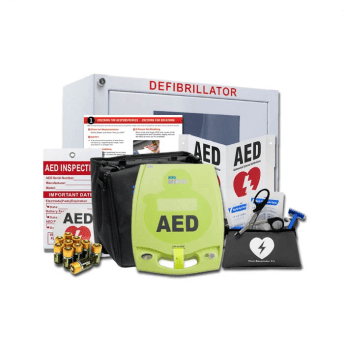
If you’re worried about performing CPR correctly, the Zoll AED Plus is an excellent option. Its standout feature is Real CPR Help®, which gives you real-time feedback on your chest compressions. The device will tell you to “push harder” or will confirm “good compressions,” ensuring you’re performing CPR effectively while you wait for emergency services to arrive. This coaching can make a huge difference in a rescue. The Zoll AED Plus uses consumer-grade lithium batteries that are easy to find and replace, and its rugged design ensures it’s ready when you need it. It’s a fantastic choice for anyone who wants extra support during an emergency.
Cardiac Science Powerheart G5
The Cardiac Science Powerheart G5 is known for its advanced technology and user-friendly features. It’s available in a fully automatic model, which means that if a shock is needed, the device will deliver it automatically without you having to press a button. This can help reduce hesitation in a high-stress moment. The Powerheart G5 also provides CPR coaching and can adjust its shock level to meet the needs of the individual. With its durable construction and daily self-tests that check the pads, battery, and internal systems, this AED is built for reliability and readiness, making it a strong contender for any home.
LIFEPAK CR2
Designed for a seamless user experience, the LIFEPAK CR2 is a modern and powerful AED that’s simple enough for anyone to use. It features a clean, straightforward design with easy-to-follow graphics and audio instructions. One of its most unique features is Wi-Fi connectivity, which allows it to send readiness alerts to you, ensuring the device is always prepared for an emergency. The CR2 also includes a child mode button that instantly adjusts the energy levels for pediatric rescues without needing separate pads. Its combination of simplicity and smart technology makes it an ideal choice for protecting the whole family.
Where to Buy an AED for Your Home
Once you’ve decided to get an AED for your home, the next question is where to buy it. You have a few different options, and the best one for you depends on what you value most—be it expert guidance, convenience, or price. It’s not just about buying a device; it’s about investing in a life-saving tool and ensuring you have the support to use and maintain it correctly. Think of it as starting a relationship with a product that needs to be reliable for years to come.
From specialized suppliers who live and breathe emergency preparedness to large online marketplaces, each has its own set of pros and cons. A specialized provider might offer comprehensive AED packages that include everything you need to get started, while a big-box retailer might offer a familiar checkout process. Let’s walk through the most common places to find a home AED so you can make a choice that feels right for your family’s safety plan and gives you confidence when it matters most.
Why Choose a Specialized Provider like Response Ready
Buying from a specialized provider is about more than just the transaction. Companies that focus solely on emergency response equipment offer a level of expertise you won’t find elsewhere. They can guide you to the right device for your specific needs, explain the differences between models, and ensure you have all the necessary accessories. More importantly, they provide ongoing support, like reminders for when your AED pads and batteries expire. This partnership ensures your device is always ready to go, giving you true peace of mind.
Other Medical Equipment Retailers
You’ll also find AEDs at general medical equipment retailers that sell a wide range of products, from first aid supplies to mobility aids. These stores often carry several reputable AED brands and can be a solid choice. While their staff may have good product knowledge, their focus isn’t exclusively on AEDs. You might get less specialized, long-term support compared to a dedicated emergency preparedness company. It’s a good option if you’re already familiar with what you need and feel confident managing the device’s maintenance schedule on your own.
Online Marketplaces
Big online marketplaces like Amazon and even warehouse clubs like Costco sometimes carry AEDs, particularly over-the-counter models like the Philips HeartStart OnSite. The main appeal here is convenience and potentially competitive pricing. However, the trade-off is a lack of expert guidance. You’re on your own to research, choose the right model, and remember to order replacement supplies. If you go this route, make sure you’re buying from an authorized seller to ensure the device is new, legitimate, and covered by the manufacturer’s warranty.
Local Supply Stores
For those who prefer to shop in person, some local medical supply stores may stock AEDs. This allows you to see the device before you buy it and speak with a salesperson face-to-face. The downside is that their selection is often much more limited than what you’d find online, and their pricing might be higher. It’s a good idea to call ahead to see what models they carry. This option is best if you prioritize a local, in-person purchase over a wide selection and the comprehensive support offered by specialized AED providers.
Understanding the Cost of a Home AED
Bringing an AED into your home is an investment in your family’s safety and confidence. While there is a cost involved, understanding the breakdown can make the process feel much more manageable. Let’s walk through what to expect, from the initial purchase to ongoing upkeep, so you can find a solution that works for your budget and gives you peace of mind.
The Initial Purchase Price
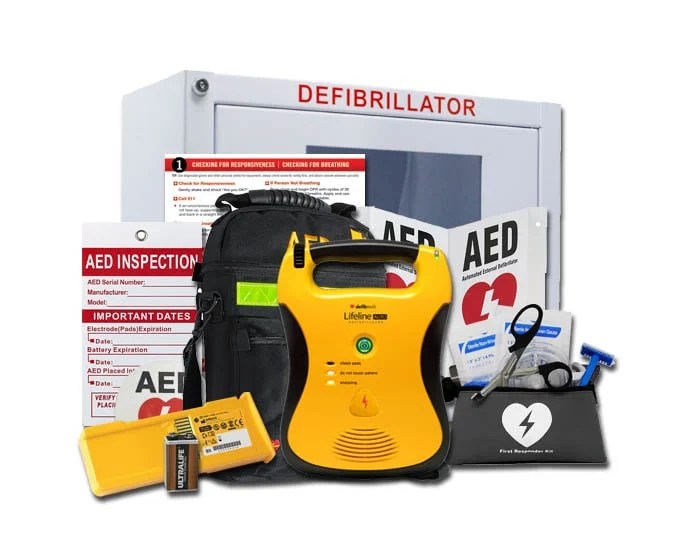
The upfront cost for a new home AED typically ranges from $1,400 to over $2,000. Our affordable AED buyer’s guide compares the top budget-friendly models with current 2026 pricing. This price depends on the specific model and what’s included with it. Some devices are sold on their own, while others come as part of a complete package that might include a storage cabinet, a carrying case, and a kit with essentials like scissors and razors. Thinking about where you’ll store the AED and what you might need in an emergency can help you choose the right AED package from the start. For a complete price comparison across all six FDA-approved brands, visit our AED cost guide.
Ongoing Supply and Maintenance Costs
Beyond the initial purchase, you’ll need to plan for the cost of replacement supplies. AEDs have two main components that expire: the electrode pads and the battery. Both have a shelf life of a few years and must be replaced after any use to ensure the device is always ready. It’s a good idea to perform a quick visual check on your AED monthly to confirm the readiness indicator is green and that your AED pads and battery haven’t expired. These ongoing costs are small but essential for keeping your life-saving device in perfect working order.
Does Insurance Cover an AED?
This is a common question, and the answer can be complicated. While some insurance plans may cover a portion of the cost for an AED, especially with a doctor’s prescription for a high-risk individual, it’s not always guaranteed. The approval process can be lengthy, sometimes taking weeks or even months, and may require appeals. The best first step is to contact your insurance provider directly to ask about their specific policies for durable medical equipment. This will give you a clear idea of what to expect before you make a purchase.
Exploring Payment Options
If the upfront cost feels like a hurdle, know that there are flexible ways to get an AED for your home. Some providers offer financing plans that allow you to spread the cost over time. Another great alternative is an AED rental program, which can provide a complete, ready-to-use device for a low monthly fee. This option often includes ongoing support and management of supplies, making it a simple and affordable way to ensure your home is prepared for a cardiac emergency without a large initial investment.
Essential AED Accessories and Supplies
Once you’ve chosen your home AED, the next step is to make sure it’s equipped and ready for an emergency. Think of it like a car—the vehicle itself is essential, but it won’t get you far without gas in the tank and properly inflated tires. The same principle applies to your AED. Having the right accessories and a solid maintenance plan ensures your device is fully functional when you need it most. These aren’t just nice-to-haves; they are critical components of a reliable emergency response system for your home. From spare parts to smart storage, let’s cover the essential AED accessories that keep your device prepared to save a life.
Replacement Pads and Batteries
An AED is only effective if its core components are ready to go. The electrode pads and batteries are the most important supplies to monitor, as both have limited lifespans. Pads must be replaced after every use and also have expiration dates, typically every two to five years, because the adhesive gel can dry out. Similarly, AED batteries need to be replaced after use and will also expire over time. It’s a great practice to keep a spare set of AED pads and an extra battery with your device. This way, if you use your AED, you can immediately replace the used components and ensure it’s ready for another emergency without any downtime.
Storage and Accessibility
Where you keep your AED is just as important as having one. During a cardiac arrest, every second is critical, so your device needs to be in a visible, central, and unobstructed location. Avoid tucking it away in a closet or basement where it could be forgotten or hard to reach quickly. A main hallway, kitchen, or living area is often the best spot. Your AED should also be protected from extreme temperatures, dust, and moisture. A designated wall cabinet or a durable carrying case can keep it safe and make it easy to grab. The goal is simple: anyone in your home should be able to find and access the AED without hesitation.
Tools for Tracking Maintenance
Keeping your AED in optimal condition requires a little organization. Forgetting to replace expired pads or a low battery can render the device useless, so it’s important to have a system for tracking maintenance. You can use simple tools like setting recurring calendar reminders for expiration dates or keeping a physical checklist attached to the AED’s case. Some AED management programs can also send you automated reminders when it’s time to order new supplies. Consistent maintenance ensures your device passes its self-checks and is fully functional. Taking these small, proactive steps removes the guesswork and gives you confidence that your AED will perform as expected during an emergency.
How to Maintain Your Home AED
Owning an AED is a huge step toward protecting your family, but the work doesn’t stop once you take it out of the box. Think of it like the smoke detector in your hallway—it needs a little attention to make sure it’s ready to work when you need it most. Proper maintenance is straightforward and doesn’t take much time, but it’s absolutely essential for ensuring your device is ready to save a life. A few simple, regular checks will give you the peace of mind that your investment is protected and, more importantly, that your family is, too. Let’s walk through the three key parts of keeping your home AED in perfect working order.
Perform Regular Visual Checks
This is the easiest part of AED maintenance. Once a month, just take a quick look at your device. Most AEDs have a readiness indicator—usually a small light or symbol that should be green or show a checkmark. This tells you at a glance that the device has run its self-tests and is ready to go. While you’re there, check for any visible damage to the casing and make sure the electrode pads and other supplies are securely in place. It only takes a minute, but this simple monthly inspection is one of the most important things you can do to ensure your AED is functioning properly and prepared for an emergency.
Keep a Replacement Schedule
The two most important components of your AED—the pads and the battery—have expiration dates. It’s critical to keep track of these dates and replace them on time. After any use, you must replace the electrode pads immediately. But even if your AED is never used, both the AED pads and the batteries will need to be replaced according to the manufacturer’s schedule, typically every two to five years. I recommend setting a recurring reminder on your phone or calendar for the expiration dates so you never forget. Staying on top of this schedule ensures your device has the power and supplies it needs to deliver a life-saving shock.
Store and Clean It Properly
Where and how you store your AED matters. Keep it in a central, visible, and easily accessible location—not tucked away in a closet where no one can find it during a crisis. Avoid places with extreme temperatures or high humidity, like a car or a bathroom, as this can damage the device and its AED batteries. To keep it clean, simply wipe the exterior with a soft, damp cloth. If it needs a more thorough cleaning, you can use a solution like 90% isopropyl alcohol. Proper storage and cleaning protect your AED from damage and ensure it’s easy to grab the moment an emergency strikes.
Set Up Your AED and Prepare Your Family
Bringing an AED into your home is a huge step toward protecting your loved ones. But the device itself is just one piece of the puzzle. True preparedness comes from integrating it into your home and making sure everyone knows what to do in an emergency. This isn’t about creating anxiety; it’s about building a calm, confident household where everyone feels empowered to act.
When you have a clear plan, you replace panic with purpose. Taking a few simple steps to set up your device and prepare your family will ensure your investment provides the most important return of all: peace of mind. It means that if the unthinkable happens, your family can work together as a team to respond quickly and effectively. Let’s walk through how to get everything in place.
Find the Right Spot in Your Home
Where you store your AED is almost as important as having one. In an emergency, every second is critical, so you need to be able to grab it without a moment’s delay. The best place for your AED is a central, visible, and unobstructed location that everyone in the family can access easily. Think about high-traffic areas like the kitchen, living room, or a main hallway. Avoid tucking it away in a closet or a room that’s hard to get to. You’ll also want to consider proper storage and accessibility solutions, like a wall cabinet or bracket, to keep it secure and visible while protecting it from dust and damage.
Train Your Family to Respond
One of the biggest myths about AEDs is that only medical professionals can use them. That’s simply not true. Modern AEDs are specifically designed for anyone to use, with clear voice prompts and simple instructions that guide you through every step. While the device is intuitive, hands-on training gives your family the confidence to act decisively. Signing up for a certified CPR and AED training course is one of the best things you can do. It empowers everyone in your household with the skills to recognize an emergency, start CPR, and use the AED correctly, turning bystanders into capable first responders.
Create an Emergency Action Plan
A simple, rehearsed plan ensures everyone knows their role when stress is high. Your family’s emergency action plan for sudden cardiac arrest should be straightforward. First, assign roles, but make sure everyone knows how to do every step. The plan should look something like this: one person calls 911 immediately, another person starts chest compressions, and a third person retrieves and applies the AED. Practice this plan together so it becomes second nature. Discuss the signs of sudden cardiac arrest—which is an electrical problem, not a plumbing one like a heart attack—so everyone knows when to act. This simple preparation can make all the difference.
Related Articles
- Best AED for Home – Reliable Protection for Loved — Response Ready
- AED Guideline Archives — Response Ready
- AEDs for Home Application | Protect Your Loved Ones — Response Ready
Frequently Asked Questions
Can I accidentally hurt someone with an AED? This is a common and completely understandable fear, but the short answer is no. Modern AEDs are designed with powerful safety features that make them incredibly safe for anyone to use. The device will not deliver a shock unless it analyzes the heart’s rhythm and detects a specific, life-threatening arrhythmia. It makes the decision for you, so you can’t deliver a shock by mistake. The greatest danger in a cardiac arrest situation is inaction, and an AED empowers you to help safely.
What should I do after using my AED in an emergency? First, leave the electrode pads on the person when emergency medical services arrive, as the information can be useful to them. After the event, your device will need to be prepped for the next potential emergency. You will need to replace the used electrode pads and, depending on the model, possibly the battery. Contact your supplier right away. A good provider can get you the right replacement supplies and help you with any data from the device that medical professionals might need.
How much effort is involved in maintaining a home AED? It takes very little effort, but consistency is key. The most important habit is a quick, monthly visual check. Just glance at the device to make sure its readiness indicator is green, which confirms it has passed its automatic self-tests. The only other task is replacing the pads and battery before they expire, which is typically every two to five years. The easiest way to stay on top of this is to set a recurring reminder on your calendar the day you set up your device.
Can I use a home AED on a child? Yes, you can. For children under 8 years old or weighing less than 55 pounds, you will need to use special pediatric electrode pads. These pads are smaller and deliver a lower level of energy appropriate for a child. It’s a great idea to have a set of pediatric pads on hand if you have young children at home. Some newer AED models even have a built-in child mode that adjusts the shock energy with the simple push of a button, so you don’t need separate pads.
Is it complicated to get the required prescription for an AED? Not at all. While the FDA does require a physician’s prescription for most AEDs, the process is made simple for you. If you choose the Philips HeartStart OnSite, you don’t need a prescription at all, as it’s the only model approved for over-the-counter sale. For any other device, a specialized supplier like Response Ready will handle the prescription process for you as part of your purchase, ensuring everything is compliant without you having to do any extra work.
Disclaimer for information purposes only:
The information provided on this website is intended for general educational and informational purposes only. It is not medical advice and should not be used as a substitute for professional diagnosis, treatment, or care. Always consult a qualified healthcare or medical professional regarding any health-related questions or concerns.
While we strive to ensure the information shared is accurate and up to date, no guarantees are made regarding completeness, accuracy, or applicability to any individual situation. Use of this content is at the reader’s sole discretion and risk.
This website is part of the Response Ready family of emergency preparedness and training resources, including CPR & first aid training and compliance services, AED sales and program support, AED program management software, and medical oversight solutions provided through our affiliated platforms:
• CPR1.com
• AEDLeader.com
• AEDTotalSolution.com
• MDSIMedical.com
By accessing or using this website, you agree to release, indemnify, and hold harmless the website owners, authors, contributors, and affiliated entities from any claims, losses, damages, or liabilities arising from the use or reliance on the information presented.