You’ve made the crucial decision to get an Automated External Defibrillator (AED)—that’s a huge step. Now for the next question: where do you put it? Simply placing it on a shelf or desk won’t cut it in an emergency. The effectiveness of your device depends heavily on its storage. It’s not just about keeping it safe; it’s about making sure it’s visible, secure, and instantly accessible when every second counts. This is why choosing the right cabinet is so critical. Let’s make sure your life-saving device is ready when you need it most.
With over 10,000 cardiac arrests occurring in the workplace each year, and survival rates dropping 7-10% for every minute that passes without defibrillation, your choice of cabinet becomes a vital link in the chain of survival. This guide will walk you through a simple, scenario-based approach to help you select the perfect cabinet for your specific environment, ensuring your life-saving device is protected, visible, and ready for action.
Assessing Cabinet Quality and Construction
When you invest in a life-saving AED, the cabinet that houses it is more than just a storage box—it’s a crucial piece of protective equipment. The quality of its construction directly impacts the AED’s longevity and readiness. A well-built cabinet shields the device from dust, moisture, and physical damage, ensuring it functions correctly when an emergency strikes. Think of it as the first line of defense for your first line of defense. Examining the materials and build features before you buy will give you confidence that your AED is secure, accessible, and prepared for the moment you need it most.
Cabinet Materials and Their Benefits
The material of an AED cabinet is a foundational choice that determines its durability and suitability for different environments. Most high-quality cabinets are made from metal or durable plastics, each offering distinct advantages for protecting your device. The goal is to choose a material that can withstand the daily conditions of its intended location, whether that’s a quiet office hallway, a humid aquatic center, or a bustling gymnasium. A cabinet in a calm, indoor setting has different needs than one exposed to potential impacts or harsh weather, so matching the material to the environment is the first and most important step in making a reliable choice.
Steel, Plastic, and Durability
Steel is a popular choice for a reason. Cabinets made from cold-rolled or stainless steel offer exceptional strength and long-lasting protection, making them ideal for public spaces where durability is paramount. They resist dents and damage, keeping the AED secure. On the other hand, modern, high-impact plastics offer a lightweight yet tough alternative. These materials are naturally resistant to rust and corrosion, which is a significant benefit for locations with high humidity, such as pools or coastal areas. Both materials are designed to provide a secure enclosure, so your choice often comes down to the specific hazards of your environment.
Key Construction Features to Look For
Beyond the primary material, the smaller details of a cabinet’s construction play a huge role in its overall quality and functionality. Features like hinges, latches, and seals are the moving parts that ensure the cabinet works as intended during a high-stress emergency. These components are often overlooked, but a flimsy latch or a poorly sealed door can compromise the AED’s integrity or make it difficult to access quickly. Taking a moment to inspect these details will help you identify a cabinet that is not only durable but also user-friendly when every second is critical.
Hinges, Latches, and Weather Seals
When you open an AED cabinet, you need the door to swing open smoothly and reliably. Sturdy, full-length hinges prevent the door from sagging over time and ensure it closes securely. The latching mechanism should be simple to operate yet strong enough to keep the door shut without requiring a key or complex maneuver. For cabinets placed in demanding environments, a weather seal is non-negotiable. This rubber or foam gasket lines the inside of the door frame, creating a tight barrier that keeps out dust, dirt, and moisture, protecting the sensitive electronic components and consumables like AED pads.
Hardware and Handle Types
The handle is your primary point of interaction with the cabinet in an emergency, so it needs to be intuitive and easy to grip. Under stress, fine motor skills can diminish, making simple designs far more effective. Look for a large, sturdy pull handle or a recessed grip that can be operated quickly without fumbling. Avoid small, twisting knobs or complex latches. All hardware, from the handle to the screws holding it together, should feel solid and secure. This attention to detail in the construction ensures that anyone can access the device without hesitation, providing dependable protection and immediate access.
Choosing the Right Features for Your Environment
Now that you know what to look for in a quality cabinet, it’s time to match those features to your specific needs. The best cabinet is one that is perfectly suited to its surroundings. Start by thinking about where the AED will be located. Is it a climate-controlled office, a busy school corridor, or an outdoor sports complex? Answering this question will guide you toward the right set of features. For example, a school might prioritize a loud alarm to deter tampering, while an organization looking for a flexible solution might consider an AED rental program that includes the necessary hardware. An outdoor pool will require a cabinet with robust weatherproofing to shield the AED from the elements.
Consider visibility and accessibility as well. A brightly colored cabinet with clear signage is essential in a large, crowded space like a warehouse or event venue. If the area is dimly lit, a cabinet with a strobe light that activates when the door is opened can help draw attention. For organizations looking to streamline their emergency preparedness, selecting a complete AED package ensures you have the right device, cabinet, and accessories from the start. By carefully considering your environment, you can select a cabinet that not only protects your AED but also makes it easy to find and use during a critical moment.
Security vs. Access: Finding the Right Balance
Choosing an AED cabinet is about finding the right balance between three key factors for your unique space. You need to protect your investment from theft or damage, ensure it can be found instantly during a high-stress emergency, and make it accessible to anyone who needs to use it. The ideal solution depends entirely on your environment.
When is a Basic AED Cabinet the Right Choice?
- Environment profile:
Think of spaces with limited, controlled access. This includes a manager’s office, a private clinic’s back room, a small business with only a few employees, or even your own home. In these settings, the risk of theft or tampering is very low, and the people in the space are generally aware of their surroundings. - Solution:
A standard AED wall cabinet is the perfect choice here. It provides essential protection from dust and damage, keeping your AED secure and in pristine condition. Most importantly, it gives the device a permanent, designated home, making it highly visible and easy to locate. You get the protection and visibility you need without features that might be unnecessary in a low-traffic, secure area.
Public Spaces: Why an Audible Alarm is a Must-Have
- Environment profile:
This includes any area with regular foot traffic from the public or a large number of personnel. Consider school hallways, community centers, gyms, church foyers, and busy office lobbies. In these environments, you face two challenges, deterring potential theft or misuse and, critically, drawing attention to an actual emergency. Research from the American Heart Association shows that only 50% of employees even know where their office AED is located, highlighting the need for a solution that commands attention. - Solution:
An alarmed AED cabinet is the standard for public access areas. The moment the door is opened, a loud audible alarm sounds. This serves a dual purpose. It deters anyone from tampering with the device, but more importantly, it signals that a medical emergency is in progress. The alarm alerts nearby staff and bystanders that the AED is being deployed, helping clear a path and summon further assistance. It transforms the act of retrieving the AED into an immediate call to action.
High-Noise Zones: When to Add a Strobe Light
- Environment profile:
Some environments are so large, loud, or chaotic that an audible alarm alone might not be enough. Think of industrial settings like warehouses and manufacturing floors where machinery is running, or high-sensory public venues like casinos, large gymnasiums during a game, or expansive event centers. In these zones, a sound can easily be lost in the background noise. - Solution:
For the most challenging environments, an AED cabinet with both an alarm and a strobe light is essential. When the cabinet door is opened, it triggers not only the loud audible alarm but also a bright, flashing visual alert. This strobe light cuts through noise and chaos, providing a clear, unmistakable signal that can be seen from a distance. It’s the ultimate solution for ensuring the fastest possible response in places where visibility and immediate notification are most difficult to achieve.
Exploring Cabinet Types, Styles, and Customization
Installation: Recessed vs. Surface-Mounted
Beyond alarms and strobes, the physical installation of your cabinet is a key decision. The two main options are surface-mounted and recessed. A surface-mounted cabinet is the most straightforward choice; it attaches directly to the wall, making installation quick and easy. This is a great option for concrete or brick walls, or in any situation where you want maximum flexibility in placement. A recessed cabinet, on the other hand, is installed into the wall, sitting flush with the surface. This creates a sleek, built-in look that’s ideal for modern offices, hotels, or any space where you want to minimize protrusions and maintain clean architectural lines. While it requires a bit more work to install, the result is a professional and unobtrusive AED station.
Cabinet Sizes and Configurations
Once you’ve decided how the cabinet will be mounted, the next step is to think about size. This isn’t just about fitting the AED itself, but also about what other life-saving tools you want to keep alongside it. Your choice will depend on whether you need a simple, dedicated housing for the device or a more comprehensive emergency response station. Think about the specific needs of your environment and the potential emergencies you might face. A school might need space for extra supplies, while a small office may only require a compact unit. Considering the space you have available and what other supplies might be needed will help you determine the best fit for your location.
Compact Cabinets for Small Spaces
If you’re working with limited wall space, a compact cabinet is an excellent solution. These are designed to securely house your AED without a large footprint, making them perfect for smaller offices, clinics, classrooms, or even a home. A compact cabinet ensures your device is protected from dust and damage and has a clearly designated spot, so everyone knows where to find it. It provides all the essential visibility and protection you need in an efficient, space-saving design, proving that you don’t need a lot of room to be prepared.
Cabinets with Extra Storage
For larger facilities or those wanting to create a centralized emergency hub, a cabinet with extra storage is the way to go. These larger units are designed to hold not only your AED but also other critical supplies. You can store a comprehensive first aid kit, a bleeding control kit, and spare AED accessories like extra pads or a ready kit. Having everything in one clearly marked location streamlines the response process, saving precious time during an emergency. This approach is ideal for schools, gyms, and large corporate offices that prioritize a comprehensive and organized approach to safety.
Aesthetics: Matching Your Building’s Decor
Functionality is always the top priority, but that doesn’t mean your AED cabinet has to be an eyesore. The right cabinet can complement your space while still being highly visible and accessible to responders. Manufacturers understand that an AED may be placed in a wide variety of environments, from industrial warehouses to high-end corporate lobbies. Because of this, you have more options than you might think to ensure your life-saving equipment fits the look and feel of its surroundings without compromising its primary purpose.
Colors, Finishes, and Custom Options
Most AED cabinets are available in a standard white or off-white finish, which is designed for high visibility. However, you can often find options in stainless steel for a more modern, durable look, or even custom colors to match your organization’s branding or interior design. The goal is to strike the right balance. In some settings, a cabinet that blends seamlessly with the decor is appropriate, as long as it’s accompanied by clear signage. In others, a bright, contrasting color is the best way to ensure the AED can be located instantly in a chaotic situation. Ultimately, the choice allows you to maintain your building’s aesthetic while ensuring safety remains front and center.
Your AED Cabinet Compliance Checklist
Installing a cabinet isn’t just about screwing it to a wall. To ensure your AED is truly accessible and your facility is compliant, you need to follow a few key guidelines. Failing to do so can create dangerous delays in an emergency.

-
ADA compliance:
The Americans with Disabilities Act (ADA) has clear rules to ensure people with physical limitations can access life-saving equipment. In a hallway or walkway, the cabinet must not stick out more than 4 inches from the wall. To achieve this in narrow corridors, a recessed or semi-recessed cabinet is often used. Additionally, the handle to open the cabinet must be no more than 48 inches from the floor.
-
Fire-rated walls:
If your building code requires a wall to be fire-rated (common in commercial buildings and schools), cutting into it to install a recessed cabinet can compromise its integrity. In these situations, you must use a specific fire-rated cabinet that meets ASTM E 814 standards to maintain the wall’s safety rating. -
Clear signage:
The cabinet itself is not enough. You must install clear, universally recognized AED signage on or above the cabinet. This ensures that in a moment of panic, anyone can quickly identify the location of the AED, even from a distance.
Thinking Ahead: Are Smart AED Cabinets for You?
Technology is making AED program management easier than ever. While not yet a standard feature, some modern cabinets offer “smart” capabilities. These advanced systems can connect to your network to monitor the AED’s readiness, sending automated alerts for low battery life or expired electrode pads. This technology streamlines the readiness checks required for a compliant AED program.
Even without a smart cabinet, you can achieve this same peace of mind. The Response Ready App helps you automate and record your monthly readiness checks, ensuring your devices are always compliant and ready to save a life.
Choosing the Right Cabinet for Your Needs
By matching your physical environment to the right features, you can move past the guesswork and choose a cabinet with confidence. Whether you need the simple protection of a basic cabinet or the powerful alerting features of an alarm and strobe model, the right choice ensures your AED is ready when you need it most.
Now that you can identify your environment’s needs, you can confidently choose the right protection for your life-saving investment. Explore our full range of AED cabinets and accessories to find the perfect fit for your home, school, or business.
Frequently asked questions
Q: Do I really need a cabinet for my AED?
A: Absolutely. A cabinet protects your device from dust, moisture, and damage, which is crucial for ensuring it works properly. More importantly, it provides a consistent and highly visible location, which is critical for quick retrieval during a chaotic emergency. In public spaces, it also deters theft and tampering.
Q: Can I install the AED cabinet myself?
A: Yes, most surface-mount cabinets are designed for easy installation with basic tools. The most important part is ensuring you follow ADA guidelines for mounting height (handle no higher than 48 inches) and placement to ensure accessibility.
Q: What is the difference between a surface-mount and a recessed cabinet?
A: A surface-mount cabinet hangs directly on the face of the wall and is the easiest to install. A recessed cabinet is installed within the wall for a flush or nearly-flush finish. Recessed models are ideal for narrow hallways where you need to comply with the ADA rule that an object cannot protrude more than 4 inches from the wall.
Q: Does the alarm on a cabinet require an electrician?
A: No, nearly all standard alarmed AED cabinets are self-contained and battery-powered, typically using a simple 9-volt battery. This means you can install them anywhere without needing to run electrical wiring.
Q: Where is the best place to install my AED cabinet?
A: The best location is central, highly visible, and unlocked 24/7. Common spots include main corridors, next to elevators, in reception areas or cafeterias, and near other safety equipment like fire extinguishers. The goal is for someone to be able to retrieve the AED and return to the victim within 90 seconds.
Budgeting for Your AED Cabinet
Once you’ve decided on the right type of cabinet for your space, the next step is to think about your budget. While it’s easy to focus on the initial price tag, a smart approach involves looking at the complete cost and long-term value. An AED cabinet is a relatively small investment compared to the life-saving device it protects, but planning for all the associated costs ensures there are no surprises down the road. This includes not just the cabinet itself, but also any necessary signage and accessories that make your AED program effective and compliant. A well-planned budget helps you get the best possible setup for your needs, ensuring your device is protected and ready for an emergency.
Understanding Cabinet Costs
The price of an AED cabinet can vary, but a standard, high-quality wall cabinet typically costs around $150. However, the cabinet is just one piece of the puzzle. To ensure maximum visibility and compliance, you’ll also need to budget for a 3D wall sign, which usually costs about $15. These signs are crucial for helping people locate the AED from any direction in a hallway or large room. If your AED will be placed in an area accessible to children, you may also need to purchase separate pediatric electrode pads, which can range from $60 to $170. Factoring in these small but essential items from the start gives you a more accurate picture of the total investment required to set up your AED station properly.
Evaluating Total Value, Not Just Price
It can be tempting to choose the least expensive cabinet available, but value is about more than just the initial cost. The best cabinet is one that perfectly balances security, accessibility, and visibility for your specific environment. A cheap, flimsy cabinet might save you a few dollars upfront, but it won’t adequately protect your AED from damage or theft, potentially costing you much more in the long run. The true value lies in a cabinet that keeps your device secure while ensuring a rescuer can access it without hesitation. Investing in a durable, well-designed cabinet with the right features—like an alarm or strobe light for public areas—is an investment in readiness and peace of mind.
What to Look for in a Quote
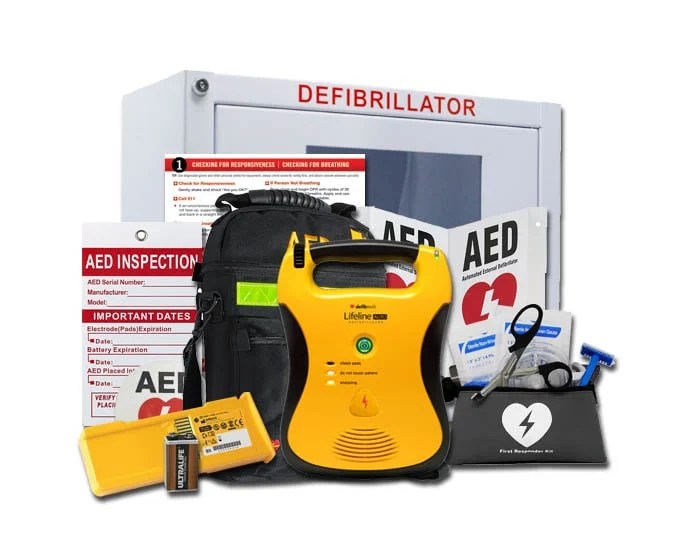
When you’re ready to purchase, ask for an itemized quote that breaks down every cost. This should include the price of the cabinet, any additional features like alarms, required signage, and shipping fees. A transparent quote from a reputable supplier helps you avoid unexpected charges and ensures you’re getting exactly what you need. This is also a great opportunity to ask questions about the product. A knowledgeable provider can confirm whether a cabinet meets compliance standards and is appropriate for your location. Looking at comprehensive AED packages can also be a straightforward way to get everything you need in one bundle, often at a better value.
The Decision-Making Process
Choosing the right AED cabinet is a significant decision that impacts the effectiveness of your emergency response plan. It’s a process that requires careful thought and a clear understanding of your environment’s unique demands. Rushing this step can lead to choosing a cabinet that doesn’t offer the right level of protection or, worse, creates a barrier to access during a critical moment. By taking a methodical approach, you can feel confident that you’ve selected a solution that not only protects your device but also empowers anyone to act decisively in an emergency. The goal is to make a choice that you can rely on for years to come.
Taking Your Time to Research
Don’t feel pressured to make a quick decision. Take the time to research your options and consider the long-term implications of your choice. Think about the daily conditions of the environment where the AED will be stored. Is it a busy hallway, a quiet office, or a loud factory floor? Revisit the different types of cabinets—basic, alarmed, and alarmed with a strobe—and match their features to your specific needs. You should also consider any minor ongoing costs. For example, some advanced or outdoor cabinets may have small, continuous electricity costs for heating or cooling elements. A little research upfront ensures you select a cabinet that is a perfect, lasting fit for your organization.
When to Seek Professional Advice
While much of the selection process is straightforward, there are times when professional guidance is invaluable. This is especially true when it comes to compliance. Failing to follow key guidelines for installation and placement can create dangerous delays in an emergency and expose your organization to liability. If you’re unsure about ADA requirements, fire-rated wall specifications, or the best location for maximum visibility, don’t hesitate to ask an expert. A professional can provide a clear recommendation based on your building’s layout and local regulations. Our team at Response Ready is always here to help you make an informed decision and ensure your AED program is set up for success.
Long-Term Ownership and Maintenance
Your responsibility doesn’t end once the cabinet is installed on the wall. Like any piece of life-saving equipment, both the AED and its cabinet require ongoing attention to ensure they remain in perfect working order. Establishing a simple, consistent maintenance routine is key to protecting your investment and guaranteeing that everything is ready to go at a moment’s notice. Long-term ownership is about creating a sustainable system of readiness checks that becomes a natural part of your facility’s safety protocol. This proactive approach ensures your preparedness efforts are always effective, providing lasting confidence for everyone in your community.
Understanding the Warranty and Support
A quality AED cabinet is built to last, but it’s still important to understand the warranty and support that come with it. Most AEDs are covered by a manufacturer’s warranty for 5 to 8 years, and your cabinet should also be protected against defects. Before you buy, check the warranty details. Does it cover the lock, hinges, and alarm mechanism? Knowing what’s covered and for how long gives you an extra layer of security. Good customer support is also essential. Should you have a question about maintenance or a problem with a feature, you’ll want a reliable company you can turn to for help and guidance.
Simple Maintenance for Lasting Protection
Maintaining your AED cabinet is simple and doesn’t require much time. The main goal is to ensure nothing obstructs access to the AED. On a regular basis, perhaps during your monthly AED readiness check, take a moment to inspect the cabinet. Wipe down the exterior and the clear window to keep it free of dust and grime, ensuring the AED inside is always visible. If your cabinet has an alarm, test it to confirm the battery is working. Check that the door opens smoothly and the latch is secure. These quick, simple steps are all it takes to keep your cabinet in top condition and ensure your life-saving AED is protected and accessible for years to come.
Ready to take action? Browse AED cabinet options at Response Ready.
Key Takeaways
- Select features based on your location’s traffic and noise levels: A basic cabinet is perfect for a secure office, but public spaces need an alarm to signal an emergency and deter tampering. For loud environments like factories or gyms, add a strobe light so the alert can be seen, not just heard.
- Ensure accessibility with proper installation: Your cabinet must be easy for anyone to find and use in a crisis. Follow ADA guidelines by mounting the unit so the handle is no higher than 48 inches from the floor and it doesn’t protrude more than 4 inches into a walkway.
- Think beyond the box for long-term readiness: A durable cabinet protects your AED, but true preparedness includes clear 3D signage for quick locating and a simple maintenance routine to check the alarm and door latch. This ensures your entire setup is reliable when you need it most.
Related Articles
- Choosing the right AED cabinet: a guide to security, accessibility, and compliance
- Safeguarding your AED with the right wall cabinet and accessories
- How AED cabinets enhance accessibility and security
- Standard AED Wall Cabinet for Storage | Secure AED Protection — Response Ready