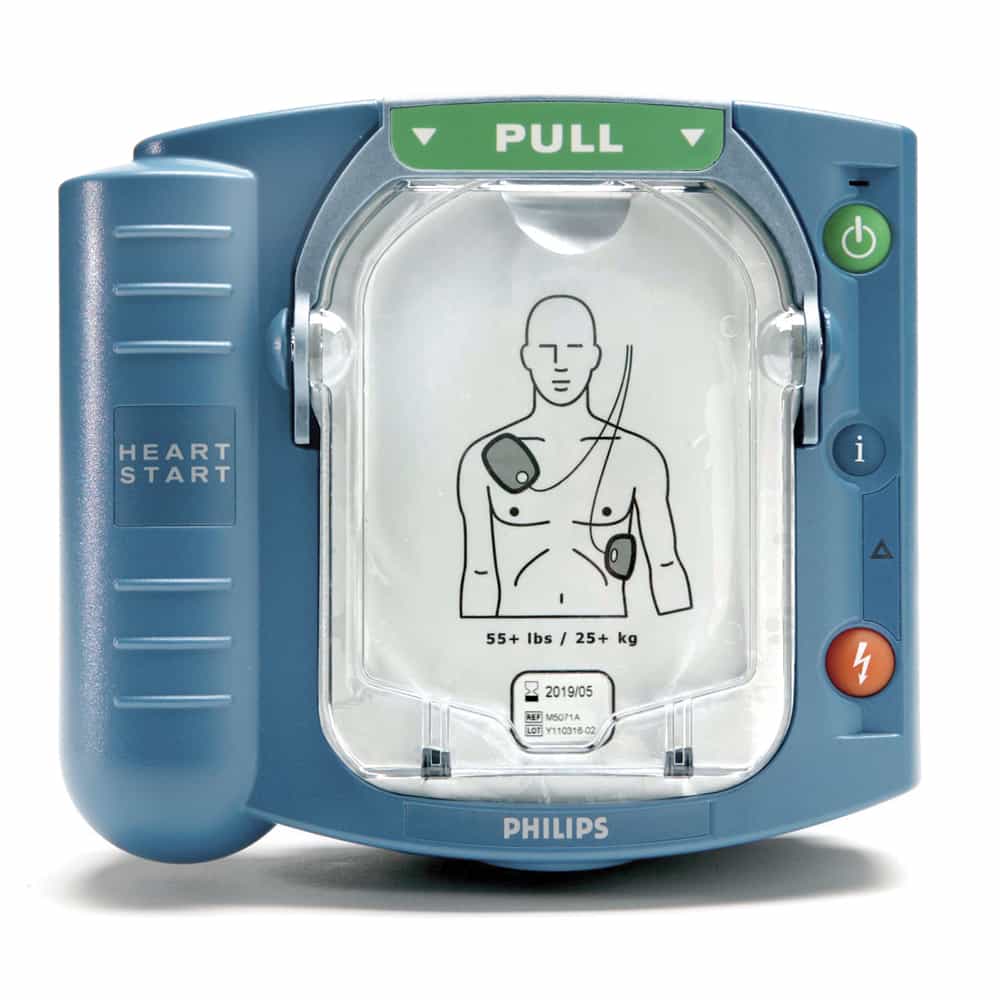
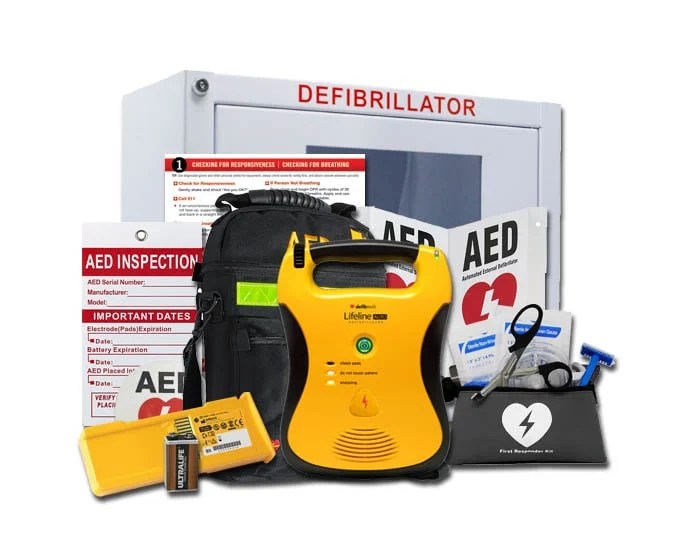
You’ve made the smart choice to get an Automated External Defibrillator (AED). But the device itself is just the beginning. How you store it can be the difference between a life saved and a tragic what-if. When an AED is used immediately, survival rates for sudden cardiac arrest can jump from a grim 10% to an incredible 50 to 74 percent. The right cabinet makes your AED visible, protected, and ready. For a noisy or busy environment, you might need alarm cabinet features to cut through the chaos and draw immediate attention. It’s about creating a true life-saving station.
Choosing a cabinet can feel complicated with options ranging from basic boxes to models with alarms and lights. This guide simplifies the process by walking you through three key steps: assessing your environment, selecting the right security features, and ensuring full compliance. We’ll help you find the perfect solution for your school, office, or community center.
Why Every Second Counts in a Cardiac Arrest
When someone experiences sudden cardiac arrest (SCA), their heart stops beating effectively, and blood flow to the brain and other vital organs ceases. Every second that passes without intervention dramatically reduces their chance of survival. The purpose of an AED is to deliver a controlled electrical shock to the heart, allowing it to reset to a normal rhythm. However, the device can only be effective if it’s used immediately. This is why having an AED isn’t just about owning the equipment; it’s about ensuring it can be retrieved and used in minutes, or even seconds.
A properly placed and clearly marked AED cabinet transforms a life-saving device from a piece of stored equipment into a readily available emergency tool. It removes the guesswork and panic from a high-stress situation, allowing a bystander to act quickly and confidently. The cabinet protects the AED from damage and theft while making its location obvious to everyone in the building, turning a passive safety measure into an active, life-saving station that’s always prepared for the moment you hope never comes.
Understanding the Statistics
The numbers surrounding sudden cardiac arrest are stark, but they also highlight an incredible opportunity to save lives. When an on-site AED is accessible and used immediately, it can increase the survival rate from a grim 10 percent to an incredible 50 to 74 percent. This statistic underscores a simple but powerful truth: quick access to an AED is one of the most important factors in surviving SCA. A few minutes can be the difference between a life lost and a life saved. An AED stored in a closet or an unmarked box is almost as useless as not having one at all. A visible, accessible cabinet ensures that your investment in an AED can deliver on its promise when it matters most.
Understanding AED Cabinet Basics
At first glance, an AED cabinet might seem like just a box, but its design is carefully considered to balance protection, accessibility, and visibility. Understanding the fundamental options—from how it mounts on the wall to the materials it’s made from—is the first step in choosing the right one for your space. The goal is to find a solution that fits your building’s physical layout, protects the device from environmental factors, and makes it incredibly easy for anyone to find and access during an emergency. We’ll break down the key features to help you match a cabinet to your specific needs, ensuring your AED is secure, easy to spot, and ready for action.
Installation Types
How a cabinet attaches to the wall impacts both its appearance and its footprint in a room or hallway. The three main installation types—surface-mounted, semi-recessed, and fully-recessed—offer different trade-offs between ease of installation and how much space they occupy. Your choice will likely depend on the type of walls you have (drywall vs. concrete), the width of your hallways, and your aesthetic preferences. Each style effectively secures the AED, so the decision often comes down to the practicalities of your specific location and what works best for maintaining a clear, accessible path while keeping the AED prominent.
Surface-Mounted Cabinets
A surface-mounted cabinet is the most straightforward option to install. It sits entirely on the outside of the wall, requiring no cutting into the drywall. This makes it an ideal choice for solid walls made of brick or concrete, or in situations where you want to avoid complex installation. While they are the easiest to put up, they also protrude the furthest into a space, which can be a consideration in narrow hallways or high-traffic areas where you want to minimize obstructions. Their visibility is a key advantage, as they naturally stand out from the wall.
Semi-Recessed Cabinets
Offering a great compromise between visibility and space-saving, semi-recessed cabinets are a popular choice. These units are partially set into the wall, so they don’t stick out as much as a surface-mounted model. This design keeps the AED accessible and easy to spot while maintaining a lower profile, making it a good fit for most standard hallways and rooms. Installation is more involved than a surface-mount since it requires cutting into the wall, but it provides a clean look that feels integrated with the building’s architecture while still being prominent enough to catch the eye.
Fully-Recessed Cabinets
For the most streamlined and space-saving solution, a fully-recessed cabinet is built completely into the wall. This style is perfect for busy corridors, tight spaces, and any area where you want to comply with ADA (Americans with Disabilities Act) guidelines by ensuring nothing protrudes from the wall. While they offer a sleek, unobtrusive look, they are also the most complex and costly to install, as they require significant modification to the wall. A fully-recessed cabinet ensures the AED is out of the way but requires careful planning to ensure it remains highly visible.
Cabinet Materials and Design
The material and design features of an AED cabinet are about more than just looks—they determine its durability and functionality. Cabinets are built to withstand the demands of their environment, whether that’s a quiet office lobby or a bustling factory floor. Key design elements, like alarms and clear windows, are standard for a reason: they add critical layers of security and accessibility. When selecting a cabinet, think about where it will live and what features will best support a quick and effective response in an emergency. These details ensure the cabinet doesn’t just hold the AED, but actively helps in a rescue.
Common Materials from Steel to Fiberglass
Most indoor AED cabinets are made from durable metals like painted or stainless steel. Painted steel is a cost-effective and reliable choice for typical indoor environments like offices and schools, offering a clean look and solid protection. Stainless steel provides a more premium, modern aesthetic and offers enhanced resistance to corrosion and wear, making it suitable for high-traffic areas. For more demanding environments, such as industrial settings, pool areas, or outdoor locations, cabinets made from materials like fiberglass or heavy-duty plastic are often used to provide superior protection against moisture, dust, and temperature extremes.
Key Design Features
Modern AED cabinets include features designed to alert and inform. Most cabinets have loud alarms, typically between 85 and 120 decibels, that sound the moment the door is opened. This serves two important purposes: it immediately alerts everyone nearby that an emergency is in progress, and it acts as a powerful deterrent against theft or tampering. Many models also feature a clear window on the door, allowing you to see the AED’s status indicator light without opening the cabinet. This makes routine maintenance checks quick and easy, ensuring you always know your device is ready.
Sizing and Storage Options
Not all AEDs are the same size, and your storage needs might extend beyond just the device itself. Cabinets are available in various dimensions to accommodate different AED models and any extra supplies you want to keep with them. Choosing the right size is a practical decision that ensures a snug, secure fit for your device while providing space for essential accessories. Before you buy, confirm the dimensions of your specific AED and consider whether you’ll need room for a spare set of pads, a battery, or other first aid items.
Compact vs. Tall Cabinets
You can find compact, standard, and tall cabinets to suit your needs. A compact cabinet is designed to hold only the AED, making it a great space-saving option if that’s all you need to store. Standard and tall cabinets offer additional storage space, often with an extra shelf. This is incredibly useful for co-locating other emergency supplies, such as a bleeding control kit or a first aid kit, with your AED. Keeping these items together creates a comprehensive response station, ensuring a rescuer has multiple tools at their disposal in one central, predictable location.
Strategic Placement for Quick Access
Where you put your AED cabinet is just as important as which one you choose. The goal of strategic placement is simple: to get the AED from the cabinet to the side of the person in need as quickly as humanly possible. This means selecting a location that is central, highly visible, and completely unobstructed. Think about the path a rescuer would have to take in a panic. Are there locked doors, crowded storage rooms, or confusing hallways in the way? The ideal spot is one that anyone—an employee, a customer, or a first-time visitor—could find and access without a moment’s hesitation. Every second saved by smart placement is another second that can be used to save a life.
Follow the Three-Minute Rule
In emergency response, professionals often refer to the three-minute rule: an AED should be close enough that someone can get it and bring it back to the person in need within three minutes total. This is often broken down as a 90-second walk to the device and a 90-second walk back. To achieve this, identify high-risk areas where an SCA is more likely to occur, such as fitness centers, cafeterias, or large meeting spaces, and place your AED in a central location that serves these zones. Pacing out the distance from the furthest points in your building can help you determine if one AED is sufficient or if multiple devices are needed to cover the entire area effectively.
Keep it Visible and Unlocked
An AED cabinet should be a beacon, not a hidden treasure. Place it in a main, well-lit corridor where people frequently pass. Avoid putting it in a manager’s office, a supply closet, or any room that might be locked after hours. The cabinet door should always be unlocked so anyone can open it right away in an emergency. The built-in alarm system is the primary deterrent against theft, not a lock. A locked cabinet creates a deadly delay, and in a cardiac arrest, there is no time to search for a key. Accessibility is paramount, so ensure nothing is ever placed in front of the cabinet that could block access.
Enhance Visibility with Signs and Accessories
Don’t assume people will automatically see the cabinet. You need to actively guide them to it. Put up many signs in the building to clearly show where the AED is located. Use official ILCOR (International Liaison Committee on Resuscitation) AED signs, which are universally recognized. 3D signs that project from the wall are especially effective in long hallways, as they can be seen from a distance and from multiple directions. Place smaller, directional signs at key decision points, like hallway intersections or building entrances, to point people the right way. The more visual cues you provide, the faster a rescuer can find the AED during a chaotic and stressful event.
A Step-by-Step Guide to Choosing Your Cabinet
Selecting the right AED cabinet comes down to a few key decisions about your environment and response needs. By thinking through these factors ahead of time, you can confidently choose a solution that keeps your AED safe and makes it easy to find in an emergency. This step-by-step process will help you assess your space, consider your equipment, and plan for a successful installation. Follow these steps to ensure you find the perfect cabinet that not only protects your device but also strengthens your entire emergency preparedness plan, giving you and your community peace of mind.
First, assess your environment. Decide where the cabinet will be installed. Is it a climate-controlled indoor office or a semi-exposed outdoor breezeway? This will determine whether you need a basic steel cabinet or a more robust, weatherproof model. Next, consider the installation type. If you’re in a narrow hallway, a recessed or semi-recessed cabinet might be necessary to comply with ADA standards and prevent obstruction. For a concrete wall, a surface-mounted cabinet will be the easiest to install. Then, take stock of your equipment. Measure your AED to ensure it will fit, and decide if you need extra space for spare pads, a battery, or a first aid kit. This will help you choose between a compact or a larger cabinet with shelving. Finally, shop around to compare different cabinets to find the best features, price, and storage options for your needs, ensuring you get a solution that fits your budget and your readiness goals.
Step 1: Where Will Your Cabinet Be Placed?

The single most important factor in choosing an AED cabinet is its location. A cabinet that’s perfect for a quiet corporate office is entirely wrong for a noisy school gymnasium or an outdoor sports field. Before you look at features, first consider the space.
For Quiet and Supervised Spaces
Think of a small business office, a church hall, or a home. These are typically low traffic, supervised areas where the risk of tampering or theft is minimal. In these settings, a basic, non-alarmed AED wall cabinet is often sufficient. Its main purpose is to keep the AED clean, protected, and in a predictable, visible location. The key is clear signage and ensuring everyone knows where the AED is installed.
For Busy Public Areas
In locations like schools, community centers, fitness gyms, hotels, and retail stores, the environment is much more dynamic. With dozens or even hundreds of people passing by daily, you need to balance accessibility with security. An AED cabinet with an audible alarm is the ideal choice here. The alarm serves two critical functions:
-
Deters Tampering:
The loud sound discourages unauthorized access or vandalism. -
Alerts Responders:
When the door is opened, the alarm immediately signals that an emergency is underway, drawing the attention of nearby staff or bystanders who can assist.
For Noisy Industrial Environments
What about a factory floor, a loud warehouse, or a bustling school cafeteria? In these environments, an audible alarm might be drowned out by machinery or crowd noise. This is where a cabinet with both an audible alarm and a visual strobe light becomes essential. The flashing strobe provides a powerful visual cue that cuts through the noise, ensuring no one misses the alert. This dual notification system is critical for both signaling an emergency and meeting the needs of individuals who are hearing impaired.
For Outdoor and Exposed Locations
For community pools, sports complexes, and park pavilions, you need to protect your AED from the elements. An outdoor AED cabinet is specifically designed to be weatherproof. These cabinets are often climate controlled with heaters and fans to keep the device and its batteries within the safe operating temperatures recommended by the manufacturer.
Step 2: Do You Need an Alarm Cabinet?
Once you’ve analyzed your environment, you can confidently select the features you need. This isn’t about getting the most expensive option; it’s about matching the cabinet to its surroundings for maximum effectiveness.
When a Basic Cabinet Works Best
A standard, non-alarmed cabinet is a cost effective solution for controlled environments. It provides a designated home for your AED, ensuring it is easy to find. Paired with a simple AED wall sign, it creates a clear and visible emergency station.
Adding an Alarm for Better Visibility
An audible alarm is the most popular feature for a reason. It turns the cabinet from a passive storage box into an active alert system. When the door is opened to retrieve the AED, the alarm immediately notifies everyone in the vicinity, clearing the way for the rescuer and calling others to help. This simple feature is a powerful tool for improving response times and deterring misuse in busy places like schools and public venues.
Using an Alarm and Strobe for Maximum Awareness
In any environment where an audible alarm might not be heard, a strobe light is a non negotiable safety feature. The bright, flashing light is impossible to ignore, providing a critical visual signal during an emergency. This is the best choice for loud industrial settings and ensures your AED program is accessible to everyone, including those with hearing difficulties.
The right cabinet ensures your AED is secure, visible, and accessible. As you configure your Defibtech Lifeline AED Value Package or another one of our AED value packages, consider your environment to select the best cabinet option, from a basic model for secure offices to an alarmed, strobe lit cabinet for public spaces.
How Cabinet Alarms Work
AED cabinet alarms are designed for simplicity and immediate impact. The moment the cabinet door is opened, a small switch or magnetic contact triggers a loud, piercing sound. This isn’t a quiet beep; most alarms blast a sound between 85 and 120 decibels—comparable to a smoke detector going off right next to you. This powerful alert serves two key functions: it immediately signals that a medical emergency is happening, drawing the attention of anyone nearby who can offer help or call 911. It also acts as a strong deterrent against tampering or theft. Many models also include other AED accessories like a flashing strobe light, making the alert impossible to miss even in the loudest environments.
Step 3: Making Sure You’re Compliant
Choosing the right features is important, but ensuring your installation is compliant with AED regulations is essential. Non compliance can create safety hazards and legal liability. Fortunately, following the guidelines is straightforward.
Is Your Cabinet ADA Compliant?
The Americans with Disabilities Act (ADA) has specific rules to ensure that wall mounted objects do not pose a hazard to people with visual impairments. For AED cabinets, these rules are simple:
-
The cabinet must not protrude more than 4 inches from the wall. If your cabinet is deeper, it must be recessed into the wall to meet this requirement.
-
The highest operable part of the AED, typically the handle to open the cabinet door, must be no higher than 48 inches from the floor.

Following these two rules ensures your AED is accessible to all rescuers and safely installed. All cabinets offered by Response Ready are designed to help you meet these guidelines easily. Browse our full selection and equip your facility today.
What NEMA Rating Do You Need for Outdoors?
If you need an outdoor cabinet, you may see a NEMA rating. This is simply a standard from the National Electrical Manufacturers Association that indicates the level of protection against the elements. For AEDs, you will typically see two ratings:
-
NEMA 3R:
Protects against falling rain, sleet, snow, and external ice formation. This is suitable for most general outdoor locations. -
NEMA 4X:
Offers the same protection as 3R, plus protection against corrosion and hose directed water. This is necessary for coastal areas with salt spray or in locations where equipment is frequently washed down.
Understanding these simple requirements demystifies the selection process and empowers you to make a confident, compliant choice.
Specialized and Alternative Storage Options
While most needs are met with standard wall cabinets, some situations call for specialized solutions. Your AED is a significant investment in safety, and its storage should be just as thoughtfully considered. Depending on your building’s codes, the specific model of your AED, or your need for portability, you might find that an alternative storage option is the perfect fit. These specialized cabinets and cases ensure your device is not only protected but also perfectly integrated into its environment, maintaining compliance and readiness for any scenario.
Fire-Rated Cabinets
In certain buildings, particularly those with strict fire codes like hospitals or high-rises, a standard cabinet may not be enough. Fire-rated cabinets are designed to meet specific building requirements by protecting the AED from extreme heat and smoke for a designated period. This ensures the device remains functional and accessible even during a fire emergency, when the risk of cardiac arrest can be heightened due to stress and smoke inhalation. While not necessary for every location, they are a critical component of a comprehensive safety plan in facilities that must adhere to rigorous fire protection standards.
Model-Specific Brackets
Not all AEDs are shaped the same, and a one-size-fits-all cabinet doesn’t always provide the most secure fit. Some cabinets are designed with specific AED models in mind, featuring custom brackets or shelving to hold the device perfectly in place. For example, a cabinet made for a ZOLL AED Plus might have a unique interior layout to accommodate its shape. This ensures the AED doesn’t shift or get damaged when the door is opened in a hurry. When you purchase an AED package, it’s wise to confirm that the included cabinet is a great match for your chosen device.
Storing Portable AEDs
Sometimes, an AED needs to be mobile. For sports teams, event staff, or first responders, a wall-mounted cabinet isn’t practical. In these cases, a durable, soft-sided carrying case is the best storage solution. These cases protect the AED from bumps and scrapes while making it easy to transport to a patient’s side. Even when stored in a case, a portable AED should have a designated home—like a specific spot in an athletic trainer’s office or a vehicle—so everyone knows exactly where to find it when seconds count. You can find a variety of cases and other AED accessories to keep your portable unit ready for action.
Understanding AED Cabinet Costs
Investing in an AED cabinet is an investment in readiness, and there are options available for every budget. The cost is primarily determined by the cabinet’s material, size, and features. A basic, compact metal cabinet without an alarm might cost around $110, making it an affordable choice for a supervised, low-traffic office. Larger cabinets or those with more durable construction and rounded safety corners can range up to about $225. These standard options provide excellent protection and visibility for your device without requiring a significant financial outlay, ensuring safety is accessible to everyone.
For environments that demand more advanced features, prices can range from around $130 to over $370. This higher price point typically includes specialized features like audible alarms, bright strobe lights, stainless steel construction for durability, or fire-rated materials for compliance. An outdoor cabinet with built-in heating and cooling systems to protect the AED from extreme temperatures will also be at the higher end of this range. While the initial cost is greater, these features provide essential security and functionality in public spaces, industrial settings, and outdoor locations, making them a worthwhile investment for protecting your community and your life-saving device.
Let’s Find Your Perfect Cabinet
Choosing an AED cabinet is a crucial step in building a successful life saving program. By starting with your environment, you can easily determine whether a basic, alarmed, or alarm and strobe cabinet is the right fit. This ensures your investment is not only protected from theft and damage but is also highly visible and ready for an emergency.
If you have any questions or need a personalized recommendation for your space, our experts are here to help. Browse our complete collection of AED cabinets and storage solutions or contact us for one on one guidance.
Ready to take action? Shop AED cabinets and signs at Response Ready.
Frequently asked questions
Q: How do I know if I need an alarm on my AED cabinet?
A: A good rule of thumb is to consider supervision and traffic. If the AED is in a busy, public, or unsupervised area like a school hallway, gym, or community center, an alarm is highly recommended. It deters tampering and alerts people that an emergency is happening. For a small, private office where the device is always in view, a basic non alarmed cabinet may be sufficient.
Q: What happens if my AED cabinet is not ADA compliant?
A: A non compliant cabinet can create a physical hazard for visually impaired individuals, leading to potential injury and legal liability for your organization. To be compliant, the cabinet cannot stick out more than 4 inches from the wall and its handle must be no more than 48 inches from the floor. Following these guidelines is simple and ensures safety for everyone.
Q: Are outdoor AED cabinets really necessary for places like sports fields?
A: Yes, absolutely. Standard indoor cabinets do not protect against moisture, dust, and extreme temperatures, all of which can damage the AED and cause its battery and pads to fail. A proper outdoor AED cabinet is weatherproof and climate controlled, ensuring the device is operational when you need it most.
Q: Can I lock my AED cabinet to prevent theft?
A: We strongly advise against locking an AED cabinet. The primary goal is immediate access during a life or death emergency, and a lock creates a critical delay. Alarmed cabinets are the best solution for deterring theft, as they draw immediate attention if someone opens the door without authorization. This provides security without sacrificing speed.
Key Takeaways
- Select features based on your location: A basic cabinet is fine for supervised offices, but public areas need an alarm to signal emergencies and deter tampering. For outdoor placements, a weatherproof cabinet is essential to protect the device.
- Make your AED impossible to miss: Place your cabinet in a central, high-traffic location so it can be reached within three minutes. Keep it unlocked and unobstructed, and use clear signage to guide rescuers directly to it.
- Install your cabinet for safety and compliance: Follow ADA guidelines by ensuring the cabinet protrudes no more than 4 inches from the wall and the handle is no higher than 48 inches from the floor. This makes it safe and accessible for everyone.
Related Articles