- Published
- March 25, 2026
Your Practical Guide to a Stop the Bleed Kit

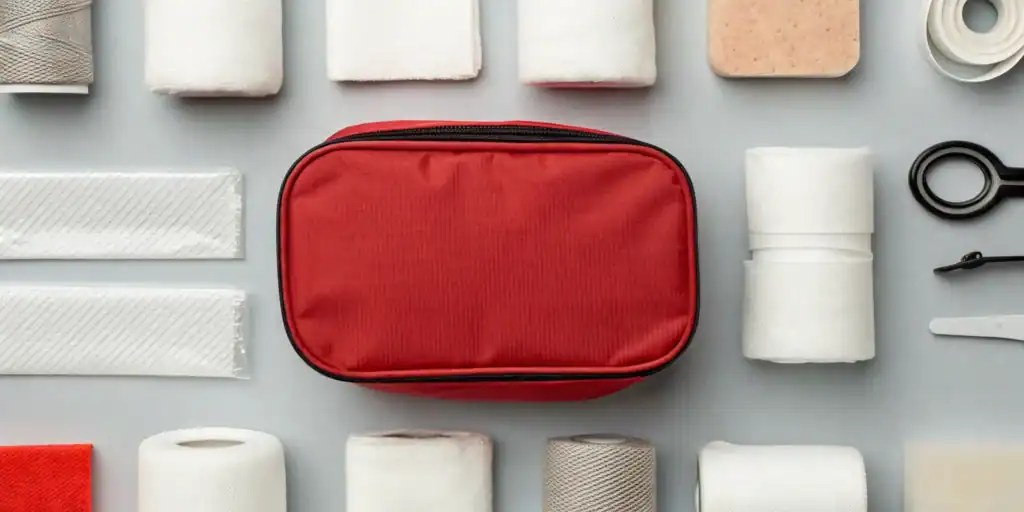
When we think of life-threatening injuries, our minds often jump to major disasters. The reality is that severe bleeding is far more likely to occur during everyday activities. A fall from a ladder, an accident with a power tool, or a simple slip with a sharp knife can become critical in an instant. In these situations, professional medical help is minutes away, but a person can bleed to death much faster. That’s why having a Stop the Bleed kit in your home, car, and workplace is so important. It contains the specific tools needed to manage a traumatic injury at the source, giving you the power to be the help until help arrives.
Key Takeaways
- Recognize a bleeding control kit is for severe trauma, not everyday scrapes: A standard first aid kit handles minor cuts, but a bleeding control kit contains specialized tools like tourniquets and hemostatic gauze to manage life-threatening injuries until help arrives.
- Build the confidence to act with hands-on training: While these kits are designed for anyone to use, taking a course provides the practice and muscle memory needed to respond effectively and decisively under pressure.
- Prioritize quality and perform regular checks: Your kit is only reliable if its components are effective and present. Purchase from a trusted supplier and check your kit annually to replace used or expired items.
What Is a Stop the Bleed Kit?
Think of a Stop the Bleed kit as a specialized tool designed for a single, critical job: to control severe, life-threatening bleeding until professional help arrives. While a standard first aid kit handles everyday cuts and scrapes, a bleeding control kit contains specific medical supplies to manage traumatic injuries where blood loss is the primary concern. These kits are designed to be used by anyone, from trained first responders to everyday people who find themselves in an emergency. Having one means you have the power to take immediate, life-saving action when every second is critical.
What’s Inside the Kit?
When you open a bleeding control kit, you’ll find a focused set of tools meant to address severe trauma. Unlike a general-purpose first aid kit, every item has a specific role in stopping major blood loss.
A typical kit includes:
- A Tourniquet: This is the most important tool for stopping arterial bleeding in a limb. It applies pressure to the extremity to cut off blood flow from the wound.
- Hemostatic Gauze: This special gauze is treated with an agent that helps blood clot much faster than it would on its own. It’s packed directly into a deep wound to control bleeding.
- Compression Bandage: Also known as an emergency trauma dressing, this is used to apply firm, direct pressure to a wound to slow bleeding.
- Gloves and Shears: Protective gloves keep you safe, while trauma shears allow you to quickly cut through clothing to access the injury.
When You Might Need One
Severe bleeding can happen in situations that are more common than you might think. It’s not just for major disasters; serious injuries can occur from car accidents, incidents involving machinery at work, or even a deep cut in the kitchen. The hard reality is that uncontrolled bleeding is a leading cause of preventable death after an injury, and a person can bleed to death in just a few minutes. Having a Stop the Bleed kit accessible at home, in your car, or at your workplace means you are prepared to bridge the crucial gap between when an injury occurs and when medical professionals can take over. It gives you the ability to be the help until help arrives. For a step-by-step walkthrough of the techniques you’ll use with these tools, see our complete guide to controlling severe bleeding in an emergency.
Why Every Home and Workplace Needs a Bleeding Control Kit
Accidents can happen anywhere, from a slip of a kitchen knife to a fall in the workshop or a car collision. While we hope we’ll never face a serious injury, being prepared for one can make all the difference. A standard first aid kit is great for scrapes and minor cuts, but it isn’t equipped to handle life-threatening bleeding. That’s where a bleeding control kit comes in. Having one of these specialized kits in your home, car, or workplace gives you the tools to take immediate, life-saving action when every second is critical. It’s not about expecting the worst; it’s about having the confidence to respond effectively if it happens.
The Reality of Severe Bleeding
It’s a sobering fact, but uncontrolled bleeding is the leading cause of preventable deaths after an injury. When a deep cut or wound occurs, the situation can become critical very quickly. Many people assume these scenarios are rare, but serious accidents can happen during everyday activities. According to some studies, nearly 40% of trauma-related deaths are the result of severe bleeding. Having the right supplies on hand means you can manage an injury at the source, giving a loved one, a coworker, or even a stranger a much better chance of survival while you wait for professional medical help to arrive.
Why Time Is Your Most Critical Resource
In a severe bleeding emergency, time is the one thing you don’t have. A person can bleed to death in as little as two to three minutes, which is often faster than first responders can arrive on the scene. This is the critical window where your actions matter most. Waiting for an ambulance without taking action can have devastating consequences. A bleeding control kit is designed to bridge that gap. It contains specific tools, like tourniquets and hemostatic gauze, that are made to stop major bleeding fast. Owning one of these first aid and bleeding control kits empowers you to become an immediate responder, turning a moment of helplessness into one of decisive, life-saving action.
How to Choose the Right Stop the Bleed Kit
When you’re facing a bleeding emergency, the last thing you want to question is the quality of your tools. Not all bleeding control kits are created equal, and the components inside can make all the difference. A well-designed kit gives you the confidence to act decisively, knowing you have reliable supplies at your fingertips. So, how do you pick the right one? It comes down to a few key features that separate a basic kit from a truly life-saving one.
Your focus should be on the core purpose of the kit: stopping massive blood loss quickly and effectively. This means looking for professional-grade tools that won’t fail under pressure. The most critical items are a high-quality tourniquet for limb injuries and hemostatic gauze for wounds elsewhere on the body. Beyond the essential tools, consider how easy the kit is to access and use. A portable, well-organized pouch with simple, clear instructions is vital, especially when stress is high and every second counts. Let’s walk through what makes a bleeding control kit truly effective, so you can feel prepared for the unexpected.
High-Quality Tourniquets
A tourniquet is designed to stop life-threatening bleeding from an arm or a leg, and it’s arguably the most important item in your kit. When you’re shopping, this is not the place to cut corners. A low-quality tourniquet can break or fail to apply enough pressure, rendering it useless. Look for a kit that includes a windlass-style tourniquet, which uses a rod to tighten the band and secure it in place. This design is trusted by military and emergency medical professionals for its reliability and effectiveness. Make sure the materials are durable and built to withstand the extreme tension required to stop arterial blood flow. A dependable tourniquet is a non-negotiable part of any serious bleeding control setup.
Effective Hemostatic Gauze
What about severe bleeding in areas where you can’t apply a tourniquet, like the neck, shoulder, or groin? That’s where hemostatic gauze comes in. Unlike standard gauze, hemostatic dressings are infused with a special agent that helps the blood clot much faster. When packed firmly into a wound, this gauze creates pressure and accelerates the body’s natural clotting process to stop bleeding at the source. It’s an essential tool for controlling hemorrhage in deep wounds. When choosing a kit, verify that it contains a reputable brand of hemostatic gauze. This advanced supply is a key reason why a dedicated Stop the Bleed kit is far more capable than a standard first aid kit.
Portability and Accessibility
The best emergency kit is the one you have with you when you need it. A bulky, disorganized kit that’s tucked away in a closet is of little use during a crisis. Look for a kit that is compact, lightweight, and easy to carry. Many are designed in durable nylon pouches with bright, recognizable markings, so you can spot them instantly. Features like belt loops or MOLLE straps allow you to attach the kit to a backpack, a vehicle headrest, or your gear, ensuring it’s always within reach. The internal layout matters, too. A well-organized kit with elastic loops and separate compartments keeps everything secure and lets you find what you need without wasting precious time.
Easy-to-Follow Instructions
In a high-stress situation, your ability to recall complex information can decline. That’s why clear, simple instructions are a must-have. An effective Stop the Bleed kit should include a small, durable instruction card with straightforward steps and diagrams. These guides are designed for laypeople, breaking down how to apply a tourniquet and pack a wound in a way that’s easy to understand under pressure. Some kits even label the supplies to correspond with the instructions. This guidance can empower anyone, with or without formal training, to take immediate action and provide critical care until professional help arrives. It’s a simple feature that builds the confidence to respond effectively.
Finding a Reliable Stop the Bleed Kit
Once you know what to look for in a kit, the next step is finding a supplier you can trust. The quality of your bleeding control kit directly impacts its effectiveness in an emergency, so this isn’t the place to cut corners. A reliable supplier won’t just sell you a product; they’ll provide a solution that’s been thoughtfully assembled with high-quality, proven components. It’s about ensuring that when you reach for that kit, every single item inside is ready to perform exactly as it should.
What to Look for in a Reputable Supplier
When you’re shopping for a Stop the Bleed kit, look for a supplier that prioritizes quality and education. A good kit is more than just a bag of supplies; it’s a life-saving tool designed to stop severe bleeding and prevent catastrophic blood loss. The best suppliers offer kits with proven components like a commercial-grade tourniquet and hemostatic gauze. They also understand that having the right tools is only half the battle. That’s why many reputable sources align with the mission of the official Stop the Bleed program, which teaches anyone how to control bleeding and save a life. A trustworthy supplier provides a kit you can depend on and encourages you to get the training you need to use it confidently.
Exploring Response Ready’s Bleeding Control Kits
At Response Ready, we offer a range of bleeding control kits designed by experts for quick and effective use. Each kit is assembled with the essential tools you need to manage a severe bleeding emergency in those critical first minutes. We focus on providing high-quality, reliable supplies so you can act with confidence when it matters most. Our first aid kits include options that are perfect for your home, vehicle, or workplace, ensuring you have the right tools within reach. We believe that preparedness is about confidence, and having a dependable bleeding control kit is a fundamental step toward feeling ready for the unexpected. It’s a simple way to protect yourself and the people you care about.
Stop the Bleed Kit vs. a Standard First Aid Kit
It’s easy to think that any first aid kit has you covered, but when it comes to a serious injury, there’s a critical difference between a standard kit and a Stop the Bleed kit. They are designed for entirely different situations. One handles everyday scrapes, while the other gives you the tools to save a life during a severe bleeding emergency. Understanding this distinction is the first step toward being truly prepared.
Beyond Band-Aids: A Focus on Severe Injury
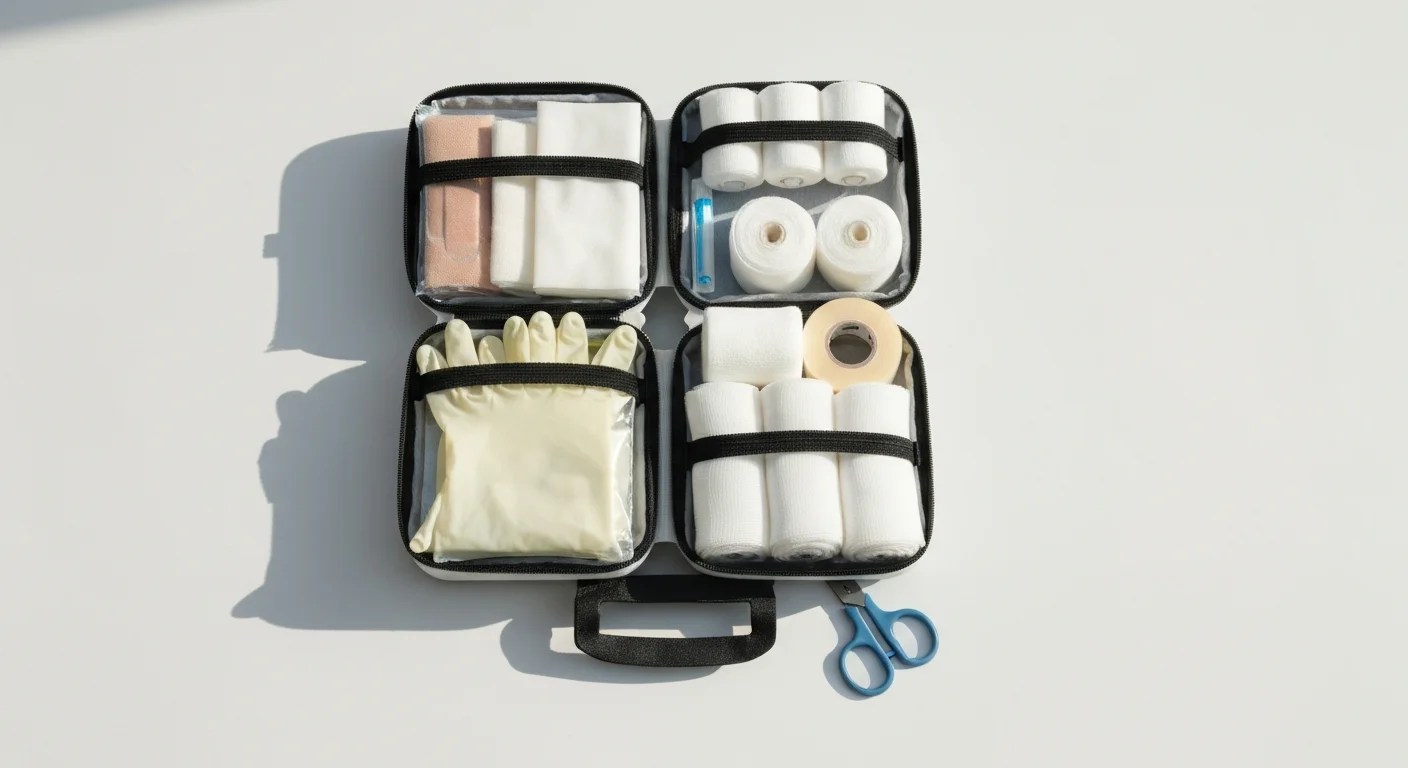
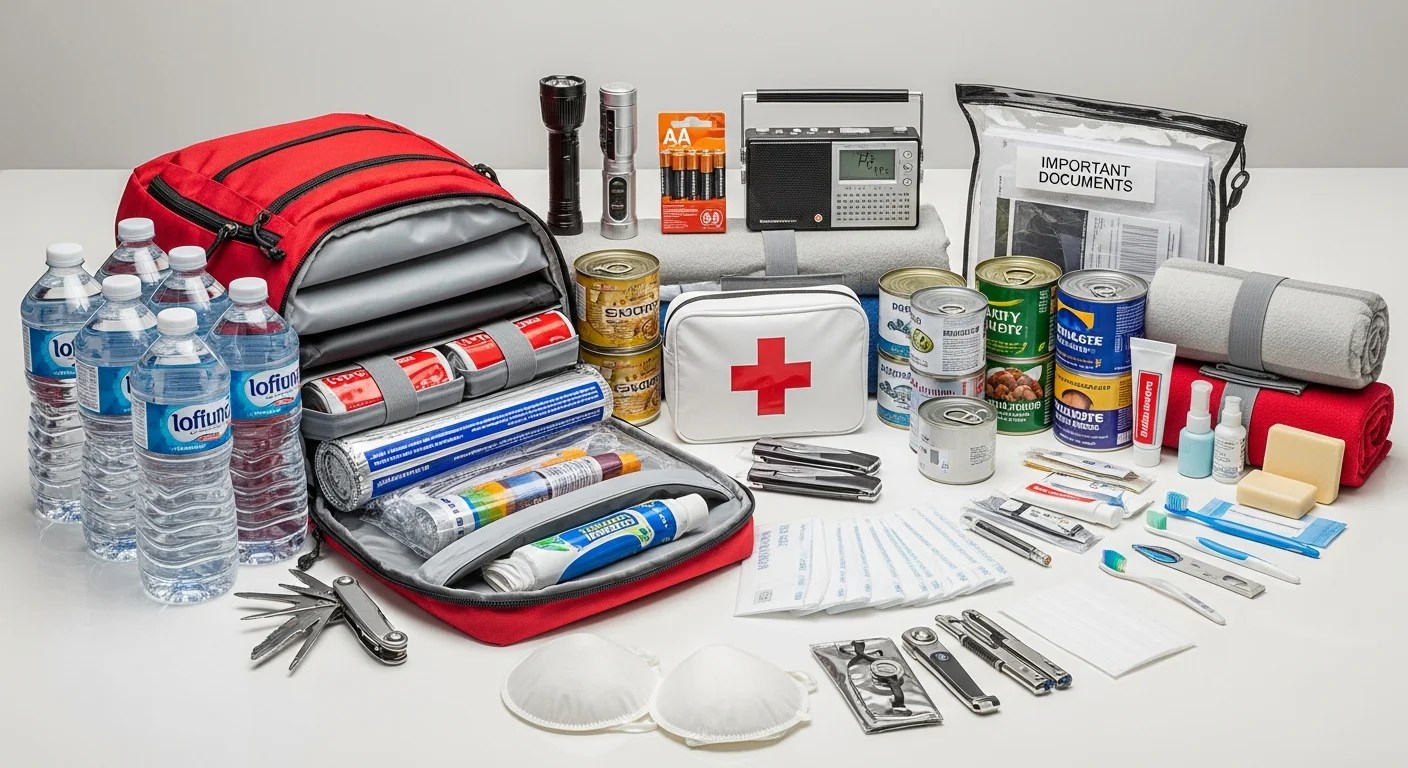
Think of your standard first aid kit. It’s likely filled with adhesive bandages, antiseptic wipes, and maybe some pain relievers. It’s the go-to for scrapes, minor cuts, and everyday bumps and bruises. These kits are incredibly useful for handling the small injuries that happen at home or in the office.
A Stop the Bleed kit, however, serves a completely different and much more critical purpose. It’s not designed for minor injuries. Instead, it’s built to manage life-threatening bleeding in the crucial minutes before professional help arrives. While standard first aid kits are for life’s little mishaps, a bleeding control kit is for life’s biggest emergencies.
The Life-Saving Tools That Make the Difference
The key difference lies in the tools inside. A Stop the Bleed kit contains specialized equipment you won’t find next to the band-aids. This includes a tourniquet to stop catastrophic bleeding in a limb, hemostatic gauze packed with agents to help blood clot quickly, and pressure dressings to apply firm, direct pressure to a wound. These items are specifically designed to control severe hemorrhage, which is a leading cause of preventable death after a traumatic injury. Having access to the right bleeding control kits and knowing how to use these tools can truly be the difference between life and death while waiting for paramedics.
Do You Need Training to Use a Stop the Bleed Kit?
This is a great question, and the simple answer is that anyone can use a Stop the Bleed kit. They are designed with clear, step-by-step instructions so that an untrained bystander can provide immediate care during a crisis. The tools inside, like the tourniquet and gauze, are straightforward and meant for use under pressure. So, technically, no, you don’t need formal training to open the kit and follow the directions.
However, the better answer is that training is highly recommended. In a real emergency, your hands might be shaking and your mind racing. Having practiced the steps beforehand can make all the difference, allowing muscle memory to take over when you need it most. Training transforms the kit from a box of supplies into a familiar set of tools you know how to use effectively. It’s not just about learning the “how” but also building the confidence to act decisively when every second is critical. Taking a course helps you understand the principles behind bleeding control, preparing you to adapt to the situation at hand. It bridges the gap between owning the right equipment and being truly ready to use it. While the kit provides the tools, training provides the proficiency and peace of mind to make a life-saving difference.
The Value of Official Certification
While you can learn the basics on your own, there’s a unique benefit to getting an official certification. The national Stop the Bleed initiative offers courses designed to teach anyone how to control severe bleeding and save a life. In these classes, you get hands-on practice applying a tourniquet correctly and packing a wound with gauze. An instructor provides real-time feedback, ensuring you’re using the right amount of pressure and proper technique. This kind of practical experience is invaluable and simply can’t be replicated by watching a video. Official certification ensures you’re learning proven methods from a credible source, giving you a solid foundation of life-saving skills.
How Training Builds the Confidence to Act
Having a bleeding control kit is the first step, but having the confidence to use it is just as important. Emergency situations are inherently stressful, and it’s natural to feel hesitant or overwhelmed. This is where training truly shines. By practicing in a calm, controlled environment, you build familiarity with the tools and the process. This preparation helps reduce panic and empowers you to step in and take charge. Instead of being a bystander, you become a capable first responder. The goal of emergency response training is to build the self-assurance you need to act quickly and effectively, turning knowledge into life-saving action.
Learning on Your Own Time
If attending a formal class isn’t possible right now, don’t let that stop you from preparing. You can still take meaningful steps to learn these essential skills. Start by opening your bleeding control kit and familiarizing yourself with every item inside. Read the instruction card thoroughly. Watch official instructional videos from reputable sources like the Stop the Bleed campaign or the American Red Cross. You can even practice applying a tourniquet to your own arm or leg to get a feel for how it works. While it’s not a substitute for hands-on instruction, this self-directed learning is a powerful way to prepare yourself to respond effectively.
Common Myths About Stop the Bleed Kits, Busted
When it comes to emergency response, hesitation can be just as dangerous as the injury itself. Unfortunately, a lot of outdated information and common myths about bleeding control can make people second-guess their ability to help. Knowing the facts is the first step toward feeling confident enough to act when someone is severely injured. Let’s clear up a couple of the biggest myths surrounding Stop the Bleed kits so you can be ready to respond effectively.
Myth: Tourniquets Are Dangerous
This is probably the most common concern we hear. Many people worry that applying a tourniquet will automatically lead to limb loss. While any medical device can cause harm if used incorrectly, the reality is that a properly applied tourniquet is a critical life-saving tool. In cases of severe arterial bleeding from an arm or leg, uncontrolled blood loss is the immediate threat to life, not the tourniquet. Modern tourniquets included in high-quality bleeding control kits are designed to be safe and effective, stopping blood flow quickly to prevent death. The risk of dying from severe bleeding is far greater than the risk of complications from a tourniquet.
Myth: You Need to Be a Medical Pro to Use One
You absolutely do not need a medical degree to save a life. Stop the Bleed kits are specifically designed for bystanders to use in the critical minutes before professional help arrives. The tools inside, like tourniquets and hemostatic gauze, are straightforward and come with simple instructions. The entire Stop the Bleed initiative was created to empower everyday people with the skills to act. While formal emergency response training is an excellent way to build your confidence and practice these skills, the basic steps are simple enough for anyone to follow in an emergency. The goal is to give you the tools and knowledge to be an immediate responder.
Where to Get Your Kit (and What to Expect to Pay)
Once you understand the importance of having a bleeding control kit, the next step is finding the right one. It can feel a little overwhelming with all the options out there, but it really comes down to choosing a reliable supplier and understanding what you’re paying for. Let’s break down where to find a quality kit and what kind of investment you can expect to make for this essential piece of safety equipment.
Finding a Trusted Online Supplier
When you’re buying life-saving equipment, you can’t afford to cut corners. The market is full of options, but not all kits are created equal. It’s essential to purchase from a reputable supplier to ensure the components, especially the tourniquet, are authentic and effective. Look for retailers that specialize in emergency medical supplies and are transparent about the brands they carry. For example, the official STOP THE BLEED® campaign licenses specific kits to guarantee quality. At Response Ready, we offer a curated selection of bleeding control kits that meet high standards, so you can feel confident that your tools will work when you need them most.
What Determines the Cost?
The price of a bleeding control kit depends on a few key factors: the number of components, the quality of those components, and the kit’s intended use. A compact kit for your personal backpack might cost between $45 and $75. These typically include one tourniquet, compressed gauze, and gloves. Larger, more comprehensive kits designed for a public space or a vehicle can range from $400 to over $500. These often contain multiple sets of supplies to treat several people. While it might be tempting to go for the cheapest option, remember that you’re paying for reliability. A well-made tourniquet and effective hemostatic dressing are worth the investment.
Options for Individuals, Families, and Organizations
Bleeding control kits aren’t one-size-fits-all. Your needs will determine the best kit for you. An individual might want a small, portable kit to keep in their car or hiking bag. A family might opt for a slightly larger kit to store at home with their other emergency supplies. For organizations like schools, offices, or community centers, a public access wall-mounted station is a great solution, making supplies visible and accessible to everyone. The goal is to have the right tools within reach, no matter the setting. Reputable suppliers offer a wide range of first aid kits to meet these different needs, ensuring everyone can be prepared.
How to Maintain Your Stop the Bleed Kit
Owning a bleeding control kit is a fantastic first step toward being prepared. But preparedness doesn’t stop at the purchase. To ensure your kit is effective when you need it most, you need to perform regular maintenance. Think of it like checking the batteries in your smoke detector. A few simple checks can make all the difference in an emergency. By keeping your kit properly stocked and up to date, you can be confident that it’s ready to go at a moment’s notice.
Check Expiration Dates
Many people are surprised to learn that items in a bleeding control kit can expire. Components like hemostatic dressings and sterile gauze have shelf lives. Once they pass their expiration date, their sterility and effectiveness can no longer be guaranteed. Using an expired product could fail to stop bleeding properly or even introduce infection into a wound. Get into the habit of checking your kit at least once a year. A great way to remember is to set a recurring reminder on your phone or calendar. This simple check ensures the life-saving supplies inside are ready to perform as expected during a critical moment.
Take Regular Inventory
It’s easy for a kit to become depleted over time, especially in a busy workplace or household. Someone might borrow the trauma shears or use a pair of gloves for a non-emergency task and forget to replace them. That’s why taking a regular inventory is so important. Your kit should come with a list of its contents. Keep that list inside the kit and use it as a checklist during your annual review. Make sure every single item is present and in good condition. These kits provide crucial tools for those first few minutes after an injury, and you want to be certain everything you might need is right where it should be.
Know When to Replace Supplies
The rule for replacing supplies is simple: if you use anything, replace it immediately. Don’t wait. Even if you only use a single pair of gloves, restock your kit right away so it’s complete for the next emergency. You should also replace any items that are approaching their expiration date. It’s better to replace them a few months early than to be caught with expired supplies. Many suppliers offer individual refills, making it easy to swap out old items without having to buy a whole new kit. Keeping your bleeding control kit fully stocked and current is a core part of being truly response-ready.
Related Articles
- Professional Bleeding Control Kits | Emergency Preparedness — Response Ready
- Bleeding Control Kit – Premium Emergency Kit for Severe Bleeding — Response Ready
- BleedStop Single 300 Bleeding Wound Trauma First Aid Kit — Response Ready
- BleedStop Single 200 Bleeding Wound Trauma First Aid Kit | Emergency Care
Frequently Asked Questions
How is a Stop the Bleed kit different from my regular first aid kit? Think of it this way: your standard first aid kit is for everyday problems like scrapes, small cuts, and splinters. A Stop the Bleed kit is for a single, very serious problem: life-threatening bleeding. It contains specialized tools you won’t find in a regular kit, such as a tourniquet and hemostatic gauze, which are designed specifically to control severe blood loss until medical professionals can take over.
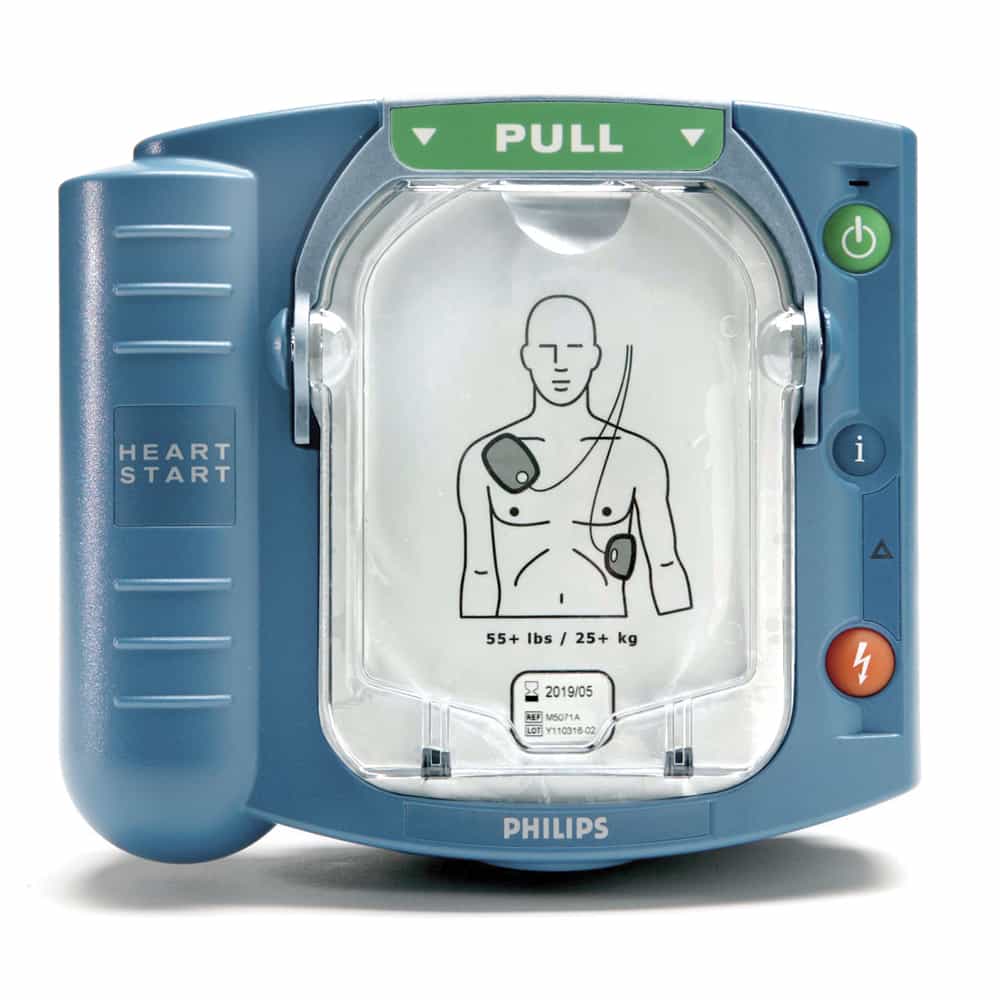
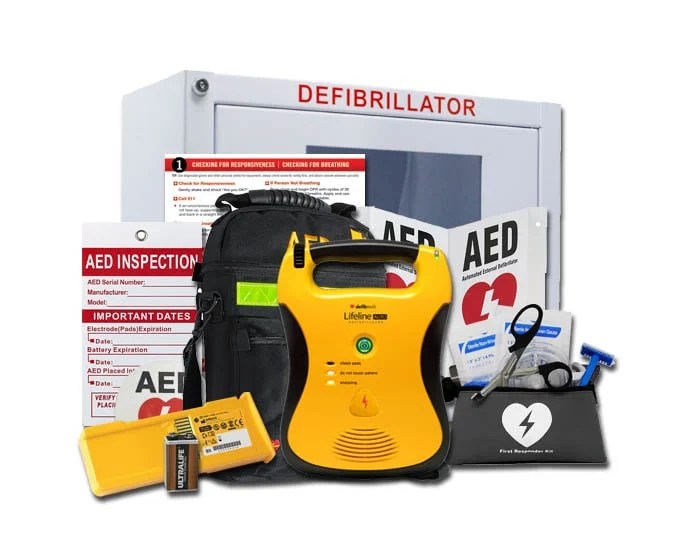
Where is the best place to keep a bleeding control kit? The most effective kit is the one you can get to quickly. I recommend keeping one in high-traffic or high-risk areas where an accident is more likely to occur. Good spots include your car, the kitchen, a workshop, or with your camping gear. For businesses or public spaces, it should be stored in a central, visible location, much like a fire extinguisher or an AED.
I’m worried about using a tourniquet. Isn’t it dangerous? This is a very common and understandable concern, but it’s based on outdated information. In a true life-threatening bleeding situation from an arm or leg, a tourniquet is the most effective tool you can use. The immediate risk of a person bleeding to death is far greater than any potential complications from the tourniquet. Modern, commercially made tourniquets are designed to be safe and are a critical tool for saving a life.
Can I just build my own kit instead of buying one? While you technically could assemble your own kit, it comes with risks. The most critical components, especially the tourniquet, must be high-quality and authentic, as counterfeit versions can fail under pressure. Buying a pre-assembled kit from a trusted supplier ensures that every item is professional-grade and reliable. It removes the guesswork and gives you confidence that your tools will work when it matters most.
Do I need to replace the items in my kit? Yes, maintaining your kit is just as important as owning it. Some items, like sterile dressings and hemostatic gauze, have expiration dates that you should check annually. More importantly, if you ever use any item from the kit, even just a pair of gloves, you should replace it immediately. This ensures your kit is always complete and ready for an emergency.
Disclaimer for information purposes only:
The information provided on this website is intended for general educational and informational purposes only. It is not medical advice and should not be used as a substitute for professional diagnosis, treatment, or care. Always consult a qualified healthcare or medical professional regarding any health-related questions or concerns.
While we strive to ensure the information shared is accurate and up to date, no guarantees are made regarding completeness, accuracy, or applicability to any individual situation. Use of this content is at the reader’s sole discretion and risk.
This website is part of the Response Ready family of emergency preparedness and training resources, including CPR & first aid training and compliance services, AED sales and program support, AED program management software, and medical oversight solutions provided through our affiliated platforms:
• CPR1.com
• AEDLeader.com
• AEDTotalSolution.com
• MDSIMedical.com
By accessing or using this website, you agree to release, indemnify, and hold harmless the website owners, authors, contributors, and affiliated entities from any claims, losses, damages, or liabilities arising from the use or reliance on the information presented.