- Published
- March 25, 2026
The 4 Best FDA-Approved AEDs for Home Use


You likely have a well-stocked first aid kit for cuts and scrapes and a fire extinguisher for the kitchen. Adding an AED to your home is the next logical step in creating a complete safety plan for your family. Sudden cardiac arrest can happen to anyone, at any age, often without warning. Having the right tool on hand is a practical measure that prepares you for one of life’s most serious emergencies. The great news is that these devices are no longer just for hospitals and airports. We’ll show you how an FDA-approved AED for home use can fit seamlessly into your preparedness plan, giving you a powerful way to protect your loved ones.
Key Takeaways
- Trust the device to guide you: Modern home AEDs are built for untrained responders, providing clear voice instructions and built-in safety features that prevent accidental shocks, so you can act confidently even without a medical background.
- Empower your family with a simple plan: Preparedness is a team effort. Create a simple “Call 911, Push on the chest, Shock with the AED” plan, make sure everyone knows where the device is stored, and consider a CPR course to build confidence.
- Make readiness simple with smart maintenance: Owning an AED is easier than you think. Choose a device with low-maintenance alerts, keep a spare set of pads and a battery, and store it in an accessible spot to ensure it’s always ready to go.
What Is an AED and Why Have One at Home?
An Automated External Defibrillator, or AED, is a portable, user-friendly medical device that can save the life of someone experiencing sudden cardiac arrest (SCA). When a person’s heart suddenly stops beating effectively, an AED analyzes its rhythm and, if necessary, delivers a controlled electric shock to help restore a normal heartbeat. Think of it as a smart, life-saving tool that anyone can use.
While you often see AEDs in public places like airports and gyms, the reality is that most cardiac arrests happen at home. When an emergency strikes, every second is critical. Waiting for paramedics to arrive can take precious minutes, and a person’s chance of survival decreases significantly with each minute that passes without help. Having one of the AEDs for sale in your home means you can act immediately, giving a loved one the best possible chance of survival. It’s a key piece of equipment for a truly prepared home, just like a fire extinguisher or a well-stocked first aid kit.
How an AED Can Save a Life
During a sudden cardiac arrest, the heart’s electrical activity becomes chaotic, and it can no longer pump blood to the brain and other vital organs. An AED is the only thing that can correct this specific electrical problem. When you apply the device’s pads to a person’s chest, it automatically analyzes their heart rhythm to determine if a shock is needed.
Using an AED within the first few minutes of cardiac arrest can dramatically increase survival rates. When combined with CPR, it creates a powerful bridge of life-sustaining care until medical professionals arrive. Modern AEDs are designed to guide you through the entire process with clear voice prompts and simple instructions, so you don’t need a medical degree to make a difference. Taking a CPR and AED training course can build even more confidence, ensuring you’re ready to act decisively.
Is a Home AED Right for Your Family?
Anyone can purchase an AED for their home, and it’s an essential tool for families who want to be ready for anything. It’s an especially important consideration if a household member has a known risk of cardiac arrest, such as a history of heart disease, previous heart attacks, or a genetic predisposition to heart conditions. For these families, having an AED nearby provides an invaluable layer of protection and peace of mind.
But you don’t need to have a high-risk individual in your home to justify having one. Sudden cardiac arrest can happen to anyone, at any age, and often without warning. Investing in one of our AED packages is about creating a safety net for your family, friends, and even neighbors. It’s a proactive step toward ensuring your home is a safe haven where you’re equipped to handle one of life’s most serious emergencies.
What Are the Best FDA-Approved AEDs for Home Use?
Choosing an Automated External Defibrillator (AED) for your home is a powerful step toward protecting your family. But with so many options, how do you know which one is right for you? The good news is that you don’t have to be a medical professional to own or use one. Modern home AEDs are specifically designed for lay responders—people just like you—with clear instructions and built-in safety features. All the devices recommended here are FDA-approved, which means they’ve met strict standards for safety and effectiveness.
Think of a home AED as a vital part of your family’s safety plan, just like a fire extinguisher or a first aid kit. It’s a tool you hope you never need, but having it provides incredible peace of mind. We’ve reviewed the top models to help you find a reliable device that fits your family’s needs. You can explore a full range of AEDs for sale to see which one feels like the best fit for your home. Let’s look at some of the most trusted and user-friendly options available.
Our Top Recommendations for Home AEDs
When you’re looking for a home AED, the most important features are ease of use, clear guidance, and reliability. You want a device that you can grab in an emergency and operate confidently, even under stress. The models we’ve selected are all celebrated for their intuitive designs and straightforward voice prompts that walk you through every step of the process. Each one has slightly different features, from CPR feedback to simplified maintenance, allowing you to choose the device that best aligns with your comfort level and budget. These are the AEDs that consistently earn top marks for home use.
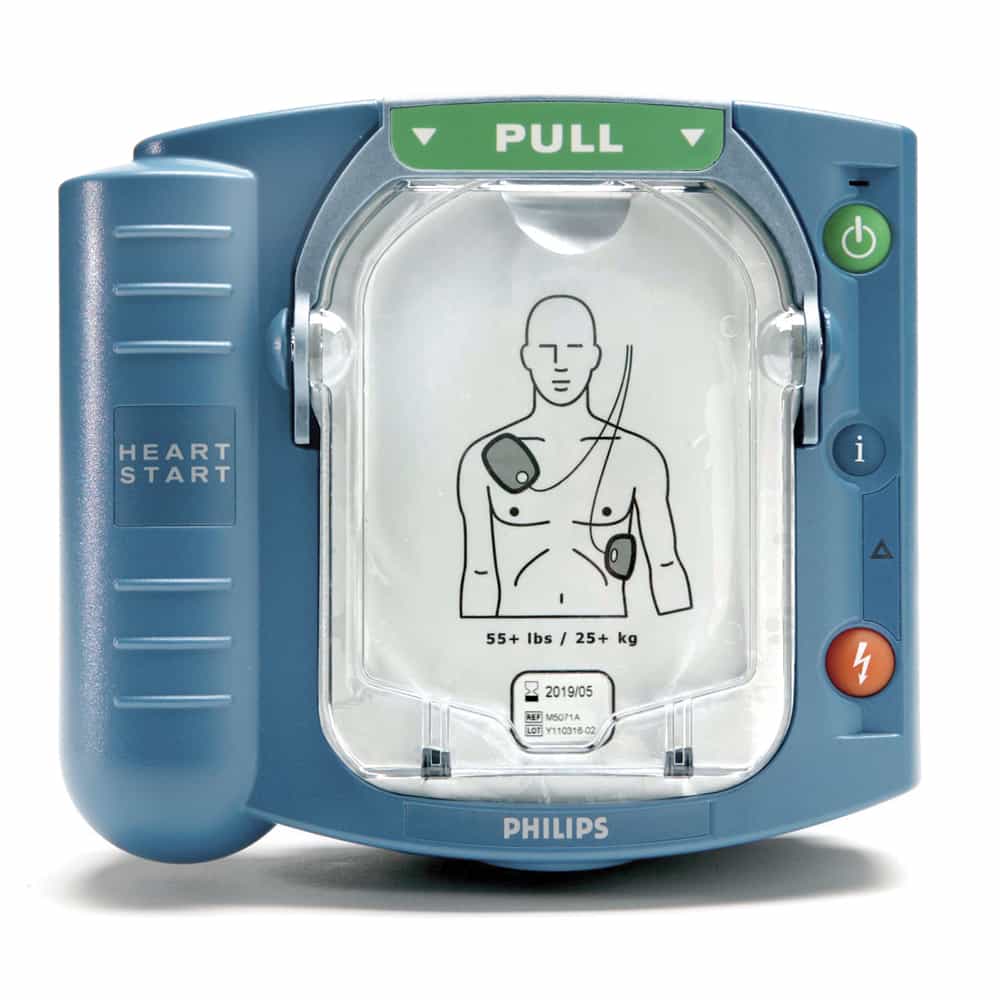
Philips HeartStart OnSite HS1
The Philips HeartStart OnSite is one of the most popular choices for home use, and for good reason. It’s the only AED that’s FDA-approved for over-the-counter sale, meaning you don’t need a prescription to buy one. This makes it incredibly accessible for any family wanting to be prepared. The device is designed to be ready right out of the box, with clear, calm voice prompts that guide you through everything from placing the pads to delivering a shock. It even provides CPR coaching to help you perform effective chest compressions. Its simplicity makes it a fantastic choice for anyone, regardless of training.
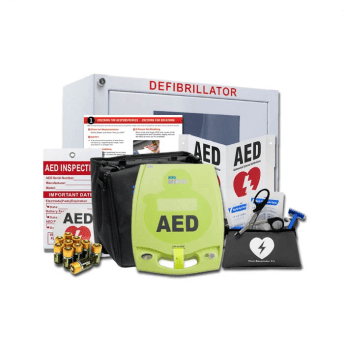
ZOLL AED Plus
If you’re looking for a little extra support during an emergency, the ZOLL AED Plus is an outstanding option. Its standout feature is Real CPR Help®, which gives you real-time feedback on your chest compressions. The device will tell you to “push harder” or confirm “good compressions,” so you know you’re performing CPR effectively. This coaching can make a huge difference in a high-stress situation. The ZOLL AED Plus also uses consumer lithium batteries that are easy to find and replace, and its visual and audio prompts are clear and easy to follow, making it a trusted companion for lay responders.
HeartSine Samaritan PAD Series
The HeartSine Samaritan PAD series is known for being compact, lightweight, and incredibly easy to maintain. Its most unique feature is the innovative Pad-Pak, which combines the battery and electrode pads into a single, easy-to-replace cartridge. This means you only have one expiration date to track, simplifying upkeep. When it’s time for a replacement, you just swap out the old Pad-Pak for a new one. This design makes it one of the most low-maintenance AED packages available. Its simple operation and portability make it a great fit for active families who might want to take it on the go.
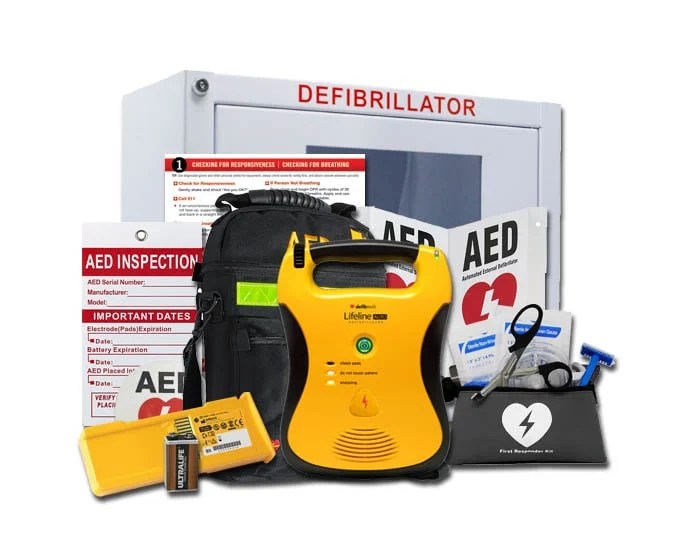
Defibtech Lifeline AED
The Defibtech Lifeline AED is built for simplicity and durability. With its bright yellow color and rugged design, it’s easy to spot and built to last. This device features a simple, two-button interface—one to turn it on and one to deliver a shock—which helps remove confusion during an emergency. The voice prompts are loud and clear, guiding you confidently through the entire rescue process. The Lifeline AED is praised for its straightforward, no-fuss operation, making it a reliable and practical choice for any home environment where you want a device that is both tough and incredibly easy to use.
Choosing a Home AED: What Features Matter Most?
When you’re looking for an AED for your home, it’s easy to feel overwhelmed by the options. The good news is that all FDA-approved AEDs for sale are designed to be safe and effective. However, some features are particularly important for home use, where the person using the device likely won’t have medical training. In a moment of crisis, you want a device that is simple, reliable, and ready to go.
Thinking about these key features will help you choose a device that fits your family’s needs and gives you the confidence to act. Let’s break down the most important things to look for.
Simple Instructions and Voice Guides
In a cardiac emergency, stress is high, and clear guidance is everything. The best home AEDs are designed specifically for untrained bystanders. They provide calm, clear voice prompts that walk you through every step, from applying the electrode pads to delivering a shock. These guides are like having an expert by your side, telling you exactly what to do and when to do it. The device automatically analyzes the person’s heart rhythm, so you don’t have to make any complex decisions. It ensures that even someone with no prior experience can use it effectively and confidently.
Portability and Easy Storage
Your home AED needs to be accessible in seconds. Look for a model that is lightweight and compact, making it easy to grab and carry to wherever it’s needed. A portable device can be stored conveniently in a central location, like a hall closet or under a kitchen sink, without taking up much space. Many AED packages come with a carrying case, which keeps the device and its accessories protected and ready for a sudden emergency. The goal is to reduce any delay in response time, and having a portable AED is a key part of that.
Battery Life and Maintenance Alerts
One of the biggest concerns people have about owning an AED is maintenance. You want to be sure the device will work when you need it most. Modern home AEDs are designed to be low-maintenance, performing regular self-checks to verify that the battery, pads, and internal systems are all functioning correctly. They will alert you with a visual or audible signal if the AED battery is low or the pads are expiring. This self-monitoring feature provides peace of mind, ensuring your AED is always ready for an emergency without requiring constant attention from you.
Smart Technology for Safe Use
A common fear is accidentally harming someone with an AED, but smart technology makes this impossible. An AED will only deliver a shock if it detects a life-threatening heart rhythm that can be corrected by one. It will not shock a person with a normal heartbeat. Many devices also have smart sensors that automatically adjust the shock level to what is needed, providing a customized response. This intelligent analysis removes the guesswork and makes the device incredibly safe to use. This technology is a core reason why CPR & AED training emphasizes trusting the machine to guide your actions.
Understanding the Cost of a Home AED
An AED is a significant investment in your family’s safety, and it’s smart to understand the full financial picture before you buy. The price of a home AED includes the initial cost of the device itself, plus the long-term expenses for essential maintenance like replacing pads and batteries. While it might seem like a big purchase, think of it as a one-time investment in a tool that could save a life.
The total cost can vary depending on the model you choose, the features it includes, and whether you purchase it as part of a package. Some AED packages come with a carrying case, a wall cabinet, and a first aid kit, which can be a cost-effective way to get everything you need at once. Let’s break down what you can expect to pay for the device and its upkeep.
A Price Comparison of Top Models
When you start shopping for a home AED, you’ll find that prices for affordable home AED models generally range from about $1,500 to over $2,500. For example, the Philips HeartStart OnSite, a popular choice for home use, is typically priced around $1,500. Other highly-rated devices, like the ZOLL AED Plus or the Physio-Control LIFEPAK CR2, can cost between $2,000 and $2,700. This price difference often reflects variations in features, technology, and warranty length. While it’s tempting to go for the lowest price, it’s more important to choose a reliable, FDA-approved device that you feel confident using.
Factoring in Pads, Batteries, and Accessories
The initial purchase isn’t the only expense to plan for. AEDs require ongoing maintenance to stay rescue-ready, which means replacing key components before they expire. Both the electrode pads and the battery have a shelf life, typically lasting between two to five years. For a model like the Philips HeartStart, a set of replacement pads and batteries usually costs less than $300. It’s a predictable expense that ensures your device will work when you need it most. Many AEDs also perform regular self-checks and will alert you when it’s time for a replacement, taking the guesswork out of maintenance.
Exploring Insurance and Payment Options
A common question is whether health insurance will cover the cost of a home AED. In most cases, the answer is no. However, if a doctor has determined that you or a family member has a high risk of sudden cardiac arrest, it’s worth contacting your insurance provider to see if any coverage is available. If the upfront cost is a concern, some suppliers offer flexible options. For instance, an AED rental program can make a device more accessible by spreading the cost over time while including maintenance and support, ensuring your device is always ready to go.
Common Myths About Home AEDs, Busted
The idea of keeping a medical device at home can feel intimidating, and it’s easy to let misconceptions get in the way of being prepared. Let’s clear up some of the most common myths about automated external defibrillators (AEDs). Understanding the facts can help you feel more confident about having this life-saving tool ready for your family. When you separate fact from fiction, you’ll see that modern AEDs are designed to be safe, straightforward, and accessible for everyone.
Myth: They’re too complex for untrained users.
Many people think AEDs are reserved for doctors and paramedics, but that couldn’t be further from the truth. Modern AEDs for sale are specifically designed for people with no medical background. When you open the device, it immediately begins speaking to you with clear, calm voice instructions that guide you through every step, from placing the pads on the person’s chest to when to stand clear. The goal is to make the process as simple as possible during a high-stress emergency. You don’t need to be an expert; you just need to be able to listen and follow directions.
Myth: They can accidentally shock someone.
This is a common fear, often fueled by dramatic movie scenes. In reality, AEDs are incredibly safe. They contain smart technology that analyzes a person’s heart rhythm to determine if a shock is actually needed. An AED will not deliver a shock unless it detects a life-threatening arrhythmia like ventricular fibrillation. If the person’s heart has a normal rhythm or no rhythm at all (asystole), the device will not advise a shock. This built-in safety feature ensures you can’t accidentally harm someone, making the device safe for both the responder and the patient.
Myth: Only people with known heart conditions need one.
While having a family member with a known heart condition is a good reason to get a home AED, it’s not the only one. Sudden cardiac arrest (SCA) can happen to anyone, at any age, regardless of their health history. It can be triggered by electrical abnormalities in the heart, not just pre-existing conditions. Having an AED at home prepares you for the unexpected, whether it’s for a family member, a neighbor who stops by, or a visitor. It’s a tool that provides peace of mind for any household, because you never know when a cardiac emergency might occur.
Myth: They are too expensive for most families.
The cost of an AED is a valid concern, but there are more options available than you might think. While a new device can be an investment, its value in a life-or-death situation is immeasurable. To make preparedness more accessible, there are different pathways to ownership. You can find high-quality, refurbished AEDs at a lower price point. Another great option is an AED rental program, which allows you to have a fully maintained device in your home for a low monthly fee. This makes it easier for more families to fit this essential safety tool into their budget.
Do You Need Training to Use a Home AED?
This is one of the most common questions people ask, and the straightforward answer is no—you don’t technically need formal training to use a home AED. Modern devices are brilliantly designed to be used by anyone, regardless of their medical background. However, the better answer is that while it’s not required, getting trained is one of the best things you can do to prepare. Training builds the confidence and skills you need to act decisively in a high-stress emergency, making you a more effective first responder for your loved ones.
How Built-In Guides Help You Respond
The moment you open a home AED, it comes to life and starts guiding you. Automated External Defibrillators are designed to be incredibly simple, giving clear voice and visual instructions for every step. From where to place the electrode pads on the chest to when to stand clear before a shock is delivered, the device is your calm and steady partner. This user-friendly design ensures that even in a chaotic and emotional situation, you can follow the prompts to deliver a potentially life-saving shock. The machine does the hard work of analyzing the heart rhythm and determining if a shock is needed, removing any guesswork on your part.
Why CPR Training Is a Perfect Partner to Your AED
While an AED is a powerful tool, it works best when combined with high-quality CPR. Taking a training course is highly recommended because it equips you with the skills to perform CPR effectively, which is crucial in the moments before the AED is ready. An AED can restore a normal heart rhythm, but CPR keeps oxygenated blood flowing to the brain and other vital organs. A great course will teach you how these two interventions work together. Our certified CPR & AED Training builds the muscle memory and confidence you need to manage the entire emergency, not just operate the device.
Finding the Right Training for Your Family
Getting your family trained is easier than you might think. Reputable organizations like the American Heart Association and the American Red Cross offer certified courses nationwide. In a typical class, you’ll get hands-on practice with mannequins and trainer AEDs. According to the American Red Cross, these courses give you practical knowledge on how to identify when an AED is necessary, operate it safely, and apply the electrode pads correctly. Learning these skills in a relaxed environment empowers you to act without hesitation when seconds count. Look for a class in your community and consider making it a family activity—preparedness is a team effort.
How to Maintain Your Home AED
Bringing an AED into your home is a powerful step toward protecting your family. But just like the smoke detectors on your ceiling, your AED needs a little attention to ensure it’s ready to go when every second counts. The great news is that maintaining your device is incredibly simple. It doesn’t require any special skills or a lot of time—just a few minutes each month to create a routine. This small commitment ensures your life-saving equipment is always prepared, giving you and your loved ones true peace of mind. Think of it as a simple check-up for one of the most important tools in your home.
Simple Daily and Monthly Checks
A quick monthly check-in is all it takes to keep your AED in top shape. Most devices perform their own regular self-tests and have a clear status indicator—usually a green light or a checkmark—that tells you everything is working correctly. If that light is green, you’re good to go. While you’re there, take a quick glance at the expiration dates printed on the electrode pad packaging. Setting a recurring reminder on your phone for the first of the month is a great way to make this simple but vital task a habit.
When to Replace Pads and Batteries
The two main components you’ll need to replace over time are the AED pads and the battery. Electrode pads typically expire every two to three years, even if they haven’t been used, because the adhesive gel that helps them stick to the body dries out. AED batteries usually last between two and five years, depending on the model. The expiration dates are clearly marked on the packaging, so there’s no guesswork involved. Some models even combine the pads and battery into a single cartridge with one expiration date, making replacement even easier.
Storing Your AED for Instant Access
Where you keep your AED is just as important as keeping it maintained. In an emergency, you won’t have time to search, so store your device in a central, accessible, and unlocked location. Think of a spot like the hall closet, under the kitchen sink, or in the laundry room—somewhere everyone can get to quickly. Avoid tucking it away in a dusty attic or a locked cabinet. Once you’ve picked a spot, make sure everyone in your home knows where it is. Point it out to babysitters and frequent guests, too. The goal is for anyone to be able to find it without hesitation.
Where to Buy an FDA-Approved Home AED
Once you’ve decided to bring an AED into your home, the next step is finding the right place to buy it. This decision is just as important as choosing the model itself. You want to be sure you’re getting a reliable, FDA-approved device from a source you can trust. A reputable supplier won’t just sell you a machine; they’ll be a partner in your preparedness, offering support and ensuring you have everything you need for the life of the device.
When you’re ready to purchase, you’ll find options ranging from direct distributors to online retailers. The key is to look for a seller who is an authorized distributor for the brands they carry. This ensures the device is authentic and covered by the manufacturer’s warranty. A good supplier will also be transparent about the long-term costs of ownership, including replacement pads and batteries, and will be available to answer your questions long after your purchase. Taking the time to find the right partner makes the entire process smoother and gives you confidence in the tool you’re counting on to protect your family.
How to Choose a Trusted Supplier
Think of your AED supplier as a long-term partner. You’re not just buying a product; you’re investing in a life-saving system. A trusted supplier should be an authorized distributor of the AEDs they sell, which means they have a direct relationship with the manufacturer. This is your best guarantee that you’re getting a genuine, factory-new device.
Beyond that, look for a supplier that provides excellent customer support and is upfront about the total cost of ownership. The initial price is just one part of the equation. You’ll also need to plan for replacing AED pads and batteries down the road. A great supplier will help you understand these future costs and provide reminders when it’s time for replacements, ensuring your device is always ready.
What to Look for When You Shop
When you’re comparing different AEDs for sale, your first priority should be confirming that the device and its accessories are FDA-approved. This is non-negotiable, as it ensures the AED meets strict safety and effectiveness standards. Next, consider the features that will make it easiest for your family to use in an emergency. Look for a model with clear, calm voice instructions and simple visual guides.
Also, think about who might need it. If you have children or frequent young visitors, you’ll want an AED with pediatric capabilities or separate pads designed for children. Many home AEDs are designed to be incredibly user-friendly, with features like automatic shock delivery that remove any guesswork. Shopping with these key features in mind will help you find a device that fits your family’s needs perfectly.
Comparing AED Packages and Rental Programs
Purchasing an AED for your home can be done in a couple of ways, and the right choice often comes down to your budget and preferences. Buying an AED outright is the most common path. Many suppliers offer AED packages that bundle the device with essential accessories like a carrying case, a wall cabinet, and a response kit. This is often the most economical way to get everything you need at once.
If the upfront cost is a concern, an AED rental program can be an excellent alternative. Renting provides you with a top-quality AED for a low monthly fee. These programs often include automatic replacement of pads and batteries before they expire, taking the guesswork out of maintenance. It’s a flexible and affordable way to ensure your home is protected without a large initial investment.
Must-Have Accessories for Your Home AED
Bringing an AED into your home is a huge step toward protecting your family. But the device itself is just one piece of the puzzle. Having the right accessories on hand ensures your AED is always ready to use and that you can respond as effectively as possible during a stressful emergency. Think of these items as the essential support system for your life-saving device. From spare parts to smart storage, the right AED accessories help you stay organized and confident, knowing you have everything you need when every second counts.
Keeping Spare Pads and Batteries on Hand
AED pads and batteries don’t last forever; they have expiration dates, typically every two to five years. The last thing you want in an emergency is to grab your AED and find that its components are expired. That’s why keeping a spare set of AED pads and an extra battery is one of the smartest things you can do. Having replacements on hand means your device is always ready for use. When you use a set of pads or when a battery expires, you can immediately swap in the new ones without any downtime while you wait for an order to arrive.
Smart Storage and Wall Mounts
When a cardiac arrest happens, you don’t have time to search for your AED. It needs to be stored in a central, unlocked, and easy-to-reach location that everyone in the family knows about, like a hall closet or kitchen pantry. Storing it in a locked room or buried in the back of a closet can waste precious time. To make your AED even more visible and accessible, consider a designated wall mount or cabinet. This not only keeps the device secure and protected from dust or damage but also makes it easy for anyone to find and grab it in a hurry.
Other Essential Emergency Supplies
A cardiac emergency can be chaotic, and having a few extra supplies can make a big difference. If you have children or grandchildren, it’s important to have pediatric pads, as standard adult pads are too large to be used safely on young kids. It’s also a great idea to keep a well-stocked first aid kit alongside your AED. Many devices come with a small response kit that includes essentials like scissors for cutting away clothing and a razor for shaving a hairy chest to ensure good pad contact, but it’s always wise to check what’s included and add anything you might need.
Preparing Your Family for a Cardiac Emergency
Having an AED in your home is a fantastic first step, but the real power comes from preparing your family to use it. When an emergency happens, things can feel chaotic, and adrenaline can make it hard to think clearly. A little preparation helps turn that potential panic into a calm, coordinated response. This isn’t about creating a complicated, formal document that gets filed away and forgotten. It’s about having a few simple conversations and walking through the steps together so everyone in your home feels ready and able to help when it matters most.
The goal is to build a household of responders. When everyone from your partner to your teenager knows their role, you create a safety net that can make all the difference in a sudden cardiac arrest. It’s about empowering each person with the knowledge and confidence to act decisively. Taking the time to create a plan, familiarize everyone with the equipment, and practice the steps is what transforms your AED from a device in a box into a true lifeline for your loved ones. This proactive approach ensures that your investment in safety pays off when you need it, turning bystanders into lifesavers.
Create a Simple Emergency Action Plan
In a crisis, you want a plan that’s second nature. Keep it simple and easy to remember with three core steps: Call, Push, Shock. First, one person calls 911 immediately. Second, another person starts hands-only CPR. Third, someone else retrieves the AED. Assigning these roles ahead of time can save precious seconds.
Make sure everyone in your home who is old enough to help understands this plan. Even young children can be taught how to call 911. Having a home AED can save critical minutes, and you can feel even more prepared by enrolling your family in a class to learn CPR and how to use an AED. Post your plan on the fridge or another visible spot as a constant reminder.
Make Sure Everyone Knows the AED’s Location
Your AED should be stored in a central, accessible location where everyone can find it instantly. Think of a spot you all pass by daily, like a main hallway, the kitchen, or the living room—not hidden in a back closet or buried under other items. The goal is for its location to be common knowledge.
Make it a point to show every member of your household where the AED is kept. You should also inform frequent visitors, like grandparents, babysitters, or close friends. In a sudden cardiac arrest, every second counts, and no one should waste time searching for the device. Using visible storage like a wall cabinet can also help make its location clear and easy to remember for everyone.
Build Confidence with Practice and Preparation
It’s completely normal to feel nervous about using an AED. The best way to overcome that hesitation is with a little hands-on practice. You don’t need to wait for an emergency to open the case and get familiar with the device. Have a practice run where you and your family members walk through the steps together.
Take out the pads and look at the diagrams that show where they go on the chest. Talk through the process of turning the device on and listening to the voice prompts. Getting comfortable with the equipment in a low-stress setting builds the muscle memory and confidence needed to act decisively. The first time you hear the AED’s voice shouldn’t be during a real emergency.
Ready to take action? Shop FDA-approved AEDs at Response Ready.
Related Articles
- A practical guide to AED battery life and total cost of ownership
- Your new AED is here a simple guide to getting it ready
- Which AED brand offers better features for your needs?
- How to choose a user friendly AED for your home or business
- AED Guideline Archives — Response Ready
Frequently Asked Questions
Is it really safe for someone without medical training to use an AED? Absolutely. Modern AEDs are specifically designed for people just like you. They have built-in safety features that analyze a person’s heart rhythm and will only deliver a shock if it detects a life-threatening problem. You cannot accidentally shock someone who doesn’t need it. The device guides you with clear voice prompts, telling you exactly what to do and when to do it, so you can act with confidence.
What’s the most important feature to look for in a home AED? While there are many great features, the most critical one for home use is simplicity. In a high-stress situation, you want a device that is incredibly straightforward. Look for an AED with calm, clear voice instructions that walk you through every single step. The goal is to find a machine that removes any guesswork, allowing you to focus on helping the person in front of you.
How often do I need to replace the pads and battery? The pads and batteries for a home AED typically need to be replaced every two to five years, depending on the model you choose. The good news is that you don’t have to keep constant track of this yourself. Most AEDs perform regular self-checks and will alert you with a sound or a flashing light when a component is nearing its expiration date, ensuring your device is always ready.
Can I use a home AED on a child? Yes, but it’s important to use the right equipment. Most standard AEDs are designed for adults and children over 8 years old or weighing more than 55 pounds. For younger children, you will need special pediatric pads that deliver a lower-energy shock. When choosing an AED for your family, make sure it either comes with these pads or has them available as an accessory.
Besides buying the device, what’s the single most important thing I can do to be prepared? The most important step is to make sure everyone in your home knows where the AED is and has a simple plan. Decide ahead of time who will call 911, who will start CPR, and who will get the AED. Just having a quick conversation about these roles can save precious time and turn a moment of panic into a coordinated and effective response.
Disclaimer for information purposes only:
The information provided on this website is intended for general educational and informational purposes only. It is not medical advice and should not be used as a substitute for professional diagnosis, treatment, or care. Always consult a qualified healthcare or medical professional regarding any health-related questions or concerns.
While we strive to ensure the information shared is accurate and up to date, no guarantees are made regarding completeness, accuracy, or applicability to any individual situation. Use of this content is at the reader’s sole discretion and risk.
This website is part of the Response Ready family of emergency preparedness and training resources, including CPR & first aid training and compliance services, AED sales and program support, AED program management software, and medical oversight solutions provided through our affiliated platforms:
• CPR1.com
• AEDLeader.com
• AEDTotalSolution.com
• MDSIMedical.com
By accessing or using this website, you agree to release, indemnify, and hold harmless the website owners, authors, contributors, and affiliated entities from any claims, losses, damages, or liabilities arising from the use or reliance on the information presented.