- Published
- April 1, 2026
CPR AED Certification 101: The Ultimate Guide

You might think that life-saving skills are only for doctors and paramedics, but the truth is, most cardiac arrests happen at home or in public places. This means the first person on the scene is often a friend, a family member, or a coworker. Getting a cpr aed certification prepares you to be that person. It gives you the practical knowledge to perform chest compressions and use an automated external defibrillator (AED) with confidence. In this article, we’ll break down what the training involves, who should get certified, and how to find a reputable program that fits your schedule and budget.
Key Takeaways
- Certification builds the confidence to act: Training provides a clear, simple plan for emergencies, giving you the skills to respond effectively when a family member, coworker, or community member needs help.
- CPR and AEDs are two distinct, essential skills: CPR buys precious time by keeping blood circulating, while an AED can correct a life-threatening heart rhythm. A complete certification teaches you how to use them together for the best outcome.
- Quality training is flexible and accessible: You can get certified in just a few hours with blended online and in-person options. To ensure your skills are effective, choose an accredited program that includes hands-on practice with an instructor.
What Is CPR and AED Certification?
When you hear about life-saving training, CPR and AEDs often come up in the same breath. While they work together, they are two distinct skills that form a powerful combination in an emergency. Getting certified in both gives you the knowledge and confidence to act decisively when someone is experiencing sudden cardiac arrest. Understanding what each certification covers is the first step toward becoming a prepared and effective responder.
Understanding CPR Certification
CPR, or Cardiopulmonary Resuscitation, is the hands-on emergency procedure you perform when someone’s heart stops beating. Its main job is to keep oxygen-rich blood flowing to the brain and other vital organs, buying precious time until professional help arrives. A certification course teaches you the correct way to perform chest compressions and rescue breaths for adults, children, and infants. Learning these skills is incredibly empowering because immediate CPR can double or even triple a person’s chance of survival after cardiac arrest. A CPR & AED training program gives you the practical skills to make a real difference.
Understanding AED Certification
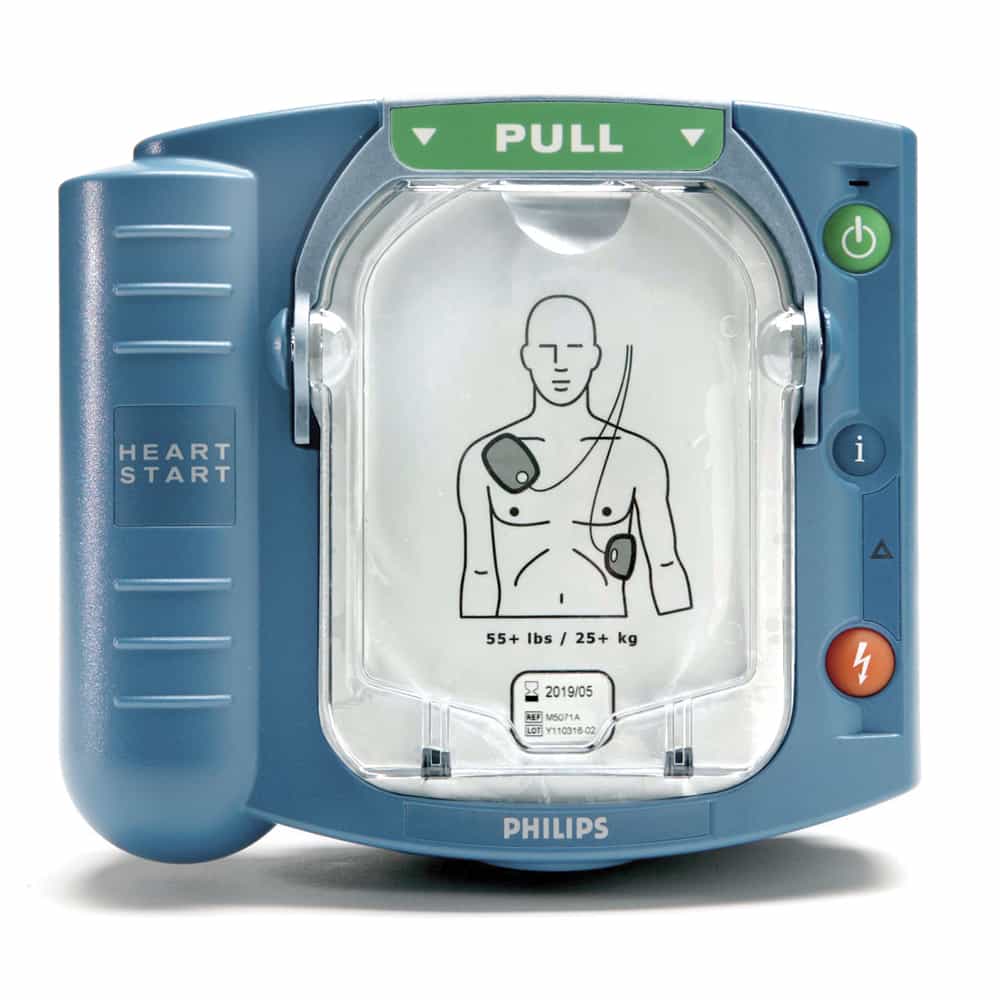
An AED, or Automated External Defibrillator, is a smart, portable medical device that can save a life during sudden cardiac arrest. It works by analyzing the heart’s rhythm and, if it detects a problem, delivering a controlled electric shock to restore a normal heartbeat. While that might sound intimidating, modern AEDs for sale are designed for anyone to use, even without prior training. The device gives clear, calm voice instructions to guide you through every step, from placing the pads to delivering a shock. AED certification builds your confidence by giving you hands-on practice so you feel comfortable and ready to use one in a real emergency.
Why Combined Training Is a Smart Choice
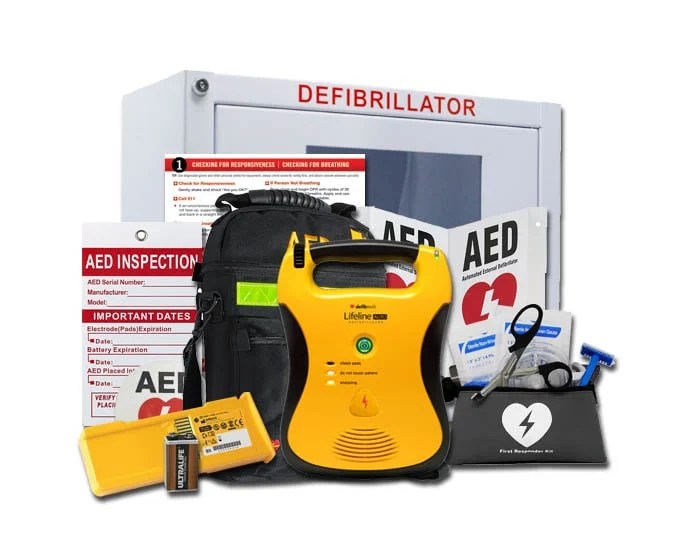
Think of CPR and AEDs as a team: CPR is the crucial first player, and the AED is the game-changer that follows. When a person’s heart stops, CPR keeps them viable by manually circulating blood. However, CPR alone usually can’t restart a heart that has an electrical problem. That’s where the AED comes in. It’s the only thing that can correct certain life-threatening heart rhythms. By getting certified in both, you learn how to seamlessly transition from performing chest compressions to using an AED as soon as one is available. This comprehensive approach ensures you can provide the most effective care possible, which is why most AED packages are designed to support a fully prepared response.
Who Should Get CPR and AED Certified?
The short answer? Almost everyone. While certain professions require certification, the reality is that a sudden cardiac arrest can happen to anyone, anywhere, at any time. Being prepared to act is a skill that benefits us all. Whether you’re a parent, a fitness instructor, or a designated safety leader at your office, knowing how to perform CPR and use an automated external defibrillator (AED) can make the difference between life and death.
Thinking about who in your life you’d want to be able to help in an emergency is a powerful motivator. The skills you learn in a certification course are for your family, your colleagues, and your community. Let’s look at a few groups of people who find this training especially valuable.
Professionals in Healthcare and Fitness
If you work in healthcare or fitness, being prepared for a medical emergency is part of the job. You are often the first person on the scene when something goes wrong. According to the American Heart Association, immediate CPR can double or even triple a person’s chance of survival after cardiac arrest. For personal trainers, coaches, and other fitness pros, having a CPR and AED certification is essential for ensuring client safety during physical activity. It’s a foundational skill that builds trust and shows your commitment to your clients’ well-being.
Teachers and Workplace Safety Leaders
Anyone responsible for the safety of others in a group setting, like teachers, childcare providers, and workplace safety managers, should be certified. Creating a safe environment means being ready for the unexpected. It’s important to get training for both CPR and AED use, as they are designed to work together to save a life. Many organizations find that offering group CPR training is a cost-effective way to get everyone on the same page. This shared knowledge not only makes the environment safer but also helps build a more confident and cohesive team.
Parents, Caregivers, and Community Members
You don’t need to be a professional to be a hero. For parents, grandparents, and babysitters, learning CPR is one of the most important things you can do to protect your family. Emergencies are most likely to happen at home, and your ability to respond confidently can change everything. Many people worry about using an AED without formal training, but these devices are designed for anyone to use. Good Samaritan laws are in place to encourage bystanders to help, so you can act without fear. Being prepared with the right skills and a home first aid kit gives you peace of mind.
Where Can You Find Reputable Certification?
Once you’re ready to get certified, the next step is finding a program that’s credible and recognized. You want to make sure the skills you learn are based on the latest guidelines and that your certification will be accepted where you need it, whether that’s for a job or just for your own peace of mind. Fortunately, there are several outstanding organizations known for their high-quality training. Here are a few of the best places to get your CPR and AED certification.
Response Ready CPR & AED Training
If you’re looking for a straightforward and complete course, our own CPR & AED training is designed for you. In about 2.5 hours, we cover the essential skills you need to respond with confidence. You’ll walk away with a two-year certification, feeling prepared to handle a crisis. We keep our classes focused and practical, so you learn what matters most without feeling overwhelmed. It’s an ideal choice for individuals, families, and small groups who want effective, hands-on training that fits into a busy schedule and prepares you for real-world emergencies.
American Heart Association
The American Heart Association (AHA) is one of the most respected names in cardiac care. Their training is built on the latest scientific research, so you know you’re learning the most current techniques. The AHA offers flexible Heartsaver courses that often combine online learning with an in-person skills session. This blended approach lets you study the material at your own pace before practicing with an instructor. An AHA certification is widely recognized by employers and organizations, making it a solid choice for both personal and professional development.
American Red Cross
Another trusted leader in emergency preparedness is the American Red Cross. Their programs are known for being thorough and accessible. They offer a blended learning course for Adult First Aid, CPR, and AED skills, which is great for busy learners. After completing the online portion, you’ll attend a hands-on session to practice your skills. Upon completion, you receive a digital certificate that’s valid for two years. The Red Cross has a long-standing commitment to community safety, and their certification is a great way to show you’re prepared to help others.
National Safety Council
If you need certification for your workplace, the National Safety Council (NSC) is an excellent option. Their CPR and First Aid training is specifically designed to meet OSHA requirements, which is a huge plus for businesses focused on compliance and safety. The NSC is dedicated to preventing injuries and deaths at work, on the road, and in communities. Their courses are comprehensive and prepare you to handle emergencies in a professional setting. Choosing the NSC is a smart move for safety managers, workplace response teams, and anyone looking to make their work environment safer.
How Much Does CPR and AED Certification Cost?
When you’re ready to get certified, one of the first questions you’ll likely have is about the cost. The price for CPR and AED certification isn’t one-size-fits-all. It can vary depending on the training provider, the format of the course (like online, in-person, or a blended model), and whether you’re signing up as an individual or with a group. Understanding these factors will help you find a high-quality course that fits your budget and prepares you to act confidently in an emergency.
Comparing Prices by Provider
As you research different programs, you’ll notice that prices can differ from one organization to another. For an individual, a combined CPR and AED course typically costs between $50 and $100. For example, a comprehensive blended learning course might be around $70. While it’s smart to compare costs, remember that the cheapest option isn’t always the best. Make sure you’re choosing a reputable program from an accredited provider that covers all the essential skills. A quality CPR & AED training program is an investment in your ability to save a life, so it’s worth choosing one you can trust.
Saving Money with Group Rates
If you’re looking to certify your workplace, school staff, or community group, you’re in luck. Most training providers offer significant discounts for group sessions. This makes it much more affordable to get everyone on your team trained and ready to respond. Organizing a group certification is a fantastic way to build a safer environment, whether it’s for your employees, students, or fellow volunteers. AED programs for churches and houses of worship benefit especially from group training. It’s a practical step toward creating a culture of preparedness where everyone feels empowered to help. Inquiring about group rates is often the most cost-effective way to get your entire team certified.
Planning for Renewal Costs
Your CPR and AED certification won’t last forever, and that’s by design. Most certifications are valid for two years. After that, you’ll need to take a recertification course to keep your skills fresh and your credentials current. Think of this as a necessary tune-up. Emergency response guidelines can evolve, and regular practice ensures you’ll remember exactly what to do when it matters most. When you’re budgeting for your initial course, it’s a good idea to also plan for this renewal cost down the road. Staying current is a key part of being truly response-ready.
Online vs. In-Person: Which Training Is Right for You?
Deciding on the right CPR and AED training format comes down to your learning style, schedule, and what your certification needs to cover. You can choose from fully online courses, traditional in-person classes, or a hybrid model that combines the two. Each path offers a different experience, so let’s look at what makes the most sense for you. Understanding the benefits of each will help you find a program that fits your life and prepares you to respond with confidence.
The Flexibility of Online Courses
If your schedule is packed, the online portion of a certification course offers incredible flexibility. You can work through the learning modules anytime and anywhere, using a computer, tablet, or even your phone. This self-paced approach allows you to absorb the critical information about cardiac emergencies, first aid, and AED operation without having to commit to a full day in a classroom. It’s a great way to cover the essential knowledge when it’s most convenient for you. Most people can complete the online coursework in just a few hours, making it an efficient first step toward getting certified.
The Value of Hands-On Practice
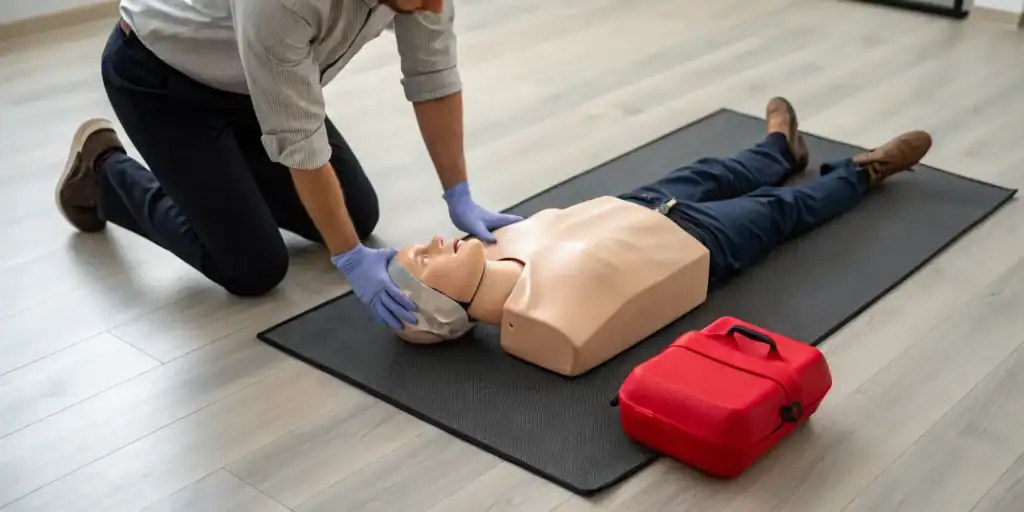
While online learning is convenient for theory, nothing replaces hands-on practice for building real-world skills. Performing chest compressions and using an AED are physical tasks where proper technique is everything. In-person skills sessions allow you to practice on manikins and get immediate, personalized feedback from a certified instructor. This practical experience is what builds the muscle memory and confidence you need to act decisively in a high-stress situation. For many organizations and professions, a certification is only considered valid if it includes this instructor-led, hands-on component.
Getting the Best of Both with Blended Learning
For most people, blended learning is the perfect solution. This format combines the flexibility of online coursework with the essential, hands-on training of an in-person class. You’ll complete the knowledge-based part of the course on your own time and then attend a much shorter, in-person session to practice your skills with an instructor. This approach respects your time while ensuring you get the practical experience needed to save a life. Response Ready’s CPR & AED training uses this effective model, giving you a comprehensive and convenient path to full certification.
What Skills Will You Learn?
A CPR and AED certification course is so much more than a lecture and a test. It’s an active, hands-on experience designed to build real-world skills that you can use to make a difference in a crisis. The goal is to replace uncertainty with a clear, actionable plan, so if an emergency ever happens, you’re ready to step in with confidence. Throughout the training, you’ll learn how to take control of a chaotic scene, starting with the basics: checking for responsiveness, calling for emergency services, and providing immediate care until professional help arrives.
The core of your training will focus on the fundamentals of saving a life. You’ll practice performing high-quality chest compressions and giving rescue breaths, learning the correct rhythm and depth to keep oxygen-rich blood flowing to the brain. You’ll also get comfortable using an automated external defibrillator (AED), a device that can literally restart a heart. A great CPR & AED training program goes beyond cardiac arrest, too. You’ll learn how to recognize and respond to other life-threatening situations, like choking or severe bleeding. It’s a comprehensive toolkit that prepares you to be a capable and reassuring presence when it matters most.
Performing CPR on Adults, Children, and Infants
One of the most important things you’ll learn is that CPR isn’t a one-size-fits-all technique. A method that works for a full-grown adult could be harmful to a small child or an infant. Your certification course will teach you how to adapt your approach for each age group. You’ll learn the specific differences in hand placement, compression depth, and the amount of force to use. For example, you’ll use two hands for an adult, one hand for a child, and just two fingers for an infant. Quality courses provide hands-on practice with manikins of different sizes, so you can build the muscle memory needed to respond effectively, no matter who needs your help.
Operating an AED Safely and Effectively
The idea of using an AED might seem intimidating, but these devices are brilliantly designed for anyone to use, regardless of medical background. Your training will demystify the process completely. You’ll learn the simple steps to operate an AED: turn it on, apply the electrode pads to the person’s bare chest, and follow the clear, calm voice prompts. The device automatically analyzes the heart’s rhythm and will only advise and deliver a shock if it detects a life-threatening arrhythmia. You cannot accidentally hurt someone with it. Getting hands-on practice with training AEDs builds familiarity and confidence, ensuring you’ll be ready to use one without hesitation.
Managing Bleeding and Other Emergencies
While CPR and AED skills are critical for cardiac arrest, your training will also prepare you for other common emergencies. Many certification courses include essential first aid certification skills, with a major focus on how to control severe bleeding. In a situation where someone is bleeding heavily, stopping the blood loss is the most important thing you can do to save their life. You’ll learn practical techniques like applying direct pressure and packing a wound. Having the right supplies in your first aid kits is a great first step, and this training gives you the knowledge to use them effectively. You may also learn how to recognize the signs of a stroke and how to help someone who is choking.
Understanding Good Samaritan Protections
A common fear that holds people back from helping in an emergency is the worry of being sued if something goes wrong. That’s why your training will cover Good Samaritan laws. These laws exist in all 50 states to offer legal protection to people who provide reasonable assistance to those who are injured, ill, or in peril. The core idea is to encourage bystanders to act without fear of legal repercussions. As long as you act in good faith, within the scope of your training, and don’t receive payment for your help, you are generally protected. Understanding these protections can give you the final piece of confidence you need to step forward and help when someone is in desperate need.
Common Myths About CPR and AED Training
Sometimes, the biggest barrier to learning a new skill isn’t the skill itself, but what we think we know about it. Misconceptions about CPR and AED training can keep well-intentioned people from getting certified, but the truth is that these skills are more accessible and necessary than you might imagine. Let’s clear up a few common myths so you can feel confident taking the next step.
Myth: Training Is Too Difficult or Inaccessible
Many people assume that CPR and AED training is overly technical or requires a huge time commitment, but that’s no longer the case. Modern certification courses are designed for everyone, not just medical professionals. Instructors focus on making life-saving techniques easy to understand and remember, using clear language and hands-on practice. With flexible options like online, in-person, and blended formats, finding a CPR & AED training program that fits your schedule is simpler than ever. The goal is to empower you with skills, not overwhelm you with information.
Myth: Certification Is Only for Professionals
Another common belief is that CPR certification is only for healthcare workers, lifeguards, or fitness instructors. In reality, these skills are essential for everyone. Sudden cardiac arrest can happen to anyone, anywhere, and at any time. The American Heart Association emphasizes that bystander intervention is critical for survival. As a parent, coworker, or community member, you are far more likely to be the first person on the scene during an emergency at home or in public. Getting certified prepares you to act decisively when it matters most, bridging the gap until professional help arrives.
Myth: CPR and AED Skills Are Interchangeable
While they are taught together, CPR and using an AED are two distinct but equally vital skills. Think of it this way: CPR manually keeps oxygen-rich blood flowing to the brain and vital organs, essentially buying time. However, CPR alone cannot restart a heart that has an electrical problem. That’s where an automated external defibrillator (AED) comes in. An AED analyzes the heart’s rhythm and delivers a controlled electrical shock to restore a normal heartbeat. Using an AED alongside CPR can dramatically increase the chances of survival. Your training will teach you how and when to use both together for the best possible outcome.
How Long Does Certification Take and Last?
Getting certified is a manageable commitment, both in terms of time and upkeep. Once you understand the timeline for training and renewal, it’s easy to fit this life-saving skill into your schedule. Let’s break down what to expect from the initial course to keeping your skills current.
Course Time Commitment
One of the most common questions people ask is, “How much time will this take?” The good news is that it’s probably less than you think. A typical in-person CPR and AED course takes about 2.5 hours to complete. In a single afternoon, you can learn the fundamentals and practice the hands-on skills that could save a life.
For those with busy schedules, many providers offer a blended learning format. This approach lets you complete the informational part of the course online at your own pace. Once you’re done, you’ll attend a shorter, in-person session to practice with an instructor and demonstrate your skills. It’s a flexible way to get the same quality CPR & AED training on a timeline that works for you.
Your Two-Year Certification Period
Upon successful completion of your course, you’ll receive a certification that is valid for two years. This two-year period is the standard set by major training organizations. It exists because emergency response guidelines can evolve, and skills can fade without practice. Regular renewal ensures your knowledge is always aligned with the latest best practices.
Think of it as a routine check-up for your skills. Your digital certificate makes it easy to keep track of your status and serves as a reminder of when it’s time for a refresher. This ensures you remain confident and ready to act effectively if an emergency ever arises. It’s not just about having a valid card; it’s about maintaining your ability to make a difference.
How to Stay Current with Recertification
When your two-year mark approaches, renewing your certification is a straightforward process. You won’t have to start from scratch. Recertification courses are designed to refresh your knowledge and skills, and they are often shorter than the initial training. Many organizations offer flexible scheduling, including evening and weekend classes, to make it easy to fit renewal into your life.
If you’re managing training for a workplace, school, or community group, ask about group rates. This can be a cost-effective way to ensure everyone on your team stays current with their certification. Staying certified is the best way to keep your skills sharp and your confidence high, so you’re always prepared to respond when it matters most.
Why Is Getting Certified So Important?
Getting certified in CPR and AED use is about more than checking a box. It’s about gaining the skills to act decisively when someone’s life is on the line. In a crisis, hesitation is common, but training provides a clear framework for what to do and how to do it. This preparation transforms you from a bystander into a capable first responder. Whether you’re a parent, a fitness instructor, or a community member, certification empowers you with the confidence to step in, the qualifications to stand out, and the ability to save a life.
Build Confidence to Respond in a Crisis
Emergencies are stressful, and it’s natural to feel overwhelmed or afraid of doing the wrong thing. This is where training makes all the difference. A certification course replaces fear with a solid action plan. Through hands-on practice, you build muscle memory for performing chest compressions and learn exactly how to operate an automated external defibrillator. You’ll understand that CPR is a critical step to keep blood flowing until an AED can be used. Completing a CPR & AED training course gives you the assurance that you know how to respond effectively, providing the confidence to act when every second counts.
Enhance Your Professional Qualifications
In many fields, CPR and AED certification isn’t just a good idea; it’s a requirement. Professionals in healthcare, education, and fitness are often expected to maintain current certifications to ensure a safe environment. Adding this credential to your resume demonstrates a serious commitment to safety and responsibility, making you a more valuable candidate. For business owners and safety managers, having a team with these skills is a crucial part of creating a prepared workplace. It shows your staff and customers that you prioritize their well-being and are ready to handle a medical emergency.
Be Ready to Save a Life
This is the most important reason of all. Sudden cardiac arrest can happen to anyone, at any time, and often it’s a family member or friend who is affected. When it does, immediate action is critical. The American Heart Association reports that CPR can double or even triple a person’s chance of survival. Your willingness to act can be the deciding factor. Many people worry they might hurt someone, but modern AEDs are designed to be safe for anyone to use. They analyze the heart’s rhythm and will not deliver a shock unless it’s needed. Getting certified gives you the skills to be that person who steps up.
How to Choose the Right Certification Program
With so many CPR and AED certification options out there, picking the right one is key to ensuring your training is credible and effective. A great program doesn’t just hand you a certificate; it gives you the confidence to act when it matters most. To find the best fit for you, focus on three main things: the program’s accreditation, the quality of the course content and instructors, and whether the schedule works for your life.
Verify Accreditation and Recognition
First things first, you need to make sure the certification is legitimate. A credible program is recognized by national bodies that set the standards for emergency care. Look for courses that align with guidelines from the American Heart Association (AHA) or the American Red Cross. For workplace training, it’s also important that the certification meets OSHA requirements. An accredited certification isn’t just a piece of paper. It’s proof that you’ve been trained to the highest standard, ensuring your skills are both effective and widely accepted by employers and other organizations.
Evaluate Course Content and Instructors
Beyond accreditation, the quality of the course material and the instructor makes all the difference. A top-notch program prepares you to respond to emergencies involving adults, children, and infants. Look for a curriculum that includes plenty of hands-on practice and realistic scenarios, as this is what truly builds confidence. Great instructors bring the material to life with real-world experience and practical tips that stick with you. A comprehensive First Aid/CPR/AED course should leave you feeling prepared, not just certified.
Look for Flexible Scheduling Options
Life is busy, so the best training providers offer flexible options to fit your schedule. You don’t have to clear a whole weekend to get certified. Many organizations now offer blended learning, which combines online coursework you can do at your own pace with a shorter, in-person skills session. You can also find classes on evenings and weekends. If you’re organizing training for a group at your workplace or community center, ask about private classes. These can often be tailored to your group’s specific needs and held at your location, making it convenient for everyone to get their CPR & AED training.
Related Articles
- What Is AED Certification? A Guide to Saving Lives
- Why AED and CPR training go hand in hand — Response Ready
- CPR for All Ages | Expert Guidance & Certification — Response Ready
- How to Pick an AED Defibrillator Portable Machine
For a deeper dive into how BLS compares to standard CPR, check out our BLS vs CPR certification guide.
Frequently Asked Questions
Do I need to be physically strong to perform CPR correctly? Not at all. Effective CPR is about using proper technique, not brute strength. In a certification course, you’ll learn how to position your body and use your own body weight to deliver deep, effective chest compressions. This method allows people of all sizes to perform CPR correctly without getting tired too quickly.
What happens if I forget some of my training during an emergency? It’s completely normal to feel nervous in a crisis, but your training is designed to build muscle memory that kicks in under pressure. The most important thing is to act. Call 911 immediately, and the dispatcher can guide you through the steps. Any attempt at CPR is far better than doing nothing, and your efforts can make a life-saving difference.
Am I legally protected if I try to help someone using CPR or an AED? Yes, you are. All 50 states have Good Samaritan laws that offer legal protection to people who provide reasonable help during an emergency. As long as you act in good faith and within the scope of your training, these laws are designed to encourage you to help without fear of legal trouble.
Is a certification from an online-only course valid? While online courses are great for learning the theory, most employers and official organizations do not consider a certification valid without a hands-on skills assessment. To be fully certified, you need to practice on a manikin and get feedback from an instructor. A blended learning course, which combines online work with an in-person session, is the best way to get a credible certification that fits your schedule.
Do I have to give rescue breaths if I’m not comfortable doing so? If you are unwilling or unable to provide rescue breaths, you can perform hands-only CPR. Current guidelines emphasize that continuous, high-quality chest compressions are the most critical part of CPR for an adult who has collapsed. Pushing hard and fast in the center of the chest helps keep blood flowing to the brain and is a simple, effective way to help.
Disclaimer for information purposes only:
The information provided on this website is intended for general educational and informational purposes only. It is not medical advice and should not be used as a substitute for professional diagnosis, treatment, or care. Always consult a qualified healthcare or medical professional regarding any health-related questions or concerns.
While we strive to ensure the information shared is accurate and up to date, no guarantees are made regarding completeness, accuracy, or applicability to any individual situation. Use of this content is at the reader’s sole discretion and risk.
This website is part of the Response Ready family of emergency preparedness and training resources, including CPR & first aid training and compliance services, AED sales and program support, AED program management software, and medical oversight solutions provided through our affiliated platforms:
• CPR1.com
• AEDLeader.com
• AEDTotalSolution.com
• MDSIMedical.com
By accessing or using this website, you agree to release, indemnify, and hold harmless the website owners, authors, contributors, and affiliated entities from any claims, losses, damages, or liabilities arising from the use or reliance on the information presented.