- Published
- June 16, 2026
The Complete Guide to AED Device Readiness

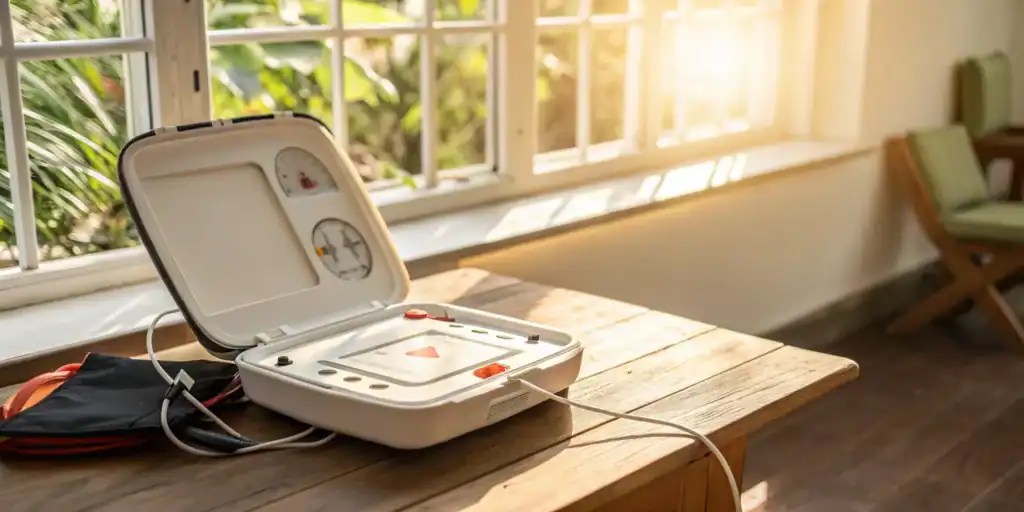
In a cardiac emergency, it’s natural to hesitate, worried you might do the wrong thing. But when the clock is ticking, waiting for paramedics isn’t always an option. This is exactly why the automated external defibrillator (AED) was created. It’s a smart, simple tool designed to empower bystanders—people just like you—to save a life. True confidence, however, comes from knowing your equipment is ready to perform. This is the core of device readiness. This guide is your complete resource for understanding the modern aed defibrillator portable machine, so you can act decisively when it matters most.
Key Takeaways
- Anyone Can Be a Lifesaver with an AED: These devices are specifically designed for untrained bystanders, using clear voice commands to guide you through every step. You can’t accidentally harm someone, as the device will only advise a shock if it detects a life-threatening heart rhythm.
- Focus on Essential Features, Not Just Price: The best AED is the one that fits your specific environment. Prioritize key features like ease of use, battery life, and pediatric capabilities to ensure the device meets the needs of your home, workplace, or community.
- Preparedness Requires Training and Maintenance: Owning an AED is the first step. True readiness comes from pairing your device with CPR certification to build confidence and establishing a simple routine to check your AED’s status and track expiration dates for pads and batteries.
The Basics of Portable AEDs
An automated external defibrillator, or AED, is a small, portable device designed to help someone experiencing sudden cardiac arrest. Think of it as a smart first aid tool for the heart. When a person has a sudden cardiac arrest, their heart’s electrical activity becomes chaotic, and it can no longer pump blood effectively. Without a steady supply of oxygen-rich blood, the brain and other vital organs begin to shut down within minutes. This is where a portable AED becomes a critical link in the chain of survival.
These devices are specifically made for bystanders—people just like you—to use in an emergency before medical professionals arrive. You don’t need to be a doctor or a paramedic. A good AED will guide you through every step with clear, calm voice instructions. Its job is to analyze the person’s heart rhythm and, if it detects a life-threatening arrhythmia, deliver a controlled electrical shock (defibrillation) to restore a normal heartbeat. Having one of these AEDs for sale in your home, office, or community space means you have the power to give someone a fighting chance when every second is precious. It’s about being prepared to act confidently and decisively in a moment of crisis.
How Do They Actually Work?
Using a portable AED is surprisingly straightforward because the device itself does most of the thinking. When you turn it on, it immediately begins speaking to you, providing simple, step-by-step commands. Your first actions should always be to check if the person is responsive and to call 911. Then, you’ll open the AED case, apply the sticky electrode pads to the person’s bare chest as shown in the diagrams, and plug them into the device.
For a deeper look at the different types of AED machines available, see our guide on how defibrillator machines work and which one to choose.
From there, the AED takes over. It analyzes the heart’s electrical rhythm to determine if a shock is needed. If it detects a shockable rhythm, it will tell you to stand clear and press a button to deliver the shock. If no shock is needed, it will tell you that, too, and may instruct you to begin CPR. The key takeaway is that you can’t make a mistake—the AED won’t deliver a shock unless it’s absolutely necessary.
Is a Portable AED Right for You?
The simple answer is that portable AEDs are needed wherever people gather. Since a majority of cardiac arrests happen at home, having an AED in your house can be a literal lifesaver, especially if a family member has a known heart condition or other risk factors. But preparedness extends beyond our front doors. Workplaces, schools, gyms, places of worship, and community centers are all ideal locations for an AED.
Think about it: the more accessible these devices are, the faster someone can receive help. Placing an AED in a public space empowers anyone present to become an immediate responder. It transforms a group of bystanders into a team of potential lifesavers. Investing in one of our complete AED packages is a practical step toward creating a safer environment for your family, employees, or community members.
Fact vs. Fiction: Common AED Myths
A lot of hesitation around using an AED comes from a few persistent myths, so let’s clear the air. First, many people worry that AEDs are too complicated for the average person to use. The truth is, they are designed specifically for untrained bystanders. They provide loud, clear voice prompts for every single step.
Another common fear is accidentally hurting someone. An AED is a smart device; it will only advise a shock if it detects a life-threatening heart rhythm. It cannot shock someone who doesn’t need it. People also mistakenly believe an AED restarts a heart that has flatlined, like in the movies. In reality, it corrects a chaotic electrical rhythm to help the heart reset itself. Finally, while they are a significant investment, high-quality AEDs are affordable and built to last, making them a cornerstone of any solid emergency plan.
Understanding the Broader Concept of Device Readiness
The idea of being “ready” isn’t unique to medical emergencies. We practice readiness in many areas of our lives, often without even thinking about it. It’s about more than just having a tool; it’s about ensuring that tool is the right one, that it works, and that you have the confidence to use it when the time comes. Whether it’s for a big exam, a major project at work, or a life-or-death situation, the core principles are the same: preparation removes uncertainty and empowers you to act effectively. By looking at readiness in these other contexts, we can see that preparing for a sudden cardiac arrest is a logical and necessary part of creating a safe environment for ourselves and those around us.
Readiness for Standardized Tests
For many students, preparing for a major standardized test is one of the first times they encounter a high-stakes readiness check. Success isn’t just about knowing the material; it’s also about navigating the technical requirements of the test itself. In the shift to digital formats, test-takers have learned that having the right technology, fully prepared and checked in advance, is just as critical as studying. This process shows us that when performance matters, you can’t leave your equipment to chance. You need to ensure your tools are compatible, functional, and ready to go long before the pressure is on.
Preparing for the Digital SAT
To even sit for the digital SAT, students must meet specific technical requirements. The College Board makes it clear that you can’t just show up with any device. You have to download the Bluebook app on an approved laptop or tablet—a personal Chromebook or a mobile phone won’t work. This isn’t just a suggestion; it’s a rule that ensures every student has a standardized, reliable testing experience. This is a perfect parallel for emergency preparedness. In a cardiac emergency, you need a device that is proven to work, which is why using an FDA-approved AED is non-negotiable.
Getting Ready for the Online ACT
The online ACT takes readiness a step further by requiring students to complete a device check through its ACT Gateway app before test day. If you don’t complete this check by the deadline, your registration is canceled. This proactive step is designed to identify and fix any technical issues ahead of time, preventing a crisis on the day of the exam. This same principle applies directly to AED ownership. It’s not enough to just have the device; you must perform regular checks to ensure the batteries and pads are within their expiration dates and the status indicator shows it’s ready for rescue.
Readiness in the Business World
In the professional world, readiness is the foundation of success. Companies don’t launch new products or implement new systems by simply hoping for the best. They plan, test, and train to ensure that every component—from technology to personnel—is prepared to perform as expected. This methodical approach minimizes risk and maximizes the chances of achieving their goals. For organizations, this mindset is just as critical for employee safety as it is for business operations. A workplace that prioritizes readiness is one that is prepared to handle any challenge, including a medical emergency.
Operational Readiness for Organizations
Businesses use a process called operational readiness testing to verify that their plans will actually work in the real world. It’s a way to move from theory to practice, ensuring that teams, tools, and procedures are all aligned and functional before a project goes live. This is exactly what an emergency response plan does for a workplace. Having an AED is the first step, but true operational readiness means conducting drills, confirming everyone knows the device’s location, and ensuring team members are confident responders. It’s about building a system that you can test and trust.
Assessing Digital Skills for Employees
Many companies now use digital readiness assessments to make sure their employees have the skills needed to use modern workplace tools effectively. A business can invest in the best software in the world, but if the team isn’t trained to use it, the investment is wasted. The same is true for an AED. The device is brilliantly designed for ease of use, but its effectiveness is greatly enhanced when paired with hands-on CPR and AED training. This training builds the confidence and muscle memory that helps a person stay calm and act decisively during a real emergency.
Comparing the Best Portable AED Brands
When you’re choosing a device that can save a life, brand reputation matters. You want an AED built by a company with a proven track record of reliability and innovation. While it can be tempting to look for a bargain, the confidence that comes from a trusted manufacturer is priceless. At Response Ready, we only carry FDA-approved devices from the industry’s most respected names. This ensures that any AED you choose is effective, safe, and ready to perform when you need it most. Let’s walk through some of the top brands you’ll find.
Philips: Trusted and User-Friendly
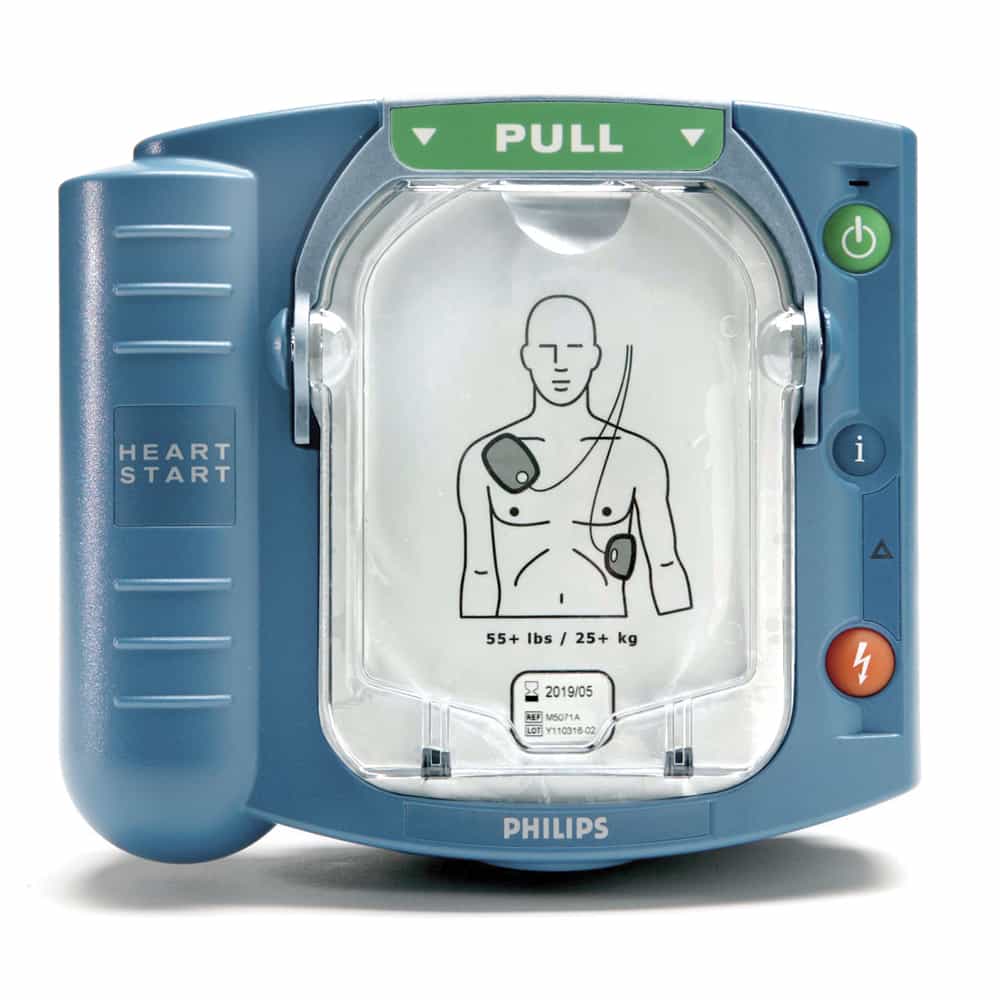
Philips is a household name for a reason, and their HeartStart line of AEDs brings that same level of quality and user-friendliness to emergency response. The Philips HeartStart OnSite is one of the most popular AEDs for homes, offices, and schools because it’s designed specifically for the layperson. It provides calm, clear, and simple voice instructions that guide you through every step of the process, from placing the pads to delivering a shock. This intuitive design helps reduce anxiety in a high-stress situation, empowering anyone to step in and help. Philips has focused on creating a device that is both powerful and approachable, making it a top choice for public access defibrillation programs.
Zoll: Professional-Grade Technology
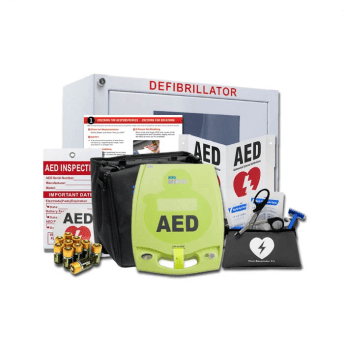
Zoll is a leader in medical technology, and their AEDs are known for one game-changing feature: Real CPR Help®. This technology provides real-time audio and visual feedback to guide you through chest compressions, telling you if you need to push harder or faster. Since the quality of CPR is a critical factor in survival, this guidance is incredibly valuable for both trained and untrained responders. Models like the Zoll AED Plus and AED 3 are built to empower rescuers, giving them the confidence that they are performing the most effective CPR possible. This focus on rescuer support makes Zoll’s AED packages a trusted choice for organizations that want to maximize the chance of a positive outcome.
HeartSine: Compact and Lightweight
If you need a compact, durable, and straightforward device, HeartSine is a brand to consider. Their Samaritan PAD series is known for being one of the lightest and smallest AEDs available, making it easy to store and transport. This portability makes it an excellent option for police cars, personal vehicles, or mobile response teams. But don’t let its size fool you—HeartSine AEDs are also incredibly tough, with high IP ratings for dust and water resistance. They combine a simple, two-button operation with easy-to-follow visual and voice prompts, ensuring the device is ready for use in any environment. The unique Pad-Pak system combines the AED batteries and pads into a single cartridge, simplifying maintenance with just one expiration date to track.
Defibtech: Known for Durability
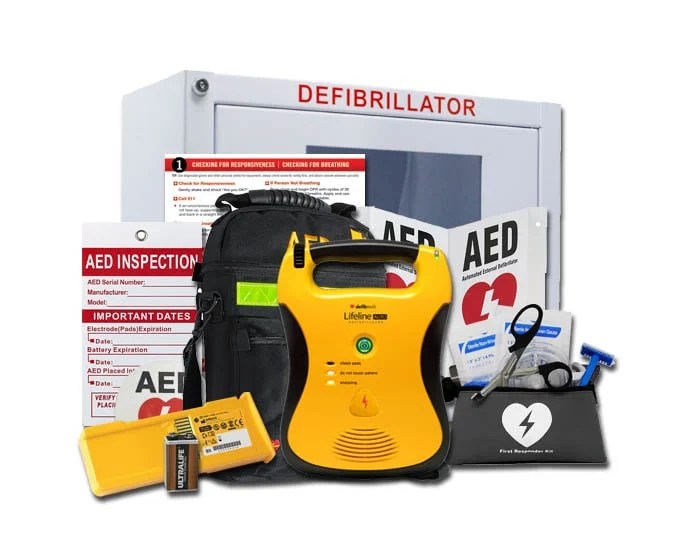
Defibtech designs its AEDs with one goal in mind: simplicity in the face of an emergency. Known for their bright, highly visible design and rugged construction, Defibtech Lifeline AEDs are built to be durable and incredibly easy to use. They often feature large, clear buttons and direct voice commands that leave no room for confusion. This no-fuss approach is perfect for public spaces like gyms, airports, and industrial facilities where a wide range of people might be the first to respond. Defibtech’s commitment to accessibility ensures that even someone with no prior training can operate the device confidently and effectively, making them a reliable choice for any public access program.
Cardiac Science: Advanced Patient Care
Cardiac Science has built its reputation on creating some of the most reliable and technologically advanced AEDs on the market. Their Powerheart line is trusted by police departments, businesses, and public facilities worldwide. A key feature is their patented Rescue Ready® technology, which automatically performs daily, weekly, and monthly self-tests on the battery, pads, and internal circuitry. This ensures the device is always functional and ready to go. Cardiac Science AEDs also feature RescueCoach™ voice prompts to guide users through the rescue process and are known for their durability. This focus on dependability gives you peace of mind that your device will perform as expected when a life is on the line.
Your AED Checklist: Must-Have Features
When you’re ready to choose a portable AED, you’ll find that while all models are designed to save lives, they aren’t all the same. The right features can make a life-or-death difference, simplifying the process for a lay responder and ensuring the device is ready when you need it most. From the clarity of its instructions to its size and battery life, here are the key features to consider as you compare different AEDs for sale.
Easy-to-Follow Voice Instructions
In a high-stress emergency, simplicity is everything. Modern AEDs are designed for people with no medical background, and the most important feature is a set of clear, calm voice prompts that guide you through every step. The device should tell you exactly where to place the pads, when to stand clear, and when it’s safe to touch the person. Some models even provide real-time feedback on CPR compressions. Look for an AED with straightforward instructions and intuitive visual cues, like diagrams on the pads themselves. This user-friendly design ensures anyone can confidently use the device to help save a life.
Battery Life and Ensuring Device Readiness
An AED is useless if its battery is dead. When comparing models, pay close attention to the lifespan of the battery and electrode pads, both of which have expiration dates. Most devices perform regular, automated self-tests to confirm they’re ready for use and will signal with a visual or audible alert if maintenance is needed. A long-lasting battery reduces the frequency of replacements and lowers the overall cost of ownership. Be sure you know how to check the device’s status indicator and where to find replacement AED batteries and pads so your device is always prepared.
How Size and Weight Impact Portability
Where do you plan to keep your AED? If it’s for a home or office, a slightly larger unit might be fine. But if you need an AED for a sports team, a vehicle, or to carry with you, size and weight become critical factors. Many of the latest AEDs are incredibly compact and lightweight, easily fitting into a backpack or a small carrying case. For a detailed comparison of the lightest models from all six brands, see our portable defibrillator guide. When you’re looking at different AED packages, consider its dimensions and weight. A smaller, lighter device is easier to grab and transport quickly, ensuring you can get it to the person’s side without delay.
Does It Work for Children?
Sudden cardiac arrest can happen to people of all ages, including children. If your AED will be in a place where children are present—like a school, community center, or your own home—it’s essential to have a device with pediatric capabilities. Some AEDs use special, smaller AED pads that deliver a reduced-energy shock appropriate for a child. Other models use a special key or switch to change to a pediatric mode with standard adult pads. This feature provides the versatility and peace of mind needed to protect everyone in your community, regardless of their age.
Smart Features and Data Connectivity
Many modern AEDs come equipped with smart features that simplify maintenance and oversight. Wi-Fi connectivity allows the device to link to a central management system, automatically reporting the results of its self-tests and alerting you if the battery is low or if a part needs replacing. This technology removes the guesswork from AED maintenance, giving you confidence that your device is functional and compliant. These connected features are especially valuable for organizations managing multiple devices across different locations, as they streamline the entire readiness process. Our AED rental program includes management to help you handle these details.
Automatic Alerts for First Responders
In a cardiac emergency, every second counts. Some of the most advanced AEDs now include technology that automatically alerts 911 dispatchers the moment the device is used. This feature saves critical time by ensuring that professional help is on the way while the lay responder focuses on providing care. By integrating the AED directly into the emergency response system, it streamlines communication and helps first responders arrive faster. This automated alert system is a powerful feature that closes the gap between the initial response and the arrival of emergency medical services, improving the chances of a positive outcome.
How Much Does a Portable AED Cost?
When you start looking at portable AEDs, you’ll notice they come at different price points. It’s easy to think more expensive always means better, but that’s not always the case. The best AED is the one that fits your specific environment and the needs of the people who might use it. Think of it as an investment in confidence. A simpler, more affordable device might be perfect for your home, while a school or large office could benefit from a model with more advanced features. Understanding what you get for your money helps you make a smart, practical choice without overspending on features you don’t need. Let’s break down the typical price ranges and what you can expect from each. If you are looking for a device specifically for your home, explore our guide to the best personal defibrillators for home use.
What to Expect from an Entry-Level AED
Entry-level AEDs are the workhorses of public access defibrillation. These devices are designed with the lay responder in mind, making them ideal for homes, small businesses, and community centers. Their main focus is simplicity and ease of use. When you open one, you’ll get clear, calm voice prompts and visual diagrams that walk you through every single step, from placing the pads to delivering a shock. While they may not have the advanced diagnostics of pricier models, they excel at their core mission: safely guiding a user to save a life. These are some of the most popular AEDs for sale because they provide essential, life-saving technology in a straightforward and accessible package.
Stepping Up: Mid-Range AED Features
Stepping up to a mid-range AED gets you some valuable extra features that can build even more confidence during an emergency. Many devices in this category offer real-time CPR feedback, coaching you on the correct depth and rate for chest compressions. This guidance can dramatically improve the quality of CPR, which is critical for a positive outcome. You might also find more rugged designs built to withstand harsher environments, like a factory floor or a sports field. Some offer bilingual instructions or have longer-lasting AED batteries and pads, reducing long-term maintenance costs. These models are a great fit for organizations that want a bit more support and durability from their device.
When to Invest in a Professional-Grade AED
Professional-grade AEDs are built for clinical settings and trained first responders, like paramedics and on-site medical teams. These devices offer advanced capabilities that require professional training to use effectively. Features often include a detailed ECG display for heart rhythm analysis, manual override that allows a trained user to control when the shock is delivered, and advanced data recording for post-event review by medical professionals. For the average workplace or home, these features are unnecessary and can even complicate a rescue. However, for organizations with dedicated medical staff, these advanced tools provide a higher level of clinical control and insight during a cardiac emergency.
Don’t Just Take Our Word for It: User Reviews
Beyond the technical specs and feature lists, it’s incredibly helpful to see what real users have to say about a device. Customer reviews offer a glimpse into how an AED performs in the real world. Look for feedback on how easy the device was to set up, how clear the instructions were during a simulated or real event, and the quality of the manufacturer’s customer support. A device can look great on paper, but if users find it confusing or difficult to maintain, it might not be the right fit. Taking the time to read reviews helps ensure the AED you choose is not only effective but also user-friendly and reliable when it matters most. This real-world insight, combined with proper CPR and AED training, is key to feeling truly prepared.
What Training Do You Need to Use an AED?
One of the most common questions people ask is whether they need special training to use a portable AED. The short answer is no—these devices are specifically designed with clear instructions and voice prompts so that any bystander can use one in an emergency. However, while you don’t need a certification to save a life, getting trained is one of the best things you can do to prepare. Formal training builds the confidence you need to act decisively when every second counts, turning a stressful situation into a clear, step-by-step process.
Why Get Certified in CPR and AED Use?
Think of certification as your roadmap for an emergency. While an AED can restart a heart, CPR is what keeps oxygen-rich blood flowing to the brain and other vital organs until that shock can be delivered. Having CPR and AED certification is crucial because it prepares you to handle the situation holistically. As the Mayo Clinic recommends, anyone who might use an AED should take a class to learn both skills. This training ensures you can provide immediate, high-quality care, significantly improving the person’s chance of survival. It’s about being ready to do everything you can to help.
Where to Find Online Training Courses
Getting certified is more convenient than ever. You don’t always have to block out a full day for an in-person class. Reputable organizations like the American Red Cross offer comprehensive online and hybrid training programs that fit busy schedules. These courses cover everything you need to know about using an AED, performing CPR, and delivering first aid to adults, children, and infants. You can learn the fundamentals at your own pace from home and then, for some certifications, complete a short, in-person skills session. This flexible approach makes it easy for anyone to gain life-saving skills.
Are You Protected by Good Samaritan Laws?
A common fear that holds people back from helping is the worry of doing something wrong or being held liable. Thankfully, that’s where Good Samaritan laws come in. These laws exist in all 50 states to protect bystanders who step in to help during an emergency. As long as you are acting in good faith and trying to save a life, these laws shield you from legal trouble. The purpose of these laws is simple: to encourage people to act without hesitation. Knowing that the law is on your side can give you the final piece of confidence you need to use an AED and make a difference.
Where Can You Get a Portable AED?
Once you’ve decided which AED is right for you, the next step is figuring out how to get one. You have a few great options, whether you’re looking to buy outright, rent for a specific need, or find a payment plan that fits your budget. The most important thing is to work with a reputable source that can provide support and ensure your device is ready when you need it most. Let’s walk through the most common ways to acquire a portable AED.
Why You Should Buy from an Authorized Dealer
This is the most direct path to owning an AED. When you purchase from an authorized dealer, you’re getting more than just a device; you’re getting peace of mind. Authorized dealers provide comprehensive support and guidance on selecting the right AEDs for sale for your specific needs. They ensure your device is brand new, FDA-approved, and covered by the full manufacturer’s warranty. This is crucial for reliability, maintenance, and getting replacement parts down the road. You’ll have a direct line to experts who can answer your questions and help you feel confident in your choice.
Is Renting an AED a Good Option?
If you’re not ready to purchase an AED outright, renting can be a fantastic alternative. An AED rental program gives you access to a life-saving device without the long-term commitment of a full purchase. This is a great solution for short-term needs like community events, construction sites, or summer camps. It’s also a smart choice for organizations that prefer an all-inclusive option that bundles the device, maintenance, and supply replacements into one predictable monthly fee. Renting simplifies readiness by taking the management tasks off your plate, so you can focus on being prepared.
How to Handle Payment and Financing
The cost of an AED is an important consideration, but it shouldn’t be a barrier to preparedness. When you’re looking at prices, it’s helpful to think about the full spectrum of expenses beyond the initial purchase, including future maintenance and replacement parts like AED pads and batteries. Many suppliers offer financing options to make the investment more manageable, allowing you to spread the cost over time. This makes it easier for families, small businesses, and non-profits to get the equipment they need right away. Don’t hesitate to ask about payment plans when you’re ready to buy.
Maintaining Your AED for Total Device Readiness
Owning a portable AED is a huge step toward being prepared, but the work doesn’t stop there. To be truly effective in an emergency, your device needs to be ready to go at a moment’s notice. Think of it like the battery in a smoke detector—you trust it’s working, but you have to check it to be sure. Creating a simple maintenance routine is the best way to protect your investment and ensure it’s ready to save a life. Here’s how to stay on top of it.
Set Up a Regular Testing Schedule
Most modern AEDs are designed to be low-maintenance and run their own internal self-tests daily, weekly, or monthly. Your job is to perform a quick visual check. Look for the status indicator—usually a green light or a checkmark symbol—to confirm the device is ready. Make this a habit. Pick a memorable day, like the first of every month, to glance at your AED. Since many cardiac arrests happen at home, having a functional home AED can make all the difference. A regular check takes just a few seconds and gives you the confidence that your device has passed its self-test and is ready for an emergency.
When Should You Replace Batteries and Pads?
Your AED’s electrode pads and battery won’t last forever. These essential components have expiration dates and must be replaced to keep your device functional. Generally, electrode pads need to be replaced every two to four years, while batteries last about four to five years. It’s also critical to replace the pads after any use, as they are single-use only. Check the expiration dates printed on the packaging of your pads and battery. We recommend setting a recurring reminder on your digital calendar for a month before they expire. This gives you plenty of time to order replacements and avoid any last-minute stress.
Keeping Up with Software and Compliance
Just like your phone or computer, your AED runs on software that may occasionally need an update. The best way to stay informed is to register your device with the manufacturer as soon as you get it. This ensures you’ll receive important safety updates or any potential recall notices directly. Keeping your device’s software current is essential for maintaining its performance and compliance with the latest medical guidelines. For organizations managing multiple devices, programs that handle maintenance and compliance can simplify this process and ensure every AED is always up to date and ready to respond.
Which AED Is Right for Your Needs?
The best AED isn’t a one-size-fits-all solution. The right device for your home is different from one needed for a bustling school or public stadium. Thinking about your specific environment—who might use the AED and how many people are around—will help you find the perfect fit. Let’s walk through some common scenarios to help you decide which features matter most for your space.
Best AEDs for Home and Family Use
When choosing an AED for your home, simplicity is key. You need a device that anyone can use confidently during a high-stress emergency, even without medical training. Look for models designed for lay responders with clear voice instructions to guide every step. Many of the best AEDs for sale are built for this purpose. User-friendly, FDA-approved devices from brands like Philips or Zoll provide peace of mind that you’re prepared for the unexpected and ready to act when seconds count.
Choosing an AED for the Workplace
In an office, your AED must be reliable and accessible. Since the responder might not have medical experience, choose a device with straightforward voice prompts and visual cues. Portability is also important for moving quickly across a large floor. Before buying, consider the maintenance—an AED with a long-lasting battery and self-testing capabilities ensures it’s always ready. Our complete AED packages often include a cabinet and signage, making it easy for anyone to locate the device in an emergency.
Equipping Schools and Community Centers
For places with lots of people, like schools and gyms, reliability is non-negotiable. Investing in an established brand ensures the device is durable and performs as it should when a life is on the line. These high-traffic areas need an AED that is simple enough for staff or a bystander to operate. Pairing the device with proper CPR and AED training for your team creates a powerful safety net, empowering your community to respond effectively and confidently during an emergency.
AEDs for Public Spaces and Large Events
Large public venues and events present unique challenges. Here, a connected AED can be a game-changer. Some modern devices automatically alert 911 dispatchers the moment they are opened, providing the exact location. This feature drastically cuts down the time it takes for professional responders to arrive. For temporary gatherings like festivals, an AED rental program offers a flexible, cost-effective way to ensure you have the right equipment on hand without a long-term commitment.
Related Articles
- AED Guideline Archives — Response Ready
- A guide to pediatric AED preparedness for all ages — Response Ready
- Certified AED Defibrillators for Workplace Safety — Response Ready
Frequently Asked Questions
Can I really use an AED without any training? Yes, you absolutely can. AEDs are designed specifically for people with no medical background. The moment you turn one on, it begins speaking to you with clear, calm instructions for every single step. While you don’t need a certification to save a life, completing a CPR and AED course can give you the confidence to act without hesitation. Think of it as a practice run that helps you feel more prepared and in control during a real emergency.
What are the ongoing costs of owning an AED? The initial purchase is the main investment, but there are a couple of long-term costs to keep in mind. The electrode pads and the battery have expiration dates and will need to be replaced every few years to ensure the device is ready to work. The pads are for single use only, so they must also be replaced after any emergency. Planning for these replacements is a small but essential part of maintaining your readiness.
What happens after I use the AED on someone? After using the AED, you should leave the pads attached and follow the device’s instructions until emergency medical services arrive. Once they take over, they will also take the AED to download the data it recorded, which gives doctors valuable information about the person’s heart rhythm. You will need to contact your AED supplier to get replacement pads and ensure your device is serviced and ready for the future.
Is it safe to use an AED on a pregnant woman or someone with a pacemaker? Yes, it is safe. Sudden cardiac arrest is a life-or-death situation, and the priority is to save the person’s life. For a pregnant woman, the protocol is the same. For someone with a pacemaker, try not to place the electrode pad directly over the implanted device if you can see or feel it under the skin. Simply adjust the pad placement an inch or so away from the lump. The AED will still work effectively and safely.
With so many features like CPR feedback and Wi-Fi, how do I know what I actually need? The best way to decide is to think about your specific environment. For a home, a simple, user-friendly device with clear voice prompts is often the perfect choice. For a workplace or school, features like CPR feedback can be incredibly helpful to guide a rescuer. Wi-Fi connectivity is most valuable for organizations managing multiple devices, as it simplifies maintenance by sending automatic readiness alerts. The core function of every AED is the same; the extra features are there to add confidence and simplify management where it’s needed most.
Disclaimer for information purposes only:
The information provided on this website is intended for general educational and informational purposes only. It is not medical advice and should not be used as a substitute for professional diagnosis, treatment, or care. Always consult a qualified healthcare or medical professional regarding any health-related questions or concerns.
While we strive to ensure the information shared is accurate and up to date, no guarantees are made regarding completeness, accuracy, or applicability to any individual situation. Use of this content is at the reader’s sole discretion and risk.
This website is part of the Response Ready family of emergency preparedness and training resources, including CPR & first aid training and compliance services, AED sales and program support, AED program management software, and medical oversight solutions provided through our affiliated platforms:
• CPR1.com
• AEDLeader.com
• AEDTotalSolution.com
• MDSIMedical.com
By accessing or using this website, you agree to release, indemnify, and hold harmless the website owners, authors, contributors, and affiliated entities from any claims, losses, damages, or liabilities arising from the use or reliance on the information presented.