- Published
- April 1, 2026
What Is AED Certification? A Guide to Saving Lives

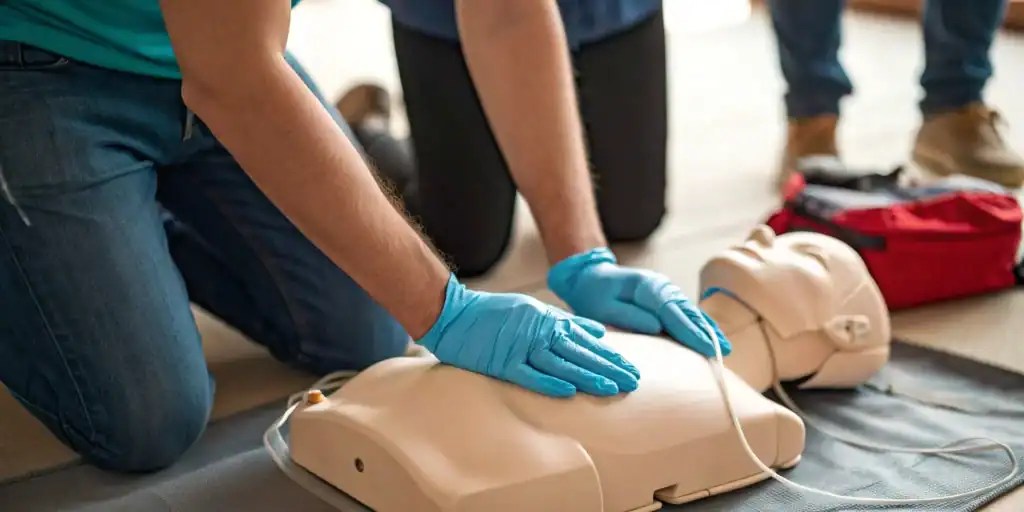
When someone suffers a sudden cardiac arrest, their chance of survival decreases with every passing minute. The stark reality is that over 350,000 out-of-hospital cardiac arrests occur each year in the United States, and the survival rate is tragically low. The single greatest factor in improving these odds is the immediate action of a bystander. Performing CPR and using an Automated External Defibrillator (AED) before emergency services arrive can double or even triple a person’s chance of survival. This is why understanding what is AED certification is so vital. It’s not just another certificate; it’s the training that prepares you to be the critical link in the chain of survival. This guide explains how you can get the skills to make a life-or-death difference.
Key Takeaways
- Confidence is the key to saving a life: You don’t need legal permission to use an AED, but certification provides the practical skills and mental readiness to act without hesitation in a high-stress emergency.
- Learn a full suite of life-saving skills: AED certification is a comprehensive course that teaches you how to perform high-quality CPR on adults, children, and infants, and how to respond effectively if someone is choking.
- Getting certified is accessible and easy to maintain: Training is designed for everyone with flexible formats to fit your schedule, and a simple refresher course every two years ensures your skills stay sharp and ready.
What Is AED Certification?
AED certification is a training course that teaches you how to properly use an Automated External Defibrillator (AED) during a sudden cardiac arrest emergency. Think of it as the instruction manual for saving a life. This training gives you the skills and, just as importantly, the confidence to step in and act decisively when every second counts. It’s designed for anyone—not just medical professionals—who wants to be prepared to help a family member, coworker, or stranger. Getting certified means you’re ready to be a vital link in the chain of survival.
What You’ll Learn in an AED Course
An AED course provides a clear, practical roadmap for responding to a cardiac emergency. You’ll learn the essential “chain of survival,” which outlines the critical steps for achieving the best possible outcome. The training covers the fundamentals, from where to place the AED pads to how to stay safe while the device is in use. Most courses also teach you Cardiopulmonary Resuscitation (CPR) for adults, children, and infants, as well as how to help someone who is choking. This comprehensive training is typically valid for two years, ensuring your skills stay fresh and aligned with current best practices.
A Look Inside the Training
Most AED certification courses are combined with CPR training, and for good reason. Early CPR is critical for increasing the chances of survival during a cardiac event, making the two skills a powerful combination. Reputable organizations like the American Red Cross and the American Heart Association offer these programs, and you can find comprehensive CPR and AED training that prepares you for real-world emergencies. To make it accessible for everyone, courses are available in different formats—including in-person classes, fully online modules, or a blended approach—so you can easily find a program that fits your schedule and learning style.
How AED Certification Saves Lives
When someone suffers a sudden cardiac arrest, every second is critical. The time between the event and the arrival of emergency medical services is a window where a trained bystander can make the difference between life and death. Getting certified in AED use isn’t just about learning a new skill; it’s about gaining the ability to act decisively and effectively when it matters most. With the right training, you can turn a moment of crisis into a story of survival.
Improving Survival Rates for Cardiac Arrest
The statistics surrounding out-of-hospital cardiac arrest are sobering. Over 350,000 Americans experience one each year, and sadly, the vast majority don’t survive. The key to changing this outcome is immediate intervention. When a bystander performs CPR and uses an automated external defibrillator (AED) before paramedics arrive, the chance of survival can increase by as much as 50%. An AED is designed to be used by the public, but certification ensures you know exactly how to deploy it without hesitation, delivering a life-saving shock when needed.
Respond with Confidence in an Emergency
In a high-stress situation, it’s natural to feel uncertain. AED certification replaces that uncertainty with confidence. Knowing how to perform CPR and operate an AED helps you respond quickly and correctly, bridging the crucial gap until professional help arrives. This training empowers you to act with purpose, which greatly improves the chances of a positive outcome for the person in distress. Instead of wondering what to do, you’ll have a clear set of steps to follow. This confidence is why CPR and AED training is so valuable—it prepares you to be a calm, capable presence in an emergency.
Creating Safer Workplaces and Communities
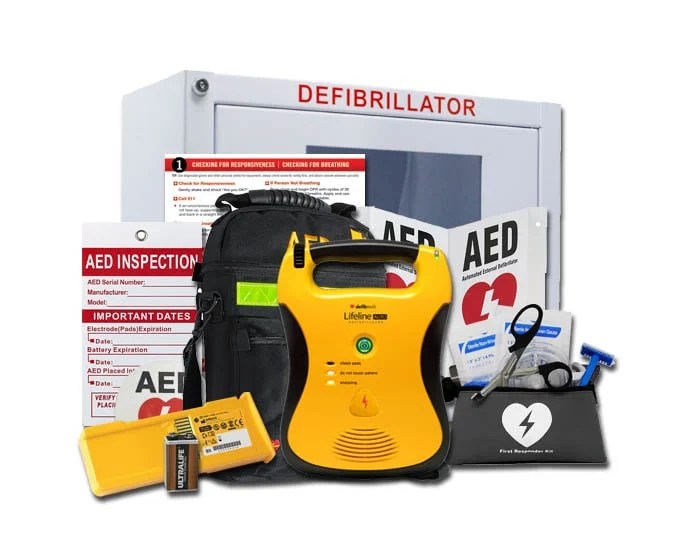
Preparedness is a team effort. When more people in schools, offices, gyms, and neighborhoods are trained, the entire community becomes a safer place. A cardiac arrest can happen anywhere, and having trained individuals nearby means help is always within reach. Many jobs, particularly those in education, fitness, and childcare, now require certification. By equipping your organization with AED packages and ensuring your team is trained, you create a network of responders ready to protect colleagues, customers, and community members. It’s a powerful way to show you prioritize well-being.
What Does an AED Certification Course Cover?
When you sign up for an AED certification course, you’re getting much more than a tutorial on how to use one device. These courses are designed to give you a well-rounded set of skills to confidently handle some of the most common life-threatening emergencies. From performing CPR to clearing an obstructed airway, the training prepares you to be an effective first responder until professional help arrives. Think of it as a comprehensive toolkit for saving a life.
Learn CPR for Adults, Children, and Infants
A core component of any AED certification is learning cardiopulmonary resuscitation (CPR). You’ll learn how to deliver effective chest compressions and rescue breaths to keep oxygenated blood flowing to the brain and other vital organs during cardiac arrest. The training covers the specific techniques required for adults, children, and infants, as the methods vary significantly based on a person’s size and fragility. This hands-on practice is crucial, as performing CPR immediately can double or even triple a person’s chance of survival. The skills you gain in a CPR and AED training course are fundamental to the chain of survival.
How to Use an AED Safely and Effectively
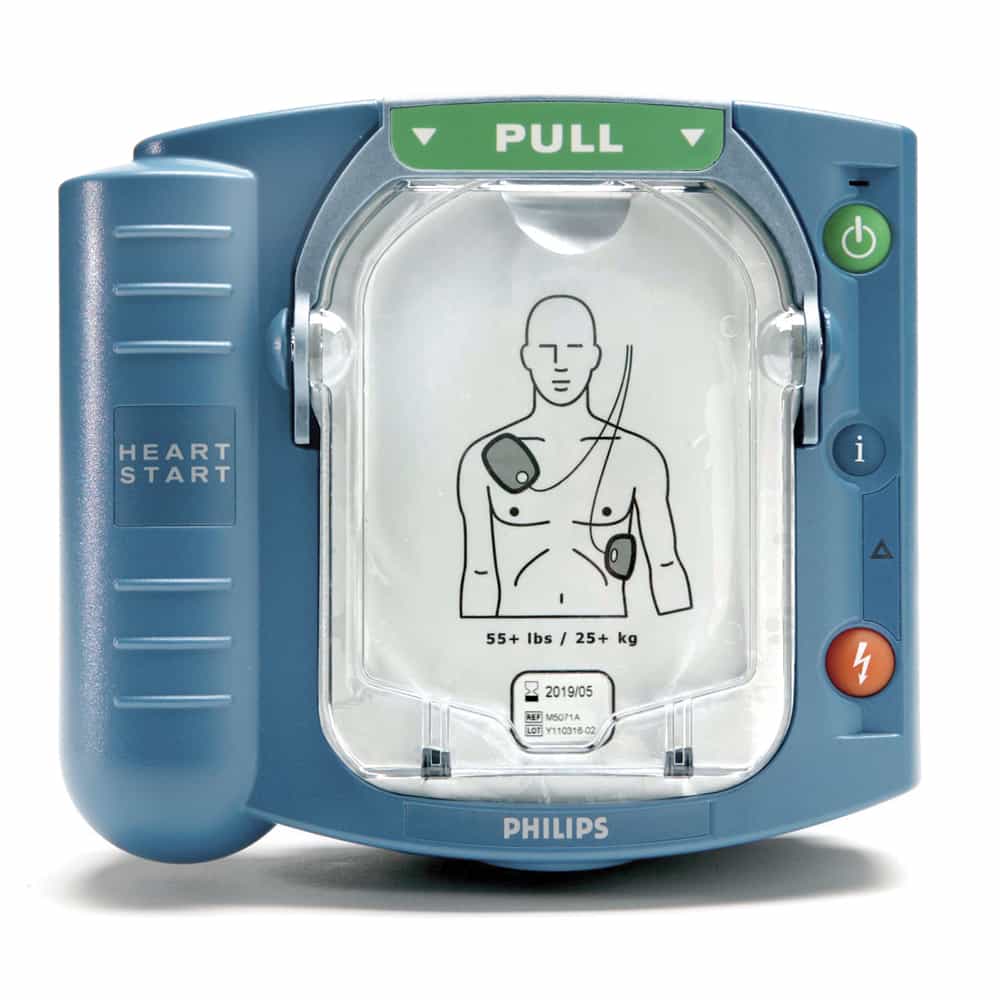
While modern automated external defibrillators (AEDs) are designed with clear voice prompts and simple instructions, training is key to using one quickly and correctly under pressure. Your course will teach you how to operate the device with confidence, from turning it on to properly applying the electrode pads to a person’s bare chest. You’ll learn important safety protocols, such as ensuring no one is touching the person when the AED delivers a shock. This practice helps build muscle memory, so your response becomes second nature in a real emergency, saving precious seconds when they matter most.
Recognize an Emergency and How to Respond
Before you can help, you have to know when to act. A crucial part of your training involves learning how to assess a scene for safety and recognize the signs of a life-threatening emergency, like sudden cardiac arrest. You’ll learn how to quickly check if a person is responsive and breathing normally. The course will also walk you through the critical steps of an effective response, often called the “chain of survival.” This includes immediately calling 911, starting CPR, using an AED as soon as it’s available, and continuing care until emergency medical services take over.
Know What to Do When Someone Is Choking
Choking is a terrifying and sudden emergency that can happen to anyone, anywhere. Your certification course will equip you with the skills to help. You’ll learn how to perform life-saving techniques like abdominal thrusts (the Heimlich maneuver) and back blows to clear a blocked airway. Just as with CPR, the training covers the correct methods for adults, children, and infants, as the approach needs to be adjusted for each. Having this knowledge allows you to act decisively in a situation where every second counts and there’s no time to wait for help.
Do You Legally Need Certification to Use an AED?
This is one of the most common questions people have, and the answer might surprise you: No, you do not legally need to be certified to use an Automated External Defibrillator (AED) on someone in an emergency. Modern AEDs for sale are designed to be used by anyone, regardless of their training level. The priority is to act quickly when someone suffers a sudden cardiac arrest, and the law is on your side.
While certification is incredibly valuable for building confidence and skill, the most important thing is a willingness to help. These devices are built with clear, step-by-step instructions that guide you through the entire process. So, if you are ever in a situation where someone needs help, don’t let a lack of a certificate stop you from stepping in and saving a life.
Understanding Good Samaritan Laws
If you’re worried about the legal risks of helping someone, you can put those fears to rest. Every state has Good Samaritan laws designed to protect people who provide emergency assistance to someone who is injured or in danger. These laws ensure you can’t be held liable for unintentional harm while you’re trying to help.
The entire purpose of these laws is to encourage bystanders like you to act without fear of legal trouble. When it comes to sudden cardiac arrest, hesitation can be fatal. Good Samaritan laws remove that barrier, giving you the legal protection to use an AED and perform CPR. Getting formal CPR & AED training can give you even more confidence to act decisively when it matters most.
Trained vs. Untrained Response: Why It Matters
Even though anyone can use an AED, getting trained makes a huge difference. The real benefit of certification isn’t just learning the steps—it’s building the muscle memory and confidence to act quickly and effectively under pressure. When emergency services are minutes away, a fast response can dramatically improve someone’s chance of survival.
Training prepares you to recognize the signs of cardiac arrest, perform high-quality CPR, and use an AED without hesitation. It helps you stay calm and focused, ensuring the person in distress gets the best possible care until professional help arrives. While an untrained response is far better than no response, a trained one is faster, calmer, and more effective.
Clearing Up Common Myths About Using an AED
Many people hesitate to use an AED because of a few persistent myths. Let’s clear them up. First, you don’t need to be a medical expert. AEDs are specifically designed for laypeople, providing clear audio and visual instructions to guide you. They tell you exactly what to do and when to do it.
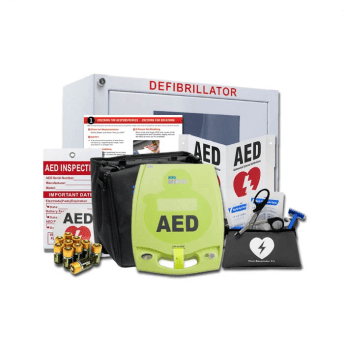
Another common fear is accidentally shocking someone who doesn’t need it. This is impossible. AEDs are smart devices that analyze the person’s heart rhythm and will only deliver a shock if it detects a life-threatening arrhythmia. They are safe, effective, and won’t cause harm. The real danger is not acting at all. Having one of our AED packages on hand ensures you have the right tool when you need it.
How to Get (and Stay) AED Certified
Getting certified to use an AED is one of the most empowering things you can do to prepare for an emergency. If you’ve ever worried about what you would do if someone collapsed, this training is for you. It replaces fear with a clear, actionable plan. The great news is that courses are designed for everyday people, not just medical experts. You don’t need any prior experience, just a willingness to learn.
Most certification programs combine training for both CPR and AED use, and for good reason. These two actions work together to give someone experiencing sudden cardiac arrest the best possible chance of survival. CPR keeps oxygen-rich blood flowing to the brain and other vital organs, while the automated external defibrillator works to restore a normal heart rhythm. In your training, you’ll learn how to perform high-quality chest compressions and how to use an AED safely and effectively. For a full breakdown of certification levels, training formats, and how to choose the right course, read our CPR and AED certification guide.
The process is straightforward and flexible. You can choose a format that fits your schedule, whether it’s a fully in-person class, an online course, or a blended option that combines both. Once you’re certified, the key is to keep your skills fresh. Certification is typically valid for two years, after which you can take a shorter recertification course to stay current. Think of it as a simple commitment to being ready to act when it matters most.
Find a CPR and AED Course with Response Ready
The best way to build confidence is with hands-on practice, and that’s exactly what we focus on in our training programs. We offer certified CPR & AED training that gives you the skills to respond effectively during a cardiac or choking emergency. Our courses are led by experienced instructors who create a supportive, judgment-free environment where you can practice on manikins and get comfortable with the equipment. We’ll walk you through every step, from recognizing the signs of an emergency to delivering chest compressions and using an AED. Our goal is for you to leave the class feeling prepared and capable of taking action.
Other Trusted Certification Programs
While we’d love to have you train with us, the most important thing is that you get certified. The leading authorities in emergency response training are the American Heart Association and the American Red Cross. These organizations set the national guidelines for CPR and emergency cardiovascular care, and their certifications are recognized everywhere. You can find local courses through their websites or other certified training providers in your community. No matter which program you choose, make sure it includes a hands-on component, as practicing the skills is essential for building the muscle memory you’ll need in a real emergency.
Course Formats and What to Expect
Training programs are designed to be flexible to fit different learning styles and schedules. You can typically choose from three main formats. A fully in-person class allows you to learn and practice with an instructor in a traditional classroom setting. For those with busy schedules, a blended learning course combines online modules you complete at your own pace with a shorter, in-person session to practice your skills. In any course with a hands-on component, you can expect to practice chest compressions on manikins and learn how to apply AED pads and follow the device’s voice prompts.
Keeping Your Skills Sharp with Recertification
Earning your AED certification is a huge accomplishment, but it’s not a one-time event. Emergency response guidelines can evolve, and skills can get rusty if you don’t use them. That’s why certifications are valid for two years. After that, you’ll need to take a recertification or “refresher” course to renew your credentials. These courses are usually shorter than the initial training because they focus on reviewing the core skills and covering any new updates to the official guidelines. Staying current ensures that if you’re ever faced with an emergency, you can respond quickly, correctly, and with confidence.
Who Should Get AED Certified?
While modern AEDs are designed for anyone to use, getting certified gives you the confidence and skills to act decisively when every second is critical. The truth is, you never know when or where a cardiac emergency will happen—at a grocery store, a little league game, or in your own living room. Being prepared to respond is a skill that benefits everyone.
Some professions require certification, but the list of people who should get certified is much longer. It includes anyone who wants to be a source of safety and reassurance for their family, colleagues, and community. If you’ve ever wondered if you would know what to do in an emergency, getting certified is the best way to turn that uncertainty into readiness. From healthcare workers to stay-at-home parents, having trained individuals in every environment creates a stronger, safer network for everyone.
Healthcare Professionals and First Responders
For doctors, nurses, EMTs, and paramedics, AED and CPR certification is typically a professional requirement. These individuals are on the front lines of medical emergencies, and their ability to perform high-quality CPR and use an AED is fundamental to their role. While their training often extends to advanced life support, a solid foundation in basic life-saving techniques is essential. For these professionals, certification isn’t just about compliance; it’s about maintaining the core skills needed to save lives every single day. Their expertise sets the standard for emergency response and is a critical part of our healthcare system.
Teachers, Coaches, and School Staff
Schools are bustling communities filled with students, staff, and visitors. Teachers, coaches, and other school employees are entrusted with the safety of children, making AED certification an invaluable skill. Sudden cardiac arrest can affect people of all ages, and being prepared can make all the difference in a school setting. With more schools placing AEDs in accessible locations like gyms and hallways, having trained staff ready to respond provides a vital layer of protection. This readiness offers peace of mind to parents and helps create a safer environment where everyone can focus on learning and growing. For a complete overview of setting up an AED program at your school, see our school AED program implementation guide.
Workplace Safety Leaders
A cardiac arrest can happen anywhere, including the workplace. Forward-thinking companies prioritize employee safety by equipping their facilities with AEDs and encouraging staff to get certified. This is especially important for designated safety officers in factories and construction sites, but it’s just as relevant in an office setting. When colleagues are trained, they can act immediately while waiting for professional help to arrive. Investing in CPR and AED training not only ensures compliance with safety standards but also fosters a culture of care, showing employees that their well-being is a top priority.
Parents, Grandparents, and Caregivers
For parents, grandparents, and anyone who cares for others, being prepared for a medical emergency is deeply personal. Emergencies are most likely to happen at home, where you are the first person on the scene. Knowing how to perform CPR and use an AED can empower you to protect the people you love most. Whether you’re looking after young children or aging parents, this training provides practical skills and the confidence to use them. It transforms you from a bystander into a capable responder, ready to take action for your family when it matters most.
Anyone Who Wants to Be Prepared to Help
You don’t need to be in a specific profession to become a lifesaver. AED certification is for everyday people who want to be ready to step up and help during an emergency. Cardiac arrest can happen to anyone, anywhere, at any time. Training helps you recognize the signs and act quickly, which greatly improves the chances of survival for someone having a cardiac arrest. It replaces fear with a clear plan of action. If you want the confidence to make a difference for a friend, a neighbor, or even a stranger, getting certified is one of the most powerful things you can do.
Related Articles
- What Is an AED? How AED Work— Response Ready
- AED regulations in the US and what you need to know
- Why AED and CPR training go hand in hand — Response Ready
- AED Laws & Requirements Across The United States — Response Ready
Frequently Asked Questions
Can I get in trouble for using an AED if I’m not certified? Not at all. Every state has Good Samaritan laws to protect people who step in to help during an emergency. These laws are specifically designed to encourage you to act without worrying about legal consequences. While certification gives you the confidence to respond effectively, the most important thing is your willingness to help. The law is on your side.
If AEDs are designed for anyone to use, why is certification important? You’re right, modern AEDs are incredibly user-friendly. The real value of certification isn’t just learning which buttons to push—it’s building the confidence and muscle memory to act without hesitation. In a real emergency, stress is high, and having that training helps you stay calm, work quickly, and perform high-quality CPR, which dramatically improves the person’s chance of survival.
Is the training just about learning how to use the machine? An AED course is a comprehensive emergency response training. While you’ll get comfortable using an AED, you’ll also learn essential life-saving skills like how to perform CPR on adults, children, and infants. Most courses also teach you how to recognize a cardiac emergency and what to do if someone is choking. You’ll leave feeling prepared to handle several of the most common life-threatening situations.
How long does an AED certification last? Standard AED and CPR certifications are valid for two years. Guidelines for emergency response can change over time, and skills can fade if they aren’t used. Taking a shorter refresher course every two years ensures your knowledge is current and your skills stay sharp, so you can always feel ready to respond effectively.
Will I learn how to help children and infants, not just adults? Yes, a quality certification course will teach you the specific techniques for all age groups. The methods for performing CPR and where to place AED pads differ for adults, children, and infants, so it’s crucial to learn the correct approach for each. This ensures you’re prepared to help anyone in your family or community who might need it.
Disclaimer for information purposes only:
The information provided on this website is intended for general educational and informational purposes only. It is not medical advice and should not be used as a substitute for professional diagnosis, treatment, or care. Always consult a qualified healthcare or medical professional regarding any health-related questions or concerns.
While we strive to ensure the information shared is accurate and up to date, no guarantees are made regarding completeness, accuracy, or applicability to any individual situation. Use of this content is at the reader’s sole discretion and risk.
This website is part of the Response Ready family of emergency preparedness and training resources, including CPR & first aid training and compliance services, AED sales and program support, AED program management software, and medical oversight solutions provided through our affiliated platforms:
• CPR1.com
• AEDLeader.com
• AEDTotalSolution.com
• MDSIMedical.com
By accessing or using this website, you agree to release, indemnify, and hold harmless the website owners, authors, contributors, and affiliated entities from any claims, losses, damages, or liabilities arising from the use or reliance on the information presented.