- Published
- March 25, 2026
Why You Need an AED Program Management Service


Buying an Automated External Defibrillator (AED) for your school, office, or community center is a fantastic first step. But the real challenge isn’t the purchase—it’s the constant upkeep. Are the pads expired? Is the battery charged? Is your device compliant with current regulations? Without proper oversight, a life-saving tool can quickly become a liability. This is where an expert program management service comes in. It handles the critical details, transforming that box on the wall into a reliable, ready-to-use emergency response system you can count on in a crisis.
The stakes are incredibly high. When a bystander uses an AED before emergency medical services arrive, they can nearly double a person’s chance of survival. For organizations responsible for the safety of others, this isn’t just a statistic, it’s a profound responsibility. Choosing the right management partner is about securing peace of mind and knowing with confidence that you’ve done everything possible to be ready.
This guide will walk you through what to look for in a service, how to evaluate providers, and what features truly matter for organizations like yours.
What is Program Management?
At its core, program management is the art of overseeing a group of related projects to achieve a much larger, strategic goal. Think of it as the difference between buying a single puzzle piece and putting the entire puzzle together. For an AED, the “projects” might include purchasing the device, training your staff, scheduling routine maintenance checks, and tracking accessory expiration dates. Program management is the framework that connects all these individual tasks, ensuring they work in harmony. This holistic approach transforms your AED from a standalone device into a reliable, ready-to-use system that supports your organization’s overall safety objectives. It’s about creating a cohesive plan where every component contributes to the ultimate goal: being prepared to save a life.
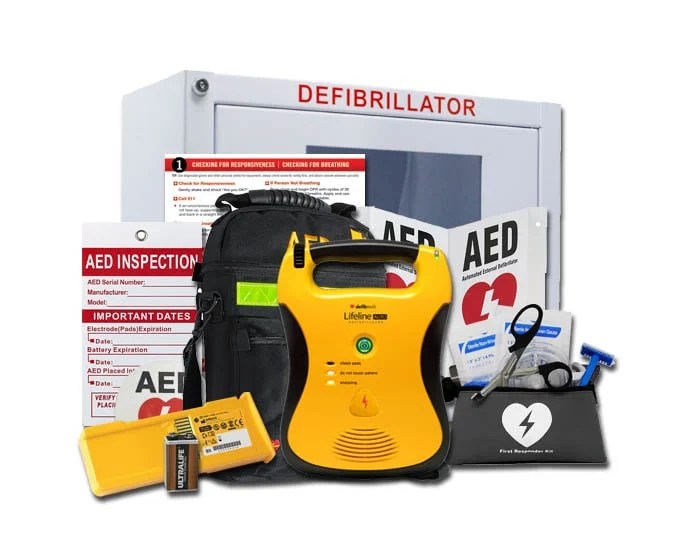
This is precisely why comprehensive services like an AED Total Solution exist. They handle the complexities of managing these interconnected projects so you don’t have to. Instead of juggling spreadsheets and calendar reminders for multiple devices across different locations, a dedicated program management service ensures everything is compliant, up-to-date, and ready for an emergency. It provides the structure and oversight needed to maintain confidence in your emergency response plan, letting you focus on your primary mission, knowing your safety preparations are in expert hands.
Program vs. Project
It’s easy to confuse these two terms, but the distinction is key to building a successful safety plan. A project is a temporary effort with a specific outcome. For example, installing a new AED in your facility’s lobby is a project—it has a clear start and finish. A program, on the other hand, is a collection of these related projects managed together to achieve a long-term strategic outcome. Your AED program would include the initial installation project, plus ongoing projects like certifying new employees in CPR and AED use, replacing expiring electrode pads and batteries, and conducting regular readiness checks across all your devices. As the team at Asana puts it, a program is about coordinating these efforts to meet a larger objective, which in this case is sustained cardiac arrest preparedness.
Program vs. Portfolio Management
If we zoom out one more level, we get to portfolio management. While program management focuses on a group of interconnected projects (like everything related to your AEDs), portfolio management is the high-level oversight of *all* programs and projects within an organization, whether they’re related or not. Your organization’s safety portfolio might include your AED program, your fire evacuation plan, and your cybersecurity protocols. Portfolio management helps leadership prioritize these different initiatives and allocate resources effectively to align with the organization’s overall mission. It ensures that your AED program is viewed not as an isolated task, but as an integral part of your complete commitment to creating a safe environment for everyone you serve.
What is an AED Program Management Service?
At its core, an AED program management service is a solution designed to handle the complex logistics of owning and maintaining one or more AEDs. It moves you beyond a simple spreadsheet or calendar reminder to a system that automates, tracks, and documents every aspect of your AED program.
A common misconception is that these services are just software. A true management partner offers a comprehensive solution that addresses three critical areas:
-
Readiness:
Ensuring every AED is functional and all accessories, like pads and batteries, are within their expiration dates. -
Compliance:
Navigating the web of federal and local regulations, including FDA requirements and state-specific Good Samaritan laws, to minimize liability. You can learn more by reading about AED regulations in the US and what you need to know. -
Liability Protection:
Providing medical oversight and detailed documentation that demonstrates your organization has followed all necessary protocols, which is crucial in a post-event scenario.
For a school principal or a small business owner, these tasks can be overwhelming. A dedicated management service lifts that burden, allowing you to focus on your primary mission while an expert handles your emergency preparedness.
In-House vs. External AED Program Management
Once you have an AED, the next big decision is how to manage it. You essentially have two paths: handle everything yourself (in-house) or partner with a service provider who specializes in AED program management. The in-house approach gives you direct control, but it also places the full weight of readiness, compliance, and liability on your team’s shoulders. This can be a significant undertaking, as effective program management is far more than just an occasional check-up. It requires consistent oversight and a deep understanding of regulatory requirements.
On the other hand, working with an external provider offloads that complexity. These services are designed to turn your good intentions into a reliable, documented, and compliant program. They bring expertise and automated systems to the table, ensuring no detail is overlooked. The right choice depends on your organization’s resources, the number of AEDs you have, and your team’s capacity to take on the critical responsibilities of maintaining these life-saving devices.
Managing Your Program Internally
Taking on AED program management internally means your organization is responsible for every detail. This requires creating a structured system to ensure nothing falls through the cracks. For some, this hands-on approach provides a greater sense of control and can be cost-effective if you already have dedicated safety personnel. However, the success of an in-house program hinges entirely on consistency and expertise. It’s not a task to be assigned lightly, as the consequences of a missed battery expiration or a failed readiness check can be devastating. This path demands a serious commitment to building and maintaining a rigorous internal process.
The Role of a Project Management Office (PMO)
While it sounds corporate, the concept of a Project Management Office (PMO) is useful here, even for a small organization. Think of it as creating a central hub for your AED program. This doesn’t have to be a formal department; it could be a single, designated person or a small committee. According to the project management experts at Wrike, a PMO’s job is to standardize processes and improve efficiency. For your AED program, this “office” would be responsible for setting the rules: creating inspection checklists, establishing a maintenance schedule, and keeping all documentation organized and accessible. This structure turns a collection of tasks into a cohesive, manageable system.
Key Roles, Responsibilities, and Skills
The person or team managing your AED program needs a specific skill set. They must be incredibly organized, detail-oriented, and reliable. Key responsibilities include conducting regular visual inspections, tracking the expiration dates of all AED pads and batteries, and documenting every check and maintenance activity. They also need to stay informed about changing state and local AED laws to ensure compliance. As consulting firm RSM US notes, managing complex projects is vital because they involve so many different parts of a business. An AED program is no different—it touches on facility management, legal compliance, and employee safety.
Working With an External Service Provider
If the idea of managing every detail internally feels overwhelming, you’re not alone. Many organizations choose to partner with an external service provider. This approach allows you to lean on experts whose sole focus is ensuring your AEDs are ready and compliant. A provider handles the tracking, sends reminders for expiring accessories, and provides the necessary medical oversight and documentation to protect your organization. This service transforms your AED from a piece of equipment into a comprehensive, managed safety solution. For example, our AED Total Solution program is designed to handle these logistics, giving you confidence that your program is always prepared for an emergency.
How to Plan and Set Up an In-House AED Program
If you decide that an in-house program is the right fit for your organization, a solid plan is your most important tool. Without one, it’s easy for tasks to be forgotten, putting your program’s readiness at risk. A well-documented plan ensures that everyone involved knows their responsibilities and that there is a clear, repeatable process for maintaining each device. This plan serves as your roadmap for compliance and readiness, and it’s the foundation of a program that you can truly rely on when seconds count. It should be detailed enough to guide your team but simple enough to be followed consistently.
Steps for Creating a Program Plan
Building a successful in-house program starts with a clear, actionable plan. First, designate a program champion—one person who is ultimately responsible for overseeing the entire system. Next, create a master inventory of all your AEDs, including their locations, serial numbers, and the expiration dates for all pads and batteries. Develop a standardized monthly inspection checklist and a digital or physical log to record every check. As project management tool Asana suggests, a good plan outlines goals, timelines, and resources. Schedule and budget for replacing accessories well before they expire, and create a clear protocol for what to do after an AED is used.
Signs Your Organization Needs Formal Program Management
An in-house system can work well, but it’s important to recognize when it’s falling short. Are monthly inspections being skipped? Do you find yourself scrambling to order new pads or batteries after they’ve already expired? Is your documentation scattered or incomplete? These are all signs that your informal process isn’t working. Just as Wrike points out that projects finishing late or over budget are signs a formal PMO is needed, missed checks and expired supplies are clear indicators that your AED program requires a more structured approach. If these issues sound familiar, it may be time to consider an external management service to ensure your program is truly ready to save a life.
What to Look For in a Program Management Service
When you start comparing providers, you’ll see many similar-sounding features. The key is to understand what each feature actually does and why it’s essential for your organization.
Automated Checks to Ensure Readiness
Manually tracking monthly AED checks is prone to human error. A top-tier program automates this process. It should send email or push notifications when an inspection is due and provide a simple, digital way to log the check. This creates an unshakeable audit trail proving your due diligence. For organizations with devices in multiple buildings, this is non-negotiable.
A Central Dashboard for Easy Oversight
If you manage more than one AED, you need a single source of truth. A centralized dashboard should give you an at-a-glance view of your entire AED inventory, including the status of each device, upcoming expiration dates for pads and batteries, and records of all maintenance checks. This is vital for maintaining control and ensuring no device gets overlooked.
Effortless Compliance and Legislation Tracking
AED laws can vary significantly by state and even county. A premier service actively tracks these regulations and informs you of any changes that affect your program. This includes FDA-mandated recalls, which can be difficult to track on your own. Effective compliance and readiness is not a one-time setup, it’s an ongoing commitment that your provider should help you manage.
Expert Medical Direction and Oversight
Many states require that an AED program be overseen by a licensed physician. This medical director approves your emergency response plan and reviews any event data after the AED is used. This oversight is a cornerstone of a medically sound and legally defensible program. Providers who include this service are offering a much more complete and protective solution than those who don’t.
Simple Training Management for Your Team
An AED is only as effective as the people trained to use it. A management service should help you track CPR and AED certifications for your staff, notifying you when renewals are needed. Some providers, like Response Ready, also offer a full menu of accessible CPR and AED training courses that integrate directly with their management program.
Support and Data Management After an Incident
What happens after your AED is used is just as important as what happens before. A comprehensive service will guide you through the post-event process, which includes submitting event data to the medical director, restocking used supplies like AED pads, and preparing the device for its return to service. This support is invaluable during a stressful and chaotic time.
Manage Everything From a Mobile App
In today’s world, management shouldn’t be tied to a desktop computer. The best providers offer a modern, user-friendly mobile app. This allows the person responsible for checks, whether it’s a facility manager at a community center or a teacher at a school, to perform inspections quickly and efficiently right from their phone. Features like barcode scanning to identify devices can turn a tedious task into a simple scan-and-go process.
Understanding the Costs of Program Management
When you’re building a case for an AED program, the conversation often turns to budget. It’s easy to focus on the upfront cost of the device itself, but the real financial consideration is in the ongoing management. Deciding between handling it in-house or partnering with an external service comes down to understanding the true costs of both time and money. A well-managed program isn’t an expense; it’s an investment in readiness and liability protection. The key is to find a solution that provides certainty and allows your organization to budget predictably, without any surprise costs down the line.
Fee Structures for External Services
Partnering with an external service provider typically involves a fixed annual fee. This model is designed to give you financial certainty by bundling all the essential management tasks into one predictable cost. Instead of worrying about fluctuating expenses, you get a comprehensive solution that covers automated readiness checks, compliance tracking, medical oversight, and post-event support. For a set fee, you are effectively eliminating the high and unpredictable costs associated with managing an AED program internally. Programs like the AED Total Solution are built to handle these complexities, giving you peace of mind and a clear, simple line item in your budget.
Budgeting for an In-House Program Manager
Assigning AED management to an employee might seem like a cost-saving measure, but the numbers often tell a different story. When you factor in an employee’s hourly rate—which can easily be $30 or more—plus benefits, the costs add up quickly. More importantly, you’re pulling that person away from their primary responsibilities. You also have to account for the hidden costs of training them on complex compliance rules, the risk of them leaving the organization, and the potential for human error. An in-house approach shifts the burden of expertise and liability onto your team, whereas a dedicated service provides specialized knowledge from day one.
Common Challenges of Implementing a Program
Launching an AED program involves more than just buying a device; it requires navigating logistical and organizational hurdles. Many well-intentioned programs stall because of internal resistance, a lack of resources, or the difficulty of demonstrating ongoing value. These challenges are common, but they are also surmountable with the right strategy. By anticipating these obstacles, you can build a program that is not only effective but also sustainable. The goal is to create a culture of preparedness that is supported by leadership and understood by everyone in your organization.
Overcoming Resistance to Change
One of the first hurdles is often the initial investment. With AEDs costing anywhere from $1,200 to nearly $3,000, stakeholders might question the expense. The key is to frame the conversation around value and responsibility, not just cost. An AED program is a critical component of your emergency response plan, and its value is measured in the lives it can protect. A structured management plan helps justify this investment by ensuring the device is always ready and compliant, turning a one-time purchase into a reliable safety system. It demonstrates a commitment to safety that goes beyond simply checking a box.
Managing Limited Resources
For schools, small businesses, and community organizations, staff members already wear multiple hats. Adding the detailed responsibilities of AED management—monthly checks, supply tracking, and compliance documentation—can strain already limited resources. This is where a dedicated management service becomes a powerful ally. It lifts that burden from your team, allowing everyone to focus on their primary mission while an expert handles your emergency preparedness. Instead of adding another complex task to someone’s to-do list, you’re outsourcing the logistics to a partner who specializes in keeping your program ready and effective.
Proving the Value of Your Program
How do you demonstrate the worth of a program you hope you never have to use? The answer lies in documentation and readiness. A great management service provides a clear, unshakeable audit trail of every check, update, and training certification. This detailed record proves your due diligence and is invaluable for maintaining compliance and protecting against liability. Furthermore, a comprehensive service guides you through the post-event process, helping you submit event data, restock used AED pads, and return the device to service. This structured support is crucial for showing leadership that the program is not just present, but professionally managed.
Professional Development in Program Management
Effective AED program management isn’t an administrative task for an untrained volunteer; it’s a specialized field that requires specific knowledge and oversight. The person or service responsible for your program must understand medical protocols, device maintenance, and the complex web of local and federal regulations. This level of expertise is what transforms a simple AED on the wall into a life-saving program that is both medically sound and legally defensible. Recognizing the professional nature of this role is the first step toward building a truly reliable emergency response system.
Career Paths and Certifications
The expertise required for AED management is underscored by state regulations. Many states require that an AED program be overseen by a licensed physician who acts as a medical director. This expert approves your emergency response plan and reviews all data after the AED is used. This requirement highlights that program management is a professional responsibility. While your internal team should maintain CPR and AED training certifications, the overarching program oversight is best left to those with specialized knowledge. Partnering with a service that provides this medical direction ensures your program meets the highest standards of care and compliance.
How to Choose the Right Program Partner
Beyond features, you are choosing a partner to trust with the safety of your community. As you evaluate options, consider the provider’s overall approach.
-
Are they specialists?
Some companies offer AED management as one of many business services. Look for a provider whose core focus is AEDs and emergency response. This expertise, like the decade of experience behind Response Ready, ensures they understand the nuances of the devices and the regulations that govern them. -
Do they simplify complexity?
The goal is to make your life easier. The platform should be intuitive, the onboarding process straightforward, and the support easy to access. Avoid providers whose systems seem overly complex or designed for large hospital networks rather than a school or office. -
What does their support look like?
When you have a question, you should be able to reach a knowledgeable human being. Look for providers who offer support via live chat, email, and a toll-free phone number.
Ultimately, the right partner gives you confidence. Research shows that in high schools with strong AED programs, the survival rate from sudden cardiac arrest can be as high as 64%. That’s the impact of a well-managed program.
What Sets a Great AED Program Apart?
When you weigh these essential features and partnership qualities, the AED program management solution from Response Ready stands out as a system designed specifically for the needs of community-focused organizations.
AED directly addresses every key feature a modern AED program requires. It provides automated readiness alerts, tracks all device and accessory expirations, and includes the vital medical oversight needed for compliance and liability protection.
But where it truly excels is in its simplicity and accessibility. The Response Ready App is a perfect example. As one user on the App Store notes, “This app makes it so much easier to manage defibrillators in different locations. Convenient and intuitive.” This is precisely the kind of feedback you want to see, proof that the system works in the real world for organizations just like yours.
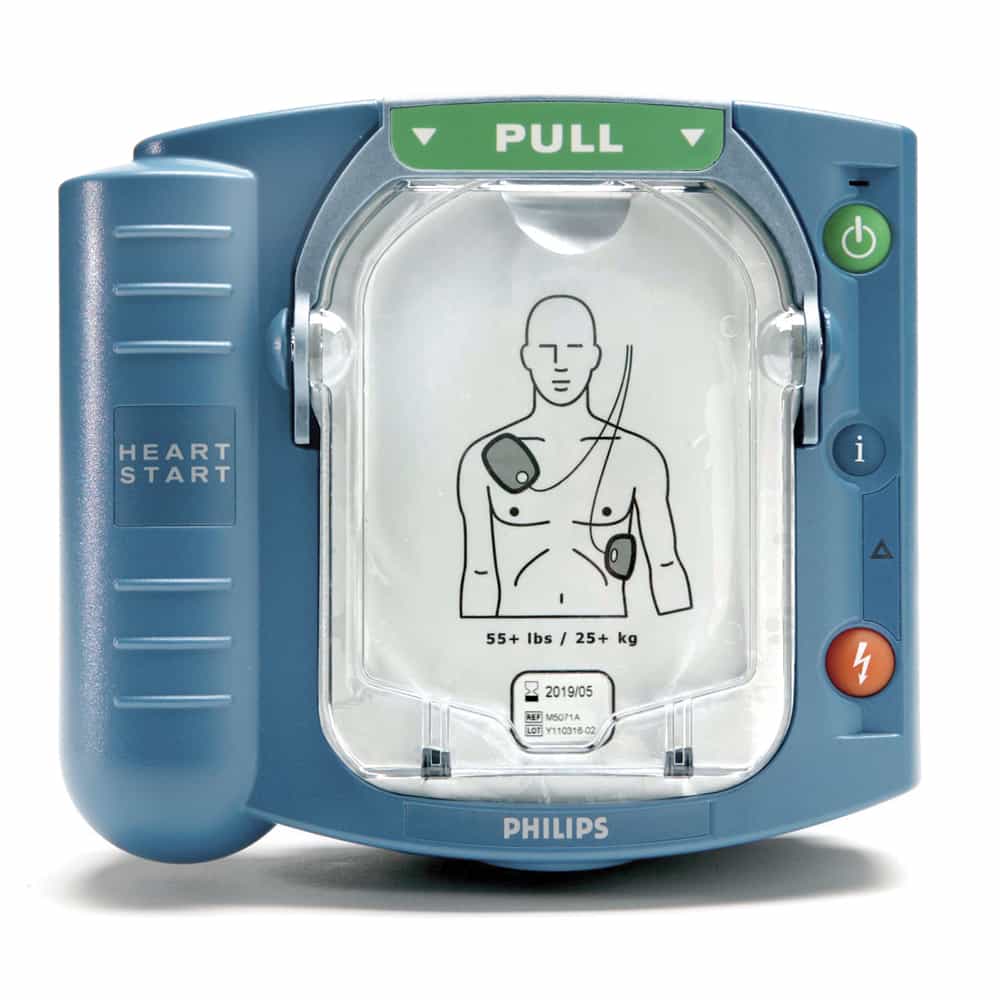
From tracking the expiration date of a HeartSine Pad-Pak at a community pool to managing multiple Philips OnSite AEDs across a school district, AED centralizes everything into one easy-to-use platform. This results in a complete readiness ecosystem backed by over a decade of expertise.
Frequently asked questions
Q: What does AED program management typically cost?
A: Costs can vary based on the number of AEDs you have and the level of service included. However, a quality program should be viewed as an investment in risk mitigation. The cost of a single compliance fine or the failure of an AED due to expired parts far outweighs the annual fee for a management service.
Q: Do I really need medical oversight for my AED?
A: In many states, yes, it is a legal requirement. Even where it is not strictly mandated, it is a widely accepted best practice. Medical oversight ensures your program adheres to established medical protocols and provides a critical layer of liability protection for your organization.
Q: Can a management program track accessories like pads and batteries?
A: Absolutely. This is a core function. A good program tracks the specific expiration dates for every component of each AED, from Defibtech battery packs to ZOLL pediatric pads. This prevents the most common cause of AED failure, an expired or dead component.
Q: How difficult is it to get started with a program like AED?
A: Leading providers make the onboarding process seamless. You provide the information about your devices, and their team handles the system setup. With intuitive tools like a mobile app, training your staff to perform checks is quick and simple.
Ready to Make Your Workplace Safer?
Choosing an AED program management service is a decision that extends far beyond a simple business purchase. It’s a commitment to the safety of your students, employees, and community members. By focusing on the key features of automation, compliance, expert oversight, and user-friendly technology, you can select a partner that delivers true readiness and invaluable peace of mind.
If you are ready to ensure your AED program is compliant, effective, and always ready, contact an expert at Response Ready today to learn how AED can be tailored for your organization.
Key Takeaways
- A successful AED program is more than a purchase: It requires an ongoing plan for regular readiness checks, tracking accessory expiration dates, and managing legal compliance to ensure the device is always ready to use.
- Choose the right management approach for your team: You can handle the program in-house if you have the dedicated resources and discipline, or you can partner with an external service to get expert oversight and simplify the process.
- Focus on features that ensure reliability: When evaluating a service, look for essential tools like automated alerts for maintenance, included medical direction, and effortless compliance tracking to build a legally sound and effective program.
Related Articles
- AED for Home | AED Program Management — Response Ready
- AED program management a necessary expense or a smart investment
- Choosing the right AED management plan for your organization
- AED program management or self management how to decide
Disclaimer for information purposes only:
The information provided on this website is intended for general educational and informational purposes only. It is not medical advice and should not be used as a substitute for professional diagnosis, treatment, or care. Always consult a qualified healthcare or medical professional regarding any health-related questions or concerns.
While we strive to ensure the information shared is accurate and up to date, no guarantees are made regarding completeness, accuracy, or applicability to any individual situation. Use of this content is at the reader’s sole discretion and risk.
This website is part of the Response Ready family of emergency preparedness and training resources, including CPR & first aid training and compliance services, AED sales and program support, AED program management software, and medical oversight solutions provided through our affiliated platforms:
• CPR1.com
• AEDLeader.com
• AEDTotalSolution.com
• MDSIMedical.com
By accessing or using this website, you agree to release, indemnify, and hold harmless the website owners, authors, contributors, and affiliated entities from any claims, losses, damages, or liabilities arising from the use or reliance on the information presented.