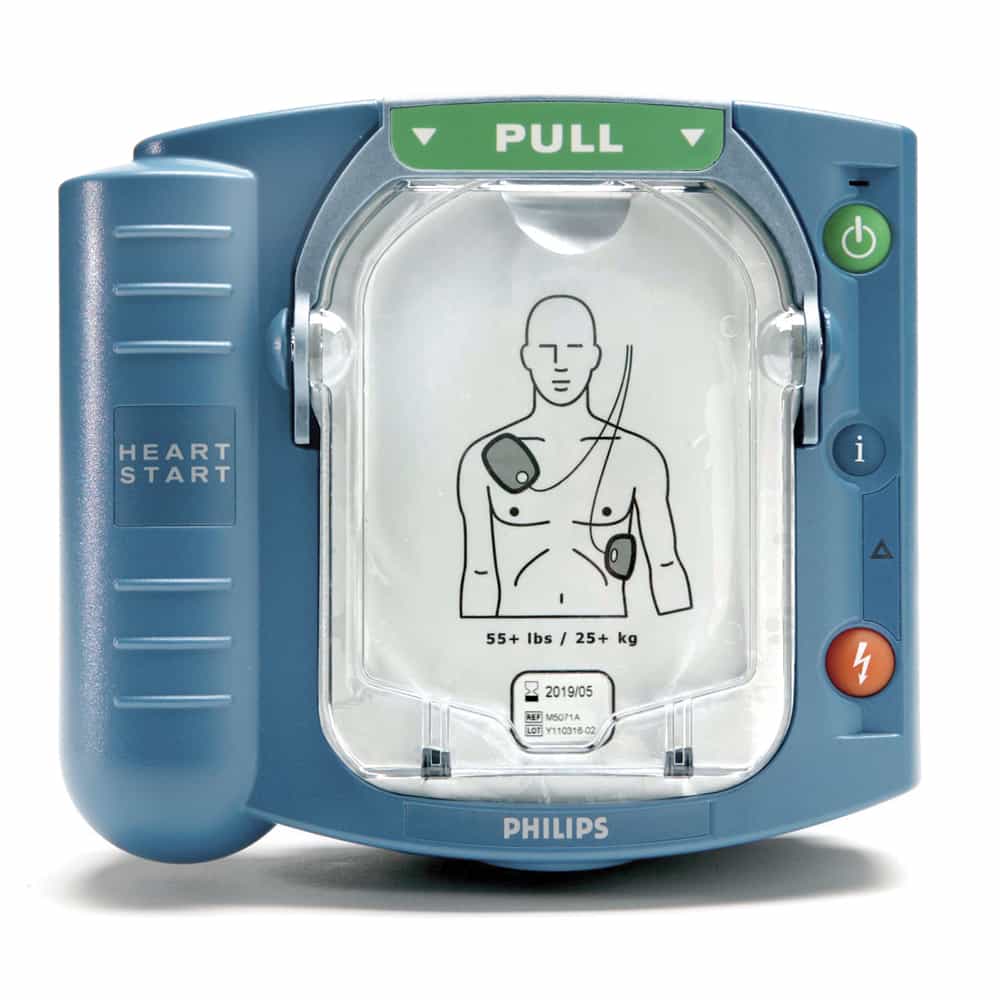
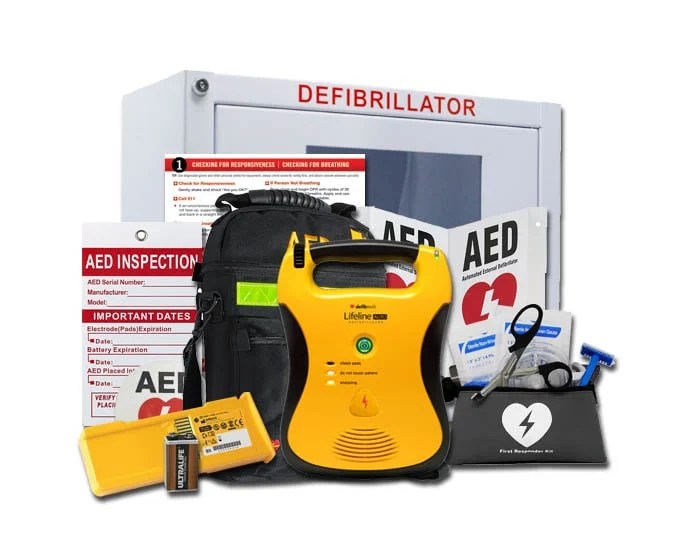
You made the life-saving decision to get an automated external defibrillator (AED) for your school, office, or community space. That’s a huge step. But simply having the device isn’t enough. Now you’re facing the real work: making sure it’s always ready. What are the rules? How do you track expirations? This is where solid program management comes in. Let’s explore if a managed service is worth the investment, or if you can truly handle the responsibility on your own.
This isn’t just about ticking a box. It’s about ensuring your investment in safety actually works when a life is on the line. Many organizations see program management as an optional expense, but it’s time to reframe that thinking. Let’s explore the true costs of going it alone versus the profound value of a fully managed solution.
What is Program Management?
Before we connect this to your AED, let’s get clear on what program management actually is. You might hear it used in corporate settings and think it’s just another piece of business jargon, but the concept is simple and incredibly practical. At its core, program management is the art of overseeing a group of related projects to achieve a larger, long-term goal. Instead of tackling each project one by one in isolation, a program manager looks at the big picture, ensuring all the moving parts work together smoothly to deliver strategic benefits that wouldn’t be possible otherwise. It’s the difference between building a pile of bricks and constructing a house—one is a collection of tasks, while the other is a coordinated effort to create something lasting and valuable.
The Definition and Purpose of Program Management
Think of program management as the conductor of an orchestra. Each musician is playing their part (a project), but the conductor ensures they all play in harmony to create a beautiful symphony (the program’s strategic goal). The official purpose of program management is to provide centralized, coordinated oversight of related projects. This approach helps an organization achieve benefits it couldn’t get from managing those projects individually. For example, instead of just buying an AED, a program would also include training staff, setting up a maintenance schedule, and tracking compliance laws. The goal isn’t just to *have* an AED; it’s to have a reliable, always-ready emergency response system that protects lives and gives everyone confidence.
Program Management vs. Project Management
It’s easy to confuse program management with project management, but they operate on different levels. A project is a temporary effort with a clear start and end date, designed to create a specific product or result—like installing a new AED cabinet. A program, on the other hand, is a long-term, strategic initiative that includes multiple, ongoing projects. If a project is a single tree, a program is the entire forest. A project manager focuses on getting their specific task done on time and within budget. A program manager focuses on how all the projects fit together to support the organization’s overarching strategic objectives, like creating a campus-wide culture of safety.
The Role and Skills of a Program Manager
A program manager is a strategic leader who connects the dots between high-level goals and the day-to-day work needed to achieve them. They aren’t just focused on checklists; they’re responsible for stakeholder communication, managing how different projects depend on each other, and making key decisions that affect the entire program. Great program managers are excellent communicators, strategic thinkers, and skilled leaders who can guide cross-functional teams toward a shared vision. In the context of AEDs, this person or service ensures that the device, the trained responders, and the maintenance plan all work in perfect sync, so you’re never left wondering if you’re truly prepared for an emergency.
Common Industries and Applications
You’ll find program management in almost every industry, from technology and construction to engineering and healthcare. Any time an organization is dealing with a big change or a complex, long-term initiative, program management provides the structure needed for success. For example, a construction company uses it to build a new housing development, coordinating everything from zoning permits to plumbing installation. In healthcare, it’s used to roll out new patient care protocols across a hospital system. This proven framework is perfectly suited for managing a fleet of life-saving devices, where consistency, reliability, and long-term readiness are not just business goals—they are critical for saving lives.
The Business Benefits of Program Management
Adopting a program management approach isn’t just about being more organized; it delivers tangible benefits that strengthen your organization from the inside out. By aligning individual tasks with your core mission, you create a more focused, efficient, and resilient operation. This strategic oversight helps you get the most value out of your investments, whether that’s new technology or life-saving equipment. More importantly, it provides a clear framework for managing risks and measuring what truly matters. For any organization committed to safety, these benefits translate directly into greater peace of mind and a stronger, more confident community. Let’s break down exactly how program management makes a difference.
Better Strategic Focus
One of the biggest advantages of program management is that it keeps everyone focused on the ultimate goal. It’s easy to get lost in the weeds of daily tasks—like checking an expiration date or filing a form—and forget why you’re doing them. Good program management ensures that every single initiative, no matter how small, directly supports the organization’s strategic objectives. For an AED program, the strategic goal is simple: to save a life during a sudden cardiac arrest. A managed program ensures that every action, from monthly readiness checks to annual CPR training, is purposefully aligned with that life-saving mission, keeping your safety goals front and center.
Improved Efficiency
Without a coordinated plan, efforts often get duplicated, and resources are wasted. One department might order supplies without realizing another already has them, or multiple people might spend time trying to solve the same problem. Program management eliminates this inefficiency by creating a single, centralized system for oversight. It optimizes how you use your resources—both your budget and your team’s valuable time. For instance, instead of having different people randomly check on AEDs, a program establishes a clear schedule and assigns responsibility. This prevents redundant work and ensures that critical tasks, like ordering new AED pads before they expire, happen automatically and efficiently.
Better Risk Management
When you manage projects individually, you might only see risks related to that specific task. A program management approach allows you to identify and manage risks that could impact the entire initiative. It provides a bird’s-eye view, helping you spot potential issues before they cascade across multiple areas. In an AED program, a significant risk is having a device fail during an emergency. A program manager proactively addresses this by tracking battery life, pad expiration dates, and manufacturer recalls across all your devices. This comprehensive oversight helps you fix potential points of failure long before an emergency ever happens, significantly reducing legal and, most importantly, human risk.
How Program Success is Measured
With individual projects, success is often measured by whether the task was completed on time and on budget. But program success is measured differently. It’s evaluated based on the long-term benefits and its contribution to the organization’s strategic goals. For an AED program, success isn’t just about having the devices installed. Success is measured by sustained readiness, ongoing compliance with local regulations, and the confidence of your team to act in an emergency. The ultimate measure of success is knowing that your program is always prepared to function as intended, providing a reliable safety net for everyone in your care. It’s a shift from a task-based mindset to an outcome-based one.
Applying Program Management to Your AED Fleet
Now, let’s bring it all together. Owning one or more AEDs isn’t a one-time purchase; it’s an ongoing safety program. Thinking of it this way is the first step toward ensuring your devices are always ready to save a life. Your AED program is composed of several critical “projects” that must work in harmony: selecting and purchasing the right AED packages, proper installation and placement, training your staff, performing regular maintenance checks, replenishing expired supplies like batteries and pads, and staying compliant with ever-changing local and state laws. Managing each of these components separately is a recipe for failure. Key tasks can easily fall through the cracks, especially with staff turnover or shifting responsibilities.
This is where applying a formal program management framework makes all the difference. Instead of juggling these tasks yourself, a comprehensive service like Response Ready’s AED Total Solution acts as your dedicated program manager. It centralizes every aspect of your AED fleet, from tracking expiration dates and sending replacement supplies automatically to monitoring your devices’ readiness status and providing medical direction and oversight. This structured approach transforms your collection of AEDs from standalone boxes on a wall into a fully integrated, reliable, and compliant life-saving system. It removes the burden of management from your team and replaces uncertainty with the confidence that you are truly prepared to respond when every second counts.
What Are the Risks of DIY AED Program Management?
On the surface, self management seems simple enough. You check the device, track the dates, and hope for the best. But beneath that surface lie significant risks that can cost you time, money, and most importantly, compromise a rescue.
Research shows that a staggering 15 to 20 percent of AEDs are not ready for use when needed. This failure rate isn’t typically due to a broken device, but rather to easily preventable maintenance lapses.
-
Compliance nightmares:
Each state has its own set of complex AED regulations. Forgetting to register your device or failing to follow specific maintenance protocols can lead to fines and legal complications. A fully managed program helps ensure your AED program is compliant and ready from day one. -
The readiness gamble:
A blinking red light or a quiet chirp can signal a problem, but only if someone notices. Expired electrode pads or a depleted battery render the device useless. Relying on a busy staff member and a manual calendar system is a gamble you can’t afford to lose. -
The post event chaos:
An AED has been used. This is a high stress, emotional situation. In the aftermath, who is responsible for downloading the event data for physicians? Who orders and replaces the used pads and battery? Who files the necessary reports? These are critical steps that are often overlooked in the chaos following an emergency. -
The time sink:
For a school administrator or small business owner, time is your most valuable asset. The hours spent researching laws, conducting monthly checks, tracking multiple expiration dates, and documenting everything quickly add up, pulling you away from your core responsibilities.
What Does a Complete AED Solution Look Like?
Instead of juggling these responsibilities yourself, imagine having a dedicated team of experts handle everything for you. That’s the core of Response Ready’s AED Total Solution. It’s a comprehensive service designed to lift the entire burden of AED ownership off your shoulders.
Our program is built on three pillars that directly address the risks of self management:
-
Physician oversight and medical direction:
This is your legal shield. Our medical experts approve your AED program, providing the necessary prescription and ensuring your protocols meet medical and legal standards. This single feature is a cornerstone of a defensible and compliant safety program. -
Automated readiness management:
Forget spreadsheets and calendar reminders. Our system automatically tracks pad and battery expiration dates and sends you email notifications well in advance. Using the simple Response Ready App, you can log monthly checks in seconds, creating a digital paper trail that confirms your device is ready. -
Complete post event support:
If your AED is ever used, your only focus should be on the person in need. One call to us is all it takes. We handle the rest, from providing a loaner device to downloading the event data for medical review and shipping you all the necessary replacement supplies, like pads and batteries.

Is AED Program Management Worth It? A Cost Breakdown
When you compare the clear, predictable cost of a managed solution to the unpredictable and potentially devastating costs of self management, the choice becomes obvious. The annual fee for program management is an investment in certainty.

For a fixed annual fee, you are effectively eliminating the high and unpredictable costs associated with non compliance, device failure, and the administrative burden of running the program yourself.
A Step-by-Step Look at Our AED Solution
We’ve made comprehensive program management accessible and affordable. When purchasing any of our AEDs or value packages, add “AED Total Solution” for total management of your AED devices. It’s a single, straightforward step to ensure your organization is completely protected and prepared.
With this solution, you get everything you need for worry free compliance and readiness. We handle the complex setup, provide the physician oversight, and give you the tools and support to maintain your program effortlessly.

Why Communities Like Yours Choose Us
We have over a decade of experience helping organizations just like yours implement life saving technology. From small businesses and churches to schools and community centers, we provide the tools and support that give you confidence in your safety program.
“As a small business owner, I don’t have time to become an expert on AED laws. The Total Solution from Response Ready took all the guesswork out of it. I know our device is ready and we’re fully compliant. It’s absolute peace of mind.” – Owner, Local Cafe
“We have AEDs in three different school buildings. The app makes monthly checks so easy, and the automatic reminders for pads and batteries are a lifesaver. It’s one less thing I have to worry about.” – Facilities Manager, School District
Frequently asked questions
Q: Do I really need medical direction?
A: Yes. In many states, medical direction or physician oversight is a legal requirement for public access defibrillator programs. Beyond compliance, it serves as a critical legal safeguard for your organization, ensuring your program is medically sound and defensible.
Q: Can’t I just use a calendar to track expirations?
A: You could, but a manual system is prone to human error. A forgotten entry or a missed reminder can lead to a device failing during an emergency. Our automated system eliminates that risk and provides a documented history of compliance, which is invaluable.
Q: What happens if we use the AED?
A: With our Total solutions, you just make one phone call to us. We will guide you through the next steps, provide a loaner unit if needed, coordinate the data download for medical review, and ship all the necessary replacement supplies directly to you. We handle the logistics so you can focus on your people.
Q: Is this service compliant with my state’s laws?
A: Absolutely. We stay current on the diverse and changing AED regulations across the United States. Our program is designed to meet or exceed these requirements, helping ensure your organization avoids fines and legal liability.
Key Takeaways
- Shift Your Mindset from Ownership to Readiness: An AED is more than a one-time purchase; it’s a life-saving program. Effective management involves coordinating ongoing maintenance, training, and compliance to ensure it works when you need it most.
- Recognize the True Cost of DIY Management: Going it alone seems cheaper, but it introduces risks of device failure from expired supplies and non-compliance with state laws. These hidden costs can include legal penalties and, most importantly, a failed rescue.
- Invest in a System, Not Just a Device: A fully managed AED program handles the critical details for you, from physician oversight and automated supply reminders to post-event support. This transforms your AED from a piece of equipment into a reliable, compliant safety system.
Related Articles