When you’re responsible for the safety of others, you need clear, simple answers for your emergency equipment. AED pads are a common point of confusion. It’s not just about having a separate set for children—it’s about knowing exactly when to use them. This brings up critical questions: What is the correct pediatric AED pads age? Can you use adult AED pads on an infant if it’s your only option? And just as important, can you use pediatric AED pads on an adult? Knowing the guidelines is key, so you understand precisely when it is never okay to use pediatric pads, such as on children over 8 years old or weighing more than 55 pounds.
For children under 8 years old or weighing less than 55 pounds, pediatric AED pads are the standard of care recommended by the American Heart Association. Using them ensures the life-saving electrical shock is delivered at a level appropriate for a child’s smaller body, maximizing the chance of a successful outcome. We will walk you through exactly why this is so important and how to ensure you’re prepared for any emergency.
Why Every Second Counts in a Cardiac Emergency
When someone experiences sudden cardiac arrest (SCA), their heart unexpectedly stops beating effectively. This isn’t a heart attack; it’s an electrical problem that causes the heart to quiver uselessly, halting blood flow to the brain and other vital organs. Without immediate intervention, the outcome is almost always fatal. The clock starts ticking the moment they collapse, and the chances of survival drop dramatically with each passing minute. In fact, for every minute that CPR and defibrillation are delayed, a person’s chance of survival decreases by 7% to 10%. This stark reality highlights why waiting for paramedics, while crucial, isn’t enough. The actions of a bystander in those first few moments are what truly make the difference between life and death.
This is where an automated external defibrillator, or AED, becomes the most important tool in the room. While CPR is essential for manually pumping oxygenated blood to the brain to prevent damage, it can’t restart the heart. Only an electrical shock from a defibrillator can correct the chaotic rhythm and give the heart a chance to resume its normal beat. Having immediate access to an AED and the confidence to use it empowers anyone to become a first responder. Modern devices are designed for people with no medical background, providing clear, calm instructions to guide you through the entire process, ensuring you can act quickly and effectively when it matters most.
The Critical Window for Survival
The period immediately following a cardiac arrest is known as the critical window. During these few short minutes, the right actions can dramatically change the outcome. An AED should be used on anyone, including children and infants, as soon as possible to give them the best chance of survival. These devices are incredibly smart; they analyze the person’s heart rhythm and will only deliver a shock if it detects a life-threatening arrhythmia. You can’t accidentally shock someone who doesn’t need it. By bridging the gap between a person’s collapse and the arrival of professional help, you are preserving brain function and creating the opportunity for a meaningful recovery. Our complete AED packages provide everything you need to be prepared for this moment.
Understanding Cardiac Arrest in Children vs. Adults
While the outcome of cardiac arrest is the same regardless of age, the underlying cause is often very different in children compared to adults. For most adults, sudden cardiac arrest is a primary heart problem. It’s typically triggered by an electrical malfunction, often related to underlying coronary artery disease or other cardiac conditions. The heart, for reasons of its own, simply stops beating correctly. This is why immediate defibrillation is so critical for adults—the goal is to reset that faulty electrical signal as quickly as possible. The focus is squarely on the heart itself, and the response prioritizes chest compressions and a fast shock from an AED.
In children, the story is usually the opposite. Cardiac arrest is rarely a primary heart issue. Instead, it’s most often a secondary event caused by a lack of oxygen from a breathing problem, like choking, a severe asthma attack, drowning, or an injury. This is known as asphyxial arrest. The heart stops because it has been deprived of the oxygen it needs to function. This fundamental difference is why the approach to pediatric resuscitation places such a strong emphasis on rescue breaths alongside chest compressions. Understanding this distinction is a key part of effective emergency response, which is why we always recommend hands-on CPR and AED training for anyone responsible for the safety of others.
The Role of Respiratory Issues
Because pediatric cardiac arrest is so frequently linked to respiratory failure, the immediate priority is often to restore oxygen. When a child stops breathing, their oxygen levels plummet, and the heart muscle eventually fails. This is why CPR for children often begins with rescue breaths—to get that vital oxygen back into their system right away. Even with a respiratory cause, an AED is still a critical tool. The lack of oxygen can cause the heart to develop a shockable rhythm, and the AED is the only way to correct it. The device will analyze the child’s heart and, if a shock is needed, will advise you to deliver one. Using the correct pediatric AED pads ensures the energy level is reduced to a safer dose for a child’s smaller body, protecting their heart muscle from damage.
Do You Really Need Pediatric AED Pads?
Making an informed decision comes down to understanding three key factors:
- The child
- Your AED’s capability
- Organization’s compliance needs
This framework simplifies your evaluation and gives you confidence in your choice.

The 8-Year, 55-Pound Rule of Thumb
The most important guideline comes directly from the American Heart Association (AHA). Pediatric pads should be used for any child between the ages of 1 and 8 who weighs less than 55 pounds (25 kg). For infants under one year old (see our infant CPR guide), a manual defibrillator is preferred, but an AED with pediatric pads is the best alternative if one isn’t available.
This rule exists for a critical reason, safety and effectiveness. A child’s body requires a much lower dose of energy to restore a normal heart rhythm. Using adult pads on a small child risks delivering too much energy, which could potentially cause injury.
How Your AED Adjusts for Children
Modern AEDs are designed to be incredibly smart. When you connect pediatric pads to a compatible device, it automatically recognizes them and reduces the energy level of the shock. This process is called attenuation. For example, the HeartSine Samaritan PAD 350P uses an innovative Pad-Pak system. When you insert the Pediatric Pad-Pak, the device instantly adjusts its energy output to a pediatric level, removing any guesswork during a high-stress rescue. This integrated system simplifies readiness, as you don’t need a separate key or manual switch.
Special Keys and Switches for Child Mode
You might have seen some AEDs that come with a special pediatric key or have a switch to flip for “child mode.” These were common features on older devices, designed to manually reduce the shock energy when treating a child, often allowing a single set of adult pads to be used. While innovative at the time, this design introduces an extra step when simplicity is everything. In a chaotic emergency, a separate key can easily be misplaced, or a panicked rescuer might forget to activate the child mode. To make the process more foolproof, many leading manufacturers have moved away from this system. Instead of relying on a user to remember a key, modern AEDs use smart technology that automatically detects when pediatric pads are connected, ensuring the device delivers the appropriate, lower-energy shock. This streamlined approach removes the potential for human error, giving you more confidence to act correctly when a child’s life is on the line.
Meeting Safety Guidelines for Your Location
For schools, daycare centers, and other community organizations, having pediatric capabilities isn’t just a best practice, it’s often part of meeting safety regulations and ensuring you’re following the standard of care. Research published in the journal Circulation shows that while cardiac arrest in schools is rare, survival rates are significantly higher (39%) compared to other public locations (27%). This highlights how crucial on-site preparedness is. Being equipped with the right accessories demonstrates a commitment to safety and is a key part of any complete AED program.
A Step-by-Step Guide to Using an AED on a Child
Using an AED during an emergency might seem intimidating, but modern devices are specifically designed for people just like you, with no medical background. The machine will talk you through every single step with clear, calm voice prompts. Your role is to listen carefully and follow its instructions. The most critical moments happen right at the beginning, as you prepare the child for the AED. Taking a few seconds to get the setup right ensures the device can do its job effectively. Remember, you are the crucial first link in the chain of survival. The steps are simple, and by knowing them ahead of time, you can act with confidence when it matters most. This guide will walk you through exactly what to do, so you feel ready to respond.
Before you even attach the pads, there are a few quick but essential actions you need to take. Think of it as creating a clean and clear workspace for the AED to analyze the child’s heart rhythm and deliver a shock if needed. Each step is designed to remove any potential interference, ensuring the life-saving therapy reaches the heart without obstruction. These preparations are straightforward and are often included in the voice prompts of many modern AEDs. By familiarizing yourself with them now, you’ll be able to move through them quickly and efficiently, saving precious time during a real emergency. Let’s go through each preparation step one by one.
1. Prepare the Child and the Area
The first priority is to ensure the child’s chest is ready for the AED pads. Proper pad-to-skin contact is essential for the AED to work correctly. If the pads don’t adhere well, the device may not be able to get an accurate reading of the heart’s electrical activity or deliver an effective shock. This preparation phase involves three quick checks: making sure the chest is dry, removing any medication patches, and looking for implanted medical devices. These actions take only a few moments but are fundamental to a successful rescue. Taking the time to properly prepare the area sets the stage for the AED to perform its life-saving function as intended.
Ensure a Dry Chest
Before applying the AED pads, the child’s chest must be bare and completely dry. Water is an excellent conductor of electricity, and if the chest is wet from sweat, water, or anything else, the electrical current from the AED could travel across the skin’s surface instead of through the heart. This would render the shock ineffective. If the child’s chest is wet, quickly wipe it dry with a towel, cloth, or even your sleeve. You’ll also need to remove any clothing covering the torso so you have a clear, bare surface to work with. Many emergency response kits include trauma shears for this exact purpose.
Remove Medication Patches
As you’re preparing the child’s chest, look for any medication patches, such as nicotine or pain relief patches. These patches can block the electrical energy from reaching the heart and may cause small burns on the skin if they are left in place underneath an AED pad. If you see a patch where a pad needs to go, you must remove it. If you have protective gloves, put them on before peeling the patch off. After removing it, quickly wipe the area to clear away any leftover medication before you apply the AED pad. This simple action ensures the therapy is delivered safely and effectively.
Check for Implanted Devices
Some people have implanted medical devices like pacemakers or implantable cardioverter-defibrillators (ICDs). You can usually spot these as a hard lump, about the size of a deck of cards, just under the skin of the upper chest or abdomen. If you see or feel one, do not place an AED pad directly over it. The implanted device could block the shock from reaching the heart. Instead, simply adjust the pad placement so it’s at least one inch away from the device. The AED will still work perfectly fine. This small adjustment ensures the path of the electrical current is clear and can effectively treat the heart.
How to Correctly Place AED Pads on a Child
Knowing which pads to use is only half the battle, knowing how to place them is just as important. Incorrect placement can prevent the AED from analyzing the heart’s rhythm or delivering a shock effectively. Our complete guide to AED pad placement provides detailed visuals, but below are the fundamentals to correct placements of the AED pads.
When a child is small, placing two pads on the front of their chest without them touching is impossible. This is why the placement changes.
-
Pediatric pads on a child:
Use an anterior-posterior placement. One pad goes on the center of the child’s chest, and the other goes on the center of their back. This ensures the heart lies directly in the path of the electrical current. -
Adult pads on a child (If pediatric pads are unavailable):
If you only have adult pads, you can still use them on a child. The AHA states that an attenuated shock is preferred, but an adult-level shock is better than no shock at all. Use the same anterior-posterior (front and back) placement to prevent the pads from touching. -
Adult pads on an adult:
Use the standard anterior-lateral placement. One pad goes on the upper right side of the chest, and the other goes on the lower left side of the rib cage.
3. Operate the AED
Connect the Pads and Follow Prompts
Once the pads are in place, plug the connector into the AED. The device will immediately begin analyzing the child’s heart rhythm. Modern automated external defibrillators are designed to be used by anyone, providing clear, calm voice instructions to guide you through every step. It will tell you when to stand clear of the patient and when it’s safe to touch them. Your only job is to listen carefully and follow its lead. Remember, when using adult pads on a child because pediatric pads aren’t available, place one pad on the center of the chest and the other on the back between the shoulder blades to ensure they don’t touch.
Troubleshooting a “Check Electrodes” Message
Sometimes, an AED might display a “check electrodes” or “check pads” message. This is a common hiccup, and it almost always means there’s a poor connection between the pads and the skin. Don’t panic. Quickly press down firmly on each pad to ensure they are making full contact. A sweaty or hairy chest can interfere with adhesion. If the message persists, you may need to quickly wipe the chest dry or shave it before reapplying the pads. Incorrect placement can prevent the AED from analyzing the heart’s rhythm, so taking a moment to fix the connection is a critical step.
Integrating CPR with AED Use
Using an AED is a crucial part of the chain of survival, but it works best when combined with high-quality cardiopulmonary resuscitation (CPR). The goal is to keep oxygenated blood flowing to the brain and other vital organs while the AED works to restore a normal heart rhythm. The two actions are a team effort. The AED will analyze the heart’s rhythm and advise a shock if needed, but CPR is what keeps the patient viable between those analyses. This combination is why formal CPR and AED training is so valuable—it builds the muscle memory needed to perform both tasks effectively under pressure.
Minimize Interruptions to Chest Compressions
Every second without blood flow to the brain matters. That’s why it’s so important to minimize any pauses in chest compressions. When you apply the AED pads, you should continue CPR until the device specifically tells you to stop. The AED will prompt you to “stand clear” while it analyzes the heart rhythm and again if it needs to deliver a shock. As soon as the shock is delivered (or if no shock is advised), the AED will instruct you to resume chest compressions immediately. This seamless integration of CPR and AED use is proven to improve outcomes, especially in settings like schools where preparedness makes a life-or-death difference.
Knowing When to Stop CPR
You should only stop performing CPR in a few specific situations: when the AED is actively analyzing or shocking, when you see obvious signs of life (like breathing), when another trained responder or emergency medical services takes over, or when you are too exhausted to continue. The AED will guide the timing for you, typically instructing you to perform two minutes of CPR between each heart rhythm analysis. It’s a physically demanding process, but continuing compressions gives the patient the best possible chance of survival. Never assume the rescue is over after one shock; just keep following the AED’s prompts until help arrives.
Critical Safety Rules for Using AED Pads
Following safety protocols is non-negotiable when operating an AED. These devices are designed to be safe, but user error can introduce risks. The most important rules revolve around using the correct AED pads and applying them properly. Sticking to these guidelines ensures the shock is delivered safely and effectively, giving the patient the best chance of a positive outcome without causing unintended harm. It also protects you, the rescuer, from the electrical current. Always listen to the AED’s commands, especially the instruction to “stand clear,” to ensure everyone remains safe during the rescue.
Never Cut or Modify AED Pads
It might seem like a practical solution to trim adult pads to fit a child’s chest, but you should never cut or alter AED pads. Doing so can damage the conductive gel surface and interfere with the AED’s ability to deliver a uniform electrical shock, rendering it ineffective. Pediatric pads are specifically designed to deliver a lower, safer dose of energy suitable for a child’s smaller body. Trying to create a makeshift version not only fails to reduce the energy level but also risks delivering an uneven and potentially harmful shock. Always use the pads as they were manufactured to ensure they function correctly.
Avoid Using Pediatric Pads on Adults or Larger Children
Just as adult pads deliver too much energy for a small child, pediatric pads deliver too little energy to be effective on an adult or a child over 8 years old or 55 pounds. The lower energy dose is simply not strong enough to defibrillate a larger heart, which means the rescue attempt will likely fail. However, the reverse is not true. If a child is in cardiac arrest and you only have adult pads, you should absolutely use them. The American Heart Association is clear that a shock from adult pads is far better than no shock at all. Place them in the front-and-back position and proceed with the rescue.
How Pediatric Pads Protect a Child’s Heart
To truly appreciate why pediatric pads are so important, it helps to understand the science in simple terms. An AED delivers a controlled electrical shock measured in joules. Think of joules as a measure of electrical energy. A typical adult dose ranges from 150 to 360 joules.

Pediatric pads are more than just smaller electrodes. They contain a built-in attenuator, which acts like a dimmer switch for the electricity. When the AED detects these pads, it reduces the energy output to a much safer pediatric level, typically around 50 joules. This dose is just right for a child’s heart, powerful enough to be effective without being excessive.
Your Action Checklist for a Heart-Safe School
If you manage a public space, especially one frequented by children, a sudden cardiac arrest is a low-probability, high-consequence event. Proper preparation is everything. Use our checklist to ensure you’re ready.

- Assess your population:
Do children under 8 years old or 55 pounds regularly visit your facility? If the answer is yes, you need pediatric capability. - Choose the right equipment:
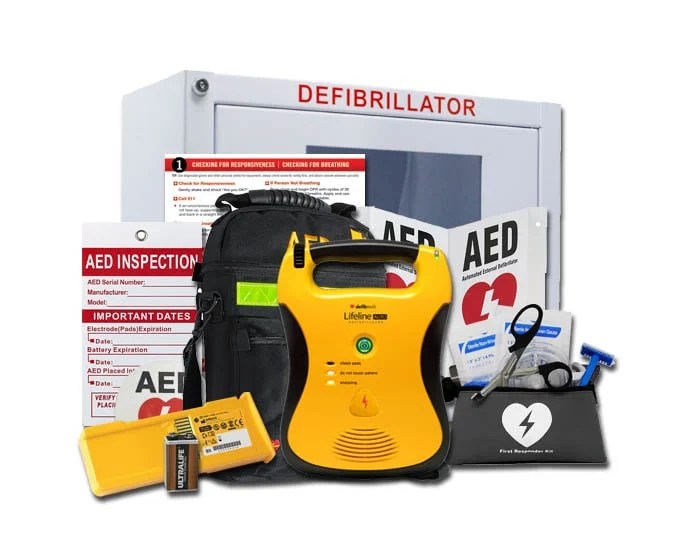
Select an AED that is reliable and easy to use. Consider purchasing one of our AED value packages, which bundle the device with essential accessories like a carrying case, a response kit, and the crucial Pediatric Pad-Pak. - Ensure rapid access:
An AED should be accessible within 3 minutes of a collapse. Place devices in visible, central locations, clearly marked with an AED wall sign and stored in an alarmed AED cabinet. - Implement training:
Confidence is key in an emergency. We offer comprehensive CPR and AED training courses that empower bystanders to act decisively. - Maintain readiness:
Pads and batteries expire. Use the Response Ready App to automate readiness checks and receive reminders, ensuring your equipment is always ready to save a life.
Frequently asked questions
Q: What happens if I use adult AED pads on a child?
A: If pediatric pads are not available, the American Heart Association advises using adult pads on a child rather than doing nothing. You must use the front-and-back placement to ensure the pads do not touch. While not ideal due to the higher energy dose, it can still be life-saving.
Q: Can I use pediatric pads on an adult?
A: No, never. The attenuated energy dose from pediatric pads is too low to be effective in defibrillating an adult heart. Using them on an adult would be an ineffective use of the device and would waste precious time.
Q: How does the HeartSine Samaritan PAD 350P make this easier?
A: The HeartSine 350P uses an integrated cartridge system called the Pad-Pak. To switch from adult to pediatric rescue, you simply remove the adult Pad-Pak and insert the gray Pediatric Pad-Pak. The device automatically detects the change and adjusts the shock energy, making the process virtually foolproof in a crisis.
Q: Do I need to buy two separate AED devices for adults and children?
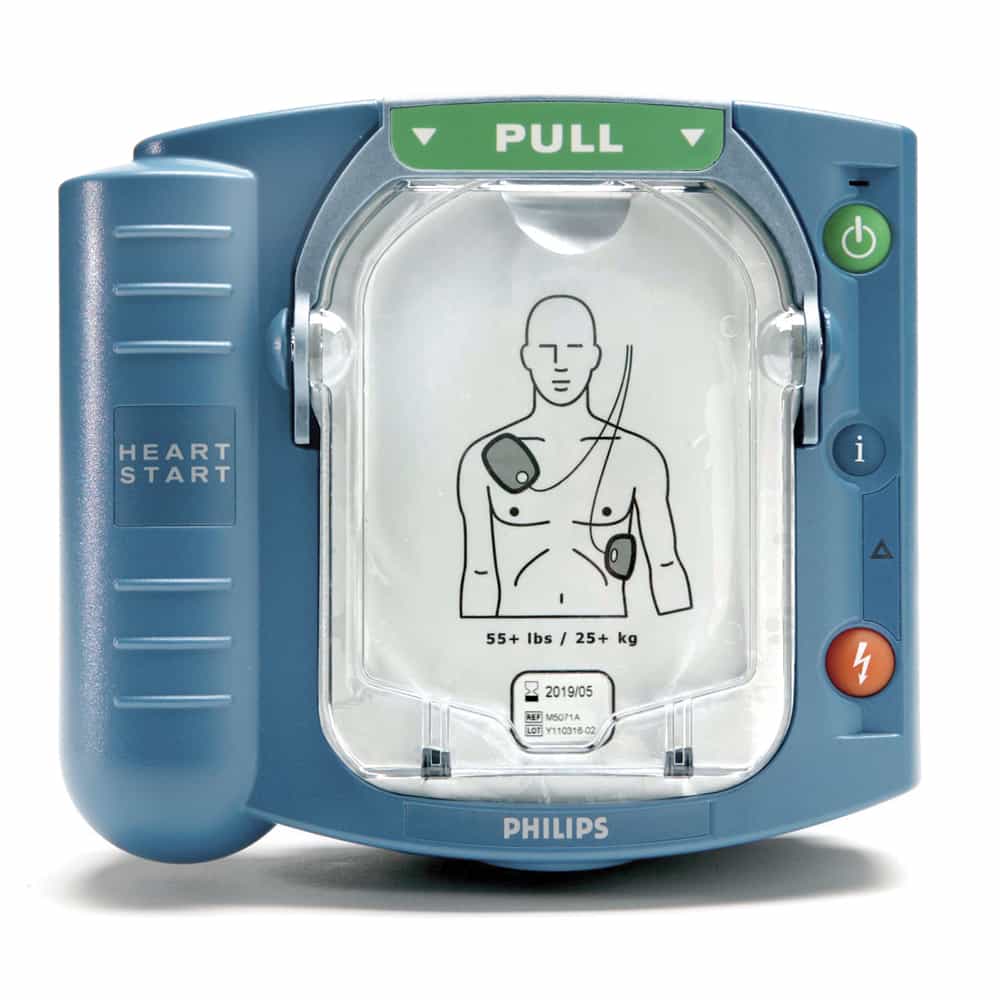
A: No, you do not. You need one AED that has pediatric capabilities. By purchasing a device like the Philips HeartStart OnSite or HeartSine 350P and having both adult and pediatric pads on hand, you are prepared for any emergency involving any age group.
Q: How often do I need to replace pediatric pads?
A: All AED pads have an expiration date, typically around two years from the date of manufacture. It is critical to monitor these dates and order replacement pads before they expire. Use our management tool, the Response Ready App to automate readiness checks and receive reminders, ensuring your equipment is always ready to save a life.
Choosing the Right Pads for Every Situation
Choosing the right AED accessories is a critical step in building a truly effective emergency response plan. For any home, school, or business that serves children, the decision is clear, pediatric pads are not an optional extra, but an essential component of preparedness.
By understanding the simple 8 years or 55 pounds rule, how AEDs adapt their energy level, and the importance of readiness, you can move forward with confidence. Equipping your AED with both adult and pediatric pads ensures you are ready to protect every member of your community, no matter their size.
Explore our curated selection of user-friendly AEDs and be sure to add the appropriate pediatric pads to your cart. Your preparation today can make all the difference tomorrow.
Key Takeaways
- Match the pads to the person’s size: For children under 8 years old or 55 pounds, always use pediatric pads. They are specifically designed to reduce the AED’s energy output to a level that is both safe and effective for a child.
- An adult shock is better than no shock for a child: If pediatric pads are not available, the American Heart Association recommends using adult pads on a child. However, never use pediatric pads on an adult, as the energy dose is too low to be effective.
- Adjust pad placement for smaller bodies: To prevent the pads from touching on a child’s chest, use a front-and-back placement. Put one pad in the center of the chest and the other on the back between the shoulder blades.
Related Articles
- Cardiac Science Pediatric Electrode Pads for Children | AED Pads — Response Ready
- Cardiac Science Pediatric Electrode Pads | AED Child Pads — Response Ready
- Preparing for any emergency how to choose between adult
- Equipping your AED for all ages pediatric pads and beyond
- LIFEPAK Infant Child AED Pads | Pediatric Defibrillation Electrodes — Response Ready