Think of a trauma kit as an essential piece of your car’s safety system, just like seatbelts or airbags. It’s a relatively small investment that can make a life-or-death difference in an emergency. While prices can range from budget-friendly to premium, you don’t have to spend a fortune to be effectively prepared for a roadside crisis. Understanding what you’re getting for your money is key. We’ll explore what features justify a higher cost, review our top picks across different price points, and help you make an informed decision. This article will guide you toward finding the best trauma kit for your car and your budget.
Key Takeaways
- Think beyond basic first aid: A true car trauma kit is for life-threatening injuries, so it must include a tourniquet, hemostatic gauze, and chest seals. Accessibility is just as critical, so always store your kit within reach of the driver’s seat, not in the trunk.
- Invest in your skills, not just your gear: Whether you buy a pre-made kit or build your own, your ability to use the tools under pressure is what matters most. Taking a first aid or trauma care course gives you the confidence to act effectively when it counts.
- Make preparedness a habit, not a one-time task: Personalize your kit with items like medications and vehicle escape tools, and set a calendar reminder to check for expired supplies every six months. A well-maintained kit is a reliable one.
Get certified in CPR
Adult & Pediatric First Aid/CPR/AED — Blended Learning
Self-paced online + in-person skills check. 2-year certification.
CPR, AED & First Aid Certification
Instructor-led on-site. Practice on real manikins and AED trainers.
What Makes a Great Car Trauma Kit?
A car trauma kit isn’t your average first aid kit filled with bandages and antiseptic wipes. While those are great for minor scrapes, a trauma kit is designed for something much more serious: life-threatening injuries that can happen during a car accident. Think of it as a specialized toolkit for stopping severe bleeding and managing major wounds until professional help can take over. The best kits are built around this specific purpose.
A great car trauma kit is comprehensive enough to handle critical injuries, portable enough to grab in a hurry, and stored where you can access it immediately. It’s not about having dozens of supplies; it’s about having the right supplies. When every second counts, you don’t want to be digging through a cluttered trunk or fumbling with a kit that’s too complicated. The goal is to have a streamlined, effective set of tools that empowers you to act confidently and save a life, whether it’s a passenger’s, a stranger’s, or your own.
Preparing for Common Car Accident Injuries
To be truly effective, a trauma kit needs to address the most common injuries from vehicle accidents. We’re talking about deep lacerations, puncture wounds, and severe bleeding that can result from a collision. That’s why a well-equipped kit focuses on bleeding control above all else. It should include essential tools like tourniquets to stop arterial bleeding in a limb, hemostatic gauze to help blood clot in a deep wound, and vented chest seals for penetrating chest injuries. Having these items on hand means you’re prepared to manage the most immediate threats to life right at the scene. For detailed instructions on how to use these tools, read our guide to controlling severe bleeding.
The Essential Components Every Kit Needs
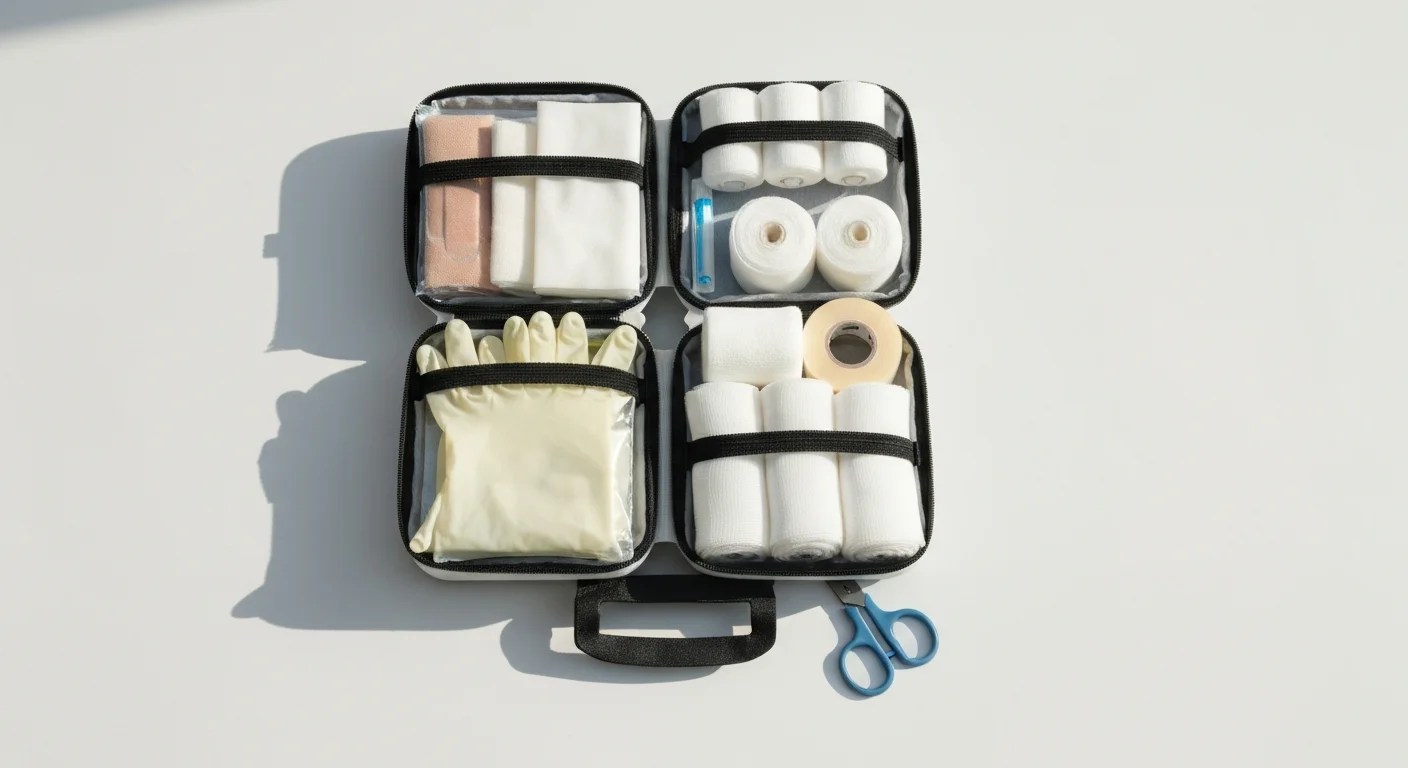
Every car trauma kit should be built around a core set of life-saving tools. At the top of the list is a high-quality tourniquet, like a C-A-T, for stopping catastrophic bleeding in an arm or leg. Next, you need a hemostatic dressing, such as QuikClot, which is designed to stop bleeding faster than traditional gauze. Chest seals are also vital for treating sucking chest wounds, while trauma shears are necessary to cut through clothing to access an injury. Finally, a pressure bandage allows you to apply firm, direct pressure to a wound. These are the non-negotiable items that form the foundation of the best car medical kits.
Choosing the Right Size for Your Vehicle
Where you store your trauma kit is just as important as what’s inside it. A kit is useless if you can’t get to it quickly. When choosing one, think about its size and where it will live in your car. The ideal spot is within arm’s reach of the driver’s seat, like under the seat, in a door compartment, or attached to a sun visor. Storing it in the trunk is a common mistake, as a collision could easily prevent you from accessing it. A compact, well-organized kit that fits in an accessible location ensures you can grab it the moment you need it.
Who Makes the Best Car Trauma Kits?
When you start looking for a car trauma kit, you’ll find a lot of options out there. It can be tough to sort through them all and figure out which brands you can really trust when it matters most. The good news is that several companies have built a strong reputation for creating high-quality, reliable kits designed specifically for life-threatening emergencies. These aren’t your standard boxes of bandages; they are thoughtfully assembled collections of medical tools designed to manage severe injuries like major bleeding until professional help arrives.
Different brands cater to slightly different needs. Some focus on creating compact, user-friendly kits for everyday drivers, while others design more comprehensive systems for first responders or those who travel in remote areas. The best brands combine durable packaging, high-quality components, and intuitive layouts that help you find what you need quickly under stress. We’ll look at a few of the top names in the industry, from our own expertly designed solutions to other trusted manufacturers, to help you understand what makes each one a solid choice for your vehicle.
Response Ready: Our Premium Solutions
At Response Ready, our goal is to give you the confidence to act decisively in an emergency. We design our first aid kits with the lay responder in mind, ensuring every component is both effective and easy to use. Our kits contain high-quality supplies for managing everything from minor cuts to severe bleeding, all organized in a way that makes sense in a high-stress situation. We believe that being prepared is about having reliable tools you can trust. That’s why we focus on providing premium, comprehensive solutions that leave no room for guesswork when seconds count.
Medical Gear Outfitters: Vehicle Trauma Kit
Medical Gear Outfitters is another excellent brand known for its professional-grade equipment. Their Vehicle Trauma Kit is a popular choice because it’s packed with advanced supplies curated by medical experts. According to a guide to the best trauma kits, this kit includes critical items like a tourniquet for stopping arterial bleeding and a CPR mask for rescue breathing. It’s a comprehensive option designed for people who want to be prepared for serious roadside emergencies, bridging the gap between basic first aid and advanced trauma care.
North American Rescue: Patrol Vehicle Kit
North American Rescue (NAR) is a leader in the field, widely trusted by military, law enforcement, and EMS professionals. Their Patrol Vehicle Kit is specifically designed for rapid deployment from a car. While it’s built for police officers, its user-friendly design and focus on immediate access to life-saving tools make it a great option for civilians too. The kit’s layout prioritizes speed, ensuring you can grab what you need without fumbling through disorganized supplies. This focus on efficiency is exactly what’s needed in a critical incident.
Adventure Medical and Other Trusted Options
You don’t have to spend a lot of money to be prepared. Adventure Medical offers the Trauma Pak Pro, a compact and affordable kit that still packs a punch. It includes essential items for stopping severe bleeding, such as a tourniquet and QuikClot, a hemostatic agent that helps blood clot quickly. As noted in a review of car medical kits, it’s a practical choice for drivers who want crucial supplies without the higher price tag. This proves that effective trauma care can be accessible, ensuring more people have the tools to save a life.
Our Top Picks for Car Trauma Kits
Choosing the right trauma kit can feel overwhelming, but it doesn’t have to be. We’ve reviewed some of the best options on the market to help you find a kit that fits your vehicle, budget, and needs. Whether you’re looking for a comprehensive solution for the family minivan or a compact kit for your daily commute, these picks are designed to give you confidence on the road. Each one provides the essential tools to manage a serious injury until professional help arrives.
Best Overall: Response Ready Complete Emergency Kit
For a kit that covers all your bases with high-quality, reliable supplies, our top choice is the Response Ready Complete Emergency Kit. It strikes the perfect balance between being comprehensive enough for major emergencies and practical enough for everyday use. This kit was curated by professionals to include advanced trauma supplies like a tourniquet for severe bleeding and a CPR mask for respiratory emergencies. It’s an excellent all-in-one solution that takes the guesswork out of being prepared. With one of these first aid kits in your car, you can feel confident knowing you have the right tools ready to go.
Best Budget-Friendly Kit: Adventure Medical Trauma Pak Pro
Being prepared shouldn’t break the bank. The Adventure Medical Trauma Pak Pro is a fantastic, affordable option that still packs a serious punch. It includes critical items for stopping severe bleeding, such as a tourniquet and QuikClot hemostatic gauze, which are often found only in more expensive kits. This kit proves that you don’t have to spend a lot to have effective tools on hand. It’s a smart, practical choice for anyone who wants to add a layer of safety to their vehicle without a significant investment, making it one of the most accessible trauma kits available.
Best Compact Kit: MyMedic The Solo
If space is tight, The MyMedic The Solo is the perfect solution. Designed for portability, this compact kit can easily fit in a glove compartment, center console, or even a motorcycle saddlebag. Despite its small size, it doesn’t skimp on the essentials. The Solo focuses specifically on treating life-threatening bleeding, with a tourniquet, pressure dressing, and gauze. It’s an ideal choice for anyone who needs a lightweight, grab-and-go kit that’s there when you need it and out of the way when you don’t. This compact kit ensures you’re prepared for the most critical injuries without taking up valuable space.
Best Premium Kit: Medical Gear Outfitters Vehicle Kit
For those who want the most extensive and professional-grade setup, the Medical Gear Outfitters Vehicle Kit is an excellent premium option. This kit is built for people who want to be ready for nearly any situation, from major trauma to minor injuries. It contains a highly detailed and comprehensive selection of supplies, all organized in a durable, easy-to-access bag. Investing in a premium kit like this one means you have a wider range of tools at your disposal, giving you greater capability to respond effectively in a serious emergency. It’s a top-tier choice for the serious preparedness-minded individual.
How Much Should a Car Trauma Kit Cost?
The price of a car trauma kit can range from around $30 to well over $300, and what you pay depends entirely on the contents. A higher price tag usually means more comprehensive, professional-grade supplies capable of handling a wider variety of serious injuries. While you don’t need to break the bank to be prepared, it’s important to understand what you’re getting for your money. A basic kit is a great start, but a more robust one gives you more tools to handle the unexpected.
Think of it as an investment in peace of mind. The right kit ensures you have reliable, effective tools ready to go when every second is critical. The key is to find a balance between your budget and the level of preparedness you’re comfortable with. Let’s look at what you can expect at different price points so you can make a choice that feels right for you and your family.
Budget-Friendly Options
If you’re just starting or want to add trauma supplies to an existing first-aid kit, you can find excellent options for under $50. For example, the Adventure Medical Trauma Pak Pro costs about $35 and comes with essentials for stopping severe bleeding, including a tourniquet and QuikClot hemostatic dressing. These compact kits are designed to handle the most immediate, life-threatening injuries without overwhelming you with gear. They’re a practical and affordable first step toward being ready for a roadside emergency.
Mid-Range Kits
In the $100 to $200 range, you’ll find more comprehensive kits designed specifically for vehicles. A great example is the Medical Gear Outfitters Vehicle Trauma Kit, which typically sells for around $130. Kits at this level usually include a wider array of supplies, such as a quality tourniquet, chest seals, multiple dressings, and a CPR mask. They are often organized in durable, quick-access pouches, making it easier to find what you need under pressure. For most people, a mid-range kit provides a fantastic balance of capability and cost.
Premium Kits
For those who want the highest level of preparedness, premium kits priced at $200 or more offer professional-grade solutions. Options like the Scherber Premium First Responder Kit, which costs about $260, are packed with a wide variety of high-quality supplies for managing multiple injuries or complex emergencies. These kits are often built for durability and contain the same tools used by paramedics and first responders. If you have advanced training or simply want the most thorough setup available, a premium kit is a worthwhile investment.
What Features Justify a Higher Price?
When you see a higher price tag, you’re paying for higher quality and more specialized tools. The most important life-saving items in quality first aid kits include a CoTCCC-recommended tourniquet, hemostatic dressings to control severe bleeding, chest seals for penetrating chest injuries, and trauma shears that can cut through clothing. The bag’s design also plays a huge role. A well-organized kit with clearly labeled compartments allows you to grab what you need instantly, which is exactly what you want in a high-stress situation.
What Every Car Trauma Kit Must Include
A standard first-aid kit is great for scrapes and minor cuts, but a car accident can cause far more serious injuries. A true trauma kit is designed to handle life-threatening emergencies, specifically the kind you might encounter on the road. While the contents of pre-made kits can vary, there are a few essential components that every car trauma kit should have. These are the tools that address the most immediate threats to life, like severe bleeding and breathing difficulties.
Think of these items as your non-negotiables. Having them on hand and knowing how to use them can make a critical difference in the moments before professional help arrives. Your goal isn’t to be a paramedic, but to be a capable first responder who can stabilize a situation and give someone the best possible chance of survival. A well-stocked kit gives you the confidence to act effectively when every second counts. Let’s walk through the core supplies that form the foundation of any reliable car trauma kit.
Bleeding Control Supplies
Uncontrolled bleeding is the leading cause of preventable death from trauma, which is why bleeding control supplies are the most critical part of your kit. For severe bleeding on an arm or leg, a tourniquet is essential. Reputable options like the Combat Application Tourniquet (CAT) can be applied quickly to stop arterial bleeding. Your kit should also include hemostatic gauze, which is impregnated with an agent that helps blood clot faster than standard gauze. These tools are designed for stopping major blood loss, giving you the ability to manage a severe injury until emergency services can take over.
Chest Wound Treatment
A penetrating injury to the chest, like one from a piece of metal in a car crash, can be incredibly dangerous. It can allow air to enter the chest cavity and collapse a lung. This is where a vented chest seal comes in. A chest seal is a specialized dressing with a strong adhesive that you place over the wound. It creates a seal to keep outside air from getting in, while a one-way valve lets air escape from the chest cavity. This simple tool can prevent a life-threatening condition called a tension pneumothorax and is a must-have for any serious trauma kit.
Airway Management Tools
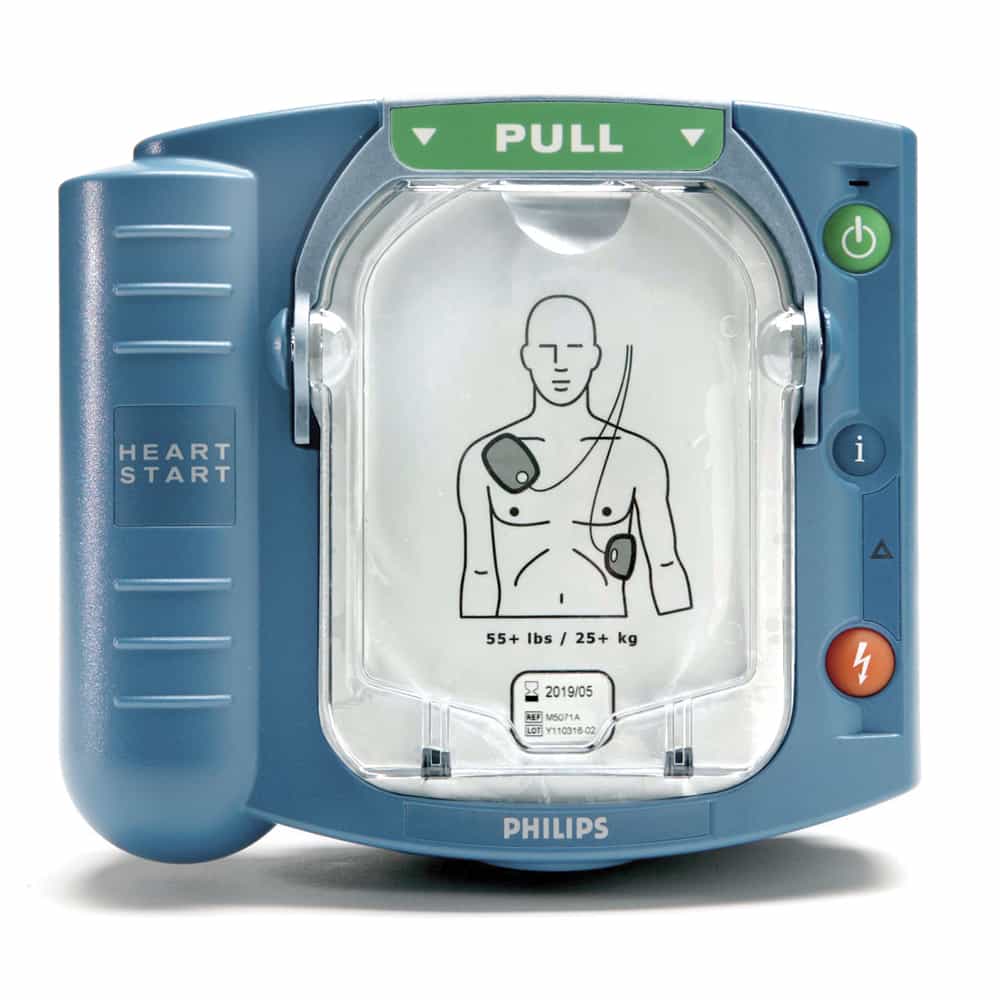
If someone isn’t breathing, you may need to perform CPR. A CPR mask is a simple but vital tool for airway management. It creates a barrier between you and the injured person, protecting you from direct contact while you provide rescue breaths. This makes the process safer and more hygienic, so you can deliver aid without hesitation. Having a mask on hand ensures you’re prepared to support someone’s breathing. Proper CPR and AED training will give you the confidence to use this tool correctly and effectively when it matters most.
Protective Gear
You can’t help anyone if you get hurt yourself. Personal protective equipment (PPE) is crucial for your own safety when you’re providing aid. The most basic and important piece of gear is a pair of nitrile gloves. Nitrile is a better choice than latex because many people have latex allergies. Gloves protect you from blood and other bodily fluids, preventing the spread of infection. Keeping several pairs in your kit is a smart move, just in case one pair rips or you need to assist more than one person.

RECOMMENDED
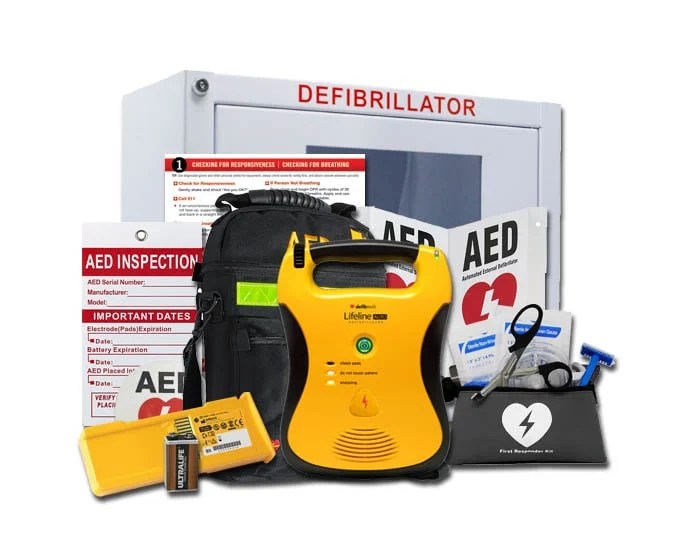
HeartSine Samaritan 350P AED Package
Compact, fully-automatic AED designed for first-time responders. Pads, battery, carry case and wall sign included.
Should You Buy a Pre-Made Kit or Build Your Own?
One of the biggest questions people ask when getting a trauma kit for their car is whether to buy one off the shelf or build it from scratch. There’s no single right answer, as the best choice really depends on your training, budget, and how much time you want to spend on the project.
A pre-made kit is a fantastic, straightforward solution that gets you prepared immediately. It’s designed by experts who have already thought through the most common roadside emergency scenarios, so you don’t have to. This means you can be confident you have the right tools to handle severe bleeding or other critical injuries without becoming an expert on medical supplies overnight.
On the other hand, building your own kit gives you complete control over every single item inside. This approach is perfect for those with specific medical training or who want to customize their supplies for unique situations. If you’re an EMT, a nurse, or have advanced first aid skills, you can stock your kit with the tools you’re most proficient with.
Deciding between these two paths comes down to what you value more: the convenience and curated expertise of a pre-made kit or the total personalization of a DIY setup. Let’s break down the pros and cons of each to help you figure out which route is right for you.
The Benefits of a Pre-Made Kit
The biggest advantage of a pre-made kit is convenience. These kits are assembled by professionals who know exactly what’s needed to manage severe bleeding and other common injuries from car accidents. You can trust that the essentials are already included, saving you hours of research and shopping. Everything comes neatly organized in a durable bag, ready to be stored in your vehicle. For most people, a high-quality pre-made first aid kit is the fastest and most reliable way to get prepared. It removes the guesswork and ensures you have a solid foundation for handling an emergency.
When to Build Your Own
Building your own trauma kit makes sense if you have specific medical training or want to tailor your supplies to your environment. Customizing a kit allows you to include items you are personally trained and comfortable using, which is a huge confidence builder in a crisis. For example, if you’re a paramedic or have advanced first aid certifications, you might want to include equipment that isn’t found in standard kits. The key is to be honest about your skill level. A kit is only as good as your ability to use it, so it’s critical to get proper training for any advanced tools you decide to include.
Comparing Cost and Time
When you compare the costs, pre-made kits often come out ahead. Manufacturers can buy supplies in bulk, which means they can offer a complete kit for less than it would cost you to buy each item individually. For instance, purchasing a quality tourniquet, chest seals, and compression bandages separately could easily cost more than a well-stocked budget kit that includes all three. Building your own also requires a significant time investment to research components, compare prices, and assemble everything. While a DIY kit offers ultimate control, a pre-made kit delivers incredible value and gets you prepared much faster.
Avoid These Common Mistakes When Choosing a Kit
Picking out a trauma kit is a huge step toward being prepared. But once you have it, a few common missteps can prevent it from being truly effective when you need it most. Thinking through these points ahead of time ensures your investment gives you real peace of mind and readiness. Let’s walk through what to watch out for so you can choose and maintain your kit with confidence.
Forgetting to Tailor the Kit to Your Needs
A pre-made kit is an excellent foundation, but it might not be a perfect fit right out of the box. Your specific needs depend on your environment, your family, and your level of training. If you frequently drive through rural areas, your kit might require more robust supplies than if you stick to city streets. Think about your daily life. Do you have children? You may want to add kid-sized bandages or specific medications. The goal is to make the kit work for you. You can always start with one of our comprehensive first aid kits and add a few personal items to make it your own.
Overlooking Training Requirements
Having the right tools is only half the equation. Knowing how to use them properly, especially under pressure, is what truly makes a difference. A trauma kit filled with chest seals and tourniquets is only useful if you feel confident applying them. I strongly suggest looking into basic first aid and trauma care courses. Many communities offer free or low-cost classes that teach you how to handle severe bleeding and other common injuries. This kind of emergency response training builds the muscle memory and confidence you need to act clearly and effectively when every second counts.
Neglecting Maintenance and Expiration Dates
A trauma kit is not a “set it and forget it” purchase. Many of the most critical items inside have a shelf life. Hemostatic gauze, burn dressings, and sterile supplies expire, and over time, their packaging can get damaged from temperature changes in your car. Make a habit of checking your kit at least twice a year. I like to set a reminder on my phone for every six months. Look for expired dates, check for any torn packaging, and restock any items you may have used. This simple check-up ensures that when an emergency happens, your kit is ready to perform as expected.
What Else Should You Add to Your Car Trauma Kit?
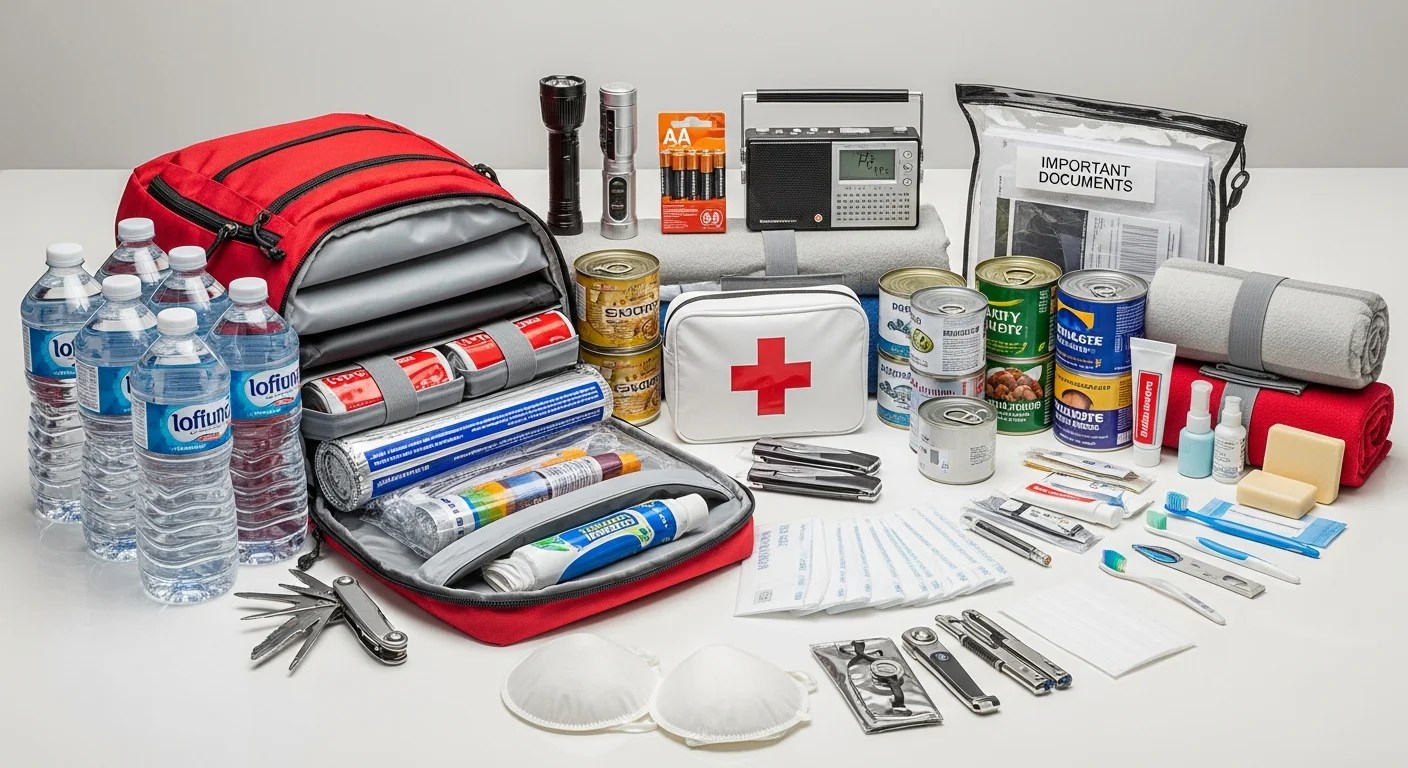
A great trauma kit is your starting point, but personalizing it makes it truly reliable. By adding a few items specific to your car, climate, and personal needs, you build a more complete safety system. Let’s look at three key areas to consider: vehicle escape tools, climate-specific supplies, and personal medical items. These additions are small but can have a huge impact in an emergency.
Vehicle Escape Tools
In a serious accident, car doors can jam and seatbelts can get stuck. That’s why having a dedicated escape tool is so important. As safety experts often advise, “A small tool that can break car windows and cut seatbelts can be lifesaving if you or others are trapped.” These compact multi-tools are designed for exactly these situations, giving you a way out when you need it most. Be sure to store it somewhere you can easily reach from the driver’s seat, like the glove compartment or center console, not buried in a kit in the trunk.
Climate-Specific Supplies
The contents of your kit should reflect the weather where you live and travel. A kit for a driver in Arizona will look different from one for someone in Alaska. As one guide puts it, “If it gets cold, add hand warmers. If it’s hot, add more water.” For colder climates, consider adding emergency Mylar blankets and chemical hand warmers. In hotter areas, pack extra bottled water and electrolyte packets to prevent dehydration. Thinking ahead about the environmental challenges you might face is a key part of being prepared. You can find many of these items in our first aid kits.
Personal Medical Items
A standard trauma kit won’t include your personal prescriptions, so it’s up to you to add them. It’s critical to “keep any personal medications (like an inhaler or EpiPen) easily reachable in your kit.” Make a list of what you or your family members might need, such as insulin, allergy medication, or an asthma inhaler. It’s also a smart idea to include a waterproof card with emergency contacts, allergies, and key medical information for each person. This simple step ensures your kit is tailored to your unique health needs.
How to Store and Maintain Your Car Trauma Kit
Having a trauma kit in your car is a fantastic first step, but its usefulness depends entirely on two things: where you keep it and how well you maintain it. A top-of-the-line kit won’t do you any good if it’s buried in the trunk after a rear-end collision or filled with expired supplies. Taking a few minutes to think through storage and set up a simple maintenance routine ensures your kit is ready to perform when you need it most. Let’s walk through how to get it right.
Finding the Right Storage Spot
The golden rule of storing your car trauma kit is to keep it within reach of the driver or passengers. Your trunk is not the ideal spot. In an accident, your trunk could be crumpled and impossible to open. Instead, look for secure spots inside the cabin, like under a front seat, in a seat-back pocket, or within a door compartment. The goal is to place it somewhere it won’t become a projectile during a crash but is still easy to grab. Many modern first aid kits are designed with a compact footprint, making them easy to tuck away safely. Take a moment to find the best location in your specific vehicle.
Making Sure Your Kit is Accessible
Accessibility is about more than just location; it’s about speed. In an emergency, every second counts, and you don’t want to waste time struggling to open a bag or digging for the right supply. Your kit should be designed for quick deployment. It’s also a great idea to familiarize yourself with its contents before you ever need them. Open it up, see how things are organized, and make sure anyone else who drives your car knows where it is and what’s inside. This simple prep work builds the confidence you need to act decisively. True readiness comes from both having the right tools and knowing how to use them, which is why hands-on CPR and AED training is so valuable.
Scheduling Regular Maintenance Checks
Your trauma kit isn’t a “set it and forget it” item. Many critical supplies, like hemostatic gauze, chest seals, and tourniquets, have expiration dates. Using an expired product could mean it fails when you need it most. A good habit is to check your kit twice a year. A simple way to remember is to do it when you change your clocks for daylight saving time. Create a small inventory list with expiration dates and keep it with the kit or on your phone. If you use any items, even a simple bandage, be sure to replace them right away. Keeping your kit stocked with fresh emergency supplies ensures it’s always ready for action.
Related Articles
- Professional Trauma Kits | Emergency Medical Preparedness — Response Ready
- Why next to the AED a comprehensive first responder kit matters
- MobileAid 50 Person Trauma First Aid Kit | Comprehensive Trauma Kit — Response Ready
- The Ultimate Earthquake Emergency Kit List

Not sure which AED or training fits your needs?
A Response Ready product expert walks you through it — no obligation.
Frequently Asked Questions
What’s the real difference between a regular first aid kit and a car trauma kit? Think of it this way: a standard first aid kit is for problems you can walk away from, like minor cuts, scrapes, and headaches. A car trauma kit is for life-threatening injuries where someone can’t walk away. Its main job is to handle catastrophic bleeding and major wounds with specialized tools like tourniquets, hemostatic gauze, and chest seals until professional help arrives.
Where is the best place to store my trauma kit in my car? The most important rule is to keep it inside the cabin and within reach of the driver. The trunk is one of the worst places for it, since a rear-end collision could make it completely inaccessible. Great spots include under a front seat, in a seat-back pocket, or secured in a door compartment, ensuring you can grab it the moment you need it.
Do I need special training to use the items in a trauma kit? While the kits are designed to be as user-friendly as possible, having training is what gives you the confidence to act decisively in a crisis. I strongly encourage everyone to take a basic trauma care or “Stop the Bleed” course. Knowing how to properly apply a tourniquet or pack a wound before you ever need to will make all the difference.
How often do I need to check or update my kit? A trauma kit isn’t something you can just buy and forget about. I recommend checking it twice a year; a good way to remember is to do it when you change your clocks for daylight saving time. You’ll want to look for any supplies that have expired and replace any items you may have used, even something as simple as a pair of gloves.
Is it more cost-effective to build my own kit or buy one that’s already assembled? For most people, buying a high-quality pre-made kit is the better and more affordable option. Manufacturers buy supplies in bulk, so the total cost is often lower than if you bought each item individually. Building your own really only makes sense if you have advanced medical training and want to include specific tools that you are certified to use.