- Published
- February 1, 2026
AED Management Program: What It Is & Why It Matters

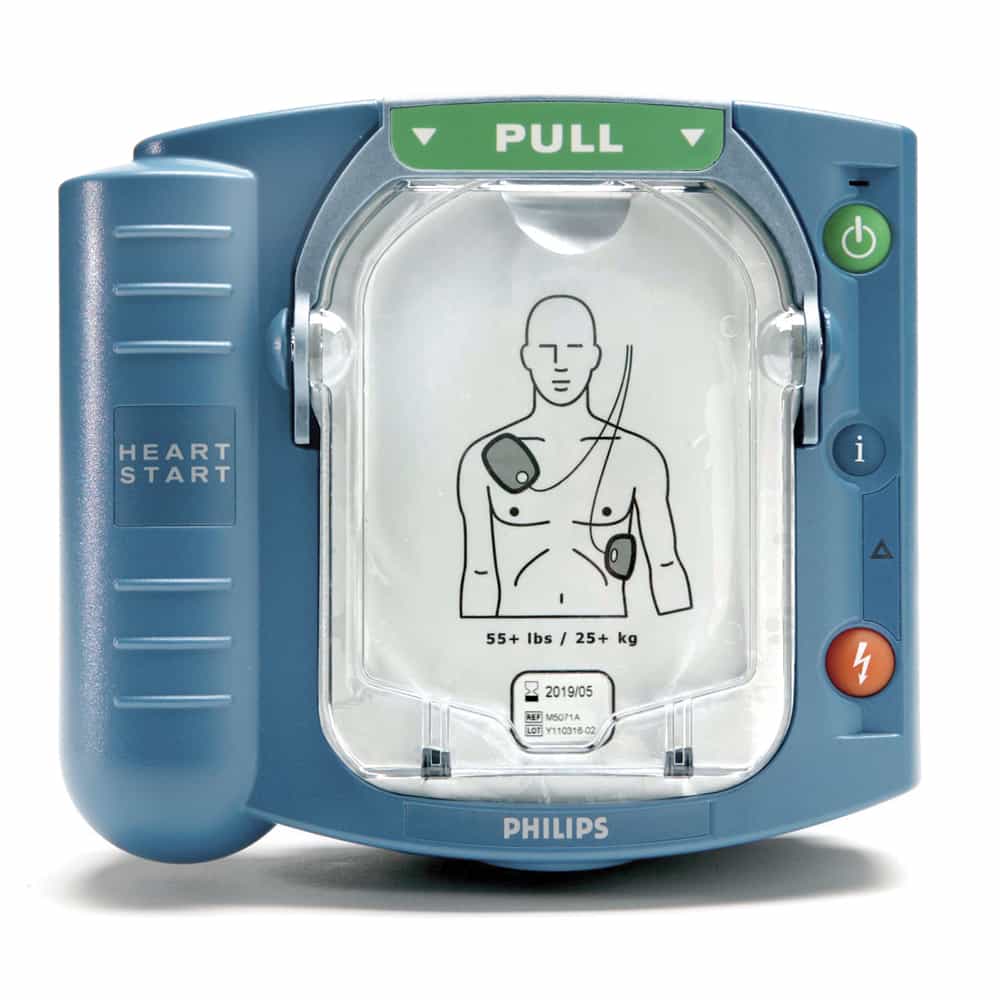
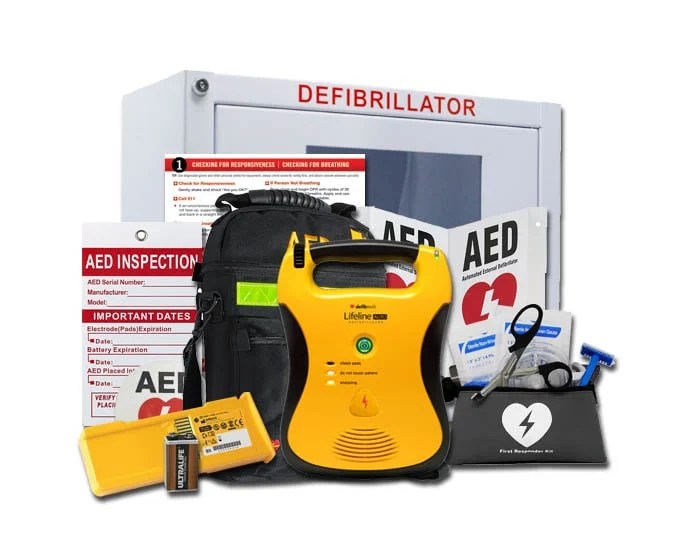
You have an Automated External Defibrillator (AED) on the wall. That’s a huge first step in protecting your family, employees, or community. But a nagging thought might pop up: Will it actually work when we need it? That single question is why true readiness goes beyond the initial purchase. An AED is a medical device, and its ownership comes with important responsibilities. A proper management program is the key to turning that uncertainty into confidence, ensuring your device is always ready to save a life and that you’re protected from liability.
Many people are surprised to learn that an AED program involves more than just a box on the wall. It requires ongoing management, maintenance, and oversight. Neglecting these duties can lead to devastating consequences, including a device that fails during an emergency. This guide will walk you through the essential components of a compliant and effective AED program, helping you understand your responsibilities and how to manage them with confidence.
What is an AED Management Program?
An AED management program is the complete system that supports the life-saving device on your wall. Think of it as the operational plan that ensures your AED is functional, compliant with regulations, and ready for an emergency at a moment’s notice. It transforms the AED from a piece of equipment into a reliable safety solution. This program covers everything from routine maintenance checks and supply management to responder training and post-event support. Without a structured program, even the best AED can fail when it’s needed most, leaving you with a false sense of security and potential liability.
Defining Strategic Oversight for AEDs
Strategic oversight means actively managing your AED with a clear, documented plan. An effective AED program involves more than just a box on the wall; it requires ongoing management, maintenance, and oversight to function correctly. This includes regularly checking the device’s readiness indicator, tracking the expiration dates of AED pads and batteries, and ensuring the unit is always accessible and clearly marked. It’s about creating a system of accountability that guarantees every component is in place and ready to go. This proactive approach is what turns good intentions into a life-saving reality.
The Role of an AED Program Manager
Every successful AED program needs a designated program manager. This person is the champion of your emergency response plan and is responsible for its day-to-day execution. The program manager ensures the AED is properly maintained, accessible, and that team members are trained in its use. Their duties include performing monthly readiness checks, keeping detailed maintenance logs, replacing expired supplies, and coordinating CPR and AED training for responders. By assigning this role to a specific person, you create a clear point of contact and ensure that no critical task falls through the cracks.
Key Components of a Compliant Program
A compliant AED program not only prepares you to save a life but also protects your organization from legal risk. Neglecting these duties can lead to devastating consequences, including a device that fails during an emergency. A comprehensive program is built on several key pillars that work together to ensure total readiness. First, it requires medical oversight, which means having a licensed physician oversee your protocols to ensure they align with medical best practices. This is often a state requirement and is fundamental to a credible program.
Next are the hands-on components: regular maintenance and diligent record-keeping. Your program manager should conduct and log monthly checks to confirm the AED’s status indicator is green and that all supplies, like AED accessories and first aid items, are present and within their expiration dates. Equally important is training. A trained and confident responder is far more likely to act quickly and effectively. Finally, your program must include a post-event plan for reviewing the incident, restocking the device, and downloading event data for medical professionals. Managing all these details can feel overwhelming, which is why many organizations rely on services like our AED Total Solution to handle compliance and maintenance for them.
What Makes an AED Program Compliant?
A successful AED program is built on a foundation of several key activities. Think of these as the ongoing health checks that transform your device from a piece of equipment into a life saving system.
Why You Need Medical Direction and Oversight
One of the most misunderstood aspects of AED ownership is the need for medical direction. In many states, this is a legal requirement. Medical direction means your AED program is overseen by a licensed physician who provides a prescription for the device, establishes medical protocols for its use, and reviews any event data after the AED is deployed. This oversight ensures your program adheres to medical best practices and meets legal standards, providing a crucial layer of protection for your organization. While many providers list this as a feature, they rarely explain its importance in shielding you from potential liability.
How to Keep Your AEDs Ready and Maintained
An AED can only save a life if it’s ready to work at a moment’s notice. The key components, electrode pads and batteries, have finite expiration dates. A device with expired pads or a dead battery is useless in an emergency.
Effective maintenance involves:
-
Tracking expiration dates:
Proactively monitoring the shelf life of your AED pads and batteries. -
Regular inspections:
Performing and documenting routine readiness checks, usually monthly, to confirm the device’s status indicator is green. -
Post use protocols:
Knowing what to do after an emergency, which includes reporting the event, downloading the data for medical review, and replacing used supplies to get the AED back in service.
Our own customers have found that using a tool like the Response Ready App makes this process significantly easier. As one user noted, “This app makes managing your AED program so convenient and easy. The scanning feature helps speed up the process.” This feedback highlights how technology can simplify the critical task of routine inspections across multiple locations.
Meeting State and Local AED Requirements
AED laws can vary significantly from one state to another, creating a complex web of regulations. These laws may govern everything from registering your device with local emergency services to specific training and reporting requirements. Navigating this patchwork of rules can be a significant administrative burden for a small business, school, or community center. A properly managed program ensures you meet all local requirements, preventing potential fines and legal complications.
Why Team Training and Certification Matters
A ready device is only half the equation; you also need ready people. Ensuring that members of your team are trained in CPR and AED use builds the confidence needed to act decisively in a high stress situation. Effective training empowers bystanders to become immediate responders, bridging the critical gap until professional help arrives. At Response Ready, we offer a full menu of accessible training and maintenance courses to ensure your team is just as prepared as your device.
The Real Cost of an Unmanaged Program
Failing to manage your AED program properly isn’t just an administrative oversight; it’s a gamble with life. The data on Sudden Cardiac Arrest is stark and leaves no room for error.
According to the American Heart Association, immediate CPR and the use of an AED can double or even triple a person’s chance of survival. Research published by the National Institutes of Health reinforces this, showing that survival rates were 38% when a bystander used an AED before EMS arrived, compared to just 9% with CPR alone. Every minute that passes without defibrillation, the chance of survival drops by 7 to 10 percent. When you manage an AED, you are managing a life saving window of opportunity.
A non compliant program not only risks a tragic outcome but also exposes you or your organization to significant legal liability. A functional, well documented AED program is your best defense and a demonstration of your commitment to safety.
A Simple Path to a Compliant Management Program
Understanding these responsibilities can feel overwhelming, but it doesn’t have to be. You don’t have to become a legal expert or a medical device technician to ensure your AED is ready. This is precisely why we created our comprehensive program management service.
The Response Ready AED program is designed to handle every aspect of compliance and readiness for you. We take the burden of management off your shoulders, so you can have complete peace of mind. Our program automates the entire process, mapping directly to the pillars of a compliant program:
-
We handle medical direction:
Our service includes a dedicated physician to provide oversight, prescriptions, and post event review. -
We automate maintenance:
You receive automatic notifications for expiring supplies and scheduled readiness checks, all tracked through our intuitive software. -
We ensure compliance:
We stay on top of state and local regulations, ensuring your program is always up to date. -
We support your team:
We connect you with the training resources needed to build a confident team of responders. -
Our goal is simple:
to make AED ownership easy, affordable, and effective for everyone, from families to small businesses. With over a decade of expertise, we have designed a system that removes the complexity so you can focus on your mission.
Frequently asked questions
Q: What is medical direction and do I really need it?
A: Medical direction is when a licensed physician oversees your AED program. They provide a prescription for the AED, set protocols for its use, and review data after an incident. Many states legally require it, and it is considered a best practice everywhere for ensuring your program is medically sound and legally protected.
Q: Can I just manage my AED program myself?
A: You can, but it requires diligent attention to detail. You would be responsible for tracking pad and battery expiration dates, performing and logging monthly inspections, staying current with changing state laws, and arranging for physician oversight on your own. A managed program automates these tasks to prevent anything from falling through the cracks.
Q: Is an AED management program expensive?
A: When you consider the cost of non compliance including legal risks and the potential for device failure a management program is an incredibly valuable investment. It provides peace of mind and ensures your life saving equipment is ready for a few dollars a month, a small price for complete assurance.
Q: What happens if we actually have to use our AED?
A: A managed program is invaluable in a post event situation. Our AED service includes support for downloading the event data for physician review, providing a loaner AED if needed, and helping you restock your supplies to get your device back into service quickly. This support is critical for completing the chain of survival and care.
Q: How do I know which AED is right for my organization?
A: Choosing the right device depends on your environment, budget, and the skill level of potential users. Our team of experts at responseready.com can provide personalized recommendations, whether you need a compact unit for a home or a rugged device for a community center. We are here to guide you through every step of the process.
Partnering with a Program Management Solution
After learning about medical direction, state laws, and maintenance schedules, you might be thinking that managing an AED sounds like a full-time job. The good news is, you don’t have to do it alone. Partnering with an AED program management solution takes the complexity and guesswork out of the equation, letting you focus on your mission with confidence. A great partner acts as your dedicated safety net, providing automatic alerts for expiring AED pads and batteries, tracking changing regulations, and handling the required physician oversight. At Response Ready, our AED Total Solution is built around this idea of complete support, including post-event assistance to get your device back in service quickly. We handle all the administrative details so you can have total peace of mind, knowing your program is effective, compliant, and ready to save a life.
Key Takeaways
- AED Ownership is an Active Responsibility: A defibrillator is a medical device that requires ongoing management. True readiness depends on a structured program for routine maintenance, supply tracking, and compliance checks to ensure it works when a life is on the line.
- A Compliant Program Has Four Core Pillars: To be effective and legally sound, your program must include physician medical oversight, regular device inspections, diligent tracking of pad and battery expiration dates, and certified CPR/AED training for your team.
- You Don’t Have to Manage It Alone: Keeping up with maintenance schedules, medical direction, and state laws can be complex. Partnering with a program management service automates these critical tasks, removing the administrative burden and ensuring your device is always ready to respond.
Related Articles
- AED program management or self management how to decide
- Simplifying AED compliance and management with a program solution
- Managed AED program vs doing it yourself understanding compliance
- Is a managed AED program worth it a decision guide for your
- Choosing the right AED management plan for your organization
Disclaimer for information purposes only:
The information provided on this website is intended for general educational and informational purposes only. It is not medical advice and should not be used as a substitute for professional diagnosis, treatment, or care. Always consult a qualified healthcare or medical professional regarding any health-related questions or concerns.
While we strive to ensure the information shared is accurate and up to date, no guarantees are made regarding completeness, accuracy, or applicability to any individual situation. Use of this content is at the reader’s sole discretion and risk.
This website is part of the Response Ready family of emergency preparedness and training resources, including CPR & first aid training and compliance services, AED sales and program support, AED program management software, and medical oversight solutions provided through our affiliated platforms:
• CPR1.com
• AEDLeader.com
• AEDTotalSolution.com
• MDSIMedical.com
By accessing or using this website, you agree to release, indemnify, and hold harmless the website owners, authors, contributors, and affiliated entities from any claims, losses, damages, or liabilities arising from the use or reliance on the information presented.