Sudden Cardiac Arrest doesn’t wait for a convenient time or place. It can happen at a child’s soccer game, on a remote hiking trail, or in a quiet suburban neighborhood—all places you travel to in your car. In these moments, the nearest public AED could be miles away, and the wait for paramedics can feel like an eternity. This is where you can make a life-altering difference. Keeping a portable AED for car emergencies closes that critical gap between the onset of cardiac arrest and the arrival of professional help. This guide will walk you through why your vehicle is the perfect place for this life-saving device and how to choose one you can count on. Looking beyond car-specific use? Our portable AED guide covers the best lightweight defibrillators for travel, outdoor events, and remote work.
Key Takeaways
- Your car is the ideal place for an AED: Keeping a defibrillator in your vehicle ensures you’re prepared for a cardiac emergency wherever you go. Choose a compact, durable model that can handle temperature changes and the rigors of the road.
- AED upkeep is easier than you think: Most devices perform automatic self-tests. Your only job is to check the status indicator monthly and set calendar reminders to replace the pads and batteries every few years.
- Anyone can use an AED, but training builds confidence: Modern AEDs are designed with simple voice instructions, making them foolproof for untrained bystanders. Taking a CPR and AED class helps you feel more prepared to act quickly and calmly in an emergency.
Get certified in CPR
Adult & Pediatric First Aid/CPR/AED — Blended Learning
Self-paced online + in-person skills check. 2-year certification.
CPR, AED & First Aid Certification
Instructor-led on-site. Practice on real manikins and AED trainers.
Why Keep a Portable AED in Your Car?
Most of us spend a significant amount of time in our cars, traveling to work, running errands, or heading out on road trips. Your vehicle goes where you go, making it the perfect place to store life-saving equipment. Keeping an Automated External Defibrillator (AED) in your car means you’re prepared to respond to a cardiac emergency not just on the road, but at your destination—whether that’s the office, a park, or a friend’s house. This simple step transforms your vehicle into a mobile safety hub, ensuring you have the tools to help when it matters most.
How an AED Can Save a Life
Sudden Cardiac Arrest (SCA) is a leading cause of death, and it can happen to anyone, anywhere, at any time. It’s not a heart attack; it’s an electrical malfunction that causes the heart to stop beating unexpectedly. The only effective treatment is a controlled electrical shock from a defibrillator, which can restore a normal heart rhythm. Having an AED with you means you have the power to intervene in those critical first moments. Modern AEDs are designed for lay responders, providing clear voice instructions to guide you through every step, making it simple to be the help until help arrives.
Why Every Second Counts in a Cardiac Emergency
When someone experiences SCA, their chance of survival decreases by about 10% for every minute that passes without defibrillation. For the best outcome, an AED should be used within the first three minutes. Unfortunately, the average response time for emergency medical services can often be much longer. An AED in your car closes that gap. Instead of waiting helplessly for an ambulance, you can immediately begin the chain of survival. This quick action can dramatically improve the outcome and is why CPR and AED training is so valuable—it prepares you to act with confidence when time is of the essence.
Your Car: The Perfect Spot for an Emergency Kit
Think of your car as a mobile safety hub. You likely already have a spare tire and jumper cables, and maybe even a basic first aid kit. Adding a portable AED is a logical next step in building a comprehensive emergency preparedness kit. Sudden cardiac arrest can occur in remote places, like on a hiking trail or at a sports field, where public AEDs are scarce. Having a device in your vehicle greatly increases the chance of survival in these situations. By equipping your car with an AED and a well-stocked first aid kit, you ensure you’re ready for a wide range of emergencies, wherever life takes you.
What to Look for in a Car AED
Choosing an AED for your car isn’t quite the same as picking one for a climate-controlled office. Your vehicle is a dynamic environment, with temperature swings, bumps in the road, and limited space. The right device needs to be tough, reliable, and ready to go at a moment’s notice, no matter the conditions. When you’re comparing different AEDs for sale, there are a few key features to keep in mind that make a device particularly well-suited for life on the road. Focusing on these factors will help you find a portable defibrillator that you can count on when it matters most.
Compact and Lightweight Design
When you’re dealing with an emergency, every second is critical. You don’t want to be fumbling with a heavy, bulky device. Look for an AED that is compact and lightweight, making it easy to store in your car and grab quickly. A portable design means you can carry it to someone’s side without being weighed down. Many modern AEDs, like the Philips HeartStart OnSite, come in durable, easy-to-access carry cases that protect the device while keeping it portable. The goal is to have a unit that’s easy to handle, whether it’s stored under a seat, in the trunk, or in a specialized vehicle mount.
Durability and Weather Resistance
A car can be a harsh environment. From scorching summer heat to freezing winter cold, your AED needs to withstand it all. Look for a device with a high Ingress Protection (IP) rating, which indicates its resistance to dust and water. A durable AED is essential, as it will likely get jostled around during travel. Some models are even built to military specifications for ruggedness, ensuring they can handle drops and vibrations. This resilience is crucial for a device stored in a vehicle, as it guarantees the AED will function correctly even after enduring the daily rigors of the road and exposure to different weather conditions.
Long-Lasting Battery and Easy Upkeep
The last thing you want to worry about is a dead battery. A good car AED should have a long-lasting battery with a shelf life of several years. It’s also important to check the device’s recommended operating temperature range. Most AEDs work best between 32°F and 122°F, which covers most situations, but you’ll want to be mindful of extreme temperatures. Look for models that perform regular self-tests and have clear, visible indicators to let you know if the AED batteries or pads need attention. This makes maintenance simple and gives you confidence that your device is always ready.
Simple to Use for Anyone
In a sudden cardiac arrest emergency, the person using the AED might be a bystander with no medical background. That’s why modern AEDs are designed to be incredibly user-friendly. The best devices provide clear, calm voice instructions and visual diagrams that walk you through every step, from placing the pads to delivering a shock. Some even offer real-time CPR feedback on the rate and depth of compressions. This simplicity empowers anyone to act confidently. While you don’t need to be a medical professional to use one, getting CPR and AED training can help you feel even more prepared to respond effectively.
The Best Portable AEDs for Your Car
Choosing the right AED for your car can feel like a big decision, but it doesn’t have to be complicated. The best device is one that’s compact enough to store easily, durable enough to handle temperature changes, and simple enough for anyone to use in a high-stress moment. You want a device that feels intuitive right out of the box, with clear instructions that guide you through every step. When you’re on the road, you could be anywhere—a busy parking lot, a quiet side street, or a remote highway—and your AED needs to be ready for anything. That’s why focusing on durability and simplicity is so important.
We’ve looked at some of the most trusted and reliable options on the market to help you find the perfect fit for your vehicle’s emergency kit. Each of these models has unique features, but they all share the core qualities you need in a portable defibrillator: reliability, ease of use, and a design built for life on the go. Think about what features would make you feel most confident—whether it’s real-time CPR feedback, video instructions, or a super lightweight design—and use that to guide your choice. Here are five of the best portable AEDs to keep in your car.
Philips HeartStart OnSite AED
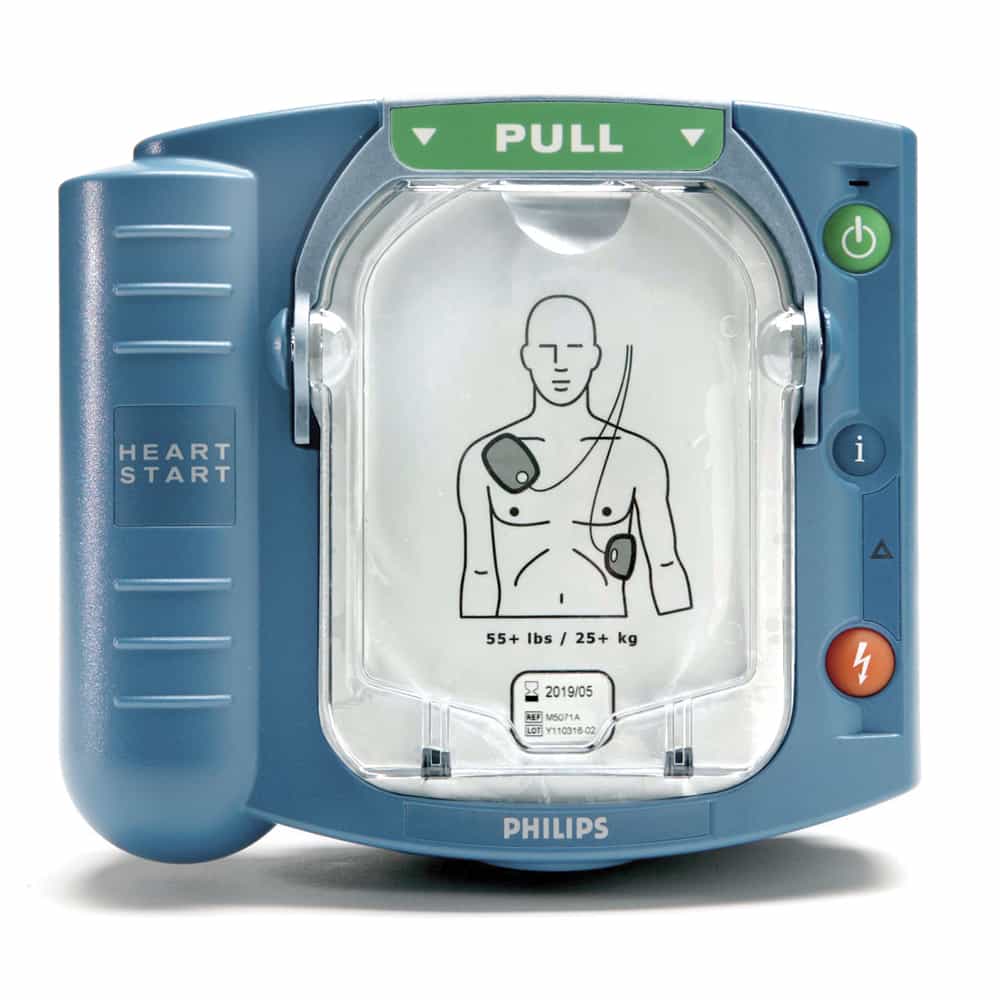
If you’re looking for a straightforward and incredibly user-friendly device, the Philips HeartStart OnSite AED is a fantastic choice. It’s one of the most popular AEDs for personal use for a reason: it’s designed for people with no medical training. The device provides calm, clear voice instructions that walk you through every step of the process, from placing the electrode pads to delivering a shock. It’s also lightweight and compact, making it easy to tuck into a trunk or under a seat. This AED is perfect for anyone who wants a reliable, no-fuss device that removes the guesswork from an emergency, giving you the confidence to act when it matters most.
ZOLL AED 3
The ZOLL AED 3 is a great option for anyone who wants a little extra support during a rescue. Its standout feature is Real CPR Help® technology, which gives you real-time feedback on your chest compressions. The device will tell you if you need to push harder or if you’re doing a great job, ensuring the person in cardiac arrest gets the most effective CPR possible. This guidance can be a game-changer in a stressful situation. Built to be durable and resilient, the ZOLL AED 3 is well-suited for the variable conditions inside a vehicle. It’s an excellent choice if you want a smart device that not only delivers a shock but also helps you perform high-quality CPR.
Defibtech Lifeline VIEW AED
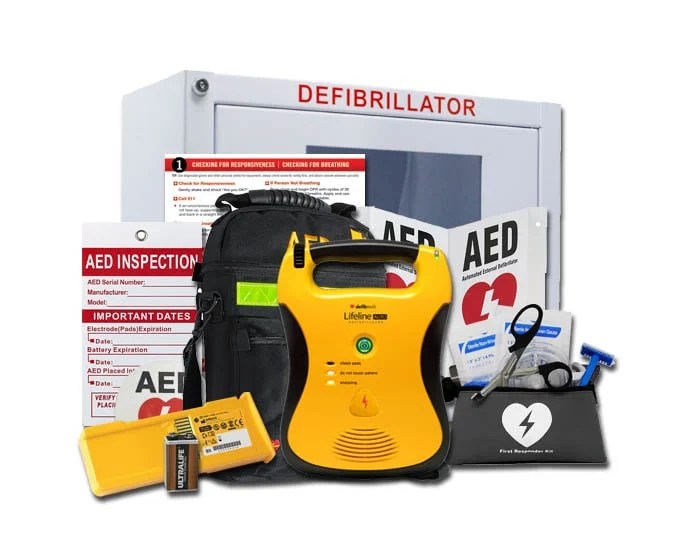
For visual learners, the Defibtech Lifeline VIEW AED is second to none. What sets this device apart is its full-color video screen that shows you exactly what to do. Instead of just hearing audio prompts, you can watch clear demonstrations of each step, including how to place the pads and perform CPR. This can be incredibly helpful in a noisy environment where you might struggle to hear voice commands. The Lifeline VIEW is also compact, rugged, and built for portability, making it a great fit for your car. If you believe seeing the instructions would make you feel more prepared to respond, this is the AED for you.
Avive Connect AED
The Avive Connect AED is known for being the smallest and lightest FDA-approved AED on the market, weighing just over two pounds. Its incredible portability makes it an obvious choice for a car, where space is always a consideration. This device was designed from the ground up to be simple and intuitive for anyone to use. While its compact size is a major benefit, it’s important to explore a full range of AEDs for sale to find the features that best match your needs. The Avive Connect is a strong contender for those who prioritize a lightweight, modern design that can easily be stored and transported anywhere.
LIFEPAK CR2
If you’re looking for professional-grade technology in a user-friendly package, the LIFEPAK CR2 is a top-tier choice. This AED is exceptionally durable and built to withstand tough conditions, making it a reliable device to keep in your vehicle. One of its most advanced features is its ability to analyze the patient’s heart rhythm during CPR, which minimizes pauses in compressions and allows for faster shock delivery. It also includes ClearVoice™ technology that adjusts the volume of its prompts based on background noise. The LIFEPAK CR2 is ideal for anyone who wants a robust, high-performance device that offers some of the most advanced rescue technology available to the public.
What’s the Cost of a Car AED?
Investing in a portable AED for your car is one of the most meaningful steps you can take to protect yourself and those around you. While it’s impossible to put a price on a life, it’s practical to understand the costs involved. The total cost of owning an AED can be broken down into two parts: the initial price of the device and the long-term cost of maintenance supplies. Thinking about both will help you choose the right device and ensure it’s always ready to use when you need it most.
Understanding the Upfront Price
When you start looking at AEDs for sale, you’ll find that new portable models generally range from $1,200 to $2,500. Entry-level devices, which are perfect for personal use in a vehicle, typically fall between $1,200 and $1,500. These models are designed for simplicity and reliability. Mid-range AEDs might cost between $1,500 and $2,000 and often include additional features like real-time CPR feedback. To get the best value, consider looking at AED packages that bundle the device with a carrying case, a response kit, and other essential accessories.
Factoring in Ongoing Maintenance
Beyond the initial purchase, keeping your AED ready for an emergency involves some simple, ongoing maintenance. The two main components you’ll need to replace over time are the electrode pads and the battery. You’ll need to replace the AED pads every two to three years, as the conductive gel on them expires. This typically costs between $45 and $85. Similarly, the AED batteries have a longer lifespan, usually lasting four to five years, with replacement costs ranging from $65 to $120. These predictable expenses are a small price to pay for the confidence that your device will work flawlessly.
Planning for Pad and Battery Replacements
When someone experiences sudden cardiac arrest, every minute that passes without a shock from an AED reduces their chance of survival by 7-10%. That’s why keeping your device’s components up to date isn’t just a suggestion—it’s critical. Expired pads may not adhere properly to the skin, and an old battery might not hold enough charge to deliver a life-saving shock. A simple way to stay on top of this is to set a recurring reminder on your phone’s calendar for the expiration dates the moment you unbox your AED. This small step ensures your device is always prepared to perform its life-saving job.

RECOMMENDED
HeartSine Samaritan 350P AED Package
Compact, fully-automatic AED designed for first-time responders. Pads, battery, carry case and wall sign included.
How to Store and Maintain Your Car AED
Once you’ve chosen the right AED for your car, the next step is making sure it stays ready to use. Proper storage and a simple maintenance routine are key to ensuring your device works perfectly when you need it most. Don’t worry—this isn’t complicated or time-consuming. Most of the time, your AED takes care of itself. You just need to know where to keep it and what to check for every so often to keep it in top shape. A few simple habits will give you the confidence that your life-saving tool is always prepared.
Where to Keep Your AED in Your Vehicle
The best place for your AED is somewhere you can access it quickly and safely. In an emergency, every second is critical, so you don’t want to be digging through luggage or moving heavy items to get to it. A good spot is under the front passenger seat or secured in the trunk. The goal is to keep it from sliding around while you drive but still make it easy to grab. Sudden cardiac arrest can happen anywhere, and having an AED with you might be the difference in helping to save someone’s life. Using a dedicated carrying case, often included in AED packages, can protect the device and keep all its components together.
Protecting Your Device from Extreme Temperatures
Your car experiences a wide range of temperatures, and your AED needs protection from the extremes. Most AEDs operate best between 32°F and 122°F. While they are built to be tough, prolonged exposure to intense heat or cold can drain the battery and damage the electrode pads. On very hot, sunny days, it’s best to store the AED in the trunk to keep it out of direct sunlight. If you’re facing a long stretch of freezing weather, bring the device inside with you. This simple step helps preserve the life of your AED batteries and ensures the gel on the pads remains effective.
Creating a Simple Maintenance Checklist
Modern AEDs are designed to be low-maintenance. Most models perform automatic self-checks daily, weekly, and monthly to ensure they’re ready. Your main job is to check the readiness indicator—usually a small light or symbol that shows a green checkmark if everything is okay. Get into the habit of checking it once a month. At the same time, take a quick look at the expiration dates printed on your AED pads and battery. Note these dates in your calendar so you can order replacements ahead of time. This simple routine takes less than a minute and provides peace of mind that your AED is ready to go.
Debunking Common Myths About Portable AEDs
When you’re thinking about adding an AED to your car, it’s easy to get held up by a few common misconceptions. These devices can seem intimidating, but the reality is much simpler. Let’s clear up some of the biggest myths so you can feel confident about having this life-saving tool on hand.
Myth: “Only medical professionals can use them.”
This is one of the most persistent myths, but it’s simply not true. Modern AEDs for sale are specifically designed for people without any medical training. Think of them as “smart” devices. Once the electrode pads are applied, the AED analyzes the person’s heart rhythm on its own. It determines if a shock is necessary and will not deliver one unless it detects a shockable rhythm. This built-in safety feature means you can’t accidentally harm someone. The device guides you with clear, calm voice prompts, telling you exactly what to do and when to do it, making it a tool that anyone can use to help in an emergency.
Myth: “They’re too complicated to use in an emergency.”
In a high-stress situation, the last thing you need is a complicated piece of equipment. AED manufacturers understand this perfectly. That’s why devices are designed for extreme simplicity. For example, some models have just two buttons: one to turn it on and one to deliver a shock. The machine does the rest. From the moment you open the case, you’ll hear voice instructions walking you through every single step. The electrode pads even have diagrams showing you exactly where to place them. The goal is to remove all guesswork, allowing you to focus on helping the person in front of you. A little CPR and AED training can also go a long way in building your confidence.
Myth: “The upkeep is too difficult and expensive.”
Keeping an AED ready for action is surprisingly straightforward and affordable. Most devices run automatic self-tests daily, weekly, and monthly to ensure they’re working properly. A simple status indicator, like a green flashing light, lets you know at a glance that everything is good to go. The only ongoing maintenance involves replacing the AED pads and batteries every few years. Electrode pads typically need to be replaced every two years, while batteries last anywhere from four to seven years. These costs are predictable and minimal when you consider the peace of mind that comes with being prepared to save a life.
Where to Buy a Reliable Car AED
Once you’ve decided to add an AED to your car’s emergency kit, the next step is finding the right place to purchase one. This isn’t like buying a new set of floor mats; it’s a medical device that needs to be reliable and ready for a crisis. Choosing where you buy from is just as important as choosing the device itself. You want to be sure you’re getting a genuine, effective product backed by proper support. A trustworthy seller will not only provide the device but also ensure you have access to everything needed to maintain it for years to come.
Finding the Right AED Package for You
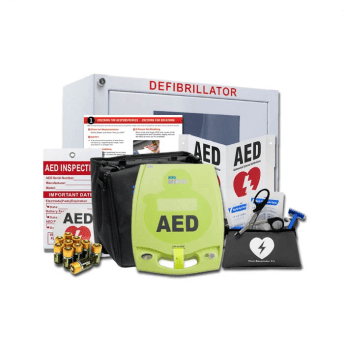
When you start shopping, you’ll notice that AEDs are often sold in bundles. The right AED package ensures you have everything you need from day one, which is especially important for a device stored in a vehicle. Look for packages that include a durable carrying case to protect the AED from bumps and jostles on the road. Some bundles also come with a response kit containing essentials like scissors, razors, and gloves. Since you’re preparing for an emergency on the go, having these items together in one place is a huge advantage.
What to Look for in a Reputable Seller
It’s critical to purchase your device from a reputable source. Look for an authorized distributor for all major FDA-approved AED brands. This is your guarantee that the device is new, authentic, and covered by the manufacturer’s full warranty. A credible seller will also provide ongoing support, making it easy to find replacement AED pads and batteries when they expire. They should be able to answer your questions and guide you toward the best device for your specific needs, giving you confidence in your purchase and your ability to respond in an emergency.
Do You Need Training to Use an AED?
Let’s get straight to the point: No, you do not legally need to be trained or certified to use an Automated External Defibrillator (AED) on someone in cardiac arrest. Modern AEDs for sale are specifically designed for laypeople to use. Once you turn one on, it provides clear, calm voice instructions and visual diagrams to walk you through every step, from placing the pads to delivering a shock. The device analyzes the person’s heart rhythm and will only advise a shock if it’s medically necessary. You can’t accidentally shock someone who doesn’t need it.
However, while training isn’t a requirement, it is highly recommended. Think of it like having a fire extinguisher in your kitchen. You know how to pull the pin and aim, but a quick training session would make you feel much more confident and effective if a fire actually broke out. In the middle of a chaotic emergency, having that familiarity and muscle memory can make all the difference. It helps you stay calm, act decisively, and use the device as quickly and efficiently as possible, which is exactly what’s needed when every second counts.
The Value of CPR and AED Certification
Taking a certification course gives you more than just a piece of paper—it gives you practical, hands-on experience. A good CPR & AED training class teaches you how to recognize the signs of sudden cardiac arrest and when to start CPR. You’ll learn the proper technique for chest compressions, which is critical for keeping blood flowing to the brain and vital organs until the AED can be used.
This training helps connect the dots between CPR and the AED, showing you how they work together to give someone the best chance of survival. You’ll practice on a manikin, get comfortable with the steps, and have the chance to ask an instructor questions. This preparation helps remove hesitation and ensures you’re ready to act immediately.
How Training Prepares You to Act Confidently
Confidence is your greatest asset in an emergency. When you’re feeling panicked or uncertain, it’s easy to freeze up. Training helps replace that fear with a clear plan of action. By practicing with a training unit, you become familiar with the device’s look, feel, and voice prompts. You’ll know exactly where to place the pads and what to expect when the machine advises a shock. This familiarity helps you move through the steps smoothly without second-guessing yourself.
This is why many people choose complete AED packages that include the device and training resources. When you feel prepared, you can focus all your energy on helping the person in need, providing them with the best possible care until professional help arrives.
Explore Your Training Options
Getting certified is easier than ever. You can find a variety of courses that fit different schedules and learning preferences, including in-person, online, and blended formats that combine both. Organizations like the American Red Cross and the American Heart Association offer classes nationwide. We also provide certified CPR & AED training designed to give you the skills and confidence to respond effectively.
The most important thing is to take that first step. Whether you take a full certification course or a basic orientation, any amount of preparation will leave you better equipped to handle an emergency. The goal is to feel ready and empowered to save a life.
Related Articles
- This Simple Device Can Save a Life: An AED Guide
- How to Pick an AED Defibrillator Portable Machine
- AED for Transportation Services | Essential Safety for Transit — Response Ready
- Top AED for General Use – Universal Safety for Everyday — Response Ready

Not sure which AED or training fits your needs?
A Response Ready product expert walks you through it — no obligation.
Frequently Asked Questions
Can I accidentally hurt someone with an AED? That’s a common and completely understandable fear, but the short answer is no. Modern AEDs are designed with powerful safety features. The device first analyzes the person’s heart rhythm to determine if a shock is actually needed. It will not deliver a shock unless it detects a specific, life-threatening electrical problem. You simply can’t shock someone who doesn’t need it, so you can only help.
My car gets extremely hot and cold. How do I protect the AED? This is a very practical concern. While AEDs are built to be durable, extreme temperatures can affect the battery life and the gel on the electrode pads. On intensely hot days, it’s best to store the device in the trunk to keep it out of direct sunlight. If you’re expecting a long stretch of freezing weather, the safest bet is to bring the AED inside with you. Taking these simple precautions ensures your device stays in perfect working order.
If the device gives instructions, is training really necessary? You don’t legally need a certification to use an AED in an emergency. However, I always recommend it. Training does more than just teach you the steps; it builds your confidence so you can act decisively without hesitation. In a CPR and AED class, you get hands-on practice, which helps you stay calm and focused in a real crisis. That familiarity is invaluable when time is of the essence.
What’s the single most important feature for a car AED? If I had to choose just one, it would be durability. An AED stored in a vehicle will have to endure bumps, vibrations, and temperature changes. Look for a device with a high IP rating, which measures its resistance to dust and water. A rugged, well-built AED ensures that it will be ready to perform reliably, no matter what conditions it has been exposed to on the road.
What are the long-term costs of owning an AED? The initial purchase is the biggest expense, but there are a couple of small, predictable costs for upkeep. You will need to replace the electrode pads every two to three years and the battery every four to five years. These components have expiration dates to ensure they work effectively. Setting a calendar reminder for these dates is an easy way to stay on top of maintenance and keep your device ready to save a life.