- Published
- March 25, 2026
This Simple Device Can Save a Life: An AED Guide


When someone experiences sudden cardiac arrest, every second counts. Their chance of survival drops by up to 10% for every minute without defibrillation. While paramedics are on their way, a simple device can be the difference between life and death. A portable AED is designed for exactly this moment, empowering anyone—even without training—to deliver a life-saving shock. It’s a powerful piece of technology made incredibly simple to use. This guide will walk you through how this essential device works, what to look for, and how to choose the right one for your home or community.
Key Takeaways
- Choose Confidence, Not Complexity: Modern AEDs are designed for anyone to use. Select a device with clear voice prompts and simple controls, as these features are more critical for a successful rescue than advanced technical specifications.
- Maintain Readiness with Simple Upkeep: An AED is only effective if it’s ready to go. Plan to replace electrode pads every two years and batteries every four to five years, and perform monthly visual checks to ensure your device is always prepared.
- Create a Full Circle of Safety: The device itself is just one piece of the puzzle. True preparedness involves getting certified CPR and AED training, choosing a visible and accessible location for the device, and partnering with a supplier for long-term support.
What Is a Portable AED and Why Do You Need One?
An Automated External Defibrillator, or AED, is a smart medical device that can save a life during sudden cardiac arrest (SCA). A portable AED is a lightweight, battery-operated version designed to be grabbed and used by anyone, anywhere, in the critical moments before professional help arrives. It works by analyzing the heart’s rhythm and, if necessary, delivering a controlled electric shock to help it return to a normal beat. Think of it as a fire extinguisher for the heart. You hope you never have to use it, but having one on hand provides the confidence and capability to act when every second is critical.
These devices are specifically designed for laypeople—not just medical experts—with clear, calm voice instructions that guide you through every step of the process, from applying the electrode pads to performing CPR. Having access to a portable AED can turn a bystander into a first responder, giving someone experiencing SCA the best possible chance of survival. It empowers you to take decisive action in a high-stress situation, transforming a feeling of helplessness into one of preparedness. The goal is to bridge the gap between the moment an emergency strikes and the time it takes for paramedics to arrive on the scene.
Understanding the Term “Device”
We often refer to a portable AED as a “smart medical device,” but it’s worth taking a moment to think about what that word really means. “Device” is a term we use constantly, yet it covers a surprisingly wide range of things, from the phone in your pocket to a life-saving tool. Because this word is central to emergency preparedness, let’s break down its different meanings. This will help ensure we’re all on the same page when we talk about the most important devices of all—the ones designed to protect and save lives in a crisis.
The General Meaning of “Device”
At its core, a device is simply something that has been made or planned for a specific purpose. It’s a tool, a machine, or a piece of equipment designed to perform a particular function. This broad definition covers everything from a simple kitchen gadget to a complex piece of medical technology. The key idea is intention. A device is intentionally designed and built to solve a problem or accomplish a task, whether that’s making our lives easier, more efficient, or, in the case of an AED, safer.
Common Technological Devices and Gadgets
When most of us hear the word “device,” our minds probably jump to the electronics we use every day. We think of smartphones, laptops, tablets, and smart TVs—the gadgets that connect us to the world. But the term also includes specialized equipment built for critical tasks. For example, an Automated External Defibrillator is a medical device designed with a single, life-saving purpose: to restore a normal heart rhythm during sudden cardiac arrest. While it’s as sophisticated as any consumer electronic, its function is far more critical, turning a complex medical procedure into a series of simple, guided steps anyone can follow.
Other Meanings and Uses of the Word “Device”
The word “device” isn’t limited to physical objects or technology. It can also refer to more abstract concepts, from clever plans to literary techniques. Understanding these other meanings helps appreciate the word’s versatility. These definitions often carry the same core idea of something being crafted for a specific purpose, whether that purpose is to achieve a goal, persuade an audience, or create a specific effect. It shows how a single word can adapt to describe both tangible tools and intangible strategies.
As a Plan or Trick
Beyond a physical tool, a “device” can be a clever plan or method used to achieve a particular outcome. You might hear someone talk about a “clever device” for getting out of a tedious task. In this context, the word implies a sense of ingenuity or even cunning. It’s a strategy or a scheme that has been carefully thought out to produce a desired result, much like a mechanical device is engineered to perform a specific function.
In Literature and Rhetoric
In writing and public speaking, you’ll often encounter the term “rhetorical device.” This isn’t a physical object but a technique used to make an argument more persuasive or memorable. Examples include metaphors, similes, and alliteration. Just like a physical device, a rhetorical device is a tool—in this case, a tool for communication. Writers and speakers use these techniques intentionally to engage their audience and convey their message more effectively.
As a Weapon or Explosive
On a more serious note, the word “device” is also used to describe a weapon, particularly an explosive one. You’ve likely heard terms like “improvised explosive device” (IED) or “nuclear device” in the news. In this context, the word is used to refer to a constructed object with a destructive purpose. It highlights the neutral nature of the word itself; a device is simply a tool, and its impact—whether helpful or harmful—depends entirely on its intended function.
As a Symbol or Design
Stepping away from function entirely, a “device” can also be a symbolic emblem or design. This usage is most common in heraldry, where a device is a figure or image on a coat of arms or a banner. For example, a lion might be used as a device to represent courage. Here, the purpose of the device isn’t to *do* something, but to *represent* something—an idea, a family, or a value.
In Everyday Language and Pop Culture
In casual conversation, we often use the word “gadget” as a synonym for “device,” especially when talking about a small, novel piece of technology. A gadget is typically seen as a fun or clever device, but the terms are largely interchangeable. This flexible usage shows how integrated the concept of devices has become in our daily lives. We are constantly surrounded by tools and gadgets designed to make things easier, more entertaining, or more efficient.
Word Origin and Grammar
To fully grasp the word, it helps to know a little about its history and how to use it correctly. The word “device” has been part of the English language for centuries, and its evolution reflects changes in technology and culture. Understanding its roots and distinguishing it from a similar-sounding word can help you communicate more clearly, especially when discussing important topics like emergency preparedness.
The History of “Device”
The word “device” has a long history, entering the English language from Middle English back in the 14th century. Its roots trace back to the Old French word *devis*, which meant “division, intention, or wish.” This origin story connects to the modern meaning of a device as something created with a specific intention or plan in mind. Over the centuries, its meaning has expanded to encompass the vast array of tools and technologies we know today.
Device vs. Devise: What’s the Difference?
It’s easy to mix up “device” and “devise,” but the difference is simple: one is a noun, and the other is a verb. A “device” (with a ‘c’) is the thing itself—the tool, the gadget, or the plan. To “devise” (with an ‘s’) is the action of creating that thing. For example, you might devise a plan to keep your family safe, and part of that plan might be purchasing a life-saving device like an AED.
How a Portable AED Can Save a Life
When someone experiences sudden cardiac arrest, their heart stops beating effectively, and they lose consciousness. The single most important factor in their survival is how quickly they receive help. For every minute that passes without defibrillation, a person’s chance of survival drops by 7% to 10%. Waiting for paramedics can take several minutes, and by then, it can be too late. This is where a portable AED makes a life-or-death difference. By having a device nearby, you can deliver a potentially life-saving shock almost immediately. This simple action can restore a normal heart rhythm and keep blood flowing to the brain and other vital organs until emergency medical services take over.
Who Needs a Portable AED?
Because sudden cardiac arrest can happen to anyone at any time, portable AEDs are essential in any place where people gather. They are designed with rugged, on-the-go use in mind, making them perfect for sports teams, community clubs, schools, and workplaces. Many come in complete AED packages that include a carrying case and other essential supplies, so you have everything you need in one place. Consider having an AED if you manage a public space like a gym, church, or office, or if you’re part of a group that travels or meets in different locations. Families with a history of heart conditions or those who live in remote areas far from emergency services can also gain immense peace of mind from having a personal AED at home or in their vehicle.
Portable AED Myths vs. Facts
Many people feel intimidated by the idea of using an AED, but modern devices are incredibly user-friendly. One of the biggest myths is that you need medical training to operate one. The truth is, today’s AEDs for sale are designed for regular people. They provide clear, step-by-step voice instructions and often include CPR coaching to guide you. Another common fear is accidentally hurting someone. You can’t. The device is designed to be foolproof—it automatically analyzes the person’s heart rhythm and will only advise and deliver a shock if it detects a life-threatening arrhythmia. It simply will not shock a healthy heart or a person who does not need it. This built-in safety feature removes the guesswork and pressure, allowing you to respond with confidence.
Your Checklist for Choosing a Portable AED
Choosing a portable AED can feel like a big decision, but it doesn’t have to be complicated. Modern AEDs are designed for people just like you—not medical experts. The key is to find a device that fits your specific environment and gives you the confidence to act. Think about where you’ll keep it, who might need to use it, and what features will make the process as simple as possible in a high-stress moment. From clear instructions to long-lasting batteries, let’s walk through the essential features to consider so you can find the perfect AED for your home, organization, or on-the-go needs.
Consider the Device’s Size and Weight
The “portable” in portable AED is a key feature. If an AED is too heavy or bulky, it’s less likely to be where you need it during an emergency. Consider how you plan to use it. Will it be mounted on a wall in an office, or will it travel with a sports team or in the trunk of your car? Most modern devices are lightweight and compact, often weighing just a few pounds. Many come as part of complete AED packages that include a carrying case or backpack, making them easy to grab and go. The goal is accessibility, so look for a size and weight that won’t hold you back when seconds count.
Is the Device Easy to Use?
In an emergency, clarity is everything. The best AEDs are designed to be used by anyone, regardless of training. They guide you through the entire process with calm, clear, and simple voice instructions. The device will tell you exactly what to do, step by step, from where to place the electrode pads to when to stand clear. Some even provide visual diagrams on the device itself. This built-in coaching helps remove guesswork and anxiety, allowing you to focus on helping. When you shop for an AED, think of this feature as having a calm expert right there with you, ensuring you do everything correctly.
Automatic vs. Semi-Automatic: What’s the Difference?
You’ll see AEDs described as either semi-automatic or fully automatic. A semi-automatic AED will analyze the heart’s rhythm and, if a shock is needed, prompt you to press a button to deliver it. This gives you final control, ensuring everyone is clear of the person before the shock. A fully automatic AED also analyzes the heart rhythm but will deliver the shock on its own after giving a verbal warning and a countdown. Both types are safe and effective. The choice often comes down to personal preference or workplace guidelines. A fully automatic model can simplify the process for a hesitant user, while a semi-automatic one provides an extra layer of hands-on control.
Understanding Battery Life and Maintenance
An AED is a long-term investment in safety, and a little maintenance ensures it’s always ready. Before you buy, check the expected lifespan of the device’s components. Typically, AED pads need to be replaced every two years, while AED batteries last between two and five years. Most devices perform regular self-checks and will alert you with a chirp or a visual indicator if something needs attention. Keeping track of these expiration dates is crucial, as a dead battery or expired pads can render the device useless. Think of it like checking the battery in your smoke detector—it’s a simple step that makes all the difference.
Does It Offer CPR Feedback?
Sudden cardiac arrest survival depends on two key actions: a shock from an AED and high-quality CPR. While the AED handles the shock, CPR is up to the rescuer. Some AEDs offer a feature called CPR feedback, which provides real-time coaching on your chest compressions. The device might tell you to “push harder” or “push faster” to ensure your compressions are at the correct depth and rate. This guidance can be invaluable, especially if you’re not professionally trained or are feeling the pressure of the moment. It helps ensure the person receives the most effective CPR possible, which can significantly improve their chance of survival.
Can It Be Used on Children?
Sudden cardiac arrest can happen at any age, so it’s important to be prepared for a pediatric emergency. Most AEDs can be used on children, but they require a lower electrical dose. This is accomplished in one of two ways: either with special pediatric pads that are smaller and deliver a reduced shock, or with a key or switch on the device that adjusts the energy level while using the standard adult pads. The key or switch system can be more convenient and cost-effective, as you won’t need to purchase and track expiration dates for a separate set of pads. If your AED will be in a school, sports facility, or community center, this is a critical feature to consider.
How Durable Is the Device?
Think about where your AED will live. Will it be in a climate-controlled office, a humid pool area, or a dusty workshop? AEDs are rated for their resistance to dust and water using an IP (Ingress Protection) rating. A higher rating means the device is better sealed against the elements. Many portable AEDs are built to be rugged and can withstand being dropped or jostled. For extra protection, a good carrying case is essential. When browsing AED accessories, look for a case that not only fits your device but also protects it from the specific environmental challenges it might face, ensuring it’s ready to perform when you need it most.
Comparing the Top Portable AED Brands
Once you start looking at different AEDs for sale, you’ll notice a handful of trusted brands that lead the industry. While every FDA-approved AED is designed to save a life, each brand offers unique features tailored to different users and environments. Some are built for extreme durability, others prioritize real-time CPR feedback, and some are designed to be as simple as possible for the everyday person. Understanding these differences is the key to finding the perfect device for your home, organization, or community space. Let’s walk through some of the top names in the industry so you can feel confident in your choice.
Our Top Picks for Portable AEDs
When you’re choosing an AED, you’re really choosing a partner in preparedness. The best device is one that fits your specific situation—from your budget to the environment where it will be stored and who is most likely to use it. Brands like Philips, ZOLL, and Defibtech have earned their reputations by creating reliable, user-friendly devices. We’ll explore what makes each one stand out, whether it’s the rugged design of the Philips HeartStart FRx, the helpful CPR feedback of the ZOLL AED Plus, or the visual guides on the Defibtech Lifeline VIEW. Thinking about these features will help you narrow down the options and find the right fit.
A Closer Look at Philips Portable AEDs
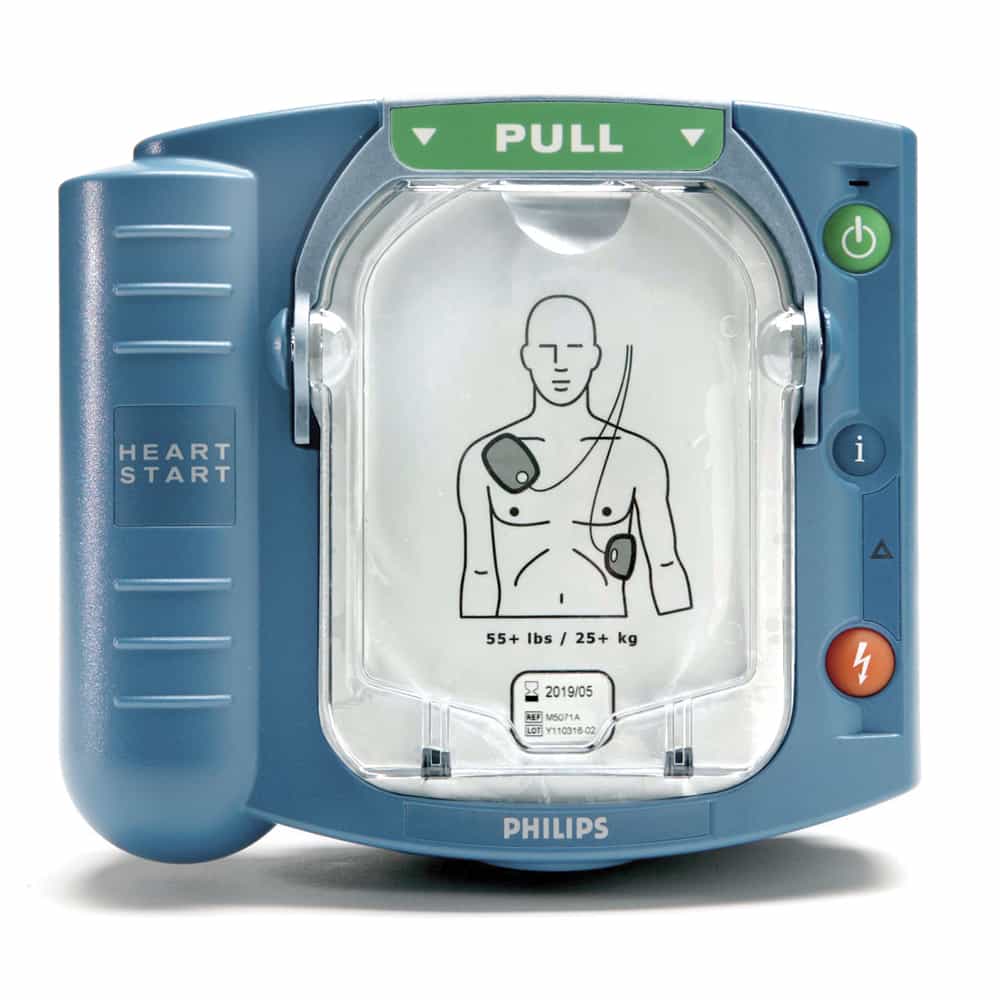
Philips is a household name for a reason, and their AEDs are known for being incredibly intuitive. The Philips HeartStart OnSite is one of the most popular models for places like offices, schools, and homes because it’s designed for people with little to no medical training. It guides you with calm, clear voice instructions from the moment you pull the handle. For more demanding environments, like a sports field or industrial site, the Philips HeartStart FRx is a tougher, more durable option. It’s built to withstand rough handling, dust, and water, ensuring it’s ready to perform wherever you need it.
What Sets ZOLL Portable Defibrillators Apart?
ZOLL designs its devices with the rescuer’s experience in mind. The ZOLL AED Plus is famous for its Real CPR Help® technology, which gives you real-time feedback on your chest compressions. It will tell you if you need to push harder and keep you on pace with a metronome, which can make a huge difference in a high-stress situation. The newer ZOLL AED 3 builds on this with a full-color touchscreen that displays visual instructions and CPR data. It also includes WiFi connectivity, which simplifies device maintenance by automatically reporting its status, so you always know it’s ready to go.
Comparing Cardiac Science and HeartSine Models
The Cardiac Science Powerheart G5 is a fantastic all-around device, packed with features that help instill confidence. It offers bilingual capabilities, allowing the rescuer to switch between two pre-set languages with the touch of a button. The G5 also performs daily, weekly, and monthly self-checks on its battery, pads, and internal circuitry, so you can trust it’s in working order. On the other hand, HeartSine AEDs are known for being exceptionally compact, lightweight, and easy to manage. Their simple two-button operation and straightforward visual guides make them a popular choice for public spaces where simplicity is essential for any potential user.
What to Know About Defibtech and Physio-Control
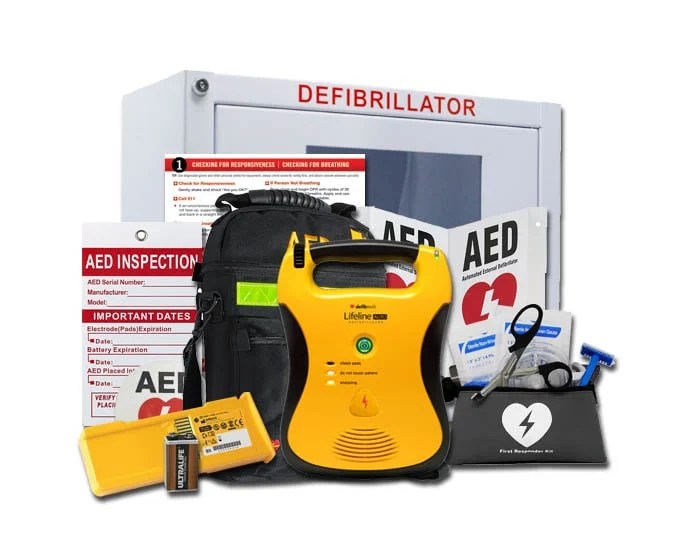
Defibtech focuses on making AEDs that are simple and effective. The Defibtech Lifeline VIEW is unique because it features a full-color video screen that shows you exactly what to do, from placing the pads to performing CPR. This visual guidance is perfect for noisy environments or for responders who learn better by seeing rather than just hearing. Physio-Control, now part of Stryker, has a long history of creating reliable defibrillators trusted by medical professionals. Their devices, like the LIFEPAK series, are known for their advanced technology and durability, making them a top choice for organizations that want professional-grade equipment.
How Much Does a Portable AED Cost?
Finding the right AED involves balancing life-saving features with your budget. The good news is that all FDA-approved AEDs are designed to be effective, but the price often reflects the device’s specific features, durability, and the level of guidance it provides. A higher price tag can mean more advanced coaching for the rescuer, while a more basic model will still deliver a life-saving shock with clear, simple instructions. It’s not about finding the “best” AED, but the best one for your specific situation.
Before you look at price tags, think about where the AED will be and who is most likely to use it. Will it be in a quiet home or a busy public space like a gym or school? Will the user likely be a bystander with no medical training, or someone with first aid certification? Answering these questions helps you decide which features are essential. For example, a rugged, water-resistant device is critical for a pool or sports field, while real-time CPR feedback can provide invaluable confidence to an untrained rescuer. By defining your needs first, you can compare models based on the value they offer your environment, not just their price.
Budget-Friendly AEDs ($1,200–$1,500)
You don’t have to spend a fortune to be prepared. AEDs in this price range are excellent, reliable devices that deliver the core function you need: saving a life during sudden cardiac arrest. These models are perfect for homes, small businesses, or community groups where simplicity and affordability are key. While they may not have advanced features like real-time CPR feedback, they provide clear, calm voice instructions to guide a user through every step. You can find many effective and easy-to-use AEDs for sale that offer peace of mind without a premium price tag.
Mid-Range AEDs ($1,500–$2,000)
If you have a bit more to invest, mid-range AEDs offer a great balance of advanced features and value. In this category, you’ll see devices with helpful additions like CPR coaching, which provides real-time feedback on the rate and depth of chest compressions. Many also feature clearer visual displays or more rugged designs for higher-traffic areas like gyms or schools. These enhancements can give a lay responder extra confidence in a high-stress situation. Often, you can find complete AED packages in this range that include a carrying case, a response kit, and signage.
Premium AED Devices (Over $2,000)
For environments where professional responders are present or the risk is higher, premium AEDs provide the most advanced technology. These devices often include features like high-resolution screens that display a patient’s ECG rhythm, advanced CPR feedback, and exceptionally durable construction to withstand harsh conditions. Some models offer faster shock times or escalating energy levels. While these features might be more than what’s needed for a typical home or office, they are ideal for medical facilities, ambulances, and industrial workplaces where top-tier performance is critical.
Calculating the True Cost of an AED
The initial price of an AED is just the beginning. To keep your device ready, you’ll need to plan for ongoing maintenance. AED pads typically need to be replaced every two years, and batteries last about four to five years. These costs are manageable but important to factor into your budget from the start. You can find all the necessary replacement pads and batteries to keep your device functional. For organizations looking for a predictable, all-inclusive option, an AED rental program can be a great way to manage these long-term costs and ensure your device is always ready.
What Real Users Say About Popular AEDs
Technical specifications and feature lists are helpful, but they don’t always tell the full story. Hearing from people who have actually used or managed these devices gives you a much clearer picture of how an AED performs in the real world. When you’re in a high-stress emergency, you want a device that feels intuitive and reliable. User reviews and feedback often highlight the small details that make a big difference, from the clarity of voice prompts to the simplicity of changing out a battery.
We’ve gathered feedback from real users to give you a sense of what people appreciate most about some of the top AEDs for sale. This isn’t about finding a single “best” device, but about understanding which features resonate with everyday rescuers. Think of it as getting advice from a community of people who, just like you, want to be prepared to help when it matters most. Their experiences can help you find an AED that not only meets your technical needs but also gives you the confidence to act.
How Do They Perform in an Emergency?
When an emergency happens, you need to trust that your equipment will work exactly as it should. This is where reliability comes in, and it’s a theme that appears constantly in user feedback. People want an AED that feels sturdy and dependable from the moment they pick it up.
For example, users often report that ZOLL AEDs provide consistent performance and excellent support during a cardiac arrest event. Reviews frequently mention that these devices are designed to help lay rescuers feel confident and in control, which is a huge factor in a chaotic situation. Knowing that your AED has a track record of reliability helps remove one layer of uncertainty, allowing you to focus completely on the person who needs help.
What Users Say About Ease of Use
In a cardiac emergency, there’s no time to read a manual. That’s why ease of use is one of the most critical factors for a portable AED. Users without medical training consistently praise devices that provide clear, calm, and simple instructions. The Philips HeartStart OnSite AED is frequently highlighted for its user-friendly design, with people appreciating its straightforward operation and portability.
Similarly, the Defibtech Lifeline is often commended for its loud, clear voice prompts that guide the user through every step of the rescue. When you hear from people who have used these devices, a common thread is that the guidance helped them stay focused and perform the necessary actions correctly. This kind of intuitive design is what turns a bystander into a confident first responder.
What Users Say About Batteries and Maintenance
An AED is only useful if it’s ready to go at a moment’s notice. That’s why ongoing maintenance, especially for AED batteries and pads, is a key part of ownership. Users often look for devices that make this process as simple as possible.
The HeartSine samaritan PAD 350P, for instance, is frequently praised for its low maintenance needs. It uses a combined battery and pad pack with a single expiration date, which simplifies replacement. Users love that they don’t have to track multiple dates, making it a hassle-free option for homes, offices, or community spaces. This “set it and forget it” quality gives owners peace of mind, knowing their device will be ready when they need it without requiring constant attention.
Where to Buy a Portable AED and Get Trained
Once you’ve decided which portable AED is right for you, the next step is to purchase it and get the proper training. This part of the process is just as important as choosing the device itself. Finding a reliable source ensures you get a quality product, and proper training gives you the confidence to use it when it matters most. Let’s walk through where to buy your device and how to prepare yourself and your team to respond effectively in an emergency.
Why You Should Buy from an Authorized Dealer
When you’re investing in a life-saving device, you want to be certain it’s the real deal. Buying from an authorized dealer is the best way to guarantee you receive a genuine, factory-new product. This ensures your AED comes with a full manufacturer’s warranty, which typically lasts between five and eight years. You also get the peace of mind that comes with ongoing support for your device. Unauthorized sellers on third-party marketplaces might offer lower prices, but they often come with risks like expired accessories, voided warranties, or even counterfeit products. Stick with a trusted source for all of your AEDs for sale to protect your investment and ensure it’s ready when you need it.
Why CPR and AED Training Is a Must
Having an AED is a huge step toward preparedness, but knowing how to use it confidently is what truly saves lives. Professional CPR & AED training teaches you how to recognize the signs of sudden cardiac arrest, perform high-quality CPR, and operate your specific AED model correctly. This hands-on practice builds muscle memory and removes hesitation during a real emergency. Many states also have requirements for AED owners to be trained. More importantly, certification empowers you and your team to act decisively and effectively, turning a moment of panic into a coordinated, life-saving response. It’s an essential part of any successful AED program.
Find the Right AED Package for You
To make things simpler, many suppliers offer bundled AED packages that include everything you need to get started. A typical package contains the AED unit, a set of adult electrode pads, a battery, and a carrying case. Many also come with a wall cabinet for visible storage, signage to alert people to its location, and a first-response kit with essentials like scissors and razors. Buying a package is often more cost-effective than purchasing each item separately and ensures you have all the necessary components from day one. It’s a straightforward way to set up your device so it’s fully equipped and ready to go right out of the box.
Should You Rent or Buy an AED?
If purchasing an AED outright isn’t the right fit for your budget or needs, an AED rental program can be an excellent alternative. Renting is a great option for short-term needs like special events, or for organizations that prefer a predictable, low monthly cost over a large upfront expense. A comprehensive AED rental program typically includes the device, ongoing maintenance, and replacement of expired pads and batteries. This service-oriented approach takes the management off your plate, ensuring your AED is always compliant and ready for use without you having to track expiration dates or service schedules. It’s a simple, worry-free way to maintain preparedness.
Don’t Forget Warranty and Support
A strong warranty is your assurance that the manufacturer stands behind its product. New AEDs come with warranties that cover the device for up to eight years, giving you long-term protection. This is a key advantage over used or refurbished devices, which may have shorter warranties and could be older models with discontinued parts. Beyond the initial warranty, look for a supplier that offers ongoing support. This includes reminders for replacing AED pads and batteries, help with any device issues, and guidance on maintaining your program. Reliable, long-term support ensures your AED remains a dependable asset for years to come.
What Accessories and Ongoing Costs to Expect
Choosing your AED is a huge step toward being prepared, but it’s not the final one. Think of your AED as a long-term investment in safety—one that requires a little upkeep to ensure it’s always ready when you need it most. The total cost of ownership includes more than just the initial price of the device; it also covers essential accessories and replacement parts that keep it functioning properly.
Planning for these ongoing costs from the start helps you budget effectively and avoids any surprises down the road. The most important items to consider are replacement electrode pads and batteries, which have set expiration dates. You’ll also want to think about how you’ll store and transport your device, whether it’s in a wall-mounted cabinet or a portable carrying case. By factoring these AED accessories into your plan, you can be confident that your life-saving equipment will be ready to perform at a moment’s notice.
Essential Supplies: Pads and Batteries
An AED is only effective if its components are up to date. The two most critical parts you’ll need to monitor are the electrode pads and the battery. AED pads typically need to be replaced every two years because the conductive gel on them can dry out, making them less effective. Likewise, most AED batteries have a lifespan of about four years. Your device will perform regular self-checks and alert you when a replacement is needed, but it’s smart to track these dates yourself. For extra peace of mind, consider keeping a spare set of pads and a backup battery on hand, especially if the AED is in a high-traffic area.
How to Choose the Right Case and Storage
Protecting your AED from dust, moisture, and damage is key to keeping it in working order. The right storage solution depends on where you’ll keep the device. For a public space like an office, school, or gym, a clearly marked wall cabinet keeps the AED visible and secure. If your AED needs to be mobile for sports teams or job sites, a durable carrying case is a must. Many AED packages come with a handy case designed to hold the defibrillator plus extra space for other essentials, like a bleeding control or first aid kit. This turns your AED into a comprehensive response tool.
What’s the Replacement Schedule for Supplies?
Budgeting for ongoing maintenance is simple once you know what to expect. While prices vary by model, you can generally plan for electrode pads to cost between $45 and $85 every two years. A replacement battery will typically run from $65 to $120 every four years. These predictable costs are a small price to pay for ensuring your device is always ready to save a life. To stay on top of it, set a recurring reminder on your calendar for expiration dates. For organizations managing multiple devices, programs like an AED rental program can help streamline maintenance and compliance by bundling these ongoing costs and management tasks into one simple plan.
How to Maintain Your Portable AED
Once you have your portable AED, the next step is making sure it’s always ready to go. Think of it like a fire extinguisher—it needs to be in perfect working order for that moment you hope never comes. Proper maintenance isn’t complicated, but it is crucial for the device’s reliability. A few simple, consistent checks will give you the confidence that your AED will perform exactly as it should during an emergency. By creating a routine, you can manage your device’s upkeep and ensure it’s prepared to save a life.
Your Simple AED Maintenance Checklist
The best way to stay on top of AED maintenance is to set a simple, recurring schedule. I recommend checking your device at the beginning of each month. Most AEDs perform daily, weekly, and monthly self-tests and will show a clear readiness indicator—usually a green light or checkmark—to confirm everything is working. Your monthly check involves simply looking for that green light and making sure there’s no visible damage to the device or its case. Documenting these checks in a logbook is a great habit, especially for businesses or public spaces that need to show compliance.
When to Replace Batteries and Pads
Every AED has two critical components with expiration dates: the electrode pads and the battery. You’ll generally need to replace AED pads every two years because the adhesive gel that sticks to the body can dry out over time. The AED batteries typically last between two and five years, depending on the model. These dates are clearly marked on the packaging. It’s a good idea to set a calendar reminder a month before they expire so you have plenty of time to order replacements. Keeping a spare set on hand is also a smart move for uninterrupted readiness.
How to Store Your AED Correctly
Where you keep your AED matters. It should be stored in a location that is highly visible, unlocked, and easily accessible to anyone who might need it. Avoid places with extreme temperatures, high humidity, or excessive dust, as these can damage the device’s sensitive electronics. Many AED packages come with a carrying case or wall-mounted cabinet designed to protect the device while keeping it secure. This also provides a designated spot for extra supplies, like a first aid kit, so everything you need is in one place.
How to Keep Your Team’s Training Current
An AED is designed to be used by anyone, but formal training builds the confidence to act decisively in a high-stress situation. Regular CPR & AED training ensures that your family, colleagues, or community members know exactly what to do when someone suffers a sudden cardiac arrest. Many states also require certified training for organizations with an AED program. Refreshing this training every couple of years keeps skills sharp and introduces any new updates to life-saving protocols, ensuring everyone is prepared to respond effectively.
Ready to Choose Your Portable AED?
Making the decision to buy a portable AED is a huge step toward creating a safer environment for your family, community, or workplace. Now that you understand what to look for, let’s walk through the final steps to select the right device with confidence. This process is about matching the features we’ve discussed with your unique situation so you can be fully prepared to act when it matters most.
Your Final Checklist Before Buying
Modern AEDs are designed for anyone to use, not just medical professionals. As you compare models, remember that the best device is one that feels straightforward and intuitive. Look for an AED that provides clear, calm voice instructions and visual diagrams to guide you through every step, from pad placement to CPR. These devices automatically analyze the heart’s rhythm and will only deliver a shock if one is needed, removing any guesswork. For the best value, consider complete AED packages that bundle the defibrillator with essential accessories like a carrying case, extra pads, and a wall cabinet.
What Are Your Specific Needs?
Think about where your AED will live and who is most likely to use it. If you’re buying for a sports team, a traveling club, or a security vehicle, a lightweight and durable portable model is essential. For a school, office, or community center, you might prioritize a device that fits into a highly visible, wall-mounted cabinet. Your budget will also play a role. You can find excellent AEDs for sale at various price points, including new and recertified options from trusted brands like Philips, ZOLL, and HeartSine. Take a moment to explore the different models to find the one that best fits your environment and budget.
How to Get Started with Your New AED
Once your AED arrives, the next step is to get comfortable with it. Preparedness isn’t just about having the right equipment—it’s about having the confidence to use it. Many states require certification for organizations with an AED program, and it’s a great idea for anyone who owns one. Getting certified through a CPR & AED training course will empower you and your team to act decisively in an emergency. Finally, look for a partner who provides lifetime support, including reminders for when it’s time to replace pads and batteries. This ensures your device is always ready to go.
Related Articles
- How to choose the best AED for your home school or small business
- Which AED brand offers better features for your needs?
- AED Guideline Archives — Response Ready
- AED Archives — Response Ready
- CPR & Emergency Resuscitation Blog by CPR1
Frequently Asked Questions
Do I really need medical training to use an AED? Not at all. Modern AEDs are specifically designed for people without any medical background. The moment you turn it on, a calm, clear voice guides you through every single step. It tells you where to place the pads and when to stand back. Think of it as having an expert on your shoulder, ensuring you do everything correctly and confidently.
What happens if I use an AED on someone who doesn’t need it? Can I hurt them? This is a common fear, but you can rest easy. An AED is a smart device that will not deliver a shock unless it detects a life-threatening heart rhythm. It analyzes the person’s condition on its own and makes the decision. If the person has a normal heartbeat or no shock is needed, the device will simply tell you that and instruct you to continue CPR if necessary. It’s impossible to accidentally shock someone who doesn’t need it.
What are the ongoing costs after I buy the AED? The initial purchase is the biggest investment, but there are a couple of small, predictable costs to keep your device ready. The electrode pads need to be replaced about every two years, and the battery typically lasts between four and five years. These items have clear expiration dates, so you can plan for them well in advance. It’s a minor expense that ensures your device is always prepared to work when you need it most.
How do I know which model is right for me if they all save lives? While all FDA-approved AEDs are effective, the best one for you depends on your environment. If the device will be in a home or office, a user-friendly model with clear voice prompts is perfect. If it’s for a sports team or a work vehicle, you’ll want a more rugged and durable design. For places with children, like schools or community centers, look for a model with simple pediatric capabilities. Defining your specific needs first will help you choose the features that matter most.
Should I start CPR first or use the AED as soon as it’s available? The moment an AED is on the scene, you should use it immediately. As soon as someone brings the device, stop CPR just long enough to turn it on and follow its instructions. The AED will guide you on applying the pads and will analyze the person’s heart rhythm. It will then tell you whether to deliver a shock or to resume chest compressions. The combination of immediate defibrillation and high-quality CPR gives a person the best possible chance of survival.
Disclaimer for information purposes only:
The information provided on this website is intended for general educational and informational purposes only. It is not medical advice and should not be used as a substitute for professional diagnosis, treatment, or care. Always consult a qualified healthcare or medical professional regarding any health-related questions or concerns.
While we strive to ensure the information shared is accurate and up to date, no guarantees are made regarding completeness, accuracy, or applicability to any individual situation. Use of this content is at the reader’s sole discretion and risk.
This website is part of the Response Ready family of emergency preparedness and training resources, including CPR & first aid training and compliance services, AED sales and program support, AED program management software, and medical oversight solutions provided through our affiliated platforms:
• CPR1.com
• AEDLeader.com
• AEDTotalSolution.com
• MDSIMedical.com
By accessing or using this website, you agree to release, indemnify, and hold harmless the website owners, authors, contributors, and affiliated entities from any claims, losses, damages, or liabilities arising from the use or reliance on the information presented.