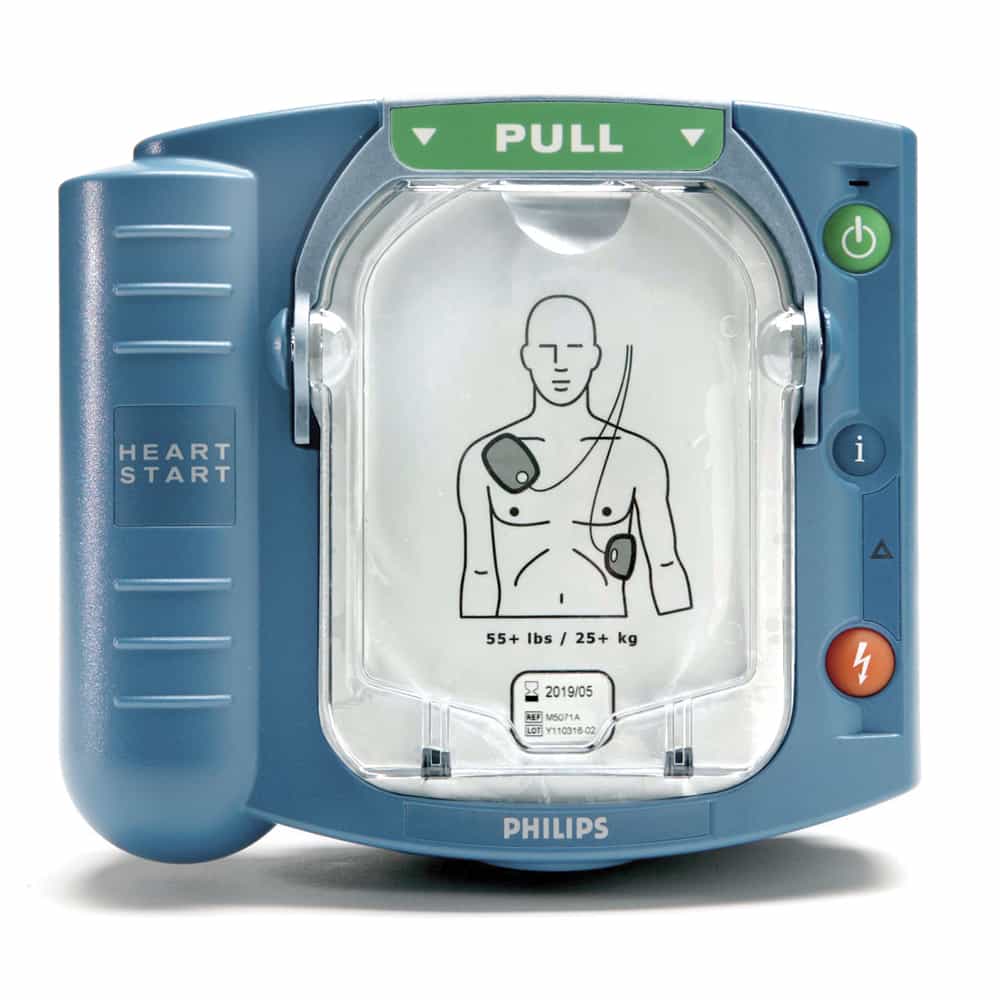
Every year, more than 350,000 Americans experience sudden cardiac arrest outside of a hospital. Fewer than 1 in 10 survive. Cardiac arrest is one of the leading causes of death in the United States, yet most people do not fully understand what it is, what causes it, or how to respond when it happens. Knowing the cardiac arrest meaning, recognizing cardiac arrest symptoms, and understanding how an automated external defibrillator (AED) works could help you save a life.
Browse AEDs from all six FDA-approved manufacturers and find the right device for your needs.
What Is Cardiac Arrest?
Cardiac arrest is the sudden loss of heart function caused by an electrical malfunction in the heart. During cardiac arrest, the heart’s electrical system misfires and triggers a dangerously abnormal rhythm, most commonly ventricular fibrillation. Instead of pumping blood to the brain and body, the heart quivers chaotically and effectively stops working.
Within seconds, the person loses consciousness, stops breathing normally, and has no detectable pulse. Without immediate CPR and defibrillation, brain damage begins within four to six minutes, and death follows within 10 minutes. Cardiac arrest is not the same as a heart attack, though a heart attack can sometimes trigger cardiac arrest. For a detailed comparison of these two conditions, see our guide on sudden cardiac arrest vs heart attack.
What Causes Cardiac Arrest?
Cardiac arrest is caused by electrical malfunctions in the heart, most commonly triggered by coronary artery disease, cardiomyopathy, and inherited genetic conditions such as long QT syndrome. External factors including severe electrolyte imbalances, drug use, and traumatic chest impact can also disrupt the heart’s electrical system and trigger a sudden, life-threatening cardiac arrest event.
Heart Conditions That Cause Cardiac Arrest
- Coronary artery disease: The most common cause of cardiac arrest in adults. Blocked or narrowed arteries reduce blood flow to the heart, creating conditions that trigger dangerous arrhythmias.
- Cardiomyopathy: Diseases that enlarge, thicken, or stiffen the heart muscle can interfere with its electrical conduction and increase the risk of cardiac arrest.
- Hypertrophic cardiomyopathy: An inherited condition that thickens the heart muscle and is the leading cause of cardiac arrest in young athletes.
- Long QT syndrome and Brugada syndrome: Genetic disorders that affect the heart’s electrical channels and can cause sudden, life-threatening arrhythmias.
- Heart valve disease: Leaking or narrowing of the heart valves can strain the heart and make it vulnerable to electrical instability.
- Prior heart attack: Scar tissue from a previous heart attack can create abnormal electrical pathways that trigger ventricular fibrillation.
External Factors That Trigger Cardiac Arrest
- Severe electrolyte imbalances: Abnormal levels of potassium, magnesium, or calcium can disrupt the electrical signals that keep the heart beating rhythmically.
- Drug use: Stimulants like cocaine and methamphetamine can trigger fatal arrhythmias even in people with no known heart disease.
- Commotio cordis: A sudden blow to the chest at a precise moment in the cardiac cycle can cause cardiac arrest, most often seen in young athletes hit by a ball or puck.
- Severe blood loss or oxygen deprivation: Trauma, drowning, or choking can starve the heart of the oxygen it needs to maintain a stable rhythm.
- Electrical shock: High-voltage electrical exposure can disrupt the heart’s normal rhythm and cause cardiac arrest.
Cardiac Arrest Symptoms and Warning Signs
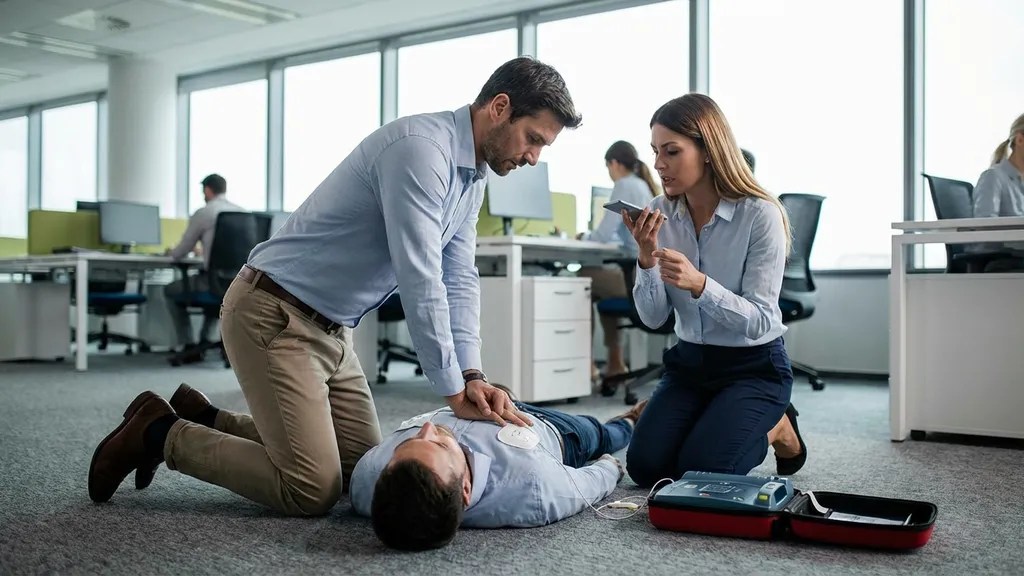
Cardiac arrest symptoms strike without warning. The primary signs of cardiac arrest are sudden collapse, loss of consciousness, absence of a pulse, and cessation of normal breathing. Recognizing these symptoms quickly is critical because brain damage begins within four to six minutes and survival depends on immediate CPR and defibrillation with an AED. The hallmark signs include:
- Sudden collapse: The person drops to the ground without warning
- No pulse: The heart has stopped pumping blood effectively
- No breathing or only gasping: Normal breathing stops, though agonal gasps (irregular, labored breaths) may occur briefly
- Loss of consciousness: The person becomes completely unresponsive within seconds
In some cases, subtle warning signs may appear in the minutes or hours before cardiac arrest occurs:
- Chest discomfort or pain
- Shortness of breath
- Heart palpitations or a racing heartbeat
- Unexplained dizziness or lightheadedness
- Nausea or vomiting
However, many cardiac arrest victims experience no warning signs at all. This is exactly why having an AED accessible in your workplace, school, or home is so important. You cannot predict cardiac arrest, but you can prepare for it.
Check AED requirements for your state and learn how to keep your organization compliant.
Who Is at Risk for Cardiac Arrest?
Cardiac arrest can happen to anyone at any age, but certain factors significantly increase the risk. Adults over 45 with coronary artery disease, prior heart attacks, or a family history of sudden cardiac death face the highest risk. Response Ready recommends that organizations serving at-risk populations maintain AED programs as part of their emergency preparedness. Key risk factors include:
- Age: Risk increases after age 45 for men and 55 for women, though cardiac arrest can occur at any age
- Family history of sudden cardiac death: Genetic heart conditions often run in families
- Previous heart attack or heart failure: Damaged heart tissue is more prone to electrical instability
- Sedentary lifestyle: Lack of physical activity increases overall cardiovascular risk
- Smoking and excessive alcohol use: Both damage the heart and increase arrhythmia risk
- Diabetes and obesity: These conditions place additional stress on the cardiovascular system
An estimated 9,500 children and young adults under 18 experience sudden cardiac arrest in the United States each year. For young people, inherited conditions like hypertrophic cardiomyopathy, long QT syndrome, and coronary artery anomalies are the most common causes.
How AEDs Save Lives During Cardiac Arrest
An automated external defibrillator (AED) is the single most effective tool for treating sudden cardiac arrest outside of a hospital. During ventricular fibrillation, the heart’s electrical system is firing chaotically. An AED delivers a controlled electrical shock that resets the heart’s rhythm, giving it the chance to resume a normal, coordinated heartbeat.
Here is why AEDs are critical for cardiac arrest survival:
- Survival rates nearly quadruple: When a bystander uses an AED within the first few minutes, survival rates increase from roughly 10% to nearly 38%
- Every minute counts: For every minute without defibrillation, the chance of survival drops by 7% to 10%. An AED can deliver a shock in under 60 seconds
- Anyone can use one: Modern AEDs provide clear voice instructions and real-time CPR feedback. They analyze the heart rhythm automatically and only deliver a shock when medically appropriate
- They are safe: You cannot accidentally harm someone with an AED. The device will not shock unless it detects a shockable rhythm
Response Ready carries all six FDA-approved AED brands, including devices from Philips, ZOLL, HeartSine, Stryker, Cardiac Science, and Defibtech. Whether you need an AED for a school, office, gym, or home, our team can help you choose the right device for your environment.
How to Respond to Cardiac Arrest: Step by Step
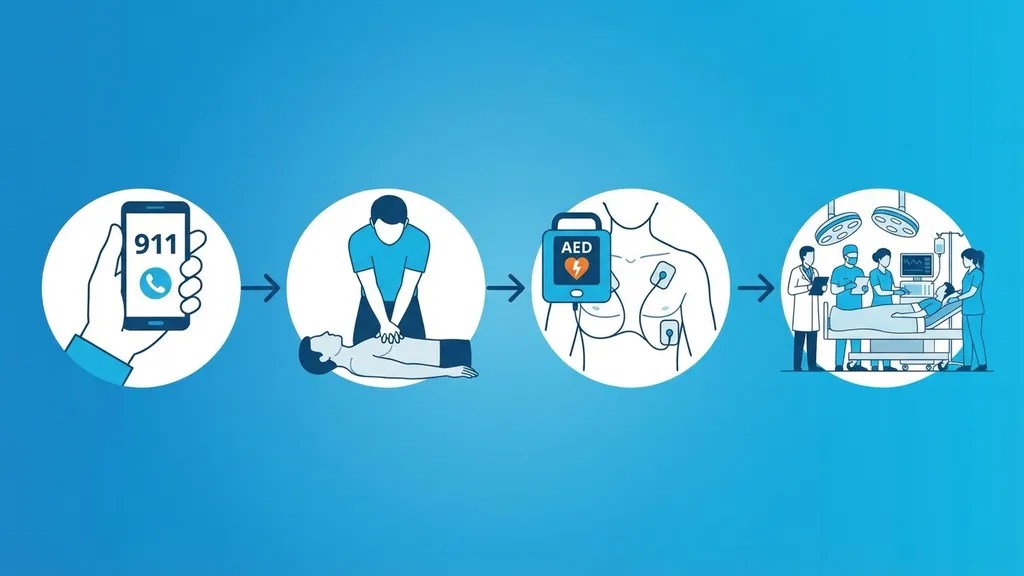
Responding to cardiac arrest requires immediate action because every minute without CPR and defibrillation reduces the chance of survival by 7% to 10%. The American Heart Association’s chain of survival starts with calling 911, performing CPR, and using an automated external defibrillator (AED) as quickly as possible. If you witness someone collapse and become unresponsive, follow these steps immediately:
- Call 911 or have someone nearby call while you begin CPR. Every second matters.
- Start CPR: Place the heel of your hand on the center of the chest and push hard and fast, at least 2 inches deep, at a rate of 100 to 120 compressions per minute. Do not stop until help arrives or an AED is ready.
- Use an AED as soon as one is available: Turn it on, follow the voice prompts, and apply the electrode pads to the bare chest. The AED will analyze the heart rhythm and tell you whether to deliver a shock.
- Continue CPR between shocks: If the AED advises a shock, deliver it and immediately resume CPR. Continue alternating until emergency medical services arrive.
CPR and AED training dramatically improves your ability to respond effectively during a cardiac arrest emergency. Response Ready partners with certified instructors nationwide to provide hands-on training for workplaces, schools, and community organizations.
Preparing Your Organization for Cardiac Arrest Emergencies
Organizations that prepare for cardiac arrest emergencies save more lives. Response Ready helps schools, workplaces, gyms, churches, and community centers build cardiac arrest response plans that include AED placement, staff training, and ongoing equipment maintenance. With more than 350,000 out-of-hospital cardiac arrests occurring annually in the United States, proactive preparation is essential. Here is how to get started:
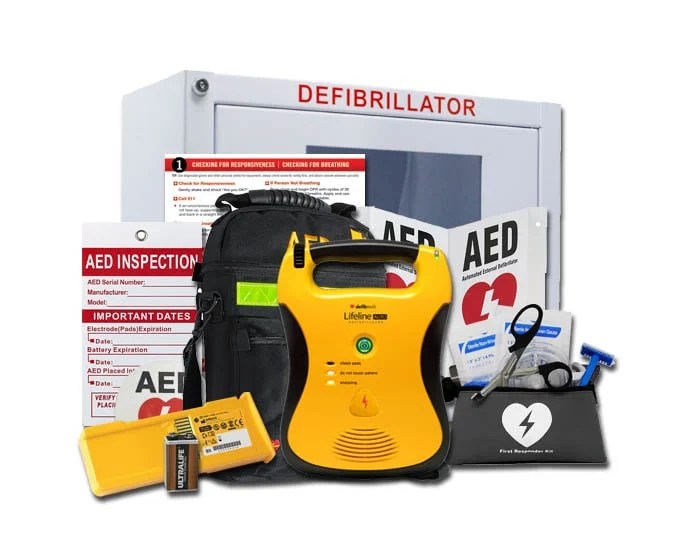
- Place AEDs in accessible locations: Position them where anyone can reach one within three minutes. AED value packages include the device, wall cabinet, signage, and first responder supplies.
- Train your team: Ensure multiple people on each shift know how to perform CPR and operate an AED. Regular refresher training keeps skills sharp.
- Create an emergency action plan: Document who calls 911, who retrieves the AED, and who begins CPR. Post the plan where everyone can see it.
- Maintain your equipment: AED pads and batteries have expiration dates. AED program management services automate tracking so you never miss a replacement date.
- Know your legal requirements: Many states mandate AEDs in schools, fitness centers, and public buildings. Review the AED compliance requirements for your state to ensure you meet all obligations.
Frequently Asked Questions
What does cardiac arrest mean?
Cardiac arrest means the heart has suddenly stopped functioning due to an electrical malfunction. The heart stops pumping blood, the person loses consciousness, and death occurs within minutes without CPR and defibrillation. It differs from a heart attack, which is caused by a blocked artery.
What are the first signs of cardiac arrest?
The primary signs of cardiac arrest are sudden collapse, no pulse, no breathing or only gasping, and complete loss of consciousness. Some people may experience chest discomfort, palpitations, or dizziness in the minutes before collapse, but many victims have no warning signs at all.
Can you survive cardiac arrest without an AED?
Survival is possible with CPR alone, but the odds are significantly lower. CPR keeps blood flowing to the brain and organs, but only an AED can correct the abnormal heart rhythm causing the arrest. With CPR alone, survival rates are roughly 10%. Adding an AED increases survival to approximately 38%.
Can cardiac arrest happen to young, healthy people?
Yes. While cardiac arrest is more common in older adults, approximately 9,500 children and young adults under 18 experience it each year in the United States. Inherited heart conditions, structural abnormalities, and blunt chest trauma during sports are leading causes in younger individuals.
How quickly do you need to use an AED during cardiac arrest?
The sooner the better. Every minute without defibrillation reduces the chance of survival by 7% to 10%. Ideally, an AED should be used within three to five minutes of collapse. This is why placing AEDs in locations where people can reach them quickly is so critical.
Are AEDs safe for untrained people to use?
Yes. Modern AEDs are designed for use by anyone, regardless of medical training. They provide step-by-step voice instructions, analyze the heart rhythm automatically, and will only deliver a shock if the device detects a rhythm that requires defibrillation. You cannot accidentally harm someone with an AED.