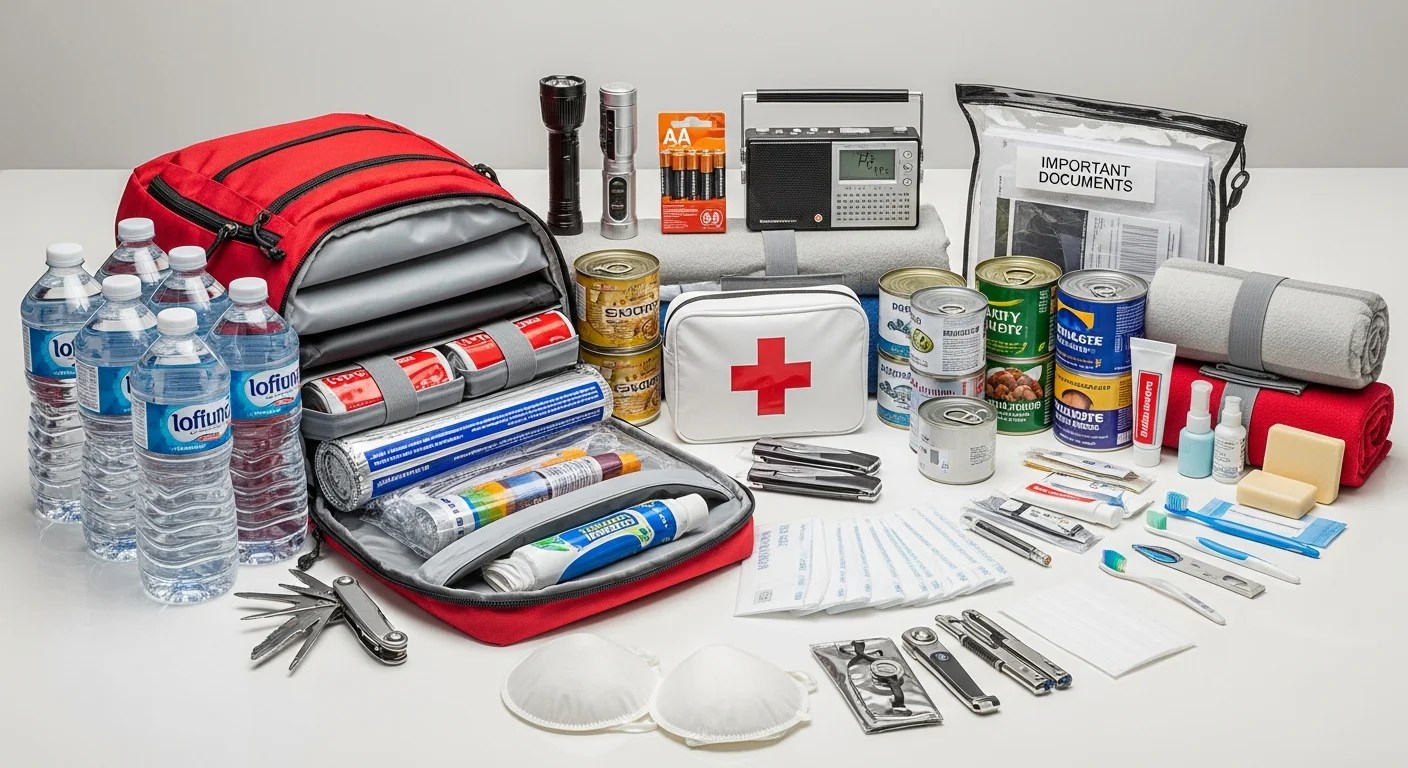
Everyone knows to grab bottled water and canned soup when a storm is brewing, but a truly reliable emergency kit goes much deeper. Have you thought about a manual can opener? What about food for your pets or specific formula for an infant? Do you have enough disposable plates and utensils to avoid using precious clean water for washing dishes? These small details can make a huge difference in your family’s comfort and safety. We’re here to help you think through every angle, from essential cooking tools to special dietary needs, so your hurricane supply list food is complete and genuinely useful when you need it most.
Need help building a complete emergency kit beyond food? Our hurricane preparedness kit checklist covers every category from medical supplies to communication tools and special needs for children, elderly, and pets.
Key Takeaways
- Plan for at least three days of supplies: Calculate your needs by storing one gallon of water per person, per day, and enough non-perishable food for three daily meals. Customize your kit by including balanced options and accommodating any special diets for family, infants, and pets.
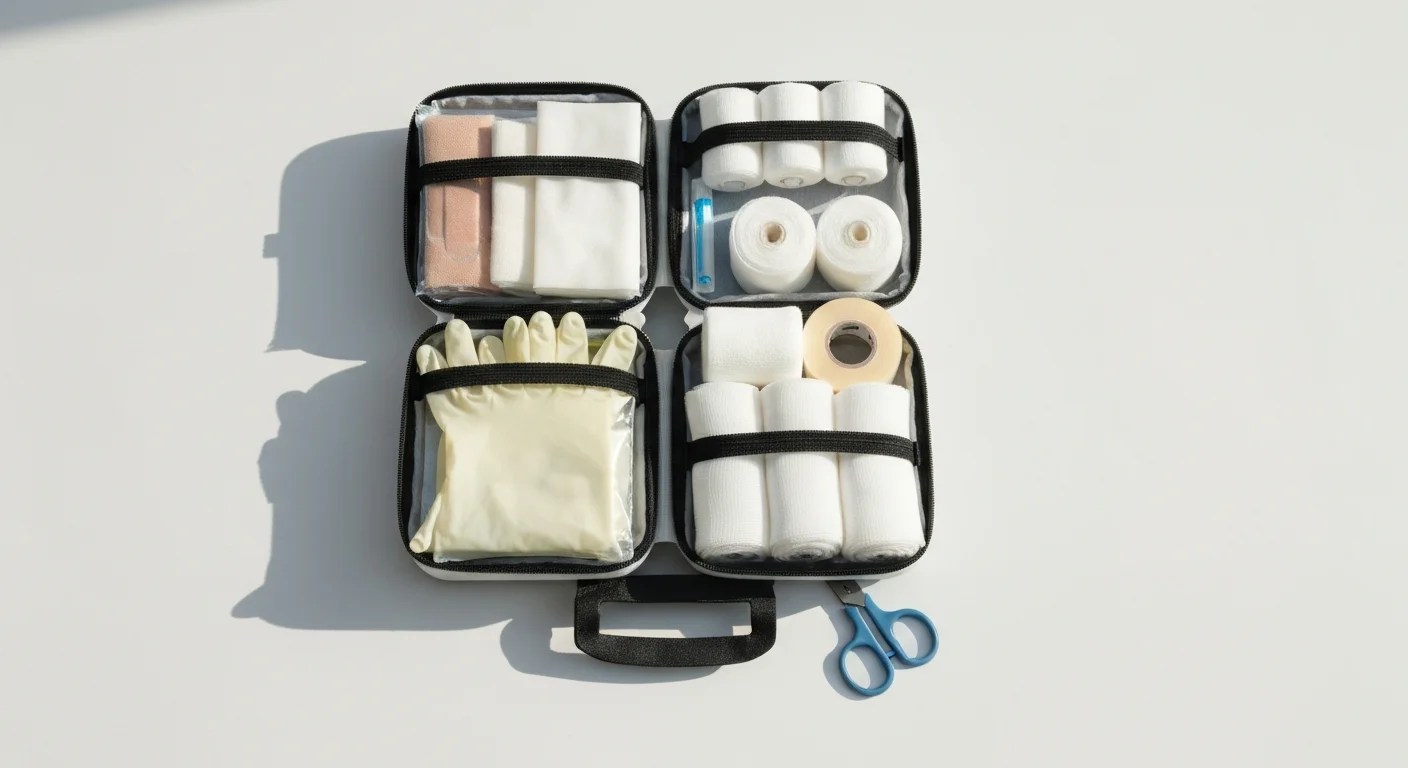
- Focus on no-cook foods and essential tools: Since power outages are common, stock your kit with ready-to-eat items that don’t require refrigeration or cooking. Remember to pack non-food essentials like a manual can opener, disposable utensils, and a first aid kit so you can use your supplies effectively.
- Make maintenance a regular habit: An emergency kit is not a one-time task. Store your supplies in a cool, dry place and set a calendar reminder to check expiration dates every six to twelve months, rotating older items into your regular pantry to keep your kit fresh.
Get certified in CPR
Adult & Pediatric First Aid/CPR/AED — Blended Learning
Self-paced online + in-person skills check. 2-year certification.
CPR, AED & First Aid Certification
Instructor-led on-site. Practice on real manikins and AED trainers.
What Should I Pack in My Hurricane Food Kit?
When you lose power, the food in your fridge and freezer is the first thing to go. That’s why a well-stocked hurricane food kit is a cornerstone of any good emergency plan. The goal is to have enough safe, nutritious, and easy-to-prepare food to last your entire household for at least three days, though a week is even better. Think non-perishable items that don’t require cooking, refrigeration, or much water to prepare. Building your kit doesn’t have to be overwhelming. By focusing on a few key categories, you can create a supply that keeps everyone fed, energized, and even a little more comfortable during a stressful time.
Stock Up on Proteins
Protein is essential for keeping your energy levels up and feeling full, which is especially important during an emergency. Your go-to options should be items that are ready to eat right out of the can or jar. Think about canned meats like tuna, chicken, or salmon, preferably packed in water. Nut and seed butters, such as peanut or almond butter, are fantastic, high-energy choices that don’t require any preparation. You should also include canned beans and lentils. When you’re shopping, look for low-sodium or no-salt-added versions to stay hydrated. These nutritious options are easy to store and provide the fuel your body needs to handle the physical and mental stress of a hurricane.
Add Canned Fruits and Veggies
Maintaining a balanced diet can feel tough during an emergency, but canned fruits and vegetables make it simple. They provide essential vitamins and minerals without needing refrigeration. When choosing canned fruits, look for varieties packed in 100% fruit juice or water instead of heavy syrup. Dried fruits like raisins, apricots, and prunes are also great, lightweight options, just check the label for no added sugar. For vegetables, stock up on canned corn, green beans, peas, and carrots. Just like with beans, it’s a good idea to choose low-sodium or no-salt-added options whenever possible. Having these on hand ensures you can still put together well-rounded meals, even when you can’t get to a grocery store.
Include Grains and Starches
Grains and starches are your body’s primary source of energy, so they are a non-negotiable part of your hurricane food supply. The key is to choose items that are filling and have a long shelf life. Whole-grain crackers, rice cakes, and pretzels are perfect for pairing with peanut butter or canned tuna. Dry cereal and granola bars make for a quick and easy breakfast or snack that doesn’t require any cooking. You can also include things like instant oatmeal packets, as long as you have a safe way to heat water. These shelf-stable foods are the foundation of your emergency pantry, providing the carbohydrates you need to stay active and alert.
Remember Snacks and Comfort Foods
A hurricane is a high-stress event, and having a few familiar comfort foods can make a big difference for your family’s morale. While nutrition is the priority, don’t underestimate the psychological lift that a favorite snack can provide. Pack some high-energy foods like trail mix, granola bars, and crackers with jelly. Then, add in some treats that will bring a sense of normalcy to a difficult situation. This could be anything from cookies and hard candy to instant coffee or tea bags. These small comforts can help reduce anxiety, especially for children, and give everyone something to look forward to while you ride out the storm.
Plan for Special Diets
Every emergency plan needs to be personalized for the people it’s meant to protect. When you’re packing your food kit, it’s critical to account for the specific dietary needs of everyone in your household. This includes packing formula, baby food, and sterilized water for infants. For older adults or anyone with medical conditions, be sure to include any special foods they require, like low-sugar options for diabetics or soft foods that are easy to chew. Don’t forget about food allergies or intolerances. Carefully read labels and pack safe, appropriate substitutes. Making a detailed list for each person ensures that no one’s health is compromised when access to specific foods is limited.
How Much Food and Water Does My Family Need?
Once you know what kinds of food to pack, the next step is figuring out how much. You don’t want to run short, but you also don’t need to buy out the entire grocery store. The goal is to have enough supplies to keep everyone in your household safe and comfortable for at least a few days without power or access to stores. Thinking through quantities ahead of time removes the guesswork and helps you build a practical, effective kit.
Calculate Your Water Needs
When it comes to water, the standard recommendation is to store one gallon per person, per day. This amount covers drinking as well as basic personal hygiene like brushing your teeth and washing your hands. To calculate your family’s total, just multiply the number of people in your household by the number of days you want to prepare for (a minimum of three is best). So, for a family of four, you’d want at least 12 gallons of water for a three-day supply. If you live in a hot climate, have family members with specific health needs, or are pregnant, it’s a good idea to store a little extra.
Determine How Much Food to Store
For food, the goal is to have at least a three-day supply for every person in your home. The easiest way to tackle this is to think in terms of meals. Plan for three simple, no-cook meals plus a few snacks per person, per day. This approach helps ensure you have a balanced supply instead of just a random assortment of cans. As you build your shopping list, focus on non-perishable items that your family will actually eat. Having familiar foods can be a real comfort during a stressful time. If planning feels overwhelming, you can also start with pre-assembled disaster preparedness kits and add personal favorites.
Don’t Forget Pets and Infants
Your emergency plan should include every member of your family, including the little ones and the furry ones. For infants, make sure you have a three-day supply of ready-to-use formula, jarred baby food, and any specific juices they might need. Don’t forget to pack extra water for mixing formula if you use a powdered version. For your pets, set aside at least three days’ worth of their regular food and plenty of water. It’s also smart to pack their food and water bowls, along with any medications they take. Storing their supplies in a separate, easy-to-grab container will make things much simpler if you need to evacuate quickly.
What Makes a Food Good for an Emergency Kit?
When you’re building your hurricane food supply, you can’t just grab anything off the grocery store shelf. The best emergency foods share a few key qualities that make them reliable, safe, and practical when your normal kitchen routine is out of the question. Thinking through these factors ahead of time ensures you have food that will actually sustain you and your family when you need it most.
Prioritize a Long Shelf Life
The most important rule for emergency food is that it has to last. Focus on foods that can sit on a shelf for a long time without going bad. This means stocking up on canned goods, dried pasta, rice, beans, and other non-perishable items. When you purchase these items, get in the habit of checking the “best by” dates to ensure you’re getting the longest possible shelf life. Your emergency kit isn’t a “set it and forget it” project; it’s something you’ll need to review periodically. A good food storage plan helps you keep track of what you have and rotate items before they expire, keeping your supply fresh and ready.
Choose Foods That Don’t Need Cooking
During a hurricane, it’s very likely you’ll lose power, possibly for an extended period. That’s why it’s crucial to choose items that don’t need a fridge or electricity to prepare. Think ready-to-eat foods that you can open and serve immediately. Canned meats and fish, protein bars, peanut butter, crackers, dried fruit, and nuts are all excellent options. These foods provide necessary calories and nutrients without any reliance on a stove or microwave. Having a supply of no-cook foods removes a major source of stress and ensures you can eat safely even when the power is out.
Focus on Easy-to-Prep Meals
Beyond just being “no-cook,” your emergency food should be simple. In a stressful situation, the last thing you want is a complicated meal. Look for zero-prep foods like dry cereal, canned fruits and vegetables, juice boxes, and ready-to-serve soups. These items make it easy to assemble something that feels like a real meal with minimal effort. Having these grab-and-go options means you can spend less time worrying about food and more time focusing on staying safe. It’s about making life as easy as possible for yourself when circumstances are anything but.
Keep Nutrition in Mind
While it’s tempting to stock up on chips and cookies, your body needs quality fuel to handle the stress of an emergency. Try to avoid purchasing excess “comfort” or “junk” foods and instead build your supply based on your family’s nutritional needs. Aim for a balance of protein, carbohydrates, and healthy fats to keep your energy levels stable. Think about items like canned chicken or tuna, beans, whole-grain crackers, and nut butters. If you have family members with special dietary needs, like infants, older adults, or those with allergies, be sure to pack foods that are safe and appropriate for them.

RECOMMENDED
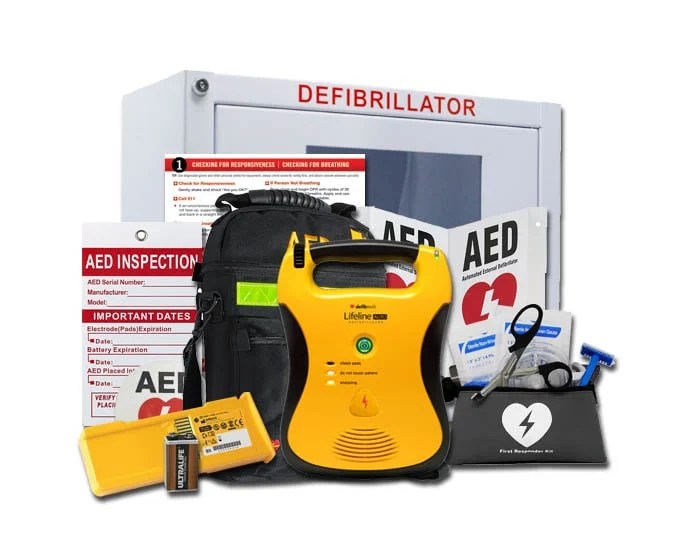
HeartSine Samaritan 350P AED Package
Compact, fully-automatic AED designed for first-time responders. Pads, battery, carry case and wall sign included.
What Supplies Do I Need Besides Food?
Having a solid food and water supply is the foundation of any hurricane kit, but you’ll need more than just cans of beans to get through a storm safely and comfortably. The right non-food items are just as critical for cooking, maintaining hygiene, and handling minor emergencies. Thinking through these needs ahead of time ensures you won’t be caught without a can opener or a flashlight when you need them most. Let’s walk through the essential supplies that should be in your kit right alongside your food.
Gather Your Cooking Tools
Once you have your non-perishable food, you need a way to open and eat it. Since you can’t count on having electricity, manual tools are a must. Your kit should absolutely include a manual can opener. It’s also smart to pack disposable plates, cups, and utensils to make cleanup easy when water is limited. If you have a safe outdoor space like a patio or balcony, a small camp stove or grill can be great for heating food, but never use them indoors. Pack everything in a waterproof container so it’s all clean, dry, and ready to go.
Pack for Food Safety
Keeping your food safe to eat is crucial, especially during a power outage. Have a couple of coolers on hand to store refrigerated items, and stock up on ice packs or frozen water bottles to keep them cold for as long as possible. A food thermometer will help you check if items are still at a safe temperature. Remember the most important rule of emergency food safety: when in doubt, throw it out. Never taste food to see if it’s still good, and immediately discard anything that has come into contact with floodwater. For more guidance, you can review food safety plans for severe storms.
Think Beyond the Kitchen
Your hurricane kit needs to support your family’s overall health and safety, not just their appetites. A well-stocked first aid kit is non-negotiable for handling minor injuries when emergency services are busy. Be sure to include flashlights with extra batteries, a battery-powered or hand-crank weather radio, and any prescription medications your family needs. Don’t forget personal hygiene items like toilet paper, soap, toothbrushes, and feminine supplies. Having these basics on hand will make a stressful situation much more manageable for everyone.
Use a Checklist to Stay Organized
It’s easy to forget something important when you’re trying to prepare for a storm. Using a checklist is the best way to make sure you have all your bases covered. You can build your own or use a comprehensive one from an official source. The government’s Ready.gov site offers an excellent, printable checklist that covers everything from water (the recommendation is one gallon per person, per day) to important documents. Go through the list item by item as you build your kit. This simple step helps you stay organized and confident that you have what you need.
How Do I Maintain My Hurricane Food Supply?
Building your hurricane food supply is the first step, but maintaining it is just as important. A well-managed kit ensures everything is safe, fresh, and ready to go when you need it most. Proper storage and regular check-ins will give you confidence that your family is prepared for anything.
Store and Rotate Your Stock
Your emergency food won’t last forever, so it’s smart to adopt a “first in, first out” system. When you add new items, place them behind the older ones. This way, you use the oldest food first. Set a calendar reminder every six to twelve months to check expiration dates on all your supplies. You should also rotate your drinking water at least once a year to ensure it’s fresh. Store your food and water in a cool, dark, and dry place, like a pantry or closet, to protect it from temperature changes, pests, and moisture that could cause spoilage.
Keep Food Safe During a Power Outage
If a hurricane causes a power outage, the clock starts ticking on your refrigerated and frozen foods. To make the most of what you have, follow a simple plan. First, use the perishable foods from your refrigerator. After that, move on to items in the freezer. A full, well-insulated freezer can keep food frozen for two to three days, but only if you keep the door closed as much as possible. You can find more guidance on preparing an emergency food supply to keep your family safe. Try to open it only when necessary to preserve the cold air inside.
Avoid These Common Mistakes
When stocking up, it’s easy to grab familiar comfort foods. While a few treats can be a morale-lifter, try to avoid filling your kit with junk food. During a stressful emergency, your body needs nutrient-dense foods to maintain energy and health. Focus on building a supply that meets your family’s nutritional needs first. Another common mistake is forgetting essential non-food items, like a manual can opener, disposable utensils, and garbage bags. You can learn more about common food supply mistakes to ensure your kit is truly ready for action.
Create Your Shopping Timeline
Don’t wait until a storm is approaching to build your kit. Panic buying leads to empty shelves and unnecessary stress. Instead, create a shopping timeline at the start of hurricane season. Each week, add a few items from your list to your regular grocery cart. This spreads out the cost and effort. You can use a basic supply list to get started. It’s also a great idea to keep a smaller emergency kit in your car with a few days’ worth of non-perishable food, water, and a good first aid kit in case you need to evacuate.
Related Articles
- Hurricane Emergency Kit – The Complete Preparation Guide for Storm Season
- The Ultimate Hurricane Preparation Checklist
- Your Emergency Kit Checklist: 20 Must-Have Items
- The Ultimate Earthquake Emergency Kit List

Not sure which AED or training fits your needs?
A Response Ready product expert walks you through it — no obligation.
Frequently Asked Questions
How many days of food and water should I really have? While the standard advice is to have a three-day supply, it’s wise to think of that as the absolute minimum. Power outages and disruptions can easily last a week or longer after a major storm. A good goal is to have enough food and water to last your family for seven days. This gives you a much more comfortable buffer and peace of mind, ensuring you aren’t forced to leave home for supplies when conditions might still be unsafe.
What’s the best way to store my emergency food supply? The ideal storage spot is cool, dark, and dry to protect your food from spoilage. An interior closet, a pantry, or even the space under a bed are all great options. Try to avoid places with extreme temperature fluctuations, like a garage, attic, or shed, as the heat can shorten the shelf life of canned goods and other non-perishables. Keeping everything together in a few large, sealed plastic bins makes it easy to grab and protects your supply from pests or water damage.
What if my kids are picky eaters? This is a very real concern for parents. The best approach is to stock your kit with non-perishable foods you already know they like. Involve them in the process by letting them pick out their favorite granola bars, crackers, or canned fruits. While balanced nutrition is important, a high-stress situation is not the time for a battle over food. Having familiar, comforting snacks can make a huge difference in keeping your children’s spirits up.
Should I buy a pre-made kit or build my own? There are benefits to both approaches. Pre-made kits are incredibly convenient and a great way to ensure you have all the basics covered without having to think too much about it. Building your own kit allows you to customize it completely to your family’s dietary needs, allergies, and preferences. A great strategy is to do a little of both: start with a quality pre-made kit and then add personal items like favorite snacks, specific medications, or extra supplies for infants and pets.
Besides food expiring, what’s a common mistake to avoid? One of the most common mistakes is forgetting about the non-food essentials you’ll need to actually use your kit. People often have plenty of canned food but no manual can opener. They have food but forget to pack disposable plates, cups, and utensils for serving it. Remember to think through the entire process from opening a can to cleaning up afterward. Your kit should also include a good first aid kit, flashlights, and personal hygiene items to keep your family safe and comfortable.