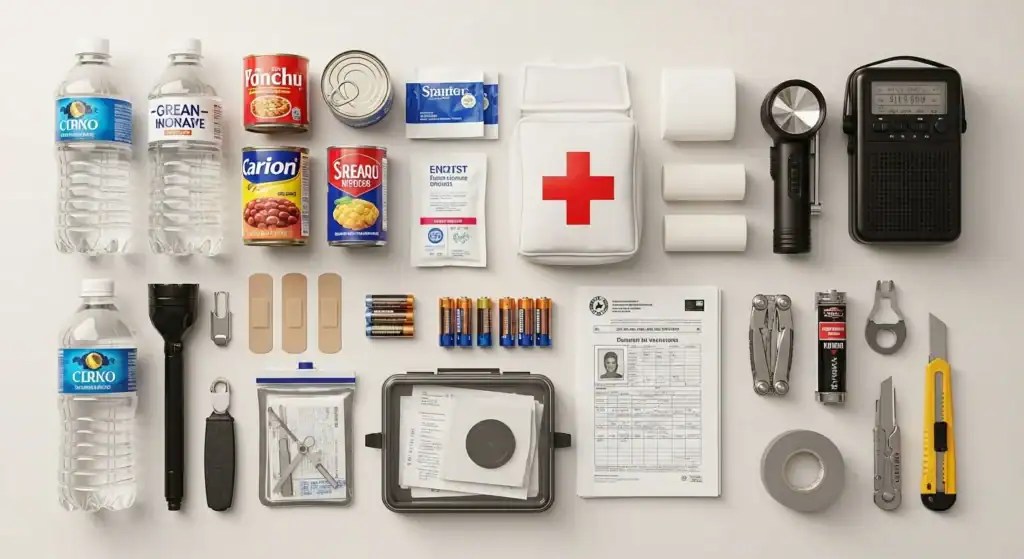
An emergency preparedness kit is the single most important investment you can make for your family’s safety. Whether you are preparing for hurricanes, earthquakes, wildfires, or extended power outages, having the right supplies ready to go can mean the difference between a manageable situation and a dangerous one. This updated emergency kit checklist for 2026 covers everything you need, from core survival supplies to modern tech essentials and region-specific additions.
Browse Response Ready’s complete line of emergency preparedness kits to start building your family’s safety net today.
What Is an Emergency Preparedness Kit and Why Does Every Household Need One?
An emergency preparedness kit is a pre-assembled collection of essential supplies designed to sustain your household for at least 72 hours when normal services are disrupted. The Federal Emergency Management Agency (FEMA) recommends that every American household maintain a ready-to-go survival kit, because after a major disaster, emergency responders may not reach you for several days.
The reasoning is straightforward. When a hurricane knocks out power, when an earthquake damages water mains, or when a winter storm closes roads, you need food, water, first aid supplies, and communication tools immediately available. Response Ready was founded by EMS and Fire service professionals who understand this reality firsthand. Their team has seen what happens when families are caught unprepared, and their mission is to make sure every household has the tools to act with confidence in an emergency.
In 2026, the need for emergency preparedness is greater than ever. NOAA has projected an above-average Atlantic hurricane season, wildfire seasons continue to grow longer in western states, and the aging U.S. power grid remains vulnerable to severe weather. Building your emergency kit now, before disaster strikes, is the most practical step you can take.
What Should You Put in an Emergency Kit? The Complete 2026 Checklist
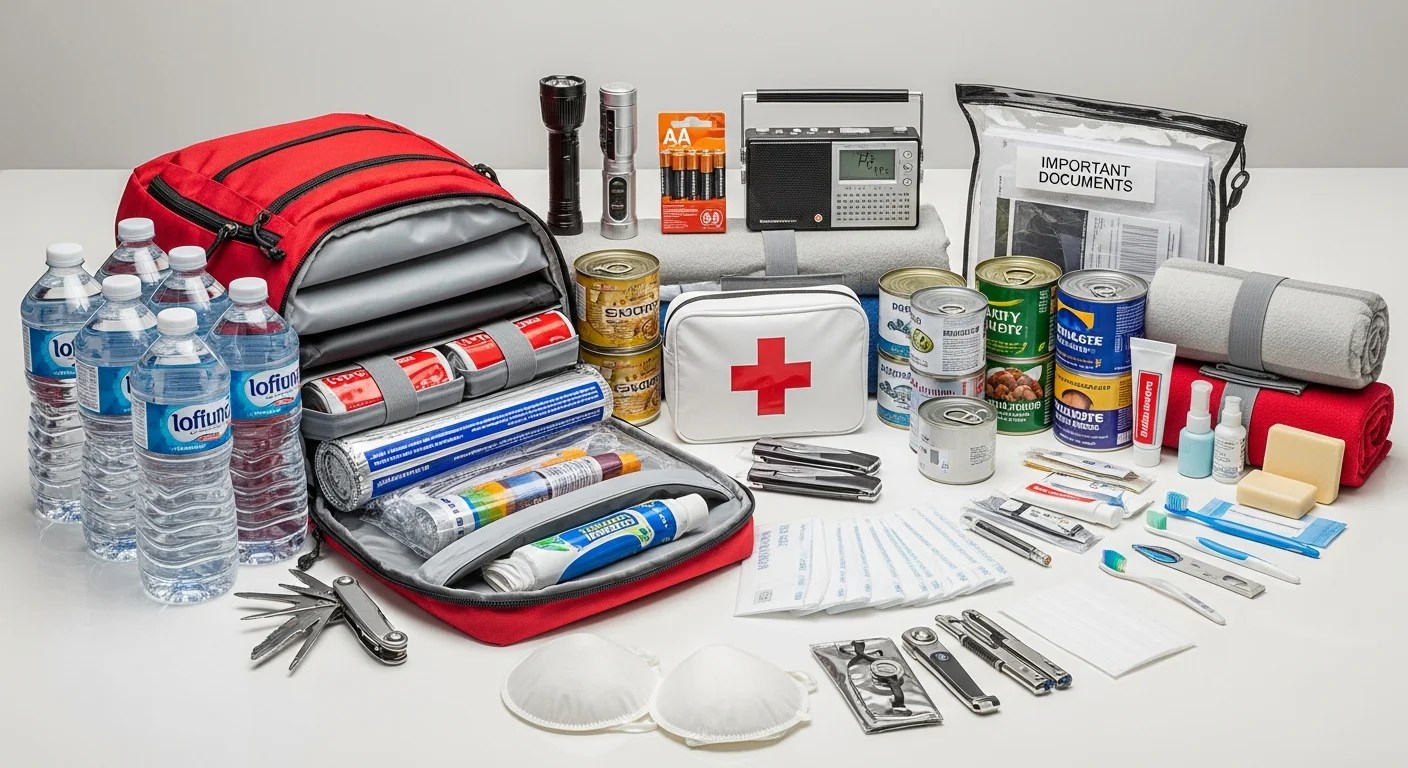
A complete emergency kit checklist covers seven essential categories. Every item on this list serves a specific purpose, and skipping any category creates a gap that could put your family at risk. Use this checklist as your master reference when assembling or updating your kit.
Water and Hydration Supplies
Water is the most critical item in any emergency preparedness kit. The standard guideline is one gallon of water per person per day, stored for a minimum of three days. For a family of four, that means 12 gallons at minimum. Consider these additions:
- Commercially bottled water for maximum shelf life (check expiration dates every six months)
- Water purification tablets or a portable filter as a backup if your stored supply runs out
- Collapsible water containers for refilling from clean sources during extended emergencies
Non-Perishable Food
Pack at least a three-day supply of non-perishable food for every person in your household. Choose items that require no refrigeration, cooking, or water to prepare:
- Protein bars and granola bars
- Canned meats, fish, fruits, and vegetables
- Dried fruit, nuts, and peanut butter
- Crackers, cereal, and shelf-stable milk
- Manual can opener (often forgotten but essential)
- Disposable plates, utensils, and cups
First Aid and Medical Supplies
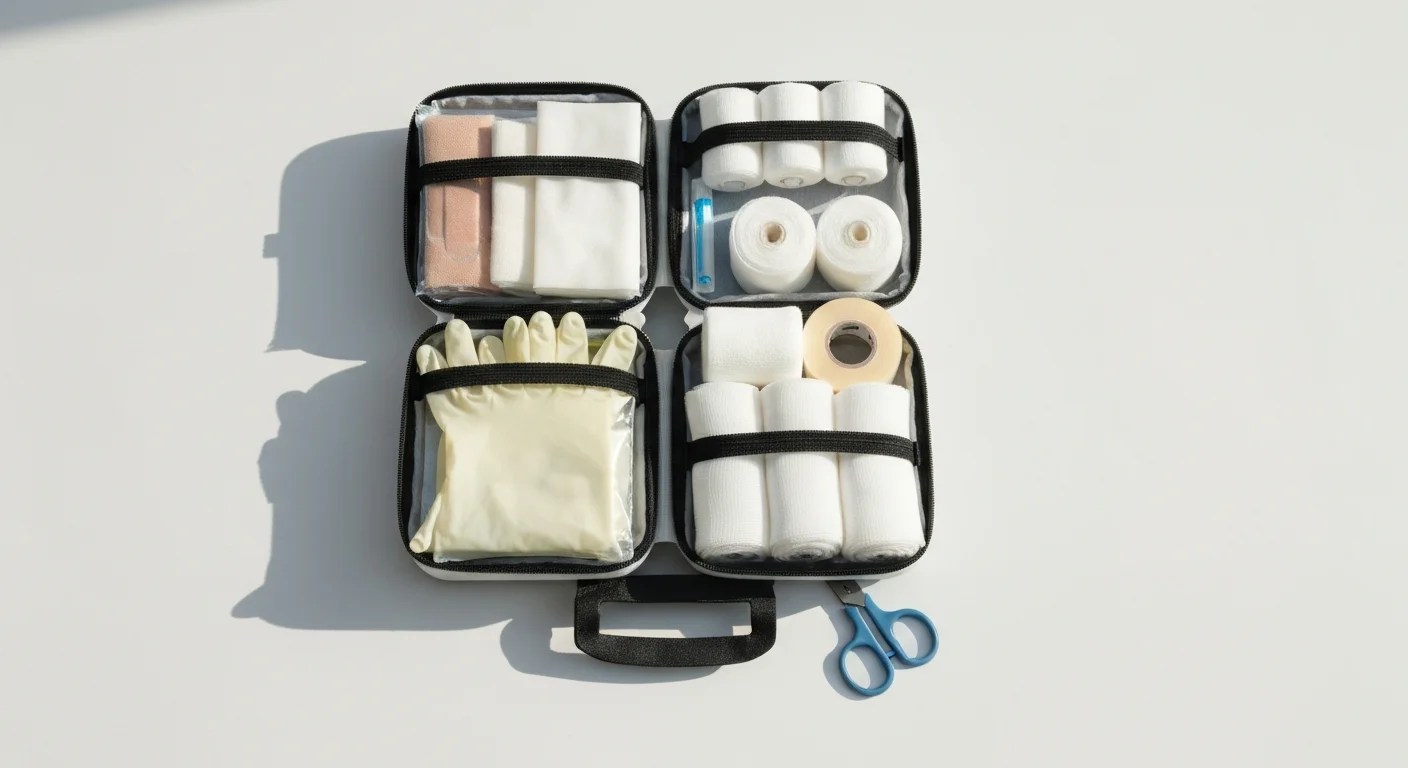
When professional medical help is delayed, your first aid kit becomes your frontline defense against injuries. Response Ready offers comprehensive first aid kits designed for rapid emergency response. Your kit should include:
- Adhesive bandages in multiple sizes, sterile gauze pads, and medical tape
- Antiseptic wipes, antibiotic ointment, and hydrogen peroxide
- Pain relievers (ibuprofen, acetaminophen), antihistamines, and anti-diarrhea medication
- Latex or nitrile gloves, scissors, tweezers, and a CPR pocket mask
- A seven-day supply of all prescription medications with written copies of prescriptions
- Spare eyeglasses, contact lens solution, and hearing aid batteries
For severe trauma situations, consider adding a bleeding control kit with a tourniquet, hemostatic dressing, and chest seals. These supplies can be life-saving when EMS response times are extended.
Light, Communication, and Power
Staying informed and visible during an emergency is critical for safety and rescue. Your 2026 emergency kit should include both traditional and modern power solutions:
- LED flashlights (one per family member) with extra batteries
- Hand-crank or battery-powered NOAA weather radio for receiving emergency broadcasts
- Portable power banks (at least 20,000 mAh) to keep cell phones charged
- Solar charger as a backup power source for extended outages
- Emergency whistle for signaling rescue teams
- Battery-powered lantern for area lighting
Tools and Safety Equipment
Basic tools allow you to secure your environment and handle common post-disaster challenges:
- Multi-purpose tool or utility knife
- Wrench or pliers (for shutting off gas and water valves)
- Heavy-duty work gloves and N95 respirator masks
- Duct tape, plastic sheeting, and zip ties
- Fire extinguisher (compact, ABC-rated)
- Local area maps (physical copies, not digital)
Important Documents and Cash
Digital access may be unavailable during a disaster. Prepare physical copies of these documents in a waterproof, fireproof container:
- Government-issued IDs (driver’s licenses, passports)
- Birth certificates and Social Security cards
- Insurance policies (homeowner’s, renter’s, auto, health)
- Property deeds, vehicle titles, and bank account information
- Cash in small denominations ($200-$500 recommended, since ATMs and card readers will not work during power outages)
- Password-protected USB drive with digital copies of all documents
Sanitation and Personal Hygiene
Maintaining hygiene prevents illness and supports morale during extended emergencies:
- Moist towelettes, hand sanitizer, and soap
- Garbage bags and plastic ties for waste disposal
- Toilet paper, toothbrushes, toothpaste, and deodorant
- Feminine hygiene supplies
- Bleach (unscented, for water purification and sanitation)

How Do You Build an Emergency Kit for Specific Disasters?
A general emergency preparedness kit covers the basics, but the specific threats in your region may require additional supplies. Tailoring your survival kit to your local risks is what separates adequate preparation from truly effective readiness.
Hurricane Preparedness Additions
If you live in a hurricane-prone state like Florida, Texas, Louisiana, or along the Atlantic coast, add these items to your base kit:
- Plywood or pre-cut storm shutters for windows
- Waterproof tarps and rope for temporary roof repairs
- Extra water supply (aim for a seven-day supply instead of three days)
- Rain gear including ponchos and waterproof boots
- Portable generator with fuel (stored safely outside)
Response Ready’s SecurEvac 30-Person Easy-Roll Evacuation Kit is designed specifically for situations where you may need to shelter in place with a larger group. For a deeper dive into hurricane-specific preparation, see our complete hurricane preparation checklist.
Earthquake Preparedness Additions
For residents of California, the Pacific Northwest, Alaska, and other seismically active areas:
- Sturdy closed-toe shoes stored under each bed (for walking over broken glass)
- Earthquake straps for water heaters and heavy furniture
- Crowbar or pry bar for freeing trapped individuals or clearing debris
- Extra dust masks and safety goggles
- Pipe wrench pre-fitted to your gas shutoff valve
Learn more about earthquake-specific preparation in our earthquake emergency kit list.
Wildfire and Extreme Heat Additions
Western states, parts of the Southwest, and increasingly areas in the Southeast face growing wildfire risks:
- P100 respirator masks (superior to N95 for smoke filtration)
- Safety goggles for eye protection from ash and particulates
- Portable air purifier with HEPA filter for indoor air quality
- Extra water for hydration in extreme heat
- Pre-packed evacuation go-bags stored near your main exit
Winter Storm and Power Outage Additions
Cold weather emergencies demand additional warmth and self-sufficiency supplies:
- Heavy wool blankets and sleeping bags rated for below-freezing temperatures
- Hand warmers and body warmers
- Thermal undergarments for each family member
- Camp stove with fuel (for outdoor use only, never indoors)
- Extra batteries (cold weather drains batteries faster)
Our guide on building a power outage emergency preparedness kit covers extended outage scenarios in detail.
What Emergency Supplies Do Families with Children, Seniors, or Pets Need?
A standard emergency kit checklist assumes a healthy adult. Real families have members with specific needs that require targeted additions to the base kit.
For Infants and Young Children
- Formula, baby food, and bottles
- Diapers, wipes, and diaper rash cream
- Favorite comfort items (a small toy, blanket, or book)
- Children’s medications (pain relievers, allergy medicine)
- Games, coloring books, or card games to reduce anxiety
For Seniors and Those with Medical Conditions
- Extended medication supply (14 days if possible) with a written medication list
- Backup power for medical devices (CPAP machines, oxygen concentrators, nebulizers)
- Mobility aids and backup batteries for powered wheelchairs or hearing aids
- Large-print emergency contact cards
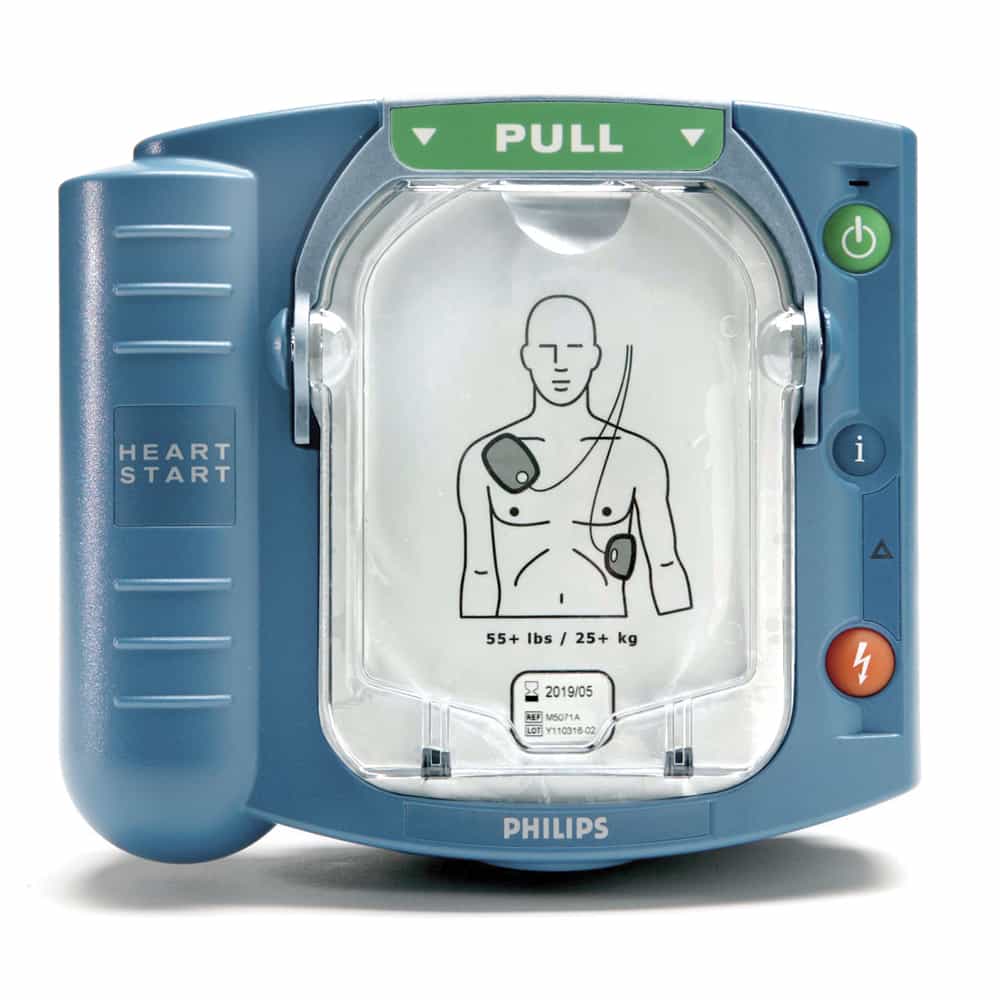
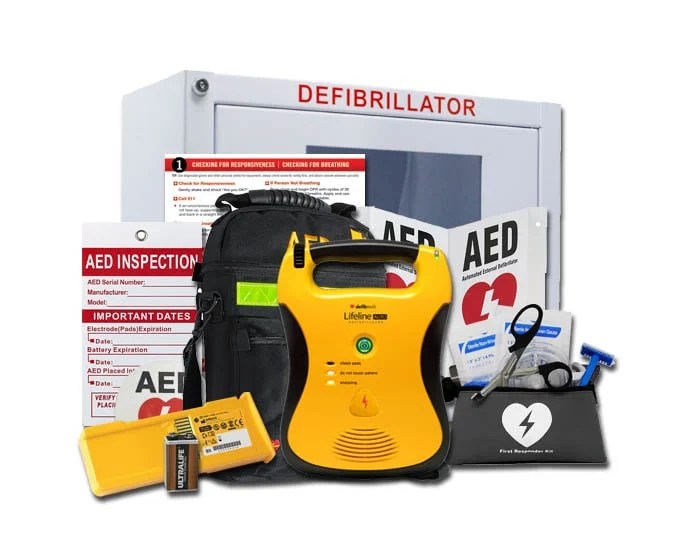
- An automated external defibrillator (AED) if anyone in the household has a cardiac condition
For Pets
- Three-day supply of pet food and water with portable bowls
- Leash, collar with ID tags, and a sturdy carrier
- Pet medications and vaccination records
- A current photo of your pet (in case of separation)
- Familiar comfort items to reduce stress

Where Should You Store Your Emergency Kit?
The best emergency preparedness kit in the world is useless if you cannot reach it when disaster strikes. Strategic storage is the final step in your emergency preparedness checklist.
Home Base Kit
Store your primary kit in a cool, dark, easily accessible location. A hall closet, garage shelf near the exit, or dedicated storage bin works well. Avoid attics (too hot) and basements prone to flooding. Pack everything in airtight containers to protect against moisture and pests.
Vehicle Emergency Kit
Keep a smaller kit in each family vehicle. Include water, non-perishable snacks, a compact first responder kit, a blanket, jumper cables, and a phone charger. This kit serves double duty for everyday roadside emergencies and disaster evacuations.
Personal Go-Bags
Every family member should have a lightweight backpack with 72-hour essentials stored near the main exit. Response Ready’s Grab-and-Go 3-Day Personal Emergency Kit ($89.95) provides a ready-made foundation you can customize with personal items.
How Often Should You Update Your Emergency Kit?
An emergency kit is a living resource that requires regular maintenance. Set a calendar reminder to review your supplies twice per year. Many families tie this review to daylight saving time changes in March and November.
During each review:
- Check all expiration dates on food, water, medications, and batteries
- Test all equipment including flashlights, radios, and power banks
- Update personal items as family needs change (new baby, new medications, children’s clothing sizes)
- Replace used or damaged items immediately
- Review and update your family emergency plan including meeting points and contact numbers
- Rotate seasonal items (swap heavy blankets for rain gear in spring, and reverse in fall)
What Modern Tech Should Be in a 2026 Survival Kit?
Emergency preparedness technology has advanced significantly. These modern additions complement your traditional supplies and can dramatically improve your family’s safety:
| Item | Purpose | Why It Matters in 2026 |
|---|---|---|
| Portable power bank (20,000+ mAh) | Charge phones and small devices | Cell phones are now the primary emergency communication tool |
| Solar charger panel | Renewable power for extended outages | Multi-day outages are increasingly common |
| Portable HEPA air purifier | Filter wildfire smoke indoors | Wildfire seasons continue to expand across the U.S. |
| Personal locator beacon (PLB) | Send distress signal via satellite | Works when all cell towers are down |
| USB-rechargeable flashlights | Eliminate battery dependency | Pairs with solar charger for indefinite use |
| Portable water purifier | Make any water source drinkable | Critical for extended emergencies beyond your stored supply |
What Are the Biggest Emergency Kit Mistakes to Avoid?
After working with thousands of families on emergency preparedness, Response Ready has identified the most common mistakes that undermine even well-intentioned kits:
- Not storing enough water. Most people underestimate how much water a family actually consumes. One gallon per person per day is the minimum, and hot climates, nursing mothers, and illness all increase that requirement.
- Forgetting to rotate supplies. Expired food and dead batteries are the most common kit failures. A six-month review schedule prevents this.
- Building a one-size-fits-all kit. Every household has unique needs. Infants, seniors, pets, and family members with medical conditions all require specific supplies.
- Storing the kit in a hard-to-reach location. A kit buried in the back of a cluttered closet is practically useless in an emergency. Choose an accessible, designated spot that every family member knows about.
- Skipping the family emergency plan. Supplies without a plan are only half the equation. Every family needs designated meeting points, an out-of-state contact, and practiced evacuation routes.
How Can You Get Started with Emergency Preparedness Today?
Starting your emergency preparedness journey does not require a large upfront investment. Response Ready recommends a phased approach:
- Week 1: Secure your water supply (one gallon per person per day for three days) and assemble a basic first aid kit.
- Week 2: Stock non-perishable food and add flashlights, batteries, and a weather radio.
- Week 3: Gather important documents, cash, and personal medications.
- Week 4: Add tools, sanitation supplies, and any region-specific items.
- Ongoing: Review and update every six months. Add go-bags and vehicle kits as budget allows.
For families who want a comprehensive solution from day one, Response Ready’s pre-assembled emergency preparedness kits provide an expert-curated foundation that you can customize for your household’s specific needs.
Shop Response Ready’s emergency preparedness kits and take the first step toward protecting your family today.
Frequently Asked Questions
How many days of supplies should an emergency kit contain?
FEMA recommends a minimum of 72 hours (three days) of supplies per person for a portable go-bag. For your home base kit, aim for a seven-day to two-week supply. This extended supply prepares you for situations where roads are impassable or utilities remain offline for an extended period.
What is the most important item in an emergency preparedness kit?
Water is the single most critical item in any emergency preparedness kit. The human body can survive weeks without food but only about three days without water. Store at least one gallon per person per day for drinking and basic sanitation needs.
Should you buy a pre-made emergency kit or build your own?
Both approaches have merit. A pre-made kit like the Grab-and-Go 3-Day Personal Emergency Kit from Response Ready provides a professional foundation quickly and ensures nothing critical is missed. Building your own allows complete customization. Many families find the best approach is starting with a quality pre-made kit and adding personal items like medications, documents, and comfort items.
How much does it cost to build an emergency preparedness kit?
A basic emergency kit can be assembled for under $100 by purchasing items gradually over a few weeks. Pre-made kits from Response Ready range from $72.45 for personal kits to $369.95 for 30-person evacuation kits. The investment is small compared to the safety and peace of mind it provides.
What is the difference between a go-bag and a home emergency kit?
A go-bag is a lightweight, portable backpack containing 72 hours of essentials that you can grab in seconds during an evacuation. A home emergency kit is a larger, more comprehensive collection stored in your house for sheltering in place during extended emergencies. Every household should have both types.
Do you need an AED in your emergency preparedness kit?
If anyone in your household has a history of heart conditions, or if you live in a rural area where EMS response times exceed 10 minutes, an automated external defibrillator (AED) can be a life-saving addition. Sudden cardiac arrest is a leading cause of death in the United States, and an AED combined with CPR training significantly improves survival rates. Response Ready carries AEDs from all six FDA-approved manufacturers.