- Published
- June 18, 2026
The Defibtech Lifeline AED: A Complete User Guide

If you found someone who was unconscious and not breathing, would you know what to do? Many people worry they aren’t qualified to use an AED, but that’s a myth that can cost lives. The Defibtech Lifeline AED was created specifically for people without medical training. From the moment you press the power button, a calm voice guides you through every single step, from placing the pads to delivering a shock. The device analyzes the heart rhythm and will only advise a shock if needed, removing any possibility of user error. This guide will show you exactly how its foolproof design gives anyone the confidence to step in and help.
Key Takeaways
- Focus on intuitive design: The Defibtech Lifeline AED is built for high-stress situations, using a simple two-button interface and calm voice prompts to guide you through a rescue without any guesswork.
- Count on its readiness: This AED performs its own daily, weekly, and monthly self-checks, so you can confirm it’s ready for an emergency with a quick glance at the flashing green status light.
- Benefit from modern technology: Its biphasic waveform technology delivers a more effective and safer shock with less energy, which improves the chances of a successful outcome and extends the device’s battery life.
Meet the Defibtech Lifeline AED
When you’re looking for an Automated External Defibrillator (AED), you want a device that’s straightforward, reliable, and ready to go when you need it most. The Defibtech Lifeline AED was designed with exactly that in mind. It’s a popular choice for public spaces, workplaces, and homes because it removes the guesswork from responding to a sudden cardiac arrest emergency. Its bright, intuitive design and clear instructions empower anyone—with or without medical training—to step in and provide life-saving help.
This AED is built to be both incredibly easy to use and tough enough to handle real-world conditions. Let’s take a look at how it works and whether it’s the right fit for your emergency preparedness plan.
How It Works When Every Second Counts
The Defibtech Lifeline AED uses biphasic waveform technology to deliver an electrical shock. In simple terms, this is a highly effective and clinically proven method for restoring a normal heart rhythm. This advanced technology allows the device to use less energy than older models, which is not only safer for the person receiving help but also helps preserve the AED’s battery life. Because it’s more efficient, a biphasic shock has a higher success rate in cardiac emergencies. This smart technology is one of the key reasons why so many people trust the full range of AEDs for sale that use it.
Is This the Right AED for You?
If you’re looking for an AED that’s practically foolproof, the Defibtech Lifeline is an excellent choice. It was specifically designed for lay responders, with just two large buttons: one to turn it on and one to deliver a shock. From the moment you press the On button, a calm, clear voice guides you through every step, from placing the pads to performing CPR. Its lightweight yet durable construction means it’s easy to carry, and its high-visibility yellow color makes it simple to spot in an emergency. Built to withstand dust, water, and drops, it’s a dependable device for almost any environment. Our AED packages often feature this model because of its outstanding reliability and user-friendly design.
A Closer Look: Key Features of the Defibtech Lifeline AED
When you’re choosing an AED, the details matter. You want a device that’s not just effective, but also intuitive and reliable when the pressure is on. The Defibtech Lifeline AED is designed with these exact needs in mind, packing powerful technology into a user-friendly package. Its features are built to give a lay responder the confidence to act decisively during a sudden cardiac arrest emergency. Let’s walk through the key features that make this device a trusted choice for schools, offices, and homes.
Simple Two-Button Design with Clear Voice Prompts
In a high-stress situation, simplicity is everything. The Lifeline AED was designed for anyone to use, regardless of training. It has just two large, clearly marked buttons: a green one to turn the unit on and a red one to deliver a shock. There’s no guesswork involved. Once powered on, the device provides calm, clear voice instructions that guide you through every step of the process, from placing the electrode pads to administering a shock. These verbal prompts are paired with visual guides, ensuring you know exactly what to do and when to do it. This straightforward design helps remove hesitation and empowers you to provide life-saving care with confidence.
Effective Biphasic Waveform Technology
At the heart of the Lifeline AED is its biphasic waveform technology. While that might sound technical, it simply means the device delivers a highly effective electrical shock that has been clinically proven to increase the chances of survival during sudden cardiac arrest. This advanced algorithm and waveform deliver the right level of energy to the patient efficiently. It’s the same type of technology used in hospitals and by professional responders, ensuring that the care you provide is both powerful and precise. This feature is crucial for giving someone the best possible opportunity for a positive outcome.
Self-Checks and an “Always Ready” Status Indicator
An AED is only useful if it’s ready to perform when you need it. The Defibtech Lifeline AED gives you peace of mind with its comprehensive self-check system. The device automatically runs daily, weekly, and monthly tests on its battery, pads, and internal circuitry. You can see the device’s status at a glance thanks to the bright “Active Status Indicator” light. A green flashing light means everything is working correctly and the AED is ready for rescue. This feature removes the burden of constant manual checks and ensures your device is prepared for an emergency at all times.
Built to Last: Durability and IP54 Rating
Emergencies don’t always happen in clean, quiet environments. The Lifeline AED is built to withstand the rigors of the real world. It’s lightweight and has a sturdy, easy-to-grip handle, but it’s also incredibly durable. The device has been tested to military standards for shock and vibration, so it can handle being dropped or jostled. It also has an IP54 rating for protection against dust and water, making it a reliable choice for places like pools, gyms, or industrial settings. This rugged construction ensures your AED will be ready to function, no matter where it’s needed.
Choose Your Power: 5-Year vs. 7-Year Battery
Every organization and household has different needs, which is why the Lifeline AED offers flexible power options. You can choose between two long-lasting AED batteries to fit your specific requirements. The standard 5-year battery can deliver 125 shocks or provide 8 hours of continuous operation. For locations with higher traffic or for those who want an even longer standby life, the unique 7-year battery is an excellent option, capable of delivering 300 shocks or operating for 16 continuous hours. This flexibility allows you to select the power source that best matches your budget and preparedness plan.
How the Defibtech Lifeline Stacks Up Against Other AEDs
Choosing an AED is a big decision, and it helps to see how your options compare. The Defibtech Lifeline is a top contender because of its simplicity and reliability, but how does it measure up against other popular models on the market? While all modern AEDs for sale are designed to save lives, they have key differences in their technology, user interface, and features. Understanding these distinctions will help you feel confident that you’re picking the right device for your home, office, or community space.
When you’re comparing devices, you’ll want to look at a few key things. First is the technology, specifically the electrical waveform it uses to deliver a shock. The Lifeline uses biphasic technology, which has become the industry standard for its effectiveness and safety. You’ll also want to consider the user experience—how simple is it to operate under pressure? Look for clear voice prompts, simple buttons, and an intuitive design. Finally, think about durability and maintenance. A good AED performs self-checks and makes it obvious when it needs attention. The Lifeline excels in these areas, but seeing it next to other trusted names can highlight exactly what makes it a great choice. Let’s look at a side-by-side comparison of the Lifeline AED and a few other well-known devices.
Lifeline AED vs. Philips HeartStart OnSite
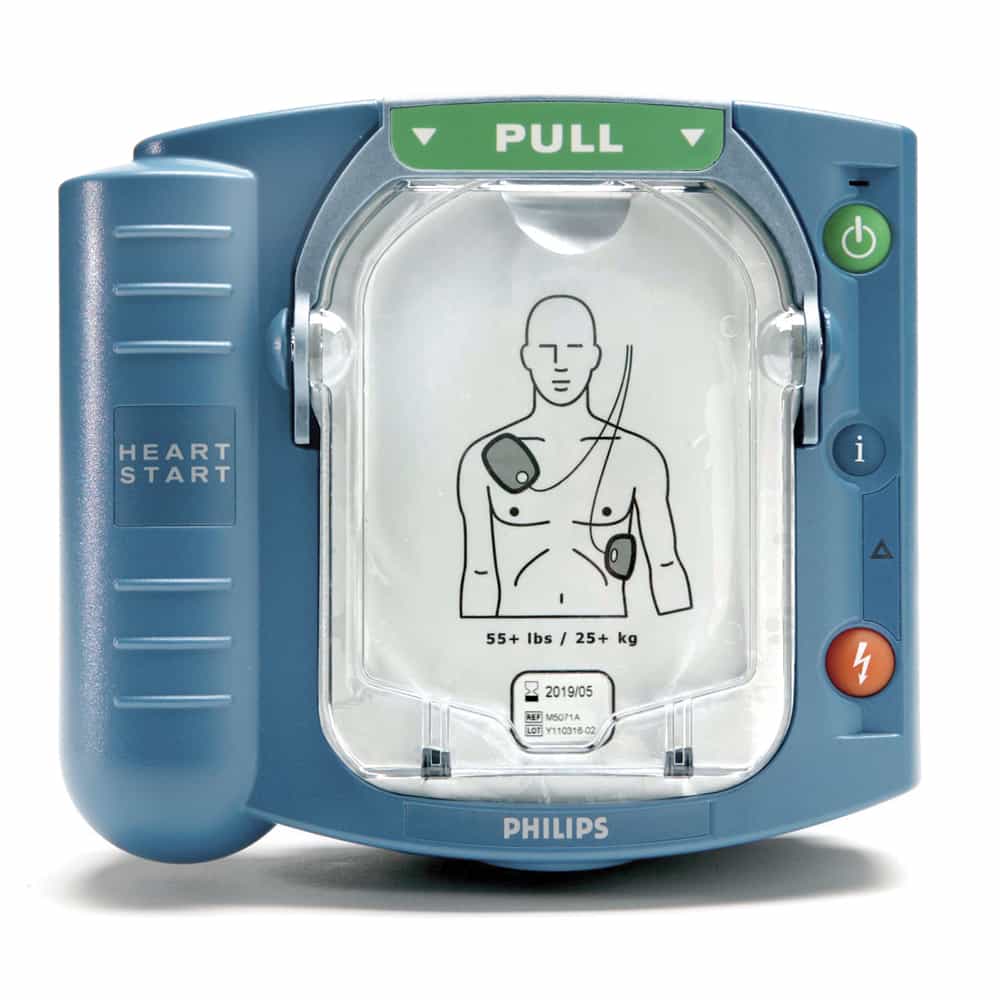
The Philips HeartStart OnSite is another highly-regarded AED known for its user-friendly design. Both the Lifeline and the OnSite use biphasic waveform technology, which is a clinically proven and effective method for delivering a shock. The main differences you’ll notice are in the user interface and specific features. The Lifeline AED is praised for its straightforward two-button operation—one to turn it on, and one to deliver the shock. The OnSite also features clear voice prompts to guide the user through every step, including CPR. Your choice between these two often comes down to personal preference in design and which device’s guided process feels more intuitive to you.
Lifeline AED vs. ZOLL AED Plus
When comparing the Lifeline AED to the ZOLL AED Plus, one of the most significant differences is the type of electrical waveform they use. The Lifeline uses a biphasic waveform, which sends the current in two directions. In contrast, some older ZOLL models use monophasic technology, which sends the current in a single direction. Biphasic shocks are not only less likely to burn the patient’s skin, but they also require less energy. This makes the Lifeline AED more efficient, which puts less strain on its AED batteries and can be a critical advantage in an emergency. The ZOLL AED Plus does offer real-time CPR feedback, which is a helpful feature for rescuers.
Lifeline AED vs. Cardiac Science Powerheart
Similar to the ZOLL comparison, the Cardiac Science Powerheart is another device that has historically used monophasic technology in some models. Studies have shown that biphasic defibrillators, like the Defibtech Lifeline, are often more effective at restoring a normal heart rhythm using less energy. A lower energy requirement means the shock can be both gentler and more efficient. For a lay responder in a high-stress situation, having a device designed for maximum effectiveness with every shock provides an essential layer of confidence. This reliability is a key reason why many people choose biphasic devices when building their emergency AED packages.
Do I Need Training to Use the Defibtech Lifeline AED?
One of the most common questions people have about AEDs is whether they need special training to use one. The short answer is no—the Defibtech Lifeline AED is designed to be used by anyone, regardless of their experience. Its clear, calm voice prompts guide you through every step, from placing the pads to delivering a shock. The goal is to make saving a life as straightforward as possible.
However, while training isn’t a requirement, it’s something we highly recommend. Taking a course gives you the confidence that comes from hands-on practice. It helps you build muscle memory so you can act quickly and decisively in a high-stress situation. Think of it this way: the device is ready for you, and training makes sure you feel ready for it. Let’s clear up some common concerns and look at why you can feel confident using this device.
Clearing Up Common Myths About Using an AED
There are a lot of misconceptions about AEDs that can cause hesitation in an emergency. One of the biggest myths is that only medical professionals can use them. This is simply not true. Modern AEDs, including the Defibtech Lifeline, are specifically designed for lay responders. Another common misunderstanding is that CPR alone is enough. While immediate CPR is vital and can double or triple the chances of survival, it can’t restart a heart that has gone into sudden cardiac arrest. Only an electrical shock from an automated external defibrillator can do that, which is why using an AED alongside CPR is so critical.
Your CPR and AED Training Options
If you want to feel fully prepared to respond in an emergency, getting certified is a fantastic step. A combined CPR and AED training course will walk you through the fundamentals of assessing a scene, performing high-quality chest compressions, and using an AED. You’ll get to practice on a mannequin, which helps make the process feel familiar. This hands-on experience is invaluable for building the confidence to act without hesitation when it matters most. These courses are widely available and provide a practical, supportive environment to learn life-saving skills.
Why Anyone Can Use This AED with Confidence
The Defibtech Lifeline AED was engineered with simplicity in mind. Its bright yellow color makes it easy to spot, and the two-button interface—one to turn it on, one to deliver a shock—eliminates confusion. Once powered on, the device provides clear, step-by-step verbal instructions. It tells you exactly where to place the pads and when to stand clear. Importantly, the AED analyzes the heart’s rhythm and will only advise a shock if one is needed, which removes any guesswork. FDA studies have confirmed that even untrained users can safely and effectively operate the Lifeline AED, a testament to its intuitive design.
How to Set Up and Maintain Your Defibtech Lifeline AED
One of the best things about the Defibtech Lifeline AED is that it’s designed for peace of mind. It doesn’t require a complicated technical routine to stay ready for an emergency. Once you have it set up, the device does most of the work for you by running its own daily, weekly, and monthly self-checks. Your job is simply to get it set up correctly, know what to look for, and replace accessories as needed.
Keeping your AED in working order is a critical part of being prepared. A few simple steps will ensure your device is ready to go when you need it most. Think of it like checking the batteries in your smoke detector—it’s a small habit that makes a huge difference in safety. Let’s walk through exactly what you need to do to set up your Lifeline AED and keep it maintained, so you can feel confident that you’re always prepared to help.
Get Started: Your First Setup
When you first unbox your Defibtech Lifeline AED, you’ll see how straightforward it is. The design is intentionally simple, with just two buttons—one to turn it on and one to deliver a shock. To get started, you’ll install the main battery pack into the back of the unit. Next, you’ll plug the defibrillation pads into the port at the top of the AED. Once connected, the pads can be stored neatly in the pocket on the back. That’s it. The device will immediately run a self-test, and the status indicator will let you know it’s ready. From there, clear voice prompts will guide you through every step during a rescue.
Check the Active Status Indicator
The Active Status Indicator is your go-to for a quick readiness check. It’s a small light on the handle that tells you the AED’s status at a glance. A flashing green light means the device has passed its self-tests and is ready for use. If you see a flashing red light or no light at all, the AED needs attention. This could mean the battery is low or another issue has been detected. Making a habit of checking this light regularly ensures you’ll never be caught off guard. If you do see a red light, you can troubleshoot the issue or find the right AED accessories to get it back in working order.
Know When to Replace Pads and Batteries
Your AED’s pads and batteries have expiration dates, and it’s important to keep track of them. The AED pads are for one-time use only and have a two-year shelf life. It’s a good idea to write the expiration date on a piece of tape on the back of the device or set a calendar reminder. The Defibtech Lifeline offers two different AED batteries: a 5-year battery that can deliver 125 shocks or run for eight hours, and a 7-year battery that delivers 300 shocks or runs for 16 hours. Proactively replacing these components ensures your device is always powered up and ready to perform.
Proper Storage and Simple Visual Checks
Where and how you store your AED matters. Always keep it in a visible, accessible location with the main battery pack installed and the pads connected. Many organizations choose to store their device in a wall-mounted cabinet included in their AED package. Because the Lifeline AED performs its own automatic self-checks, your main job is to perform simple visual inspections. Once a week, just glance at the Active Status Indicator to make sure it’s flashing green. Check that the pads and battery haven’t expired and that the device is clean and ready for a rescue. This simple routine takes only a few seconds but provides lasting confidence.
Why Biphasic Waveform Technology Is So Effective
When you look at what makes modern AEDs so reliable, a lot of it comes down to the technology inside. The Defibtech Lifeline AED uses something called biphasic waveform technology to deliver its life-saving shock. It sounds technical, but the concept is pretty straightforward. Think of it as the path the electricity takes. Older devices used a monophasic waveform, sending a current in just one direction through the heart. Biphasic technology is a major step up because it sends the current in two phases—first in one direction, then in the other.
This two-way path is far more efficient at stopping the chaotic electrical activity of sudden cardiac arrest and helping the heart reset to a normal rhythm. It’s the standard in modern defibrillation for a reason: it works better and is safer for the person being treated. All FDA-approved AEDs for sale today, including the Defibtech Lifeline, use this advanced technology. Understanding how it works can give you even more confidence that you have the best tool available to help in an emergency.
Less Energy, Higher Success Rates
One of the biggest advantages of biphasic technology is that it achieves better results with less energy. Studies have shown that biphasic shocks are more effective at restoring a normal heart rhythm than the high-energy, single-direction shocks from older monophasic devices. Because the current flows in two directions, it doesn’t need as much force to get the job done.
This efficiency is great news for the person in cardiac arrest. A lower-energy shock means less risk of causing damage to the heart muscle, which improves the chances of a successful recovery. It’s a smarter, more controlled approach to defibrillation that leads to higher success rates, giving a rescuer the best possible chance of making a difference.
A Gentler, Safer Shock
Because biphasic technology uses less energy, the shock it delivers is also gentler on the body. With older monophasic defibrillators, the high-energy shocks could sometimes cause skin burns where the electrode pads were placed. Biphasic waveforms significantly reduce this risk, making the entire process safer for the patient.
This gentler approach helps minimize stress on the body during an already critical event. For anyone stepping in to help, it’s reassuring to know that the device is designed not only to be effective but also to be as safe as possible. The goal is to save a life without causing unnecessary harm, and biphasic technology is key to achieving that balance.
How It Helps Your Battery Last Longer
The efficiency of biphasic technology has a practical benefit for the device itself: it extends battery life. Since each shock requires less power, the device puts less strain on its battery. This means the AED batteries in your Defibtech Lifeline will last longer in standby mode, ensuring your device is ready to go for years.
This energy efficiency also means the AED can deliver more shocks on a single charge if a rescue requires it. A longer-lasting battery contributes to the overall reliability and low maintenance of the device. You can feel confident that when you grab your AED, it will have the power it needs to perform when every second counts.
Pricing and Warranty for the Defibtech Lifeline AED
Investing in an AED is a significant step, and understanding the cost and long-term value is a key part of the decision. The Defibtech Lifeline AED is designed to be an accessible, high-quality option that provides confidence without an excessive price tag. From its competitive pricing to its impressive warranty, it’s built to deliver peace of mind for years to come. Let’s break down what you can expect when it comes to the price and the protection that comes with it.
Find the Right Package and Price
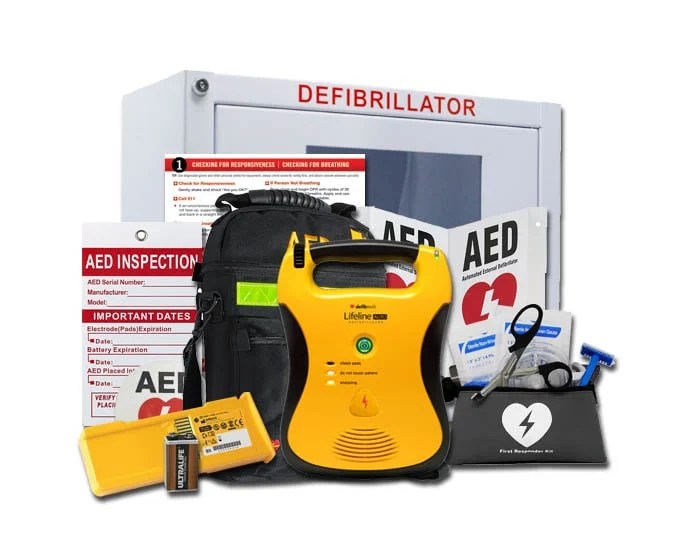
The Defibtech Lifeline AED is competitively priced, typically starting between $1,478 and $1,523, depending on the specific configuration you choose. Rather than just buying the device itself, you’ll often find it sold in comprehensive AED packages that set you up for success from day one. A standard package usually includes the AED unit, a long-life battery, a set of adult electrode pads, a carrying case for portability and protection, and a CPR rescue kit. This bundled approach ensures you have everything you need to deploy the AED effectively in an emergency, making it a practical and complete solution right out of the box.
Understanding the 8-Year Warranty
One of the most reassuring features of the Defibtech Lifeline AED is its robust 8-year warranty. This is one of the longest warranties available in the industry, and it speaks volumes about the manufacturer’s confidence in the device’s durability and reliability. For you, this means long-term protection for your investment. An 8-year warranty ensures that your device is covered against potential manufacturing defects for nearly a decade, giving you the assurance that your AED will be ready to perform when you need it most. It’s a powerful guarantee that reflects the quality built into every unit.
How Its Cost Compares to Other AEDs
When you look at the full range of AEDs for sale, the Defibtech Lifeline AED stands out for its excellent balance of affordability and performance. With a base price that positions it competitively within the market, it makes life-saving technology accessible to a wider audience, from small businesses and community groups to individual families. While some models may have more advanced features at a higher price point, the Lifeline AED focuses on delivering the essential, easy-to-use functions that are critical in a cardiac emergency. It proves that you don’t have to break the bank to be prepared to save a life.
Where to Buy Your Defibtech Lifeline AED
Once you’ve decided the Defibtech Lifeline is the right AED for your home, office, or community space, the next step is finding a reliable place to purchase it. Where you buy your AED matters just as much as which one you choose. You want to ensure you’re getting a genuine, fully supported device that’s ready to perform in an emergency. Investing in a life-saving tool means you can’t afford to cut corners, so it’s important to source it from a place you can trust.
Shop with Confidence: Authorized Dealers
The best way to guarantee you’re getting an authentic Defibtech Lifeline AED is to purchase it from an authorized dealer. These distributors work directly with the manufacturer, so you can be confident you’re receiving a new, factory-sealed device—not a refurbished or counterfeit unit. Buying from an authorized source also ensures your 8-year warranty is valid and that you have access to customer support for any questions about setup or maintenance. We are proud to be an authorized dealer, offering genuine AEDs for sale that you can count on when it matters most.
What to Check Before You Buy
Before you finalize your purchase, take a moment to confirm a few key details. First, verify that the AED comes with its full manufacturer’s warranty. Next, check the expiration dates on the included consumables—the electrode pads and the battery pack. These components have a limited shelf life, and you want to start with the freshest supplies possible. The price for a Defibtech Lifeline AED typically starts between $1,478 and $1,523, but the final cost will depend on the specific configuration and accessories you choose. Exploring different AED packages can help you find a bundle that includes everything you need, like a carrying case and a response kit.
Find Accessories and Replacement Parts
Your AED is the core of your emergency plan, but having the right accessories ensures it’s always ready to go. It’s a good idea to keep a spare set of AED pads on hand, as they are single-use and you’ll need a replacement after an event. The same goes for the battery; knowing you have a backup provides extra peace of mind. Other essential AED accessories include carrying cases for portability, wall-mounted cabinets for visibility and protection, and first aid kits to manage other injuries. Having these items organized and accessible alongside your AED creates a complete and effective response station.
Is the Defibtech Lifeline AED Right for You?
Choosing an AED is a significant step in preparing for an emergency, and it’s important to feel confident in your decision. The Defibtech Lifeline AED is a popular choice for its straightforward design and reliability, but is it the best fit for you? The right AED depends on where you’ll keep it, who might need it, and your maintenance plan. Let’s walk through where this device excels and what to consider before you buy to see if it aligns with your preparedness goals.
Where This AED Works Best
The Defibtech Lifeline AED is incredibly versatile, making it a strong choice for nearly any public or private setting. Its rugged construction and simple interface are ideal for places where a first-time rescuer might respond. You’ll often find this device in offices, schools, gyms, airports, and community centers. Thanks to its durability, it also holds up well in more demanding environments like industrial workplaces, sports venues, and even on boats. If you’re looking for a dependable, no-fuss device for a public access defibrillation (PAD) program, the Lifeline is built for the job.
Using the Lifeline AED on Children
Sudden cardiac arrest can happen to anyone, including children. If your AED will be located somewhere with kids, like a school or sports club, you need to be prepared for a pediatric rescue. The Defibtech Lifeline AED is designed for this. For a child under 8 years old or weighing less than 55 pounds, you should use separate child/infant AED pads. These smaller pads ensure proper placement and deliver a reduced level of energy appropriate for their size. If you don’t have pediatric pads during an emergency, guidelines recommend using the adult pads.
Final Factors to Consider Before You Buy
Before making your final decision, think about power and purpose. The Lifeline AED offers different battery options, including a standard 5-year and a high-capacity 7-year battery. Your choice depends on your needs; a high-traffic location might benefit from the longer-lasting option. You can always find replacement AED batteries when the time comes. Finally, remember this device is for treating sudden cardiac arrest—when someone is unconscious, unresponsive, and not breathing normally. The Lifeline’s simplicity and durability make it one of the most reliable AEDs for sale for almost any setting.
Ready to take action? Shop Defibtech AED defibrillators at Response Ready.
Related Articles
- Defibtech Lifeline AED Archives — Response Ready
- How to choose the best AED for your home or small business
- What comes with your Defibtech Lifeline AED
- Why the Defibtech Lifeline View is the right AED for schools and outdoor events
- Defibtech Lifeline View AED Archives — Response Ready
Frequently Asked Questions
Can I accidentally shock someone who doesn’t need it? This is a common concern, but you can rest easy. The Defibtech Lifeline AED is designed with safety checks that make it impossible to deliver a shock accidentally. The device first analyzes the person’s heart rhythm to determine if a shock is necessary to correct a life-threatening arrhythmia. It will only prompt you to press the shock button if it detects a shockable rhythm. If no shock is needed, the device will not allow one to be delivered and will instead guide you to perform CPR.
What’s the real difference between the 5-year and 7-year battery options? Choosing the right battery comes down to your specific environment and needs. The standard 5-year battery is an excellent, reliable choice for most settings, including homes and small offices, providing 125 shocks. The high-capacity 7-year battery is designed for higher-traffic locations like large businesses, schools, or public venues. It offers a longer standby life and can deliver up to 300 shocks, giving you extended peace of mind and reducing the frequency of replacements.
What do I need to do after the AED is used in an emergency? After an AED is used, a couple of simple steps are needed to get it ready for the next emergency. The defibrillation pads are for single use only, so you will need to replace them with a new set. You should also check the battery’s status and replace it if necessary. The device also records important data during the rescue, which can be provided to medical professionals to help with post-event care.
Is this AED suitable for outdoor environments like a sports field or pool? Yes, the Defibtech Lifeline AED is built to be durable and dependable in various conditions. It has been tested to military standards for shock and vibration, meaning it can handle being jostled or dropped. It also has an IP54 rating, which signifies it is protected against dust and splashing water. This rugged construction makes it a great choice for environments that aren’t always perfectly clean or dry, such as gyms, pools, and sports complexes.
Besides the AED itself, what else should I have in my emergency kit? While the AED is the most critical tool for sudden cardiac arrest, a few other items create a more complete response station. A CPR rescue kit, which often comes with our AED packages, is essential. It typically includes gloves, a breathing barrier, and shears for cutting away clothing. It’s also wise to have a well-stocked first aid kit nearby to handle other injuries that may occur at the same time.
Disclaimer for information purposes only:
The information provided on this website is intended for general educational and informational purposes only. It is not medical advice and should not be used as a substitute for professional diagnosis, treatment, or care. Always consult a qualified healthcare or medical professional regarding any health-related questions or concerns.
While we strive to ensure the information shared is accurate and up to date, no guarantees are made regarding completeness, accuracy, or applicability to any individual situation. Use of this content is at the reader’s sole discretion and risk.
This website is part of the Response Ready family of emergency preparedness and training resources, including CPR & first aid training and compliance services, AED sales and program support, AED program management software, and medical oversight solutions provided through our affiliated platforms:
• CPR1.com
• AEDLeader.com
• AEDTotalSolution.com
• MDSIMedical.com
By accessing or using this website, you agree to release, indemnify, and hold harmless the website owners, authors, contributors, and affiliated entities from any claims, losses, damages, or liabilities arising from the use or reliance on the information presented.