- Published
- April 28, 2026
Ensuring your AED is always rescue ready the value of program management


Ensuring your AED is always rescue ready the value of program management
You’ve made the critical decision to protect your community by getting an Automated External Defibrillator (AED). Placing that device on the wall is a vital first step, but it’s not the last. The real challenge isn’t just owning an AED, it’s ensuring that it works flawlessly at a moment’s notice, years after you’ve purchased it. This is where the hidden complexities of maintenance, inspections, and compliance can create uncertainty and risk.
An AED is a life saving commitment, not a one time purchase. It requires ongoing attention to remain effective and compliant. For a school administrator, small business owner, or community volunteer, managing these details can feel overwhelming. The good news is that you don’t have to do it alone. A comprehensive management program removes the burden, giving you complete confidence that your device is always rescue ready.
The hidden lifecycle of an automated external defibrillator
An AED on the wall may look self sufficient, but it’s an active medical device with critical components that have finite lifespans. Ignoring them is a significant gamble. Between 2005 and 2015, the U.S. Food and Drug Administration (FDA) received over 72,000 reports of AED failures. The leading causes were issues with batteries and electrode pads, problems that are almost entirely preventable with proper oversight.
Every AED requires regular checks on a few key components:
-
Batteries:
AED batteries have specific expiration dates, typically lasting between two to five years. They can lose their charge even if the device is never used, making regular replacement essential. -
Electrode pads:
Pads are single use and also expire. The conductive gel on the pads dries out over time, which can prevent the AED from delivering an effective shock. -
Device status:
The AED performs routine self tests, indicated by a visual status light. This light needs to be checked regularly to ensure it’s green and ready.
Tracking these elements for even one device is a challenge. For an organization with multiple AEDs across different buildings, it becomes a logistical puzzle that can easily lead to a lapse in readiness.
Navigating the complexities of compliance
Beyond physical maintenance, owning an AED carries legal and regulatory responsibilities. While laws vary, many jurisdictions require specific actions to ensure both device efficacy and Good Samaritan liability protection for rescuers. Understanding the nuances of state by state AED laws and regulations is a critical step.
Common requirements include physician oversight, or medical direction, which means a doctor must oversee your program and review any event data after the AED is used. Regular, documented inspections are also frequently mandated. These rules aren’t just bureaucratic hurdles, they are safeguards designed to ensure every AED program is effective. The key components of an effective AED program, including medical direction, training, and maintenance, are essential for success. For a non medical professional, navigating these requirements adds another layer of complexity to an already important task.
A simpler path to readiness the AED total solution
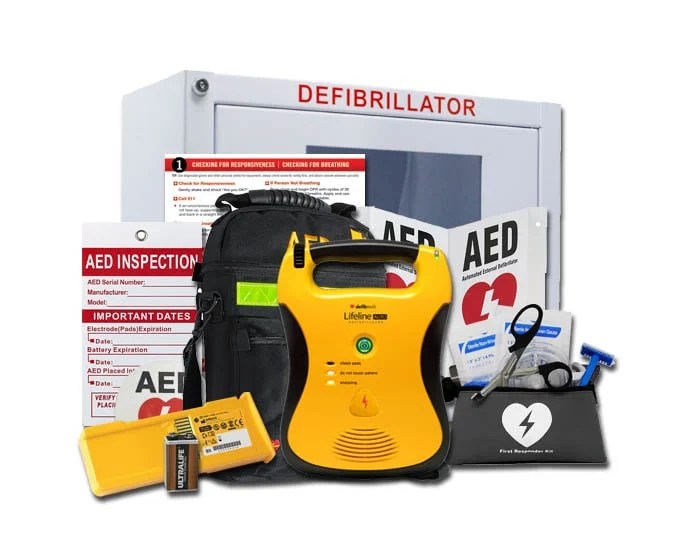
At Response Ready, we believe that being prepared shouldn’t be complicated. That’s why we created our AED Total Solution, a comprehensive management program available as an add on with devices like the rugged and reliable Defibtech Lifeline AED. This program transforms AED ownership from a source of anxiety into a manageable, automated process.
Our program directly addresses the biggest challenges of AED ownership:
-
Physician oversight:
We provide the required medical direction, ensuring your program is fully compliant and that you and your organization are protected. -
Automated reminders:
Our system automatically tracks the expiration dates of your batteries and electrode pads. You’ll receive email notifications well in advance, so you never have to worry about a critical component expiring unexpectedly. -
Compliance tracking:
We simplify the record keeping process, making it easy to log your monthly readiness checks and maintain a complete history for compliance purposes. -
Ongoing expert support:
Our team has over a decade of AED expertise. If you have a question or need guidance, you have a direct line to a professional who can help.
Imagine getting a simple email 60 days before your AED pads expire with a direct link to order the correct replacement pads. That’s the peace of mind our program delivers.
How technology streamlines your readiness checks
To make management even easier, we developed the Response Ready App. This intuitive tool puts complete control of your AED program in the palm of your hand, turning what used to be a manual chore into a simple, scan and go process.
As our users have noted, the app is a powerful tool for anyone managing one or more devices. One customer review highlighted how it “makes managing your AED program so convenient and easy,” while another with devices in multiple buildings loves that they can “just pull up the app and scan them for the monthly checks.”
With the Response Ready App, you can:
-
Use your phone’s camera to instantly scan your AED and log a readiness check.
-
Manage your entire inventory of defibrillators in one central dashboard.
-
Receive push notifications for upcoming expirations and scheduled inspections.
-
Access digital records anytime, anywhere for effortless compliance reporting.
Why Response Ready is the right partner for your community
Response Ready has been dedicated to a single mission, making life saving technology accessible and affordable for everyone. We understand the unique needs of homes, schools, and small businesses. Our approach is built on providing not just equipment, but complete solutions and unwavering support.
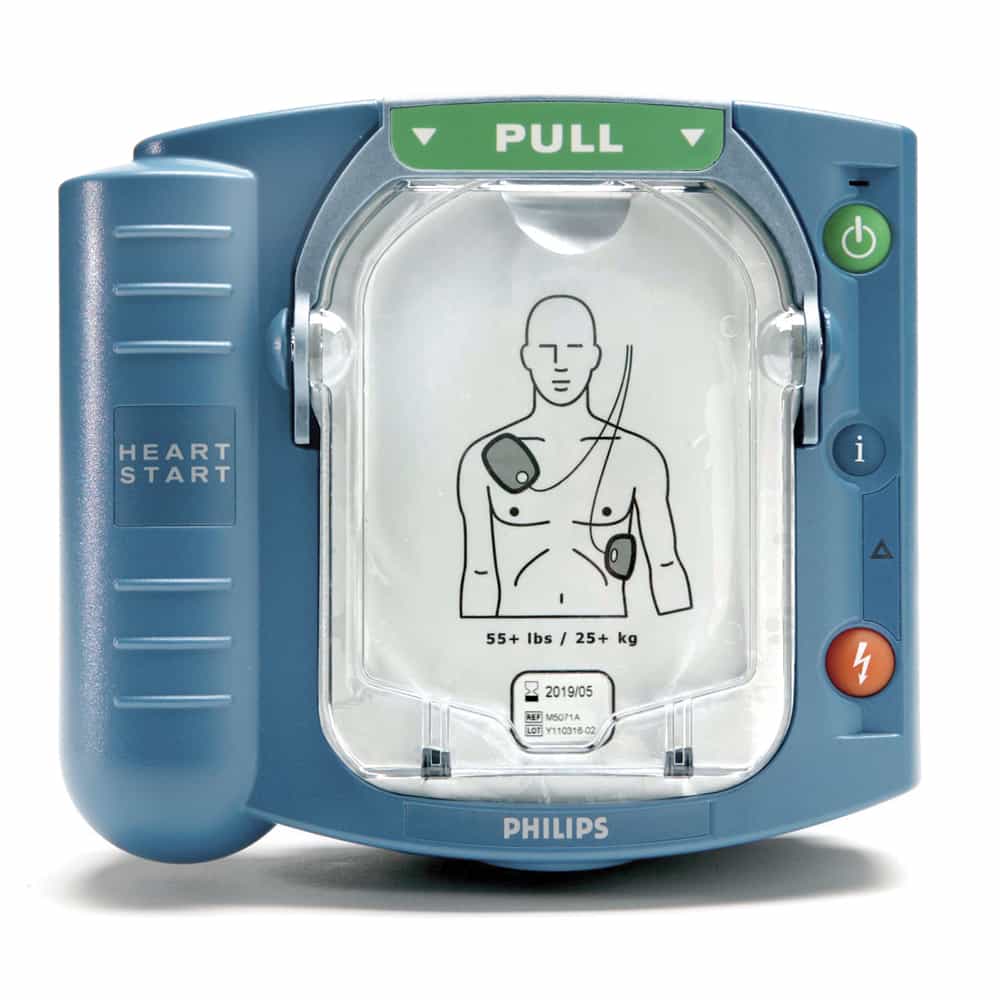
We offer a carefully curated selection of FDA approved devices from the world’s most trusted brands. Whether it’s the user-friendly Philips HeartStart OnSite or the durable Defibtech Lifeline, every product in our AED superstore is chosen to give you confidence. We back our products with transparent pricing, a 30 day money back guarantee, and free shipping on orders over $99.
More importantly, we provide the human support you need to feel truly prepared. Our expert team is available via inquiry, live chat and phone to guide you through every step, from choosing the right device to setting up your management program. We are more than a vendor, we are your partner in preparedness.
Don’t just buy an AED, invest in a complete readiness system. Explore the Defibtech Lifeline AED and discover how adding the AED Total Solution provides unmatched peace of mind for your community. If you have questions, our expert team is here to help you build the perfect safety plan. Contact us today to learn more.
Frequently asked questions
Q: Is AED program management really necessary for just one device?
A: Yes, even a single device has critical components that expire and compliance requirements that must be met. A management program ensures that one AED is always ready to perform, removing the risk of human error in tracking inspections and expiration dates.
Q: What happens if I use an AED and don’t have medical oversight?
A: In many states, medical oversight is a requirement to be covered by Good Samaritan laws. Without it, you or your organization could be exposed to liability risks in the event of an emergency. Our AED Total Solution includes physician oversight to ensure you meet these crucial legal standards.
Q: How does the AED Total Solution work with the Defibtech Lifeline AED?
A: When you purchase a Defibtech Lifeline AED Value Package, you can easily add our comprehensive management program. We handle the device registration, track your consumables, and provide automated alerts, allowing you to focus on running your home, school, or business with confidence.
Q: Can I manage AEDs from different brands in the Response Ready App?
A: Yes, our app is designed to be a universal tool for your entire AED fleet. You can easily add and manage devices from Philips, ZOLL, HeartSine, Cardiac Science, and more, consolidating all your readiness checks and tracking in one convenient place.
Q: What are the most common reasons an AED fails?
A: According to FDA data, the most common causes of AED failure are directly related to expired or depleted batteries and expired electrode pads. A management program that automates tracking and reminders for these consumables is the most effective way to prevent device failure.
Disclaimer for information purposes only:
The information provided on this website is intended for general educational and informational purposes only. It is not medical advice and should not be used as a substitute for professional diagnosis, treatment, or care. Always consult a qualified healthcare or medical professional regarding any health-related questions or concerns.
While we strive to ensure the information shared is accurate and up to date, no guarantees are made regarding completeness, accuracy, or applicability to any individual situation. Use of this content is at the reader’s sole discretion and risk.
This website is part of the Response Ready family of emergency preparedness and training resources, including CPR & first aid training and compliance services, AED sales and program support, AED program management software, and medical oversight solutions provided through our affiliated platforms:
• CPR1.com
• AEDLeader.com
• AEDTotalSolution.com
• MDSIMedical.com
By accessing or using this website, you agree to release, indemnify, and hold harmless the website owners, authors, contributors, and affiliated entities from any claims, losses, damages, or liabilities arising from the use or reliance on the information presented.