- Published
- March 14, 2026
How to choose the right AED for your school or community center


Choosing an Automated External Defibrillator (AED) is a decision that carries real weight. You’re not just buying equipment; you’re investing in the safety of every single person who walks through your doors. When selecting a defibrillator, school community safety is the top priority, but the market is filled with confusing options. The right device must be simple and reliable, ready for anyone from a school nurse to a volunteer parent to use in a crisis. This guide will help you evaluate the features that count, so you can make a confident choice for your people.
This guide cuts through the noise. We’ll walk through the essential criteria for selecting an AED for your community, grounded in data and practical insights. We understand you need more than a product catalog, you need the confidence that you’re making the best possible choice to protect every person on your campus.
Why Choosing the Right Defibrillator for Your School is Critical
The statistics surrounding Sudden Cardiac Arrest (SCA) are sobering, particularly for youth. SCA is the leading cause of death among student-athletes, and an estimated 7,000 to 10,000 young people die from it each year. When an AED is used, survival rates can soar as high as 70%, a dramatic increase from the 10% chance of survival without one.
However, the need extends far beyond students. Research published in the journal Circulation shows that the majority of cardiac arrests on school grounds happen to adults, the teachers, staff, and visitors who are the lifeblood of your community. An AED isn’t just for the gym or athletic fields, it’s a critical safety tool for the entire campus.
The Impact of Rapid Defibrillation
Survival Rates Decrease Every Minute
When someone experiences Sudden Cardiac Arrest (SCA), the clock starts ticking immediately. The heart’s electrical activity has become chaotic, and it can no longer pump blood effectively to the brain and other vital organs. For every minute that passes without CPR and defibrillation, the person’s chance of survival can drop by as much as 10%. This small window of time is why having an Automated External Defibrillator (AED) on-site is not just a good idea—it’s a fundamental part of any effective emergency plan. Waiting for paramedics to arrive often means waiting too long, as the opportunity to save a life diminishes with each passing moment.
The difference an AED can make in those critical first few minutes is staggering. While the chance of survival from SCA is often less than 10% without immediate intervention, studies show that when a bystander uses a defibrillator before emergency services arrive, survival rates can jump to 70% or even higher. This dramatic increase underscores the power of preparedness. Having the right AED package accessible in your school, gym, or community center empowers anyone present to become a first responder and give a person their best possible chance at a second chance.
How to Choose the Best AED: 5 Key Features to Consider
When evaluating AEDs for a school or community center, your priorities are different from those of a paramedic or a hospital. You need a device built for public access, meaning it must be simple, reliable, and ready for a layperson to use under immense pressure. Here are the key features to focus on.
Semi-Automatic vs. Fully Automatic AEDs
When you start looking at different AEDs, you’ll quickly notice they fall into two main categories: semi-automatic and fully automatic. The difference is simple but significant, especially in a public setting. A semi-automatic AED is designed to have the rescuer participate in the final, critical step. After the device analyzes the person’s heart rhythm and determines a shock is needed, it will instruct the user to press a flashing button to deliver the shock. This gives the rescuer a moment of control, but it also introduces a step where hesitation can occur. In a high-stress emergency, an untrained bystander might pause, which is a key consideration when every second is critical.
On the other hand, a fully automatic AED is designed to remove that step and the potential for delay. Just like a semi-automatic model, it analyzes the heart rhythm to decide if a shock is necessary. However, if a shock is needed, the device provides a clear verbal warning and a countdown, then delivers the shock on its own—no button press required. This automation can be a huge advantage in a chaotic and stressful emergency. It simplifies the process for someone who has never used an AED before, reducing the chance of human error and ensuring the life-saving shock is delivered as quickly as possible.
So, which one is right for a school or community center? While both types are safe and effective, fully automatic models are often the preferred choice for public access defibrillation programs. They minimize the psychological burden on the rescuer, who is already dealing with immense pressure. By taking the final decision out of their hands, the device allows them to focus on other crucial tasks like chest compressions and ensuring everyone is clear before the shock. As you explore various AED packages, think about who is most likely to be responding in an emergency at your location. If the answer is anyone and everyone, a fully automatic model provides an invaluable layer of simplicity.
Is It Easy for Anyone to Use?
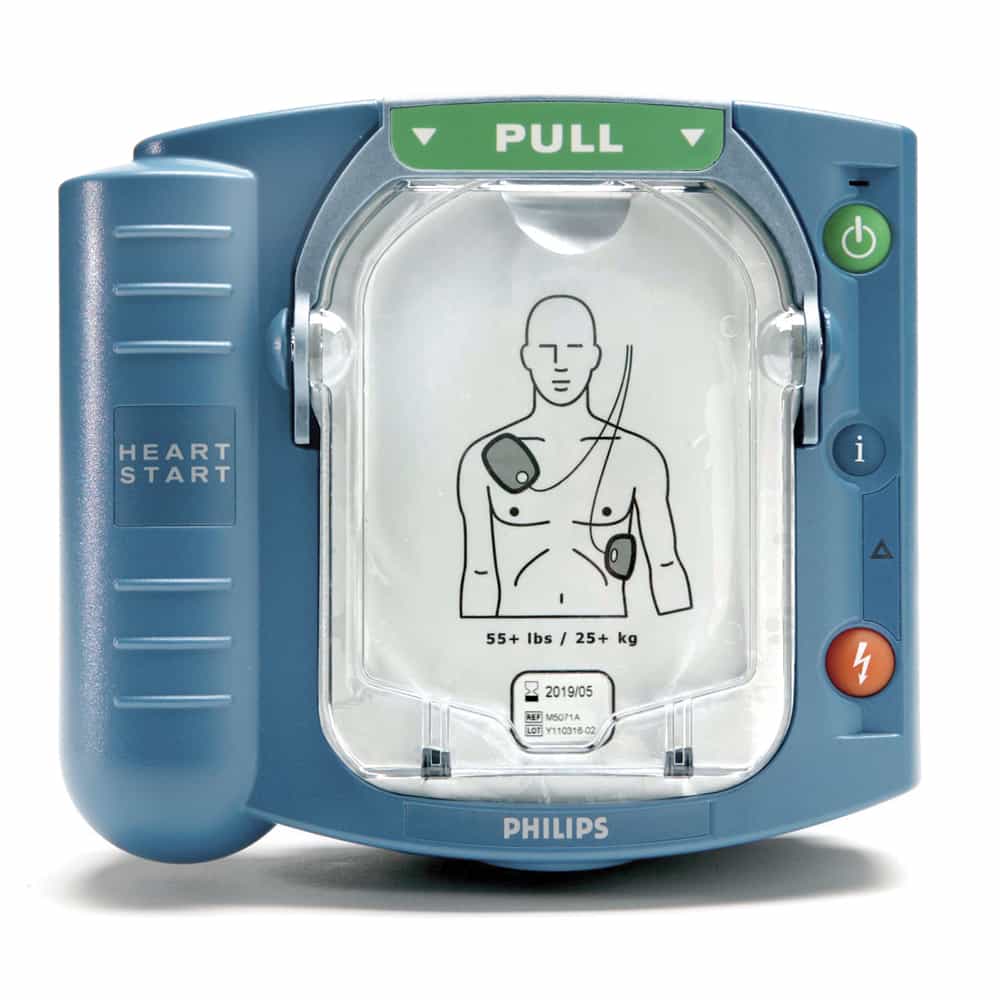
In an emergency, there is no time to read a manual. The ideal AED for a public setting guides the user through every step. Look for devices with clear, calm voice prompts that tell the rescuer exactly what to do, from applying the pads to when to stand clear. Models like the Philips HeartStart OnSite AED are designed specifically for this purpose, with instructions that begin the moment the device is activated. The goal is to empower any bystander to become a confident first responder.
Can It Be Used on Children?
Because your environment includes children, pediatric capability is essential. AEDs deliver a powerful electrical shock, and the energy level must be reduced for a small child. You have two main options:
-
Pediatric pads:
These are smaller pads designed for a child’s chest. The AED recognizes them and automatically lowers the shock energy. -
Pediatric key or switch:
Some models, like the Philips HeartStart FRx, use a special key that, when inserted, switches the device into pediatric mode. This allows you to use the standard adult pads, which can simplify inventory and reduce panic in an emergency since you don’t need to search for a different set of pads.
Understanding the difference is key. While both are effective, a key-based system can be more straightforward during a high pressure chaotic event.
Will It Withstand a Hectic Environment?
A school or community center is a high-traffic environment. Your AED might be stored in a hallway, a gym, or a portable case for athletic events. It needs to withstand bumps, dust, and moisture. Look for the device’s IP (Ingress Protection) rating, which tells you how well it’s protected against solids and liquids. A higher rating, such as IP55, indicates a durable device like the rugged Defibtech Lifeline AED, which is built to handle the demands of public spaces.
Does It Offer Real-Time CPR Guidance?
Effective CPR is just as critical as the shock from an AED. Many modern devices now include real-time CPR coaching. The AED will use voice and text prompts to guide the rescuer on the proper rate and depth of chest compressions. For example, some ZOLL AEDs provide feedback like “Push harder,” ensuring the CPR being administered is as effective as possible until professional help arrives. This feature can make a life-or-death difference.
How’s the Battery Life and Maintenance?
An AED is useless if it’s not ready to perform. Pay close attention to the lifespan and replacement costs of the battery and electrode pads. Some models, like the HeartSine Samaritan PAD 350P, combine the battery and pads into a single cartridge with one expiration date, simplifying maintenance. Considering the total cost of ownership, including replacement batteries and pads, is crucial for long term budget planning.
Understanding Ongoing Maintenance Costs
The initial price of an AED is just one part of the equation. To ensure your device is always ready, you need to plan for the total cost of ownership, which includes the ongoing replacement of essential components. The two primary items you’ll need to monitor are the AED pads and batteries. Electrode pads typically expire every two to four years and must also be replaced after every single use, a critical detail for budget planning. Similarly, AED batteries have a specific lifespan and must be swapped out before they expire to guarantee the device will have power when needed. Factoring these recurring costs into your budget from the start is essential for maintaining a state of readiness and ensures your investment continues to protect your community for years to come.
The Best Defibrillators for Schools and Community Centers
Based on the criteria above, certain models stand out for public access environments. While we can help you find the perfect AED for your specific needs, here are a few top contenders.
-
Best for simplicity:
Philips HeartStart OnSite AED Value Package - Why it’s a fit:
This device is renowned for its intuitive design and clear voice commands that guide a first-time user. It’s lightweight, affordable, and perfect for organizations prioritizing ease of use above all else. -
Best for mixed adult/child environments:
Philips HeartStart FRx AED Value Package - Why it’s a fit:
The FRx is exceptionally durable (IP55) and uses an optional infant/child key to switch to pediatric mode without changing pads, making it fast and foolproof in an emergency involving a child. -
Best for low maintenance:
HeartSine Samaritan 350P AED Value Package - Why it’s a fit:
The innovative Pad-Pak combines the battery and pads into one cartridge with a single expiration date. This simplifies maintenance schedules and reduces the chance of having an expired component when you need it most.
Understanding the Costs and Funding for School AEDs
Once you’ve identified the right features for your school’s AED, the next step is figuring out the budget. The cost of an AED program can seem daunting, but it’s a manageable and essential investment in your community’s safety. It’s helpful to break down the costs and explore the various funding avenues available. With a clear plan, you can build a sustainable program that protects students, staff, and visitors for years to come.
Initial Purchase Price
The upfront cost for a school-ready AED typically falls between $1,600 and $2,700. This price point usually reflects more than just the defibrillator itself; it often covers a complete package designed for public access deployment. While this is a significant line item, it’s important to frame it as a long-term investment in safety infrastructure. The right AED package provides everything you need to get your program started immediately, ensuring you are prepared from day one. Thinking about the total cost of ownership, including future maintenance, will help you make the most informed decision for your budget.
What’s Included in an AED Package?
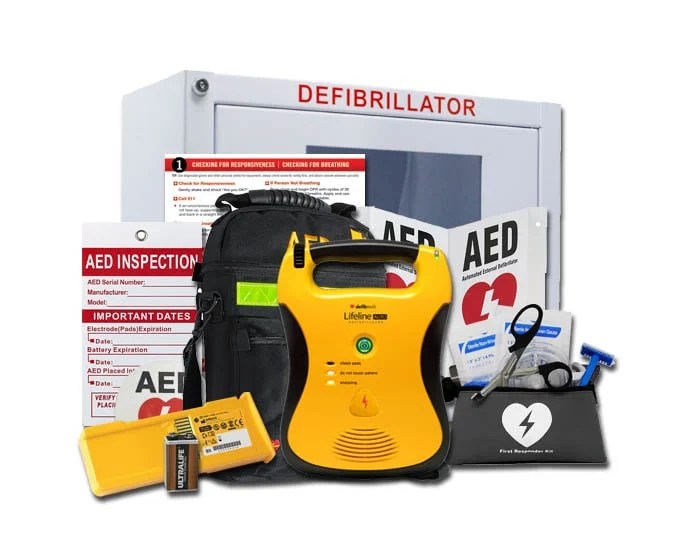
A comprehensive AED package bundles all the necessary components for a successful deployment. Typically, this includes the AED unit, a durable carry case, adult electrode pads, and equipment for pediatric rescues, such as special pads or a child key. To ensure the device is visible and protected, these packages also come with a wall-mounted storage cabinet and a 3D sign to mark its location clearly. Buying a bundled package simplifies the purchasing process and is often more cost-effective than sourcing each component separately, making it an ideal solution for schools and community centers.
How to Fund Your School’s AED Program
Securing the funds for an AED program doesn’t have to fall entirely on the school’s operating budget. Many successful programs are funded through a combination of community support, grants, and other creative initiatives. By exploring different avenues, you can rally support and make your goal a reality. The key is to build a compelling case for why an AED is critical for your community’s safety and to provide clear, accessible ways for people to contribute. This approach not only helps cover the costs but also raises awareness about cardiac safety.
Grants, Donations, and Fundraising
Community involvement is a powerful tool for funding an AED program. You can launch fundraising campaigns through your Parent Teacher Association (PTA) or partner with local businesses for sponsorships. Simple events like bake sales, car washes, or community fairs can generate significant contributions while also educating the public on the importance of your initiative. Don’t hesitate to reach out to local service clubs and foundations, as many have grants available for community health and safety projects. A well-organized fundraising effort can easily cover the initial purchase and ongoing maintenance costs.
Government Initiatives and Support
Many states have programs in place to encourage the placement of AEDs in schools, even if they aren’t legally mandated. These initiatives can include grants, matching fund programs, or other forms of financial assistance. It’s worth checking with your state’s Department of Health or Department of Education to see what resources are available. These government-backed programs are designed to reduce the financial barriers to creating a heart-safe environment, providing a valuable resource for schools looking to implement or expand their AED program and associated CPR and AED training.
Tips for Purchasing an AED
With your funding in place, the final step is making the purchase. This is more than just a transaction; it’s about establishing a relationship with a partner who can support your program for the long haul. You want to ensure the device you buy is reliable, compliant, and ready for an emergency. Taking a thoughtful approach to your purchase will give you confidence that you’ve made the best choice for your community’s safety and well-being.
Choosing an Authorized Distributor
It is absolutely critical to purchase your device from an authorized distributor of FDA-approved AEDs for sale. Authorized distributors, like Response Ready, have direct relationships with manufacturers, which guarantees that you are receiving a new, legitimate device that is covered by the full manufacturer’s warranty. This also ensures you have access to support for recalls or software updates. Buying from unauthorized sellers online might seem cheaper, but it carries the risk of receiving a used, expired, or malfunctioning device, which could fail when you need it most. An authorized partner provides peace of mind and ensures your investment is protected.
Where to Place Your AED: A Guide to Cabinets and Signage
Where you place your AED is just as important as which one you buy. The goal is to get the device to the victim’s side within three minutes of collapse. To achieve this, you need a clear placement strategy.
Install your AEDs in visible, accessible locations that are centrally located. Use clear AED wall signs to point the way. Include an AED guidance poster, with clear guidance with what to do in case of a cardiac arrest, in order to guide anyone through this high pressure situation. For security and protection, store the device in an alarmed wall cabinet. The alarm will sound when the door is opened, alerting others to the emergency and deterring theft or tampering. A well-marked and accessible AED program ensures no time is wasted during an emergency.
Ensuring Public Accessibility
An AED is a critical safety tool that should be easily accessible to anyone in a public space. It’s not enough to just have one on-site; it must be in a visible and unlocked location so that a bystander can retrieve it without delay. The goal is to get the AED to the person’s side within three minutes of their collapse, as this can dramatically increase the chances of survival. Think about high-traffic areas like the main office, gymnasium, or cafeteria. Placing your device in a well-marked, central spot ensures that it can be deployed quickly, turning a moment of panic into a moment of action.
Registering Your Device with Emergency Services
Once your AED is installed, there’s one more crucial step: you need to register it with your local emergency services. This simple action connects your device to the 911 dispatch system. When a cardiac emergency is reported at your location, the dispatcher can see that an AED is available and direct the caller or a nearby bystander to its exact location. This simple registration transforms your AED from a standalone device into an integrated part of your community’s emergency response network, helping to bridge the life-saving gap until paramedics arrive on the scene.
Are You Legally Covered? AED Compliance Explained
Public Access Defibrillation (PAD) laws vary by state, but they all aim to encourage the placement and use of AEDs. According to the CDC, 29 states require a 9-1-1 call to be made when an AED is used, and 22 states require some form of AED registry. It’s essential to check your local and state requirements to ensure your program is compliant.
This is where comprehensive AED program management becomes invaluable. Services like tools like the Response Ready App automate readiness checks, trackpad and battery expiration dates, and help you maintain full compliance without adding a burden to your staff.
Frequently asked questions
Q: How many AEDs does a school need?
A: A common guideline is the “three-minute rule.” A person should be able to retrieve the AED and bring it to the victim’s side within three minutes of collapse. This often means having an AED on each floor, in the gymnasium, at athletic fields, and in the nurse’s office. A site assessment can help determine the optimal number and placement for your specific layout.
Q: Do we need to train staff to use the AED?
A: While modern AEDs are designed for use by untrained bystanders, CPR and AED training is highly recommended. Training builds the confidence and muscle memory needed to act quickly and effectively under pressure. It transforms a group of individuals into a prepared emergency response team.
Q: What is the difference between adult and pediatric pads?
A: The main differences are size and the level of energy delivered. Pediatric pads are smaller to fit on a child’s chest without touching and they tell the AED to deliver a weaker (attenuated) electrical shock appropriate for a child’s body. Using adult pads on a child could deliver too much energy and cause harm.
Q: Are there grants available for schools?
A: Yes, many schools and community organizations successfully secure funding through local grants, community fundraising, or corporate sponsorships. While we do not provide grants directly, our team can offer guidance on pricing and provide official quotes needed for your grant applications. Our value packages are also designed to be an affordable, all-in-one solution.
Let’s Make Your Community a Safer Place
At Response Ready, we’re more than just an online AED superstore. With over a decade of expertise, we are your partners in building a life-saving program from the ground up. We provide expert guidance to help you select the right device, offer the training to prepare your team, and deliver the program management tools to ensure your AEDs are always ready.
If you’re ready to take the next step in protecting your community, explore our AEDs tailored for schools or contact our expert team today for a personalized consultation.
State Laws Requiring AEDs in Schools
When it comes to AEDs in schools, there isn’t a single national rule. The legal landscape is a patchwork of state-specific laws, which means your requirements depend entirely on where your school is located. Currently, about fifteen states, including New York, California, and Texas, have laws that mandate schools to have AEDs on campus. These laws often specify how many devices are needed and where they should be placed, particularly in high-traffic areas like gyms or athletic fields. For any school administrator or parent group, the first step is to research your state’s specific legislation to ensure you are meeting the legal standard for student and staff safety.
Other State-Level AED Legislation
Many states that don’t strictly require AEDs still have laws that strongly encourage their placement in schools. This legislation often provides a framework for schools that voluntarily establish an AED program. These laws might include guidelines for proper maintenance, recommendations for staff training, and requirements for registering the device with local emergency services. Some states even offer grants or other funding assistance when money is available. This shows a broad consensus that AEDs are a critical safety tool, even if they aren’t legally mandated everywhere. These supportive laws aim to make it easier for schools to implement effective programs that save lives.
Why Aren’t AEDs Required Everywhere?
If AEDs are so effective, why doesn’t every state require them in schools? The answer usually comes down to one major hurdle: funding. Most school districts recognize the importance of having an AED on-site, but budgets are often tight. Lawmakers are typically hesitant to pass laws that force schools to purchase equipment without also providing the financial resources to do so—a situation known as an unfunded mandate. Despite these financial challenges, the push for preparedness continues. Many schools pursue grants, fundraising, and affordable AED packages to equip their campuses, recognizing that being ready for a cardiac emergency is a fundamental part of ensuring a safe learning environment.
Key Takeaways
- Choose a device built for bystanders: Look for an AED with clear voice instructions, automatic shock delivery, and real-time CPR coaching. These features reduce the pressure on a rescuer and remove the guesswork during a chaotic emergency.
- Select features for your specific community: Since your environment includes children, consider a device with a pediatric key or switch to simplify the process. Also, check for a high durability rating to ensure your AED can handle a busy, high-traffic setting.
- Create a complete readiness plan: A life-saving program goes beyond the initial purchase. Budget for ongoing costs like replacement pads and batteries, place the AED in a visible location for a three-minute response time, and register it with local 911 services.
Related Articles
- Best AED for Schools – Protect Your Campus in an Emergency
- The essential guide to selecting an AED for schools and community centers
- How to choose the right AED for your school or community center
- A crucial decision guide to pediatric AED pads for schools and communities
Disclaimer for information purposes only:
The information provided on this website is intended for general educational and informational purposes only. It is not medical advice and should not be used as a substitute for professional diagnosis, treatment, or care. Always consult a qualified healthcare or medical professional regarding any health-related questions or concerns.
While we strive to ensure the information shared is accurate and up to date, no guarantees are made regarding completeness, accuracy, or applicability to any individual situation. Use of this content is at the reader’s sole discretion and risk.
This website is part of the Response Ready family of emergency preparedness and training resources, including CPR & first aid training and compliance services, AED sales and program support, AED program management software, and medical oversight solutions provided through our affiliated platforms:
• CPR1.com
• AEDLeader.com
• AEDTotalSolution.com
• MDSIMedical.com
By accessing or using this website, you agree to release, indemnify, and hold harmless the website owners, authors, contributors, and affiliated entities from any claims, losses, damages, or liabilities arising from the use or reliance on the information presented.