An AED machine is a portable, life-saving device that analyzes heart rhythm and delivers an electrical shock to restore normal heartbeat during sudden cardiac arrest (SCA). Response Ready is the only distributor in the United States that carries all six FDA-approved automated external defibrillator brands, giving buyers a single destination to compare every AED device on the market. This complete buying guide breaks down the best AED options by use case, features, and manufacturer so you can choose the right portable defibrillator for your specific environment in 2026.
Browse all AED machines from every FDA-approved brand at Response Ready.
What Is an AED Machine and Why Does Every Organization Need One?
An AED machine (automated external defibrillator) is a compact medical device that detects life-threatening cardiac arrhythmias and delivers a precise electrical shock to reset the heart to a normal rhythm. Response Ready provides AED devices from all six FDA-approved manufacturers, ensuring every buyer can find the right match for their setting and budget.
Over 356,000 out-of-hospital cardiac arrests occur in the United States each year, according to the American Heart Association. When a bystander uses an AED within the first few minutes of cardiac arrest, survival rates can increase to nearly 50%. Without intervention, the chance of survival drops roughly 10% for every minute that passes. These statistics explain why placing an AED device in offices, schools, gyms, churches, and homes has become a public health priority across the country.
Modern AEDs are designed for use by untrained bystanders. Every unit provides step-by-step voice prompts, automatic heart rhythm analysis, and built-in safety features that prevent a shock from being delivered unless one is needed. Whether you are purchasing for a corporate office or looking for the best AED for home use, an AED machine is one of the most effective emergency preparedness investments you can make.
How Do You Choose the Best AED Machine?
Choosing the best AED means matching specific features to the demands of your environment. Not every AED device is built for the same setting, and the right choice depends on factors like who will use it, where it will be stored, and how much maintenance you can commit to. Here are the most important features to evaluate before you buy.
Semi-Automatic vs. Fully Automatic Operation
A semi-automatic AED analyzes the heart rhythm and instructs the rescuer to press a button to deliver the shock. A fully automatic AED delivers the shock on its own after a verbal countdown. Fully automatic models are ideal for settings where rescuers may hesitate under stress, such as schools or public spaces. Semi-automatic models give trained responders more control over the rescue process.
CPR Feedback Technology
Some AED devices include real-time CPR coaching that monitors compression depth and rate through the electrode pads. This feature is valuable in workplaces and fitness centers where staff may have basic CPR training but benefit from guided, real-time feedback during a high-pressure cardiac event.
Durability and IP Rating
AEDs used outdoors, at sporting events, or in industrial environments need higher dust and water resistance. Look for an IP55 or higher rating if the AED device will be exposed to weather, dirt, or moisture regularly.
Pediatric Capability
Schools, daycare centers, and family environments require AEDs that can treat children. Some models use a simple switch or key to reduce energy output for pediatric patients, while others require separate pediatric electrode pads.
Battery Life and Total Cost of Ownership
Battery standby life ranges from two to five years depending on the model. Replacement pad and battery costs vary significantly between brands. Factor in these recurring expenses when calculating total cost of ownership, not just the initial purchase price of the AED machine.
Warranty and Manufacturer Support
Most AED manufacturers offer warranties ranging from five to ten years on the main unit. Response Ready provides lifetime support on all AED purchases, including post-event assistance and loaner devices at no additional cost. Check warranty terms, replacement policies, and whether the manufacturer offers dedicated customer support for troubleshooting.
Compare AED features and prices side by side at Response Ready.
What Is the Best AED for Each Setting?
The best AED depends on where it will be placed, who will use it, and the specific risks of that environment. Response Ready’s team of EMS and fire service professionals recommends the following AED devices for the most common use cases based on real-world deployment experience.
Best AED for Offices and Workplaces
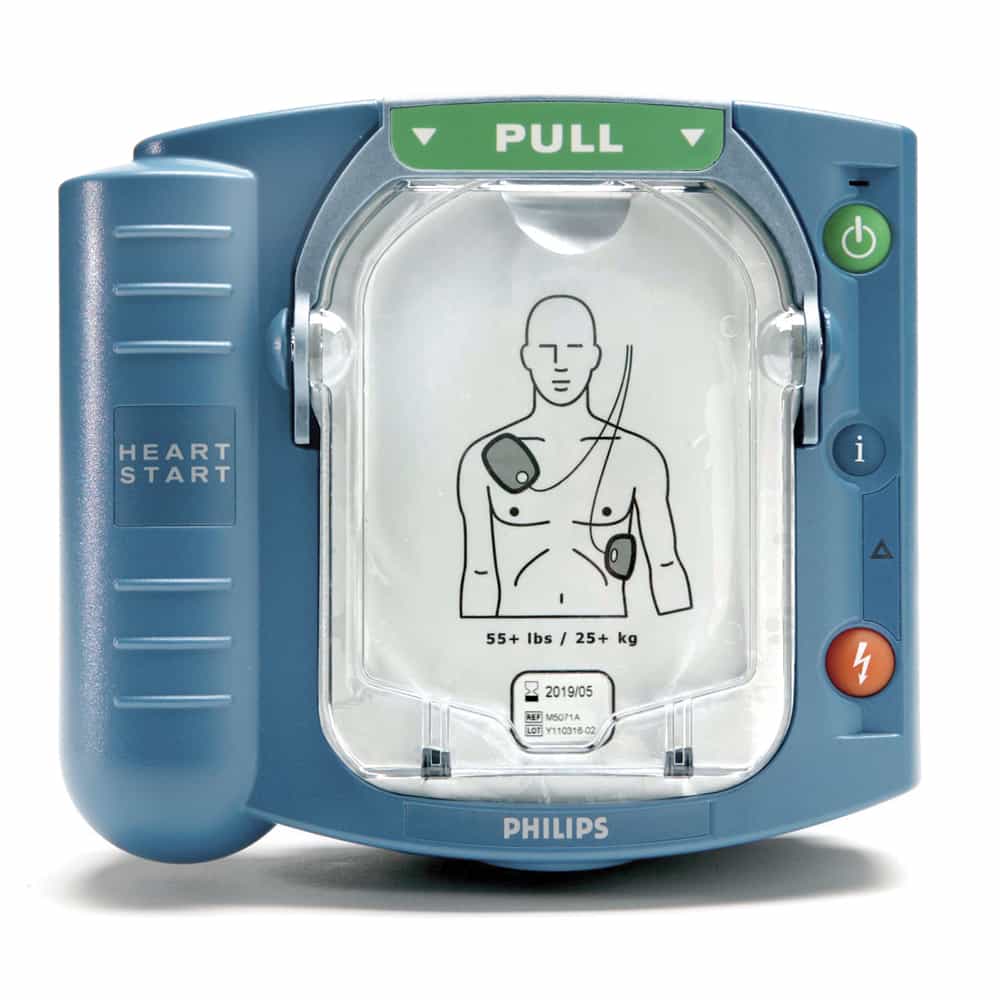
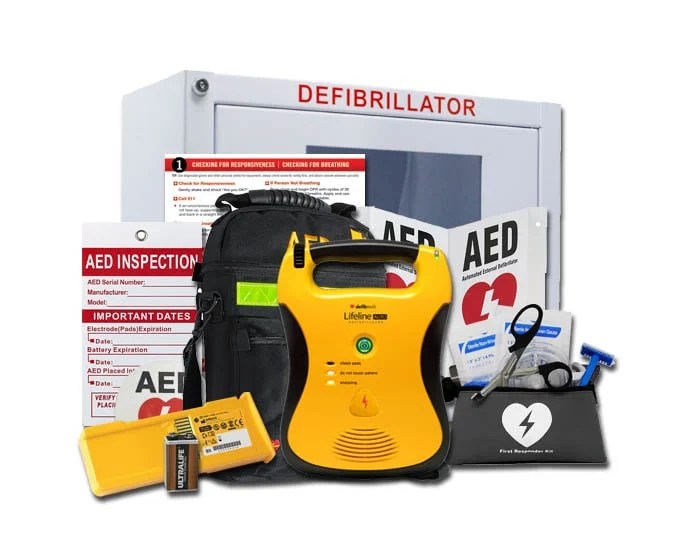
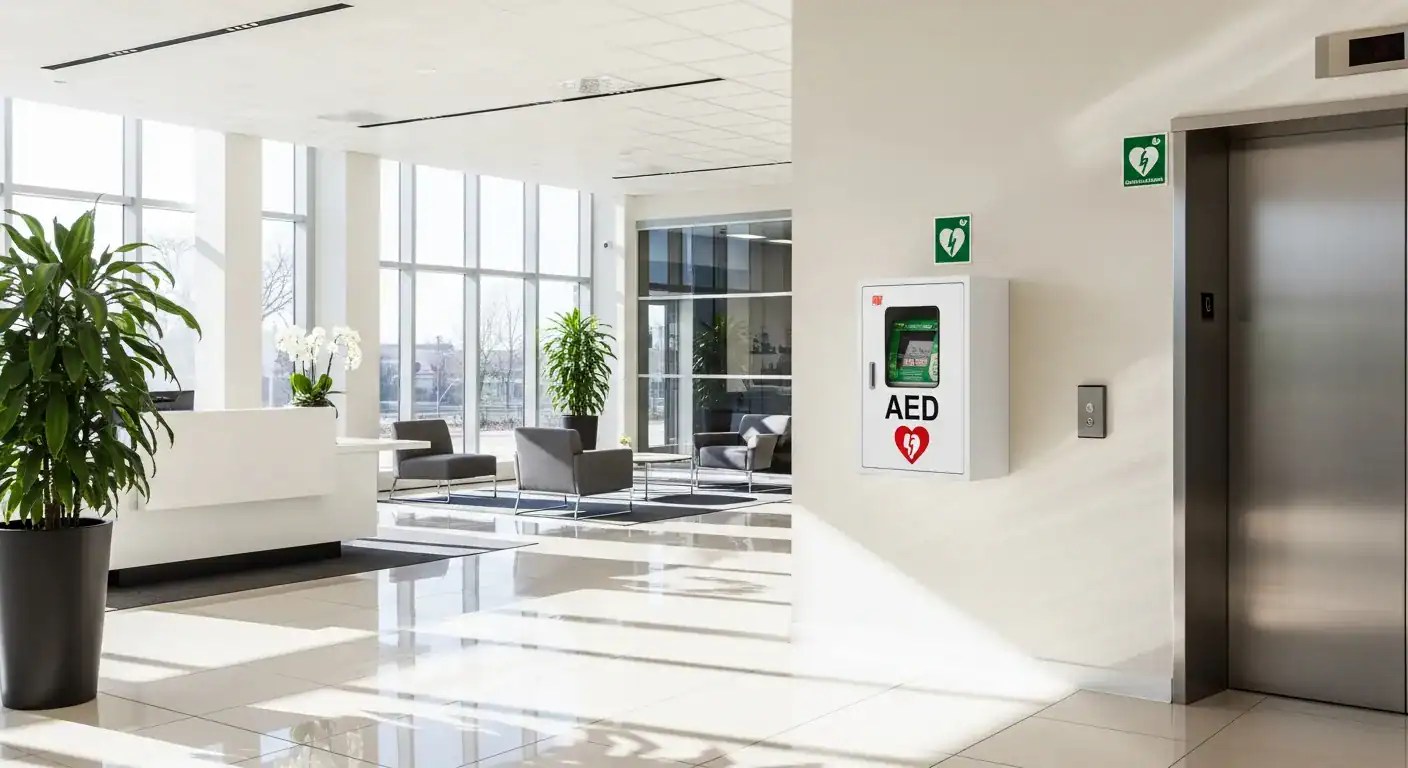
Office environments need an AED device that is intuitive for untrained employees and requires minimal maintenance. The Philips HeartStart OnSite AED ($1,529 to $1,749) is one of the most widely deployed office AEDs in the country. It features clear voice instructions, a compact design, and a pull-handle that activates the device instantly. The Defibtech Lifeline AED ($1,478 to $1,659) is another strong office choice with its simple two-button interface and long battery standby life. For a detailed breakdown of setting up a complete office defibrillator program, including OSHA recommendations, state mandates, and employee training, read our complete guide to AEDs for the workplace.
For dental clinics and medical practices, the same priorities apply: intuitive operation and minimal maintenance, combined with the added consideration that patients may be under sedation or have pre-existing cardiac conditions that elevate SCA risk.
Best AED for Schools
Schools need AEDs that support pediatric patients and are simple enough for any staff member to operate. The HeartSine Samaritan PAD 360P ($1,651) is a fully automatic model that removes the need to press a shock button, reducing hesitation in an emergency. Its integrated pediatric key simplifies switching between adult and child modes. The Cardiac Science Powerheart G5 ($2,157) also supports pediatric use and features automatic self-testing with real-time rescue coaching.
Best AED for Home Use
The best AED for home use should be lightweight, affordable, and easy for a family member with no medical training to use under extreme stress. The Philips HeartStart OnSite remains the top pick for home use because of its straightforward setup and calm voice guidance. Families of cardiac patients and residents in rural areas with long EMS response times benefit most from having an AED machine at home. The HeartSine Samaritan PAD 350P ($1,411) is another excellent home option with a compact, lightweight design and one of the lowest total costs of ownership in the AED market.
Best AED for Gyms and Athletic Facilities
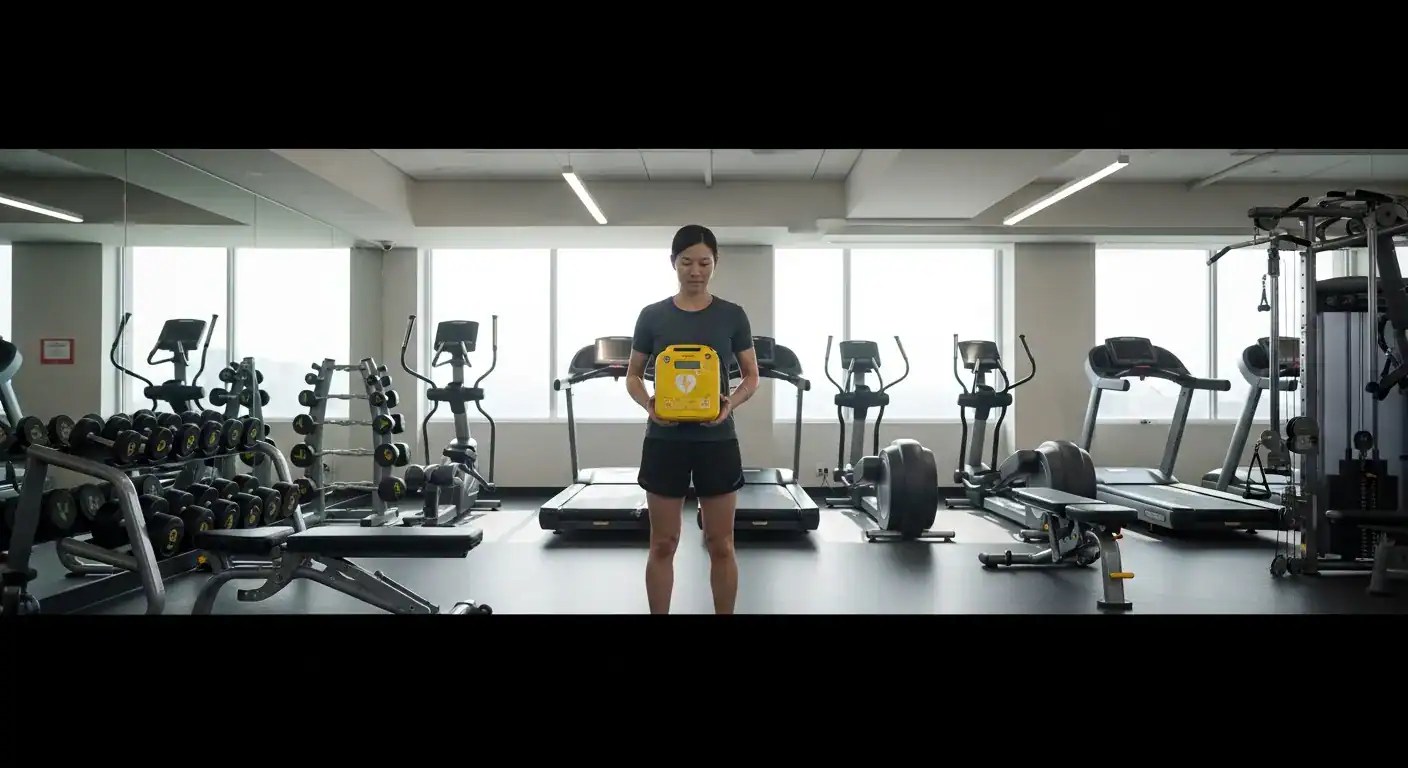
Gyms, sports fields, and athletic training facilities face a higher incidence of cardiac events during intense physical activity. These environments demand durable, feature-rich AED devices with CPR feedback. The ZOLL AED 3 ($2,307) delivers real-time CPR feedback with a visual display, long battery life, and rugged construction. The Philips HeartStart FRx ($2,010 to $2,109) is built for active environments with its tough, water-resistant casing and SMART Pads that work for both adults and children.
Best AED for Churches and Community Spaces
Churches, community centers, and houses of worship serve aging congregations where the risk of sudden cardiac arrest is elevated. A fully automatic AED like the HeartSine Samaritan PAD 360P removes decision-making from the rescuer entirely. Paired with a wall-mounted AED cabinet and signage, these AED devices provide visible, accessible emergency protection for every gathering.
How Do All 6 FDA-Approved AED Brands Compare?
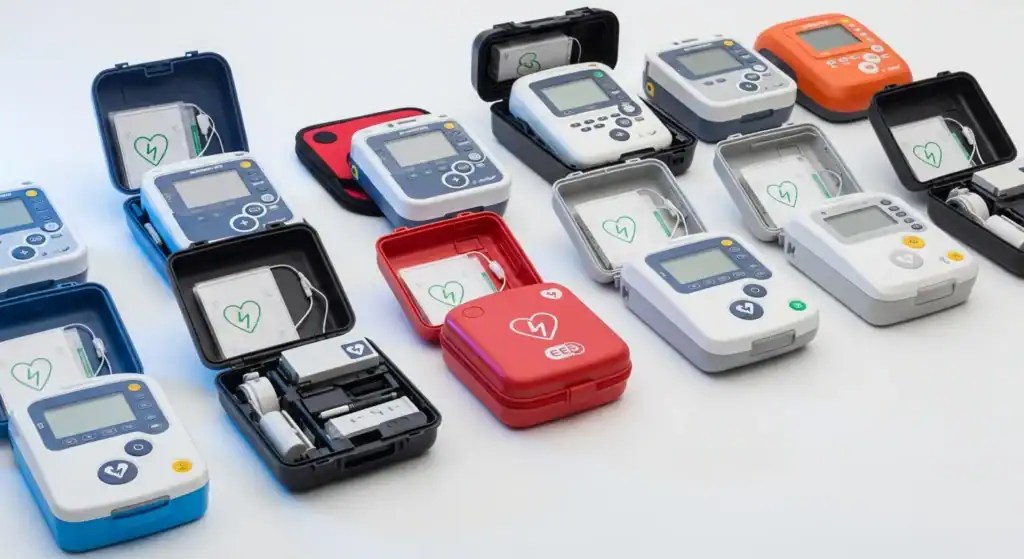
Response Ready carries AED machines from every FDA-approved manufacturer in the United States, making it the only distributor where buyers can compare all six brands in one place. The following table provides a side-by-side comparison of each manufacturer’s AED lineup, pricing, and key strengths.
| Manufacturer | Popular Models | Price Range | Warranty | Key Strengths |
|---|---|---|---|---|
| Philips | HeartStart OnSite, HeartStart FRx | $1,529 – $2,109 | 8 years | Industry-leading ease of use, SMART Pads technology, widest deployment |
| ZOLL | AED Plus, AED 3 | $2,082 – $2,307 | 7 years | Real-time CPR feedback, long battery life, rugged construction |
| HeartSine (Stryker) | Samaritan PAD 350P, 360P, 450P | $1,411 – $1,761 | 8 years | Lightweight design, integrated Pad-Pak, lowest total cost of ownership |
| Defibtech | Lifeline, Lifeline View, Lifeline ECG | $1,478 – $2,885 | 8 years | Simple interface, LCD/video screen options, long standby battery |
| Cardiac Science | Powerheart G5 | $2,157 | 8 years | Automatic daily self-testing, real-time rescue coaching, dual-language |
| Physio-Control (Stryker) | LIFEPAK CR2, LIFEPAK 1000 | $2,256 – $4,558 | 8 years | Professional-grade performance, ClearVoice technology, Wi-Fi fleet management |
All prices reflect current 2026 pricing available at Response Ready’s AED collection. Actual pricing may vary based on configuration and included accessories.
What Does an AED Machine Cost in 2026?
AED machines range from approximately $1,400 to over $4,500 depending on the brand, model, and included accessories. Most buyers find the best AED for their needs in the $1,500 to $2,500 range, which covers reliable models from every major manufacturer.
Here is a quick breakdown of AED pricing by tier:
- Entry-level AED devices ($1,400 to $1,800): HeartSine Samaritan PAD 350P, Defibtech Lifeline AED, Philips HeartStart OnSite. Best for homes, small offices, and churches.
- Mid-range AED machines ($1,800 to $2,500): ZOLL AED Plus, ZOLL AED 3, Cardiac Science Powerheart G5, Philips HeartStart FRx. Best for schools, gyms, and large workplaces.
- Professional-grade AEDs ($2,500+): Physio-Control LIFEPAK CR2, LIFEPAK 1000, Defibtech Lifeline ECG. Best for high-traffic public venues, EMS, and medical facilities.
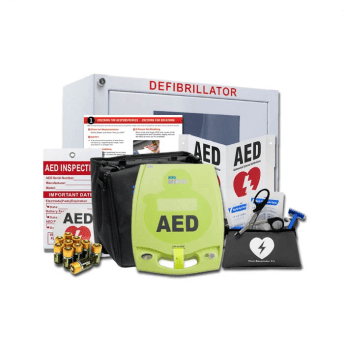
Beyond the initial purchase, budget for replacement electrode pads (typically $40 to $150 per set) and batteries ($150 to $350 depending on the model) every two to five years. Value packages that bundle the AED with a cabinet, signage, and a first responder kit often deliver better long-term value than purchasing components separately. Response Ready offers value packages for every brand to simplify the buying process.
Get expert help choosing the right AED machine for your budget. Contact Response Ready today.
AED Maintenance and Compliance Essentials
Purchasing an AED device is only the first step toward cardiac emergency readiness. Response Ready recommends a proactive maintenance routine to ensure every AED machine is always rescue-ready when someone’s life depends on it.
- Weekly inspections: Check the status indicator light to confirm the AED is rescue-ready and has not flagged any errors.
- Pad and battery tracking: Monitor expiration dates and replace pads and batteries before they expire. Most pads last two to three years; batteries last two to five years.
- State compliance: Many states require AED registration, regular maintenance logs, and staff CPR/AED training. At least 16 states mandate AEDs in schools and over 20 states require them in fitness centers.
- Managed programs: Response Ready’s AED Total Solution program ($99/year) handles tracking, expiration notifications, and compliance management for organizations that want hands-off maintenance.
Frequently Asked Questions About AED Machines
Can anyone use an AED machine without training?
Yes. Every FDA-approved AED is designed for use by untrained bystanders. The device provides step-by-step voice instructions and will only deliver a shock if it detects a shockable heart rhythm. Good Samaritan laws in all 50 states provide legal protection for people who use an AED in good faith during an emergency.
What is the best AED for home use?
The best AED for home use is a lightweight, affordable model with simple voice guidance. The Philips HeartStart OnSite and the HeartSine Samaritan PAD 350P are the two most popular home AED devices because of their ease of use, compact size, and low total cost of ownership. Both are available through Response Ready with free shipping on orders over $99.
How long does an AED battery last?
Most AED batteries have a standby life of two to five years, depending on the manufacturer and model. The AED device performs regular self-checks that consume a small amount of battery. Always monitor the status indicator and replace batteries before the expiration date.
Do AED machines work on children?
Yes. Many AED models include a pediatric mode or accept pediatric electrode pads that deliver a lower energy dose appropriate for children. Models like the HeartSine Samaritan 360P and the Cardiac Science Powerheart G5 feature built-in pediatric switching capability.
Is an AED the same as a defibrillator?
An AED (automated external defibrillator) is a specific type of defibrillator designed for use by the general public. Hospital defibrillators require trained medical professionals to interpret heart rhythms and select energy levels. An AED device handles rhythm analysis and shock delivery automatically, making it safe and effective for lay rescuers with no medical background.
How often do AED pads need to be replaced?
AED electrode pads typically have a shelf life of two to three years. They must also be replaced immediately after each use. Always check the expiration date printed on the pad packaging and keep a spare set on hand.
Are AEDs required by law?
AED requirements vary by state. At least 16 states mandate AEDs in schools, and over 20 states require them in fitness centers. Many states also require AEDs in government buildings and large public venues. Check your state’s specific regulations or contact Response Ready for guidance on compliance requirements in your area.