Choking kills over 5,000 people in the United States every year, making it the fourth leading cause of unintentional injury death, according to the National Safety Council. Traditional first aid relies on back blows and abdominal thrusts (the Heimlich maneuver), but these techniques can fail, especially for infants, elderly adults, or people who are alone when choking occurs.
Looking for the fastest way to protect your family? Get certified in CPR and first aid first, then pair your training with the right rescue equipment. Talk to one of our EMS specialists for a personalized emergency preparedness recommendation.
Anti-choking rescue devices provide a backup option when standard techniques are not enough. Our emergency medicine team reviewed the most popular choking rescue devices currently available, evaluating each based on mechanism of action, age suitability, ease of use, build quality, FDA regulatory status, and real-world effectiveness evidence.
Key takeaway: No anti-choking device replaces learning CPR and proper choking first aid. These devices are supplemental tools, not substitutes for training. If you or someone nearby is choking, always call 911 and attempt standard first aid first.
How Do Anti-Choking Devices Work?
Most choking rescue devices use suction-based technology to remove an obstruction from the airway. They create negative pressure (a vacuum) in the oral cavity that pulls the lodged object upward and out of the throat. This is the opposite of the Heimlich maneuver, which uses abdominal pressure to push air up from the lungs and dislodge the blockage from below.
There are three primary mechanisms:
- Plunger-style suction (push-pull): You place a mask over the mouth and nose, push the plunger down, then pull it back to create suction. LifeVac uses this approach.
- Syringe-style suction (pull only): You insert a mouthpiece into the mouth, then pull a handle to generate suction directly. Dechoker uses this method.
- Electronic one-button suction: You place the device over the mouth and press a single button to generate powered suction automatically. NovaCare uses this newer approach.
Each design has trade-offs. Plunger-style devices tend to generate stronger and more consistent suction but require a good mask seal and two hands. Syringe-style devices are more compact but may not generate as much force per attempt. Electronic devices offer one-handed operation and can be self-administered, but are newer to the market with less long-term track record. A 2023 study published in the International Journal of Pediatric Otorhinolaryngology found both LifeVac and Dechoker successfully cleared simulated airway obstructions in manikin models, though suction force varied between designs.

LifeVac Anti-Choking Device (Travel Kit)
Non-invasive choking rescue device for adults and children. Includes an adult mask, a pediatric mask and a zip-up travel bag.
Our Top 7 Anti-Choking Devices Reviewed
1. LifeVac: Best Overall Choking Rescue Device
Price: $79.99 (Travel Kit) | Ages: Infants, children, adults | Mechanism: Plunger-style suction
LifeVac is the most well-known and widely used anti-choking device on the market. It uses a one-way valve and face mask system that creates suction when you push the plunger down (expelling air) and then pull it back up (generating negative pressure). The device comes with adult and pediatric masks, making it usable across all age groups.
What stands out:
- Over 5,500 documented saves in real choking emergencies worldwide, far more than any other consumer device
- Published peer-reviewed studies supporting its effectiveness, including a 2021 study in BMJ Open evaluating suction device performance in care settings
- One-way valve prevents pushing air or objects further into the airway
- Free replacement device after any real-life use
- Includes practice mask for training without contaminating the emergency masks
- The only anti-choking suction device with FDA De Novo authorization as a second-line treatment, a higher regulatory bar than standard registration
- HSA/FSA eligible for purchase
Limitations:
- Requires a good face seal for maximum suction (beards or facial injuries can reduce effectiveness)
- Larger form factor compared to some alternatives
- Cannot easily be used on yourself if choking alone
- Single-use per incident (free replacement available)
Our verdict: LifeVac has by far the most real-world evidence behind it of any choking rescue device. With more than 5,500 documented saves, peer-reviewed research, and the only FDA De Novo authorization in this category, it is our top recommendation for homes, schools, care facilities, and first aid kits.
2. Dechoker: Best Syringe-Style Anti-Choking Device
Price: $59.99-$99.99 | Ages: Separate adult, child, and toddler models | Mechanism: Syringe-style suction
Dechoker takes a different approach with a syringe-style suction mechanism. A tube is placed in the mouth, and pulling the handle generates suction to extract the obstruction. Each Dechoker model is sized for a specific age group, so you may need to purchase multiple units to cover your entire household.
What stands out:
- Tongue depressor prevents the tongue from blocking the airway during use
- Compact and lightweight design for easy storage
- Back-flow guard to prevent objects from being pushed deeper
- Published clinical studies on cadaver models
- Reusable device (does not need replacement after each use)
Limitations:
- Separate devices needed for different age groups increases cost
- Syringe mechanism can be less intuitive under stress
- Fewer documented real-world saves compared to LifeVac
- Oral insertion may be difficult with a panicking, conscious patient
- A cadaver study raised concerns about tongue injury and incomplete obstruction removal
Our verdict: Dechoker is a legitimate alternative to LifeVac, particularly for trained caregivers in institutional settings who prefer a syringe-style mechanism. The size-specific approach has pros (better fit) and cons (need multiple units). It has clinical evidence supporting its function but fewer documented real-world saves than LifeVac.
3. NovaCare: Best Electronic Anti-Choking Device
Price: $63.98 (single) / $119.98 (2-pack) | Ages: Children and adults | Mechanism: Electronic one-button suction
NovaCare is the first electronic anti-choking device to enter the consumer market. Unlike manual plunger or syringe devices, NovaCare uses a single button to generate powered suction automatically. This one-handed design makes it the only device in this review that can realistically be self-administered if you are choking alone.
What stands out:
- One-button operation requires only one hand
- Can be used on yourself if choking alone, a major advantage over manual devices
- Reusable device (no replacement needed after each use)
- FDA registered
- No physical force required to operate
Limitations:
- Newer to market with a smaller track record of documented saves than LifeVac
- Electronic mechanism requires battery power (must be charged)
- Limited independent clinical studies compared to LifeVac and Dechoker
- FDA registered (Class I), not FDA authorized through De Novo pathway like LifeVac
Our verdict: NovaCare addresses a real gap in the market: the ability to self-rescue when choking alone. The electronic one-button design is genuinely innovative, and the device holds FDA registration. However, with fewer documented saves and less independent clinical research than LifeVac, we recommend it as a strong secondary option or as a complement to a LifeVac for people who live alone.
4. Savelix: Newer Entrant Gaining Attention
Price: ~$54.99 | Ages: Infants, children, adults (multiple mask sizes included) | Mechanism: Plunger-style suction
Savelix is a newer suction-based anti-choking device that has gained visibility through online marketing. It uses a plunger-style mechanism similar to LifeVac and comes with masks for multiple age groups.
What stands out:
- Lower price point than LifeVac
- Includes multiple mask sizes in one kit
- Compact carrying case
Limitations:
- Limited independent clinical evidence or published studies
- No FDA clearance or registration publicly documented at the time of this review
- Far fewer documented real-world saves
- Build quality concerns noted in some consumer reviews
Our verdict: While Savelix offers a budget-friendly option, we cannot recommend it over established devices like LifeVac without stronger clinical evidence and FDA documentation. When it comes to a life-saving device, proven reliability matters more than saving $15.
5. QuickClear by Skeleton Aid: Compact and Portable
Price: ~$49.99 | Ages: Children and adults | Mechanism: Suction-based
QuickClear by Skeleton Aid is marketed as a compact, portable choking rescue device. It has gained popularity through social media and online retailers for its smaller form factor and lower price point.
What stands out:
- Compact, portable design fits in a purse or glove compartment
- Affordable entry point for those on a budget
- Simple pull mechanism
Limitations:
- Limited clinical testing or peer-reviewed evidence
- May generate less suction force than larger devices
- Not widely recommended by medical professionals at this time
Our verdict: QuickClear is a budget option, but the lack of clinical evidence is concerning. If portability is your top priority, consider keeping a LifeVac Travel Kit in your bag instead.
6. ResQVac: EMS-Grade Suction Device
Price: ~$79.99 | Ages: Adults and children | Mechanism: Manual suction
ResQVac is a manual suction device that generates airway suction through a hand-operated pump. It is marketed toward both consumers and first responders as a portable suction alternative.
What stands out:
- Manual suction generation without batteries or electricity
- Portable and durable construction
- Can double as a general airway suction device
Limitations:
- Not specifically designed solely for choking rescue
- Requires more training to use effectively
- Mixed consumer reviews regarding ease of use
- Not FDA authorized for choking rescue specifically
Our verdict: ResQVac is more of a general suction device than a dedicated anti-choking tool. For dedicated choking rescue, LifeVac or Dechoker are more purpose-built options.
7. Air Relief Anti-Choking Device: Mask-Based Suction
Price: ~$49.99-$69.99 | Ages: Adults and children | Mechanism: Mask-based suction
Air Relief uses a face mask and suction mechanism to clear airway obstructions. It has gained some visibility through online marketing campaigns.
What stands out:
- Face mask design similar to LifeVac
- Moderate price point
- Includes carrying case
Limitations:
- Limited independent reviews or clinical data
- Less established manufacturer track record
- Fewer documented saves than LifeVac
Our verdict: Air Relief may function adequately, but without the clinical pedigree and real-world track record of LifeVac, it is difficult to recommend as a primary choking rescue device.
Anti-Choking Device Comparison Table
| Device | Price | Mechanism | Age Groups | FDA Status | Documented Saves | Our Rating |
|---|---|---|---|---|---|---|
| LifeVac | $79.99 | Plunger suction | All ages | FDA De Novo authorized | 5,500+ | ★★★★★ |
| Dechoker | $59-$99 | Syringe suction | Age-specific models | FDA registered | Limited | ★★★★☆ |
| NovaCare | $63.98 | Electronic one-button | Children, adults | FDA registered | Growing | ★★★★☆ |
| Savelix | $54.99 | Plunger suction | All ages | Unclear | Limited | ★★★☆☆ |
| QuickClear | $49.99 | Suction pull | Children, adults | Not confirmed | Minimal | ★★★☆☆ |
| ResQVac | $79.99 | Manual suction | Children, adults | Varies | N/A | ★★★☆☆ |
| Air Relief | $49-$69 | Mask suction | Children, adults | Unclear | Minimal | ★★★☆☆ |
Want to pair an anti-choking device with a complete emergency response setup? An AED (automated external defibrillator) is essential for cardiac emergencies that can follow severe choking events. Contact our team for help building a custom emergency preparedness package for your home or facility.
What Does the FDA Say About Anti-Choking Devices?
The FDA’s position on anti-choking devices is nuanced, and understanding it helps you make a more informed purchase. In a 2024 safety communication, the FDA specifically stated that established choking rescue protocols (back blows, abdominal thrusts, chest thrusts) should remain the primary response. The agency has received reports describing problems with anti-choking devices, including failure to resolve choking events.
Here is what the FDA’s regulatory categories mean for these devices:
- FDA Authorized (De Novo): LifeVac received FDA authorization through the De Novo pathway as a suction-based upper airway obstruction clearing device intended as a second-line treatment when standard choking first aid has failed. This is a higher regulatory standard than simple registration. As of 2026, LifeVac remains the only consumer anti-choking suction device with this level of authorization.
- FDA Registered (Class I): The manufacturer has registered the device and its establishment with the FDA. This does not mean the FDA has reviewed or approved the device for safety and effectiveness. Several devices, including Dechoker and NovaCare, fall in this category.
- FDA Cleared (510(k)): The device has been reviewed by the FDA and found to be substantially equivalent to an existing legally marketed device. This is an even higher standard. Very few consumer anti-choking devices have 510(k) clearance.
Important: The American Heart Association, American Red Cross, and most emergency medicine guidelines recommend back blows, abdominal thrusts, and chest thrusts as first-line choking response. Anti-choking devices should be considered supplementary tools, not replacements for these techniques.
Have Anti-Choking Devices Actually Saved Lives?
Yes, and the numbers have grown significantly. LifeVac now reports over 5,500 documented cases where their device was used to clear an airway obstruction after standard first aid failed. These saves span homes, nursing facilities, schools, and restaurants across more than 30 countries. The company maintains a publicly accessible registry of reported saves, with new cases being documented weekly in 2026.
A 2025 meta-analysis of six studies found an overall 92% success rate for suction-based anti-choking devices in clearing airway obstructions, with LifeVac showing approximately 97.8% effectiveness in pooled data (noting that much of this data is self-reported).
Clinical evidence also supports device effectiveness in controlled settings. A 2023 study in the International Journal of Pediatric Otorhinolaryngology tested both LifeVac and Dechoker on manikin models and found they successfully cleared simulated obstructions. An earlier 2021 BMJ Open study evaluated the Dechoker in 27 real choking incidents at UK care homes, reporting successful airway clearance in the majority of cases.
That said, critics point out that most evidence comes from manufacturer-reported data rather than independent randomized controlled trials. The nature of choking emergencies makes controlled studies difficult, which is why many medical organizations maintain a cautious stance while acknowledging these devices may serve as useful supplements to traditional first aid.
Already convinced you need emergency preparedness equipment? Browse Response Ready’s complete first aid equipment to build a kit that covers choking, cardiac events, and general emergencies. Our EMS specialists can help you choose the right combination. Get a personalized recommendation here.
LifeVac Anti-Choking Device (Travel Kit)
Keep one at home and one in the car. Includes an adult mask, a pediatric mask and a zip-up travel bag.
Who Should Consider an Anti-Choking Device?
While everyone benefits from having emergency preparedness equipment at home, these groups face higher choking risk and may benefit most from having an anti-choking device readily available:
- Parents of young children (ages 1-4): Young children are the highest-risk group for choking due to smaller airways and tendency to put objects in their mouths. According to the CDC, choking is the fourth leading cause of death among children under 5.
- Caregivers for elderly adults: Swallowing difficulty (dysphagia) is common in older adults and increases choking risk significantly. Studies estimate 15-40% of nursing home residents experience dysphagia.
- People who live alone: Electronic devices like NovaCare can be self-administered with one hand, making them particularly valuable for solo adults. Manual devices like LifeVac require more coordination for self-use.
- Childcare centers and schools: Having a device accessible alongside an AED and first aid kit adds another layer of emergency preparedness
- Nursing homes and assisted living facilities: Residents with neurological conditions or swallowing disorders are at elevated risk
- Restaurants and food service establishments: Choking incidents commonly occur during meals
How Do You Use a Choking Rescue Device?
While each device has specific instructions, the general process for a plunger-style device like LifeVac is:
- Call 911 immediately or have someone call while you respond
- Attempt standard first aid first: Back blows and abdominal thrusts (Heimlich maneuver) for adults and children; back blows and chest thrusts for infants
- If standard techniques fail, retrieve the choking rescue device
- Select the correct mask size for the patient (adult or pediatric)
- Place the mask over the mouth and nose, creating a seal
- Push the plunger down to expel air through the one-way valve
- Pull the plunger up firmly to create suction that dislodges the obstruction
- Repeat if necessary until the obstruction is cleared or EMS arrives
Critical tip: Practice using the device before an emergency occurs. Most kits include a practice mask for this purpose. Familiarity with the device under calm conditions dramatically improves your ability to use it effectively under stress.
Are Anti-Choking Devices Safe for Infants?
Infant choking is particularly dangerous because:
- The airway is much smaller and more easily obstructed
- Abdominal thrusts (Heimlich maneuver) should NOT be performed on infants under 1 year old
- The correct first aid for infant choking is 5 back blows followed by 5 chest thrusts, as outlined in the infant CPR and first aid guidelines
If you purchase a choking rescue device for use on infants, make sure it includes a pediatric/infant-sized mask. LifeVac includes a pediatric mask in its Home Kit, which fits infants and small children. Dechoker requires a separate toddler-specific model. Electronic devices like NovaCare currently do not offer infant-specific attachments, so they are not suitable for infants at this time.
Never use an adult-sized mask on an infant, as the improper seal will prevent the device from generating adequate suction.
What Should a Complete Choking Emergency Kit Include?
A choking rescue device is one component of a complete emergency preparedness plan. We recommend combining it with:
- CPR and first aid training – The foundation of any emergency response capability. Our nationwide instructor network offers hands-on certification courses.
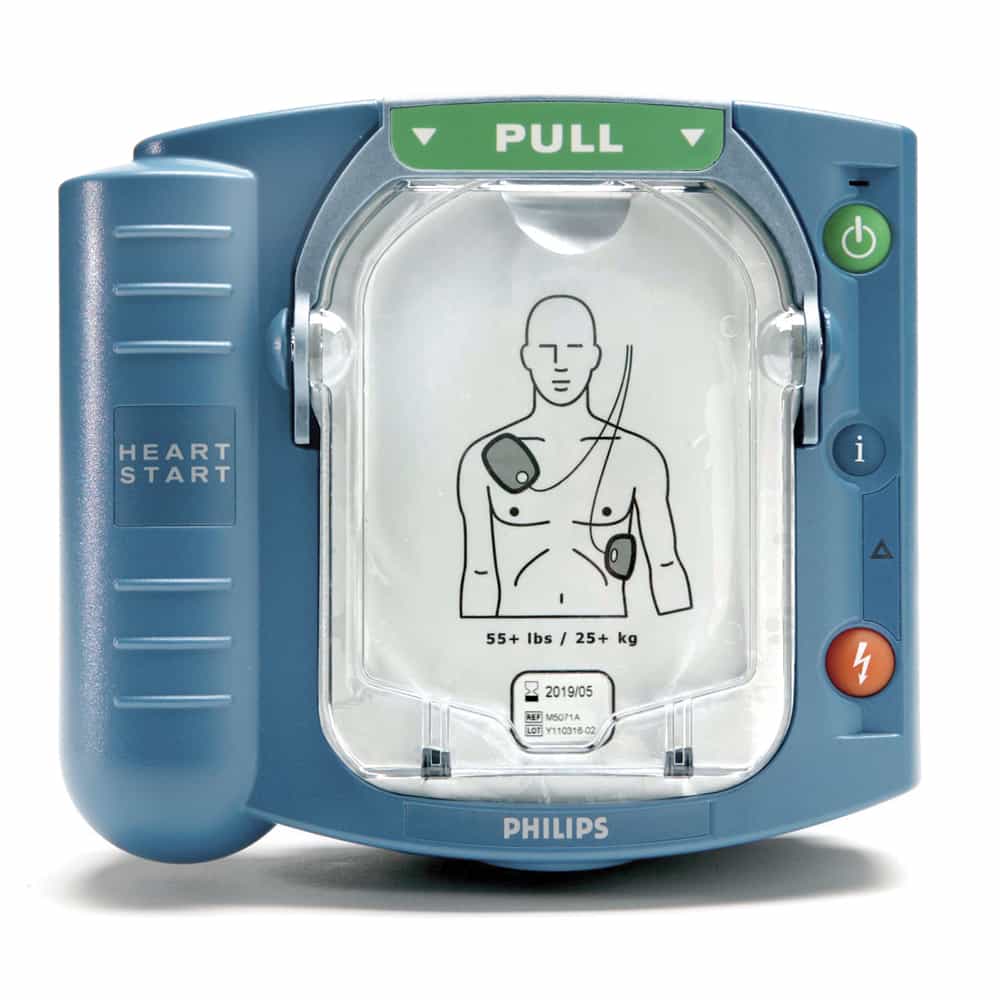
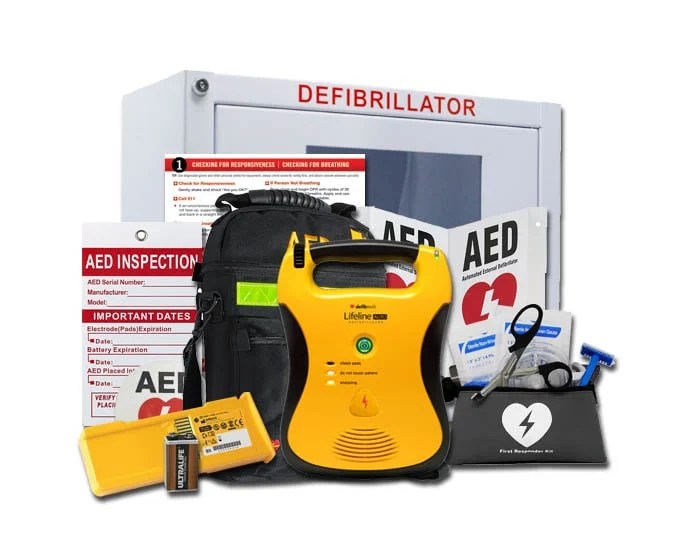
- An AED (automated external defibrillator) – Choking that leads to cardiac arrest requires immediate defibrillation. Having an AED on-site can mean the difference between life and death.
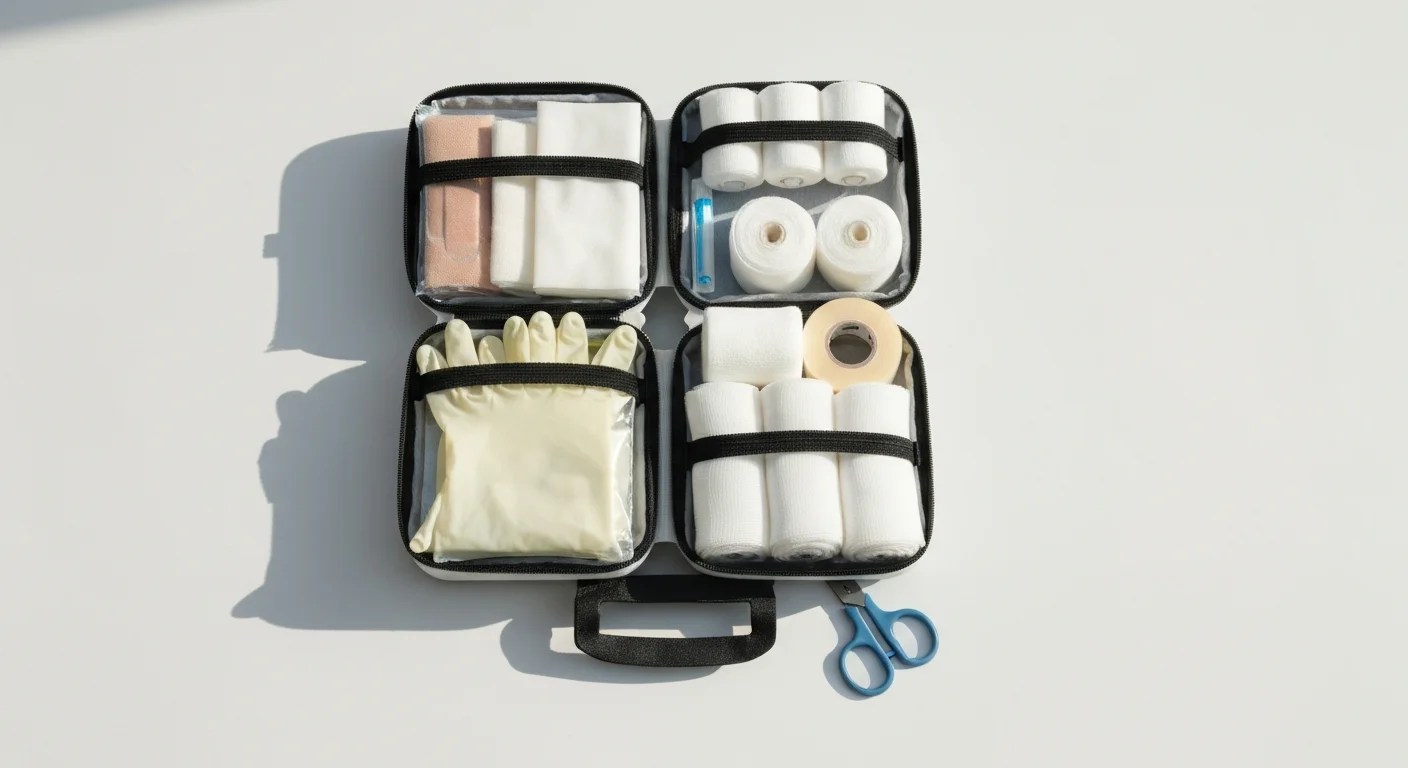
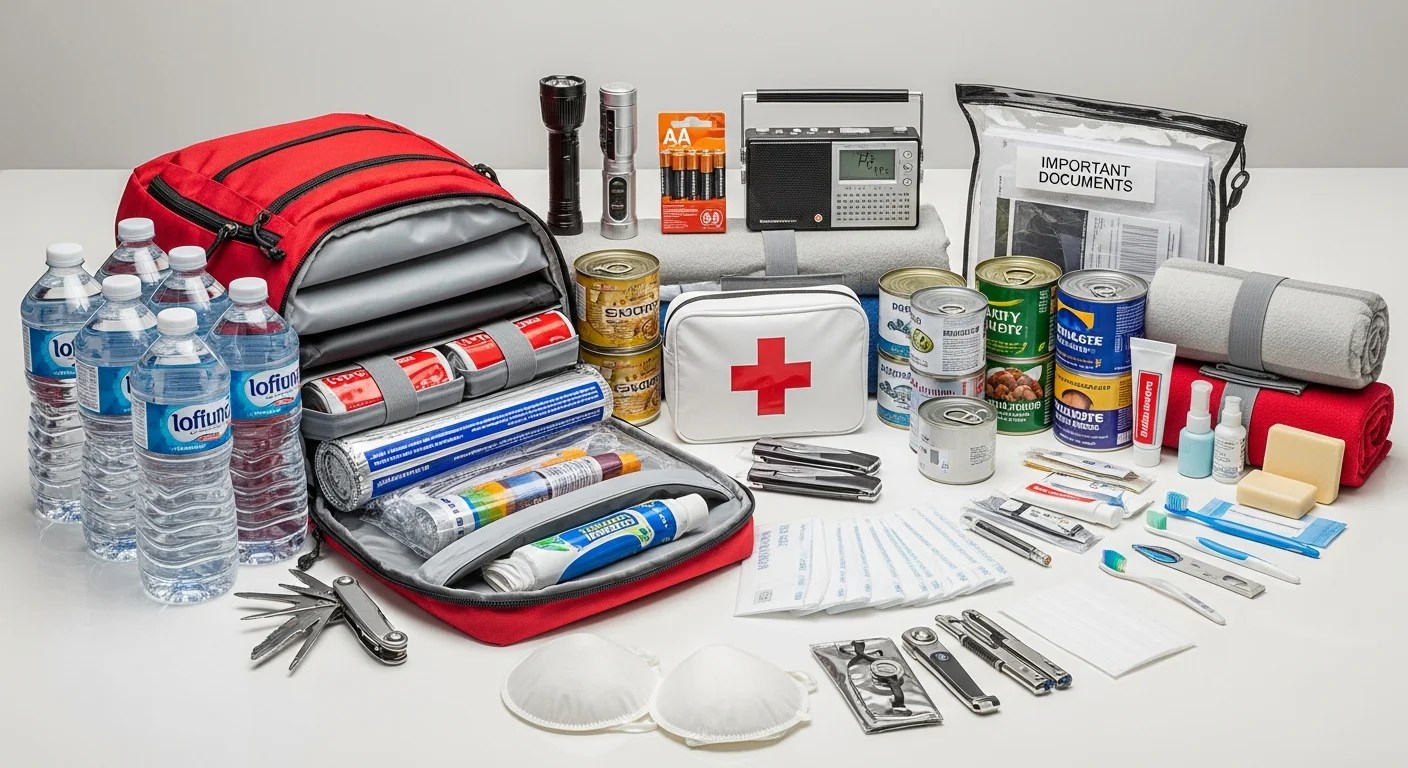
- A fully stocked first aid kit – For treating any injuries that occur during or after a choking incident.
- CPR skills for all household members – If choking leads to unconsciousness, you will need to perform CPR while waiting for EMS to arrive.
Response Ready carries all six FDA-approved AED brands and offers AED rental programs starting at $45/month for organizations that want emergency preparedness equipment without a large upfront investment. Contact our team to discuss a complete safety package for your home, school, or workplace.

Not sure which AED or training fits your needs?
A Response Ready product expert walks you through it — no obligation.
Frequently Asked Questions About Anti-Choking Devices
What is the best anti-choking device?
Based on clinical evidence, documented real-world saves, and ease of use, LifeVac is currently the best anti-choking device available. It has over 5,500 documented saves, published peer-reviewed studies supporting its effectiveness, and is the only device with FDA De Novo authorization as a second-line choking treatment.
Are anti-choking devices FDA approved?
LifeVac is the only consumer anti-choking suction device that has received FDA authorization through the De Novo pathway, specifically as a second-line treatment for choking when traditional first aid has failed. Other devices like Dechoker and NovaCare are FDA registered as Class I medical devices, which means they are listed with the FDA but have not undergone premarket review for safety and effectiveness. Full FDA approval (PMA) is a separate, even higher standard that no consumer choking device has achieved.
Can you use a LifeVac on yourself?
LifeVac is designed to be used by a bystander on a choking victim. Self-use is technically possible but extremely difficult during an actual choking emergency due to the coordination required. If you live alone and are concerned about choking, the manufacturer suggests placing the device on the floor and using body weight to compress the plunger, though this has limitations. For self-rescue capability, consider an electronic device like NovaCare, which is designed for one-handed self-use.
LifeVac vs Dechoker: which is better?
LifeVac has a stronger evidence base with over 5,500 documented saves and a simpler mechanism that works across all age groups with one device. Dechoker requires separate models for different ages but some users prefer its syringe-style grip. For most households, LifeVac is the better choice due to its FDA De Novo authorization and broader evidence base.
How much does a choking rescue device cost?
Prices range from about $40 for budget devices to $100 for premium Dechoker models. LifeVac’s Travel Kit costs $79.99 at Response Ready and includes adult and pediatric masks plus a zip-up travel bag. NovaCare’s electronic device costs $63.98 for a single unit. We recommend investing in a well-established device rather than choosing the cheapest option for a potentially life-saving tool.
Are choking rescue devices safe?
Devices from established manufacturers like LifeVac and Dechoker include safety features to prevent pushing objects deeper into the airway (one-way valves and backflow guards). However, no device is without risk. Improper use, incorrect mask sizing, or using a device on someone who is not actually choking could cause harm. Always follow the manufacturer’s instructions and seek professional training.
Do doctors recommend anti-choking devices?
Medical opinion is divided. Many emergency physicians and EMS professionals acknowledge that suction-based devices can be useful as a supplementary tool when traditional techniques fail. However, major organizations like the American Heart Association and American Red Cross have not officially endorsed any specific consumer anti-choking device. The consensus is that learning proper first aid technique remains the most important step.
Can a choking rescue device be used on a baby?
Yes, but only with a properly sized infant mask. LifeVac includes a pediatric mask suitable for infants. Dechoker requires a separate toddler-specific model. Electronic devices like NovaCare do not currently offer infant attachments. Never use an adult-sized device on an infant. Always attempt infant-specific first aid (5 back blows, 5 chest thrusts) before using any device.
How do you store an anti-choking device?
Store your device in a visible, easily accessible location, similar to where you would mount a fire extinguisher or AED. Common locations include the kitchen (where most choking incidents occur), a dining area, or a central hallway. Make sure all household members know where the device is located and how to use it.
Is a Heimlich device the same as an anti-choking device?
People often search for “Heimlich device” when looking for anti-choking rescue devices. The Heimlich maneuver is a hands-on technique (abdominal thrusts) that does not require any device. Anti-choking devices like LifeVac and Dechoker are supplementary tools designed for use when the Heimlich maneuver and other standard techniques have failed to clear the obstruction.
Do EMTs and paramedics use anti-choking devices?
Professional EMS personnel primarily rely on BLS techniques (back blows, abdominal thrusts) and advanced airway management tools including Magill forceps and powered suction units. Consumer devices like LifeVac and Dechoker are not standard equipment in ambulances. However, some first responders keep them in personal kits for off-duty situations, and LifeVac devices are installed in some schools, nursing homes, and public facilities where trained EMS personnel may not be immediately available.
What is the most reliable anti-choking device?
LifeVac is the most reliable anti-choking device based on the available evidence. It is the only device with FDA authorization through the De Novo pathway, has over 5,500 documented real-world saves, and has been studied in multiple peer-reviewed publications. No other consumer anti-choking device matches this combination of regulatory approval, clinical evidence, and real-world track record.
Can you use an anti-choking device on yourself if you are choking alone?
Most manual plunger and syringe devices are very difficult to use on yourself during a choking emergency because they require two hands and precise positioning. Electronic devices like NovaCare are designed for one-handed self-use and are the best option for solo adults. If you only have a manual device like LifeVac, the manufacturer recommends placing it on the floor and using body weight to compress the plunger, but this is challenging under distress. Your best preparation is to learn self-administered abdominal thrusts using a chair or countertop edge.
This review was prepared by Dr. Ann Jarris, MD, MBA, FACEP, Medical Director at Response Ready. Dr. Jarris is a board-certified emergency medicine physician with over 20 years of experience. This content is for informational purposes only and does not constitute medical advice. Always consult a qualified healthcare professional and call 911 in an emergency.