- Published
- March 29, 2026
Choosing & Installing Your AED Wall Cabinet

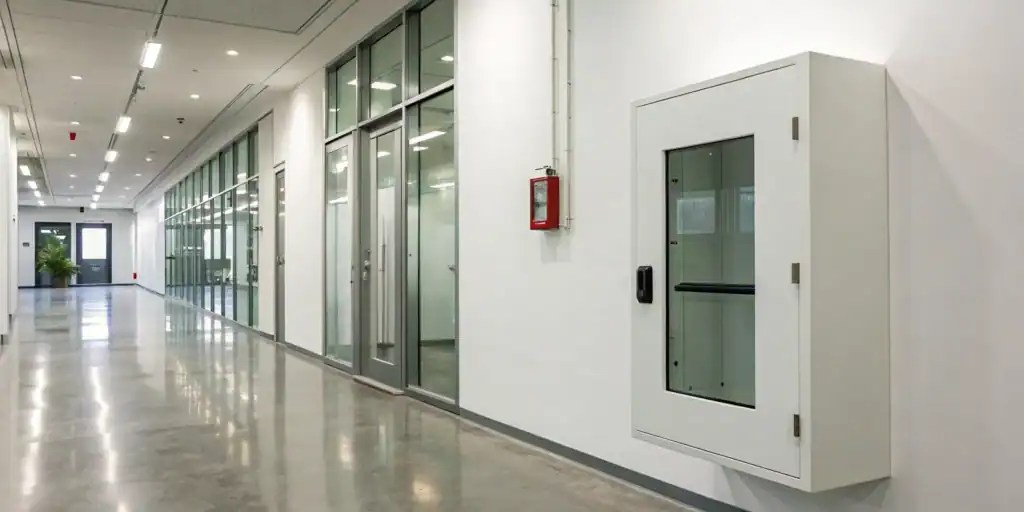
An automated external defibrillator (AED) is a powerful life-saving tool, but its effectiveness depends on one simple factor: people have to be able to find it and use it in time. That’s where proper storage becomes just as critical as the device itself. An AED can’t help anyone if it’s tucked away in a desk drawer, left unsecured, or damaged by its environment. A dedicated AED wall cabinet transforms your device from a piece of equipment into a reliable, highly visible emergency station. It protects your investment from damage and theft while ensuring that anyone can locate and access it when seconds are the difference between life and death.
Key Takeaways
- Prioritize a visible and accessible location: Mount your cabinet in a central, high-traffic area where it can be found instantly. To meet accessibility standards, place the AED handle 48 inches from the floor and ensure the cabinet doesn’t protrude more than four inches into a walkway.
- Choose features based on your specific environment: An alarmed cabinet is essential for public spaces to alert others and deter theft. For outdoor or unheated areas, select a weatherproof cabinet with climate control to protect the AED from extreme temperatures.
- Ensure a secure installation and perform regular checks: Anchor the cabinet to a wall stud or use heavy-duty anchors for a secure fit. After installation, establish a monthly routine to inspect the cabinet, test the alarm, and confirm the AED’s readiness indicator is active.
Why an AED Cabinet Is a Must-Have
An AED is a life-saving investment, and how you store it is just as important as having one in the first place. Think of an AED cabinet as more than just a box on the wall. It’s a dedicated home for your device that keeps it safe, visible, and ready for action when seconds count. A proper cabinet protects your AED from damage, prevents theft, and ensures that anyone can find and access it during an emergency. It turns a piece of medical equipment into a clear, actionable part of your building’s safety plan, giving everyone the confidence to respond.
Protect Your AED from Damage and Theft
Your AED is a sophisticated medical device, and it needs protection from the everyday environment. A sturdy cabinet shields it from dust, moisture, and accidental bumps that could compromise its ability to function correctly. Just as importantly, a cabinet helps prevent theft. Because AEDs for sale are valuable, they can unfortunately become a target if left unsecured. Placing your device in a designated, wall-mounted cabinet makes it an official fixture of your facility, signaling that it is a protected and essential piece of safety equipment. This simple step helps ensure your AED remains where it belongs, ready for an emergency.
Keep Your AED Accessible for Emergencies
During a sudden cardiac arrest, there’s no time to search for equipment. An AED cabinet creates a permanent, highly visible, and universally recognized location for your device. Everyone in your organization or community will know exactly where to go when help is needed. For this reason, the cabinet door should never be locked. A lay responder needs to be able to open it immediately without fumbling for a key or code. Many cabinets feature an alarm that sounds when the door is opened, which effectively deters tampering without slowing down a real rescue. This makes your AED package a truly accessible life-saving solution.
Stay Compliant with Safety Standards
Installing an AED cabinet also helps you meet important safety and accessibility standards, like those outlined in the Americans with Disabilities Act (ADA). These guidelines ensure that the cabinet itself doesn’t become a hazard. For example, a cabinet shouldn’t stick out more than four inches from the wall if its bottom edge is between 27 and 80 inches from the floor. This prevents it from obstructing hallways and creating a risk for people with visual impairments. Following these rules ensures your life-saving station is safe for everyone, integrating preparedness thoughtfully into your space. Proper installation is a key part of a responsible safety program, just like providing CPR & AED training.
Key Features to Look for in an AED Cabinet
Once you have your AED, the next step is deciding where and how to store it. An AED cabinet does more than just hold the device; it protects your investment and makes sure it’s visible and ready for an emergency. But with so many options, how do you pick the right one? Let’s walk through the key features to look for so you can feel confident in your choice.
Find the Right Size and Fit
AEDs aren’t one-size-fits-all, and neither are their cabinets. Before you buy, double-check that the cabinet’s internal dimensions will fit your specific AED model. You also need to consider how it will fit in your space. Cabinets can be surface-mounted (sitting on the face of the wall), semi-recessed (partially inside the wall), or fully recessed for a flush, streamlined look. A recessed cabinet is great for busy hallways where you want to save space, while a surface-mounted one is easier to install. Think about your location and choose the installation style that works best for you.
Choose a Durable Material
Your AED is a life-saving device, and its cabinet is its first line of defense. Look for one made from sturdy materials like powder-coated steel or impact-resistant plastic that can handle daily wear and tear. A durable cabinet protects the AED from dust, moisture, and accidental bumps that could cause damage. Some larger, tall cabinets even offer extra space to store a first aid kit or emergency oxygen alongside your defibrillator. This keeps all your essential response tools organized and in one central, protected location, saving precious time during an emergency.
Consider Alarms and Security Features
An alarm is one of the most important features of an AED cabinet. It’s not just for preventing theft, though it certainly helps. When the cabinet door is opened, a loud alarm sounds, immediately alerting everyone nearby that there is a medical emergency in progress. This signal can draw the attention of potential helpers and clear the way for the person responding. Most alarms are simple, battery-powered systems that are easy to maintain. Choosing an alarmed cabinet ensures your AED remains secure while also serving as a call for help when it’s needed most.
Ensure High Visibility with Clear Signage
During a cardiac arrest, every second is critical. People in a panic need to be able to spot the AED instantly. That’s why visibility is non-negotiable. Choose a cabinet that is brightly colored, typically white with bold red lettering, so it stands out against the wall. It should be clearly labeled with “AED” and the universal ILCOR symbol. To make it even easier to find, install 3D wall signs above the cabinet so it can be seen from down a long corridor or from different angles. The goal is to make the AED’s location obvious to anyone, even someone who has never been in the building before.
Account for Temperature Control
Extreme temperatures can seriously compromise your AED. The cold can drain the AED batteries, while intense heat can degrade the gel on the electrode pads, making them ineffective. If you plan to install your cabinet outdoors, in a garage, a warehouse, or any area without climate control, you’ll need a specialized cabinet. Look for options with built-in heaters, fans, and insulation to maintain the AED’s manufacturer-recommended temperature range. This ensures your device is always functional and ready to perform, no matter the weather.
Where to Install Your AED Cabinet
Choosing the right spot for your AED cabinet is just as important as choosing the AED itself. You want it to be easy to find and grab in an emergency, when every second is critical. A well-placed cabinet ensures your life-saving device is protected, visible, and ready for action. Let’s walk through the key things to consider so you can find the perfect home for your AED.
Identify High-Traffic and High-Risk Locations
The best place for your AED is where people will see it every day. Think about the busiest spots in your building: lobbies, reception areas, cafeterias, fitness centers, or near elevators and main hallways. Placing the AED in a visible, central location makes it easy for anyone to find quickly. It also helps deter theft, which is unfortunately a real concern. Beyond high-traffic areas, consider high-risk zones. This could be a gym where people exert themselves, a factory floor with heavy machinery, or a community center that hosts events for older adults. The goal is to place your life-saving AED where a cardiac arrest is most likely to happen and where a rescuer is most likely to see it.
Decide Between Indoor and Outdoor Placement
Most AEDs are installed indoors, but sometimes an outdoor location like a sports field or park entrance makes more sense. If you need an outdoor cabinet, make sure it’s specifically designed to protect the AED from rain, dust, and extreme temperatures. These cabinets are built to be weatherproof and often include heating and cooling elements. For indoor placements, you still need to be mindful of the environment. Avoid installing the cabinet in direct sunlight or near heating and air conditioning vents, as temperature swings can affect the AED batteries and pads. Also, be sure the cabinet doesn’t stick out too far into a hallway; a projection of four inches or less is the standard to keep walkways clear and safe.
Follow Height and Accessibility Rules
When you mount your AED cabinet, accessibility is everything. The cabinet should be installed in an unobstructed area where anyone can easily reach it. The recommended height is 48 inches from the floor to the top of the AED handle inside the cabinet. This specific height ensures that most people, including individuals who use wheelchairs, can access the device without difficulty. Keeping the path to the AED clear is just as important. Don’t let furniture, plants, or temporary displays block the way. An accessible AED is a usable AED, and proper placement is a key part of a successful emergency response plan.
Meet ADA and Visibility Standards
Following accessibility rules helps you meet the standards of the Americans with Disabilities Act (ADA). One key ADA guideline states that if the bottom edge of an object is between 27 and 80 inches from the floor, it cannot protrude more than four inches into a walkway. This is why slim, wall-mounted cabinets are so popular. Visibility is another major factor. The AED should be in a spot where everyone can clearly see it, not tucked away in a drawer or a hidden corner. Use prominent signage to mark the AED’s location. Brightly colored signs with the universal AED symbol can guide people to the device from a distance, saving precious time. Many AED packages include a cabinet and signage to help you get set up correctly from the start.
Finding the Right AED Cabinet for Your Space
Once you’ve chosen your AED, the next step is deciding where and how to store it. An AED cabinet does more than just hold the device; it protects your investment, keeps it visible, and ensures it’s ready to go when an emergency strikes. The right cabinet depends entirely on your environment. You’ll want to think about where the AED will be most effective, who will need to access it, and the physical constraints of your space.
Choosing a cabinet might seem like a small detail, but it’s a critical part of a successful emergency response plan. A well-placed, secure, and highly visible cabinet makes it easy for anyone to find and use the AED quickly. Let’s walk through the key options to help you find the perfect fit for your school, office, gym, or community center.
Explore Our Cabinet Solutions
You’ll find a wide range of AED accessories, including cabinets designed for nearly any setting. The first thing to consider is location. Will your AED be indoors in a climate-controlled office, or does it need to be placed in a more exposed area like a parking garage or outdoor sports complex? We offer durable cabinets built for both indoor and outdoor use, with options that protect the device from dust, moisture, and extreme temperatures. The goal is to find a storage solution that keeps your AED safe and functional no matter where you install it.
Cabinets for Different AED Brands
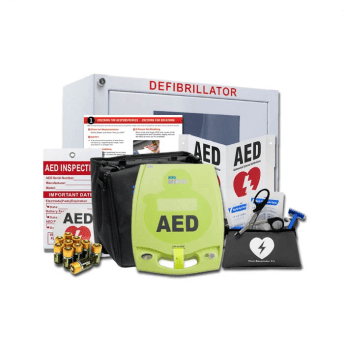
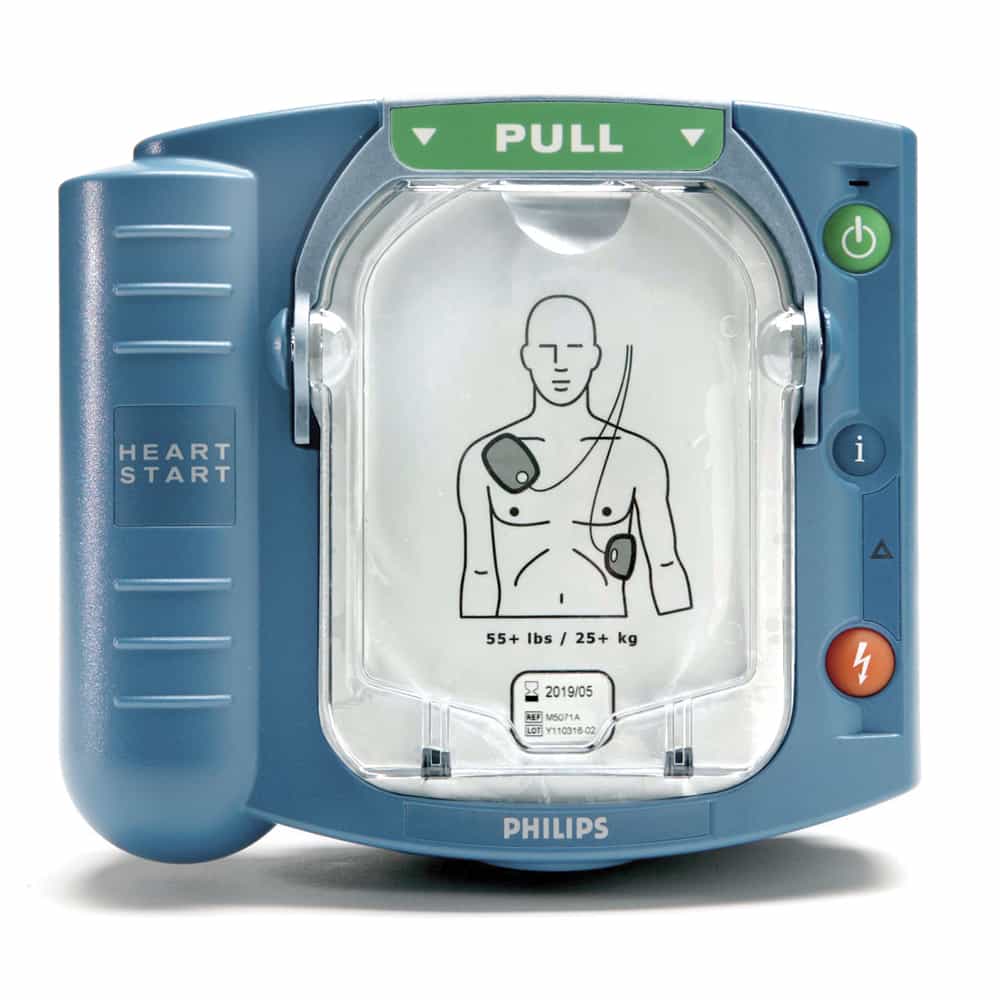
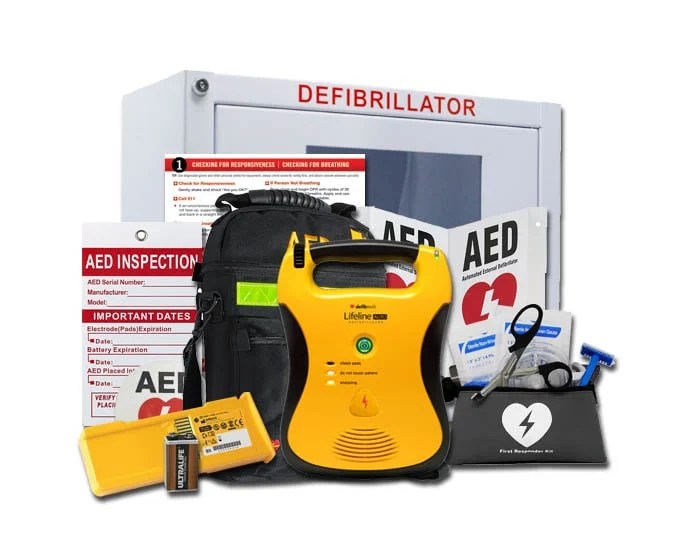
A common question we get is, “Will my AED fit in this cabinet?” It’s a great question to ask. While many cabinets are designed with a universal fit to accommodate most major AEDs for sale from brands like Philips, ZOLL, and Cardiac Science, it’s always smart to double-check. Before you buy, review the cabinet’s internal dimensions and compare them to your specific AED model. This simple step ensures a snug, secure fit and prevents any surprises when it’s time for installation.
Alarmed vs. Non-Alarmed Cabinets
Next, you’ll need to decide if you want an alarmed cabinet. An alarm serves two important purposes: it deters theft and tampering, and it alerts everyone nearby that an emergency is happening. When the cabinet door is opened, a loud alarm sounds, drawing immediate attention to the situation. This is ideal for public spaces like schools, airports, and fitness centers. For private settings with limited access, like a small office or a home, a non-alarmed cabinet can be a simpler, more cost-effective choice. Think about your location’s security and traffic to decide which is right for you.
Recessed vs. Surface-Mount Options
Finally, consider how the cabinet will be installed on the wall. Your main choices are surface-mounted or recessed. A surface-mounted cabinet is the easiest to install, as it attaches directly to the wall’s surface. This is a great option for solid brick or concrete walls. A recessed cabinet is installed into the wall, so it sits flush with the surface. This creates a sleeker look and saves space in narrow hallways, making it compliant with ADA guidelines. There are also semi-recessed options that offer a compromise between the two. Your choice will depend on your building’s construction and aesthetic preference.
Understanding AED Cabinet Costs
Shopping for an AED cabinet can feel a bit like buying a car. You see a wide range of prices and features, and it’s not always clear what you actually need. The good news is that there’s a solution for every budget and environment. By understanding what drives the cost, you can make a confident choice that protects your investment and keeps your AED ready for action. It’s all about finding the right balance between your specific needs and your budget, ensuring you get a cabinet that does its job without unnecessary bells and whistles.
What to Expect at Different Price Points
AED cabinet prices can range from around $150 to well over $300, so it’s helpful to know what you’re getting for your money. At the lower end, you’ll find basic, no-frills metal cabinets perfect for secure, low-traffic indoor spaces. As you move into the mid-range, typically around $200 to $250, you’ll see models with essential features like audible alarms. At the higher end, you’ll find specialized cabinets built for challenging environments. These often include weatherproofing for outdoor placement, heating elements for cold climates, and strobe lights for maximum visibility. This variety ensures you can find effective AED accessories that fit your budget while meeting your specific safety needs.
What Determines the Final Cost?
Several key features influence an AED cabinet’s price tag. The most common factor is an alarm. An alarmed cabinet deters theft and tampering, and more importantly, it alerts everyone nearby that an emergency is happening the moment the door is opened. Some alarms are simple buzzers, while others are paired with flashing strobe lights for extra visibility. Size also plays a role; larger cabinets that can hold extra supplies cost more than compact ones. Finally, the material and construction, especially for weatherproof or heated outdoor models, will impact the final cost.
How to Get the Best Value
Getting the best value isn’t about finding the cheapest option; it’s about making a smart investment. A quality cabinet is the best way to protect your AED from dust, damage, or misuse, ensuring it works when you need it most. It also makes the device highly visible and easy to locate, saving precious seconds during an emergency. Think of it as a safeguard for your entire preparedness setup, from the AED itself to the AED pads and battery inside. For organizations, a well-maintained and properly stored AED demonstrates a serious commitment to safety, which is invaluable for building trust with employees, customers, and community members.
How to Install Your AED Cabinet
Once you’ve chosen the perfect spot, it’s time to get your AED cabinet on the wall. Proper installation is about more than just looks; it ensures your device is secure, accessible, and ready for an emergency. While it might seem like a big task, breaking it down into a few key steps makes the process manageable. Whether you’re a seasoned DIYer or prefer to call in a professional, thinking through these considerations beforehand will guarantee a smooth installation. Let’s walk through what you need to know to mount your cabinet correctly and confidently.
Check for Proper Wall Support
Before you drill any holes, your first step is to make sure the wall can handle the load. An AED and its cabinet carry some weight, and the last thing you want is for it to come loose. You need to ensure the wall is strong enough to support the cabinet securely. If you’re mounting it on drywall, you’ll want to locate the wall studs and anchor the cabinet directly to them for the strongest possible hold. If a stud isn’t available in your ideal location, be sure to use heavy-duty drywall anchors designed to support the combined weight of your cabinet and the AED. This simple check prevents accidents and keeps your life-saving equipment safe.
Choose Between Surface or Recessed Mounting
Next, decide how you want the cabinet to sit on the wall. You have two main options: surface-mounted or recessed. A surface-mount cabinet is the simpler choice, as it attaches directly to the face of the wall. A recessed cabinet, on the other hand, is installed within the wall, creating a flush, streamlined look.
Your decision may depend on your location. To comply with the Americans with Disabilities Act (ADA), cabinets should not stick out more than four inches from the wall in hallways or walkways. A recessed cabinet is often the best solution for narrow corridors, while a surface-mount cabinet works well in more open areas.
Plan for Alarm and Power Needs
Many AED cabinets come with an audible alarm that sounds when the door is opened. This is a fantastic feature because it alerts everyone nearby that an emergency is in progress, drawing attention and potential help to the scene. Most of these alarms are battery-powered, so you won’t need to worry about wiring. Just make sure to check the batteries as part of your regular maintenance schedule. Some advanced or outdoor cabinets may have additional features like lights or heaters that do require a connection to a power source. Always review your cabinet’s specifications to see if you’ll need to plan for electrical work.
Decide Between Professional and DIY Installation
Finally, consider who will do the installation. If you’re comfortable with home projects and are installing a simple, battery-alarmed surface-mount cabinet, a DIY approach can work well. Just follow the manufacturer’s instructions carefully.
However, for recessed cabinets that require cutting into drywall or for any installation that needs electrical wiring, hiring a professional is your best bet. A professional ensures the cabinet is securely mounted, meets all compliance standards, and is perfectly installed. For organizations managing multiple devices, professional installation is often part of a comprehensive AED program management service, giving you complete peace of mind.
Common Mistakes to Avoid When Installing Your Cabinet
You’ve made the important decision to get an AED. Now, let’s make sure it’s installed perfectly so it’s ready when you need it most. Installing an AED cabinet seems straightforward, but a few common missteps can make your device less effective or even inaccessible in an emergency. By avoiding these simple mistakes, you can ensure your AED is protected, visible, and ready for action. Here’s what to watch out for.
Placing It Out of Sight or Reach
The most well-intentioned AED placement can fail if no one can find it. Tucking your cabinet away in a back office, a cluttered closet, or an unmarked hallway is a critical error. In a cardiac arrest emergency, every second is vital. You want your AED to be in a central, high-traffic location where it can be seen and grabbed immediately. Think of main hallways, reception areas, or near elevators. A highly visible location not only speeds up response time but also serves as a constant reminder that a life-saving device is available. It also helps deter theft, as the unit is in plain sight.
Forgetting About Security and Weather Protection
Your AED is a significant investment in safety, and its cabinet should act like a personal security guard. Choosing a cabinet without considering security or weather protection leaves your device vulnerable to theft, vandalism, and environmental damage. For indoor placements, especially in public areas, an alarmed cabinet is a smart choice to deter tampering. If you’re placing a unit outdoors, you’ll need a cabinet designed to shield it from rain, dust, and extreme temperatures. Also, be mindful of placement in busy corridors. A cabinet should not stick out more than four inches from the wall if its base is between 27 and 80 inches from the floor, ensuring it doesn’t become a hazard.
Ignoring Height and Compliance Rules
Where you mount your cabinet on the wall matters just as much as which wall you choose. Installing it too high or too low can make it difficult for some people to access during an emergency. To ensure anyone can be a rescuer, it’s important to follow accessibility guidelines, like those from the Americans with Disabilities Act (ADA). These standards help make sure a person in a wheelchair can reach and open the cabinet. Before you start drilling, also confirm the wall itself is strong enough to securely hold the weight of the cabinet and the AED. Proper installation ensures your AED packages are safe and accessible to everyone.
How to Maintain Your AED Cabinet
Once your AED cabinet is installed, the work isn’t quite done. Regular maintenance is essential to make sure your life-saving device is protected and ready to go when you need it most. A cabinet that’s dusty, broken, or has a dead alarm isn’t doing its job. Think of it like any other piece of safety equipment; it needs consistent attention to remain effective.
Creating a simple maintenance routine doesn’t have to be complicated. It’s about performing quick, regular checks to confirm everything is in working order. This includes visually inspecting the cabinet, testing its alarm, and keeping a log of your checks. These small steps provide peace of mind and ensure that your investment is always prepared to help in an emergency. A well-maintained cabinet guarantees that your AED is not only secure but also immediately accessible and visible, which can save precious seconds during a sudden cardiac arrest. By establishing a schedule, you can stay ahead of any potential issues, from a low battery in the alarm to physical damage that could compromise the AED inside.
Create a Cleaning and Inspection Schedule
Performing routine visual inspections of your AED and its cabinet is crucial for emergency readiness. Set a recurring reminder on your calendar, perhaps for the first of every month, to perform a quick check. During your inspection, wipe down the cabinet to keep it free of dust and debris that could make it difficult to open.
Confirm that the cabinet door opens and closes smoothly and that the AED is clearly visible. Most importantly, check the AED’s status indicator to ensure it shows the device is ready for use. This simple, two-minute check helps you spot any issues before they become problems during a real emergency.
Test Your Alarm System Regularly
If your cabinet is equipped with an alarm, you need to know it works. The alarm serves two key functions: it deters theft and alerts those nearby that the AED has been deployed for an emergency. A silent alarm defeats the purpose. Once a month, as part of your routine inspection, simply open the cabinet door to trigger the alarm. Let it sound for a few seconds before closing the door to silence it. This quick test confirms the batteries are working and the system is functional. This check is a core part of any complete AED maintenance program and ensures your setup provides the security and awareness you expect.
Keep Your Compliance Records Up to Date
Documenting your maintenance checks is more than just paperwork; it’s about accountability. Keeping a simple log demonstrates that your organization has taken reasonable steps to ensure your AED is ready to use. This record is important for both safety and legal reasons. Create a log sheet that you keep near the cabinet or a digital file where you can note the date of each inspection, the results of your visual check and alarm test, and the initials of the person who performed it. For organizations looking for a more hands-off approach, our AED Total Solution program can help manage maintenance and compliance for you.
Related Articles
- Safeguarding your AED with the right wall cabinet and accessories
- Choosing the right AED cabinet: a guide to security, accessibility, and compliance
- How AED cabinets enhance accessibility and security
Frequently Asked Questions
Do I really need a special cabinet for my AED? Think of it this way: in an emergency, you don’t want anyone searching for the AED. A cabinet gives your device a permanent, highly visible home, so everyone knows exactly where to find it. It also protects your AED from dust, moisture, and accidental bumps that could damage it. A cabinet turns your AED from a loose item into an official, protected piece of your building’s safety plan.
What’s the difference between a recessed and a surface-mounted cabinet? The main difference is how they attach to the wall. A surface-mounted cabinet is the most straightforward to install, as it hangs directly on the face of the wall. A recessed cabinet is installed into a cutout in the wall, so it sits flush with the surface. Recessed cabinets are great for narrow hallways because they save space and help meet ADA standards, while surface-mounted cabinets are a simpler choice for solid walls or more open areas.
Is an alarmed cabinet necessary, or is it just for preventing theft? While an alarm certainly helps deter tampering, its most important job is to act as a call for help. When the cabinet door is opened, the loud sound immediately alerts everyone in the area that a medical emergency is in progress. This can draw the attention of other potential helpers and clear a path for the person responding, which is incredibly valuable when time is critical.
How do I make sure the cabinet I buy will fit my AED? This is a great question, and it’s smart to confirm the fit before you buy. The easiest way is to check the internal dimensions listed in the cabinet’s product description and compare them to the dimensions of your specific AED model. While many cabinets are designed to accommodate most major AED brands, taking a moment to double-check the measurements will ensure a secure fit.
Can I install an AED cabinet myself? You absolutely can, depending on the type of cabinet and your comfort level with DIY projects. A standard, surface-mounted cabinet with a battery-powered alarm is usually a straightforward installation. However, if you choose a recessed cabinet that requires cutting into drywall or any model that needs to be wired for power, hiring a professional is the best way to ensure it’s installed safely and correctly.
Disclaimer for information purposes only:
The information provided on this website is intended for general educational and informational purposes only. It is not medical advice and should not be used as a substitute for professional diagnosis, treatment, or care. Always consult a qualified healthcare or medical professional regarding any health-related questions or concerns.
While we strive to ensure the information shared is accurate and up to date, no guarantees are made regarding completeness, accuracy, or applicability to any individual situation. Use of this content is at the reader’s sole discretion and risk.
This website is part of the Response Ready family of emergency preparedness and training resources, including CPR & first aid training and compliance services, AED sales and program support, AED program management software, and medical oversight solutions provided through our affiliated platforms:
• CPR1.com
• AEDLeader.com
• AEDTotalSolution.com
• MDSIMedical.com
By accessing or using this website, you agree to release, indemnify, and hold harmless the website owners, authors, contributors, and affiliated entities from any claims, losses, damages, or liabilities arising from the use or reliance on the information presented.