- Published
- June 16, 2026
AED Registration: How to Do It & Why It Matters

When someone suffers a sudden cardiac arrest, their chance of survival decreases with every passing minute. While paramedics are on the way, the most critical factor is immediate intervention with CPR and an AED. But what if the nearest AED is locked in an office or stored in a home, unknown to those who need it? This is the problem that AED registration solves. By adding your device to a local or national registry, you make its location visible to 911 dispatchers. This simple step ensures that if an emergency strikes in your vicinity, your device can be located and deployed, potentially turning a tragic event into a story of survival.
Key Takeaways
- Put your AED on the 911 map: Registration makes your device visible to emergency dispatchers, allowing them to direct a nearby person to its location during a cardiac arrest. This simple step transforms your AED from a private tool into a public, life-saving asset.
- Understand the straightforward registration process: You only need your AED’s model, serial number, and its specific location. Once you find the correct local or national registry, submitting the information is quick and easy; just remember to keep your details current if anything changes.
- Complete your preparedness with training and maintenance: A registered AED is only useful if it’s functional and you feel confident using it. Commit to regular device inspections, replace pads and batteries before they expire, and get CPR and AED certified to ensure you’re truly ready to save a life.
What is AED Registration and Why Is It So Important?
Owning an automated external defibrillator (AED) is a powerful step toward protecting your family, colleagues, or community. But there’s one more crucial step that ensures your device can be found when it’s needed most: registration. Think of it as putting your AED on a digital map for 911 dispatchers and nearby citizen responders. When someone suffers a sudden cardiac arrest, every second is critical. An unregistered AED is an invisible one, and as the North East Ambulance Service notes, many defibrillators are never used simply because emergency services can’t locate them in time.
Registering your device connects it to your local emergency response network, transforming it from a private safety tool into a public, life-saving asset. It’s a simple, free process that can dramatically improve the odds of survival for someone in your community. By taking a few minutes to register, you ensure your investment is ready to make a difference when it matters most.
How AEDs Help Save Lives
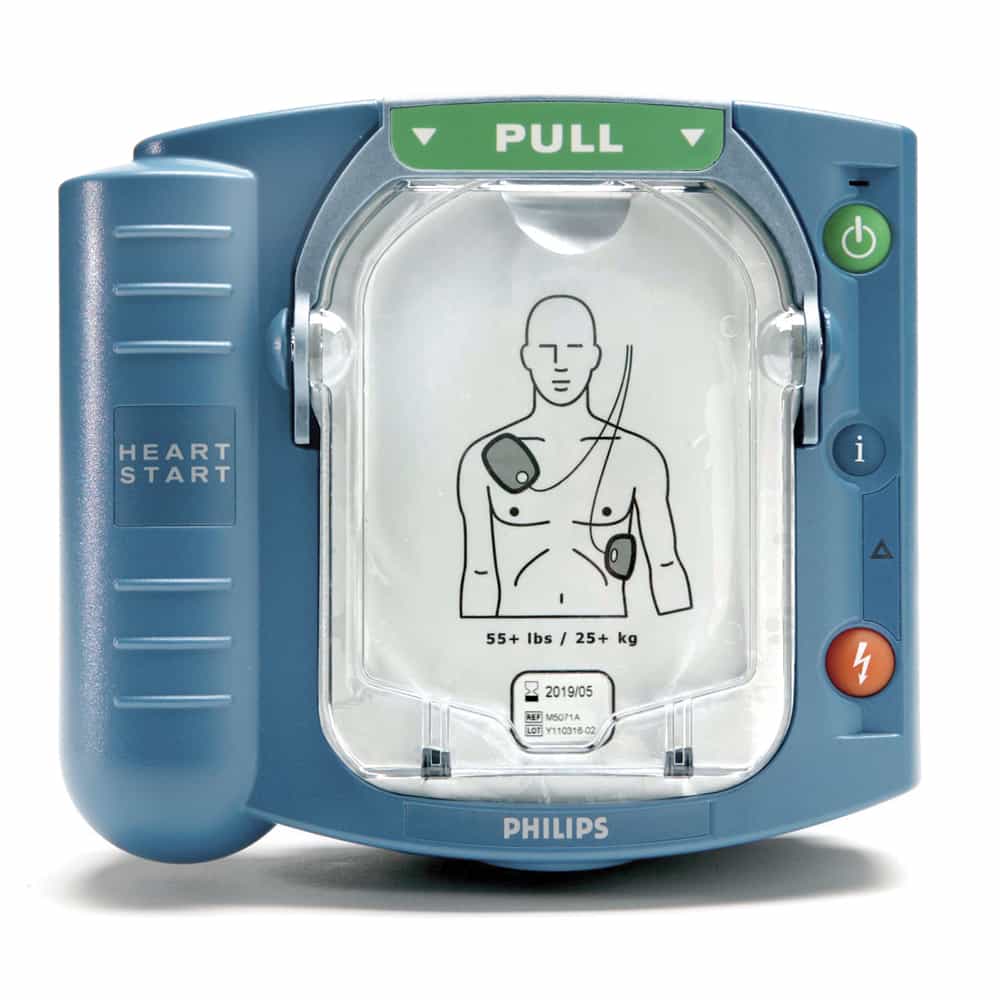
An Automated External Defibrillator, or AED, is a lightweight, portable device designed to help someone experiencing sudden cardiac arrest. It’s incredibly user-friendly, even for people without medical training. The device analyzes the person’s heart rhythm and, if it detects a problem that can be corrected with a shock, it delivers a controlled electrical pulse. This shock can restore a normal heartbeat. Having accessible AEDs for sale in public places and homes means that immediate, life-saving care can begin long before professional help arrives, which is often the key to survival.
Connecting Your Device to First Responders
Here’s where registration really shines. When you register your AED, its location is added to a database used by 911 dispatchers. If a cardiac emergency is reported near your device, the dispatcher can see it on their map. They can then direct the caller or another bystander to retrieve and use your AED while paramedics are on the way. As Shared Health points out, this direct link to 911 can be the difference between life and death. Your registered AED becomes an extension of the official emergency response system, empowering anyone nearby to become an immediate responder.
The Key Benefits of Registering Your AED
The primary goal of registration is to make your AED findable during an emergency. National registries and apps like PulsePoint create a public map of devices, so anyone with the app can locate your AED. But the benefits don’t stop there. Many registries also provide helpful tools to manage your device. You can receive automated email reminders when your AED pads or batteries are about to expire, helping you keep your equipment ready at all times. This simple step ensures your device is not only visible to your community but also properly maintained and ready to save a life.
Are You Legally Required to Register Your AED?
Once you have an AED, you might wonder if there are any legal hoops to jump through. The short answer is: it depends. While there isn’t a single, nationwide law that covers every situation, many states and even local governments have rules about AED ownership. These regulations aren’t meant to be a burden; they’re designed to create a network of life-saving devices that can be located and used quickly in an emergency.
Think of it this way: registering your AED puts it on the map for 911 dispatchers and first responders. If someone nearby suffers a sudden cardiac arrest, the dispatcher can see your device’s location and direct a bystander to it while medical help is on the way. This simple act of registration transforms your device from a standalone tool into an integrated part of your community’s emergency response system. It closes the gap between the emergency call and the arrival of professional help, empowering everyday people to become immediate responders. By following local requirements, you’re not just complying with the law; you’re making your community a safer place and ensuring your device can make the biggest possible impact when seconds count.
Understanding State-by-state requirements. For a full breakdown of which businesses are required to have AEDs by state, see our comprehensive guide
AED laws can differ significantly from one place to another. Some states have detailed requirements for where AEDs must be placed in public buildings, while others have broader guidelines. For example, certain cities require you to register your AED with local emergency services, which helps them maintain a complete map of available devices. These laws also often include Good Samaritan protections, which shield individuals who use an AED in good faith from liability.
Because the rules vary, it’s important to check the specific requirements for your state, county, and city. A great starting point is your local health department or emergency medical services (EMS) agency. They can provide clear information on what you need to do to comply. Taking a few minutes to understand these local rules ensures you’re prepared and protected.
Federal Guidelines to Know
While most registration laws are local, the practice is supported by a national goal: strengthening the chain of survival for cardiac arrest victims. The Food and Drug Administration (FDA) regulates the sale and manufacturing of AEDs for sale, but the real magic of registration happens at the community level. When you register your device, you’re plugging it into the 911 emergency response system.
This connection is critical. Registering your AED directly helps 911 dispatchers guide a caller to the nearest device, which can be the difference between life and death. It transforms a private piece of equipment into a public-access resource. This simple step ensures that when someone calls for help, your AED is part of the solution that first responders can rely on, potentially saving precious minutes before an ambulance arrives.
Staying on Top of Deadlines and Renewals
Registering your AED isn’t always a one-time task. Many jurisdictions have rules about keeping your information current. For instance, you might be required to register a new device within 30 days of purchase or report any changes, like a new location, within 15 days. This ensures the information in the 911 system is always accurate and reliable.
Think of your registration as a living document. If you move the AED to a different floor, or if you replace essential AED accessories like pads or batteries, you should update your registry information. Staying on top of these details is a key part of responsible ownership. It guarantees that if an emergency strikes, responders have the correct information to find and use your device effectively.
How to Register Your AED: A Step-by-Step Guide
Registering your AED is one of the most important steps you can take after purchasing one. It’s a simple process that connects your life-saving device to the local 911 system, ensuring that dispatchers know its location and can direct responders to it during an emergency. Think of it as putting your AED on the map for those who need it most. Here’s how to get it done.
Gather Your Device and Location Information
Before you start, let’s get all your information in one place. You’ll need the specifics of your device, including its make, model, and serial number. You can usually find this information on the back or bottom of the AED itself. If you just purchased a new device, this will also be on the box or in the user manual. Next, pinpoint the exact location where the AED will be stored. Be as specific as possible, for example, “on the wall next to the main office entrance” or “inside the gym, by the water fountain.” This level of detail helps first responders find it without wasting a single second.
Choose the Right Registration Platform
Now it’s time to find the right place to register your device. Many communities use national databases like the National AED Registry, which syncs with 911 dispatch centers across the country. Some areas, however, have their own local or state-level registries that they prefer you use. The best way to find out what’s used in your area is to check the website of your local EMS agency or public health department. They can point you to the correct platform and provide any specific instructions for your community. This ensures your AED is visible to the dispatchers who will be answering emergency calls in your neighborhood.
Complete and Submit the Registration Form
Once you’ve identified the correct registry, the rest is pretty straightforward. You’ll typically need to create an account and then fill out a form with the device and location details you gathered earlier. Take your time and double-check that all the information, especially the address and your contact details, is accurate before you hit submit. Most public registries are free to use. Completing this step officially places your AED on the community’s emergency response map, making it a valuable resource for anyone experiencing a sudden cardiac arrest nearby.
Keep Your Information Up to Date
Registration isn’t just a one-time task. It’s important to keep your information current. If you move the AED to a new location, replace the device, or take it out of service, you must update the registry immediately. You should also log in periodically to confirm that your contact information is still correct. A good habit is to check your registration details every time you inspect your device or replace your AED pads and batteries. Keeping your registration accurate is a key part of responsible AED ownership and ensures your device is always ready to be located in an emergency.
Beyond Registration: Training and Maintenance Essentials
Registering your AED is a huge step toward creating a safer environment, but it’s not the final one. Think of it like buying a car. You wouldn’t just park it in the garage and assume it’s ready to go whenever you need it. You learn how to drive it, and you keep up with oil changes and tire rotations. The same principle applies to your AED. True preparedness goes beyond the initial setup. It involves knowing how to use the device confidently and ensuring it’s always ready to perform when a life is on the line. This ongoing commitment is what transforms a piece of equipment into a reliable life-saving program.
This is where training and routine maintenance come in. Having a fully charged, functional AED is essential, but so is the confidence to act without hesitation during a cardiac arrest emergency. Regular inspections and timely replacement of key AED accessories are non-negotiable parts of owning an AED. These simple, proactive steps ensure your device will work as expected and that you and your team have the skills to make a difference. By integrating these practices into your routine, you build a culture of readiness that protects your family, employees, or community members. Let’s walk through what you need to know to keep your AED program strong.
Why CPR and AED Certification Matters
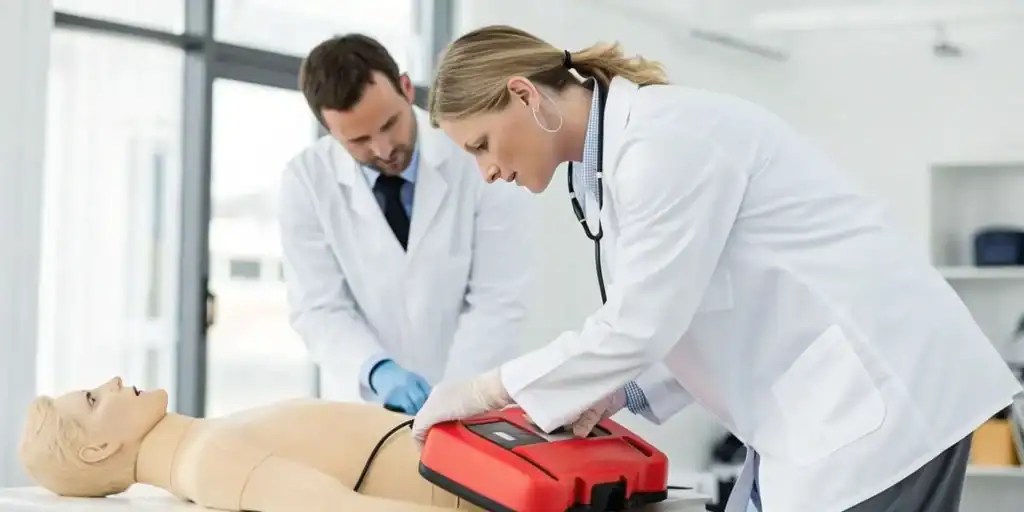
While modern AEDs are designed to be used by anyone, formal training gives you the confidence to act decisively in a high-stress situation. Getting a CPR & AED certification teaches you how to recognize the signs of sudden cardiac arrest, when to call for help, and how to use the device effectively. It’s also important to remember that CPR and AEDs work together. Performing high-quality chest compressions helps circulate oxygenated blood to the brain and heart, which makes the shock from an AED more likely to be effective. Training removes the guesswork and empowers you to be a true lifesaver when every second counts.
Your Guide to Regular AED Inspections
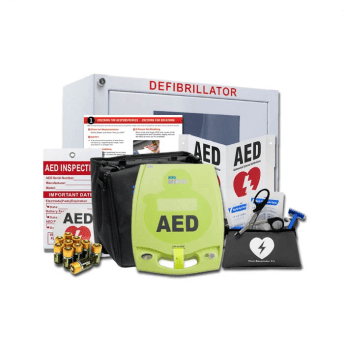
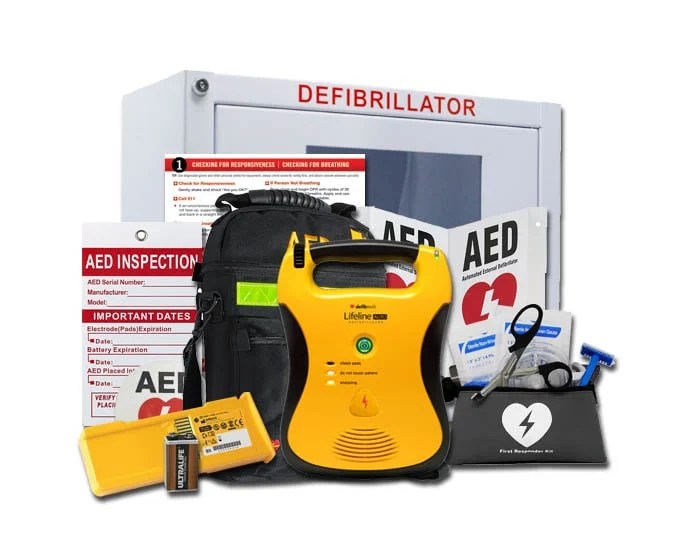
An AED can only save a life if it’s in proper working order. That’s why regular inspections are so important. Most manufacturers recommend checking your device on a monthly basis, and it only takes a few minutes. First, look for the readiness indicator. It’s usually a small light or symbol that should be green, signaling that the device has passed its internal self-tests and is ready for use. Next, confirm that the electrode pads and a rescue kit are stored with the device and that nothing is blocking access to the cabinet. Keeping a simple inspection log helps you stay on track and ensures your AED is always prepared. For a comprehensive walkthrough, download our AED maintenance checklist.
When to Replace Pads and Batteries
The two most critical components of your AED are its battery and electrode pads, and both have expiration dates. The gel on AED pads can dry out over time, preventing them from sticking to the body and delivering an effective shock. Similarly, AED batteries lose their charge over several years, even if the device is never used. It’s crucial to track these expiration dates, which are printed clearly on the packaging. We recommend setting a calendar reminder a few months before they expire so you have plenty of time to order and install replacements. Keeping your supplies current is a simple but vital part of maintaining a life-saving device.
Where to Find Support and Resources
Getting your AED registered and keeping it ready for an emergency is a big responsibility, but you don’t have to figure it all out on your own. Plenty of organizations and tools are available to guide you through the process, from initial setup to ongoing maintenance. Think of these resources as your support system, helping ensure your device is always prepared to save a life. Whether you need help with local compliance, hands-on training, or technical support, there’s a resource ready to assist you.
Local Emergency Services and Health Departments
Your local emergency services are your most important connection. When you register your AED with them, you’re putting your device on the map for 911 dispatchers. If a cardiac arrest happens nearby, the dispatcher can see your AED’s location and direct a bystander to retrieve it while paramedics are on the way. Many states require you to notify local emergency services about the type and location of your device. The best first step is to contact your city or county’s public health department, EMS agency, or fire department. They can provide specific instructions for your area and get your device into their system, making it an active part of your community’s emergency response network.
Professional Training Organizations
Having an AED is the first step, but knowing how to use it confidently is just as crucial. Professional training gives you and your team the skills to act decisively during an emergency. It’s very important to get training on how to use an AED and perform CPR, since high-quality CPR can make the AED even more effective. National organizations like the American Heart Association and the American Red Cross offer certified courses across the country. We also provide certified CPR & AED training to equip you with the hands-on practice you need to respond with confidence when it matters most.
Manufacturer Support Programs
Every AED comes with specific instructions for upkeep, and the manufacturer is your go-to source for that information. Your device must be kept in good working order and tested regularly according to the maker’s guidelines. Your user manual is a great starting point, outlining everything from self-test schedules to the expected lifespan of your pads and batteries. If you have questions, the manufacturer’s customer support team can provide direct assistance for your model. At Response Ready, we partner with all FDA-approved AED manufacturers, so you can be sure you’re getting a reliable device backed by excellent support.
Online Tools and Mobile Apps
Technology has made managing and locating AEDs easier than ever. Several online platforms and mobile apps are designed to build a national database of publicly accessible AEDs. For example, the National AED Registry is a free service that helps you register and manage your device, adding it to a map that helps first responders and citizen rescuers find it quickly. Similarly, the PulsePoint Respond mobile app can alert CPR-trained citizens to a nearby cardiac arrest and show them the location of the closest registered AED. By adding your device to these registries, you extend its life-saving potential far beyond your own walls and into the wider community.
Related Articles
- The AED Acronym: What It Means for Saving a Life
- What Is an AED? How AED Work— Response Ready
- AED Laws & Requirements Across The United States — Response Ready
- AED regulations in the US and what you need to know
Frequently Asked Questions
What’s the main benefit of registering my AED? The biggest benefit is making your AED findable. When you register your device, its location is added to a database that 911 dispatchers can see. If a cardiac emergency happens nearby, the dispatcher can direct the caller or a bystander to your AED, potentially saving precious minutes before paramedics arrive. It transforms your device from a private safety tool into a public, life-saving asset for your community.
Is it difficult or expensive to register an AED? Not at all. The process is designed to be quick and simple, and most public registries are completely free to use. You will just need to gather some basic information beforehand, like the device’s make, model, serial number, and its exact location. The entire online registration process typically takes only a few minutes to complete.
Do I have to register my AED, or is it just a suggestion? Whether registration is legally required depends entirely on your state and local laws. Some areas mandate it for AEDs in public spaces, while others do not. However, even if it isn’t required by law, registering is strongly recommended. It’s the best way to ensure your device can be located and used during an emergency, which is the ultimate goal of owning one.
How do I know which registry to use for my area? The best way to find the correct registry is to contact your local emergency medical services (EMS) agency, fire department, or public health department. They can direct you to the specific platform that syncs with your local 911 dispatch center. This simple step ensures your information gets into the right hands and is visible to the people answering emergency calls in your neighborhood.
What happens after I register? Is there anything else I need to do? Registration is a critical first step, but responsible ownership is an ongoing commitment. You should update the registry anytime the AED’s location changes. It’s also essential to perform regular inspections to make sure the device is ready and to replace the electrode pads and batteries before they expire. This combination of registration and maintenance ensures your AED is always prepared to save a life.
Disclaimer for information purposes only:
The information provided on this website is intended for general educational and informational purposes only. It is not medical advice and should not be used as a substitute for professional diagnosis, treatment, or care. Always consult a qualified healthcare or medical professional regarding any health-related questions or concerns.
While we strive to ensure the information shared is accurate and up to date, no guarantees are made regarding completeness, accuracy, or applicability to any individual situation. Use of this content is at the reader’s sole discretion and risk.
This website is part of the Response Ready family of emergency preparedness and training resources, including CPR & first aid training and compliance services, AED sales and program support, AED program management software, and medical oversight solutions provided through our affiliated platforms:
• CPR1.com
• AEDLeader.com
• AEDTotalSolution.com
• MDSIMedical.com
By accessing or using this website, you agree to release, indemnify, and hold harmless the website owners, authors, contributors, and affiliated entities from any claims, losses, damages, or liabilities arising from the use or reliance on the information presented.