If you spend any time online, you’ve probably seen the videos. A moment of panic, a child or adult choking, and then a small, simple-looking tool comes to the rescue. These clips make a powerful case for the choking rescue device, presenting it as an essential piece of safety equipment for every home. But behind the dramatic saves and viral marketing, there are important questions to ask. Are these devices approved by medical authorities? What do organizations like the American Red Cross say about them? This guide will look past the hype to give you a clear, balanced view of how these tools work, their official safety status, and their proper place in an emergency plan.
Key Takeaways
- Know the Official Status: Over-the-counter choking rescue devices are not FDA-approved, meaning their safety and effectiveness have not been formally verified through a rigorous review process.
- Use Proven Methods First: These devices are designed as a last resort. Your immediate response in a choking emergency should always be established techniques like back blows and abdominal thrusts, which are highly effective and require no equipment.
- Prioritize Training Over Tools: The most reliable asset in an emergency is knowledge. Getting certified in CPR and first aid gives you the skills and confidence to act decisively, which is more valuable than any single gadget.
Get certified in CPR
Adult & Pediatric First Aid/CPR/AED — Blended Learning
Self-paced online + in-person skills check. 2-year certification.
CPR, AED & First Aid Certification
Instructor-led on-site. Practice on real manikins and AED trainers.
What Is a Choking Rescue Device?
A choking rescue device is a portable tool designed to help clear a blocked airway during a choking emergency. You’ve probably seen them advertised online or on social media, often presented as a simple, must-have safety item for every home, especially those with young children or elderly adults. These devices are marketed as user-friendly alternatives for relieving an airway obstruction when standard first aid protocols like back blows or abdominal thrusts (the Heimlich maneuver) aren’t working or can’t be performed.
The core idea behind them is to provide a non-invasive way to remove a blockage from someone’s throat. They are typically small, lightweight, and require no special training to use, which is a major part of their appeal. While they are becoming more common in public spaces and homes, it’s important to understand how they function and what their official status is within the medical community before deciding if one is right for your emergency kit.
How Do They Work?
Anti-choking devices all operate on a simple, powerful principle: suction. They are designed to create a strong negative pressure at the back of the throat to pull out whatever food or object is causing the obstruction. When you place the device over the person’s mouth and nose to create a seal, you then push down on a plunger or handle. This action forces the air out through a one-way valve, preventing you from pushing the object further down.
When you pull back up on the plunger, it generates a vacuum inside the mask. This suction is what dislodges the blockage, pulling it up and out of the airway. The process is often described in three simple steps: place, push, and pull. This straightforward design ensures that almost anyone, regardless of their medical background, can use the device during a high-stress emergency.
What Types Are Available?
If you start looking for a choking rescue device, you’ll quickly find a few different brands on the market. The two most popular and widely recognized are LifeVac and Dechoker. Both are portable, hand-operated devices that rely on suction, though their specific designs differ slightly. They are sold over-the-counter and are available online and in some retail stores.
However, it is critical to know that the U.S. Food and Drug Administration (FDA) has not approved any of these over-the-counter devices. This means their safety and effectiveness have not been formally established through the FDA’s standard, rigorous review process for medical devices. This lack of FDA approval is a key reason why many health organizations and CPR instructors recommend caution and emphasize learning traditional, proven first aid techniques first.
Are Choking Rescue Devices FDA-Approved?
This is one of the most important questions to ask before buying a choking rescue device, and the answer isn’t a straightforward “yes.” While some manufacturers state their products are “FDA registered,” this is different from being “FDA-approved.” Registration simply means the company has notified the FDA that their device exists. Approval, on the other hand, is a much more rigorous process where the FDA reviews a product to confirm its safety and effectiveness.
To date, the U.S. Food and Drug Administration (FDA) has not approved any over-the-counter anti-choking devices for sale. The agency has actually taken steps to address the marketing of unauthorized devices, expressing concern that people might use them instead of proven, immediate actions like back blows and abdominal thrusts. The core issue is time. In a choking emergency, every second counts, and fumbling for a device could delay life-saving care. This is why the FDA and other major health organizations consistently point people back to established, hands-on rescue protocols first. Understanding their official position and the reasoning behind it is key to making an informed decision for your family’s safety.
The FDA’s Official Position
The FDA’s stance is clear: it has not approved any anti-choking devices for over-the-counter sale. The agency actively encourages the public to follow established choking rescue protocols first, as these methods have a high success rate and don’t require any equipment. In a safety communication, the FDA warned that using an unauthorized device before trying standard techniques could delay critical, life-saving action.
Because of misleading marketing claims, the FDA has even issued Warning Letters to some manufacturers and created an import alert to stop unauthorized devices from entering the country. Their primary message is that you shouldn’t let the presence of a device distract from the immediate, hands-on interventions that are proven to save lives.
Why Health Organizations Urge Caution
It’s not just the FDA that advises caution. Leading health organizations, including the American Red Cross and the American Heart Association, do not include anti-choking suction devices in their official choking rescue guidelines. Their reasoning is simple: there isn’t enough clinical evidence to validate the safety and effectiveness of these devices compared to traditional methods.
The Red Cross has stated that since these devices haven’t been validated by evidence, they don’t provide training on how to use them. Instead, they focus on teaching proven choking rescue techniques that can be performed immediately by anyone, anywhere. The consensus among these trusted organizations is to stick with what has been proven to work: back blows and abdominal thrusts (the Heimlich maneuver).
A Look at Popular Choking Rescue Devices
When you start looking into anti-choking devices, you’ll quickly notice a few names that come up again and again. These brands have become popular choices for homes, schools, and businesses looking to add another layer of safety to their emergency plans. While they all aim to do the same thing, their designs and instructions can differ slightly.
Getting familiar with the most common options can help you understand what’s available. Let’s go over the two leading devices, LifeVac and Dechoker, as well as the broader market of similar products you might encounter online. Understanding how each one works is the first step in figuring out if one of these tools is right for your preparedness kit.
LifeVac
LifeVac is a suction device designed to be used during a choking emergency when standard protocols have not worked. It’s built for simplicity, with the goal that anyone, even without medical training, can use it effectively. The process involves placing a mask over the person’s nose and mouth to create a seal, pushing down on a plunger to compress the air, and then pulling up sharply. This action is intended to generate a powerful, one-way suction that dislodges the airway obstruction. Its straightforward, three-step design is one of its main selling points for home use.
Dechoker
The Dechoker is another well-known airway-clearing device that uses suction to remove obstructions. It can be used on individuals aged 12 months and older, with different sizes available for toddlers, children, and adults. The device looks a bit like a large syringe with a face mask on the end. To use it, you place the mask over the mouth and nose and insert a tube into the mouth, resting it on the tongue. Pulling back on the plunger creates suction to remove the blockage. The company emphasizes the importance of watching its training videos to ensure you know how to use the device correctly before an emergency happens.
Other Brands on the Market
Beyond the two biggest names, a quick search online reveals a flood of other anti-choking devices. Marketplaces like Amazon list hundreds of similar-looking products, often at a lower price point. While many of these devices operate on the same suction principle, their quality and manufacturing standards can vary widely. It’s important to know that the FDA has not approved any over-the-counter suction-based choking rescue devices. This means their safety and effectiveness have not been officially validated, which is a critical factor to consider as you evaluate your options.
LifeVac vs. Dechoker: A Comparison
When you start looking into choking rescue devices, LifeVac and Dechoker are the two names you’ll see most often. Both are designed as portable, non-invasive airway clearance devices (ACDs) that use suction to remove an obstruction. While they share the same goal, their designs and specific features have some key differences. Understanding these distinctions can help you figure out which device, if any, feels like the right fit for your emergency preparedness kit.
Let’s break down how they stack up against each other in terms of design, usability, and cost.
Design and How They Work
The main difference between LifeVac and Dechoker lies in their mechanics. The LifeVac is a plunger-style device. You place the mask over the person’s nose and mouth, push down on the handle to compress the unit, and then pull up sharply. This action creates a powerful, one-way suction to dislodge the object. Its patented design is meant to prevent air from pushing the obstruction deeper into the airway.
The Dechoker looks and functions more like a large syringe. After placing the mask over the face, you pull back on a plunger. This creates the suction needed to clear the airway. It also includes a small tube that goes into the mouth, resting on top of the tongue, which is intended to keep the airway open during the process. Both are marketed as effective antichoking suction devices for relieving an obstruction when other methods fail.
Ease of Use and Age Limits
Both devices are designed to be used by anyone, without needing special medical training. The LifeVac Home Kit typically comes with an adult mask, a child mask, and a practice mask, making it adaptable for different family members. The manufacturer advises using the pediatric mask for children who weigh at least 22 pounds. However, it’s important to note that there have been reports of it being used successfully on infants below that weight.
The Dechoker is sold in specific sizes: Toddler (ages 1-3), Child (ages 3-12), and Adult (ages 12 and up). This means you would need to purchase the correct size for the intended user, or buy multiple devices to cover your whole family. The key to using either device effectively is getting a tight seal with the mask, which can be a challenge in a high-stress emergency.
Cost Breakdown
The price for these devices can vary, but they generally fall within a similar range. A standard LifeVac Home Kit, which includes multiple mask sizes, typically costs between $70 and $90. You might find it for less during a sale, but be cautious of deals that seem too good to be true, as counterfeit products are a concern.
The Dechoker is often priced similarly, usually between $50 and $80 per device. Since Dechokers are sold in specific sizes, you may need to purchase more than one to cover different age groups in your household, which could increase the total cost. Both devices are designed for single-use in a real emergency to avoid cross-contamination, though you can use them for practice.
What Are the Safety Concerns and Complaints?
While the idea of a simple device that can save a life is appealing, it’s important to look at the full picture. Several health organizations and regulatory bodies have raised valid concerns about over-the-counter anti-choking devices. These issues range from questions about their actual effectiveness to the potential for causing harm, especially when used by someone without training. Understanding these complaints is a key part of making an informed decision for your family or organization’s safety plan.
Before adding one of these devices to your emergency kit, let’s walk through the main safety concerns so you have a clear and balanced view.
Questions About Effectiveness
A major point of concern is that these devices lack official approval from key health authorities. The U.S. Food and Drug Administration (FDA) has not approved any over-the-counter anti-choking devices for sale. The FDA encourages the public to first follow established choking rescue protocols, like the Heimlich maneuver and back blows. These methods are proven to be highly effective and can be performed immediately without wasting precious seconds searching for a device.
Leading health organizations, including the American Red Cross and the American Heart Association, do not include anti-choking devices in their official guidelines. The Red Cross has stated that because these devices haven’t been validated by evidence, they don’t provide training on how to use them.
Potential for Physical Harm
Beyond questions of effectiveness, there are concerns about the potential for these devices to cause injury. The FDA has noted that it is aware of reports describing problems with their use. When used improperly, suction devices could potentially damage the mouth or throat or push the obstruction further down the airway, making the situation worse.
This is why proper training is so critical for any emergency response. While these devices are marketed as easy to use, panic can make any task difficult. Without hands-on practice, a user might not achieve the proper seal needed for suction or could apply force incorrectly. This is a key reason why CPR and first aid certification focuses on proven, manual techniques that don’t rely on equipment.
Common Misconceptions
One of the most significant misconceptions is that these devices are FDA-approved medical equipment. They are not. The FDA has taken action against companies for marketing their devices without proper authorization. This distinction is important because FDA approval involves a rigorous review of a product’s safety and effectiveness, a process these devices have not completed.
Another common misunderstanding is that these devices are a replacement for learning first aid. They are intended as a last resort, to be used only after traditional methods have failed. Relying solely on a device without knowing how to perform back blows or abdominal thrusts could lead to a dangerous delay in care. Emergency preparedness is about building confidence through knowledge, not just owning a tool.

RECOMMENDED
HeartSine Samaritan 350P AED Package
Compact, fully-automatic AED designed for first-time responders. Pads, battery, carry case and wall sign included.
What to Look for in a Choking Rescue Device
If you’ve weighed the pros and cons and decided a choking rescue device is a good addition to your emergency plan, the next step is choosing the right one. Not all devices are created equal, and a few key features can make a significant difference in a high-stress situation. When you’re comparing options, focus on the core mechanics, proper fit, and practical design to ensure the tool you choose is reliable when you need it most. Thinking through these details beforehand is a key part of being prepared for any emergency.
Quality of the Suction Mechanism
The entire purpose of an anti-choking device is to create a powerful vacuum to dislodge an obstruction. Because of this, the quality of the suction mechanism is the most important feature to consider. A well-designed device will form a perfect seal around the mouth, preventing air from leaking in and weakening the suction force. Look for sturdy materials and a simple, effective plunger or pump system. The effectiveness of these devices depends almost entirely on the design and strength of the suction they can generate. A weak or poorly constructed mechanism simply won’t be able to clear a blocked airway, making it useless in an emergency.
Correct Sizing for Age and Weight
A choking rescue device is only effective if it fits the person you’re trying to help. A mask that is too large or too small will fail to create the airtight seal needed for suction. This makes correct sizing absolutely critical. Most brands offer different mask sizes for adults, children, and sometimes infants. Always check the manufacturer’s guidelines for age and weight recommendations before you buy. For example, some pediatric masks are designed for children over a certain weight. Having the right size on hand is a crucial part of being prepared, just like having different-sized bandages in your first aid kit.
Portability and Easy Storage
A choking emergency can happen anywhere, so a device that is portable and easy to store is essential. The best device is the one you have with you when you need it. Look for a compact, lightweight design that you can easily keep in your kitchen, car, or diaper bag. It should also be intuitive and simple to assemble in seconds. In a panic, you won’t have time to read a complex instruction manual. A user-friendly design ensures that anyone, regardless of medical training, can use it effectively. This accessibility is a key part of building a confident and capable emergency response plan for your home and family.
Should You Buy a Choking Rescue Device?
With their growing popularity on social media, you’ve probably seen videos of choking rescue devices in action. These gadgets are designed to be a last resort when someone is choking and traditional methods aren’t working. They are marketed as simple, portable, and easy-to-use tools that can be a lifesaver in a terrifying situation. But the decision to add one to your emergency kit isn’t as straightforward as it might seem.
While the idea of having a backup tool is appealing, it’s important to understand what these devices are, how they work, and what major health organizations have to say about them. Before you make a purchase, let’s look at who might find them useful, the potential downsides, and the proven, hands-on techniques that should always be your first line of defense in a choking emergency. Making an informed choice means weighing the marketing claims against the guidance of medical experts.
Who Might Benefit From One?
Choking rescue devices are often presented as a user-friendly tool for anyone to have on hand. They are designed to be used when someone can’t perform traditional back blows or abdominal thrusts effectively. This might include individuals who are alone, people with physical limitations, or caregivers for those with a higher risk of choking, such as individuals with swallowing disorders (dysphagia) or certain neurological conditions. The appeal lies in their portability and the idea that they offer a simple, mechanical solution when panic sets in. For these specific situations, some people see these devices as an extra layer of preparedness, providing a potential option if all else fails.
Weighing the Pros and Cons
The main appeal of a choking rescue device is that it offers a potential solution in a worst-case scenario. However, it’s critical to know that the FDA has not approved any of these devices for over-the-counter sale. Health organizations like the American Red Cross and American Heart Association don’t include them in their official guidelines. The biggest concern is that reaching for a device could delay the use of proven life-saving techniques. In a choking emergency, every second is critical. Fumbling with a device instead of immediately starting back blows or the Heimlich maneuver could waste precious time and lead to a worse outcome. The potential benefit must be weighed against this very real risk of delay.
Proven Alternatives for Choking Emergencies
Before considering any device, your first and most important step is to learn the established choking rescue protocols. These techniques, like the Heimlich maneuver for adults and children and a combination of back blows and chest thrusts for infants, are recommended by medical experts worldwide because they are highly effective and can be performed immediately without any equipment. These methods have a long history of success and are the foundation of any CPR and first aid training. Knowing how to perform these actions confidently is the most reliable way to handle a choking emergency. A device should never replace this fundamental knowledge; it should only be considered as a potential supplement after proven methods have been attempted.
The Importance of Proper Emergency Training
When someone is choking, every second feels like an eternity. It’s natural to want a quick fix, and in that moment of panic, a special device can seem like the perfect answer. But the most reliable tool you have is, and always will be, knowledge. While a choking rescue device might have a place, it’s no substitute for proper training. Knowing how to respond confidently and correctly is what truly makes a difference.
Emergency response isn’t just about having the right gear; it’s about having the right skills. Organizations like the American Red Cross and the American Heart Association have spent decades refining protocols for choking emergencies because they are proven to work. These techniques are your first, best line of defense. Learning them gives you the ability to act immediately, without fumbling for a device or losing precious time. True preparedness comes from building the skills and muscle memory to handle a crisis. Getting certified isn’t just about learning steps; it’s about building the confidence to take control of a scary situation. This training empowers you to assess the scene, perform the right actions in the right order, and communicate effectively with emergency services. It transforms you from a bystander into a capable first responder.
Learn Proven Choking Rescue Techniques
Before reaching for any device, you should always perform the established choking rescue protocols. For conscious adults and children, this typically involves a combination of five firm back blows followed by five abdominal thrusts (also known as the Heimlich maneuver). These methods are highly effective and can be performed instantly. As First Response CPR notes, these protocols “have a high rate of success and can be carried out immediately without devices, saving valuable time.” Training teaches you how to deliver these techniques with the right amount of force and in the correct location, which is critical for dislodging an obstruction without causing injury.
Get Certified in CPR and First Aid
Taking a certified course is the best way to prepare yourself to respond to a choking incident and other emergencies. Professional instructors provide hands-on practice, so you can build confidence in your ability to perform life-saving skills under pressure. The U.S. Food and Drug Administration (FDA) strongly encourages the public to follow established anti-choking protocols from trusted organizations. A certification class will teach you how to recognize the signs of choking, apply the correct techniques for adults, children, and infants, and what to do if the person becomes unconscious. This formal CPR and AED training ensures you are prepared for the entire sequence of a rescue.
Know When to Call for Help
A critical part of any emergency response is knowing when to call 911. If someone is choking, have another person call for help immediately while you begin administering first aid. If you are alone, start the rescue techniques first. Training helps you understand how to manage the situation and prioritize your actions. The FDA warns that using an anti-choking device before trying standard protocols “could delay critical life-saving action.” Professional medical help should always be on the way, even if you successfully clear the airway, as there could be underlying injuries or complications. Your goal is to provide immediate care while the professionals are en route.
Build Your Complete Emergency Kit
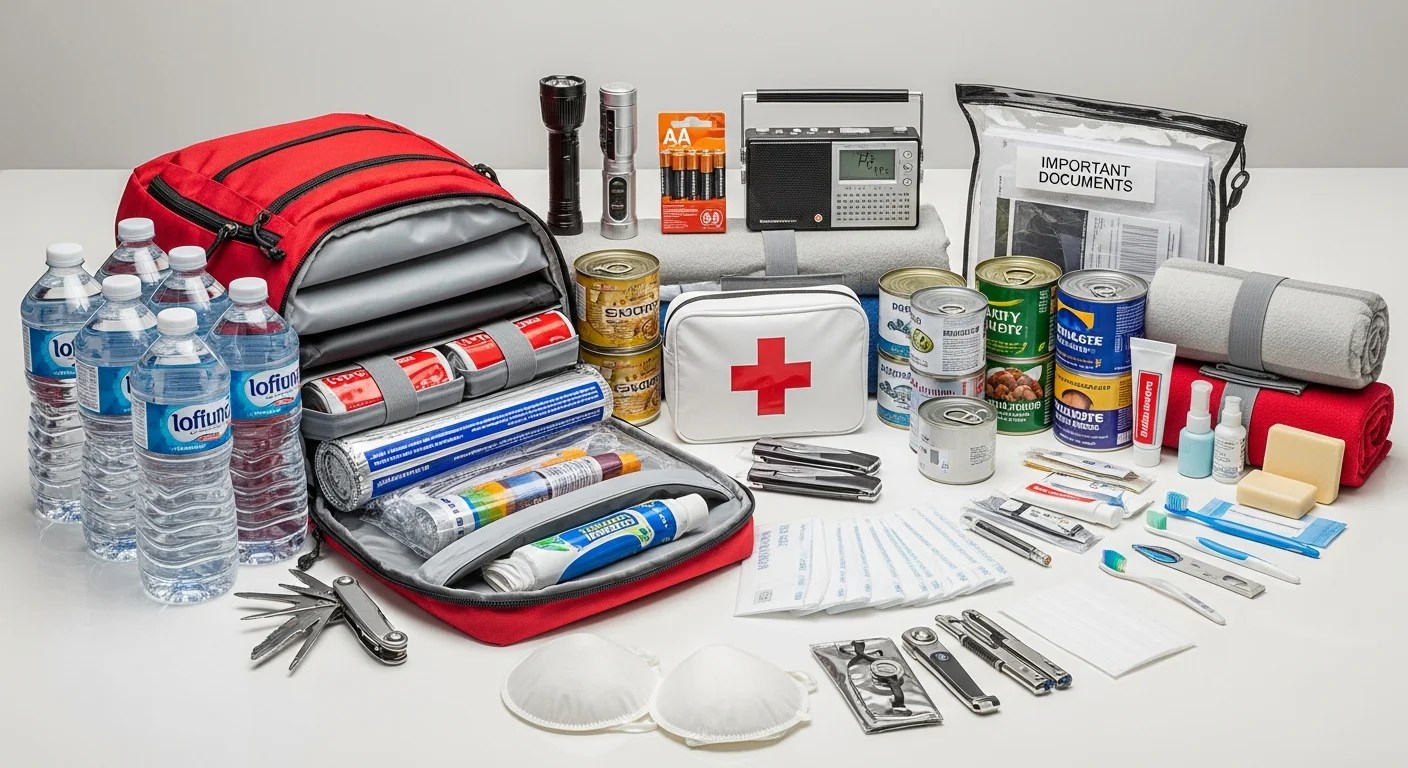
While it’s smart to consider tools for specific emergencies, true preparedness isn’t about a single gadget. It’s about building a complete safety net for your family. Confidence in a crisis comes from having the right supplies, the right skills, and a clear plan of action. A choking rescue device might seem like a good addition, but it should never replace these foundational elements. Instead, think of it as one small piece of a much larger, more important puzzle. Let’s walk through how to build a system that prepares you for the unexpected.
Stock Up on First Aid Essentials
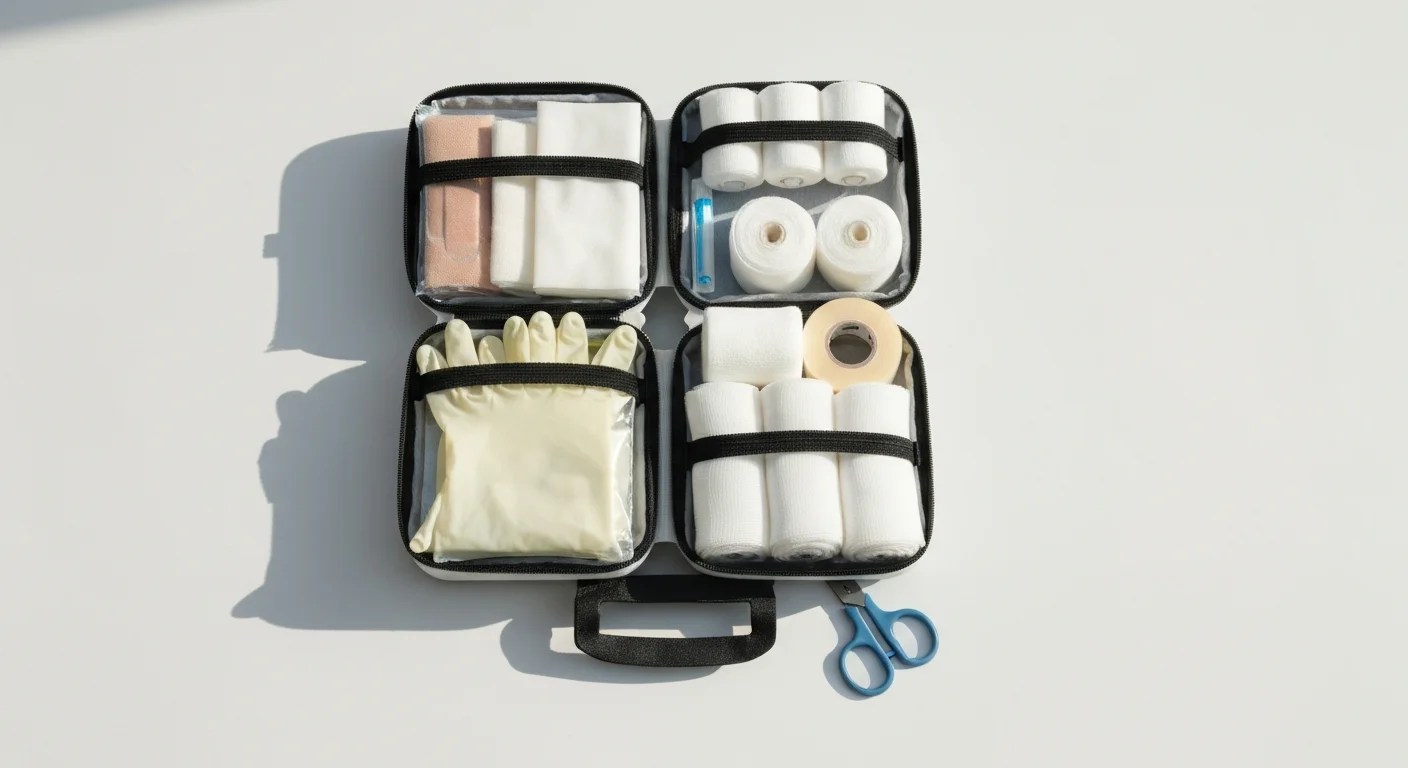
Before you invest in specialized devices, make sure your basics are covered. A well-stocked collection of first aid kits is the true foundation of home safety, giving you the tools to handle common injuries like cuts, burns, and sprains. The FDA reminds us that using an unauthorized device before following established protocols could “delay critical life-saving action.” This highlights the importance of prioritizing proven supplies and methods. Your first aid kit should be your go-to resource, filled with items you know how to use. Make sure it’s easily accessible and that everyone in the household knows where to find it.
Train Your Family to Respond
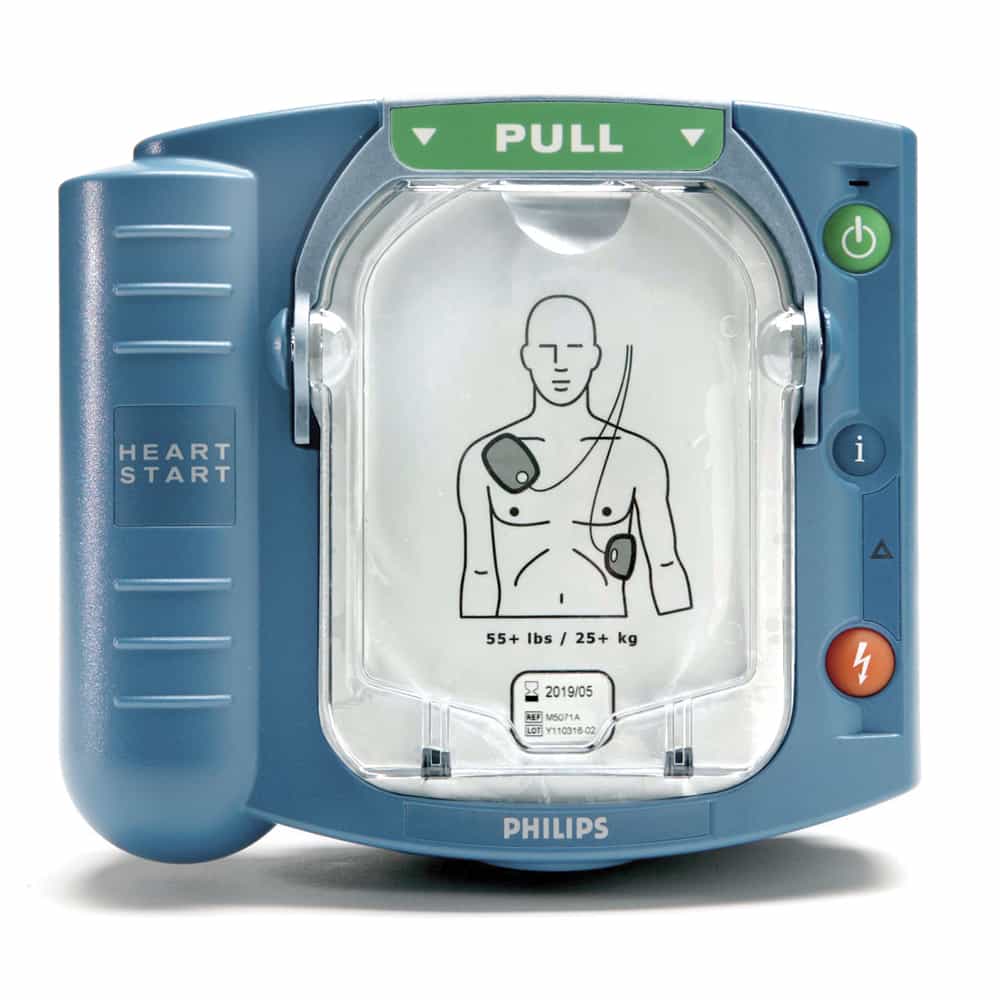
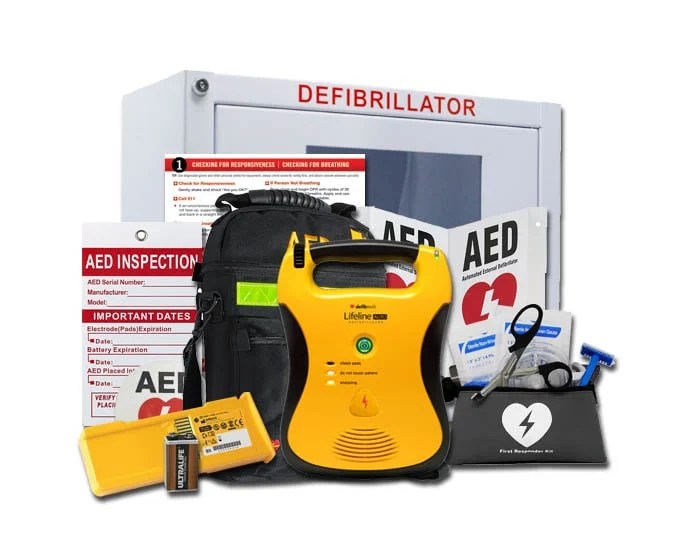
An emergency kit is only as effective as the person using it. That’s why hands-on training is just as critical as having the right supplies. When it comes to choking, health organizations like the American Red Cross and American Heart Association have established rescue protocols that are highly successful and can be performed immediately without any equipment. Learning these techniques should always be your first step. That’s why getting certified through a course in CPR and AED training is one of the most important steps you can take. It equips you with the skills and confidence to act decisively when every second counts.
Create an Emergency Action Plan
A well-rounded approach to safety goes beyond supplies and skills; it includes a clear, simple plan. What will your family do in an emergency? An action plan ensures everyone is on the same page. Start by writing down and posting key information, like emergency contact numbers, the address of your home, and instructions for how to call 911. Discuss different scenarios and establish a designated meeting spot outside your home in case of a fire or other event that requires evacuation. Practice your plan together, so when an emergency happens, you can react with purpose instead of panic.
Related Articles
- Anti Choking Device Reviews: What Doctors Say
- Choking Device Review: Are They Actually Safe?
- First Aid for Choking Information Guide! — Response Ready

Not sure which AED or training fits your needs?
A Response Ready product expert walks you through it — no obligation.
Frequently Asked Questions
Should I use a choking rescue device before trying back blows or the Heimlich maneuver? No, you should always start with proven first aid techniques first. Health organizations like the American Red Cross and the FDA recommend immediately performing back blows and abdominal thrusts (the Heimlich maneuver) because these methods are highly effective and don’t waste precious time. A choking rescue device should only be considered a last resort, to be used after you have already tried the established protocols without success.
Are these devices safe to use on infants and children? Most manufacturers offer different mask sizes for adults, children, and infants, but it’s critical to follow their specific age and weight guidelines. Using the wrong size mask will prevent a proper seal, making the device ineffective. While some brands have been used on young children, remember that no over-the-counter choking devices are approved by the FDA, so their safety and effectiveness for any age group have not been officially validated.
Why aren’t these devices FDA-approved if they seem to work? The main reason is a lack of sufficient clinical evidence to prove they are both safe and effective according to the FDA’s rigorous standards. FDA approval is a formal process that confirms a medical product works as intended without causing undue harm. While many anecdotal success stories exist, these devices have not gone through the extensive testing required for official approval. This is why major health organizations do not include them in their official choking response guidelines.
If I have a choking device, do I still need to learn first aid? Absolutely. A device is never a substitute for proper training. Learning CPR and first aid gives you the skills and confidence to respond immediately and effectively in a variety of emergencies, not just choking. In a high-stress situation, your knowledge is your most reliable tool. A certification course teaches you how to perform life-saving techniques correctly and what to do if a person becomes unconscious, which is knowledge a device alone cannot provide.
What’s the biggest risk of using one of these devices? The most significant risk is delaying care. In a choking emergency, every second counts. Fumbling to find and use a device could waste critical time that should be spent performing immediate, proven actions like back blows and abdominal thrusts. There is also a risk of causing physical harm to the mouth or throat, or even pushing the obstruction deeper, if the device is used incorrectly.