- Published
- March 22, 2026
Does Stop the Bleed Certification Expire? The Answer

If you’ve ever taken a CPR class, you know the drill: every two years, it’s time for a refresher course to keep your skills current. So, it’s natural to wonder if the same rule applies to your bleeding control training. Does your Stop the Bleed certification expire just like your CPR card does? The answer might surprise you. Unlike many other life-saving courses, the official certificate doesn’t have an expiration date. But that doesn’t mean you can just file it away and forget it. We’ll explain the key differences, why the policies vary, and what you need to do to ensure your skills remain sharp.
Key Takeaways
- Your certificate is for life, but your skills need practice: While the official Stop the Bleed certificate doesn’t expire, your ability to recall the steps under pressure is what truly counts. True readiness comes from consistent practice, not just a piece of paper.
- Schedule a skills refresher every one to two years: To maintain the confidence and muscle memory needed in a crisis, make a plan for regular hands-on training. This ensures you can apply a tourniquet or pack a wound correctly without hesitation.
- Check your gear annually because supplies expire: Your life-saving skills are only as good as your tools. Inspect your bleeding control kit at least once a year to replace expired items like sterile gauze and confirm your tourniquet is in perfect condition.
Does Stop the Bleed Certification Expire?
It’s a question we hear all the time: Does my Stop the Bleed certification expire? The short answer is no, it doesn’t. But that simple answer doesn’t tell the whole story. While the official certificate you receive from the American College of Surgeons (ACS) is technically valid for life, being truly prepared to act in a bleeding emergency is about more than just a piece of paper. Your ability and confidence to use those skills are what matter most when seconds count. Think of it this way: having a driver’s license doesn’t automatically make you a great driver, especially if you haven’t been behind the wheel in years. The same principle applies here.
Understanding the difference between official policy, workplace requirements, and best practices for skill retention is key. Just because your certificate doesn’t have a date on it doesn’t mean your skills will stay sharp forever without practice. In a high-stress situation, you won’t be reaching for your certificate; you’ll be relying on muscle memory and clear, confident knowledge. That’s why it’s so important to see your initial training as the starting point, not the finish line. Let’s break down what the official policy is, why it exists, and what it means for you as a trained responder. Knowing these details will help you create a personal plan to stay ready and confident long after you complete your initial training course.
The Official Policy on Expiration
Let’s get straight to the source. According to the American College of Surgeons, the organization behind the Stop the Bleed initiative, the standard certificate you receive after completing the course does not have an expiration date. You can find this information directly on the official Stop the Bleed FAQ page. This means that once you’ve successfully passed the course, you are considered certified indefinitely. The policy is designed to encourage as many people as possible to get trained without the barrier of ongoing renewal classes or fees. The goal is to equip the public with critical, life-saving skills, and a lifetime certification helps make that more accessible.
Why Your Certification Doesn’t Have an Expiration Date
The reason your Stop the Bleed certification doesn’t expire is rooted in the program’s core mission: to make life-saving knowledge accessible to everyone. The skills taught, such as applying direct pressure, packing a wound, and using a tourniquet, are fundamental and designed to be retained. Unlike some advanced medical certifications that require regular updates due to evolving techniques, the core principles of bleeding control are stable and straightforward. You can review all three techniques in our stop the bleed guide. The focus is on empowering you with the foundational ability to act in a crisis, not on creating a strict re-certification schedule. The goal is to build a nation of capable bystanders who are ready to help before professional responders arrive.
Common Myths About How Long Certification Lasts
If you’ve heard that Stop the Bleed certification needs to be renewed every two years, you’re not alone. This is a common misconception, and it usually comes from a couple of places. First, people often confuse it with CPR and AED certifications, which typically do require renewal every two years. Second, many employers require their staff to take refresher training every one to two years as part of their internal safety protocols. This isn’t because the original certificate is invalid; it’s to ensure the team’s skills are sharp and they feel confident responding. These workplace rules are about maintaining readiness, which is why many organizations invest in ongoing CPR & AED training alongside bleeding control refreshers.
How Often Should You Refresh Your Skills?
While your Stop the Bleed certificate doesn’t have a “use by” date, the skills you learned certainly do. Think of it like learning a new language or a musical instrument. If you don’t practice, your fluency fades over time. In an emergency, you don’t want to be trying to recall a lesson you took years ago. You want your actions to be confident, quick, and almost automatic. That level of readiness doesn’t come from a one-time class; it comes from consistent practice.
Refreshing your skills isn’t about fulfilling a requirement. It’s about maintaining the confidence to act when someone’s life is on the line. The goal is to keep the knowledge fresh in your mind and the muscle memory sharp in your hands. Regular refreshers ensure you can be a calm, effective presence in a crisis.
Recommended Refresher Training Schedule
Even though it’s not mandatory, the American College of Surgeons strongly encourages a hands-on refresher course every one to two years. This timeline is the sweet spot for keeping your skills from getting rusty. In a formal training session, you get to practice with realistic tools and receive feedback from an instructor, which is invaluable for correcting any habits you may have forgotten. These CPR & AED training sessions help reinforce the proper techniques for applying pressure, packing a wound, and using a tourniquet. Sticking to a one or two-year schedule keeps the information current and your confidence high, so you’re always ready to respond effectively.
Signs It’s Time for a Refresher Course
Beyond the one-to-two-year guideline, there are a few clear signs that it’s time for a refresher. If you can’t confidently walk through the steps of bleeding control in your head, it’s time to practice. Another big indicator is when you perform your annual check on your first aid kits. As you inspect the tourniquet and gauze, ask yourself: “Do I feel 100% certain I know how to use every item in here right now?” If there’s any hesitation, that’s your cue. A good refresher course will help you regain that certainty and ensure you’re not just equipped with the right supplies, but also with the knowledge to use them correctly.
Why Regular Practice Is Key to Confidence
In a real emergency, adrenaline runs high, and it can be difficult to think clearly. This is where muscle memory and confidence become your greatest assets. The primary goal of Stop the Bleed training isn’t just to teach you the steps; it’s to build your confidence so you can perform those steps under stress. Hands-on practice with realistic tools helps you move past intellectual knowledge and into practical application. When you’ve physically practiced applying a tourniquet or packing a wound, your body remembers what to do, allowing you to act decisively. Regular practice turns hesitation into action, ensuring you have the self-assurance to make a difference when it matters most.
Do Employers Require Certification Renewal?
While your official Stop the Bleed certification doesn’t have an expiration date, your employer might have a different policy. Many workplaces, especially those in public-facing or high-risk fields, establish their own guidelines for emergency response training to ensure everyone stays sharp and ready to act. It’s less about the certificate on the wall and more about making sure the skills are fresh when they matter most.
Your workplace requirements will depend on your industry, your specific role, and company policies. The best first step is always to check with your manager or HR department to understand what’s expected of you.
Understanding Workplace-Specific Rules
Many organizations recommend their teams take a refresher course every one to two years to maintain proficiency. Think of it like a fire drill. You practice the routine so that if a real emergency happens, you can respond effectively without hesitation. Regular training helps keep life-saving techniques at the front of your mind, ensuring you can apply pressure, pack a wound, or use a tourniquet correctly under stress. These internal policies are designed to build a confident and capable team, which is a key part of any workplace safety plan.
Industry Standards and Compliance
Beyond individual company rules, some industries have their own standards for emergency preparedness. If your certification is a job requirement, your employer may ask for a renewal on a one or two-year cycle to stay compliant. This is common for first responders, security personnel, teachers, and fitness instructors, among others. These standards exist to create a predictable and high level of safety for both employees and the public. Following them ensures that everyone is aligned with best practices and prepared to offer aid, no matter where they work within that field.
Professional vs. Personal Training Needs
The need for renewal often comes down to whether you’re trained for professional or personal reasons. If you took the course for your own peace of mind, you decide when to practice. But in a professional setting, you’re part of a larger safety net. While the knowledge itself doesn’t expire, the tools you use do. It’s critical to check the supplies in your first aid kits annually for damage or expiration dates. A tourniquet that’s been stored improperly or gauze that’s past its date won’t be effective, which is why regular equipment checks are just as important as skill refreshers.
What About Your Stop the Bleed Kit Supplies?
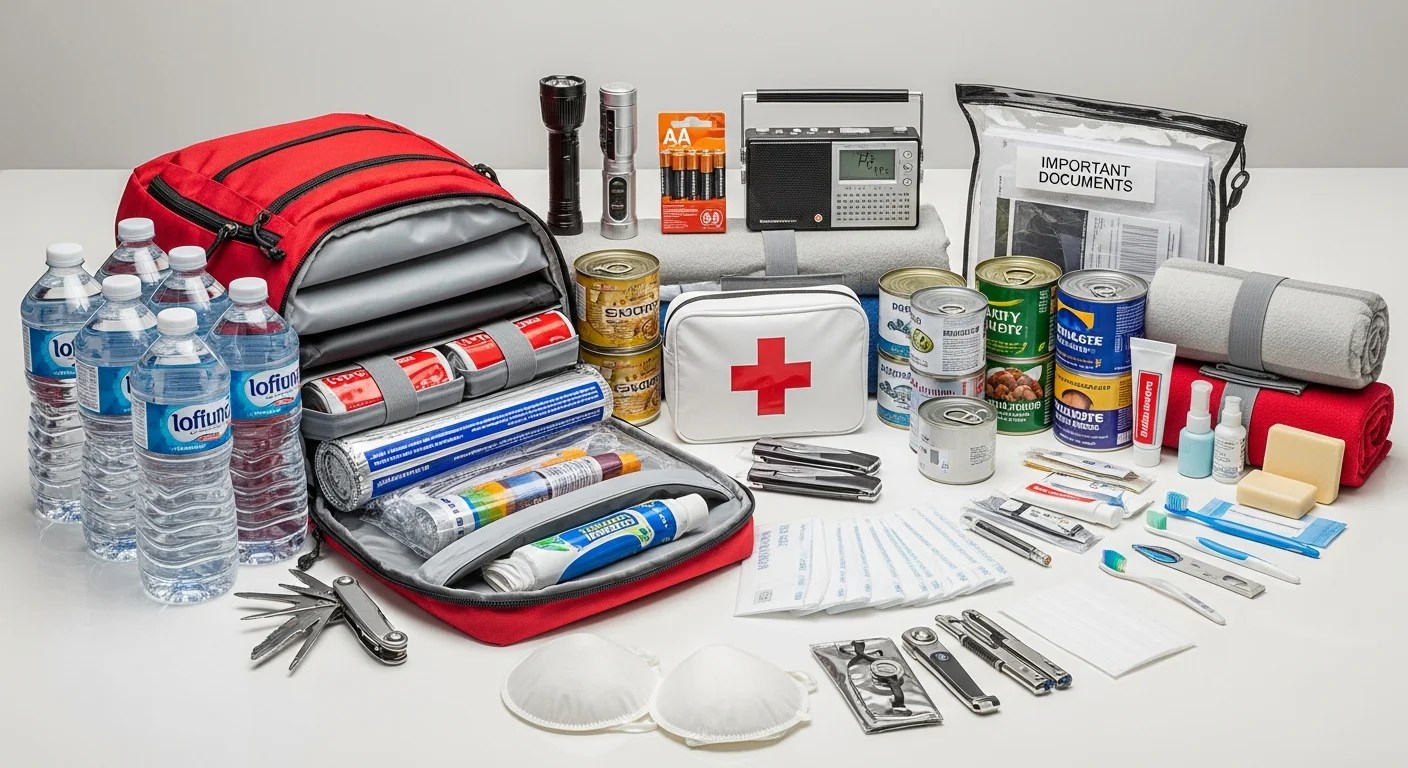
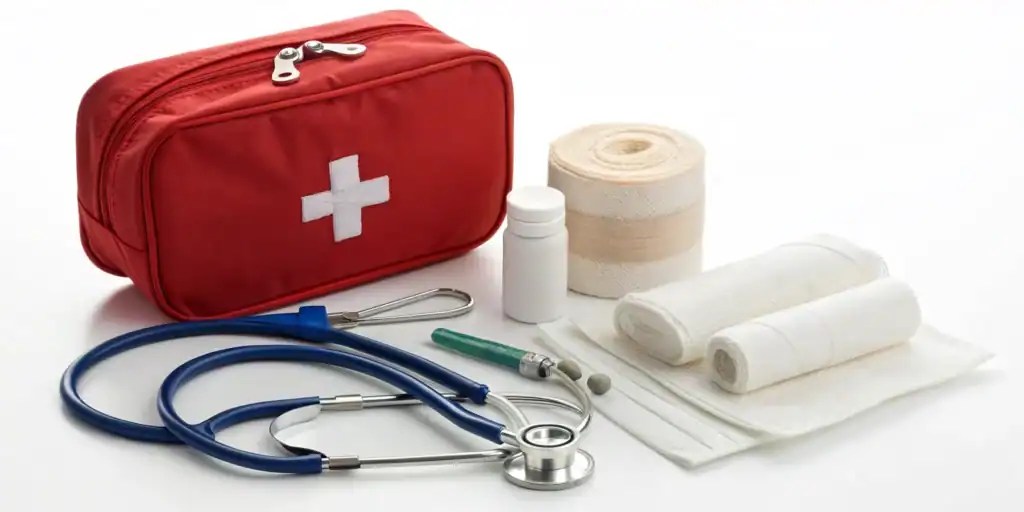
Your Stop the Bleed skills are essential, but they’re only half of the equation. To be truly effective in an emergency, you need reliable, ready-to-use equipment. While your training certificate doesn’t have a use-by date, the supplies in your bleeding control kit certainly do. Just like the batteries in a smoke detector, these life-saving tools need regular checks to ensure they’ll work when you need them most. Maintaining your kit is a simple but critical step in staying prepared to respond with confidence.
Tourniquet Care and Replacement Guidelines
A tourniquet is one of the most important items in your kit, so you need to trust that it will function under pressure. While designed to be tough, they aren’t invincible. Exposure to extreme heat, cold, or UV light can degrade the materials over time. Make it a habit to visually inspect your tourniquet. Check the strap for fraying, the windlass for cracks, and the buckle for damage. Although many don’t have a strict expiration date, manufacturers often provide a recommended shelf life. If your tourniquet has been used for training or in a real emergency, replace it immediately.
Check Expiration Dates on Gauze and Bandages
It might seem strange for a bandage to expire, but that date on the package is important. It refers to the sterility of the item. Over time, the packaging can lose its seal, allowing bacteria inside. Applying a non-sterile dressing to a severe wound can introduce infection, creating a serious secondary problem. Take a moment to check your hemostatic gauze, chest seals, and compression bandages. If any are past their expiration date, it’s time to replace them. Keeping your first aid kits stocked with fresh supplies is a small price to pay for peace of mind.
Your Annual Kit Inspection Checklist
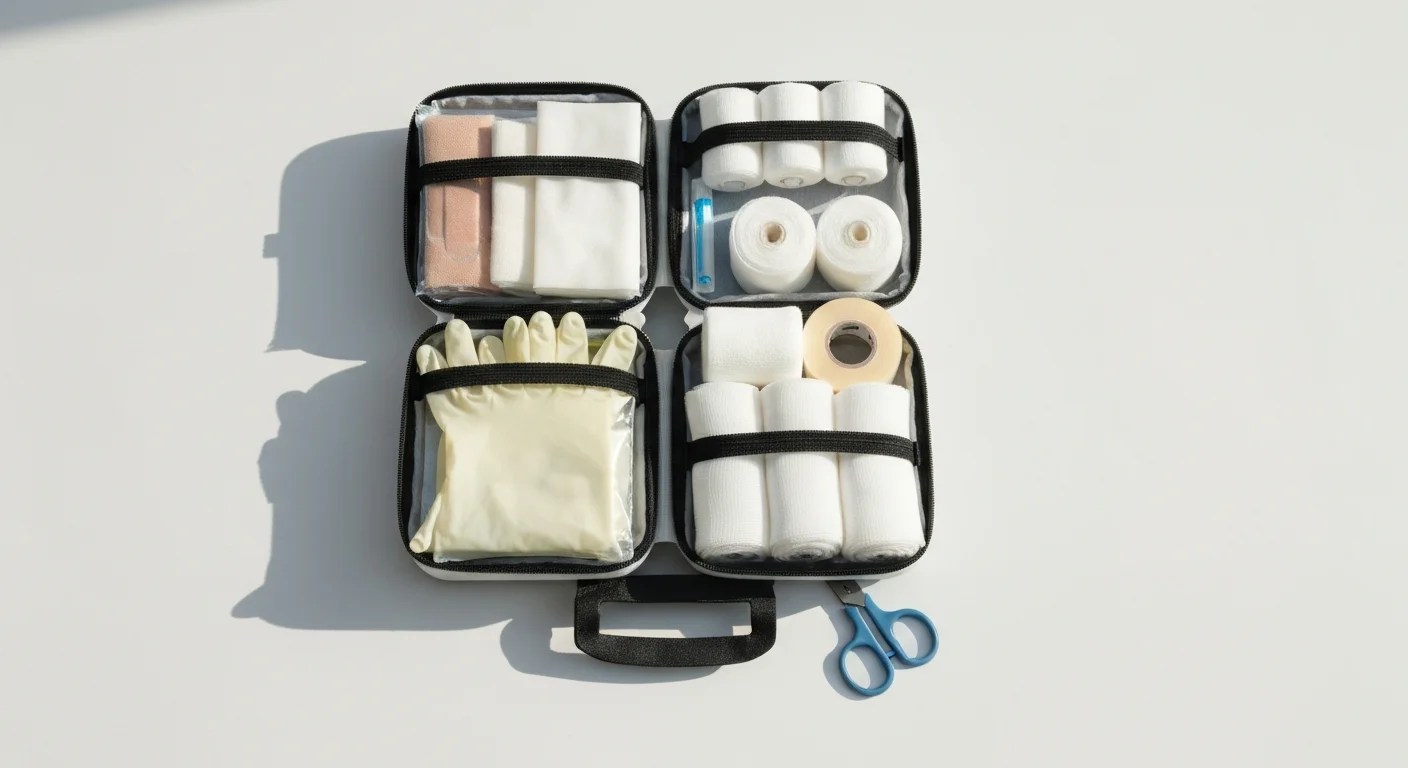
Setting aside a few minutes once a year to inspect your kit can make all the difference. If you ever use any part of your kit, replace it right away so you aren’t caught unprepared later. Here’s a simple checklist to follow during your annual inspection:
- Check Dates: Look at the expiration dates on all sealed items, including gauze, bandages, and chest seals.
- Inspect Tourniquet: Examine your tourniquet for any signs of wear, tear, or sun damage.
- Examine Gloves: Make sure your gloves are still flexible and haven’t become brittle or torn.
- Test Shears: Check that your trauma shears are clean, rust-free, and cut smoothly.
- Restock as Needed: Order replacements for any expired, damaged, or used supplies.
How Does Stop the Bleed Compare to Other Certifications?
If you’ve ever taken a first aid or CPR class, you’re probably familiar with the routine of renewing your certification every couple of years. It’s easy to assume all life-saving training follows the same rules, but that’s not always the case. Stop the Bleed has a unique approach to certification that sets it apart from other common emergency response courses.
Understanding these differences is key to staying prepared. While the goal is always the same, to empower you to act confidently in an emergency, the requirements for maintaining your credentials can vary. Let’s break down how Stop the Bleed compares to other certifications you might hold, so you know exactly where you stand.
CPR and AED Renewal Requirements
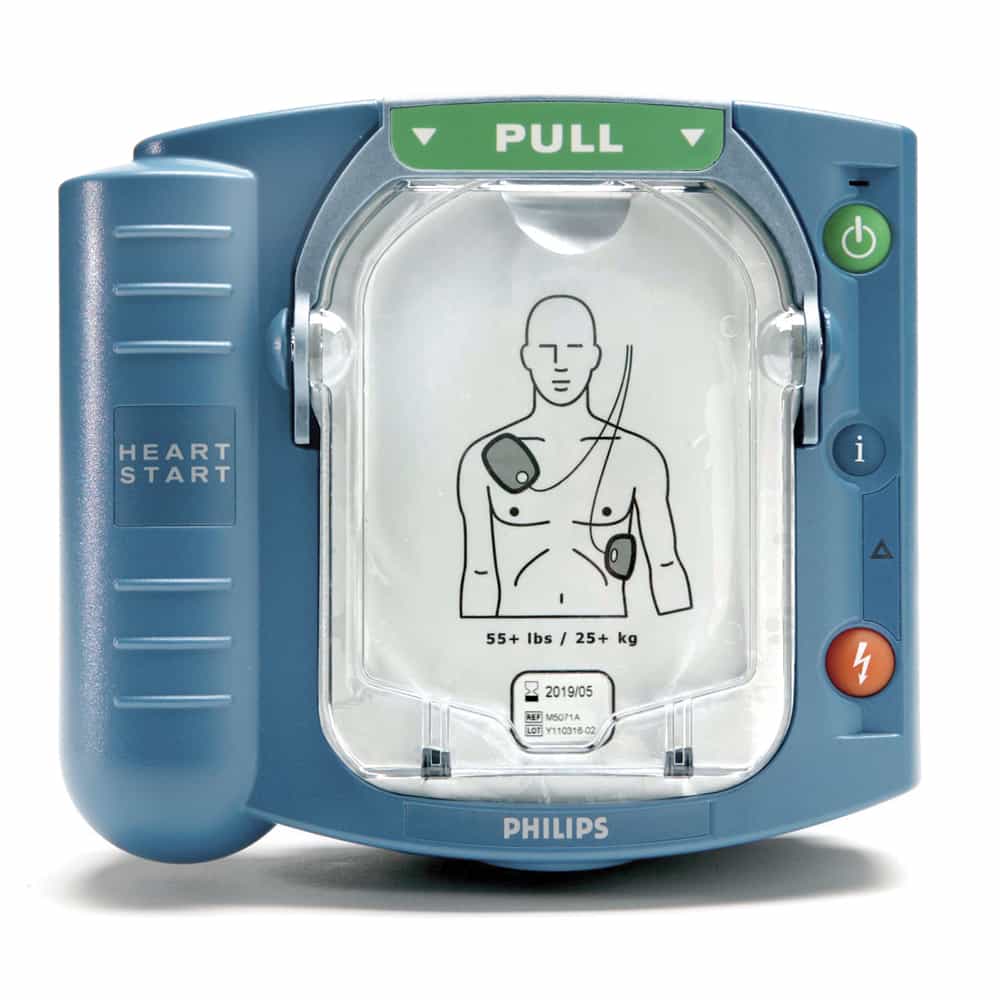
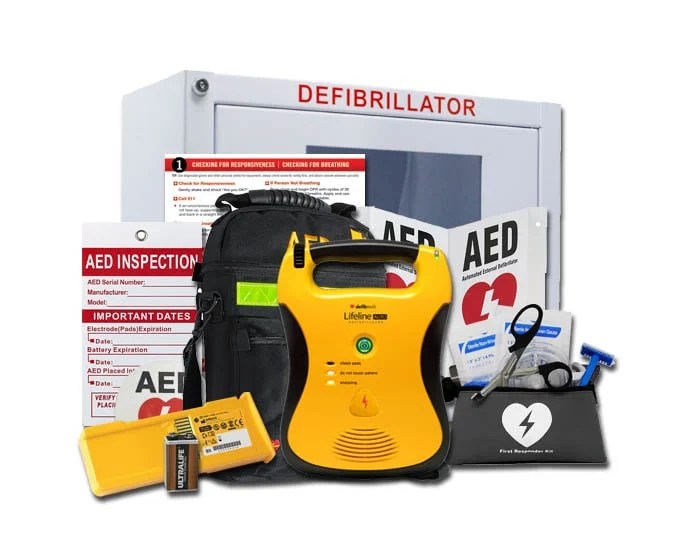
Certifications for skills like CPR and how to use an automated external defibrillator (AED) almost always come with an expiration date. Most organizations, including the American Heart Association and the Red Cross, require you to renew your certification every two years. This ensures your knowledge stays current with the latest medical guidelines and that your hands-on skills remain sharp.
Many employers and volunteer organizations also require up-to-date credentials for compliance and safety reasons. Regular refreshers are essential because, without practice, it’s easy to forget the exact steps for chest compressions or AED pad placement. Taking a renewal course is a great way to practice and maintain the muscle memory you need to act effectively. You can find certified CPR & AED training to keep your skills ready.
Key Differences in Expiration Policies
This is where Stop the Bleed stands out. According to the American College of Surgeons, the organization that created the program, the standard Stop the Bleed certificate does not expire. The program’s primary goal is to equip as many people as possible with the knowledge to stop life-threatening bleeding, without the formal barrier of recertification. The official policy is designed for accessibility and widespread education.
However, you might see some training providers that issue their own certificates with a two-year validity period. This is often to align with other workplace training standards, like CPR. While the core knowledge doesn’t expire, these providers encourage regular refreshers to ensure you remain confident and ready to respond. So, while your official certificate is for life, periodic practice is still a very good idea.
Stay Ready to Respond
While your Stop the Bleed certification doesn’t officially expire, your skills and supplies certainly can. True preparedness isn’t a one-time event; it’s an ongoing commitment to maintaining your knowledge, your equipment, and your confidence. An emergency won’t wait for you to remember what you learned in a class months or years ago. Staying sharp means you can act decisively when seconds count.
Think of it like maintaining a car. You don’t just buy it and assume it will run perfectly forever. It needs regular check-ups and fresh fuel. Your life-saving skills are no different. By creating a simple schedule for practice and equipment checks, you ensure you are always ready to respond effectively. Here’s how you can stay on top of your game.
Create Your Personal Training Schedule
Your ability to recall skills under pressure fades over time. To counteract this, it’s a great idea to schedule regular, hands-on refresher training. Experts strongly encourage a skills refresh every one to two years to keep your technique sharp. This doesn’t always mean retaking the full course. It could be a shorter workshop, a practical session with a local group, or even a dedicated review at home. The goal is to practice the physical motions of applying a tourniquet or packing a wound. Set a recurring reminder on your calendar so you don’t forget. Consistent practice builds muscle memory, ensuring you can perform the steps correctly without hesitation when it matters most.
Keep Your Kit Maintained and Ready
A well-practiced skill set is only useful if you have functional tools. The supplies in your bleeding control and first aid kits need regular attention. While your training doesn’t expire, items like sterile gauze and chest seals do. Make it a habit to inspect your kit at least once a year. Check for any damage to the packaging and note the expiration dates on all sealed items. Tourniquets should be inspected for wear and tear, especially if they’ve been used for training. If anything is expired, damaged, or missing, replace it immediately. An annual check-up ensures that when you reach for your kit, everything inside is ready to work as intended.
Build Confidence Through Consistent Practice
Confidence is just as critical as competence in an emergency. The more you handle your equipment and review the steps, the more self-assured you’ll become. This familiarity helps manage the adrenaline and stress of a real event, allowing you to think clearly and act effectively. Hands-on practice with realistic tools is proven to help people feel more confident in their ability to respond. You don’t have to wait for a formal class. Take out your tourniquet and practice applying it to your own arm or leg (without fully tightening it). Walk through the “ABCs of Bleeding” mentally. This consistent, low-stakes practice reinforces your skills and solidifies the belief that you can make a difference.
Related Articles
Frequently Asked Questions
So, to be clear, does my Stop the Bleed certificate ever expire? No, the official certificate issued by the American College of Surgeons does not have an expiration date. The goal of the program is to make this life-saving knowledge as accessible as possible, so once you’re certified, you’re considered certified for life. The focus is on empowering you with the skills, not on requiring continuous recertification.
Why does my workplace require a refresher every two years if the certificate is for life? This is a very common practice. Many employers set their own internal safety standards to ensure their team is always ready and confident. While your certificate is still valid, these refresher policies help maintain a high level of preparedness across the organization. It’s less about the paper certificate and more about ensuring everyone’s hands-on skills and knowledge are sharp and up to date.
What’s the difference between this and my CPR certification? The main difference is the renewal requirement. CPR and AED certifications typically need to be renewed every two years because medical guidelines and techniques can evolve. Stop the Bleed, on the other hand, teaches foundational principles of bleeding control that are very stable. Because these core skills don’t change, the official certification doesn’t require a mandatory renewal.
How can I keep my skills sharp without taking the full course again? You don’t always need to retake the entire class to stay ready. You can practice by mentally walking through the steps of bleeding control. Take out your tourniquet and practice applying it on your own arm or leg (without tightening it completely) to maintain muscle memory. You can also watch official refresher videos online or see if local organizations offer shorter, hands-on skills sessions.
Do the supplies in my bleeding control kit expire too? Yes, and this is a critical point. While your knowledge is timeless, your equipment is not. Items like sterile gauze, chest seals, and bandages have expiration dates because their packaging can degrade, compromising sterility. Tourniquets should also be inspected regularly for wear and tear from sun exposure or temperature changes. An annual kit check is a great habit to get into.
Disclaimer for information purposes only:
The information provided on this website is intended for general educational and informational purposes only. It is not medical advice and should not be used as a substitute for professional diagnosis, treatment, or care. Always consult a qualified healthcare or medical professional regarding any health-related questions or concerns.
While we strive to ensure the information shared is accurate and up to date, no guarantees are made regarding completeness, accuracy, or applicability to any individual situation. Use of this content is at the reader’s sole discretion and risk.
This website is part of the Response Ready family of emergency preparedness and training resources, including CPR & first aid training and compliance services, AED sales and program support, AED program management software, and medical oversight solutions provided through our affiliated platforms:
• CPR1.com
• AEDLeader.com
• AEDTotalSolution.com
• MDSIMedical.com
By accessing or using this website, you agree to release, indemnify, and hold harmless the website owners, authors, contributors, and affiliated entities from any claims, losses, damages, or liabilities arising from the use or reliance on the information presented.