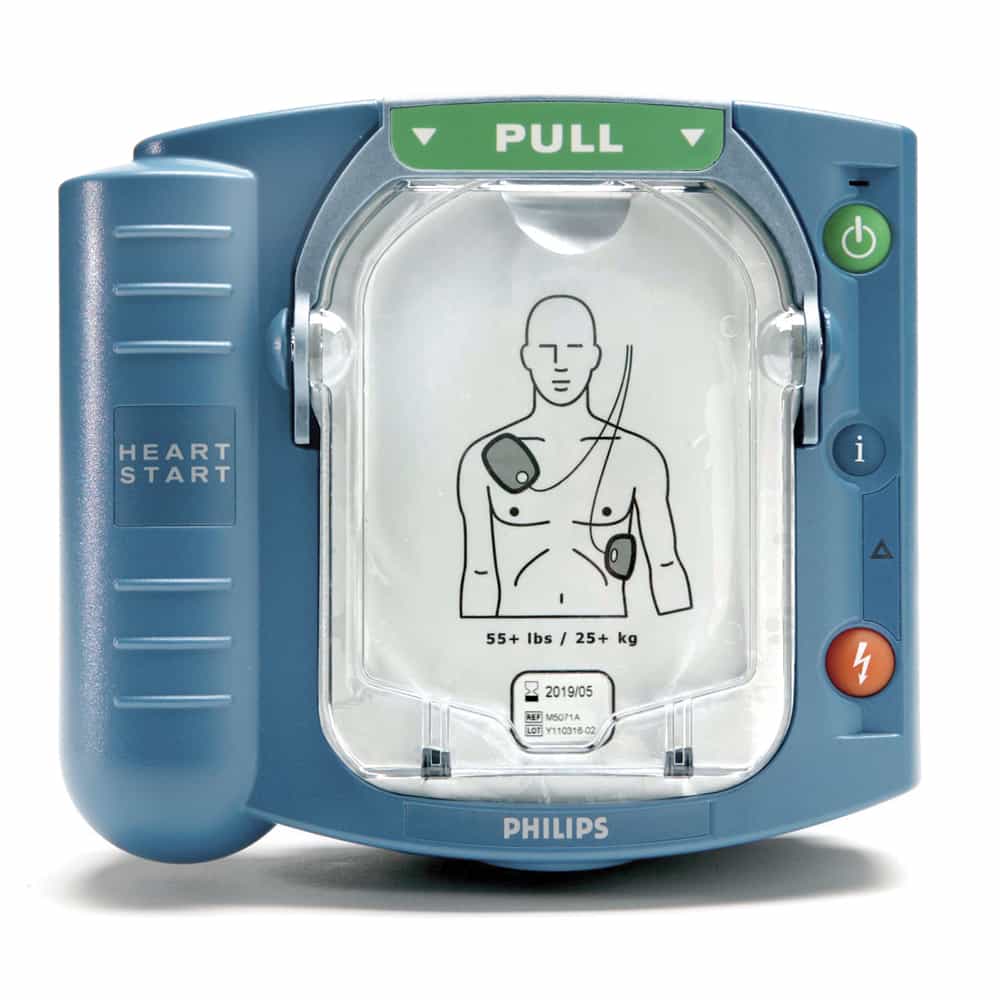
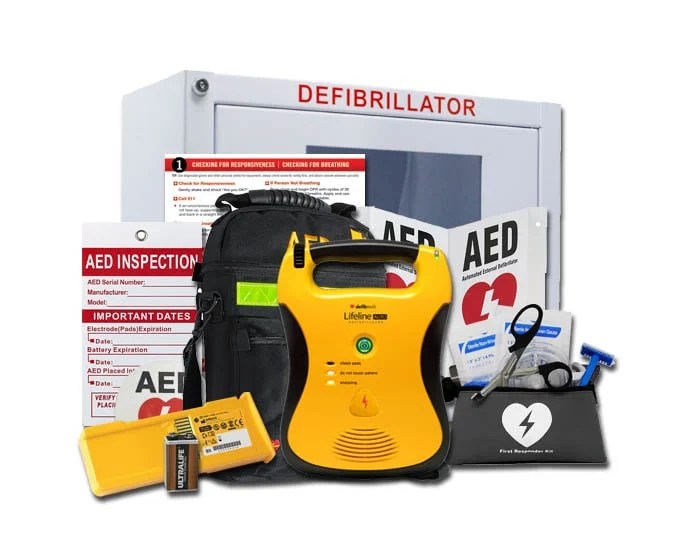
When cardiac arrest occurs, having a reliable automated external defibrillator (AED) on hand can mean the difference between life and death. However, even the most advanced AED is rendered useless without a properly functioning battery. The importance of AED batteries goes beyond providing power—they are the cornerstone of your AED’s readiness, ensuring the device can deliver a life-saving shock when needed most.
This guide dives deep into the world of AED batteries, exploring the options available from trusted brands like Philips or HeartSine Whether you’re outfitting a public space, workplace, or healthcare facility, this guide will equip you with the knowledge to choose, maintain, and optimize your AED batteries.
Why the reliability of AED batteries is critical in life-saving situations
AEDs rely entirely on their batteries to function. If the battery fails, so does the device—and potentially the chance to save a life. This makes AED battery reliability paramount in both public and private settings. From schools to gyms and airports, a dependable battery ensures that an AED is always ready for action.
Real-world consequences of unreliable batteries
Consider a community gym equipped with an AED for emergencies. During a cardiac event, the AED displays a low battery warning, causing critical delays. Scenarios like this underscore the need for routine checks and the use of high-quality batteries like the ZOLL AED Plus Replacement Lithium Batteries. Investing in reliable options reduces the risk of such failures, safeguarding lives.
Understanding the different types of AED batteries and their ideal applications
AED batteries are not one-size-fits-all. They come in several types, each suited to different environments and usage patterns. Understanding these distinctions is essential for making the right choice for your AED.
Non-rechargeable AED batteries: long-lasting reliability for low-use environments
Non-rechargeable lithium batteries are the most common type, offering up to five years of shelf life. They are perfect for AEDs located in public spaces, schools, and offices, where the devices are rarely used but must always remain operational.
Popular examples:
- Philips HeartStart Battery M5070A is known for its durability and dependability in low-use environments
- The Cardiac Science Powerheart G3 battery is a long-lasting choice for ensuring consistent readiness
Rechargeable AED batteries and their cost-effectiveness for frequent use in healthcare settings
Rechargeable batteries are designed for high-use environments like hospitals, ambulances, and gyms. While they offer lower long-term costs, they require regular charging and monitoring, making them less suitable for low-use locations.
Trusted options:
- ZOLL AED Pro Non-Rechargeable Lithium Battery
- Defibtech Rechargeable Battery Pack (DBP-RC2)
Proprietary batteries that are designed specifically for certain AED models
Proprietary batteries are engineered for specific AED models, ensuring compatibility and peak performance. While they may cost more upfront, their precision and reliability make them invaluable for devices like the Defibtech and HeartSine AEDs.
Examples
- Defibtech DBP-1400 Battery for Defibtech Lifeline AEDs
- HeartSine Samaritan Pediatric Pad-Pak, which combines pads and battery in one unit
Comparing AED battery options to meet your specific needs


When selecting an AED battery, consider the lifespan, environment, and frequency of use to determine the best fit.
| Battery type | Lifespan | Best suited for | Examples |
|---|---|---|---|
|
Non-rechargeable batteries |
Up to 5 years |
Public spaces, offices, schools |
|
|
Rechargeable batteries |
2–3 years |
Hospitals, ambulances, gyms |
ZOLL AED Pro Non-Rechargeable Lithium Battery |
|
Proprietary batteries |
Model-specific |
Any environment |
Defibtech Standard DBP-1400 Battery |
Key factors to consider when selecting the perfect AED battery
Not all AED batteries are created equal. To ensure your AED performs optimally, evaluate these key factors when making your choice:
Evaluate battery lifespan based on your environment and usage needs
Battery lifespan is a crucial consideration, particularly for AEDs in low-use environments. For example, the Cardiac Science Powerheart G5 Replacement Battery offers up to five years of reliability, reducing the need for frequent replacements.
Ensure compatibility with your AED model to avoid performance issues
Incompatible batteries can lead to device malfunctions or even void warranties. Always confirm that the battery matches your AED model, such as the Philips HeartStart Battery M5070A for Philips AEDs or the ZOLL AED Plus Lithium Battery Pack for Zoll devices.
Consider environmental factors to maximize battery performance
Environmental conditions like temperature and humidity can impact battery performance. Batteries like the HeartSine Samaritan Pediatric Pad-Pak are built to withstand extreme conditions, making them ideal for outdoor use.
Maintenance best practices and how to keep your AED batteries ready for emergencies

Even the best batteries require proper maintenance to remain effective. Neglecting routine checks can compromise your AED’s readiness, putting lives at risk.
Establish a monthly AED battery check routine
Check your AED battery status monthly to ensure it is fully charged and operational. Many AEDs include status indicators that provide at-a-glance updates.
Replace batteries according to manufacturer recommendations
Follow manufacturer guidelines for replacement intervals. For example, the Defibtech DBP-1400 Battery should be replaced every four years or sooner if heavily used.
Maintenance schedule example: ensuring AED readiness
| Task | Frequency | Details |
|---|---|---|
|
Battery status checks |
Monthly |
Verify charge level and expiration date |
|
Full replacement |
As per manufacturer guidelines |
Replace before expiration |
|
Spare battery inspection |
Monthly |
Ensure backup batteries are functional |
Proper disposal of AED batteries and why and how to recycle responsibly
Improper disposal of AED batteries poses environmental risks. Many contain hazardous materials, requiring special recycling methods.
Follow these steps for responsible disposal
- Identify the battery type: Lithium and proprietary batteries often require specific disposal methods.
- Use recycling programs: Brands like Philips and HeartSine offer take-back programs for safe and eco-friendly disposal.
- Avoid incineration: Burning batteries releases harmful toxins. Always follow local regulations.
Why OEM batteries are the gold standard for AED performance
Original equipment manufacturer (OEM) batteries are designed to meet the exact specifications of your AED. Unlike generic alternatives, OEM batteries guarantee compatibility, reliability, and safety.
The benefits of choosing OEM batteries
| Benefit | Details |
|---|---|
|
Seamless compatibility |
Designed for the specific AED model |
|
Enhanced reliability |
Manufactured to strict quality standards |
|
Warranty protection |
Maintains AED warranty and functionality |
Examples include the Philips HeartStart Battery M5070A for Philips AEDs and the Defibtech DBP-1400 Battery for Defibtech devices, ensuring dependable operation.
Building an effective AED battery management program for large organizations
For organizations managing multiple AEDs, creating a structured battery management program is essential. This includes tracking replacement schedules, conducting regular maintenance checks, and standardizing battery types to simplify logistics.
By partnering with suppliers like Response Ready, you gain access to high-quality batteries from brands like Zoll, Lifepak, HeartSine, Defibtech, Philips, and Cardiac Science.
Why investing in high-quality AED batteries saves lives
The reliability of an AED ultimately depends on the quality and care of its battery. By choosing trusted options from top brands and following proper maintenance routines, you ensure your device is ready to save lives in critical moments.
At Response Ready, we offer a wide selection of AED batteries, including the Cardiac Science Powerheart G3 Battery, ZOLL AED Pro Battery, and HeartSine Samaritan Pad-Pak. Explore our range today to keep your AED prepared when it matters most.
Shop now and safeguard your AED’s readiness. Lives depend on it.