A power outage emergency plan is a printable, step-by-step document that tells every member of your household exactly what to do when the electricity goes out, covering communication, safety, supplies, and medical needs. Most people believe they are ready for a power outage until the moment the lights go out. Dead flashlight batteries, expired water bottles, a missing first aid kit in the dark: these are the gaps that a written plan exposes before they become real problems. A power outage emergency plan is more than a supply list. It is a system that tells every member of your household exactly what to do, when to do it, and where to find what they need. This updated 2026 guide walks you through building a reliable power outage emergency plan step by step, and our free downloadable PDF makes sure nothing gets overlooked.
Need help building your emergency plan? Contact Response Ready for a free consultation or shop our emergency preparedness kits to get started today.
Key Takeaways
- Organize Your Plan Around Four Core Pillars: A written power outage emergency plan is your best tool for staying calm. Structure it around communication, safety rules, supply management, and medical needs to ensure you have covered all your bases.
- Stock Your Home with Essential Tools and Backups: A plan is only as good as the supplies you have on hand. Prioritize gathering a complete emergency preparedness kit for power outages, setting up a backup power source for critical devices, and establishing a communication plan that does not rely on cell service.
- Practice and Update Your Plan Regularly: A plan you do not practice is just a piece of paper. Build confidence and find weak spots by running family drills, reviewing your supplies and contacts annually, and assigning clear roles so everyone knows exactly what to do.
Get certified in CPR

Adult & Pediatric First Aid/CPR/AED — Blended Learning
Self-paced online + in-person skills check. 2-year certification.
CPR, AED & First Aid Certification
Instructor-led on-site. Practice on real manikins and AED trainers.
What Is a Power Outage Emergency Plan and Why Do You Need One in 2026?
A power outage emergency plan is a written, step-by-step guide that tells every household member what to do, where to go, and which supplies to use when the electricity goes out. It covers four areas: communication, safety rules, supply management, and medical needs. Also called a blackout emergency plan or electricity disruption plan, this document serves as your family’s playbook for staying safe during any power failure. According to the U.S. Department of Energy, outages have increased over 60% since 2015, making a documented plan essential for every family in 2026.
Think of it as a playbook that helps everyone stay safe, calm, and comfortable until the lights come back on. Instead of fumbling for flashlights or worrying about what to do next, you will have a clear set of actions to follow. This is not just for major disasters; even a short outage from a storm can be disruptive and stressful without a little preparation.
In 2026, the stakes are higher than ever. More households now depend on home medical devices, electric vehicle charging, and connected smart home systems. When the grid goes down, these modern dependencies turn a minor disruption into a serious safety concern. Having a documented plan is about taking control of the situation before you are in the middle of a crisis.
For a family, a power outage emergency plan ensures everyone knows where to find supplies and how to stay safe. For a business or organization, a power outage emergency response plan can prevent major disruptions and keep operations running smoothly. A simple, written plan turns a moment of panic into a manageable event, giving you the confidence to handle whatever comes your way.
What Are the Real Dangers of a Long Power Outage?
When the power goes out for an extended period, the challenges go beyond just being bored or disconnected. Food can spoil in a warm refrigerator, and extreme temperatures can make your home unsafe without heating or air conditioning. One of the biggest risks comes from backup power sources. Generators can be lifesavers, but they produce carbon monoxide, a colorless, odorless gas that can be fatal. It is critical to follow safety guidelines for generators and never use them indoors. Another hidden danger occurs when the power returns. A sudden surge can damage expensive electronics, so it is wise to unplug major appliances during an outage to protect them.
How Does a Written Plan Keep You Calm and Safe?
In a stressful situation, it is easy to forget important steps or make decisions based on panic. A written power outage emergency plan removes the guesswork. It is a calm, rational guide you created with a clear head, ready to lead you through the chaos. Instead of trying to remember everything at once, you can simply follow the checklist. This simple act of following a pre-made plan frees up your mental energy to focus on what matters most: keeping your family safe. By identifying risks and resources ahead of time, you build a foundation for a resilient response.
What Should You Include in Your Power Outage Emergency Plan?
A solid power outage plan is more than just a box of flashlights and batteries. It is a clear, written guide that walks you and your family through exactly what to do when the lights go out. Thinking through these steps ahead of time removes the guesswork and panic, letting you act with confidence. When you are not scrambling to figure things out, you can focus on what matters most: keeping everyone safe, comfortable, and calm.
Your plan should be organized into a few key sections that cover the most critical aspects of an outage. Start with communication, including how you will stay in touch with family and get updates. Next, outline clear safety rules to prevent accidents, like fires or electrical surges. Then, detail how you will manage your emergency supplies, from food and water to lighting and warmth. Finally, and most importantly, create a specific section for handling medical needs, especially for family members who rely on refrigerated medication or powered medical devices. Breaking your plan into these four parts makes it easy to follow and ensures you have covered all your bases.
What Should Your Communication Plan Include?
When the power goes out, your phone might be your first thought, but it should not be your only plan. Cell towers can get overloaded or lose power themselves. Your communication plan should start with a physical list of key contacts: family members, neighbors, doctors, and your utility company. Effective outage communication is a two-way street; you need to be able to receive updates and reach out for help. Designate an out-of-state contact for everyone to check in with, as local lines can get jammed. Also, agree on a physical meeting spot nearby in case you get separated and cannot reach one another.
What Safety Rules Should You Follow During a Power Outage?
An outage brings its own set of safety risks, but a few simple rules can prevent most accidents. First, unplug major appliances and electronics to protect them from a power surge when the electricity returns. Use flashlights or battery-powered lanterns for light instead of candles to minimize fire risk. If you use a generator, operate it outdoors and at least 20 feet away from windows to prevent carbon monoxide poisoning. After a storm, always be aware of your surroundings outside. Treat any downed power line as if it is live and stay far away. These small steps are crucial for keeping your home and family safe.
How Should You Manage Your Emergency Supplies?
Knowing what you have and where to find it is key to staying comfortable during an outage. Your plan should include an inventory of your emergency kit, which should be stored in an accessible spot. This includes non-perishable food, at least one gallon of water per person per day, and a well-stocked first aid kit. Check your supplies every six months to rotate out expired items and test your batteries. Keeping everything organized means you will not be digging through dark closets for what you need.
How Do You Handle Medical Needs During a Power Outage?
For many families, the biggest concern during a power outage is managing health needs. If anyone in your home relies on refrigerated medications like insulin, you need a plan. According to Ready.gov, you should have alternate plans ready, like a cooler with ice packs. For powered medical equipment, such as a CPAP machine or home dialysis equipment, a backup power source is essential. Your plan should list all medications, dosages, and necessary medical equipment, along with instructions for operating them on backup power. Keep this information with your emergency kit so it is easy to find when you need it most.
How Do You Get Your Family Ready for a Power Outage?
Turning your written plan into a real-world readiness strategy is all about taking practical steps before the lights go out. It is one thing to have a checklist, but it is another to have the supplies and systems in place to see you through an outage safely and comfortably. This part of the process is about assembling your tools, setting up your space, and making sure everyone in your household knows what to do and where to find what they need.
Gather Your Emergency Kit Essentials
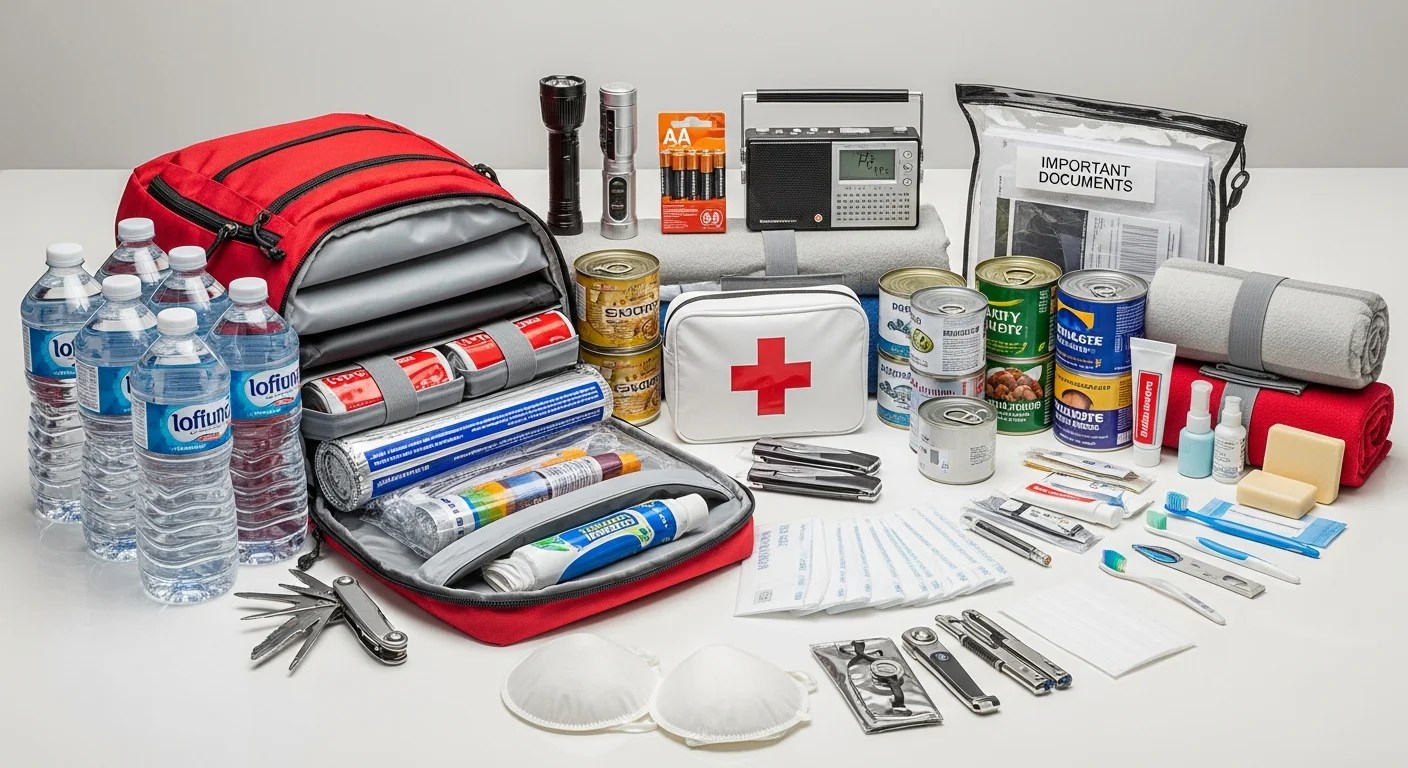
Your emergency kit is your go-to resource when the power fails. It should be stored in an accessible place where everyone can find it, even in the dark. Start with the basics: a flashlight with extra batteries for every family member (see our power outage emergency kit checklist for the full list), a battery-operated or hand-crank radio to stay informed, and a carbon monoxide detector with a battery backup, which is crucial if you plan to use alternative heating sources. A well-stocked first aid kit is also non-negotiable for handling minor injuries when emergency services might be delayed. Make a habit of checking your kit every six months to replace expired items and test your batteries. Response Ready carries a full line of emergency preparedness kits designed for exactly this purpose.
Quick Power Outage Preparedness Checklist
Use this quick-reference checklist alongside the free PDF template to confirm your home is ready. Check off each item and note the date you last verified it:
- Lighting: One flashlight per family member with fresh batteries, plus at least two LED lanterns for shared spaces
- Water: One gallon per person, per day, for a minimum of three days
- Food: Three-day supply of non-perishable items (canned goods, protein bars, peanut butter, crackers) plus a manual can opener
- First aid: A complete first aid kit with any prescription medications for at least a week
- Communication: Battery-powered or hand-crank NOAA weather radio, printed contact list, and a fully charged portable power bank
- Warmth: Blankets, sleeping bags, and layered clothing for each person (critical in cold climates)
- Documents: Copies of important documents (insurance, IDs, medical records) in a waterproof bag
- Cash: Small bills and coins, since ATMs and card readers will not work during an outage
- Backup power: At least one portable power bank for phone charging; a portable power station or generator if you have medical devices
- Special needs: Baby supplies, pet food, medical device batteries, and mobility aids as applicable
Set Up Backup Power and Lighting
Losing power does not have to mean sitting in the dark. Beyond basic flashlights, consider investing in long-lasting LED lanterns to light up entire rooms. For charging phones and other small devices, a fully charged power bank is a must-have. If you are looking for a more robust solution, a backup generator can keep major appliances running. Solar-powered generators are a great sustainable option that can be recharged during the day. Whatever you choose, make sure you understand how to operate it safely before an emergency strikes. Never run a fuel-powered generator indoors or in an attached garage.
Backup Power Options Comparison
| Backup Power Option | Best For | Runtime | Safety Notes |
|---|---|---|---|
| Portable Power Bank | Phones, tablets, small devices | 1-3 device charges | Safe indoors; keep charged |
| Battery-Powered Lanterns | Room lighting | 20-100+ hours | Safe indoors; LED preferred |
| Portable Power Station | Multiple devices, small appliances | 3-12 hours depending on load | Safe indoors; rechargeable via solar |
| Solar Generator | Extended outages, off-grid use | Unlimited with sunlight | Safe indoors; panels need sun exposure |
| Gas-Powered Generator | Whole-home power, major appliances | 8-24 hours per tank | NEVER use indoors; 20+ feet from windows |
| Uninterruptible Power Supply (UPS) | Medical devices, computers | 15 minutes to 2 hours | Safe indoors; auto-switches on outage |
What Is Your Plan When Cell Service Goes Down?
During a widespread outage, cell towers can become overloaded or lose power themselves, making your mobile phone unreliable. Do not count on being able to make calls or access the internet. Your communication plan should include alternatives. If you still have a landline, it may work even when cell service is down. Establish an out-of-state contact person who the whole family can check in with, as long-distance calls are sometimes more reliable than local ones. Most importantly, decide on a physical meeting point, both in your neighborhood and outside of it, in case you get separated and cannot communicate.
Find Safe, Warm Spaces in Your Home
If you live in a cold climate, staying warm is a top priority. A wood stove or a fireplace can be a lifesaver, but only if it is clean, maintained, and you have a safe supply of fuel. If you do not have one, you can create a warm space by closing doors to unused rooms and hanging blankets over windows to insulate the space. Huddle together in one room to share body heat. Make sure everyone has access to warm blankets, sleeping bags, and layered clothing. Avoid using camp stoves, charcoal grills, or ovens to heat your home, as they produce dangerous carbon monoxide fumes.
What Is Inside the Free Power Outage Plan PDF?
Thinking about everything you need to do for a power outage can feel overwhelming, but a good plan breaks it down into manageable pieces. That is exactly what our free template is designed to do. Instead of a blank page, you get a structured guide that walks you through every important detail, so you do not have to start from scratch. We have organized it into four key sections to make sure all your bases are covered.
First, you will find templates to organize your communication strategy and emergency contacts, because knowing who to call and how to reach them is priority number one. Next, we have included detailed checklists for your emergency supplies, taking the guesswork out of what you need to stock up on. You will also get step-by-step safety procedures to follow during an outage, helping you protect your home and family from common hazards. Finally, there are dedicated forms for medical information and special needs, ensuring that the health of every family member is accounted for.
Emergency Contact and Communication Templates
When the power goes out, your phone might be the first thing to die. That is why our template starts with a printable emergency contact list. It has space for everything you need in one place: phone numbers for family members, neighbors, doctors, and your utility company. Having a physical copy means you are never left scrambling.
We have also included a simple family communication plan. Much like how utility companies have a plan to keep customers informed, your family needs one to stay connected. This template helps you decide on a meeting spot, designate an out-of-state contact person everyone can check in with, and outline how you will share updates if cell service is spotty. It is a straightforward way to make sure everyone knows the plan to reconnect during an emergency.
Checklists for Supplies and Inventory
Preparation is the foundation of any solid emergency plan. Our template includes comprehensive checklists to help you gather your resources so you are ready for anything. We have covered all the essentials for you: water (one gallon per person, per day), non-perishable food for at least three days, flashlights, extra batteries, and a well-stocked first aid kit.
The checklists are designed to be a starting point. We have left space for you to add items specific to your family’s needs, like prescription medications, baby formula, diapers, or pet food. You can also find a variety of power outage checklist templates on our site. Use the inventory sheet to track what you have and note expiration dates, so you can easily rotate your supplies and ensure everything is fresh and ready to go when you need it most.
Step-by-Step Safety Procedures
Knowing what to do, and what not to do, during a power outage is critical for keeping everyone safe. Our template provides clear, step-by-step instructions for key safety procedures. You will find guidance on how to prevent damage from power surges by unplugging sensitive electronics and major appliances. We have also included tips for food safety, explaining how to know what is safe to eat from your refrigerator and freezer.
The guide also covers crucial protocols like generator safety, carbon monoxide prevention, and how to use candles and alternative heat sources safely. Think of these procedures as your playbook. After an outage, you can even use the provided space to document lessons learned and update your plan, making it even stronger for the next time.
Medical Info and Special Needs Forms
For many families, a power outage is more than an inconvenience; it can be a serious health risk. Our template includes dedicated forms to manage medical needs and make sure no detail is forgotten. You can fill out a sheet for each family member with their medications, dosages, allergies, doctor’s contact information, and any important health conditions.
Crucially, we have included a section to create a plan for any power-dependent medical devices, such as CPAP machines, home dialysis equipment, or oxygen concentrators. This prompts you to think through your backup power options and have a clear strategy in place. Having this information organized and accessible helps ensure that everyone, especially the most vulnerable members of your family, receives the care they need.
How Do You Customize the Power Outage Plan Template for Your Home?
Every household has different needs, so the best power outage plan template is one you tailor to your own situation. Start by printing our free PDF and sitting down with your family to fill in each section together. Walk through your home and identify the specific items you depend on daily that require electricity, from your refrigerator and internet router to medical devices and security systems.
What Details Should You Add to Your Template?
Begin with your local utility company’s outage reporting number and website, since this is the first call you will make when the power drops. Next, fill in the emergency contact section with phone numbers for nearby family, your children’s school, your workplace, your doctor, and at least one out-of-state relative. In the supply checklist section, go beyond the standard recommendations and list items specific to your household: prescription medications, infant formula, pet food, mobility aids, or anything else unique to your family’s routine.
Pay special attention to the backup power section. Record the type of backup power you have (portable power station, generator, UPS), where it is stored, and how to operate it safely. If you use a gas-powered generator, note the fuel type, storage location, and the 20-foot outdoor clearance rule. For households with medical devices, document each device’s wattage requirement so you can match it to your backup power capacity.
Should Businesses and Organizations Create a Separate Power Outage Contingency Plan?
Businesses, hospitals, schools, and other organizations face additional challenges during a power outage that go beyond what a family plan covers. A power outage contingency plan for an organization should include employee notification procedures, data backup protocols, critical system priorities, and a chain of command for decision-making during the outage. Facilities with life-safety equipment, such as hospitals and care homes, need documented procedures for switching to generator power and verifying that emergency lighting, fire suppression systems, and communication devices remain operational.
If your organization does not yet have a formal electricity disruption plan, start with our free PDF template as a foundation and expand it with facility-specific procedures. Response Ready’s team can help organizations of any size build a comprehensive emergency response plan that protects both people and operations.

RECOMMENDED
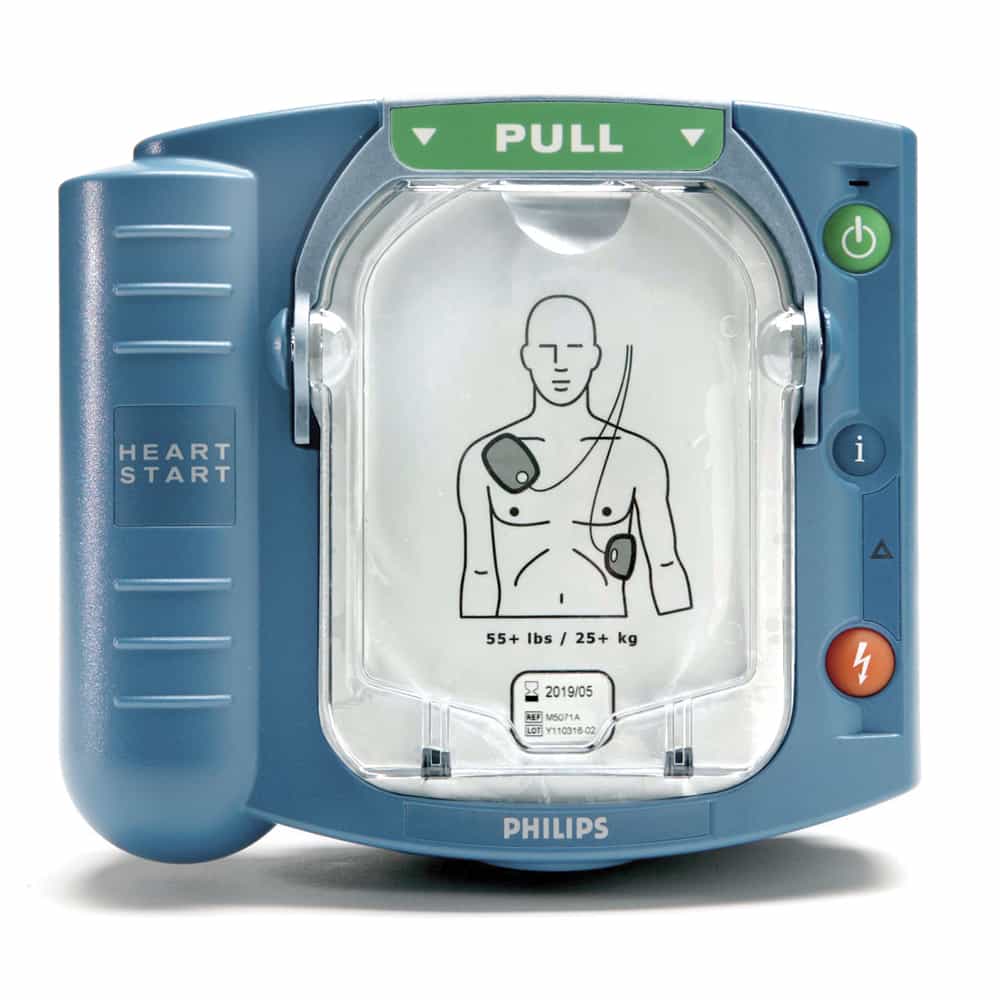
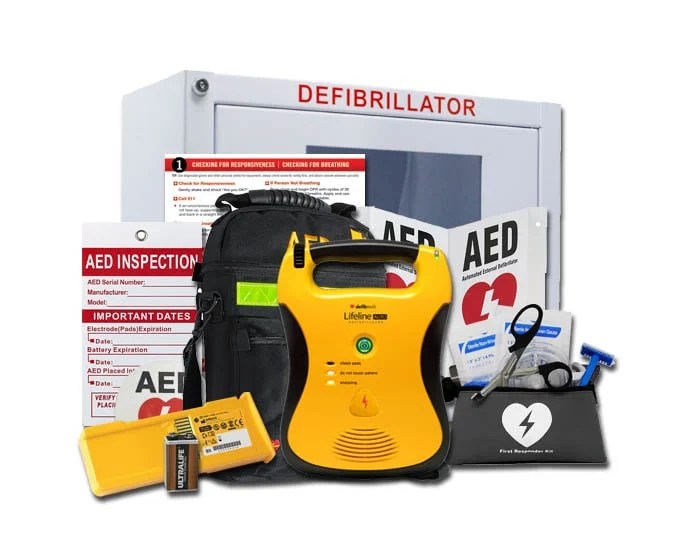
HeartSine Samaritan 350P AED Package
Compact, fully-automatic AED designed for first-time responders. Pads, battery, carry case and wall sign included.
What Are the Most Common Mistakes in Power Outage Planning?
Creating a power outage plan is a huge step toward keeping your family safe, but a few common oversights can derail even the best intentions. A plan is not just a document you file away; it is a living guide that needs to be practical and ready for action. Let us walk through some of the most frequent mistakes people make so you can be sure your plan is solid, reliable, and truly ready to see you through an outage.
Why Is Forgetting to Practice Your Plan So Dangerous?
A plan on paper is a great start, but it is not enough. Think of it like a fire drill: you practice so that when the alarm sounds, you know exactly what to do without panicking. The same goes for your power outage plan. Running through it as a family helps everyone understand their roles and builds muscle memory. A practice run is the perfect time to discover what works and what does not. You might find that the flashlights you stored have dead batteries or that your kids do not know where the emergency kit is. Practicing your plan turns theory into confident action.
Not Planning for Medical Device Power
If someone in your home relies on power-dependent medical equipment like a CPAP machine, nebulizer, or requires refrigerated medication like insulin, this needs to be a top priority in your plan. Make a specific list of all essential medical devices and their power requirements. From there, you can figure out the right backup power solution, whether it is a generator, an uninterruptible power supply (UPS), or a portable power station. Having a clear plan ensures you can maintain continuity of care, even when the grid is down.
Underestimating Food and Water Needs
It is easy to misjudge how much food and water you will actually need during an extended outage. The standard guideline is to have at least a three-day supply of non-perishable food and one gallon of water per person, per day. Do not forget to include pets in your calculations. When the power goes out, resist the urge to open the refrigerator or freezer to keep cold air trapped inside for as long as possible. It is also a smart habit to unplug major electronics to protect them from a potential power surge when the electricity is restored.
Ignoring Seasonal and Regional Risks
Your power outage plan should account for the specific risks in your area. Families in hurricane-prone states like Florida and Texas face different challenges than those in the Midwest dealing with ice storms. In winter months, hypothermia becomes a real threat during extended outages. In summer, heat stroke can be just as dangerous. Review your plan at the start of each season and adjust your supplies accordingly. For those in cold climates, our guide on preparing for a winter power outage covers additional steps you should take. If your area is prone to hurricanes, a hurricane preparedness plan is also essential.
How Often Should You Update Your Power Outage Plan?
Creating a power outage plan is a fantastic first step, but a plan sitting in a binder will not do much good when the lights actually go out. The real power of a plan comes from making it a living, breathing part of your family’s routine. Just like fire drills at school or work, practicing your power outage emergency plan turns abstract instructions into confident actions.
Run Practice Drills with Your Family
Practice drills are where you put theory into action to see what really works. Running through your plan helps everyone commit the steps to memory and, more importantly, reveals any weak points you might have missed. You might discover that the flashlights are not where you thought they were, or that the hand-crank radio is harder to operate than you expected.
Try a simple “lights out” drill one evening. Turn off the main breaker (safely, of course) for 30 minutes and have your family execute the first steps of your plan. Can everyone find their flashlights or headlamps? Does your backup lighting work? This is also a great time to practice using your first aid kits in low light. Making it a calm, controlled exercise builds confidence and helps everyone feel more prepared for the real thing.
Review and Update Your Plan Yearly
Your family’s needs change over time, and your emergency plan should, too. Set aside time at least once a year to review and update your entire plan. A great time to do this is when you are already thinking about preparedness, like before the start of hurricane or winter storm season. Check your emergency contacts to make sure all the numbers are current. Inspect your supplies, rotating out any expired food, water, or medications.
This is also the perfect opportunity to re-evaluate your strategy based on new circumstances. Have you welcomed a new baby or pet into the family? Does anyone have new medical needs or devices that require power? After any real power outage, take a moment to discuss what went well and what could be improved, and then update your plan with those lessons. A plan that evolves with you is a plan you can always trust. For more detailed guidance, see our family disaster plan checklist.
Make Sure Everyone Knows Their Role
During an emergency, confusion can lead to delays and mistakes. Assigning clear roles beforehand ensures that everyone knows exactly what they need to do, allowing your family to work together as a team. When everyone has a specific job, it minimizes chaos and helps make sure no critical tasks are forgotten. These roles should be simple, clear, and appropriate for each person’s age and ability.
For example, one person can be in charge of gathering all the flashlights and lanterns, while another is responsible for checking on pets and making sure they have food and water. An older child could be tasked with grabbing the power outage kit, and another adult could be the communications lead, responsible for monitoring the radio and contacting relatives.
How Do You Prepare for a Winter Power Outage?
Winter power outages carry unique dangers that warm-weather blackouts do not, including frozen pipes, hypothermia risk, and heating system failures. Ice storms, heavy snow, and high winds are the leading causes of winter grid failures. Preparing specifically for cold-weather outages can make the difference between a minor inconvenience and a dangerous emergency.
What Causes Winter Power Outages?
Ice and freezing rain coat power lines and tree branches, adding weight that snaps them. Heavy snow and blizzards reduce visibility and block roads, delaying repair crews. High winds topple trees into power infrastructure. Cold temperatures can also cause equipment failures at power plants and substations when demand surges.
How to Stay Warm When the Heat Goes Out
Layer clothing and blankets rather than relying on a single heavy coat. Designate one interior room as your “warm room” where the whole family gathers, keeping the door closed to conserve body heat. Use safe heating alternatives like a wood-burning fireplace or a properly vented kerosene heater. Never use a gas stove, charcoal grill, or propane heater indoors, as these produce carbon monoxide.
How Do You Protect Pipes From Freezing?
Frozen pipes are one of the most expensive consequences of a winter power outage, with burst pipe repairs averaging $5,000 or more. Let faucets drip slowly to keep water moving through the pipes. Open cabinet doors under kitchen and bathroom sinks to let warm air reach the plumbing. Insulate exposed pipes in unheated areas like the garage, attic, and crawl spaces before winter arrives. If you lose heat for an extended period, consider shutting off the main water valve and draining the system to prevent bursts.
Winter-Specific Kit Additions
Add these items to your standard emergency kit during cold months:
- Extra wool blankets and sleeping bags rated for low temperatures
- Hand and toe warmers (chemical heat packs)
- Insulated water bottles to prevent freezing
- Rock salt or sand for icy walkways
- A snow shovel stored inside (not in the garage where it may be inaccessible)
- Firewood and fire starters if you have a fireplace
How Much Should a Power Outage Kit Cost?
You do not need to spend hundreds of dollars at once to build a reliable emergency kit. Starting small and building over time is a smart strategy. Understanding the price tiers helps you decide where to invest.
Budget-Friendly Options ($30 to $60)
A basic kit at this price covers the essentials: a flashlight, batteries, a basic first aid kit, a few days of water purification tablets, and non-perishable snacks. This is a solid starting point for renters or anyone on a tight budget.
Mid-Range Kits ($60 to $120)
At this level, you can add a hand-crank or battery-powered radio, a portable phone charger, better lighting options like an LED lantern, and a more complete first aid kit. This covers most families for a 72-hour outage.
Premium Kits ($120 and Up)
Premium kits include higher-capacity portable power stations, solar chargers, multi-day food supplies, and comprehensive medical gear. These are ideal for families in areas prone to extended outages or anyone who wants thorough preparation.
Pre-Built vs. DIY: Which Kit Is Right for You?
A pre-assembled emergency kit saves time and ensures you do not overlook critical items. Many pre-built kits from trusted suppliers are designed by emergency professionals. Building your own kit gives you more control over quality and lets you customize for your household’s specific needs, such as prescription medications, infant supplies, or pet food. Either way, the important thing is to have a kit ready before you need it.
What Should You Do After the Power Comes Back On?
The moment power is restored is not the time to relax. A careful post-outage inspection protects your home and family from hidden damage.
Inspect Your Home and Equipment
Walk through your home and check for any damage caused by the outage or by the power returning. Look for tripped circuit breakers, flickering lights, or unusual smells that could indicate an electrical problem. Plug appliances back in one at a time to avoid overloading the circuit.
Know What Food to Keep and What to Toss
If your refrigerator was without power for more than four hours, discard perishable foods like meat, dairy, and leftovers that have risen above 40 degrees Fahrenheit. A freezer that stayed closed can keep food safe for 24 to 48 hours, depending on how full it was. When in doubt, throw it out.
Restock Your Kit and Update Your Plan
After every outage, replace any supplies you used, recharge batteries and power banks, and note what worked and what you wish you had. Update your emergency plan with lessons learned while the experience is fresh.
Related Articles
- Emergency Preparedness Kits for Home, Travel and Evacuation
- 10 Person Shelter In Place Emergency Kit for Group Safety
- Emergency Preparedness Kits
- Emergency Preparedness Kit Checklist for 2026
- 72-Hour Emergency Kit Checklist
- The Ultimate Earthquake Emergency Kit List

Not sure which AED or training fits your needs?
A Response Ready product expert walks you through it — no obligation.
Frequently Asked Questions
What are the very first things I should do when the power goes out?
Before you do anything else, make sure your family is safe. Grab your flashlights or battery-powered lanterns instead of reaching for candles to avoid any fire risk. Next, unplug major electronics like your television and computers to protect them from a potential surge when the power returns. Once that is done, check on your neighbors, especially if they are elderly or have medical needs, and then tune your battery-powered radio to a local station for updates.
How can I prepare for an outage if I live in an apartment?
The core principles of planning are the same, even in a smaller space. You can store a compact emergency kit in a closet or under a bed. It is also important to understand your building’s specific emergency procedures, like whether the backup generators power the elevators or hallway lights. Get to know your neighbors, as you may need to rely on each other for support. Your communication plan is especially important, so make sure you have a designated meeting spot outside your building in case you need to evacuate.
How do I involve children in planning without causing anxiety?
The best way to involve children is to frame preparedness as a positive and empowering activity. You can make a game out of assembling your emergency kit together, letting them be in charge of testing the flashlights or picking out their favorite non-perishable snacks. Give them a specific, simple job, like being the “flashlight captain” or the person who checks on the family pet. When you practice your plan, treat it like a family adventure or a campout in the living room.
Is a big generator the only way to have backup power?
Not at all. While a generator can run major appliances, there are many smaller, more accessible options for essential needs. A few fully charged portable power banks are perfect for keeping your phones and tablets running so you can stay in touch with family. Solar-powered chargers can be a great help in a longer outage. For lighting, battery-powered LED lanterns are safe, effective, and can illuminate an entire room.
How long should my emergency supplies last?
A good starting point for any household is to have enough non-perishable food and water to last for at least three days. Aim for one gallon of water per person, per day. This three-day standard is recommended because it can often take that long for emergency crews to restore power after a major event. If you live in a remote area or in a region prone to severe weather like hurricanes or blizzards, consider building up your supply to last for a full week.
What is the most important item to have during a power outage?
While every item in your emergency kit serves a purpose, a reliable light source is arguably the most critical first need. Battery-powered LED flashlights or lanterns allow you to navigate your home safely, locate other supplies, and reduce anxiety, especially for children. Pair your light source with a battery-powered or hand-crank radio so you can receive weather updates and emergency information from local authorities.
Should I turn off my main circuit breaker during a power outage?
It depends on the situation. If the outage is caused by severe weather, flooding, or you see sparking near your electrical panel, turning off the main breaker is a smart safety measure. For routine outages, simply unplugging sensitive electronics and major appliances is usually sufficient to protect them from a power surge when electricity is restored. Always consult a licensed electrician if you are unsure about your specific situation.
How often should I update my power outage emergency plan?
Review your plan at least once per year, ideally before your area’s severe weather season begins. You should also update it any time your household has a significant change, such as a new family member, a new medical condition, a move to a new home, or after you have experienced a real power outage. Checking expiration dates on food, water, batteries, and medications should happen every six months.
What should a backup plan for a power outage include?
A backup plan for a power outage should cover four areas: an alternative power source (generator, portable power station, or UPS for medical devices), a communication strategy that does not depend on cell service, at least a three-day supply of food, water, and medications, and a list of safe locations you can go to if the outage lasts more than 48 hours. Test your backup plan at least once per year to make sure all equipment works and every family member knows the steps.
Where can I find a free power outage plan template to print?
You can download our free power outage emergency plan PDF directly from this page. The template includes printable checklists for supplies, emergency contact forms, safety procedures, and medical information sections. Print it out, fill it in with your family, and store it in your emergency kit or on your refrigerator where everyone can find it.