- Published
- March 25, 2026
The Smart Buyer's Office Defibrillator Guide


You don’t need to be a medical expert to save a life. You just need the right tools and the confidence to act. An office defibrillator, or AED, is one of the most effective tools you can have to protect your team from sudden cardiac arrest. These devices are designed for anyone to use, providing simple, step-by-step instructions that guide you through a stressful situation. This article is your complete guide to not just buying an AED, but building a successful life-saving program around it. We’ll cover how to choose the right model, where to place it for quick access, and how to empower your team with the training they need to respond effectively.
Key Takeaways
- Empower Immediate Action: An AED is essential because survival from sudden cardiac arrest depends on immediate defibrillation. Having one on-site allows your team to respond within the first critical minutes, long before emergency services can typically arrive.
- Prepare Beyond the Purchase: A successful AED program involves more than just the device. It requires strategic placement for quick access, a simple maintenance plan for pads and batteries, and a clear emergency response plan so everyone knows their role.
- Trust the Technology: Modern AEDs are designed for anyone to use, regardless of training. They provide clear voice instructions and will not deliver a shock unless it’s necessary, removing the guesswork and empowering any team member to act confidently and safely.
What Is an Office Defibrillator and How Does It Work?
An office defibrillator, more formally known as an Automated External Defibrillator (AED), is a portable medical device designed to save the life of someone experiencing sudden cardiac arrest (SCA). Think of it as a smart, life-saving tool that anyone can use. When a person has an SCA, their heart’s electrical activity becomes chaotic, causing it to stop pumping blood effectively. An AED is a device used with CPR to help someone having sudden cardiac arrest, especially when their heart has an irregular rhythm.
Unlike a heart attack, which is a “plumbing” problem caused by a blockage, SCA is an “electrical” problem. The AED is designed to fix that electrical issue. It analyzes the heart’s rhythm and, if it detects a life-threatening arrhythmia, delivers a controlled electric shock called defibrillation. This shock stops the chaotic rhythm, giving the heart a chance to reset and resume a normal beat. Modern AEDs for sale are incredibly user-friendly, with clear instructions that guide a layperson through the entire process, making it possible for anyone in your office to become a first responder.
How an Office AED Works
You don’t need to be a medical professional to use an AED. In fact, these devices were specifically created for people with no formal training. Modern Automated External Defibrillators (AEDs) are designed to be easy to use, providing clear voice instructions and visual guides to help users administer the necessary shocks. Once you turn the device on, it talks you through every step, from applying the electrode pads to the person’s bare chest to when to perform CPR.
The AED automatically analyzes the person’s heart rhythm and determines if a shock is needed. You can’t accidentally shock someone who doesn’t need it; the machine simply won’t allow it. If a shock is required, the device will instruct you to press a button. This simple, guided process empowers anyone to act confidently in an emergency, and hands-on CPR and AED training can make your team even more prepared.
The Life-Saving Role of an AED
The single most important role of an AED is to dramatically increase the chance of survival from sudden cardiac arrest. When a person’s heart stops, every moment matters. While CPR is vital for keeping oxygenated blood flowing to the brain and other organs, it can’t restart a heart stuck in a fatal rhythm. Only a defibrillation shock can do that.
Having an AED on-site means you can deliver that shock within minutes of collapse, rather than waiting for emergency services to arrive. Using an AED quickly can increase a person’s chance of survival from cardiac arrest to 50% to 70%. This makes an AED an essential part of any workplace safety plan. Complete AED packages provide everything you need to set up a life-saving station in your office.
Why Every Second Counts in Sudden Cardiac Arrest
When it comes to sudden cardiac arrest, the clock is your biggest enemy. The chance of survival drops significantly with each passing minute. In fact, every minute that passes without chest compressions and defibrillation reduces a person’s chance of survival by up to 10%. After just 10 minutes, the chances of survival are tragically low.
Considering that average ambulance response times can often exceed five to eight minutes, waiting for professional help is a gamble you can’t afford to take. Having an AED in your office closes that critical time gap. It allows your team to provide immediate, life-saving intervention while waiting for paramedics to arrive, turning a potentially fatal event into a story of survival. This is why an accessible AED isn’t just a piece of equipment—it’s a lifeline.
Why Your Office Needs a Defibrillator
When you think about office safety, fire extinguishers and first aid kits probably come to mind. But what about a tool that can respond to one of the leading causes of death in the U.S.? An Automated External Defibrillator (AED) is a critical piece of safety equipment that can mean the difference between life and death during a sudden cardiac arrest. Having one on-site isn’t just about checking a box; it’s about creating a workplace where your team feels secure and prepared. It shows you’re committed to their well-being and ready to act when every second counts.
Key Statistics on Sudden Cardiac Arrest
Sudden cardiac arrest (SCA) is more common than many people realize. In the United States, over 450,000 people die from SCA each year—more than from car accidents, breast cancer, and fires combined. SCA can happen to anyone, regardless of age or health, and often occurs without warning. Since many adults spend a significant portion of their day at work, the office is a common place for these emergencies to happen. Having an AED for sale in your workplace provides the best chance of a positive outcome for an employee, client, or visitor.
How Survival Rates Drop Every Minute
When someone experiences sudden cardiac arrest, time is the most critical factor. The chance of survival decreases by about 10% for every minute that passes without defibrillation. After just 10 minutes, survival is extremely unlikely. While emergency medical services do an incredible job, their average response time can be longer than this crucial window. An on-site AED allows a coworker to step in and deliver a potentially life-saving shock immediately, long before an ambulance arrives. This simple action bridges the gap and dramatically improves the odds of survival. Equipping your office with an AED package ensures you have everything needed to respond effectively.
How Good Samaritan Laws Protect You
One of the biggest hesitations people have about using an AED is the fear of doing something wrong or being held legally responsible. Thankfully, Good Samaritan laws exist in all 50 states to protect bystanders who offer help in an emergency. These laws shield you from liability when you use an AED in good faith to save a life. The devices themselves are designed for anyone to use, with clear voice prompts guiding every step, and they won’t deliver a shock unless it’s needed. Combining this legal protection with proper CPR and AED training gives your team the confidence to act decisively when it matters most.
What to Look for in an Office Defibrillator
Choosing a defibrillator for your office can feel like a big responsibility, but it doesn’t have to be complicated. Modern Automated External Defibrillators (AEDs) are designed to be incredibly straightforward, but a few key features can make a huge difference in an emergency. When you’re comparing models, you’re not just buying a piece of equipment; you’re investing in a tool that needs to be reliable, easy for anyone to use, and ready to go at a moment’s notice.
Think about your specific workplace. Is it a large, multi-floor building or a small, single-level office? Do you have employees with medical training, or will the device most likely be used by a layperson? Do children ever visit the premises? Answering these questions will help you prioritize the features that matter most for your team’s safety. Let’s walk through the essential features to look for so you can feel confident you’re making the right choice. From clear instructions to self-check capabilities, these are the details that ensure your AED is an effective and dependable part of your emergency plan.
Ease of Use and Clear Instructions
In a high-stress situation like a sudden cardiac arrest, simplicity is everything. The best AEDs for sale are designed for people with no medical background. Look for a device that provides clear, calm voice prompts that guide the user through every step, from applying the electrode pads to delivering a shock. Many models also include easy-to-follow visual diagrams on the device itself or on the pad packaging. These features remove the guesswork and empower anyone in your office to step in and help confidently, ensuring the process is as foolproof as possible when every second is critical.
Automatic Self-Check Features
An AED is only effective if it’s ready to work when you need it. That’s why one of the most important features to look for is an automatic self-check function. Most modern defibrillators perform regular self-tests on a daily, weekly, and monthly basis to verify that the battery is charged and the electrode pads are within their expiration date. The device will typically have a clear status indicator—like a green checkmark—to show it’s ready for use. This automated monitoring provides peace of mind and significantly reduces the chance of discovering an issue during an actual emergency. It ensures your life-saving AED accessories are always ready.
Adult and Child Compatibility
Sudden cardiac arrest can happen to anyone, at any age. If your workplace ever has children on-site—whether for family events, as part of a daycare, or simply as visitors—it’s wise to choose an AED that is compatible with both adults and children. Many devices offer this versatility through special pediatric AED pads that deliver a lower-energy shock appropriate for a child’s smaller body. Some models even have a “child mode” or a key that adjusts the shock level without needing to switch pads, making the response even faster and simpler. This feature ensures you’re prepared for any emergency.
CPR Feedback Technology
Cardiopulmonary Resuscitation (CPR) is a critical link in the chain of survival, but it can be difficult to perform correctly without practice. Some of the most advanced AEDs come equipped with CPR feedback technology. This feature provides real-time audio or visual guidance on the quality of chest compressions, coaching the rescuer to push at the right depth and rate. It might say “Push harder” or “Good compressions” to help maintain the ideal rhythm. This built-in coaching can dramatically improve the effectiveness of CPR, which is why it’s a valuable feature to consider alongside formal CPR & AED training.
Portability and Durability
An emergency won’t always happen right next to where the AED is stored. The device needs to be lightweight and easy to grab and go. Look for a model that is compact and comes with a sturdy carrying case, allowing a rescuer to transport it quickly to any location in your office, from the parking lot to the top floor. Durability is also key. The device should be built to withstand being jostled or even a minor drop on the way to an emergency. Many of our AED packages include these protective cases to ensure your device is always secure and ready for action.
Top Defibrillator Brands and Models for the Office
Choosing an AED for your workplace can feel like a big decision, but it doesn’t have to be complicated. The best defibrillators on the market are all designed with one person in mind: the everyday responder. They are built to be incredibly reliable, simple to operate, and provide clear guidance when stress is high. While different models offer unique features, you’ll find that the top brands all prioritize intuitive design to help anyone act confidently during an emergency.
The right AED for your office will depend on your specific environment, team, and budget. Do you need a device that provides real-time feedback on CPR? Is your workplace a high-traffic area that would benefit from a particularly durable model? To help you find the perfect fit, we’ve highlighted a few of the most trusted and popular AEDs for sale that are consistently recommended for office settings. These brands have earned their reputation for performance and ease of use, making them excellent choices for protecting your team.
Our Top AED Recommendations
When you’re equipping your office for a cardiac emergency, you want a device that removes as much guesswork as possible. The following AEDs are favorites in workplace settings because they are straightforward, dependable, and packed with features that support rescuers from the moment the device is opened. Each one is designed to guide a user through the entire process, from applying the pads to performing CPR, ensuring that help can be given effectively while waiting for professional responders to arrive. These models represent some of the best options available for creating a safer work environment.
Philips HeartStart Series
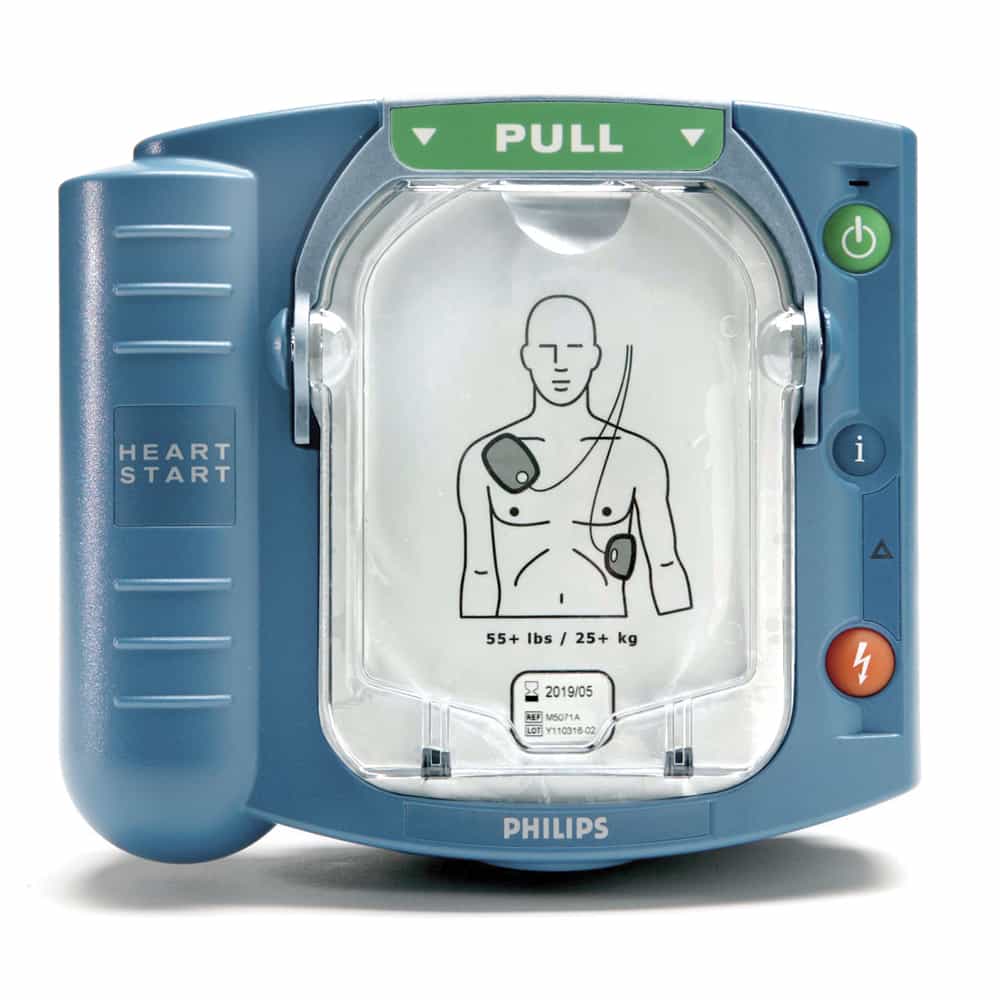
The Philips HeartStart OnSite is one of the most popular AEDs for offices, and for good reason. It’s designed to be used by anyone, regardless of their training level. The device provides calm, clear voice instructions and visual guides that walk you through every step of the process. One of its best features is its automated self-testing schedule; it performs daily, weekly, and monthly checks to ensure it’s always ready to go. This gives you peace of mind knowing your device is functional. For workplaces that welcome families or have an on-site daycare, you can also get special infant/child AED pads that adjust the instructions and energy level accordingly.
Defibtech Lifeline Models
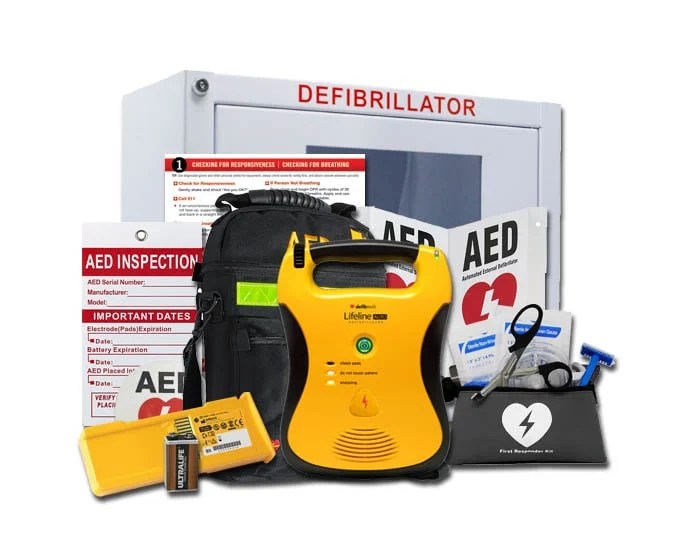
Defibtech is known for creating AEDs that are both incredibly durable and easy to use. The Lifeline series is a perfect example, offering a simple, two-button interface that won’t overwhelm a first-time user. These models come in both semi-automatic (which prompts the user to press a button to deliver a shock) and fully automatic (which delivers the shock on its own) versions, allowing you to choose the style that best fits your team’s comfort level. Their rugged design and bright yellow color make them highly visible and resilient, ensuring they can be counted on when you need them most. Many businesses choose these models for their straightforward, effective approach to emergency response.
ZOLL AED Plus Options
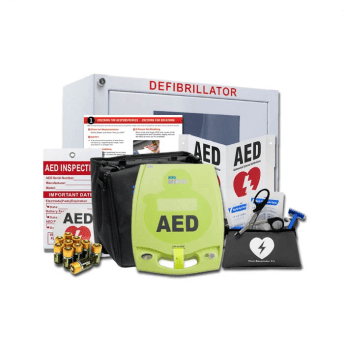
The ZOLL AED Plus stands out with a feature that can make a huge difference in an emergency: real-time CPR feedback. During a rescue, the device will tell you if you need to push harder or if you’re doing a great job with your chest compressions. It’s like having a coach right there with you. This feature helps ensure that the victim receives high-quality CPR, which is critical for survival. The ZOLL AED Plus also uses clear voice prompts and visual icons to guide you through the entire rescue. Its unique, one-piece electrode pad design simplifies placement, saving valuable time and reducing stress for the rescuer.
How Much Does an Office Defibrillator Cost?
When you’re thinking about adding a defibrillator to your office, the price tag is naturally one of the first things that comes to mind. It’s helpful to think of it not as a simple expense, but as a critical investment in your team’s safety. The total cost isn’t just the price of the device itself; it includes the initial purchase, ongoing maintenance, and the training that empowers your team to act confidently in an emergency. Understanding these components will help you budget effectively and build a successful workplace AED program that’s ready when you need it most.
Breaking Down the Initial Cost
The upfront cost of a new office defibrillator typically ranges from about $1,500 to over $2,500. This variation depends on the brand, model, and specific features, such as real-time CPR feedback or bilingual capabilities. Most businesses opt for complete AED packages, which bundle the defibrillator with essential accessories like a carrying case, a wall-mounted cabinet, and emergency signage. These packages provide a comprehensive, ready-to-deploy solution, ensuring you have everything you need from day one. When comparing prices, look closely at what’s included to make sure you’re getting the best value for your workplace.
Factoring in Maintenance and Replacements
An AED is a long-term investment, and its ongoing upkeep is a key part of the total cost. The two main components you’ll need to replace over time are the electrode pads and batteries. AED pads generally have a shelf life of two to four years, while batteries last anywhere from two to five years, depending on the model. These are predictable expenses you can plan for. It’s also wise to budget for team training. While modern AEDs are designed for anyone to use, formal CPR and AED training gives your staff the confidence to respond quickly and effectively, making your investment even more valuable.
What’s the True Long-Term Cost?
While it’s important to understand the financial costs, the true value of an AED is measured in lives. During a sudden cardiac arrest, a person’s chance of survival drops by about 10% for every minute that passes without defibrillation. After 10 minutes, survival is unlikely. The cost of inaction is immeasurably high. Having a defibrillator on-site transforms a potentially tragic event into a story of survival. It’s a powerful statement that you prioritize the well-being of your employees and visitors. The peace of mind that comes from being prepared is priceless, making an AED one of the most meaningful investments your office can make.
What Are the Legal Requirements for Workplace AEDs?
Understanding the legal side of having an AED in your office can feel a bit complicated, but it’s more straightforward than you might think. While there isn’t a single federal law that requires every workplace in the country to have a defibrillator, there are important federal guidelines and state-specific laws that you need to know. More than just checking a legal box, having an AED is about creating a safer environment for your team and visitors.
The key is to think about preparedness from a few different angles: federal recommendations from agencies like OSHA, your own state’s specific requirements, and a practical assessment of your workplace’s unique needs. By looking at all three, you can make an informed decision that not only ensures compliance but also builds confidence that you’re ready to handle a sudden cardiac arrest emergency. Let’s walk through what you need to consider.
OSHA Guidelines for Employers
The Occupational Safety and Health Administration (OSHA) sets the standard for workplace safety in the United States. While OSHA doesn’t have a rule that explicitly says, “every office must have an AED,” it does require employers to provide adequate first aid supplies. The official language states that employers must provide “adequate and appropriate” equipment and personnel to ensure employees get immediate attention if they are injured or become suddenly ill at work.
So, what does “adequate and appropriate” mean for you? In many modern workplaces, an AED is considered a fundamental part of a complete first aid setup. This is especially true if your office isn’t located near a hospital or if local emergency services could be delayed. Having one of our AED packages on-site is a clear, proactive step toward meeting and exceeding OSHA’s first aid standards.
Know Your State’s AED Laws
Beyond federal guidelines, AED requirements can vary quite a bit from state to state. Some states have passed laws mandating that certain types of public places, like schools, gyms, and government buildings, have defibrillators available. Your business might fall under one of these state-specific mandates depending on your industry and location. It’s a good idea to research your state’s public access defibrillation (PAD) laws to see what applies to you.
These laws often include provisions for maintenance, placement, and training. Many states have also enacted Good Samaritan laws that offer legal protection to individuals who use an AED in good faith to help someone during an emergency. This protection is crucial for encouraging people to act without fear of liability. Proper CPR and AED training can also ensure your team feels confident and prepared to respond effectively.
How to Assess Your Office’s Needs
Ultimately, the decision to place an AED in your workplace should be based on a simple, practical first aid needs assessment. This is something any organization can do to evaluate its specific risks and level of preparedness. Think about a few key factors: How long would it take for paramedics to arrive at your location? A delay of even a few minutes can dramatically reduce the chance of survival from sudden cardiac arrest.
Also, consider your workforce. Do you have a large number of employees or a high volume of public visitors? What is the general age and health profile of the people in your building? Answering these questions will help you determine if an AED is a necessary addition to your safety plan. A thorough assessment helps you move beyond legal minimums and create a truly response-ready environment for everyone.
How to Choose the Right Defibrillator for Your Office
Picking the right defibrillator for your office goes beyond comparing models and features. It’s about understanding your unique workspace and the people in it. The best AED is one that your team can find and use quickly when seconds are critical. Factors like your office layout, the number of employees, and even the physical fitness level of your team can influence your decision. Having an AED in the workplace can dramatically increase the chance of survival during a sudden cardiac arrest, so it’s worth taking the time to get this choice right. Let’s walk through how to select and place an AED to create a safer environment for everyone.
Matching an AED to Your Office Size
The size and layout of your workplace are the first things to consider. For a small, single-floor office, one centrally located AED may be sufficient. The key is ensuring someone can retrieve it and return to the person in need within three minutes. If your office is spread across a large area, like a warehouse or a corporate campus, you’ll need multiple devices. A good rule of thumb is the “three-minute rule”: can you get the AED from its location to any point in your office and back in under three minutes? If not, you need more AEDs. Thinking through different scenarios can help you find the right AED packages to cover your entire space effectively.
Where to Place AEDs in a Multi-Floor Building
Strategic placement is everything. An AED should be located where people are most likely to be, such as lobbies, cafeterias, fitness centers, or busy hallways. In a multi-floor building, you should have at least one defibrillator on each level, ideally in the same spot on each floor (like near the main elevator bank) so it’s easy to remember. The device should be easy to see, clearly marked with signage, and near a phone to call 911. Make sure it’s accessible to everyone, including individuals in wheelchairs, by mounting it at a reachable height. Proper placement is a core part of any emergency response plan, something you’ll cover in CPR and AED training.
Make Sure Your AED Is Accessible and Visible
For a defibrillator to be effective, it needs to be in a visible, easy-to-reach spot. This means it should never be locked in a cabinet or stored in an office that might be inaccessible after hours. An AED hidden away is an AED that can’t save a life. Use clear, universally recognized signage to point the way to the device from multiple directions. Storing it in a wall-mounted cabinet with an alarm can protect the device while also alerting others that an emergency is happening. Investing in the right AED accessories, like cabinets and signs, ensures your life-saving equipment is seen and ready to go when you need it most.
What to Know Before You Buy an Office Defibrillator
Buying an AED is a fantastic step toward making your workplace safer. But the device itself is just one piece of the puzzle. To truly be prepared, you need a plan that includes your people, your processes, and the ongoing care of the device. Thinking through these key areas before you finalize your purchase ensures your investment will be ready to make a difference when it matters most. Let’s walk through the three most important things to consider: training your team, understanding when to use the device, and creating a solid maintenance plan.
Prepare Your Team with AED Training
First, let’s clear up a common myth: you don’t need to be a medical professional to use an AED. Modern defibrillators are designed specifically for people like you and me, with clear voice prompts and simple instructions. However, while formal training isn’t legally required to operate one, it’s one of the most valuable things you can do. Providing CPR & AED training for your team does more than just teach skills—it builds the confidence needed to act decisively in a high-stress situation. When people feel familiar with the device and the process, they are far more likely to step in and help immediately, which can be the difference between life and death.
When to Use (and Not Use) an AED
It’s normal to worry about using an AED incorrectly, but these devices are incredibly smart and safe. A common fear is that you might accidentally shock someone who doesn’t need it. The good news is that’s impossible. An AED first analyzes the person’s heart rhythm and will only deliver a shock if it detects the specific electrical problem of sudden cardiac arrest (SCA). It’s also important to know that SCA is different from a heart attack. A heart attack is a “plumbing” problem where blood flow to the heart is blocked, while SCA is an “electrical” problem where the heart suddenly stops beating effectively. An AED is designed specifically for SCA. If someone is unresponsive and not breathing normally, that’s your cue to call 911 and use the AED.
Create a Maintenance and Compliance Plan
An AED is a life-saving tool, but only if it’s in working order. A defibrillator that hasn’t been maintained is just a box on the wall. That’s why a simple maintenance and compliance plan is essential. This plan should include regular visual checks to ensure the device is ready and accessible. More importantly, you need to track the expiration dates of the AED pads and batteries, which typically need to be replaced every two to five years. Set calendar reminders so these dates don’t sneak up on you. Your plan should also confirm the AED is stored in a visible, unlocked location with clear signage, so no time is wasted searching for it during an emergency.
Set Up Your Office AED for Success
Bringing an AED into your workplace is a huge step toward protecting your team, but the work doesn’t stop there. To make sure your defibrillator is truly ready for an emergency, you need to think about maintenance, accessibility, and planning. A well-placed, fully charged AED, backed by a clear response plan, is what turns a piece of equipment into a life-saving tool.
Essential Replacement Pads and Batteries
An AED is only effective if it’s ready to work at a moment’s notice. That means keeping its core components up to date. Even if your AED is never used, its electrode pads and batteries have expiration dates and need to be replaced every two to five years. Most modern AEDs perform regular self-checks and will alert you with a chirp or a visual indicator when it’s time for a refresh. Think of it like changing the batteries in your smoke detector—it’s a simple task that ensures the device works when you need it most. Keep a log of expiration dates and have a spare set of AED pads and a replacement AED battery on hand so you’re never caught unprepared.
Storage Cabinets and Emergency Signage
If no one can find the AED, it can’t save a life. The best place for your device is a central, visible, and unlocked location that everyone can access quickly. Think high-traffic areas like reception desks, break rooms, or near elevators. Storing your AED in a designated wall-mounted cabinet protects it from damage and makes it easy to spot. Paired with clear, bold signage, a cabinet ensures that anyone—from an employee to a visitor—can locate the defibrillator without wasting precious seconds. The goal is to make the AED so easy to find that it’s impossible to miss during a high-stress emergency.
Develop a Clear Emergency Response Plan
An AED is a powerful tool, but your team is the most critical part of the response. A clear, simple emergency plan ensures everyone knows what to do when someone collapses. Who calls 911? Who retrieves the AED? Who starts CPR? Answering these questions ahead of time removes hesitation and confusion when every second counts. Your plan should be written down, shared with all employees, and practiced regularly. Integrating CPR and AED training into your plan empowers your team with the skills and confidence to act decisively, turning bystanders into effective first responders.
Start Your Office Defibrillator Program
Bringing a defibrillator into your workplace is a fantastic first step, but the device itself is just one piece of the puzzle. A successful office AED program is built on a foundation of training, strategic placement, and a clear emergency plan. When you combine these elements, you create a system that empowers your team to act decisively and confidently when it matters most. This isn’t just about checking a box for safety; it’s about building a culture of preparedness where everyone feels ready to help save a life.
Explore Training and Certification Options
Let’s clear up a common myth: you don’t need to be a medical professional to use an AED. Modern defibrillators are designed with simple, step-by-step voice instructions that guide anyone through the process. However, providing your team with CPR & AED training is one of the most valuable things you can do. While not always required, training transforms a hesitant bystander into a confident first responder. Hands-on practice demystifies the device and builds the muscle memory needed to act without freezing. When your staff knows exactly what to expect, they are far more likely to step in and help during a real emergency.
Follow Best Practices for AED Placement
An AED can’t save a life if no one can find it. Think of it like a fire extinguisher—it needs to be visible, accessible, and in a predictable location. The best spots are central, high-traffic areas like reception desks, break rooms, fitness centers, or near elevators. The goal is for someone to be able to retrieve the AED and return to the victim within 90 seconds. Use clear, universally recognized signage to point the way. When you install your AED packages, make sure they are mounted at an accessible height in unlocked cabinets, ensuring nothing obstructs the path to this life-saving tool.
Build a Complete Emergency Plan
Your AED is a powerful tool, but it works best as part of a coordinated emergency response plan. This plan doesn’t need to be complicated, but it should clearly outline key roles and responsibilities. Who calls 911? Who retrieves the AED and the office first aid kits? Who begins CPR? Who will meet first responders at the door to guide them? Documenting these steps and communicating them to your team eliminates confusion and saves precious time during a crisis. A well-rehearsed plan ensures your entire team works together seamlessly, giving a person in cardiac arrest the absolute best chance of survival.
Related Articles
- Certified AED Defibrillators for Workplace Safety — Response Ready
- Certified AED Defibrillators for Workplace Safety — Response Ready
- Certified AED Defibrillators for Workplace Safety — Response Ready
- Certified AED Defibrillators for Workplace Safety — Response Ready
- Certified AED Defibrillators for Workplace Safety — Response Ready
Frequently Asked Questions
Do we really need formal training to use an AED? While modern AEDs are designed to be used by anyone, with clear voice prompts guiding you through every step, providing training for your team is one of the best things you can do. Think of it this way: the device is simple, but a cardiac emergency is stressful. Training gives your staff the confidence to act immediately and effectively, removing the hesitation that can cost precious seconds. It helps them become familiar with the process so they can respond with clarity instead of panic.
Can I accidentally hurt someone by shocking them if they don’t need it? This is a common and completely understandable fear, but you can rest assured it’s impossible. An AED is a smart device that will not deliver a shock unless it analyzes the person’s heart and detects a specific, life-threatening electrical rhythm. If the person is unconscious for another reason or their heart doesn’t have a shockable rhythm, the machine simply will not allow a shock to be administered. You can’t make a mistake.
What’s involved in maintaining an AED after we buy it? Maintaining an AED is simpler than you might think and mostly involves periodic checks. The two key components you’ll need to track are the electrode pads and the battery, which have expiration dates and typically need to be replaced every two to five years. Most devices perform automatic self-tests and will show a clear status indicator, like a green light, to let you know everything is in working order. Your main job is to make a note of the expiration dates and perform a quick visual check every month to ensure that green light is still on.
How do we know if one AED is enough for our office space? A great rule of thumb is the “three-minute rule.” From any point in your office, a person should be able to get the AED and bring it back to the victim in under three minutes. For a small, single-level office, one centrally located device is often enough. However, if you have multiple floors, a sprawling layout, or secure areas, you will likely need more than one. Try walking the path from the furthest corner of your office to where you plan to place the AED to see if you can meet that three-minute window.
What’s the first thing we should do after installing our new AED? Once your AED is mounted in a visible and accessible spot, the very first thing you should do is communicate its location to everyone. Send out an email, bring it up in a team meeting, and point it out to new hires. An AED is only useful if people know where to find it in an emergency. This is also the perfect time to share your office’s broader emergency response plan so everyone knows who is responsible for calling 911 and starting CPR.
Disclaimer for information purposes only:
The information provided on this website is intended for general educational and informational purposes only. It is not medical advice and should not be used as a substitute for professional diagnosis, treatment, or care. Always consult a qualified healthcare or medical professional regarding any health-related questions or concerns.
While we strive to ensure the information shared is accurate and up to date, no guarantees are made regarding completeness, accuracy, or applicability to any individual situation. Use of this content is at the reader’s sole discretion and risk.
This website is part of the Response Ready family of emergency preparedness and training resources, including CPR & first aid training and compliance services, AED sales and program support, AED program management software, and medical oversight solutions provided through our affiliated platforms:
• CPR1.com
• AEDLeader.com
• AEDTotalSolution.com
• MDSIMedical.com
By accessing or using this website, you agree to release, indemnify, and hold harmless the website owners, authors, contributors, and affiliated entities from any claims, losses, damages, or liabilities arising from the use or reliance on the information presented.