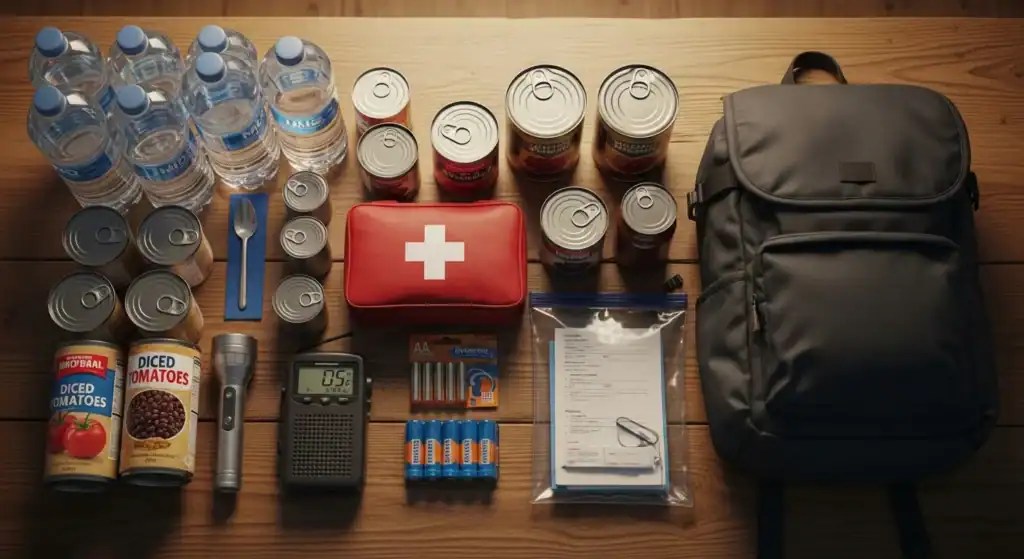
What Should Be in Your Hurricane Preparedness Kit?
Response Ready helps families and organizations across the United States prepare for hurricanes with comprehensive emergency preparedness kits and life-saving equipment. A well-built hurricane preparedness kit is the single most important step you can take to protect your household when a major storm threatens your area. According to the Federal Emergency Management Agency (FEMA), every household should maintain enough supplies to sustain themselves for at least 72 hours after a hurricane, though many emergency management experts recommend a full seven-day supply for areas with limited access routes.
Browse Response Ready’s complete line of hurricane preparedness kits and emergency supplies here.
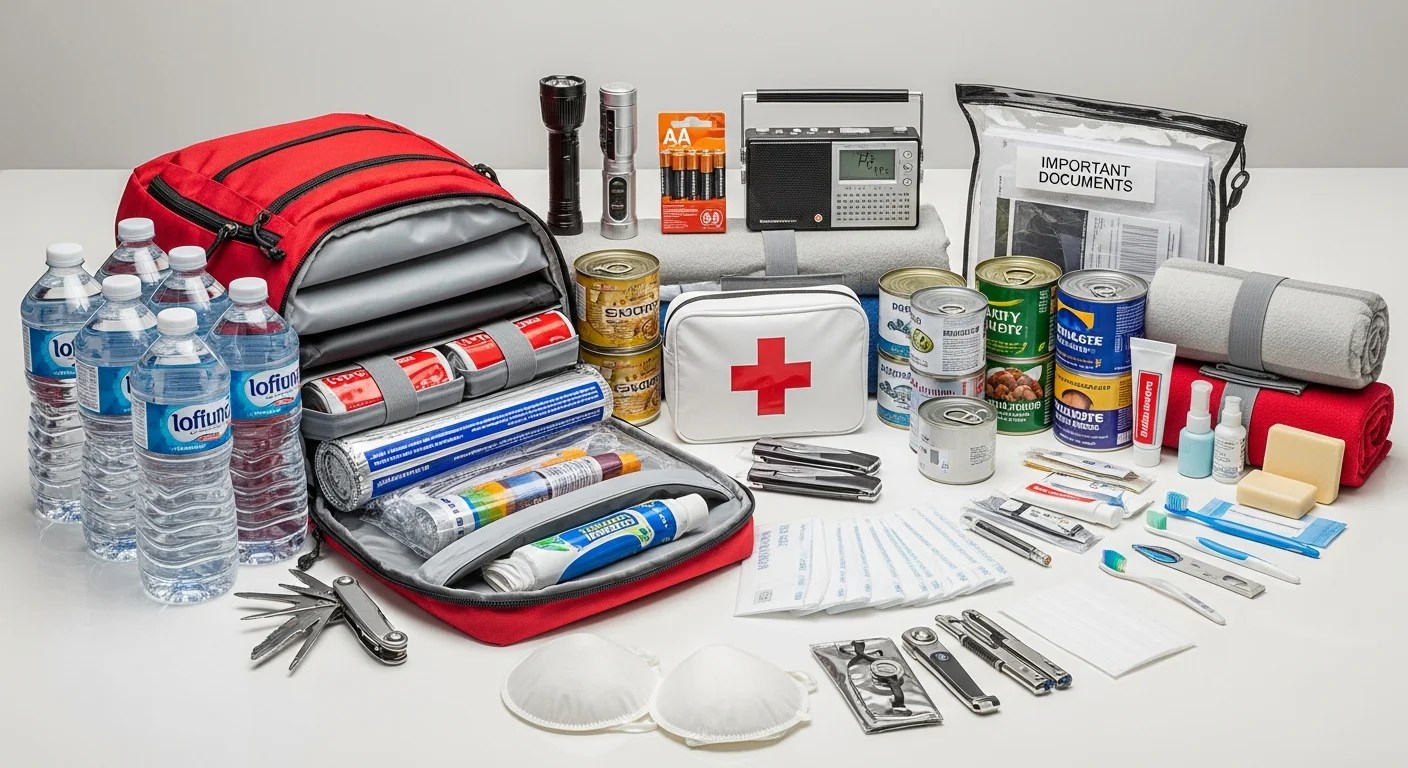
The difference between a well-organized emergency kit for a hurricane and a random collection of supplies can mean the difference between safety and crisis. This comprehensive checklist covers every category you need, from medical supplies and water storage to communication tools and important documents. Whether you live along the Gulf Coast, the Atlantic seaboard, or anywhere that tropical storms reach inland, this guide will help you build a hurricane preparedness kit that keeps your family safe and self-sufficient when public services are disrupted.
How Much Water and Food Do You Need for a Hurricane?
Water and Hydration Supplies
Water is the most critical supply in any emergency kit for a hurricane. The standard recommendation is one gallon per person per day for drinking and basic sanitation. For a family of four preparing for a minimum three-day period, that means 12 gallons at the absolute minimum.
- Drinking water: One gallon per person per day (minimum 3-day supply; 7 days recommended)
- Water purification tablets: Backup method for treating additional water sources
- Portable water filter: Gravity-fed or pump-style filter rated for bacteria and protozoa
- Collapsible water containers: 5-gallon containers for additional storage or refilling
- Unscented liquid household bleach: 1/8 teaspoon per gallon for emergency water treatment
Pro tip: Fill bathtubs and large containers with water before the storm arrives. This water can be used for flushing toilets and cleaning, preserving your stored drinking water for consumption.
Non-Perishable Food Supplies
Build your hurricane food supply around items that require no cooking, no refrigeration, and minimal water to prepare. Plan for 2,000 calories per person per day.
- Canned proteins: Tuna, chicken, beans, and peanut butter (include a manual can opener)
- Shelf-stable meals: Ready-to-eat meals, freeze-dried food, and meal replacement bars
- Dried fruits and nuts: High-calorie, nutrient-dense snacks that store well
- Crackers and granola bars: Quick energy sources for all ages
- Electrolyte drink mixes: Critical for staying hydrated in hot, post-storm conditions
- Comfort items: Coffee, tea, candy, or familiar snacks to boost morale during extended outages
- Disposable plates, cups, and utensils: Conserve water by avoiding dishwashing
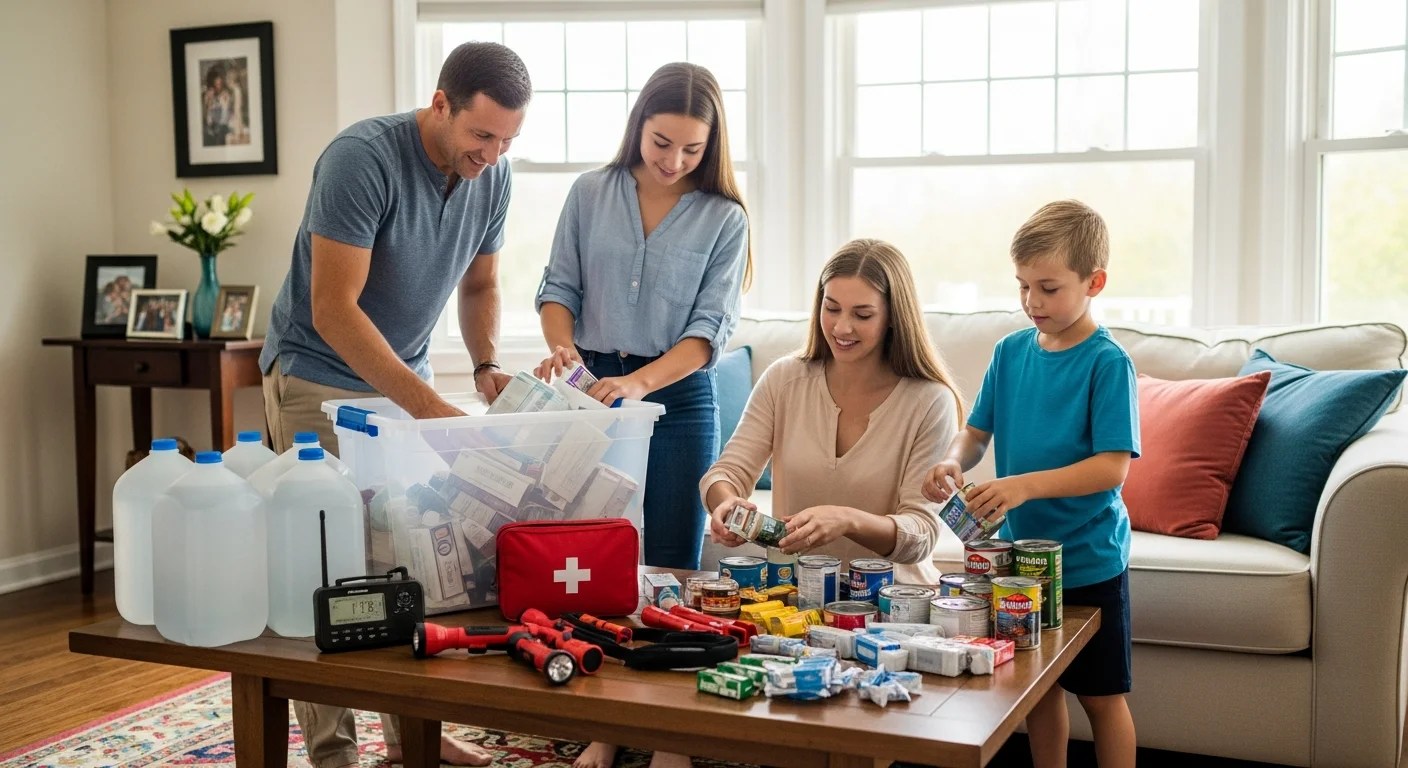
Building your hurricane preparedness kit is a family activity that ensures everyone knows what supplies are available and where they are stored.
What Medical and First Aid Supplies Belong in a Hurricane Kit?
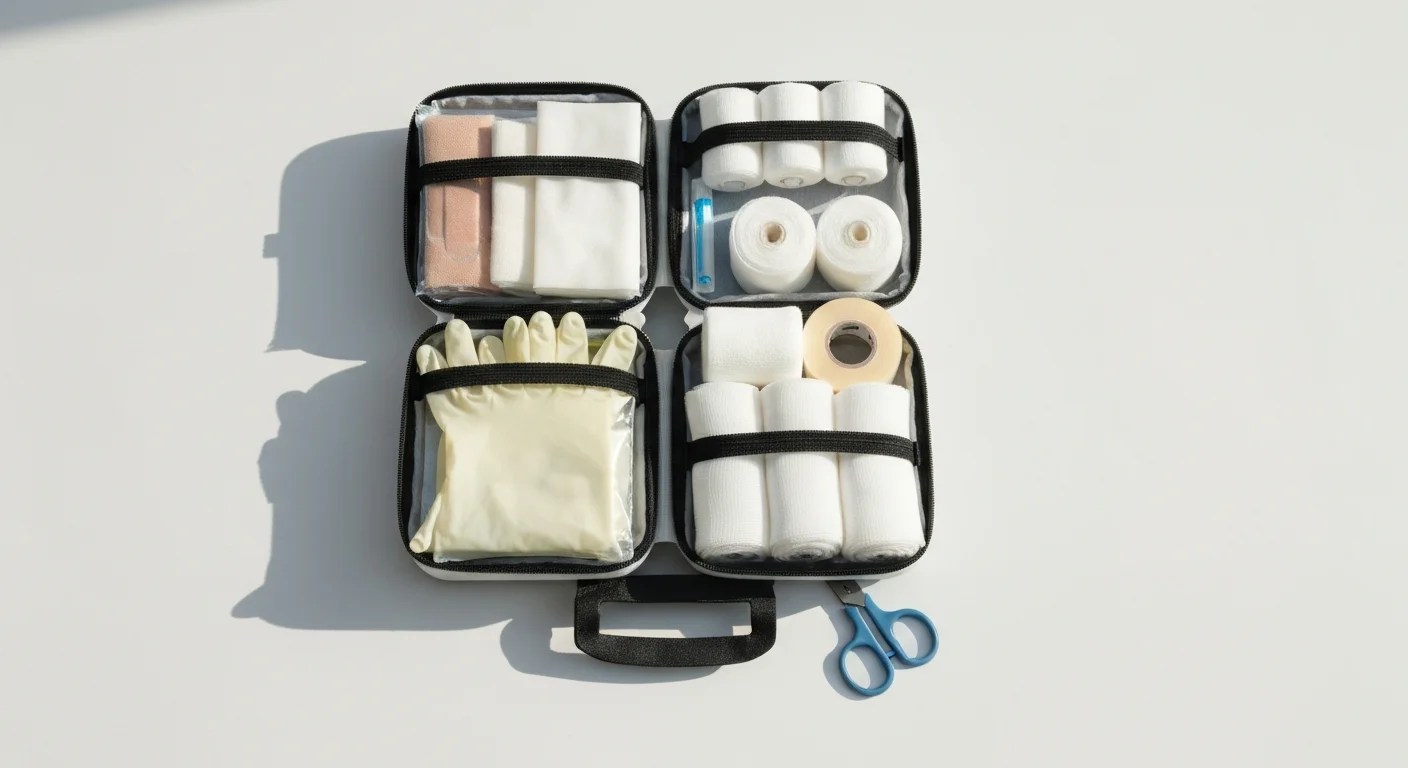
A comprehensive medical supplies section is what separates a truly effective hurricane preparedness kit from an incomplete one. When hospitals may be inaccessible and emergency response is delayed, your first aid supplies become your first line of defense. Response Ready offers professional-grade first aid kits designed for exactly these situations.
- Comprehensive first aid kit: Adhesive bandages (assorted sizes), sterile gauze pads, medical tape, elastic bandages, antiseptic wipes, antibiotic ointment, and scissors
- Prescription medications: Minimum 7-day supply of all daily medications, stored in original labeled containers
- Over-the-counter medications: Pain relievers (acetaminophen and ibuprofen), antihistamines, antidiarrheal medicine, and antacids
- Bleeding control supplies: Bleeding control kits with tourniquets, hemostatic gauze, and chest seals for traumatic injuries from debris
- CPR pocket mask: Barrier device for rescue breathing
- Thermometer: Digital oral thermometer for monitoring illness
- Insect repellent and sunscreen: Essential for post-storm cleanup in hot, mosquito-heavy conditions
- Prescription eyeglasses or contacts: Spare pair with current prescription
What Communication and Power Supplies Do You Need?
Staying informed and connected during and after a hurricane is a matter of safety, not convenience. Power outages from hurricanes can last days or even weeks, and cell towers frequently go offline during major storms. Building a reliable communication kit within your hurricane preparedness kit ensures you can receive weather updates, contact emergency services, and let family members know you are safe.
- NOAA weather radio: Battery-powered or hand-crank radio with SAME (Specific Area Message Encoding) alert capability
- Portable power bank: Minimum 20,000mAh capacity for charging phones and small devices
- Solar charger: Foldable solar panel (10W minimum) as backup power generation
- Extra batteries: AA, AAA, C, and D batteries for flashlights, radios, and other devices
- LED flashlights: At least one per family member, plus one lantern-style light for shared spaces
- Battery-powered or hand-crank lantern: Provides ambient light without fire risk
- Waterproof phone case: Protect your primary communication device from flooding and rain
- Whistle: Signal for help if trapped; sound carries farther than voice
- Printed emergency contact list: Phone numbers for family, local emergency management, utility companies, and insurance providers
Which Shelter and Tool Supplies Should You Include?
After a hurricane passes, your home may sustain damage that makes parts of it unsafe or uncomfortable. Having shelter and repair supplies on hand allows you to address immediate safety concerns and create livable conditions while waiting for professional help.
- Emergency tarps: Heavy-duty tarps (minimum 8×10 feet) for covering broken windows or roof damage
- Duct tape and plastic sheeting: Seal broken windows and create weather barriers
- Multi-tool or basic toolkit: Pliers, adjustable wrench, screwdrivers, hammer, and utility knife
- Work gloves: Heavy-duty gloves for handling debris, broken glass, and damaged materials
- Sleeping bags or emergency blankets: One per person for warmth during extended power outages
- Tent or emergency shelter: Backup shelter if your home becomes uninhabitable
- Rope or paracord: 50 feet minimum for securing tarps, hanging items, or emergency use
- Fire extinguisher: ABC-rated extinguisher for potential post-storm electrical or gas fires
- Heavy-duty trash bags: Waste disposal, temporary waterproofing, and emergency rain protection
What Documents and Financial Supplies Should You Protect?
Hurricanes and flooding can destroy irreplaceable documents in minutes. Protecting critical paperwork and having access to emergency cash can accelerate your recovery and simplify insurance claims after the storm.
- Identification documents: Copies of driver’s licenses, passports, and Social Security cards in a waterproof container
- Insurance policies: Homeowner’s, renter’s, flood, and auto insurance policy numbers and contact information
- Medical records: Copies of prescriptions, immunization records, and health insurance cards
- Financial documents: Bank account numbers, credit card information, and recent tax returns
- Property records: Deed, mortgage documents, and a home inventory with photos or video
- Emergency cash: Small bills ($1, $5, $10, $20); ATMs and card readers require power to function
- Waterproof document bag: Resealable, waterproof container or dry bag for all critical papers
- USB drive: Digital copies of all documents and family photos stored on an encrypted drive
How Do You Prepare a Hurricane Kit for Children?
Children have unique physical and emotional needs during emergencies. A hurricane preparedness kit tailored for young family members should address nutrition, comfort, hygiene, and entertainment to reduce stress during what can be a frightening experience.
- Infant formula and baby food: Ready-to-feed formula (no mixing required), jars of baby food, and age-appropriate snacks
- Diapers and wipes: Minimum 7-day supply, plus diaper rash cream and disposal bags
- Children’s medications: Age-appropriate pain relievers, fever reducers, and any prescribed medications
- Comfort items: Favorite stuffed animal, blanket, or small toy to reduce anxiety
- Entertainment: Coloring books, crayons, card games, or a battery-powered device with downloaded content
- Change of clothes: Multiple outfits in a sealed plastic bag, including rain gear
- Child identification: Recent photo and written card with the child’s name, parents’ names, and emergency contact numbers (placed in the child’s pocket or on a bracelet)
What Special Supplies Do Elderly Family Members Need?
Older adults face heightened risks during hurricanes due to mobility limitations, chronic health conditions, and sensitivity to temperature extremes. Building a dedicated elderly supply section into your hurricane preparedness kit addresses these vulnerabilities directly.
- Extended medication supply: Full 14-day supply of all prescriptions, including insulin and heart medications (store insulin in an insulated cooler with ice packs)
- Medical devices and backups: Extra hearing aid batteries, backup eyeglasses, spare cane tips, and chargers for powered devices like CPAP machines
- Portable oxygen: If applicable, coordinate with your oxygen supplier for emergency backup tanks
- Mobility aids: Lightweight wheelchair, walker, or walking stick accessible near the exit
- Easy-to-eat foods: Soft foods, nutritional supplement drinks (like Ensure), and foods that do not require teeth or extensive chewing
- Temperature management: Battery-operated fan, cooling towels for heat, and extra blankets for cold
- Medical alert information: Clearly written card listing conditions, allergies, medications, doctors, and emergency contacts
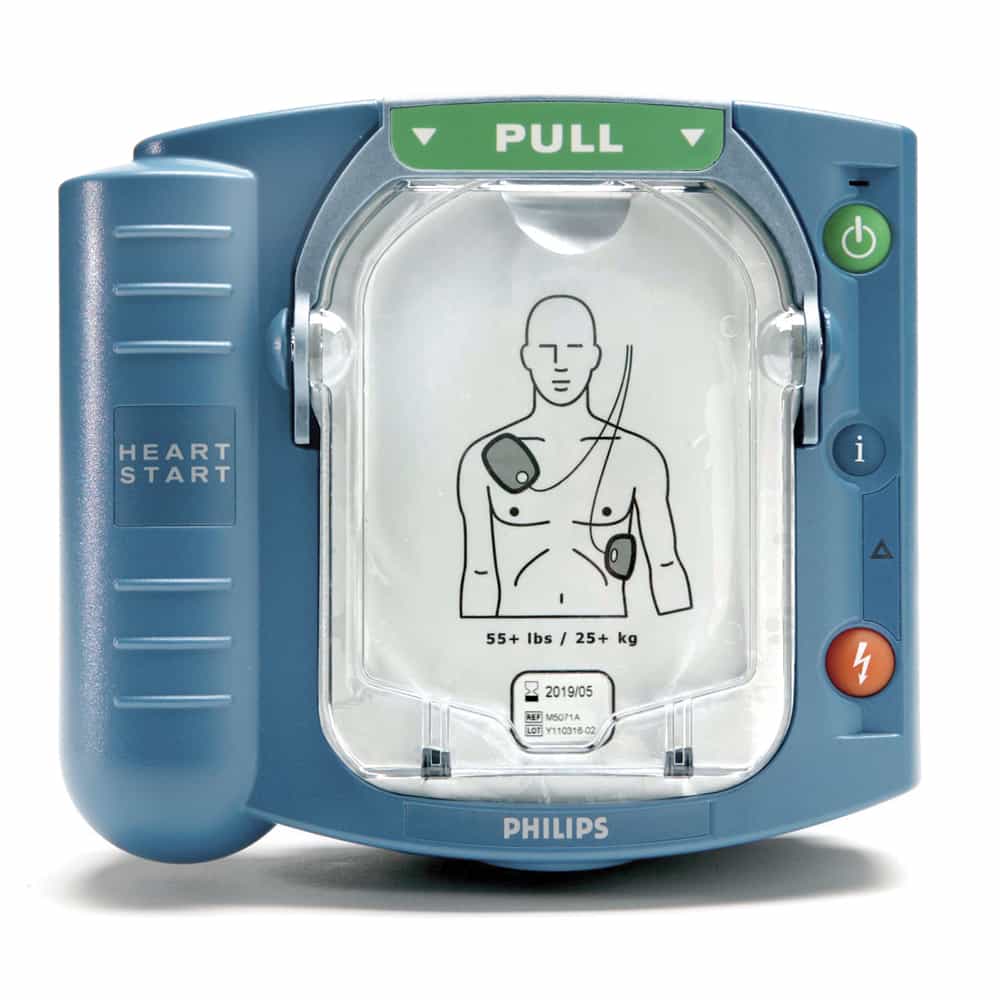
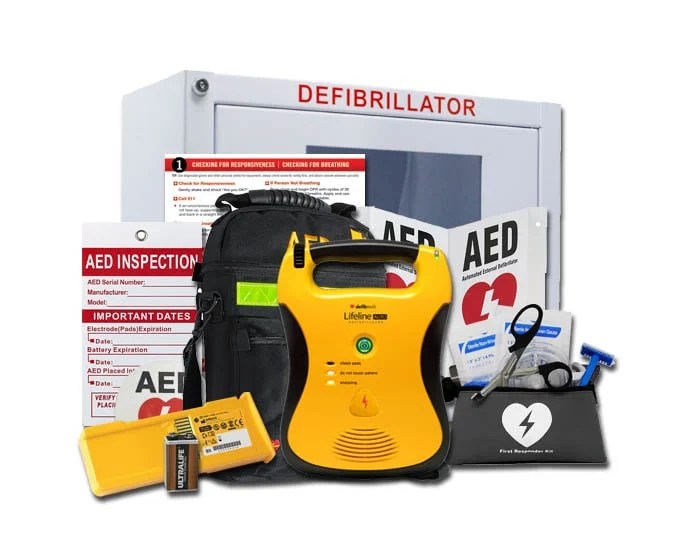
- AED (Automated External Defibrillator): For households with elderly members at cardiac risk, a home AED from Response Ready can be life-saving when emergency medical services are unavailable during a storm
How Do You Include Pets in Your Hurricane Preparedness Plan?
Pets are family members, and they need their own section in your emergency kit for a hurricane. Many pet owners have refused to evacuate because shelters would not accept their animals. Federal law now requires state and local emergency agencies to include pets in evacuation plans, but having your own supplies ensures your animals are cared for regardless of shelter availability.
- Pet food and water: Minimum 7-day supply of dry and wet food, plus dedicated water containers
- Medications: Any prescribed pet medications with dosage instructions
- Carrier or crate: Sturdy, labeled carrier for each pet with a familiar blanket inside
- Leash, harness, and collar: With current ID tags including your phone number and a secondary contact
- Vaccination records: Copies of current vaccinations (required by most emergency shelters that accept pets)
- Recent photos: Clear photos of each pet for identification if separated
- Litter and waste bags: Cat litter with a disposable litter pan, or waste bags for dogs
- Comfort items: Familiar toy or blanket to reduce animal stress during the storm
When Should You Start Building Your Hurricane Kit?
The Atlantic hurricane season officially runs from June 1 through November 30 each year, with peak activity between August and October. The best time to build or refresh your hurricane preparedness kit is before the season begins, ideally in April or May. Here is a practical timeline for getting prepared.
| Timeframe | Action Items |
|---|---|
| April – May | Build or fully restock your kit. Replace expired medications, batteries, and food items. Test all flashlights and radios. |
| June 1 | Hurricane season begins. Kit should be complete and stored in an accessible location. |
| When a Watch is issued | Fill vehicles with gas. Withdraw emergency cash. Fill water containers. Charge all devices and power banks. |
| When a Warning is issued | Move kit to your vehicle or designated shelter area. Secure outdoor items. Execute your hurricane preparation checklist. |
| Post-Storm | Document damage for insurance. Use supplies as needed. Replenish anything used within 30 days. |
How Do You Store and Maintain Your Hurricane Preparedness Kit?
Building your emergency kit for a hurricane is only half the job. Proper storage and regular maintenance ensure your supplies will actually work when you need them most.
- Store in a cool, dry location: A hallway closet, garage shelf, or dedicated storage area near your primary exit
- Use waterproof containers: Large, sealed plastic bins protect supplies from humidity and minor flooding
- Keep a grab-and-go bag ready: A 3-day personal emergency kit packed in a backpack for quick evacuation
- Check expiration dates twice per year: Review food, water, medications, and batteries every January and June
- Update documents annually: Refresh insurance information, medication lists, and emergency contact numbers
- Run a family drill: Practice your evacuation plan at least once per year so everyone knows their role
For a broader look at everything you need in your hurricane emergency kit, including communication gear, financial preparedness, and an AED for cardiac emergencies during storms, read our complete hurricane emergency kit preparation guide.
Frequently Asked Questions About Hurricane Preparedness Kits
What are the top 10 items for a hurricane emergency kit?
The top 10 items for a hurricane emergency kit are: water (one gallon per person per day), non-perishable food, a first aid kit, prescription medications, a flashlight with extra batteries, a NOAA weather radio, important documents in a waterproof bag, emergency cash in small bills, a multi-tool, and a portable phone charger. These essentials cover the core survival needs of hydration, nutrition, medical care, communication, and shelter for the first 72 hours after a hurricane.
How much does it cost to build a hurricane preparedness kit?
A basic hurricane preparedness kit for one person typically ranges between $50 and $150 when assembled from individual items. A comprehensive family kit for four people runs $200 to $500 depending on quality and quantity of supplies. Pre-assembled emergency kits from Response Ready offer a practical option because they bundle essential supplies together, saving time and ensuring nothing critical is missed.
How long should hurricane supplies last?
Hurricane supplies should sustain your household for a minimum of 72 hours (3 days), though FEMA and most emergency management agencies now recommend maintaining a 7-day supply. In areas with limited road access or regions prone to severe storm damage, a 14-day supply provides a stronger safety margin. Most shelf-stable food and bottled water last 1 to 5 years, but you should check expiration dates every six months.
Where should I store my hurricane preparedness kit?
Store your hurricane preparedness kit in a cool, dry, easily accessible location near your primary exit, such as a hallway closet, interior room, or garage. Avoid attics (extreme heat degrades supplies), basements in flood-prone areas, or outdoor sheds. Keep a smaller grab-and-go bag in your vehicle for situations requiring immediate evacuation. Use sealed, waterproof containers to protect supplies from humidity and minor water intrusion.
Do I need an AED in my hurricane preparedness kit?
An AED (Automated External Defibrillator) is a recommended addition for households with members at elevated cardiac risk, especially during hurricanes when emergency medical services may be delayed by hours or even days. Sudden cardiac arrest can happen at any time, and survival rates drop by 7 to 10 percent for every minute without defibrillation. Response Ready carries all six FDA-approved AED brands, making it easy to find the right device for home emergency use.
What is the difference between a hurricane watch and a hurricane warning?
A hurricane watch means hurricane conditions (sustained winds of 74 mph or higher) are possible in your area within 48 hours. A hurricane warning means those conditions are expected within 36 hours. When a watch is issued, finalize your kit and begin preparations. When a warning is issued, execute your plan immediately, including moving to your designated shelter or evacuating if ordered by local authorities.
Build Your Hurricane Preparedness Kit Before Storm Season
Preparing for a hurricane is not something you want to leave until the last minute. The families who weather storms most successfully are those who prepare early, maintain their supplies, and practice their plans. Every item on this checklist serves a specific purpose in keeping you safe, healthy, and connected when normal infrastructure fails.
Response Ready was founded by emergency medical services professionals who understand firsthand how critical preparation is during disaster situations. From complete emergency preparedness kits to first aid supplies, bleeding control kits, and AEDs for cardiac emergencies, Response Ready provides everything you need in a single, trusted source.