- Published
- March 25, 2026
The True Cost of an AED Trainer: What to Expect


You’re ready to equip your home, school, or business with an AED trainer. That’s a powerful move to prepare for an emergency. While it’s easy to focus on the initial purchase price, that sticker price is just the start. The true cost of an AED trainer extends far beyond that first payment. It includes a range of recurring expenses for supplies and maintenance. If you overlook these, they can seriously impact your long-term budget and the effectiveness of your entire emergency preparedness program.
This guide will equip you to calculate the true cost of an AED trainer, offering a clear framework for evaluating long term expenses such as replacement pads, batteries, and software updates. Our aim is to help you make a smart, budget conscious decision that ensures your training equipment is always ready and reliable, without any unexpected financial surprises.
Why AED Training Matters
Having an automated external defibrillator (AED) on-site is a critical first step, but the real power to save a life comes from the confidence to use it correctly when chaos erupts. During a sudden cardiac arrest, every second is precious, and hesitation can be the difference between a positive outcome and a tragic one. This is where training becomes essential. While modern AEDs are designed to be incredibly user-friendly, with clear voice prompts and simple instructions, nothing replaces the hands-on experience of practicing in a calm, controlled environment. Effective training builds muscle memory, reduces panic, and ensures that a lay responder can act decisively and efficiently, transforming a bystander into a first responder.
The goal of AED training isn’t just to teach you how to press a button; it’s about building the competence to manage a high-stress emergency from start to finish. This includes recognizing the signs of cardiac arrest, knowing when and how to start CPR, and seamlessly integrating the AED into the rescue process. Through practice with an AED trainer, you can familiarize yourself with the device’s rhythm, the placement of the pads, and the importance of clear communication. This preparation ensures that when a real emergency happens, your actions are swift, sure, and effective. Investing in proper training empowers you to be a true asset to your family, workplace, or community.
The Life-Saving Impact of Quick Action
When someone experiences sudden cardiac arrest, their heart stops beating effectively, and blood flow to the brain and other vital organs ceases. The window for a successful intervention is incredibly small—survival rates decrease by about 10% for every minute that passes without action. This is why the immediate response of a bystander is so crucial. According to the American Heart Association, giving immediate CPR and using one of the available AEDs for sale can double or even triple a person’s chances of survival. Quick action keeps oxygenated blood circulating and gives the AED the best opportunity to restore a normal heart rhythm, bridging the gap until professional medical help arrives.
The Role of Trainers in Official Certification Courses
AED trainers are the backbone of any effective emergency response course. They are specifically designed to simulate a real rescue scenario, allowing students to get comfortable with the device without any risk. These trainers are perfect for official courses like the American Heart Association’s Heartsaver CPR AED and Basic Life Support (BLS) training. In these classes, instructors use trainers to guide participants through realistic situations, teaching them how to apply the pads to a manikin, listen for voice prompts, and practice standing clear before a simulated shock. This hands-on practice is what solidifies learning and ensures that graduates of a certification program are truly prepared to act with confidence.
Understanding AED Training Devices
When you start looking for equipment to support your emergency preparedness training, you’ll quickly find that there are different types of devices available. The two primary tools you’ll encounter are AED trainers and AED simulators. While they both serve the purpose of allowing safe, hands-on practice, they function in fundamentally different ways. An AED trainer is a completely separate, non-clinical device that mimics the look and feel of a real AED. A simulator, on the other hand, is an accessory that connects to your actual, functional AED to temporarily place it in a safe training mode. Understanding the distinction is key to choosing the right tool for your needs.
Your choice will likely depend on your specific training goals and budget. Are you an instructor teaching large classes with a variety of students? A dedicated trainer might be more practical and cost-effective. Are you a business owner who wants your team to be intimately familiar with the exact AED model you have in your office? A simulator could be the perfect solution. Both are valuable AED accessories that build the skills and confidence needed to respond effectively during an emergency. By evaluating your program’s needs, you can make an informed decision that best prepares your team to save a life.
AED Trainers vs. AED Simulators
So, what’s the core difference? AED trainers are special devices that look and act like real Automated External Defibrillators but do not deliver an actual electric shock. They are standalone units complete with their own set of reusable training AED pads and pre-programmed rescue scenarios. This makes them ideal for repetitive classroom use where students can practice the full sequence of a rescue without handling a live device. In contrast, AED simulators are devices you connect to a real AED to turn it into a training unit that won’t shock anyone. This allows you to train with the exact device that would be used in an emergency, helping users become familiar with its specific features and prompts.
What’s the True Cost of an AED Trainer?
The conversation around AEDs often centers on the device itself. However, an AED trainer is an equally vital investment, simulating real life scenarios to prepare users for actual emergencies. For organizations like schools, community centers, and small businesses, where every dollar counts, a comprehensive understanding of total cost of ownership (TCO) for a trainer is essential.
Initial Price vs. Long-Term Value
Most AED trainers initially cost between $400 and $600. This upfront figure often includes the trainer unit, a set of training pads, and sometimes a basic carry case. While this seems straightforward, the initial cost is only a fraction of the full financial commitment. Smart buyers understand that evaluating AED trainers requires looking at predictable recurring expenses and sometimes hidden costs that emerge over the device’s lifespan.
Understanding the Full Price Spectrum
While it’s helpful to know that most AED trainers land in the $400 to $600 range, the market offers a much wider variety of options. Depending on the brand and its features, prices can span from just over $100 for a basic model to nearly $2,000 for an advanced simulator. This broad spectrum exists because not all trainers are created equal. A lower-priced unit might offer pre-programmed, generic rescue scenarios, which is perfect for foundational learning. In contrast, a higher-end trainer may allow instructors to create custom scenarios on the fly, mimicking complex situations that better prepare trainees for the unpredictability of a real emergency. The key is to match the device’s capabilities with your specific training goals.
The initial purchase price typically gets you the trainer unit and a single set of reusable training pads. However, the true cost emerges when you factor in the consumables you’ll need over the trainer’s lifespan. Just like a real AED, trainers require replacement pads as they wear out from repeated use, and their batteries will eventually need to be replaced. These recurring expenses are a critical part of your budget. Planning for these ongoing costs ensures your equipment remains functional and your team stays sharp and ready to respond. Investing in a quality trainer is a core component of any effective emergency response program, so understanding the full financial picture from the start is essential for long-term success.
Factoring in Ongoing Consumable Costs
Consumables are perhaps the most significant recurring expense for any AED or AED trainer. These are the components that wear out, expire, or are used up during training, necessitating regular replacement.
Replacing Trainer Pads and Gels
Just like operational AEDs, trainers require pads to simulate electrode placement and delivery of a shock. For operational AEDs, pads typically need replacing every two to five years, costing between $40 and $190 per set. Trainer pads also have a lifespan, with some having a minimum shelf life as low as 18 months, and replacement costs ranging from $7 to $81.
However, not all trainer pads are created equal. Some models use disposable pads, while others, like the ZOLL AED 3 Trainer, utilize innovative solutions with long lasting trainer electrode gels or liners. This design significantly extends the usability of the pads, meaning fewer replacements over time and tangible savings for your budget. This extended lifespan directly reduces recurring consumable expenses, making the ZOLL AED 3 Trainer a more economical choice in the long run.
Discover our full range of AED pads and electrodes to keep your devices and trainers ready.
Considering Adult vs. Pediatric Training Needs
Beyond the lifespan of your pads, it’s crucial to consider who you’re preparing to help. An emergency involving a child requires a different approach than one involving an adult, and your training program needs to reflect that. The primary difference comes down to the AED pads themselves. Adult pads are designed to deliver a specific level of electrical energy that is too powerful for a child’s smaller body. Pediatric pads reduce this energy to a safer, more appropriate dose for young patients.
The good news is you don’t need to invest in two separate devices. Many modern AEDs are equipped with pediatric capabilities, either through specialized pads or a key system. Ensuring your team receives comprehensive CPR & AED training that covers both adult and pediatric scenarios is the best way to build the confidence and skills needed to respond effectively, no matter who is in need.
The Lifespan and Cost of Batteries
Batteries are another critical consumable. For operational AEDs, battery lifespans typically range from two to seven years, with replacement costs between $35 and over $400. While some AED trainers may use disposable batteries, many modern trainers, including the ZOLL AED 3 Trainer, come equipped with rechargeable batteries.
The longevity of a trainer battery, combined with its rechargeable nature, means a lower overall cost compared to models requiring frequent disposable battery replacements. This reduces both the financial burden and the administrative hassle of constantly sourcing and replacing batteries. Investing in a trainer with a long lasting, rechargeable battery is a practical step towards minimizing your total cost of ownership.
Rechargeable vs. Disposable Battery Options
When you’re evaluating AED trainers, the type of battery it uses might seem like a small detail, but it has a significant impact on your budget over time. For operational AEDs, batteries can last anywhere from two to seven years, and replacing them can cost from $35 to over $400. This wide range highlights how crucial it is to plan for this expense. While trainer batteries have different demands, the same principle applies: the battery choice directly affects the long-term cost and readiness of your training equipment, making it a key factor in your decision.
This is where choosing a modern trainer really pays off. Many newer models, including the ZOLL AED 3 Trainer, are designed with rechargeable batteries, which is a game-changer for your budget. Instead of repeatedly buying and throwing away disposable batteries, you can simply recharge the unit, ensuring it’s always ready for the next training session. This not only saves you money on replacements but also cuts down on the administrative work of tracking and ordering new AED batteries, giving you one less thing to worry about.
Ultimately, investing in a trainer with a long-lasting, rechargeable battery is one of the most practical ways to minimize your total cost of ownership. It’s a forward-thinking choice that ensures your training program remains both effective and affordable. By prioritizing this feature, you can avoid the recurring costs and hassle associated with disposable batteries, allowing you to focus your resources on what truly matters: building life-saving confidence and skills within your community.
Are There Hidden Costs to Owning an AED Trainer?
Beyond the obvious consumables, several other factors contribute to the true cost of owning an AED trainer. These “hidden” costs are often overlooked during the initial purchase but are crucial for maintaining compliance and ensuring your training program remains effective.
Staying Current with Software and Guideline Changes
Medical guidelines, particularly those related to CPR and AED use from organizations like the American Heart Association (AHA), evolve over time. When these guidelines change, it is essential that your training equipment can be updated to reflect the latest protocols. The cost of software updates can range from $10 to $140 for kits, though some manufacturers offer free downloads.
The method of updating software also varies. Some trainers require specific software kits or complex procedures, which can be time consuming and add to administrative overhead. The ZOLL AED 3 Trainer, however, stands out for its ease and low cost of updating software via USB. This simple, user friendly process saves both money and administrative time, ensuring your training always aligns with current standards without unnecessary expense or effort.
Program Management and Regular Maintenance
Maintaining your AED trainer, just like your operational AED, involves regular checks to ensure it is fully functional. These routine checks typically involve monthly inspections. While manual tracking is an option, it can be an administrative burden for busy schools, community centers, or small businesses. This is where comprehensive program management solutions become invaluable.
Response Ready offers robust AED program management services, ensuring your devices, including trainers, are compliant with regulations and ready for emergencies. Our services include real time device monitoring and automated maintenance reminders. Our innovative Response Ready App, highly praised by users for its convenience and intuitive design, automates monthly readiness checks and compliance reminders. This feature allows you to record AED readiness checks with ease, ensuring your training equipment is always prepared, minimizing administrative time, and providing peace of mind, all while converting unpredictable risks into predictable operating expenses
Factoring in Instructor and Student Costs
Having an AED trainer is only part of the equation, effective training is equally vital. Initial CPR and AED training typically costs between $50 and $150 per person, with recertification required every two years at a cost of $65 to $140. These costs encompass certified courses from reputable organizations like the AHA, HSI, or Red Cross. We at Response Ready also offer robust and complete CPR and AED training. While these are separate from the trainer itself, the quality and ease of use of your trainer can indirectly impact training efficiency and potentially reduce the time and resources required for effective learning.
Budgeting for Essential Accessories
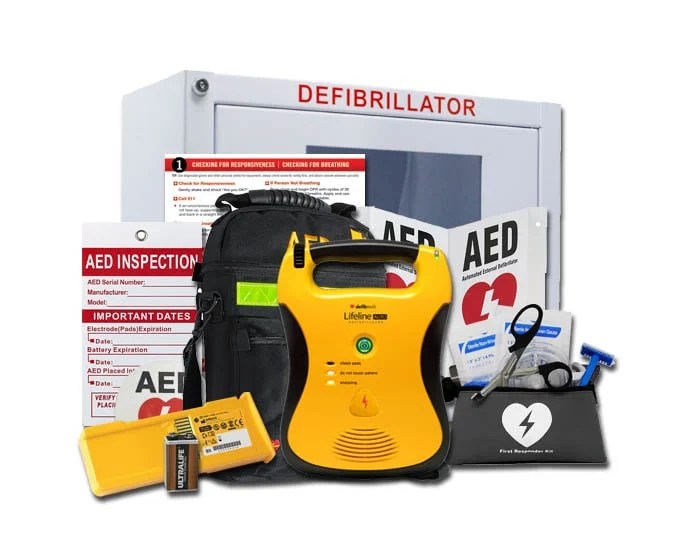
To ensure your AED trainer is stored securely and is easily accessible, you might also consider accessories. These can include wall cabinets, signage to indicate the trainer’s location, and basic first responder prep kits that mimic what would be available with a live AED. While often minor individual costs, these add up and should be factored into your overall budget.
How the ZOLL AED 3 Trainer Delivers Long-Term Value
When you are comparing AED trainers, the ZOLL AED 3 Trainer consistently emerges as a leading option for budget conscious buyers seeking long term value. Its design and features directly address the common concerns around recurring costs and administrative effort, making it a strategic investment for any organization.
Save Money with Longer-Lasting Consumables
One of the standout features of the ZOLL AED 3 Trainer is its innovative approach to consumables. Its long lasting trainer electrode gels or liners significantly reduce the frequency of replacements compared to other models that rely on more traditional, disposable pads. Over a five to ten year period, this translates into substantial savings on replacement parts. This focus on durability means less money spent and less time managing inventory, allowing your staff to focus on what matters most: effective training.
Simplified Updates for Stress-Free Management
As medical guidelines evolve, keeping your training equipment up to date is crucial. The ZOLL AED 3 Trainer simplifies this process with easy and low cost software updates via USB. Unlike other trainers that might require proprietary software kits or more complex installation procedures, the ZOLL AED 3 Trainer’s straightforward USB update capability minimizes downtime and eliminates hidden update fees. This administrative efficiency is a significant benefit for any organization, saving valuable staff time and ensuring your training program remains current and compliant with minimal effort.
The ZOLL AED 3 Trainer offers these unique advantages because it is designed with the user’s long term needs in mind. It is not just a training device, it is a strategic investment in efficient, compliant, and cost effective emergency preparedness for your home, school, community center, or small business.
Choosing the Right AED Trainer for Your Budget
Calculating the true cost of an AED trainer involves looking beyond the initial purchase price to understand all recurring and potential hidden expenses. For homeowners, families, schools, community centers, and small businesses, choosing a trainer that offers long term value, reliability, and ease of maintenance is paramount. The “cheapest upfront” option is rarely the “cheapest overall” when you factor in consumables, software updates, and the time spent managing your equipment.
Response Ready, with over a decade of AED expertise, is committed to making life saving technology accessible and affordable. We offer a carefully curated selection of FDA approved devices, including trainers like the ZOLL AED 3 Trainer, known for its cost effective consumables and simplified maintenance. Our transparent pricing, free standard shipping on orders over $99, and expert recommendations via live chat or phone are designed to guide first time buyers through every step of the purchase process.
By considering the total cost of ownership and the unique advantages of models like the ZOLL AED 3 Trainer, you can make a confident decision that supports your budget and enhances your community’s safety preparedness for years to come. Explore our selection of AED trainers and learn how Response Ready can support your long term training needs.
Frequently asked questions
Q: What is the average upfront cost of an AED trainer?
A: Most AED trainers typically cost between $400 and $600. This initial price often includes the trainer unit, a set of training pads, and sometimes a basic carry case.
Q: How long do AED trainer pads and batteries typically last?
A: The lifespan of AED trainer pads can vary, with some needing replacement as often as every 18 months. Trainer pad replacement costs range from $7 to $81. Trainer batteries are often rechargeable and designed for extended use, reducing the frequency and cost of replacements compared to disposable options.
Q: Why are software updates necessary for AED trainers and what do they cost?
A: Software updates are necessary to ensure your AED trainer aligns with the latest CPR and AED guidelines from organizations like the American Heart Association. The cost for these updates can range from $10 to $140, though some manufacturers offer free or low cost updates via simple methods like USB.
Q: How does the ZOLL AED 3 Trainer reduce long term ownership costs?
A: The ZOLL AED 3 Trainer reduces long term ownership costs primarily through its long lasting trainer electrode gels or liners, which minimize the need for frequent pad replacements. Additionally, its software updates are easy and low cost to implement, saving both money and administrative time.
Q: Does Response Ready offer support for managing my AED training program?
A: Yes, Response Ready offers comprehensive AED program management solutions, including the Response Ready App, which automates monthly readiness checks and compliance reminders. We also provide robust training programs for AED use, CPR, and first aid to support your ongoing safety preparedness. You can learn more about our AED program management services and training options.
Key Features to Compare
When you start comparing AED trainers, you’ll quickly see that not all devices are created equal. Moving beyond the price tag to look at specific features will help you find a tool that delivers effective, realistic, and safe training. The best trainers are designed to build real confidence, not just check a box. Key features to focus on include the device’s safety and functionality, its compliance with current medical guidelines, and how easily it can be updated as those guidelines evolve. These elements are what separate a good trainer from a great one and ensure your investment pays off in the long run.
First and foremost, an AED trainer must be safe. Its core function is to guide users through the steps of an emergency response without delivering an actual electric shock. This allows trainees to practice in a hands-on way without any risk. Beyond safety, it’s critical to choose a trainer that is compliant with the latest American Heart Association (AHA) and Emergency Cardiovascular Care (ECC) guidelines. This ensures the skills being taught are up-to-date and align with the standards used in official CPR and AED training courses, making your practice sessions as valuable as possible.
Finally, consider the long-term usability of the device. As we’ve discussed, medical protocols can change. A trainer that is difficult or expensive to update can become a costly paperweight. Models that offer simple software updates, like the USB-based system on the ZOLL AED 3 Trainer, provide significant long-term value. You should also look for trainers that offer multiple pre-programmed rescue scenarios. This feature allows you to simulate different types of cardiac arrest events, which better prepares users to think critically and adapt during a high-stress situation.
Exploring Different Brands and Models
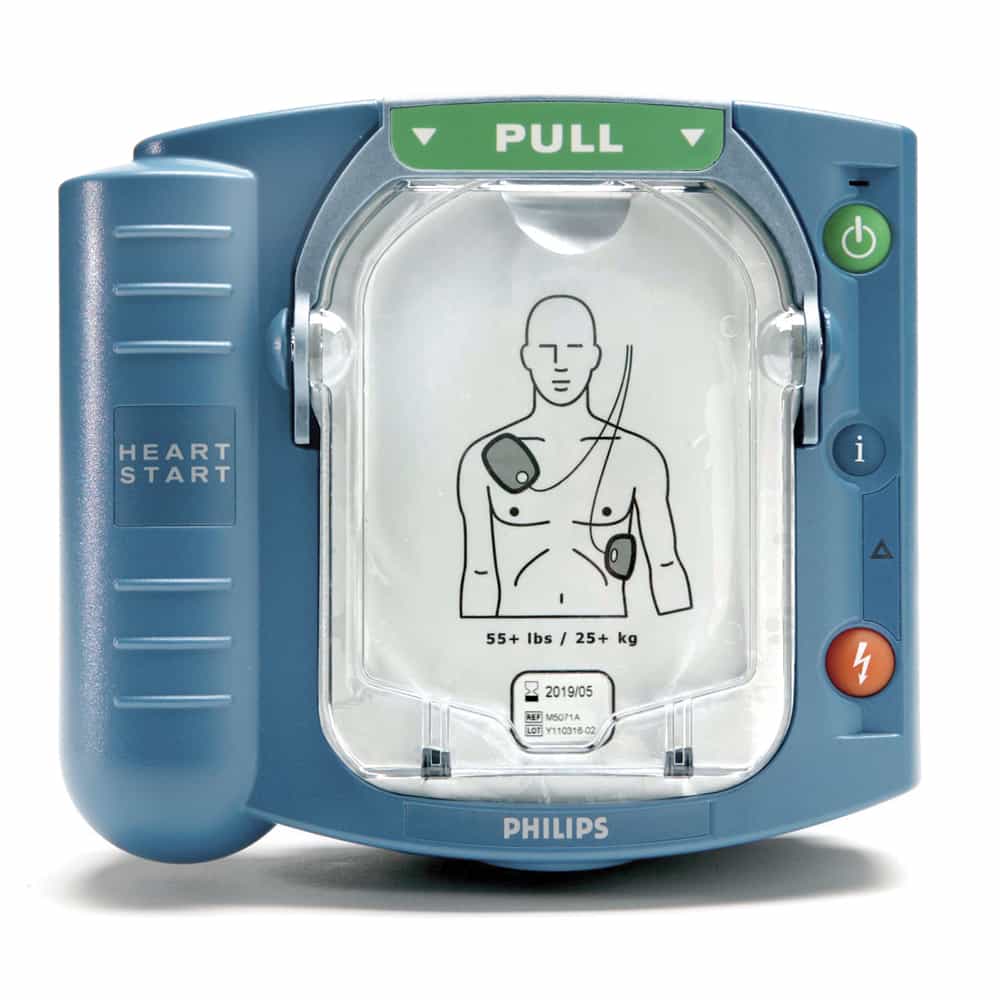
The market for AED trainers includes a wide range of options from trusted brands like ZOLL, Philips, HeartSine, and Defibtech. This variety allows you to find a trainer that perfectly matches the live AEDs you already have or plan to purchase. Most trainers are designed to be nearly identical replicas of their real-world counterparts, using the same voice prompts, visual guides, and physical design. This one-to-one correspondence is incredibly important because it builds familiarity and muscle memory, which helps reduce hesitation and confusion when a real emergency strikes.
When you explore different models, think about the specific needs of your organization or household. Will you be training people to respond to emergencies involving adults, children, or both? Many trainers come with settings and accessories for both adult and pediatric rescue scenarios, a crucial feature for schools, fitness centers, and other community gathering places. At Response Ready, we’ve carefully selected trainers from the industry’s most reliable manufacturers to ensure you get a high-quality device that prepares you for the moments that matter most.
Key Takeaways
- Calculate the total cost of ownership: The initial price is just the start. A smart investment accounts for the long-term expenses of pads, batteries, and software updates to avoid future budget surprises.
- Prioritize trainers with cost-saving features: Reduce recurring expenses by selecting a model with durable, reusable training pads and a rechargeable battery. This simple choice saves money and minimizes the hassle of frequent replacements.
- Choose a device that’s easy to update: Medical guidelines change over time. A trainer with a simple, low-cost update process ensures your program stays compliant and effective without becoming obsolete or requiring expensive service.
Related Articles
Disclaimer for information purposes only:
The information provided on this website is intended for general educational and informational purposes only. It is not medical advice and should not be used as a substitute for professional diagnosis, treatment, or care. Always consult a qualified healthcare or medical professional regarding any health-related questions or concerns.
While we strive to ensure the information shared is accurate and up to date, no guarantees are made regarding completeness, accuracy, or applicability to any individual situation. Use of this content is at the reader’s sole discretion and risk.
This website is part of the Response Ready family of emergency preparedness and training resources, including CPR & first aid training and compliance services, AED sales and program support, AED program management software, and medical oversight solutions provided through our affiliated platforms:
• CPR1.com
• AEDLeader.com
• AEDTotalSolution.com
• MDSIMedical.com
By accessing or using this website, you agree to release, indemnify, and hold harmless the website owners, authors, contributors, and affiliated entities from any claims, losses, damages, or liabilities arising from the use or reliance on the information presented.