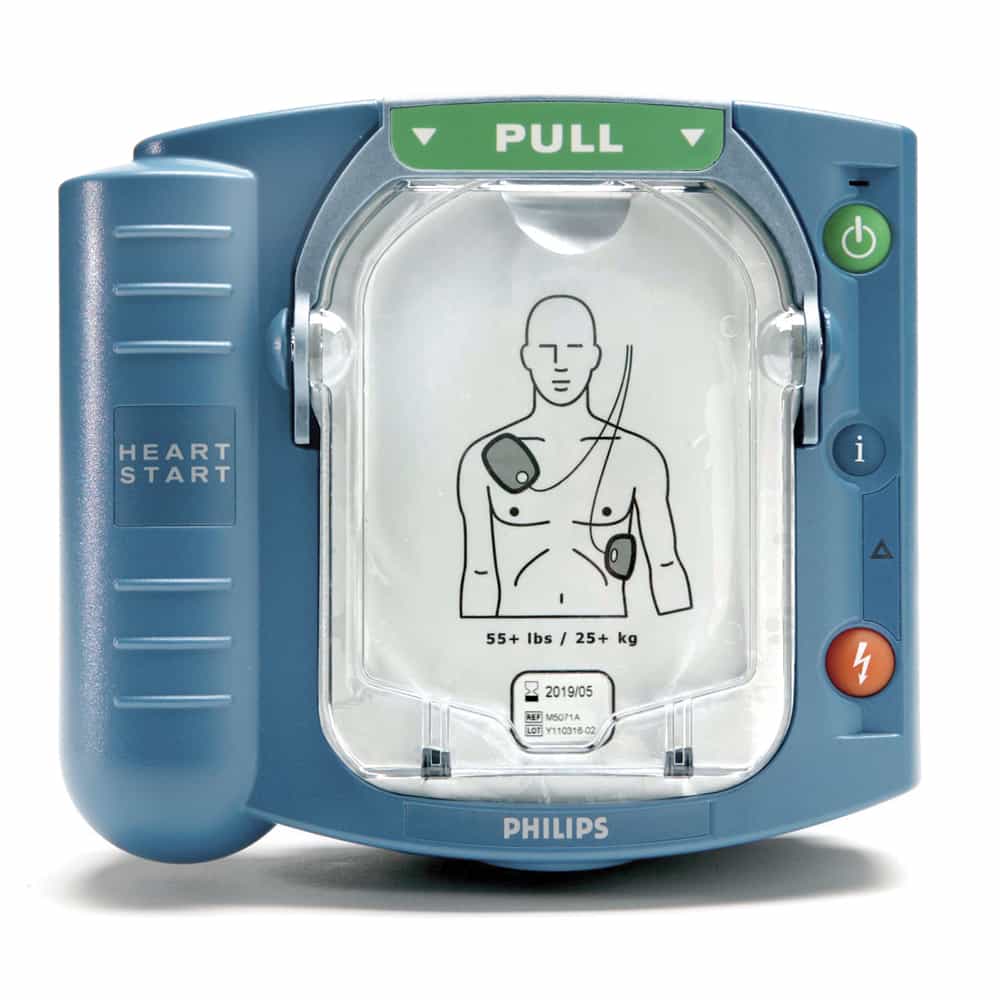
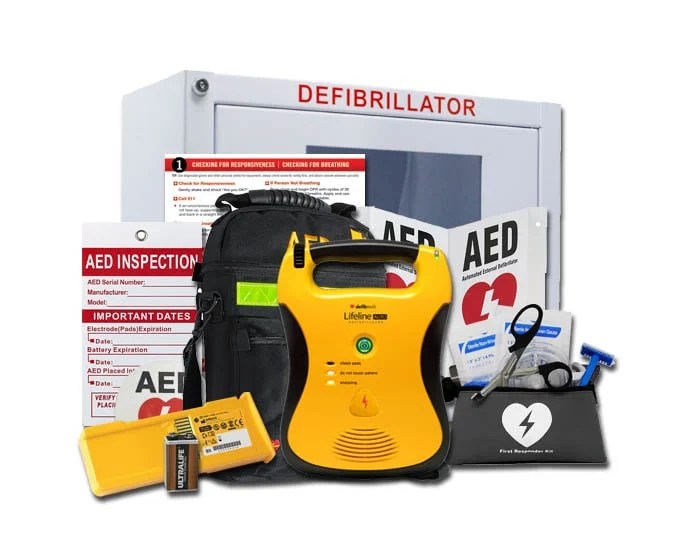
You made the life-saving decision to get an automated external defibrillator (AED) for your home, school, or business. That’s a huge step. But as you compare models, you’re likely discovering that true readiness involves more than just mounting it on the wall. The ongoing maintenance, while simple, is critical. Doubts can creep in. Are the pads still good? When did I last check the battery? This is where an all-in-one system changes the game, simplifying maintenance and ensuring your device is always ready when a life is on the line.
Managing separate expiration dates for batteries and electrode pads can feel like a small but persistent chore. For a busy parent or a small business owner, it is one more task on a never ending list. What if there was a way to simplify this essential responsibility, reduce the risk of human error, and gain complete confidence in your device’s readiness? There is, and it is built around an elegant, all in one consumable system.
Understanding the All-in-One Concept
The idea of an “all-in-one” system is something we encounter all the time, even if we don’t use that specific term. It’s a design philosophy built around simplicity and convenience, aiming to reduce the number of separate parts you have to manage. Think about a smart TV that has streaming apps built right in, eliminating the need for an external box and extra remote. By bundling essential functions into a single, integrated unit, these systems remove complexity and make technology more approachable for everyone. This approach is especially powerful when applied to tools where reliability is critical, as it minimizes the potential for user error. To see how this works in practice, let’s look at a common example from the world of tech that perfectly illustrates the pros and cons.
A Familiar Example: The AIO Computer
If you’ve ever admired a sleek desktop computer that seems to be nothing more than a screen and a keyboard, you’ve seen an all-in-one (AIO) computer. This design is a fantastic real-world case study for the benefits and trade-offs of a consolidated system. It highlights how streamlining components can create a more user-friendly experience, but also introduces certain limitations that are important to understand. By exploring how AIO computers work, we can get a clearer picture of why this all-in-one concept is so revolutionary when applied to life-saving devices, where simplicity and readiness are everything.
What is an All-in-One Computer?
An all-in-one computer combines all the core components of a desktop—the processor, memory, storage, and speakers—into the same housing as the monitor. Instead of a separate, bulky tower connected by a mess of cables, the entire system is contained within a single, self-contained unit. This integrated approach is what makes them so popular for home offices, reception desks, and family rooms where space is at a premium and a clean, uncluttered look is desired. The setup is incredibly straightforward: you just plug it in, and it’s ready to go, making it accessible even for those who aren’t tech-savvy.
The Pros of a Simplified Design
The most celebrated advantage of an AIO computer is its minimalist, space-saving design. By eliminating the need for a separate tower, it frees up valuable desk or floor space and dramatically reduces cable clutter. This makes for a much cleaner and more organized workspace. The setup process is also incredibly simple, often requiring just a single power cord to get started. For many users, this ease of use is the biggest draw. There’s no need to figure out which cable plugs in where; the system is designed to be intuitive right out of the box, offering a user-friendly experience that feels more like using a large tablet than a traditional computer.
The Cons and Limitations
Of course, this elegant simplicity comes with some trade-offs. AIO computers are notoriously difficult to upgrade or repair. In a traditional desktop tower, you can easily swap out parts like the graphics card or add more storage. In an AIO, however, many components are custom-fit or even permanently attached to the motherboard to save space. This means that if a single critical part fails, you often have to seek professional service for the entire unit. This lack of modularity means you’re generally stuck with the hardware you bought, making it a less flexible option for those who like to keep their tech on the cutting edge.
Performance and Lifespan Expectations
The compact design of an AIO can also impact its long-term performance and durability. All of those powerful components are packed tightly together behind the screen, which can make heat dissipation a challenge. Unlike a spacious tower with multiple fans, an AIO has limited room for cooling systems. Over time, sustained heat can cause components to wear out more quickly than they might in a better-ventilated environment. As a result, the convenience and aesthetic appeal of an all-in-one design are often balanced against considerations for longevity. It’s a deliberate choice: sacrificing some customizability and lifespan for immediate simplicity and ease of use.
Is Your AED Maintenance More Work Than It Should Be?
Every AED relies on two key consumables to function, electrode pads that deliver the shock and a battery to power the device. In a traditional maintenance model, these are two separate items with two different expiration dates. Electrode pads typically last about two years, while batteries can last up to five.
This staggered timeline creates a hidden administrative burden. You have to track two dates for every single AED you own. Studies from emergency preparedness organizations consistently show that expired consumables are a primary cause of AED failure during a rescue. Data from field audits indicates that as many as one in five non compliant AEDs are found with expired pads or a dead battery. Missing a single replacement cycle could mean the difference between a successful rescue and a tragic outcome.
For a family or a community center, this means setting multiple calendar reminders and hoping nothing gets overlooked. For a business with AEDs in several buildings, it means a complex tracking spreadsheet and double the ordering process. This is precisely the kind of small detail that can fall through the cracks, which is why understanding your device’s maintenance needs is a key part of choosing the right AED for your organization.
Traditional vs. All-in-One: Which AED System is Easier?
When evaluating an AED, the long term ease of use is just as important as the features on the device itself. Let’s compare the two main approaches to consumable management.
The Old Way: Juggling Separate Pads and Batteries
Many AEDs require you to purchase, track, and replace batteries and electrode pads separately. While the individual cost of a set of pads might seem low, this model introduces complexity. You might replace the pads this year, but the battery might not be due for another two years. This increases the chance that one component gets forgotten, compromising the entire device. Regularly replacing AED batteries is just as vital as replacing the pads.
The Smart Way: A Single, All-in-One Cartridge
A more modern and streamlined approach combines the battery and electrode pads into a single cartridge. This means there is only one item to track and one expiration date to remember. When the cartridge expires, you replace the entire unit, instantly refreshing both your battery and your pads. This virtually eliminates the risk of having fresh pads with an aging battery.

Comparing AED maintenance models:
The all-in-one Pad-Pak system simplifies upkeep with fewer replacements and longer lifespan, reducing hassle and cost over time.
Why HeartSine Makes AED Maintenance Simple
The HeartSine Samaritan Pad-Pak system is the leading example of this simplified, all in one approach. It was designed specifically to address the challenges of long term AED ownership for everyday users.
The Pad-Pak is a single cartridge containing both the battery and the electrode pads. It has a remarkable four year lifespan, one of the longest in the industry. Instead of juggling two or three replacement cycles over four years, you have just one. This design philosophy is why HeartSine AEDs are ideal for public spaces and schools where simplicity and reliability are paramount.
When you invest in a device like the HeartSine Samaritan PAD 360P, you are not just getting a user friendly AED, you are getting a system designed for minimal maintenance and maximum peace of mind. When your four year expiration date approaches, you simply order a new Samaritan Pad-Pak cartridge, snap it in, and your AED is ready for another four years.
HeartSine’s innovative Pad-Pak system combines essential components into one, ensuring reliable AED readiness with minimal effort over 4 years, trusted by professionals worldwide.
Does an All-in-One System Pay for Itself?
When choosing an AED, think beyond the initial purchase price and consider the return on your investment. The ROI here is not measured in dollars, but in confidence, time saved, and readiness.
For a homeowner, the Pad-Pak system means one less worry. You have a single date to put on your calendar every four years. For a small business owner, the value is even clearer. An all in one system significantly reduces the administrative time spent on managing your safety equipment. This streamlined approach, combined with management tools like the Response Ready App, ensures your AED program achieves compliance and readiness with minimal effort.
The decision for a simpler maintenance model is a decision for greater reliability. By choosing a system that designs out complexity, you are actively reducing the chances of equipment failure when it matters most.

Simplify your AED maintenance decision: The Pad-Pak system offers proven cost and time savings over traditional methods, helping you protect your business efficiently.
Ready for Stress-Free AED Management?
At Response Ready, our goal is to make life saving technology accessible and simple to manage. That is why we champion solutions like the HeartSine Pad-Pak. We have curated an AED Superstore that focuses on reliable, user friendly devices perfect for non medical professionals.
Explore our HeartSine AED value packages that bundle everything you need to get started. If you have questions about which maintenance plan is right for you, our expert team is here to help. You can contact us anytime for a personalized consultation.
Frequently asked questions
Q: Is an all in one cartridge more expensive?
A: While the upfront cost of a single Pad-Pak cartridge may be more than a set of pads alone, it is often more affordable than buying electrode pads and a separate battery over a four year period. This approach also saves you money on separate shipping costs and reduces the administrative time needed to track and order parts.
Q: How do I know which Pad-Pak I need?
A: HeartSine offers distinct Pad-Paks for adults and children. The standard gray Pad-Pak is for adults and children over 8 years old or 55 pounds. The pink Pediatric Pad-Pak is for children between 1 and 8 years old. Our product pages clearly specify which device they are for, and our team is always available to help you choose the correct one.
Q: What happens if I use the AED? Do I have to buy a whole new system?
A: Yes, after any use of the AED, the Pad-Pak must be replaced. The cartridge provides the energy for a single rescue event. This ensures the device is fully charged and has a fresh set of pads for the next potential emergency. This is standard procedure for all AED consumables after a use.
Q: How long does the HeartSine Pad-Pak last?
A: The HeartSine Pad-Pak has a four year shelf life from the date of manufacture. This combined lifespan for both battery and pads is one of the longest in the industry, which greatly simplifies your readiness checks and reduces long term hassle.
Q: Can I manage multiple AEDs with Pad-Paks easily?
A: Absolutely. The single expiration date per device makes tracking much simpler, especially for organizations managing several AEDs across different sites. This process is made even easier with tools like the Response Ready App, which automates readiness checks and sends you a single reminder when it is time to replace a cartridge.
Key Takeaways
- Stop Juggling Multiple Expiration Dates: The most common reason an AED fails is an expired component. Tracking separate dates for pads and batteries creates unnecessary risk, while a unified system removes this critical point of failure.
- Choose a System with One Simple Swap: An all-in-one cartridge, like the HeartSine Pad-Pak, combines the battery and pads into a single unit. This design means there’s only one replacement to manage every four years, making readiness checks simple and certain.
- Factor Maintenance into Your Purchase Decision: The best AED is one that’s easy to maintain. A streamlined system saves time and reduces long-term hassle, providing the confidence that your device will work when you need it most.
Related Articles