- Published
- March 25, 2026
Your Complete Emergency Kit List & Checklist

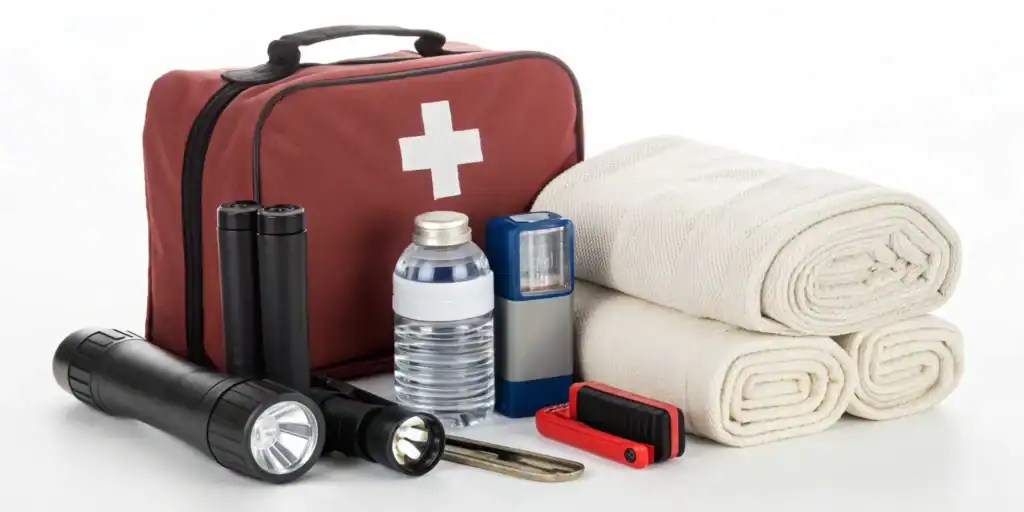
A basic emergency kit is a great starting point, but your family isn’t generic, and your supplies shouldn’t be either. A truly effective kit is one that’s personalized for the unique needs of every member of your household. After all, the supplies required for an infant are completely different from those needed for an elderly parent or a family pet. Taking the time to think through these specific needs is what transforms a simple box of supplies into a genuine lifeline. This guide will help you do just that. We’ll start with a foundational emergency kit list, then show you exactly how to customize it for your children, pets, and anyone with special medical needs.
Key Takeaways
- Start with the Essentials: Build a solid foundation for your kit with a three-day supply of the most critical items: one gallon of water per person per day, non-perishable food, a comprehensive first aid kit, and a flashlight with a radio.
- Customize for Your Crew: A truly effective kit accounts for everyone. Add specific supplies for infants, children, pets, and anyone with medical needs, including prescription medications and specialized equipment.
- Store It Smart and Keep It Fresh: Your supplies are useless if you can’t find them or they’ve expired. Keep kits in accessible locations at home and in your car, and schedule a six-month check-up to rotate food, water, and batteries.
What Is an Emergency Kit (and Why You Really Need One)
An emergency kit is simply a collection of essential items your household would need to survive for several days following a disaster. Think of it as your personal, self-sufficient stockpile for when the unexpected happens. After a major event, emergency services can be overwhelmed, and you might be on your own for a while. Being prepared means having your own food, water, medical supplies, and other basics ready to go.
This isn’t about living in fear; it’s about building confidence. Knowing you have a plan and the supplies to execute it provides incredible peace of mind. It allows you to take control in a situation that feels uncontrollable, ensuring you can care for yourself and your loved ones when help may be delayed. Whether you build your own kit from scratch or start with one of our pre-assembled disaster preparedness kits, taking this one step is the foundation of a solid emergency plan. It’s a practical action you can take today to ensure you’re ready for tomorrow.
What Emergencies Should You Prepare For?
When you hear “emergency,” your mind might jump to major natural disasters like hurricanes, earthquakes, or floods. While your kit should absolutely prepare you for those, it’s also for more common disruptions. Think about severe winter storms that cause multi-day power outages, local evacuation orders, or even a personal crisis that keeps you at home. The goal is to have a versatile kit that covers the basics for any scenario where you might lose access to utilities or be unable to leave your home safely. A good plan helps you be informed about the specific risks in your area so you can add any specialized items you might need.
The Real Cost of Being Unprepared
The true cost of being unprepared goes beyond inconvenience. It’s the stress of realizing you don’t have what you need when you need it most. It’s trying to find an open pharmacy for essential medication, only to discover they’re all closed. It’s facing empty grocery store shelves because you waited until the last minute. This scramble for resources adds immense anxiety to an already difficult situation. Having a well-stocked kit with essentials, including comprehensive first aid kits, removes that panic. It allows you to focus on your family’s immediate safety and well-being instead of worrying about where your next meal or bottle of water will come from.
Your Essential Emergency Kit Checklist
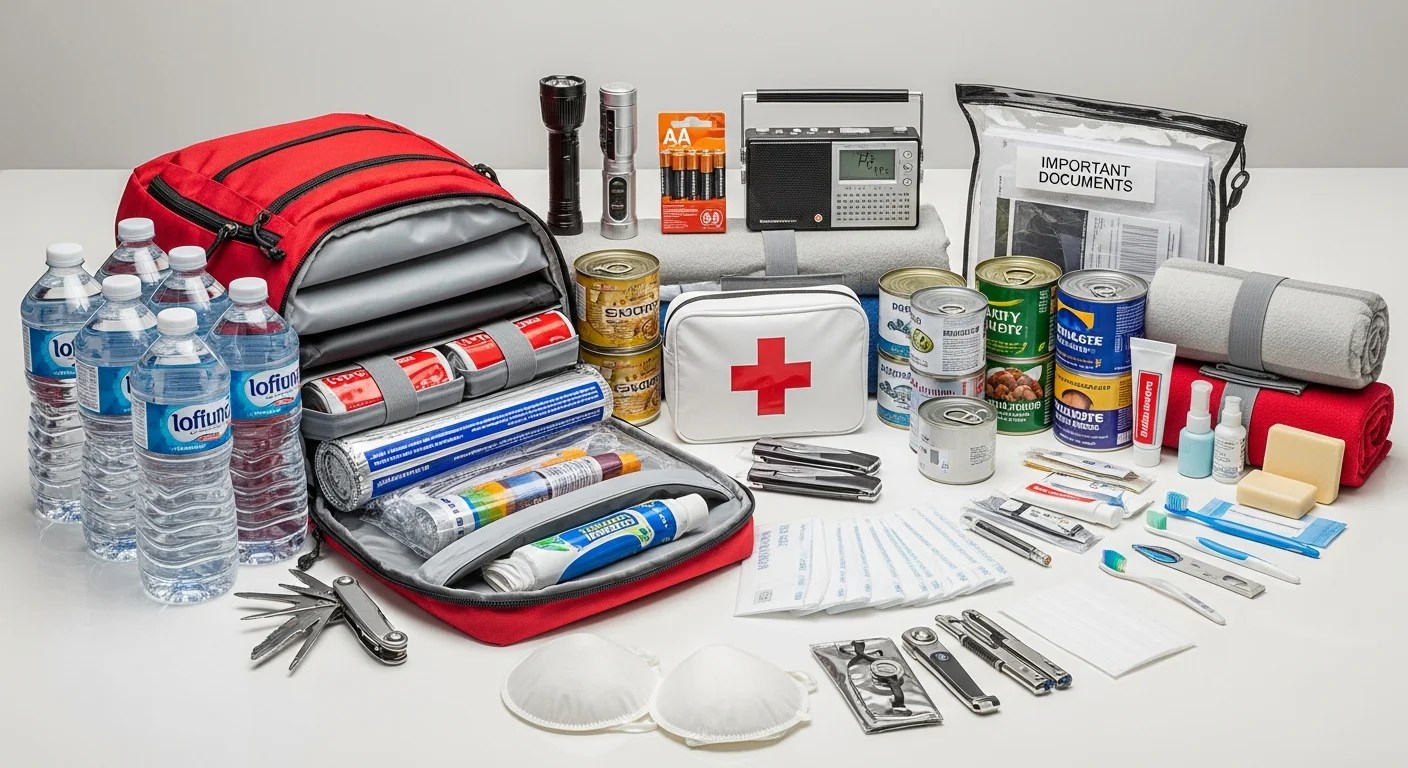
Getting started with a home emergency kit can feel like a huge project, but it doesn’t have to be. The key is to focus on the essentials first—the core items that will keep you and your family safe and comfortable if you have to go without basic services for a few days. Think of this checklist as your foundation. These are the items recommended by preparedness experts to handle the most critical needs, from hydration and nutrition to first aid and communication.
Once you have these basics covered, you can always expand and customize your kit for your specific needs. The goal isn’t to prepare for every imaginable scenario all at once, but to take a practical first step. Building this kit is one of the most empowering things you can do for your family. It replaces anxiety with confidence, knowing you have the resources on hand to manage an unexpected situation. Let’s walk through exactly what you need to get started.
Water and Hydration
Water is the single most important item in your emergency kit. When a disaster strikes, tap water can become contaminated or unavailable, so having your own supply is critical. The standard guideline, recommended by organizations like Ready.gov, is to store at least one gallon of water per person, per day. This amount covers what you’ll need for drinking as well as basic sanitation and hygiene.
For a portable “grab-and-go” bag, aim for a three-day supply. For your home kit, it’s best to have a two-week supply if you have the space. Commercially bottled water is the safest and most reliable option. If you choose to prepare your own containers, make sure they are properly sanitized and designed for storing water.
Food That Lasts
After water, a reliable food supply is your next priority. You’ll want at least a three-day supply of non-perishable food for each person in your household. Focus on items that require no refrigeration, cooking, or water to prepare. Think high-energy and comforting foods like protein or granola bars, dried fruit, nuts, peanut butter, and canned goods like meats, fish, fruits, and vegetables.
When packing your kit, remember to choose foods your family will actually eat—familiar items can be a source of comfort during a stressful time. And don’t forget the essentials for making your meals happen: a manual can opener, utensils, and paper plates. Check expiration dates every six months and rotate items to keep your supply fresh.
First Aid and Medical Supplies
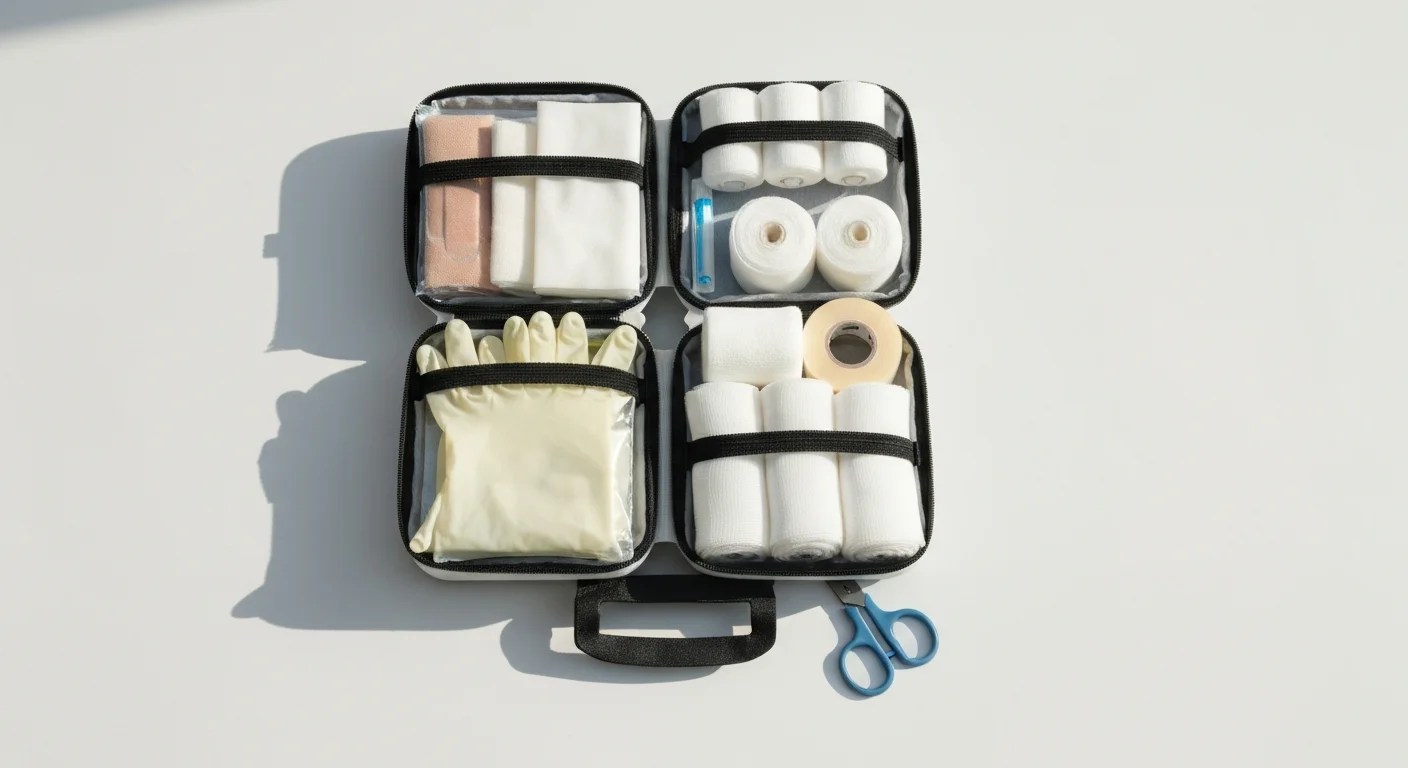
Minor injuries can become serious problems during an emergency if you don’t have the right supplies. A well-stocked first aid kit is non-negotiable. Your kit should include sterile gloves, bandages in various sizes, gauze pads, adhesive tape, antiseptic wipes, scissors, and pain relievers. It’s also a good idea to have supplies for more significant issues, like a tourniquet or bleeding control dressing.
Beyond a standard kit, be sure to pack a seven-day supply of any prescription medications your family members need, along with copies of the prescriptions. Include non-prescription medications like antacids or anti-diarrhea medicine. Finally, add personal hygiene items like soap, a toothbrush, and feminine supplies to help everyone stay clean and healthy.
Light and Communication Tools
When the power goes out, darkness and silence can be unsettling. Your kit should include reliable sources of light and information to keep you connected and safe. Pack a durable flashlight and a battery-powered or hand-crank radio. A radio is crucial for receiving official updates and alerts, especially one that can access NOAA Weather Radio broadcasts.
Make sure you have plenty of extra batteries for your devices, and store them in a waterproof bag. A whistle is another simple but effective tool for signaling for help if you need it. It’s also smart to include a portable power bank to keep your cell phone charged, giving you another way to call for help or contact loved ones.
Essential Tools and Safety Gear
A few basic tools can make a world of difference in an emergency. A wrench or pliers can be used to turn off utilities like water or gas, but only do this if you smell gas or are instructed to by local authorities. You should know exactly how to do this safely before an emergency happens.
For personal safety, include a dust mask for each family member to help filter contaminated air. Work gloves will protect your hands if you need to move debris. It’s also wise to pack plastic sheeting and duct tape, which can be used to seal windows and doors if you need to shelter in place. These simple items give you more control over your immediate environment when you need it most.
Important Documents and Cash
In the event of an evacuation, you’ll need access to your most important personal information. Since you may not have access to computers or the internet, keep copies of essential documents in a waterproof, portable container. This includes copies of your driver’s license, birth certificates, social security cards, passports, insurance policies, and deeds or titles to your property.
It’s also critical to have cash on hand, including small bills, as ATMs and credit card machines won’t work during a power outage. Consider saving digital copies of your documents on a password-protected flash drive as an extra backup. Having these items organized and ready to go will save you valuable time and stress.
How Much Food and Water Do You Actually Need?
Figuring out exactly how much food and water to store can feel like a guessing game, but it doesn’t have to be. These are the most critical supplies in your kit, and getting the quantities right is simpler than you think. The key is to start with a solid baseline and then adjust for your family’s specific needs. Let’s break down the official recommendations so you can stock your kit with confidence, knowing you have enough of the essentials to get through an emergency.
Guidelines for Storing Water
When it comes to water, the standard rule is to store one gallon of water per person, per day. This amount covers what you’ll need for both drinking and basic sanitation. As a starting point, you should aim to have at least a three-day supply ready to go. So, for a family of four, that means stocking 12 gallons of water. If you live in a hot climate, have pregnant family members, or are caring for someone who is ill, you may want to store a little extra. Commercially bottled water is the safest and most reliable option for your emergency supply.
Calculating Your Food Supply
Just like with water, the goal is to have at least a three-day supply of non-perishable food for every person in your household. Think about easy-to-prepare items that don’t require cooking or refrigeration, like protein bars, canned meats and fish, dried fruit, and peanut butter. It’s a good idea to choose foods your family actually enjoys to keep morale up during a stressful time. And don’t forget the essentials that are easy to overlook—make sure you pack a manual can opener. You can find more guidance on what to include in a basic emergency kit on Ready.gov.
Keep Your Kit Fresh: A Simple Rotation Plan
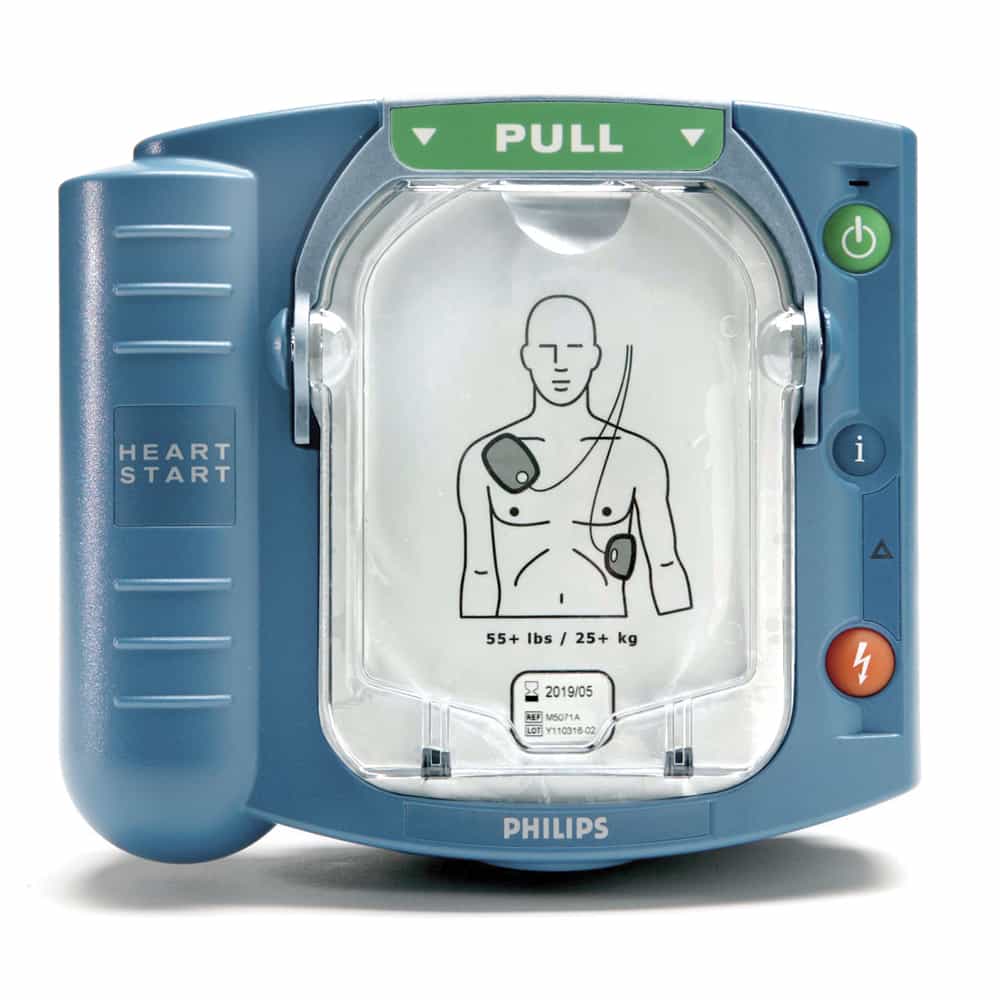
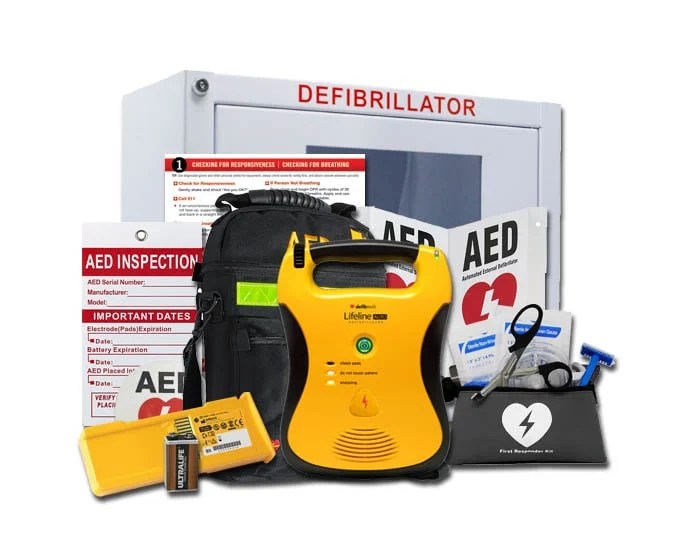
Your emergency kit isn’t something you can just pack once and forget about. Food, water, and medical supplies all have expiration dates. A great way to stay on top of this is to set a calendar reminder to check your kit every six months. When you do, swap out any items that are nearing their expiration date. You can use the food and water you rotate out in your daily meals to avoid waste. This is also the perfect time to check the expiration dates on your first aid kits and replace any used items, as well as check the readiness of critical equipment like your AED and its accessories.
Customize Your Kit for Your Family’s Needs
A basic emergency kit is a great start, but it’s just that—a start. Your family isn’t generic, and your emergency supplies shouldn’t be either. Taking the time to personalize your kit for each member of your household is one of the most important steps in getting prepared. This means thinking beyond the basics of food, water, and a first aid kit and considering the specific needs of infants, children, pets, and older adults or family members with special health conditions.
A truly effective kit is one that accounts for everyone’s unique requirements, ensuring that in a stressful situation, you have exactly what you need without a second thought. Imagine needing diapers and realizing you only packed granola bars, or searching for a specific medication in the middle of a power outage. These are the scenarios that personalization helps you avoid. From prescription medications and baby formula to pet food and comfort items, these personal touches transform a standard box of supplies into a genuine lifeline for your family.
Prepping for Infants and Children
When you have little ones, your emergency kit needs some extra items to keep them safe, healthy, and calm. Beyond the standard supplies, be sure to pack essentials like formula, diapers, wipes, and bottles. It’s also smart to include any necessary medications, like children’s pain relievers or allergy medicine. But preparedness isn’t just about physical needs. An emergency can be scary for kids, so packing a few small comfort items can make a world of difference. Think about including a favorite stuffed animal, a few books, or a simple game to help ease their anxiety and provide a sense of normalcy. These small additions help you get a kit that truly supports your whole family.
Don’t Forget Your Pets
Our pets rely on us completely, especially during an emergency. Make sure your preparedness plan includes a separate, dedicated kit for your furry family members. This kit should contain at least a three-day supply of their food and water, along with bowls, a leash, and a collar with up-to-date ID tags. It’s also a good idea to have copies of their vaccination records, a current photo in case you get separated, and any medications they take regularly. Don’t forget a sturdy carrier for smaller animals and familiar items like a favorite toy or blanket to help reduce their stress. Thinking through their needs now ensures they won’t be left behind when it matters most.
Considerations for Seniors and Special Needs
Every family’s situation is unique, and it’s crucial to account for the needs of older adults or anyone with a disability or chronic medical condition. When you build a kit, think about what they rely on daily. This includes a complete list of medications, dosages, and any allergies, along with at least a week’s supply of prescriptions. Pack backup medical equipment like hearing aids with extra batteries, glasses or contact lenses, or other essential supplies. If someone uses mobility aids, have a plan for how to transport them. Taking the time to gather these specific items ensures that every member of your family is cared for properly during a crisis.
Where Should You Keep Your Emergency Kit?
You’ve put in the work to gather all your emergency supplies—great job! But what you have is only as good as your ability to find it when you need it. Deciding where to store your kits is just as important as what you put inside them. The key is to think about accessibility and what makes the most sense for different scenarios, whether you’re sheltering in place at home, stuck on the road, or need to evacuate quickly. Let’s walk through the best spots to keep your supplies so you’re ready for anything.
At Home: The Best Spots for Quick Access
Your main emergency kit should be stored in a cool, dark place that everyone in your household can get to easily. Think of a central location like a hall closet, a dedicated shelf in the garage, or a storage bin under a bed. Avoid places with extreme temperature swings, like an attic or shed, which can shorten the shelf life of food, water, and medications. To keep everything protected and organized, pack your items in airtight plastic bags and place them inside a large, easy-to-carry container like a plastic bin or a duffel bag. This makes it simple to grab everything at once if you need to move to a safer spot within your home. Make sure your first aid kits are fully stocked and accessible.
In Your Car: Your On-the-Go Kit
You never know when a simple drive can turn into an unexpected situation. Keeping a dedicated emergency kit in your car is a smart move in case you get stranded due to a breakdown, traffic jam, or severe weather. This kit should include essentials like jumper cables, a flashlight with extra batteries, blankets, bottled water, and non-perishable snacks. It’s also wise to include a compact first aid kit, flares or reflectors, and basic tools. Find a permanent spot for it in your trunk or under a seat so it’s always there when you need it. This isn’t just a smaller version of your home kit; it’s specifically tailored for roadside emergencies.
Grab-and-Go Bag Essentials
In an emergency where you need to evacuate immediately, you won’t have time to pack. That’s where a grab-and-go bag comes in. This is a smaller, portable kit that you can grab in seconds. Each person in your household should have one. Pack essentials to last for at least 72 hours, including copies of important documents, cash, medications, a change of clothes, a phone charger, and basic hygiene items. A sturdy backpack is the perfect container. Store these bags somewhere you can access them on your way out the door, like a coat closet near the main exit. This simple step ensures you can leave quickly and safely when time is critical. For a detailed breakdown of what to pack in each bag, see our complete bug out bag checklist.
How Often Should You Check and Update Your Kit?
Building your emergency kit is a huge step toward preparedness, but it’s not a one-and-done task. Think of it as a living resource that needs a little attention to stay effective. Over time, food expires, batteries lose their charge, your family’s needs change, and seasons shift. A kit with expired food or a dead flashlight isn’t much help when you actually need it.
The good news is that keeping your kit up-to-date doesn’t have to be a massive project. A simple, routine check-in a couple of times a year is all it takes to ensure your supplies are fresh, functional, and ready for anything. This regular maintenance is what turns a box of supplies into a reliable source of safety and confidence for you and your family.
Your Six-Month Kit Check-Up
Set a reminder on your phone or calendar to check your kit twice a year. Many people find it helpful to do this when the clocks change for daylight saving time. During this check-up, your main goals are to rotate your food and water. The South Carolina Emergency Management Division recommends you change your stored water every six months to keep it fresh and safe for drinking. This is also the perfect time to check the expiration dates on your non-perishable food items and swap out anything that’s getting close to its use-by date. While you’re at it, test the batteries in your flashlights and emergency radio and replace them if needed.
What Expires? Items to Replace Regularly
Beyond your main food and water supply, several other items in your kit have a shelf life. Take a look at your first aid kits and check the expiration dates on medications, ointments, and even sterile bandages, which can lose their effectiveness over time. Prescription medications will need to be rotated out regularly based on their specific dates. To make sure your supplies last as long as possible, Ready.gov suggests storing canned goods in a cool, dry place. It’s also a good idea to review your important documents. Make sure your copies of IDs, insurance policies, and bank records are the most current versions.
Adjusting Your Kit for Every Season
Your family’s needs can change dramatically from summer to winter, and your emergency kit should reflect that. As part of your six-month check-up, take a few minutes to adjust your supplies for the upcoming season. In the fall, you might add warm blankets, extra layers of clothing, hats, and gloves for each family member. In the spring, you can swap those heavy items for lightweight clothing, rain gear, sunscreen, and insect repellent. According to Ready NC, it’s always a good idea to have a change of clothes and sturdy shoes for everyone, but adjusting these for the weather ensures you’re prepared for the most likely conditions you’ll face.
Common Mistakes to Avoid When Building Your Kit
Building an emergency kit is a huge step toward being prepared, but a few common missteps can make your kit less effective when you actually need it. The good news is that these are easy to fix. Thinking through these potential pitfalls now will ensure your kit is truly ready to support you and your family during a crisis. Let’s walk through the most frequent mistakes so you can sidestep them completely.
Underestimating Your Food and Water Needs
It’s easy to misjudge just how much food and water you’ll go through in an emergency. The most critical mistake is not packing enough. Federal guidelines recommend storing at least one gallon of water per person, per day, for a minimum of three days. This amount covers drinking as well as basic hygiene and cooking. For food, you should pack at least a three- to seven-day supply of non-perishable items for everyone in your household. Think about high-energy foods that require no cooking or refrigeration, like protein bars, dried fruit, and canned goods. Having a generous supply ensures you can stay hydrated and nourished while you wait for conditions to improve.
Forgetting to Personalize Your Supplies
A generic, one-size-fits-all kit rarely works for a real family. Every household has unique needs, and your emergency kit should reflect that. Take a moment to think about who you’re packing for. Do you have infants who need formula and diapers? What about your pets? They’ll need their own supply of food, water, and any necessary medications. It’s also vital to include supplies for older adults or family members with disabilities or chronic health conditions. Pack extra prescription medications, eyeglasses, hearing aid batteries, and any other items essential to their well-being. A personalized kit is a practical one.
Storing Your Kit in the Wrong Place
You’ve assembled the perfect kit—but it won’t do you any good if you can’t get to it when disaster strikes. A common mistake is stashing the kit in a single, hard-to-reach location like the back of a cluttered closet or a deep corner of the basement. Instead, keep supplies in several accessible spots. You should have a primary kit at home, a smaller version in your car, and perhaps even a few essential items at your workplace. For your home kit, choose a location you can get to quickly, even in the dark. Pack everything in strong, easy-to-carry containers like duffle bags or a small suitcase with wheels so you can grab it and go if you need to evacuate.
How to Build an Emergency Kit on a Budget
Building an emergency kit from scratch can feel like a big expense, but it doesn’t have to be. Think of it as a gradual investment in your family’s safety and your own peace of mind. You don’t need to buy everything at once. By starting with the most critical items and adding to your kit over time, you can become prepared without breaking the bank. The key is to start now with what you can. A small, incomplete kit is always better than no kit at all.
The goal is to create a kit that can sustain you and your family for at least three days if you’re unable to leave your home or if basic utilities are unavailable. By focusing on the essentials first and using smart shopping strategies, you can build a reliable kit that fits your budget. Every item you add is another step toward being ready for the unexpected.
What to Buy First: The Top Priorities
If your budget is tight, focus on the absolute essentials first. These are the items that will make the biggest difference in the first 72 hours of an emergency. Start by gathering enough supplies to get each person in your household through three days.
Your priority shopping list should include:
- Water: This is your number one priority. The standard rule is one gallon of water per person, per day.
- Food: Stock up on non-perishable foods that require no cooking or refrigeration, like protein bars, canned goods, and dried fruit.
- First-Aid Supplies: A well-stocked first aid kit is crucial for handling minor injuries when professional help might be delayed.
- Light and Communication: Get a flashlight with extra batteries and a battery-powered or hand-crank radio to stay informed.
- Medications: Make sure you have a supply of any necessary prescription medications and essential over-the-counter items.
Smart Ways to Save on Supplies
You can assemble a great emergency kit without spending a fortune. It just takes a little planning and resourcefulness. Before you buy anything, shop your own home. You might already have canned goods, flashlights, or extra batteries in a drawer or closet.
Here are a few more ways to save:
- Buy gradually. Add one or two items to your grocery list each week. A case of water this week, a few cans of soup the next. This approach spreads the cost out over time.
- Use what you have for storage. You don’t need a special container. An old duffel bag, a backpack, or a sturdy plastic bin you already own will work perfectly. The official Ready.gov guidance suggests using airtight plastic bags to protect your supplies within your main container.
- Look for sales. Keep an eye out for sales on bottled water, canned food, and batteries at your local grocery store. Buying these items when they’re discounted can lead to significant savings.
Checklists for Specific Disasters
Your all-purpose emergency kit is a fantastic foundation for preparedness, but some situations call for a more tailored approach. A blizzard has different demands than a hurricane, and a sudden evacuation order requires a different set of supplies than a week-long power outage. Think of your main kit as your starting point. These checklists will help you fine-tune your supplies for specific scenarios, ensuring you have exactly what you need when it matters most. By thinking through these events ahead of time, you can add or pre-pack items that make a critical difference, turning a stressful situation into a manageable one.
Preparing for Natural Disasters
When a major natural disaster is on the horizon, your goal is to be self-sufficient for at least three to seven days. This means having a robust kit that covers all your core needs without relying on outside help. According to FEMA, you should build a kit that prioritizes the absolute essentials for survival and comfort.
Your primary focus should be on:
- Water: One gallon per person, per day.
- Food: A supply of non-perishable, easy-to-prepare food for several days.
- Communication: A battery-powered or hand-crank radio to stay informed.
- Light: Flashlights and extra batteries.
- Medical: A well-stocked first aid kit and a supply of any necessary prescription medications.
Store these items in a designated spot and in containers that are easy to grab. It’s also smart to include copies of important documents, cash, and basic sanitation supplies.
What You Need for a Power Outage
A power outage can happen anytime, often with little warning. While usually less severe than a natural disaster, being prepared can make the experience much more comfortable and safe. Instead of fumbling in the dark for candles and matches, you can have a dedicated kit ready to go. Your power outage kit should be easily accessible and focused on immediate needs.
Make sure your kit includes:
- A flashlight with fresh batteries (and spares!)
- A battery-powered or hand-crank radio
- A backup power source for charging your phone
- A small supply of non-perishable food and water
- A simple first aid kit for minor scrapes or injuries
Having these items in one place means you can confidently handle the outage without stress. Many complete disaster preparedness kits contain everything you need to get through a temporary outage.
Your “Must-Have” Evacuation List
If you’re ever told to evacuate, you might only have a few minutes to leave your home. In this scenario, you won’t have time to pack. That’s why a pre-packed, portable “go-bag” is so important. This bag should be lightweight and contain only the absolute essentials to get you through the next 72 hours. Think of it as your personal lifeline in a compact package.
Your evacuation go-bag should include:
- Water and non-perishable snacks
- A flashlight and a small radio
- A portable first-aid kit
- Essential medications and copies of your prescriptions
- Copies of personal documents (ID, birth certificates, passports)
- Cash in small bills
- A change of clothes
Keep this bag in a closet near an exit or in your car so you can grab it and go without a second thought.
Take the First Step: Build Your Kit Today
Getting started with emergency preparedness can feel like a huge task, but it doesn’t have to be. The most important thing you can do is simply begin. For a complete, updated resource, see our emergency preparedness kit checklist for 2026. Taking the time to assemble a kit before a disaster happens is the single most effective step toward ensuring your family’s safety and well-being when it matters most.
The goal is to have enough supplies at home to sustain everyone for at least three to seven days. According to federal guidelines, your kit should focus on the absolute essentials. Start with the basics: one gallon of water per person per day, non-perishable food, a hand-crank radio, flashlights with extra batteries, and any necessary medications. A well-stocked first aid kit is also a non-negotiable item that can handle minor injuries when professional help is delayed.
Once you’ve gathered your supplies, think about storage. To keep everything dry and safe, pack smaller items in airtight plastic bags. Then, place everything into one or two easy-to-carry containers, like a duffel bag or a large plastic bin. This keeps your kit organized and ready to grab in a hurry. For a complete checklist and more detailed guidance, you can build a kit using the official recommendations from Ready.gov. Taking these simple actions today provides lasting peace of mind for tomorrow.
Related Articles
- Power Outage Emergency Response Plan PDF [Free Template]
- The Ultimate Hurricane Preparation Checklist
- Emergency Preparedness Kits for Home, Travel & Evacuation — Response Ready
Frequently Asked Questions
Should I buy a pre-made kit or build my own? There’s no wrong answer here—it really comes down to what works best for you. A pre-made kit is a fantastic way to get a solid foundation of essential supplies all at once, which removes the guesswork and saves you time. If you choose to build your own, you have complete control to customize every item for your family’s specific needs and budget. A great approach is to do both: start with a comprehensive pre-made kit and then add personal items like specific medications, comfort items for kids, or your pet’s favorite food.
I live in a small apartment. Where can I possibly store all this? Limited space is a common challenge, but you can make it work by being a little creative. Instead of one giant bin, think about storing your supplies in a few smaller, easy-to-manage containers. You can tuck them away in different spots, like under your bed, at the top of a coat closet, or in a little-used cabinet. A slender container might fit behind a sofa, and your grab-and-go bag can live right by the front door. The key is to keep everything accessible so you aren’t digging through storage to find what you need in a hurry.
What’s the single biggest mistake people make with their emergency kits? The most common mistake is treating the kit as a one-and-done project. It’s easy to pack a kit, put it in a closet, and forget about it for years. But supplies don’t last forever. Food expires, batteries die, and your family’s needs change. A kit with expired medication or leaky batteries isn’t going to help you much. The most effective kits are the ones that are checked and updated every six months, ensuring everything inside is fresh, functional, and ready to go.
This feels overwhelming. What is the absolute first thing I should do? If you’re feeling overwhelmed, just start small. You don’t have to build the perfect kit in one weekend. The next time you go to the grocery store, add one case of bottled water and a box of protein bars to your cart. That’s it. When you get home, put them in a designated spot. You’ve just officially started your emergency kit. Taking that one small, simple step makes the whole process feel more manageable and builds momentum to keep going.
How do I know if I have enough water? Water is the most critical item in your kit, and the standard guideline is to have one gallon of water, per person, per day. This might sound like a lot, but remember that it’s not just for drinking. You’ll also need water for basic hygiene, like washing your hands, and for preparing certain foods. Aim for at least a three-day supply for everyone in your home, including pets. If you have the space, storing more is always a good idea, especially if you live in a hot climate.
Disclaimer for information purposes only:
The information provided on this website is intended for general educational and informational purposes only. It is not medical advice and should not be used as a substitute for professional diagnosis, treatment, or care. Always consult a qualified healthcare or medical professional regarding any health-related questions or concerns.
While we strive to ensure the information shared is accurate and up to date, no guarantees are made regarding completeness, accuracy, or applicability to any individual situation. Use of this content is at the reader’s sole discretion and risk.
This website is part of the Response Ready family of emergency preparedness and training resources, including CPR & first aid training and compliance services, AED sales and program support, AED program management software, and medical oversight solutions provided through our affiliated platforms:
• CPR1.com
• AEDLeader.com
• AEDTotalSolution.com
• MDSIMedical.com
By accessing or using this website, you agree to release, indemnify, and hold harmless the website owners, authors, contributors, and affiliated entities from any claims, losses, damages, or liabilities arising from the use or reliance on the information presented.