You have smoke detectors in your home and a spare tire in your car. You don’t expect to use them every day, but you have them for peace of mind, just in case. An emergency kit works the same way. It’s your family’s safety net for situations when help might be delayed, like a major storm or a prolonged power outage. The goal is self-sufficiency for at least 72 hours. But knowing where to begin can feel overwhelming. That’s why we’ve created a straightforward guide to answer the fundamental question: what are 20 items in a emergency kit? Think of this as your blueprint for building that peace of mind, one essential item at a time.
Key Takeaways
- Build a Foundation of Core Supplies: Focus on gathering the non-negotiable essentials for at least 72 hours of self-sufficiency, including water, non-perishable food, a first aid kit, a flashlight, and a hand-crank radio.
- Customize and Maintain Your Kit: A truly effective kit is personalized for your family’s unique needs—including kids, pets, and medical requirements—and is reviewed every six months to replace expired items like food, batteries, and medications.
- Prepare Beyond the Supplies: True readiness involves more than just a box of gear. Create a family emergency plan, get hands-on training in skills like CPR, and strategically place kits in your home, car, and in portable go-bags for any scenario.
Get certified in CPR
Adult & Pediatric First Aid/CPR/AED — Blended Learning
Self-paced online + in-person skills check. 2-year certification.
CPR, AED & First Aid Certification
Instructor-led on-site. Practice on real manikins and AED trainers.
What Is an Emergency Kit? (And Why You Need One)
Think of an emergency kit as your personal safety net for the unexpected. It’s a dedicated collection of essential supplies your household would need to get through a crisis, especially if you have to go without power or leave your home quickly. When a disaster strikes, emergency services can be overwhelmed, and it might take time for help to arrive. The whole point of a kit is to ensure you have what you need to take care of yourself and your family for at least a few days.
The core idea is self-sufficiency. As the experts at Ready.gov explain, “Being prepared means having your own food, water and other supplies to last for several days.” Having these items packed and ready to go removes a huge layer of stress from an already difficult situation. Instead of scrambling to find batteries or a first aid kit in the dark, you can act confidently, knowing you have the basics covered.
Whether you’re facing a hurricane, a power outage, or another unexpected event, a well-stocked kit is one of the most important steps you can take. The National Weather Service notes that an emergency supplies kit is crucial whether you have to shelter in place or evacuate. It’s not about dwelling on worst-case scenarios; it’s about giving yourself the tools and the peace of mind to handle whatever comes your way. From basic first aid kits to more comprehensive disaster supplies, being prepared is always the right call.
Your Emergency Kit Checklist: 20 Must-Have Items
Building an emergency kit is one of the most practical and empowering steps you can take to protect yourself and your family. It’s not about dwelling on worst-case scenarios; it’s about having the confidence that you’re ready for the unexpected. When a crisis hits, having your essential supplies gathered in one place saves precious time and reduces stress. Think of it as your grab-and-go solution for peace of mind.
This checklist covers the fundamental items recommended by preparedness experts. While every family’s needs are unique, these 20 items form a solid foundation for any home emergency kit. We’ve broken them down into categories to make gathering everything feel a little less overwhelming.
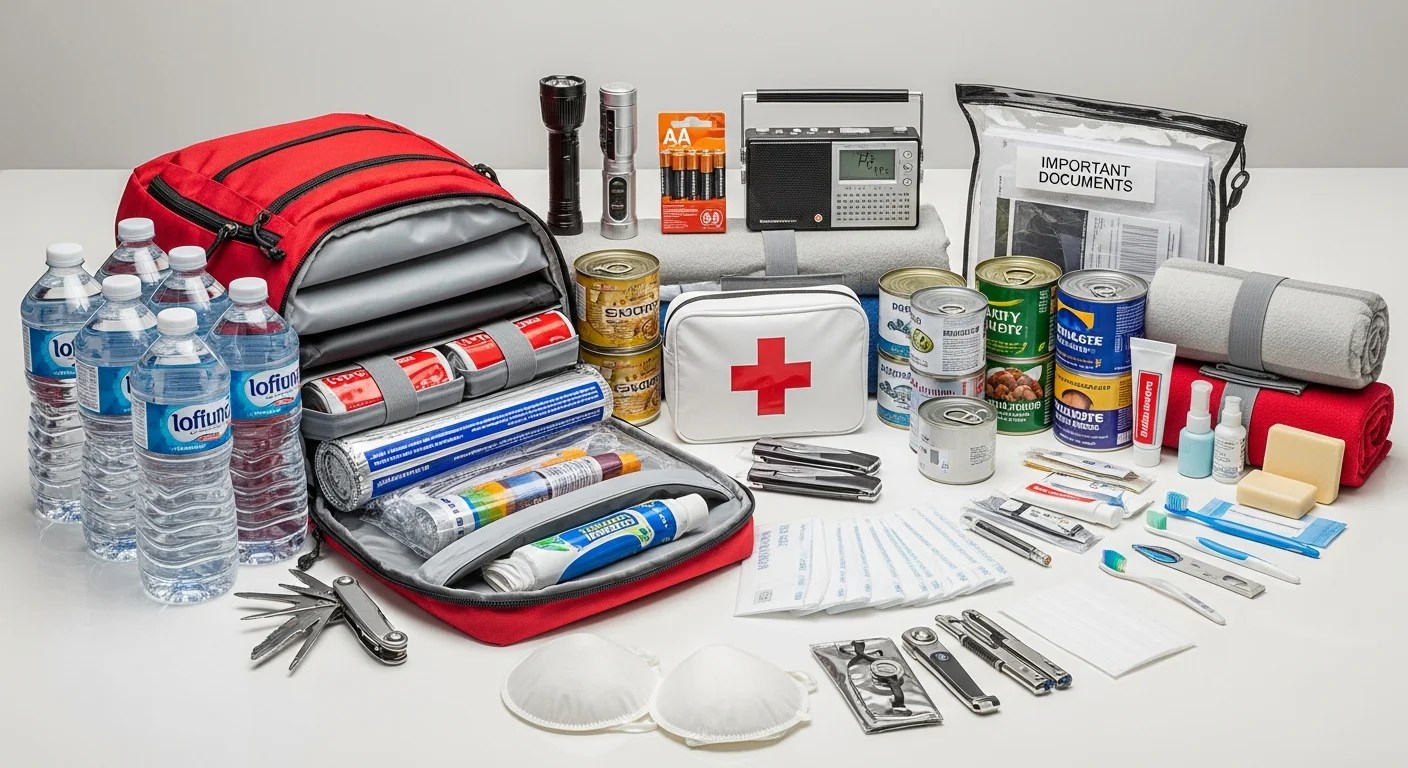
Here’s a quick look at what you’ll need:
- Food & Water: Water, non-perishable food
- Light & Communication: Flashlight, hand-crank radio, extra batteries
- First Aid: A complete first aid kit, personal medications
- Tools: Multi-tool, can opener, wrench or pliers
- Sanitation: Wipes, garbage bags, personal hygiene items
- Documents & Cash: Copies of important documents, cash
- Shelter & Warmth: Emergency blankets, dust masks, change of clothes, whistle, local maps
Food and Water
When basic utilities are down, having your own supply of food and water is non-negotiable. The standard recommendation is to store at least one gallon of water per person per day, for both drinking and sanitation. Aim for a three-day supply for each member of your household. For food, pack items that are non-perishable and require little to no cooking. Think protein bars, dried fruit, nuts, and canned goods like tuna, beans, or soup. If you pack canned items, don’t forget to include a manual can opener. You can build a kit with these essentials to ensure you’re prepared.
Light and Communication
Staying informed and being able to see in the dark are critical during an emergency. A power outage can leave you without light and cut you off from important news updates. Your kit should include a reliable flashlight—either battery-powered or hand-crank—and a battery-powered or hand-crank radio. A NOAA Weather Radio is a great choice for receiving official alerts. And don’t forget to pack plenty of extra batteries to fit your devices. A fully charged power bank for your cell phone is also a smart addition for modern preparedness.
First Aid and Medical Supplies
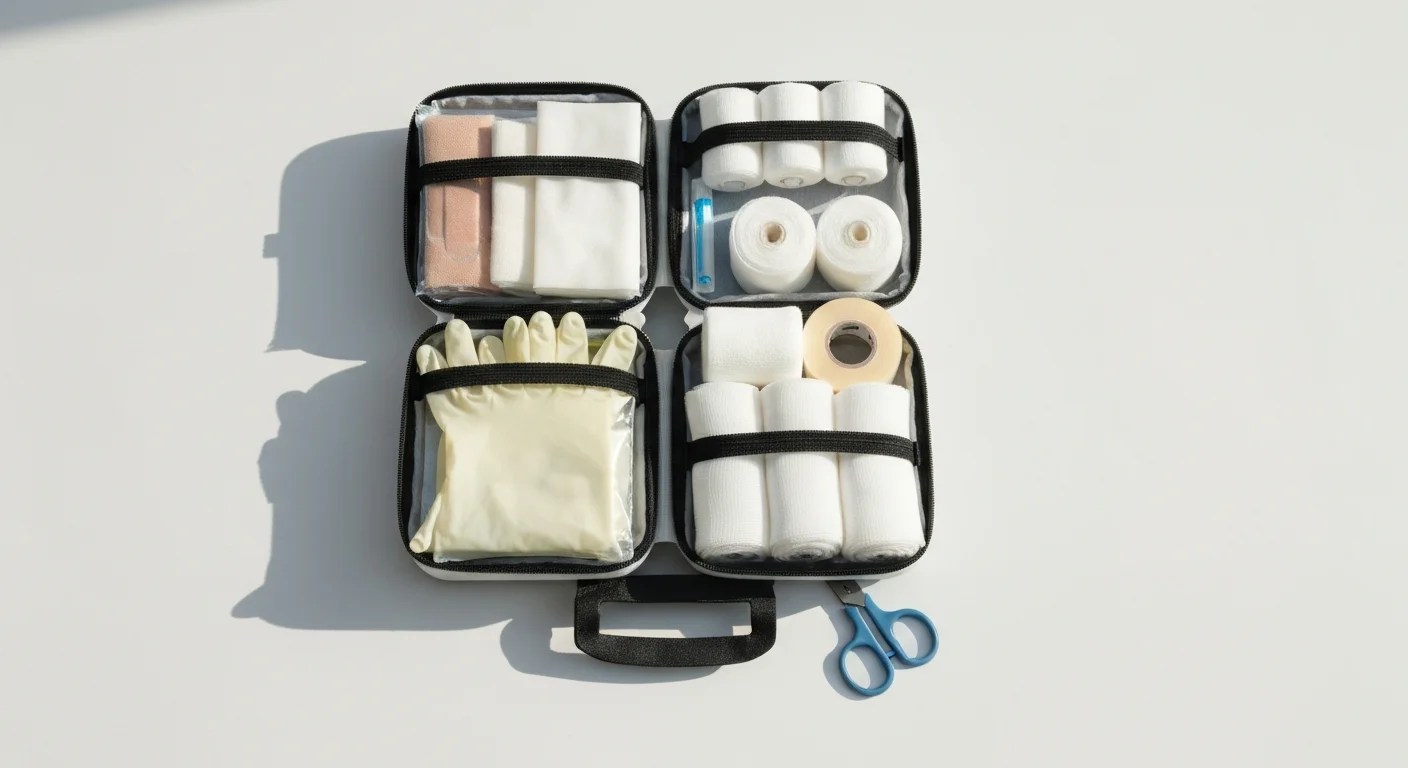
In an emergency, professional medical help might not be immediately available. A well-stocked first aid kit allows you to handle minor injuries and prevent them from becoming more serious. Your kit should include adhesive bandages, sterile gauze, antiseptic wipes, pain relievers, and antibiotic ointment. Beyond a basic kit, be sure to include a seven-day supply of any personal prescription medications. It’s also wise to pack copies of your prescriptions, along with any other necessary medical items like glasses, contact lenses, or hearing aids with extra batteries.
Essential Tools
A few basic tools can make a huge difference in a crisis. A multi-purpose tool or a simple utility knife can handle countless small tasks, from opening packages to making minor repairs. Since you’ll be relying on non-perishable food, a manual can opener is a must-have. It’s also a good idea to include a wrench or pliers that can be used to turn off utilities like water, but only do this if you are certain you know how and it is absolutely necessary. These simple tools can help you solve unexpected problems when you need to be self-reliant.
Sanitation and Hygiene
Maintaining hygiene is key to staying healthy during an emergency, especially if water is scarce. Good sanitation can help prevent the spread of germs and illness when you’re most vulnerable. Pack moist towelettes, garbage bags, and plastic ties for personal sanitation and trash disposal. You should also include personal hygiene items for each family member, such as a toothbrush, toothpaste, soap, and deodorant. Having these items on hand will not only keep you healthy but also provide a small sense of normalcy and comfort in a stressful situation.
Important Documents and Cash
If you need to evacuate, you’ll want critical information at your fingertips. Make copies of important personal documents, including driver’s licenses, birth certificates, social security cards, and insurance policies. Store them in a waterproof, portable container or a sealed plastic bag. It’s also essential to have cash on hand, as ATMs and credit card machines may not be working. Keep a mix of small bills. Having these items ready will make it much easier to get ready and handle logistical challenges during and after a crisis.
Shelter and Warmth
Protecting yourself from the elements is a top priority, whether you’re sheltering in place without heat or have been forced to evacuate. Every kit should include emergency space blankets or sleeping bags for each person to retain body heat and stay warm. A simple dust mask for each family member is also important to help filter contaminated air in situations involving smoke, dust, or debris. Finally, consider packing a complete change of weather-appropriate clothes and sturdy, comfortable shoes for everyone in your household.
How to Customize a Kit for Your Family’s Needs
A general emergency kit is a great start, but the most effective plan is one built for your family. Every household is unique, and your supplies should reflect the specific needs of each person and pet. Taking the time to personalize your kit ensures everyone, from children to older adults, has what they need to stay safe and comfortable during a stressful event. This extra step transforms a generic box of supplies into a reliable resource that provides true peace of mind.
Tailoring for Kids and Seniors
For little ones, pack essentials like diapers, wipes, formula, and familiar non-perishable snacks. Don’t forget the power of comfort; a favorite small toy or book can ease a child’s anxiety. For older adults, focus on health and accessibility. Include a supply of necessary medications, extra batteries for hearing aids, and any mobility aids they rely on. It’s also smart to have a written list of their medications and dosages. You can find more detailed checklists for various needs on the official Ready.gov website.
Packing for Your Pets
Our pets are family, so their needs are a crucial part of any emergency plan. Your pet’s kit should include a few days’ worth of food and water, plus a portable bowl. Pack a sturdy leash, harness, and a carrier for safe transport. If your pet takes medication, include an extra supply. Comfort items like a favorite toy can also reduce their stress. The ASPCA recommends keeping a recent photo of your pet and copies of their vaccination records in a waterproof bag, just in case you get separated.
Including Personal Medical Items
A standard first aid kit is essential, but it likely won’t cover your family’s specific medical needs. Start by assessing what each person requires. This means packing a seven-day supply of all prescription medications, along with a list of dosages. Include any over-the-counter medicines your family uses regularly, like pain relievers or allergy medicine. If someone has a severe allergy, make sure an EpiPen is accessible. For conditions like diabetes, pack supplies like a glucose meter. A good first aid kit is the foundation, but these personal additions make it truly complete.
Preparing Your Kit for Specific Emergencies
A basic emergency kit is a fantastic start, but true preparedness means thinking about the specific scenarios you’re most likely to face. Preparing for a hurricane on the Gulf Coast looks different from getting ready for an earthquake in California. Taking a few extra minutes to customize your kit for regional risks can make all the difference. The goal is to build a kit that works for you when it matters most. For a comprehensive, up-to-date resource covering all disaster types, see our emergency preparedness kit checklist for 2026. You can find detailed checklists for different disaster types to build a kit that addresses your area’s specific threats.
For Natural Disasters
If you live in an area prone to wildfires, earthquakes, or tornadoes, your kit needs a few extra items. Add N95 or P100 respirator masks to protect your lungs from smoke and dust, and include sturdy work gloves for safely moving debris. Safety goggles can shield your eyes from flying particles. It’s also smart to pack an emergency whistle to signal for help if you become trapped and a physical map of your local area in case GPS and cell service are unavailable. These simple additions are designed for the unique challenges that natural disasters present.
For Power Outages and Winter Storms
Losing power is a common emergency, especially during winter storms. To prepare, make sure your kit includes extra layers of warmth, like wool blankets and thermal clothing for everyone in the family. A fully charged power bank is crucial for keeping your phone operational, and you’ll want a supply of non-perishable foods that don’t require cooking. Think protein bars, dried fruit, and canned goods with pop-tops. Don’t forget some non-digital entertainment, like a deck of cards or a few books, to help pass the time.
For Everyday Medical Emergencies
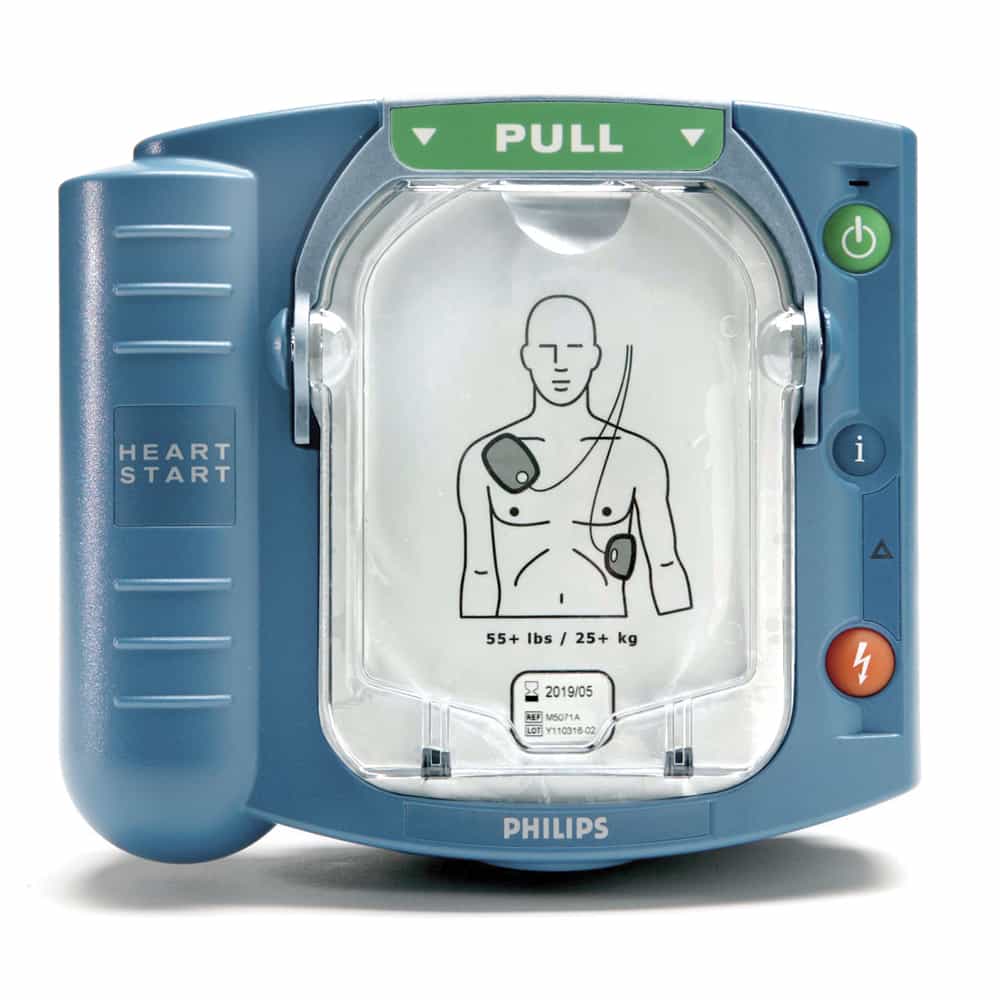
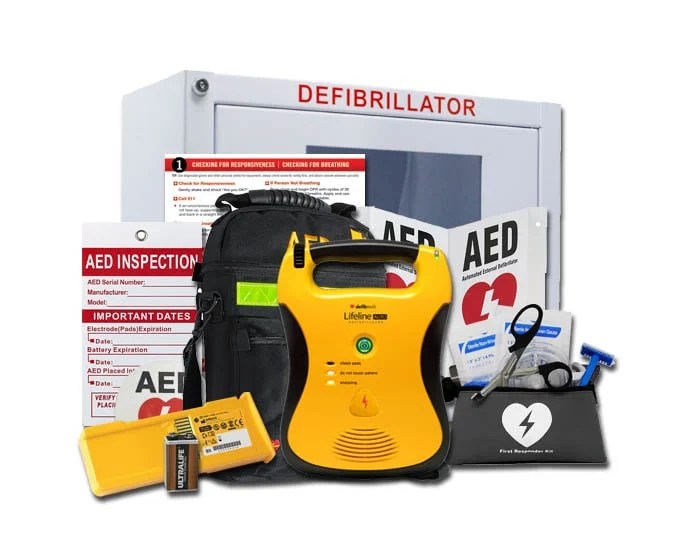
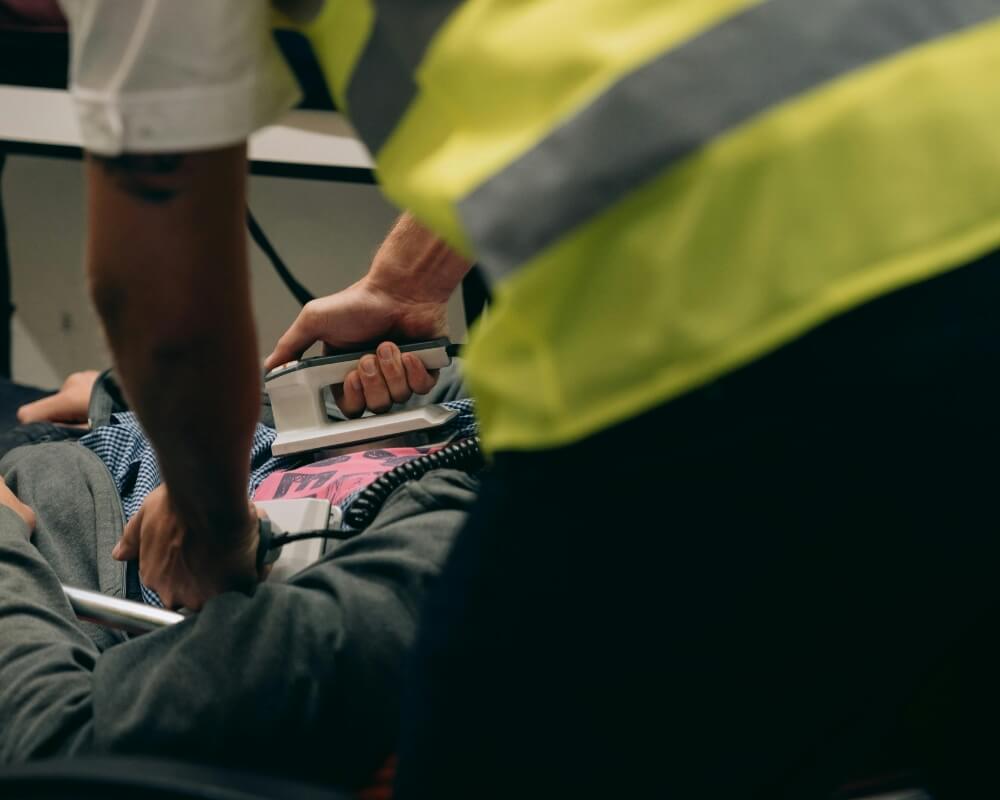
Medical emergencies can happen anywhere, anytime. Your standard kit should be equipped with more than just bandages. A comprehensive first aid kit with supplies for treating more significant injuries, like bleeding control dressings, is a must-have for your home and car. For the ultimate peace of mind, consider adding an Automated External Defibrillator (AED) to your home, especially if a loved one has a history of heart conditions. Having the right tools is only half the battle; knowing how to use them confidently is what truly saves lives. Getting CPR & AED training empowers you to act decisively when every second counts.
Where to Keep Your Kits (and How Many You Need)
You’ve done the hard work of gathering your emergency supplies. But where you store them is just as critical as what’s inside. A well-stocked kit won’t do you any good if you can’t get to it when disaster strikes. Let’s talk about the best places to keep your kits and figure out exactly how many you really need to be truly prepared.
The “one-and-done” approach doesn’t quite work for emergency preparedness. A better strategy is to think in layers. Most families will benefit from having at least three types of kits: a comprehensive “stay-at-home” kit, a portable “go-bag” for each person, and a dedicated kit for each vehicle. This approach ensures you’re ready whether you need to shelter in place or evacuate at a moment’s notice. As a starting point, you can use pre-made disaster preparedness kits and customize them for each location.
Your main stay-at-home kit should be stored in a central, cool, and dark place that’s easy to get to. Think about where you would likely take shelter, such as a basement, an interior closet on the first floor, or a garage. The key is accessibility. You don’t want to be digging through clutter to find it. Store everything together in a large, portable container like a duffle bag, a footlocker, or a large bin with a lid. Once you’ve picked a spot, make sure everyone in your family knows where it is. A quick walkthrough can save precious time later on.
Go-bags are for quick escapes. These should be lightweight backpacks stored somewhere you can grab them on your way out the door—in a bedroom closet or near your main exit. Having a personal bag for each family member is a great way to ensure everyone has what they need. For a step-by-step packing guide, check out our complete bug out bag checklist. Your car kit is another non-negotiable. It should contain essentials for roadside emergencies, including a good first aid kit, water, non-perishable snacks, and a blanket. You never know when a simple breakdown could turn into a longer wait than expected.

RECOMMENDED
HeartSine Samaritan 350P AED Package
Compact, fully-automatic AED designed for first-time responders. Pads, battery, carry case and wall sign included.
How Often to Check and Update Your Kit
Building your emergency kit is a fantastic first step, but it’s not a one-and-done task. To keep your kit reliable, you need to maintain it. Think of it as a living resource that grows and changes with your family. A good rule of thumb is to review your supplies at least twice a year. An easy way to remember is to schedule a check-in when you change your clocks for daylight saving time.
During your review, your main job is to play detective with expiration dates. Go through your food, water, medications, and batteries, and swap out anything that’s past its prime. Some items, like prescription medications or an EpiPen, have a much shorter shelf life and may need more frequent attention. This is also the perfect time to reassess your family’s needs. Have you had a new baby? Do your kids need larger-sized clothing? Did you get a new pet? Adjust the contents to reflect your current situation.
When you build a kit yourself, you become more familiar with its contents and more confident in using them. While the container might last for years, many of the items inside won’t. Regularly checking your supplies ensures everything is safe, effective, and ready to go when you need it most. Taking just 30 minutes twice a year to refresh your kit is a small investment that provides invaluable peace of mind.
How to Build Your Kit on a Budget
Getting prepared doesn’t have to break the bank. While you can buy comprehensive pre-made kits, building your own is often the most budget-friendly approach. It allows you to spread out the cost over time and customize the contents with items you already trust and use. Think of it as a marathon, not a sprint. By adding a few items each week or month, you can assemble a robust kit without a huge upfront expense.
A great first step is to “shop” your own home. You likely already have many of the essentials on hand, like a flashlight, extra batteries, warm blankets, or even a basic first aid kit. Make a checklist of what you need and cross off everything you find before you spend a dime. For the items you do need to buy, you can add one or two to your regular grocery list each week. This simple habit makes the cost almost unnoticeable.
When it comes to food, stick with non-perishable items your family actually enjoys. An emergency is not the time to discover your kids hate canned chili. Packing familiar, shelf-stable foods you already buy helps prevent waste and keeps morale up during a stressful time. You can also find many necessary supplies, like hygiene products, work gloves, and duct tape, at discount or dollar stores. Finally, store everything in airtight plastic bins to protect your supplies from moisture and pests. You can find a complete list of recommended items to build a kit and check off as you go.
Common Mistakes to Avoid When Building Your Kit
Building your emergency kit is a huge step toward being prepared. But once it’s packed, it’s easy to make a few common mistakes that can make your kit less effective when you actually need it. Think of it like this: you’ve done the hard work of gathering supplies, so let’s make sure that effort pays off. By avoiding these simple pitfalls, you can be confident that your kit is truly ready to go when an emergency strikes. We’ll walk through the most frequent oversights and how to sidestep them, ensuring your family has exactly what they need, right when it matters most.
Assuming One Size Fits All
A pre-made kit is a fantastic starting point, but it’s rarely a complete solution. Every family and situation is unique, and your kit should reflect that. Your needs will vary based on how many people you’re preparing for, their ages, your climate, and the types of emergencies common to your area. A family in Florida might pack extra supplies for hurricane season, while a family in California might focus on earthquake readiness. Use a basic kit as your foundation, then add personal items to fill the gaps. Think about what your family uses every day and what you couldn’t go without for 72 hours.
Forgetting to Refresh Supplies
It’s tempting to pack your kit, store it away, and check it off your to-do list for good. However, many emergency supplies have a shelf life. Food, water, batteries, and medications all expire. A kit full of expired items won’t do you much good in a crisis. To avoid this, set a reminder on your phone or calendar to review your kit’s contents every six months to a year. When you do, swap out any items that are nearing their expiration date, including things like AED batteries and pads. This simple habit ensures your supplies are safe, fresh, and ready to use.
Overlooking Personal Medications
This is one of the most critical and easily forgotten steps. While a good first aid kit will have basics like bandages and antiseptic wipes, it won’t include the specific prescription medications your family relies on daily. Make a list of all essential medications, including dosages, and talk to your doctor about getting an extra supply to keep in your kit. Don’t forget over-the-counter items you use regularly, like allergy pills, pain relievers, or antacids. In an emergency, you may not have access to a pharmacy, so having a backup supply of these necessary items is crucial for maintaining your family’s health and well-being.
Not Testing Your Gear
Unpacking your gear for the first time during a power outage is a recipe for stress. It’s important to familiarize yourself with every item in your kit before you need it. Do you know how to work the hand-crank radio? Have you tested the flashlight to make sure the batteries work? Do you know how to properly use everything in your first aid kit? Taking a few minutes to test your equipment and read the instructions now will save you precious time and frustration later. This practice builds confidence and ensures you can act quickly and effectively when it counts.
Beyond the Kit: Next Steps in Preparedness
Putting together an emergency kit is a fantastic first step toward protecting your family. You’ve gathered the essentials and created a resource that can make a real difference in a crisis. But true preparedness is more than just a box of supplies; it’s an ongoing mindset. Once your kit is built, the next step is to build the skills and plans that support it.
Thinking beyond the kit helps you move from having supplies to having a strategy. This involves creating clear plans, practicing how you’ll respond, and considering what specialized equipment could offer your family an even greater layer of safety. These actions turn your kit from a passive collection of items into an active part of a comprehensive safety plan, giving you the confidence to handle whatever comes your way.
Create a Family Emergency Plan
Your kit is ready, but is your family? A family emergency plan is your roadmap for what to do when a crisis hits, especially if you aren’t all together. Start by deciding on two meeting places: one just outside your home for sudden emergencies like a fire, and another outside your neighborhood in case you can’t return home.
Next, establish an out-of-state contact person. It’s often easier to make long-distance calls than local ones during a regional emergency. Make sure everyone, including children, has this person’s number saved. Involve your whole family in creating the plan so everyone knows their role and feels a sense of ownership and control.
Get Trained and Practice Your Skills
The tools in your first aid kit are only as effective as the person using them. Building hands-on skills is one of the most empowering things you can do to prepare for an emergency. Getting certified in first aid and CPR gives you the knowledge to act decisively when someone is injured or ill.
Look into local CPR & AED training to learn how to respond to cardiac emergencies. Once you have the skills, practice them. Run a family fire drill, review your communication plan, and walk through your evacuation routes. Practice builds muscle memory and helps reduce panic, ensuring you can think clearly and act effectively when it matters most.
Expand Your Preparedness Gear
Your general emergency kit covers the basics, but now you can think about tailoring your gear to specific risks. For example, sudden cardiac arrest is a leading cause of death, and having an automated external defibrillator (AED) at home or in your community can be life-saving while waiting for paramedics to arrive. These devices are designed for anyone to use, with clear voice prompts that guide you through every step.
You might also consider adding a dedicated bleeding control kit with a tourniquet and hemostatic gauze for severe injuries. Assess your unique situation—do you live in an area prone to hurricanes or earthquakes? Adding specialized supplies for those events will make your preparations even more robust.
Related Articles
- Power Outage Emergency Response Plan PDF [Free Template]
- Emergency Preparedness Kits for Home, Travel & Evacuation — Response Ready

Not sure which AED or training fits your needs?
A Response Ready product expert walks you through it — no obligation.
Frequently Asked Questions
How many days of supplies should I really have in my kit? A great starting point is to have enough supplies to last each person for at least three days. This is the standard recommendation for a portable “go-bag” in case you need to evacuate quickly. For your main kit at home, it’s wise to aim for a two-week supply of food, water, and other essentials. This longer timeframe prepares you for situations where you may need to shelter in place for an extended period without access to utilities or stores.
What’s the difference between a “go-bag” and a “stay-at-home” kit? Think of them as serving two different purposes. A go-bag is a lightweight, portable backpack for each family member that you can grab instantly if you need to leave your home. It contains personal essentials for a few days. Your stay-at-home kit is a much larger, more comprehensive collection of supplies stored in a central location. It’s designed to help you live self-sufficiently in your home during a longer emergency, like a widespread power outage.
Should I buy a pre-made kit or build one myself? There’s no single right answer—it depends on your priorities. Pre-made kits are an excellent way to get a solid foundation of supplies quickly and conveniently. Building your own kit allows you to spread the cost out over time and hand-pick items that perfectly match your family’s specific needs and preferences. Many people find a hybrid approach works best: start with a quality pre-made kit and then add personal items to make it complete.
Besides a basic first aid kit, what other medical supplies should I consider? A standard first aid kit is essential, but you should always add a week’s supply of any personal prescription medications your family needs. Beyond that, consider the specific risks you might face. For severe injuries, a bleeding control kit with a tourniquet can be life-saving. If a family member is at risk for sudden cardiac arrest, having an Automated External Defibrillator (AED) at home provides an incredible layer of security.
My kit is packed. What’s the next step to being truly prepared? Having your supplies ready is a huge accomplishment. The next step is to make sure you and your family know what to do in an emergency. This means creating a family communication plan that outlines where to meet and who to contact if you get separated. It also means getting hands-on training in skills like CPR and first aid. Your kit provides the tools, but knowledge and a clear plan give you the confidence to use them effectively.