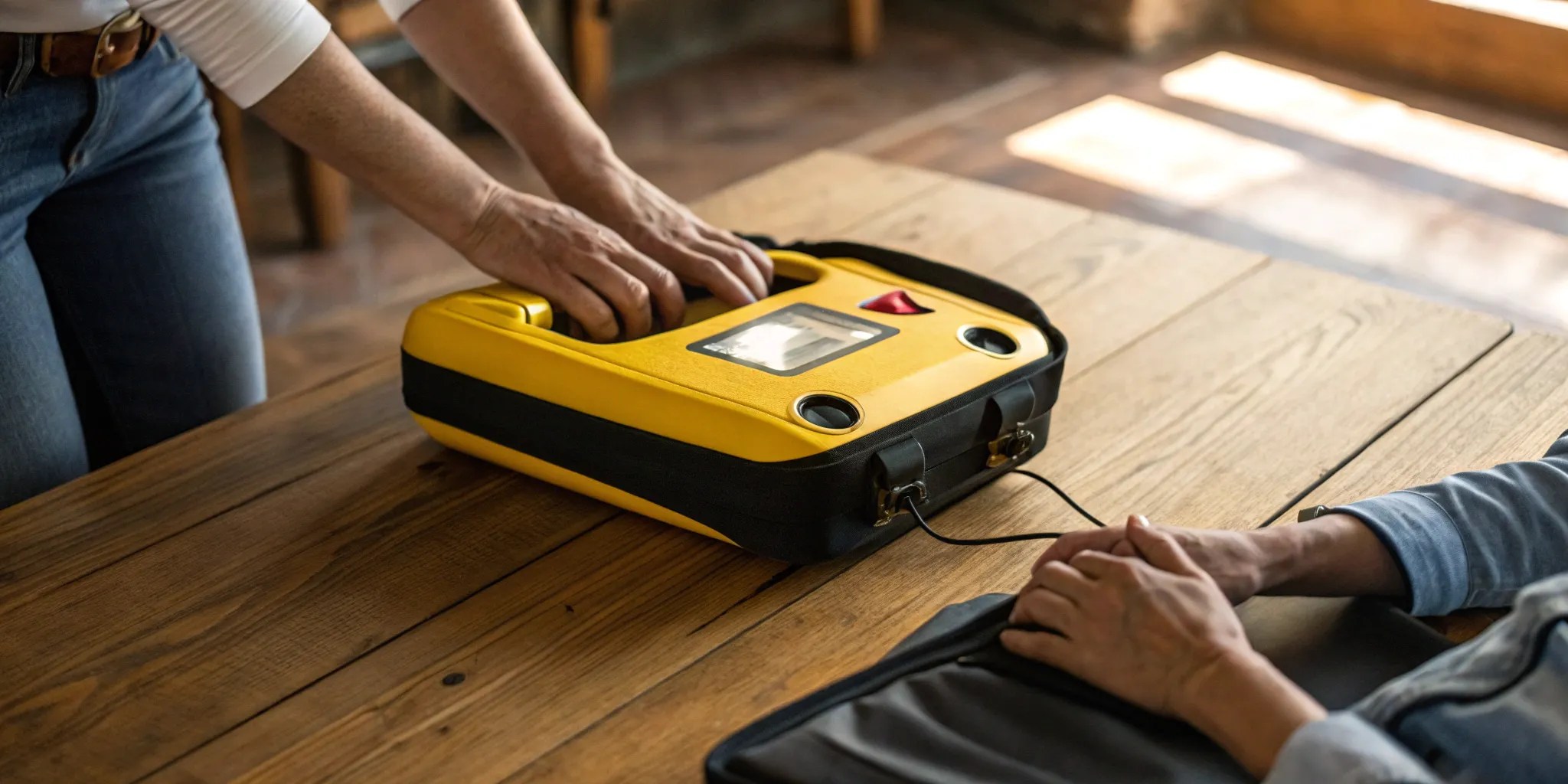
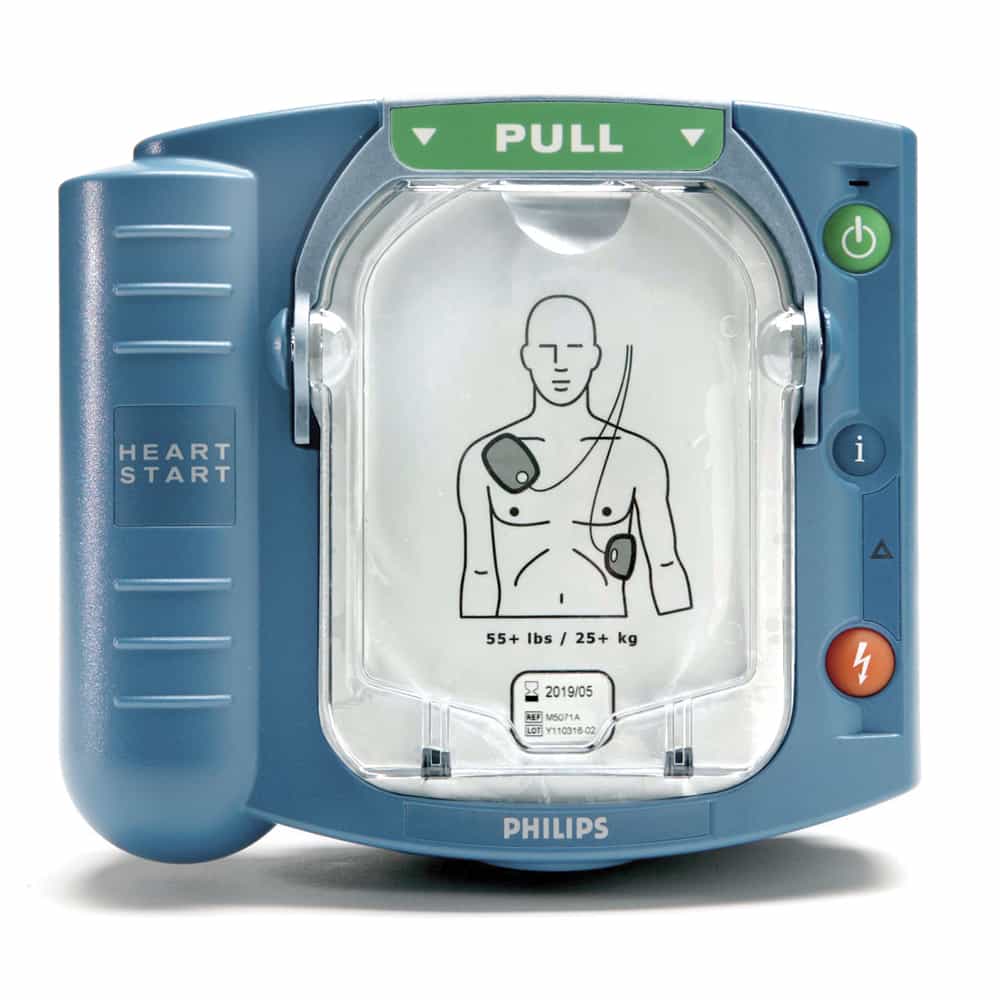
Semi automatic vs fully automatic AED which is right for you
Choosing an Automated External Defibrillator (AED) for your home, school, or business is a significant step in emergency preparedness. Once you start comparing models, you’ll quickly face a critical decision: should you get a semi automatic or a fully automatic device? The choice seems technical, but it really comes down to one simple factor: who is most likely to be using it in an emergency.
Understanding this single difference is the key to selecting a device that inspires confidence, reduces hesitation, and fits the needs of your environment perfectly. Our guide will walk you through the specifics of each type, helping you make an informed decision for the people you want to protect.
How both AED types prepare you to save a life
Before we explore the differences, it’s important to know that both semi automatic and fully automatic AEDs share the same core life saving technology. No matter which you choose, the device is designed to be used by anyone, regardless of training.
Both types of AEDs will:
-
Provide clear voice prompts:
As soon as the device is opened, it begins guiding the rescuer step by step through the entire process, from pad placement to CPR.
-
Analyze the heart’s rhythm:
The AED automatically determines if the person is experiencing a shockable rhythm. This is a crucial safety feature, as the device will not deliver a shock unless it is absolutely necessary for survival.
-
Instruct on CPR:
Modern AEDs provide coaching on the rate and depth of chest compressions, a vital part of the rescue process. Effective CPR is essential for keeping oxygenated blood flowing to the brain.
Both models are built on the same proven principles of defibrillation, designed to be safe and effective for bystanders. The primary distinction lies in how the therapeutic shock is delivered.
Get certified in CPR
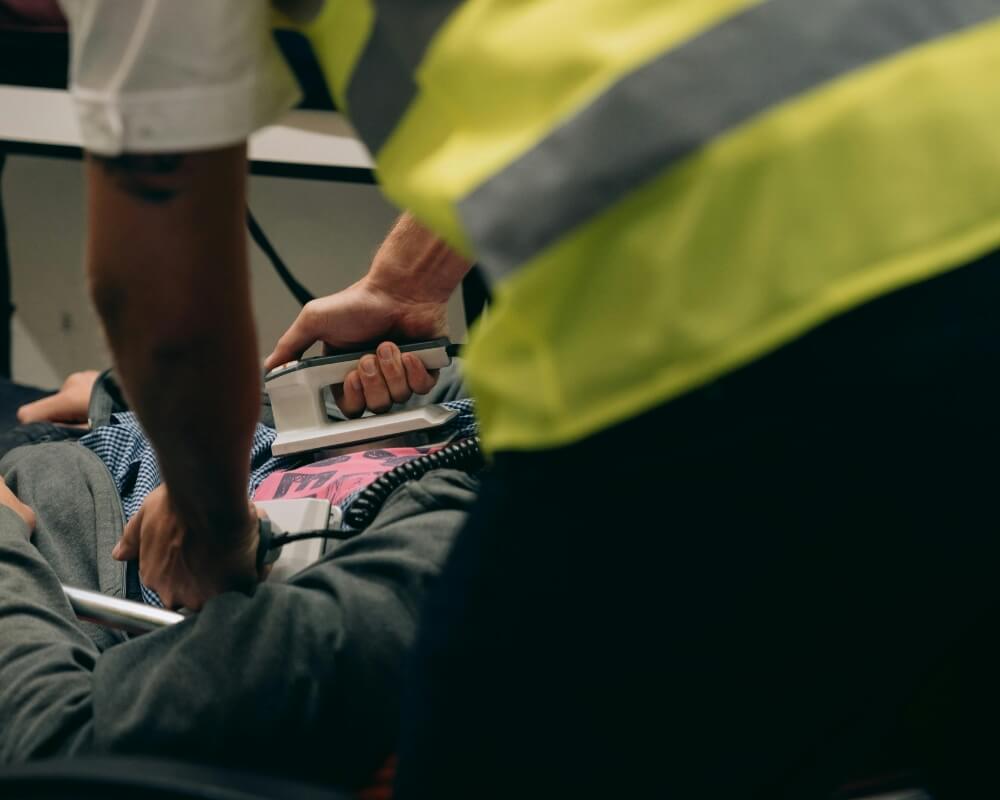
Adult & Pediatric First Aid/CPR/AED — Blended Learning
Self-paced online + in-person skills check. 2-year certification.
CPR, AED & First Aid Certification
Instructor-led on-site. Practice on real manikins and AED trainers.
The key difference user control versus automation
The choice between semi and fully automatic boils down to the final step of delivering the shock. This single action defines the user experience and can influence a rescuer’s behavior in a high stress situation.
What is a semi automatic AED
A semi automatic AED guides the user through every step and, if a shock is needed, will prompt the rescuer to press a button to deliver it.
The process looks like this:
- The device analyzes the heart rhythm.
- It determines a shock is required and begins to charge.
- A voice prompt instructs everyone to “stand clear.”
- The device then says, “Press the flashing shock button now.”
- The rescuer presses the button to deliver the shock.
The main benefit here is that the rescuer has final control. This deliberate action ensures everyone is clear of the patient, which can be a point of comfort for trained first responders who are accustomed to controlling the scene.
What is a fully automatic AED
A fully automatic AED eliminates the need for the rescuer to press a shock button. If a shock is required, the device delivers it automatically after a clear verbal warning.
The process with a fully automatic model is:
- The device analyzes the heart rhythm.
- It determines a shock is required and begins to charge.
- A voice prompt and loud alert warns everyone to “stand clear, a shock will be delivered in 3, 2, 1.”
- The device delivers the shock on its own.
This design is intended to remove any potential for “rescuer freeze,” where a bystander might hesitate to press the button due to stress or fear. Research has shown that bystander anxiety can sometimes delay action. By automating this final step, the device ensures the shock is delivered as quickly as possible.

RECOMMENDED
HeartSine Samaritan 350P AED Package
Compact, fully-automatic AED designed for first-time responders. Pads, battery, carry case and wall sign included.
Choosing the right model for your environment
So which one is better for you? The answer depends on your specific situation.
Consider a semi automatic AED if:
-
Your responders are trained professionals:
Many workplace response teams, including nurses or security staff, are trained on semi automatic models and may feel more comfortable having final control over shock delivery.
-
You prioritize a deliberate clearing process:
The act of pressing a button provides a definitive final check point, ensuring all helpers and bystanders have moved away from the patient.
Consider a fully automatic AED if:
-
The device is for a home or public space:
In environments where the rescuer is likely to be a panicked family member, colleague, or untrained bystander, a fully automatic model removes a major source of hesitation.
-
Simplicity is your top priority:
For schools, fitness centers, or community gathering spots, a hands off device can simplify the process for users who are overwhelmed and acting under extreme duress.
-
You want to minimize time to shock:
While the difference is only a few seconds, a fully automatic device can slightly shorten the time from analysis to shock delivery by removing the human reaction time needed to press a button. In a cardiac arrest, every second counts.
A versatile solution for any preparedness plan
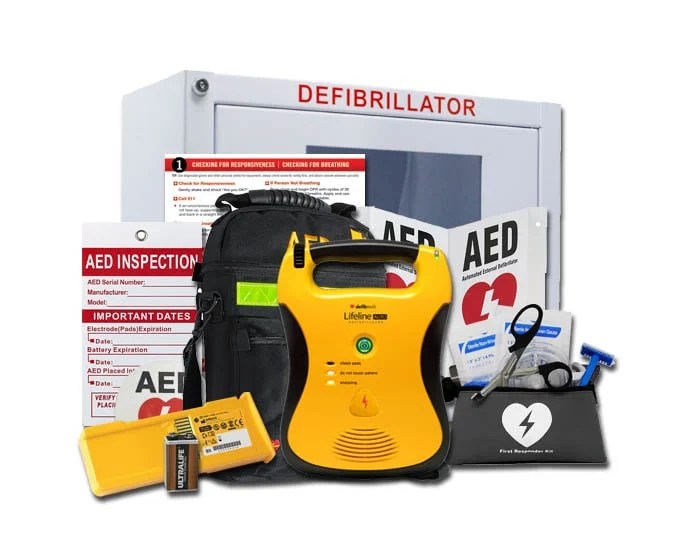
Fortunately, you don’t have to search far to find a top tier device that meets your preference. The Defibtech Lifeline AED is an industry leading defibrillator known for its durability, simplicity, and award winning ergonomic design.
Crucially, it is available in both semi automatic and fully automatic configurations. This flexibility allows you to choose the exact model that aligns with your preparedness strategy, whether you’re equipping a corporate office with trained responders or placing a life saving device in a busy school hallway. Its rugged construction and simple two button interface make it an ideal choice for nearly any environment, ensuring it’s ready to perform when needed most.
Confidence comes from preparation
Regardless of which model you select, the key to a successful outcome is confidence. While modern AEDs are designed for untrained users, completing a certification course can empower anyone to act decisively and effectively during an emergency. We offer a range of accessible CPR and AED training courses that provide the hands on skills and knowledge to manage a rescue with competence.
Once your AED is in place, ensuring it remains ready is simple with tools like the Response Ready App. It helps you automate monthly readiness checks and compliance reminders, giving you peace of mind that your device is prepared to save a life.
Ultimately, the best AED is one that you and your community feel confident using. Whether you choose the control of a semi automatic or the simplicity of a fully automatic, Response Ready is here to help. Explore our complete collection in the Response Ready AED superstore or contact our experts for a personalized recommendation.
Not sure which AED or training fits your needs?
A Response Ready product expert walks you through it — no obligation.
Frequently asked questions
Q: Is a fully automatic AED safer than a semi automatic one?
A: Both types of AEDs are equally safe. They use the same technology to analyze a person’s heart rhythm and will only advise or deliver a shock if a life-threatening arrhythmia is detected. Neither device will ever shock someone who does not need it.
Q: Do I need special training to use a fully automatic AED?
A: No, you do not need training to use any modern AED. They are all designed with clear voice prompts to guide untrained bystanders. However, training is highly recommended because it builds the confidence to act quickly and correctly during a stressful emergency.
Q: What happens if I accidentally touch the person when a fully automatic AED delivers a shock?
A: The device gives a very clear verbal warning and alert, instructing everyone to stand clear before it delivers a shock. This warning provides ample time to ensure no one is touching the person. It is very important to follow these commands.
Q: Which type of AED do most professionals like paramedics use?
A: Paramedics and other advanced medical professionals typically use manual defibrillators, which are much more complex and require extensive medical training. For public access AEDs, both semi automatic and fully automatic models are widely used, though semi automatic units have historically been more common.
Q: Can I change my Defibtech Lifeline AED from semi automatic to fully automatic later?
A: The operating mode of an AED is set at the factory and cannot be changed by the user. It is important to decide which model best fits your needs at the time of purchase.