What Is the Good Samaritan Law?
Every year, more than 350,000 people in the United States experience sudden cardiac arrest outside of a hospital. Survival depends on immediate action, and an automated external defibrillator (AED) can increase survival rates by up to 70% when used within the first few minutes. Yet many bystanders hesitate to act because they fear legal consequences if something goes wrong.
Good Samaritan laws exist to remove that fear. These laws provide legal protection to individuals who voluntarily help someone experiencing a medical emergency, as long as they act in good faith and within reason. Every state in the U.S. has some form of Good Samaritan protection, and the federal Cardiac Arrest Survival Act of 2000 adds an additional layer of coverage specifically for AED use.
If you manage a workplace, school, church, or any facility where people gather, understanding these legal protections is essential. They protect your employees, your organization, and the people you serve.
Response Ready carries AEDs from all six FDA-approved manufacturers and provides complete program management, training, and compliance support. Browse AED packages or call 858-665-2025 to speak with a specialist.
How Good Samaritan Laws Protect AED Users
Good Samaritan laws are designed to encourage bystanders to take action during emergencies without fear of lawsuits. When it comes to AED use, these protections generally cover three categories of people:
- Bystanders who use an AED: Anyone who uses an AED on a person in cardiac arrest is typically protected, whether or not they have formal training. AEDs are designed for use by the general public, and Good Samaritan statutes reflect that intent.
- Organizations that provide AEDs: Businesses, schools, and other entities that purchase and maintain AEDs are generally shielded from liability, provided they follow reasonable maintenance and placement guidelines. To learn which states require businesses to have AEDs, see our state-by-state AED requirements guide.
- Medical professionals who oversee AED programs: Physicians who serve as medical directors for AED programs also receive protection under most state laws.
The core principle is simple: if you act in good faith to help someone in a life-threatening emergency, you are protected from civil liability. These laws do not protect against gross negligence or willful misconduct, but using an AED as intended during a cardiac emergency falls well within the scope of protected behavior.
Federal Protection: The Cardiac Arrest Survival Act
In addition to state laws, the federal government enacted the Cardiac Arrest Survival Act (CASA) in 2000. This law provides liability protection for two groups:
- AED users: Any person who uses an AED in a perceived medical emergency is protected from liability, as long as they act as an ordinary, reasonably prudent person would under the same circumstances.
- AED acquirers: Organizations that purchase or provide AEDs are also protected, provided the device is properly maintained and tested according to manufacturer guidelines.
CASA sets a federal baseline, meaning even in states where specific AED Good Samaritan language is less detailed, the federal act provides a safety net. This law was a turning point in making AEDs accessible in public spaces across the country.
State-by-State Variations in Good Samaritan Laws
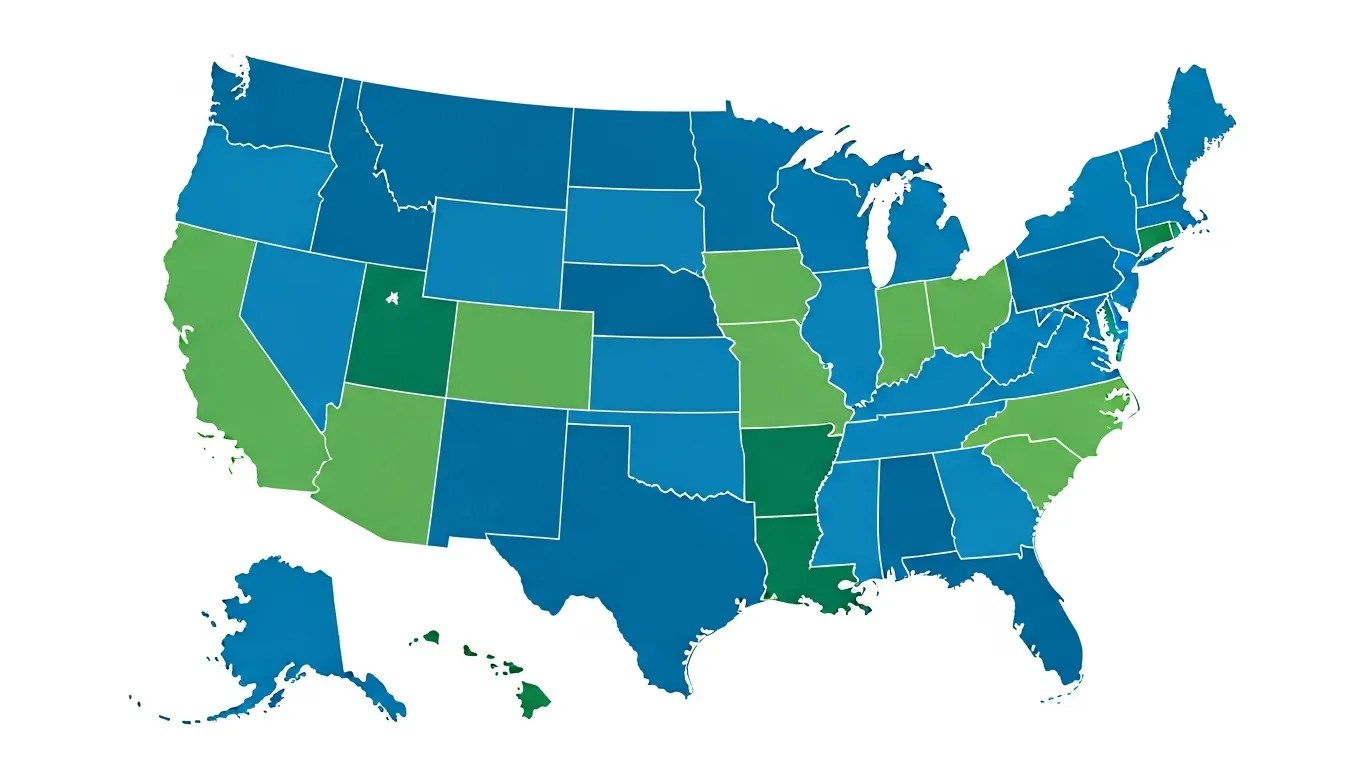
While all 50 states offer some form of Good Samaritan protection, the specifics vary. Some states have broad protections that cover any person who renders emergency assistance, while others have narrower statutes that specifically address AED use. Here are the key differences to understand:
Training Requirements
Some states require that the AED user has received basic training in CPR and AED operation to qualify for full legal protection. Others explicitly extend protection to untrained bystanders, recognizing that AEDs are designed to guide any user through the process with voice prompts. States like California, New York, and Texas provide protection regardless of training status.
Maintenance and Registration
Several states require that AEDs be registered with local emergency medical services (EMS) or maintained according to manufacturer specifications. In these states, the organization that owns the AED must demonstrate that the device was in working condition at the time of use. Regular AED maintenance is not only a legal best practice but also a practical necessity to keep your device rescue-ready.
Medical Oversight
A number of states require AED programs to have a designated medical director, a licensed physician who oversees the program. This physician reviews protocols, approves training programs, and provides post-event guidance. Response Ready offers medical director services through Dr. Ann Jarris, MD, MBA, FACEP, making it easy to meet this requirement.
Notification Requirements
Some states require that organizations notify local EMS when they place an AED in a building. This helps dispatchers direct 911 callers to the nearest available AED during an emergency.
For a comprehensive look at which states mandate AEDs and the specific compliance rules in each, read our AED requirements and compliance guide.
Not sure what your state requires? Review our AED requirements by state guide, or Response Ready’s team can walk you through your state’s AED laws, training requirements, and compliance obligations. Call 858-665-2025 for a free consultation.
Common Misconceptions About AED Use and Legal Liability
Despite strong legal protections, myths about AED liability persist. These misconceptions prevent people from purchasing AEDs and discourage bystanders from acting during emergencies. Here are the most common ones:
Misconception 1: “I can be sued for using an AED on someone.”
While anyone can technically file a lawsuit, Good Samaritan laws are specifically designed to prevent these claims from succeeding. Courts consistently uphold these protections when the rescuer acted in good faith. There is no documented case in the United States where a Good Samaritan was found liable for using an AED during a cardiac emergency.
Misconception 2: “I need to be certified to use an AED.”
AEDs are designed for use by anyone, regardless of training. The device analyzes the heart rhythm automatically and only delivers a shock when it detects a shockable rhythm. You cannot accidentally harm someone with an AED. While CPR and AED certification builds confidence and improves response times, it is not required in most states to use an AED or to receive legal protection.
Misconception 3: “My business will be liable if we have an AED and something goes wrong.”
The opposite is actually true. Having an AED and a documented emergency response plan strengthens your legal position. Organizations face greater liability risk when they fail to provide life-saving equipment in environments where cardiac emergencies are foreseeable, such as fitness centers, large offices, and senior care facilities. If you are setting up an AED program for your office or business, our employer’s guide to workplace AEDs covers everything from program design to liability management.
Misconception 4: “If the person dies, I will be held responsible.”
Without intervention, cardiac arrest is fatal in the vast majority of cases. Using an AED gives the victim the best possible chance of survival. Good Samaritan laws recognize that the alternative to bystander action is almost certain death, which is why they protect rescuers even when the outcome is not favorable.
Misconception 5: “Good Samaritan laws only protect trained medical professionals.”
These laws were created specifically to protect everyday people, not medical professionals. In fact, medical professionals are often held to a higher standard of care under separate legal frameworks. Good Samaritan laws encourage ordinary citizens to step up and help.
Why Legal Protection Should Not Deter You from Acting
The legal framework around AED use is overwhelmingly supportive of bystander action. Between federal legislation, state Good Samaritan statutes, and decades of case law, the message is clear: society wants you to help.
Consider the reality of cardiac arrest:
- For every minute without defibrillation, the chance of survival drops by 7% to 10%.
- The average EMS response time is 7 to 14 minutes.
- A bystander with an AED can deliver a shock in under 3 minutes.
- Early defibrillation can raise survival rates from under 10% to over 70%.
Hesitating because of legal concerns costs lives. The laws are in your favor. The technology is designed for untrained users. And organizations like Response Ready provide the training, equipment, and ongoing support to make sure you are prepared to act with confidence.
Building an AED Program That Maximizes Legal Protection
While Good Samaritan laws provide a strong foundation, organizations can further strengthen their legal position by building a well-documented AED program. Here are the key steps:
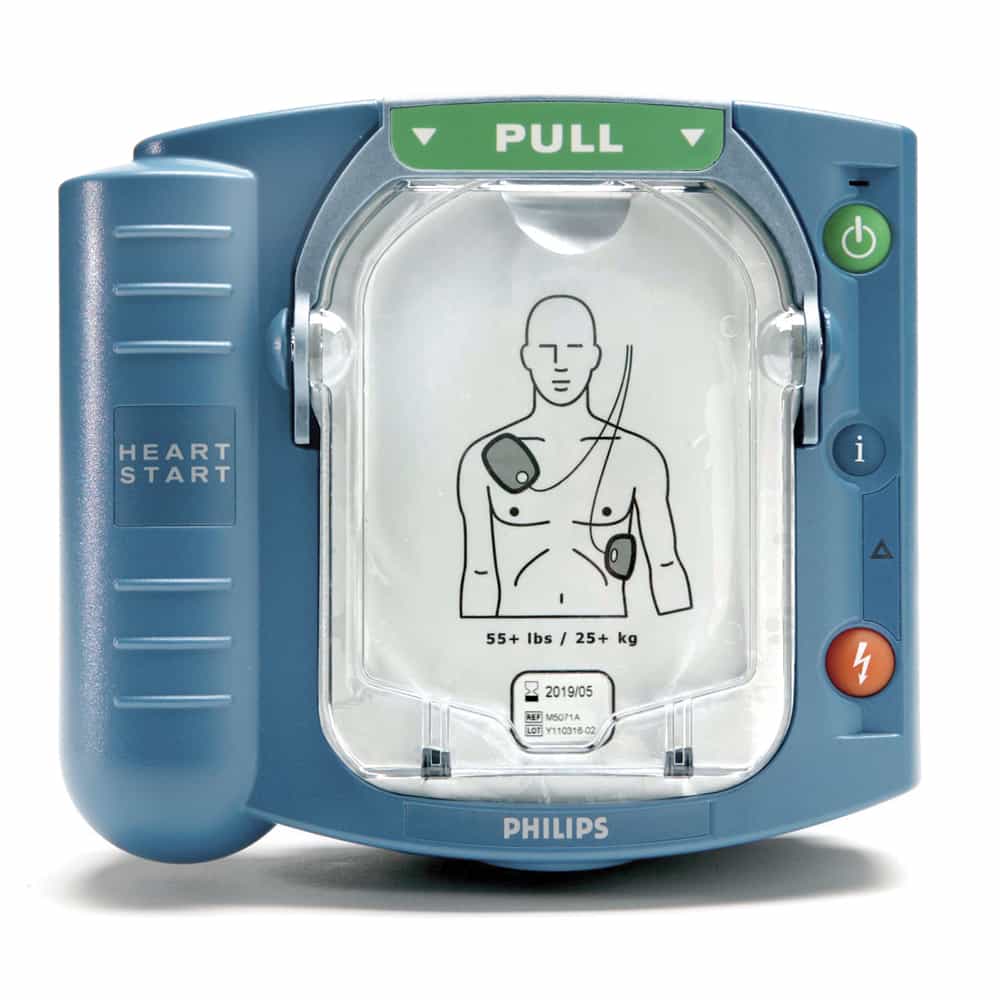
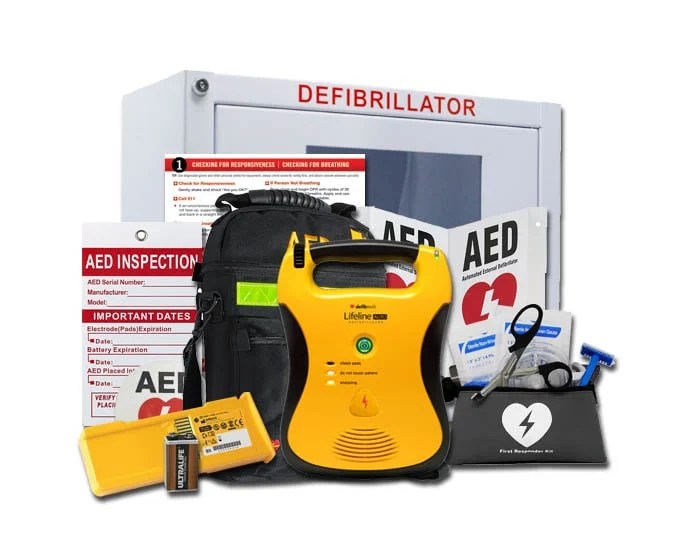
- Choose FDA-approved devices: Purchase AEDs from authorized distributors carrying FDA-approved brands. Response Ready is the only distributor offering all six FDA-approved AED manufacturers.
- Maintain your AEDs: Follow the manufacturer’s maintenance schedule, replace pads and batteries before they expire, and keep a written maintenance log. A well-maintained device is both a life-saving tool and a legal safeguard.
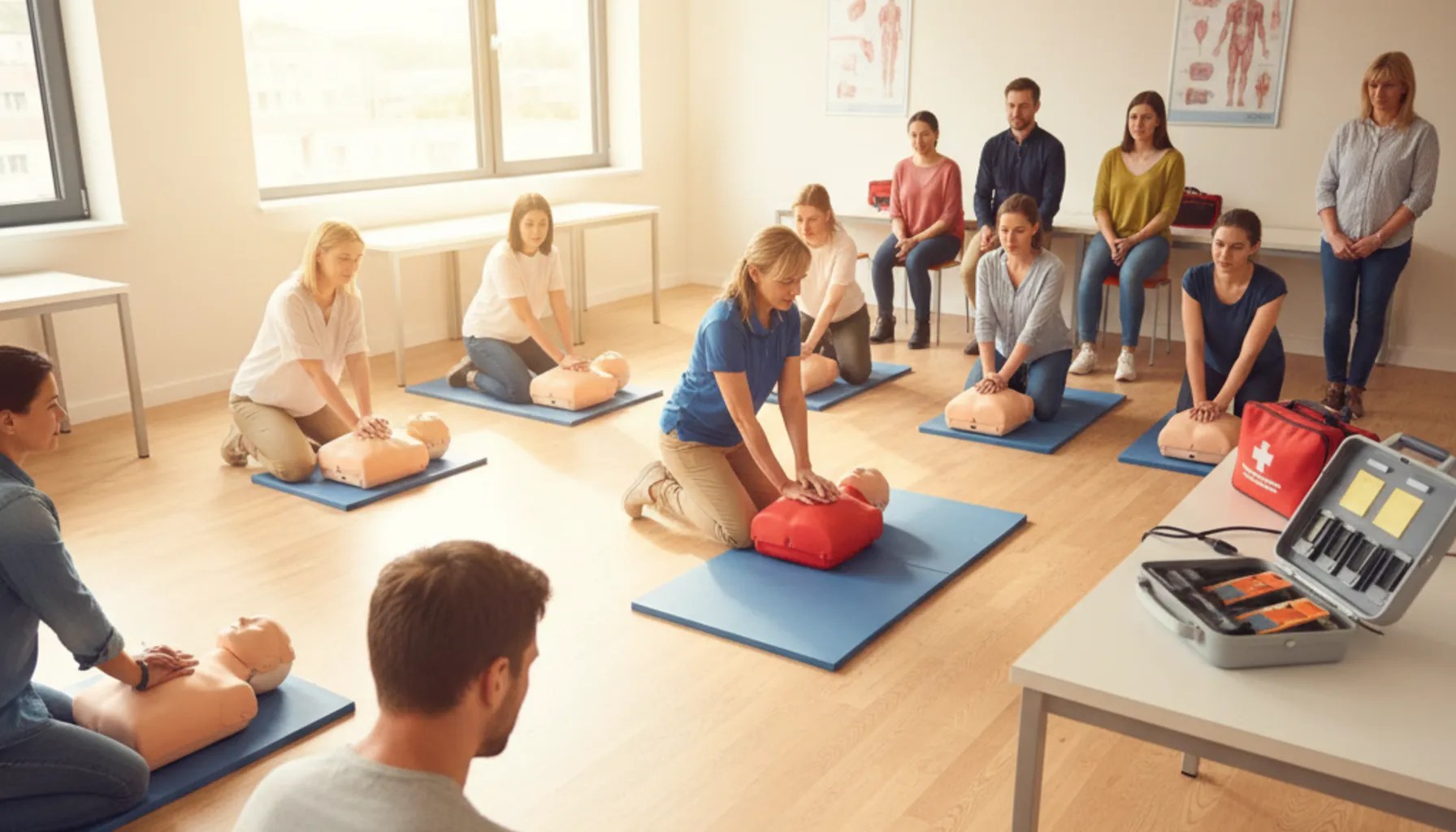
- Train your team: While not always legally required, CPR and AED training dramatically improves outcomes and strengthens your compliance posture. Response Ready offers CPR, AED, and first aid training through a nationwide instructor network.
- Designate a medical director: Having physician oversight satisfies state requirements and demonstrates organizational commitment to best practices.
- Register your AED: If your state requires it, register your device with local EMS. Even where not required, registration helps dispatchers locate the nearest AED during an emergency.
- Document everything: Keep records of purchases, maintenance checks, training sessions, and any AED deployments. Documentation is your best defense if questions ever arise.
Response Ready’s AED Total Solution program handles compliance, maintenance tracking, and medical oversight for just $99 per year. Learn about AED Total Solution or call 858-665-2025 to get started.
Frequently Asked Questions
What is the Good Samaritan law?
The Good Samaritan law is a legal statute that protects people who voluntarily provide emergency assistance to someone who is injured or in danger. These laws exist in all 50 U.S. states and are designed to encourage bystanders to help during emergencies without fear of being sued, as long as they act in good faith and within reason.
Does the Good Samaritan law protect me if I use an AED?
Yes. All 50 states have Good Samaritan laws that extend protection to individuals who use an AED during a cardiac emergency. The federal Cardiac Arrest Survival Act of 2000 provides additional protection specifically for AED users and the organizations that provide them.
Do I need training to be legally protected when using an AED?
In most states, no. AEDs are designed for use by anyone, and many state laws explicitly protect untrained bystanders. However, some states provide broader protection if you have received CPR and AED training. Training is always recommended because it builds confidence and improves your ability to respond quickly.
Can my business be sued for having an AED?
Good Samaritan laws and the federal Cardiac Arrest Survival Act protect organizations that acquire and maintain AEDs in good faith. Maintaining the device according to manufacturer guidelines and following your state’s requirements (such as registration or medical oversight) further strengthens your protection. In reality, organizations face greater legal risk by not having an AED in environments where cardiac emergencies are foreseeable.
Has anyone ever been successfully sued for using an AED?
There are no documented cases in the United States where a person acting in good faith was found liable for using an AED during a cardiac emergency. Courts consistently uphold Good Samaritan protections in these situations.
What should my organization do to stay compliant with AED laws?
Purchase FDA-approved AEDs, maintain them according to manufacturer specifications, train designated responders in CPR and AED use, register your devices with local EMS if required, appoint a medical director if your state requires one, and keep detailed records of all maintenance and training activities. Response Ready’s AED Total Solution program handles these requirements for you.