What Is a Bug Out Bag and Why Does Every Household Need One?
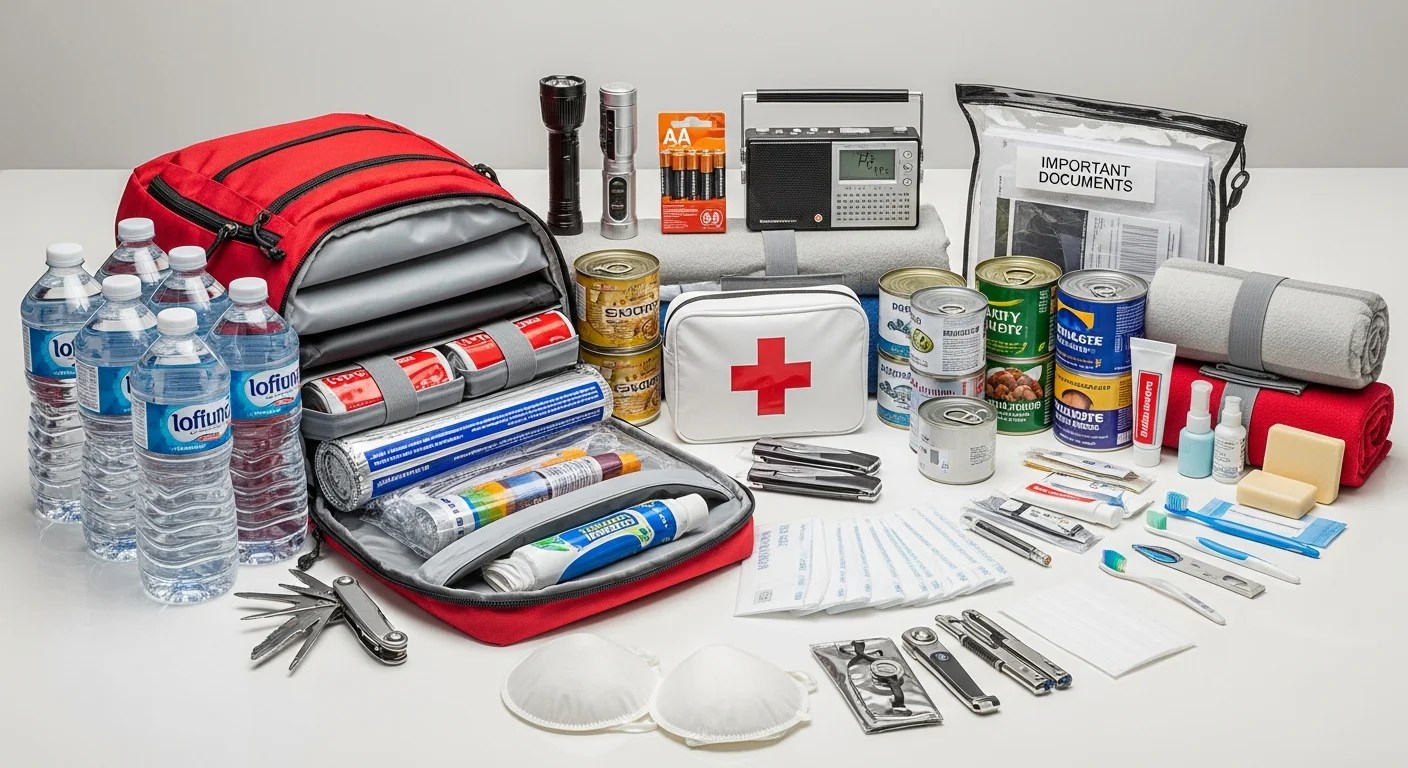
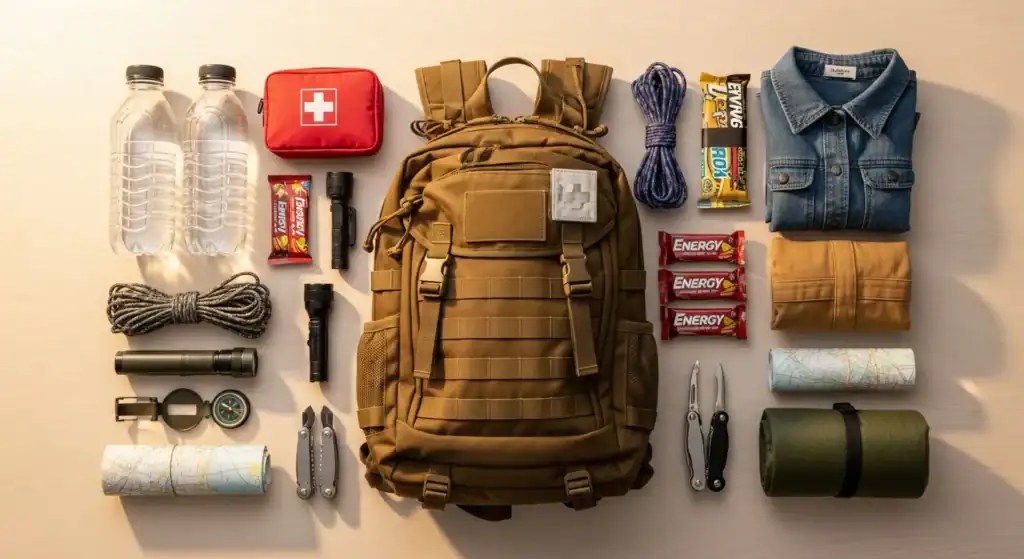
A bug out bag is a pre-packed, portable kit containing everything one person needs to survive for at least 72 hours during an emergency evacuation. Response Ready builds bug out bags and emergency go bags designed for real-world scenarios, from wildfire evacuations and hurricane warnings to earthquake aftermath and civil emergencies. Unlike a shelter-in-place kit that stays in your closet, a bug out bag sits by the door, ready to grab in under 60 seconds when the order comes to leave.
Shop Response Ready’s complete line of emergency preparedness kits to find pre-built go bags, evacuation kits, and disaster supplies for your household.
FEMA and the American Red Cross both recommend that every household maintain a go bag for each family member. During large-scale disasters, roads become congested, shelters fill up, and professional help may take days to reach you. This 2026 bug out bag checklist covers every essential category so you can build your go bag from scratch or audit the one you already have. Whether you call it a bug out bag, a go bag, or an emergency evacuation kit, the goal is the same: survive and stay mobile when staying home is not an option.
What Water and Hydration Supplies Should a Bug Out Bag Include?
Water is the single most critical item in any bug out bag. Dehydration can impair decision-making within hours and become life-threatening within days, especially during physical exertion from an evacuation.
- One liter of water per person for every 4 hours of travel (minimum 3 liters for a 72-hour bag)
- Commercially sealed water pouches or a durable, BPA-free water bottle
- Portable water filter (straw-style or pump) rated for bacteria, protozoa, and particulates
- Water purification tablets (iodine or chlorine dioxide) as a backup method
- Collapsible water container (1-2 gallon capacity) for resupplying at streams, faucets, or relief stations
Weight matters in a go bag. A full gallon of water weighs over 8 pounds, so combining sealed water with a portable filter gives you immediate hydration and the ability to purify more along the way.
What Food and Nutrition Belongs in a Go Bag?
Bug out bag food needs to be lightweight, calorie-dense, shelf-stable, and ready to eat without cooking. During an evacuation, you may not have access to a stove or fire. Every food item should deliver maximum calories per ounce with zero preparation.
- Energy bars and meal replacement bars (aim for 400+ calories per bar)
- Trail mix, nuts, and dried fruit for sustained energy
- Peanut butter or almond butter packets (single-serve)
- Beef jerky or other dried protein sources
- Electrolyte powder packets to prevent cramping during physical exertion
- Hard candy or glucose tablets for quick energy boosts
Target at least 2,000 calories per person per day for 72 hours. Avoid canned goods in a bug out bag because they add significant weight; save those for your shelter-in-place kit. Rotate food items every 6 months.
What First Aid and Medical Gear Is Essential for Bug Out Bag Survival?
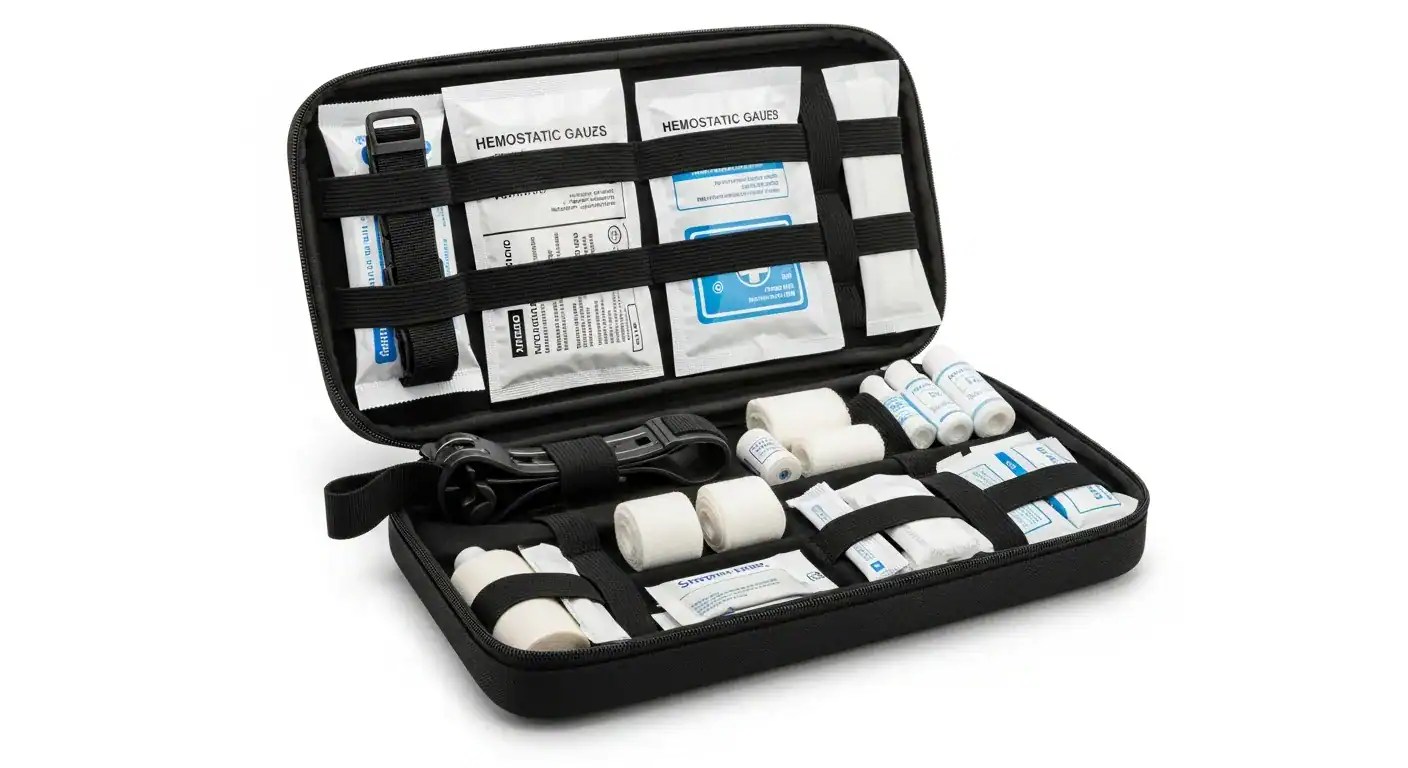
A bug out bag first aid kit must go beyond adhesive bandages. During an evacuation, injuries from debris, falls, and broken glass are common. Response Ready carries professional-grade first aid kits designed for these high-stress situations.
Explore Response Ready’s bleeding control kits, built to stop life-threatening hemorrhage when professional medical help is not available.
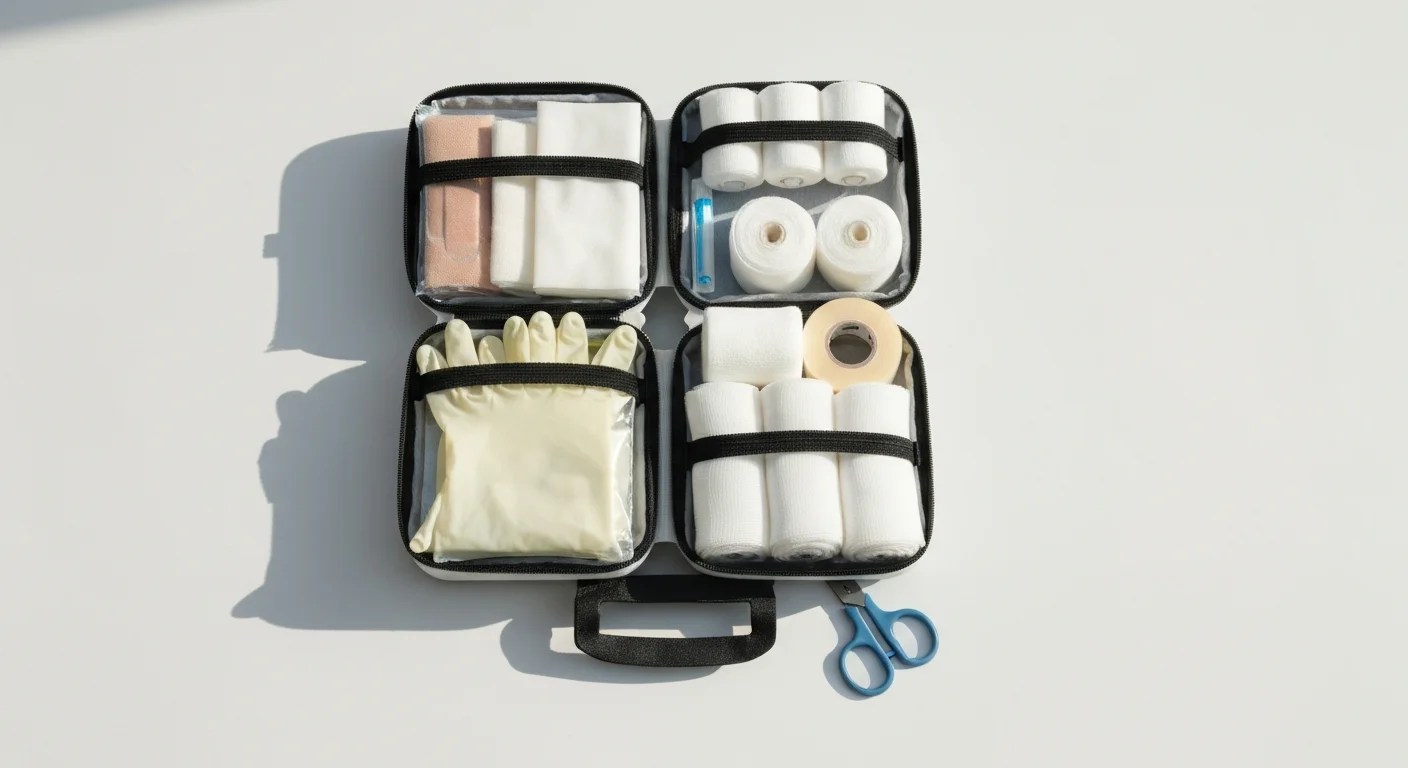
Basic First Aid Supplies
- Adhesive bandages (assorted sizes) and butterfly closures
- Sterile gauze pads, roller gauze, and medical tape
- Elastic bandages (ACE wrap) for sprains and compression
- Antiseptic wipes and antibiotic ointment packets
- Nitrile gloves (at least 4 pairs)
- Tweezers, trauma shears, and a digital thermometer
- Pain relievers (ibuprofen and acetaminophen)
- Anti-diarrheal medication and oral rehydration salts
Advanced Trauma and Life-Safety Gear
Standard first aid kits handle minor injuries, but during a disaster evacuation, life-threatening emergencies like severe bleeding and sudden cardiac arrest happen more frequently than most people expect. Add these critical items to your bug out bag essentials:
- Bleeding control kit with a tourniquet (CAT or SOF-T), hemostatic gauze, and chest seals. Response Ready’s mobile trauma kits are compact enough for any go bag.
- CPR pocket mask with a one-way valve for safe rescue breathing
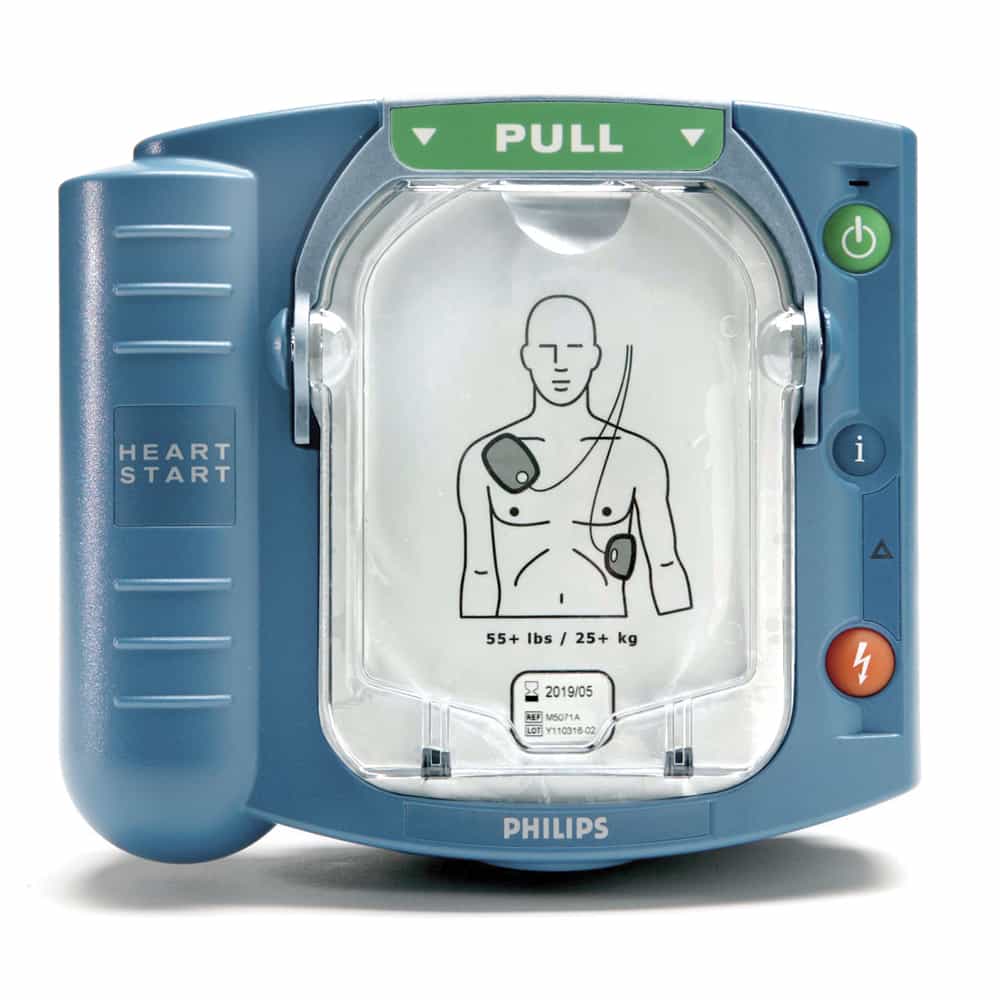
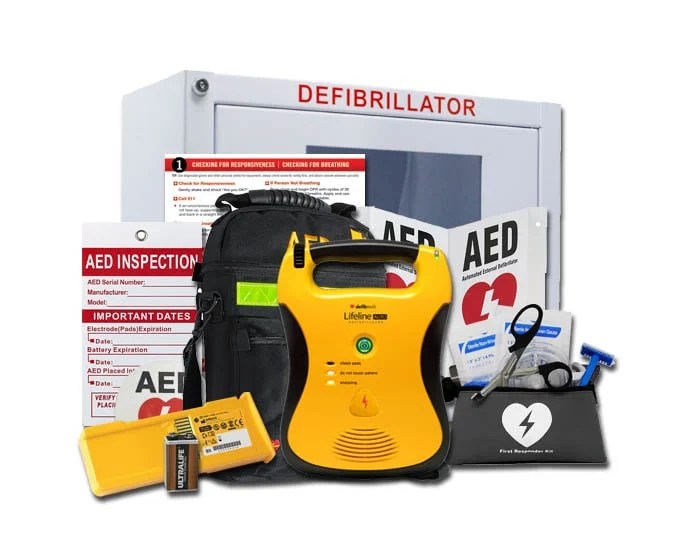
- Portable AED (Automated External Defibrillator) for groups, families with cardiac risk factors, or anyone managing a multi-person evacuation. Response Ready carries AED packages from all six FDA-approved manufacturers, including compact models that weigh under 5 pounds.
- Emergency Mylar blanket for treating shock and hypothermia
- SAM splint or improvised splinting materials
Pack prescription medications in their own waterproof container with at least a 7-day supply. Rotate monthly so you always have current doses.
What Shelter and Clothing Should You Pack for an Evacuation?
Exposure kills more people in survival situations than hunger or thirst. A bug out bag must include lightweight shelter and clothing that protect against rain, wind, cold, and sun. The key is layering: multiple thin layers outperform a single heavy jacket in nearly every climate.
- Lightweight emergency bivvy or survival tent (reflective Mylar, packs to the size of a soda can)
- Compact tarp (8×10 feet minimum) with 50 feet of paracord for improvised shelter
- Emergency Mylar blankets (at least 2 per person) for warmth and ground insulation
- Rain poncho or packable waterproof jacket
- One complete change of moisture-wicking clothing (base layer, underwear, socks)
- Warm fleece or insulating mid-layer regardless of the season
- Sturdy, broken-in boots or shoes that can handle broken glass, debris, and uneven terrain
- Work gloves (leather or heavy-duty) for handling wreckage and debris
- Bandana or buff (sun protection, dust filter, tourniquet, signal flag)
Store clothing in a waterproof compression sack inside your go bag. Wet clothing in cold weather accelerates heat loss and can trigger hypothermia within hours.
What Communication and Navigation Tools Belong in a Go Bag?
Cell towers go down during major disasters. GPS apps stop working when you lose signal. A complete bug out bag includes analog communication and navigation tools that function without infrastructure, keeping you connected to emergency broadcasts and oriented toward safety.
- Hand-crank or battery-powered NOAA weather radio for official emergency alerts and evacuation route updates
- Portable battery pack (minimum 10,000 mAh) with cables for your phone and devices
- Emergency whistle (audible up to one mile, no batteries required)
- Signal mirror for long-distance visual signaling to rescue teams
- Paper maps of your local area, state, and planned evacuation routes (laminated if possible)
- Compass (baseplate style, not digital)
- Permanent marker and waterproof notepad for leaving messages at rally points
Pre-program your phone with offline maps of your region and evacuation routes. Store emergency contacts as both a phone entry and a printed card inside your go bag.
Which Documents and Valuables Should a Bug Out Bag Contain?
Replacing lost identification, insurance policies, and financial records after a disaster can take months. Pack copies of every critical document your family needs to prove identity, access healthcare, and file insurance claims.
- Copies of government-issued photo IDs (driver’s license, passport) for every family member
- Insurance documents (health, homeowner’s/renter’s, auto, flood)
- Medical records, prescription lists, vaccination records, and allergy information
- Bank account numbers, credit card information, and recent statements
- Emergency contact list (printed, not just saved on your phone)
- Copies of your family’s evacuation plan with predetermined meeting locations
- Cash in small bills ($200-$500; ATMs and card readers may be offline for days)
- Spare house and car keys
- Password-protected USB drive with digital copies of all documents
Store all documents in a waterproof, fireproof pouch in an easy-to-reach exterior pocket so you can access IDs and cash quickly at checkpoints and shelters.
What Tools and Utility Gear Complete a Bug Out Bag List?
The right tools make the difference between being stuck and staying mobile during an evacuation. Every item on this bug out bag list should serve at least two purposes to keep weight down while maximizing capability.
- Quality multi-tool (Leatherman, Gerber, or similar) with pliers, knife, screwdriver, and can opener
- Fixed-blade knife (4-5 inch blade) with a sheath for heavier cutting tasks
- LED headlamp (hands-free lighting is critical when you are moving) with spare batteries
- Compact LED flashlight as a backup light source
- Fire-starting kit: waterproof matches, ferrocerium rod, and cotton tinder
- Duct tape (wrap 10-15 feet around a pencil or water bottle to save space)
- Heavy-duty zip ties (assorted sizes) for gear repairs and improvised fixes
- Sewing kit with heavy-duty thread for repairing clothing and gear
- N95 masks (at least 2 per person) for smoke, ash, dust, and airborne debris
- Safety goggles for eye protection in smoky or dusty conditions
Test every tool before it goes in your go bag. A multi-tool that jams or a headlamp with corroded battery contacts is dead weight when you need it most.
Complete Bug Out Bag Checklist at a Glance
Use this quick-reference table to verify your bug out bag has everything it needs. Print this bug out bag checklist and check items off as you pack.
| Category | Key Items | Target Weight |
|---|---|---|
| Water | Sealed water, filter, purification tabs, collapsible container | 6-8 lbs |
| Food | Energy bars, trail mix, jerky, electrolyte packets | 3-4 lbs |
| First Aid | First aid kit, bleeding control kit, prescriptions, CPR mask | 2-3 lbs |
| Shelter | Emergency bivvy, tarp, paracord, Mylar blankets | 2-3 lbs |
| Clothing | Change of clothes, rain poncho, warm layer, boots, gloves | 4-6 lbs |
| Communication | NOAA radio, battery pack, whistle, paper maps, compass | 2-3 lbs |
| Documents | IDs, insurance, medical records, cash, USB backup | 1 lb |
| Tools | Multi-tool, headlamp, fire kit, duct tape, N95 masks | 2-3 lbs |
Total target weight: 22-31 pounds per person. Keep your loaded bug out bag under 20% of your body weight for comfortable carry over long distances. A 150-pound adult should aim for a 30-pound pack or lighter.
Check out Response Ready’s Grab-and-Go 3-Day Personal Emergency Kit for a professionally packed, ready-to-use go bag that covers the essentials in a single portable package.
How Should You Maintain and Update Your Bug Out Bag?
A bug out bag is only effective if every item inside it works when you need it. Follow a quarterly maintenance schedule to keep your go bag evacuation-ready year-round.
- Every 3 months: Check expiration dates on food, water, medications, and purification tablets. Replace anything within 30 days of expiring.
- Every 3 months: Test batteries in your headlamp, flashlight, and weather radio. Replace or recharge your portable battery pack.
- Seasonally: Swap clothing for the current weather. Add sunscreen and insect repellent in summer. Add extra warm layers and hand warmers in winter.
- After any use: Replenish every item you consumed during an emergency, drill, or camping trip.
- When life changes: New family member, new medication, new pet, or a move to a different climate zone all require a bag update.
Store your bug out bag in a cool, dry location near your primary exit door. Avoid attics (heat degrades food and batteries) and basements (flood risk). Many families keep a second go bag in their vehicle for evacuations that begin while away from home.

Frequently Asked Questions About Bug Out Bags
What is the difference between a bug out bag and a 72-hour kit?
A bug out bag is designed specifically for evacuation and movement. It prioritizes lightweight, portable gear you can carry on your back while traveling on foot. A 72-hour emergency kit may include heavier items like gallon jugs of water and canned food because it is designed for sheltering in place at home. Both cover 72 hours of survival, but a bug out bag trades weight and comfort for mobility.
How much should a bug out bag weigh?
A fully loaded bug out bag should weigh no more than 20% of your body weight. For a 150-pound adult, that means a 30-pound pack or lighter. For a 120-pound adult, aim for 24 pounds or less. Exceeding this ratio causes fatigue, joint strain, and slower travel speed, all of which reduce your chances of reaching safety efficiently.
What size backpack works best for a go bag?
A 40-65 liter backpack with padded shoulder straps, a hip belt, and multiple compartments works best for most adults. The hip belt transfers weight from your shoulders to your hips, reducing fatigue during long carries. Choose a bag with MOLLE webbing or external attachment points for additional gear.
Should I include a portable AED in my bug out bag?
If you are evacuating with a group or managing a family with cardiac risk factors, a portable AED is a smart addition. Modern AEDs from manufacturers like ZOLL and Philips weigh under 5 pounds and can be attached externally to your pack. Response Ready carries portable AEDs from all six FDA-approved manufacturers.
Can I buy a pre-built bug out bag instead of assembling one?
Yes. Response Ready offers pre-assembled emergency preparedness kits designed for grab-and-go evacuations. Pre-built kits are assembled by emergency preparedness professionals and include supplies that meet FEMA and Red Cross guidelines. You can customize any kit by adding personal items like medications, documents, and clothing specific to your family’s needs.
Where should I store my bug out bag?
Store your bug out bag near your home’s primary exit, such as a hall closet by the front door or a shelf in the garage near your vehicle. Keep a second bag in your car for evacuations that begin while away from home. Avoid attics (heat degrades supplies) and basements in flood-prone areas.